分类: society

  • Pets given pride of place at Jilin cinema

    Pets given pride of place at Jilin cinema

    A cinema in Changchun, Jilin province has launched an innovative pet-friendly viewing experience, allowing movie enthusiasts to enjoy films alongside their animal companions. The special screening of Disney’s animated sequel Zootopia 2 marked a significant departure from traditional cinema protocols, creating a unique social experience for pet owners.

    The theater implemented comprehensive modifications to accommodate its four-legged guests. Technical adjustments included softened lighting and reduced sound levels to ensure animal comfort during the presentation. The venue further enhanced the experience by providing specialized amenities including plush pet cushions and absorbent diapers, addressing both comfort and practical concerns for pet owners.

    This initiative represents a growing trend in consumer entertainment experiences that recognize pets as family members. The carefully curated environment allowed both humans and animals to enjoy the cinematic experience without the stress typically associated with bringing pets into public venues. Local residents responded enthusiastically to the opportunity, with many attending the special screening as a novel family activity.

    The cinema’s management demonstrated how commercial establishments can adapt their services to evolving consumer expectations regarding pet inclusion in public spaces. This experimental approach to entertainment could potentially influence how other public venues consider pet accommodation policies in the future.

  • Court outlines boundaries in property service disputes

    Court outlines boundaries in property service disputes

    China’s Supreme People’s Court has issued definitive judicial guidance on property management conflicts through the publication of five landmark cases, establishing clear legal boundaries between homeowners and service providers. The move represents a significant judicial intervention aimed at elevating service quality standards and addressing both persistent and emerging challenges within the rapidly evolving property sector.

    The court emphasized the critical role of property management in fulfilling citizens’ aspirations for improved living standards, particularly as China’s urban development strategy shifts from rapid expansion to the enhancement of existing residential properties. This transition has positioned community living as a central component of modern urban existence, consequently driving increased public demand for superior living environments, housing quality, and professional property services.

    In response to the frequent, widespread, and recurrent nature of disputes between residents and property companies, the Supreme Court has directed nationwide judicial bodies to proactively address public concerns and utilize legal mechanisms to facilitate conflict resolution. One illustrative case involved a homeowner identified only by the surname Zhang, who found himself denied access to his building’s elevator and entry systems due to outstanding property fees. Although Zhang eventually reached a settlement with the management company, he proceeded with legal action to challenge the punitive measures.

    Referencing China’s Civil Code, a local court determined that property service providers are expressly prohibited from suspending essential services including electricity, water, heating, or gas to compel fee payments. The judiciary acknowledged homeowners’ contractual obligation to pay agreed-upon fees while recognizing that payment delays and refusals have become commonplace, sometimes prompting companies to employ inappropriate pressure tactics.

    The court explicitly stated that restricting access cards or limiting elevator usage for fee collection constitutes improper infringement of homeowners’ property rights. Such approaches lack legal foundation and exceed reasonable boundaries, frequently exacerbating rather than resolving conflicts. Instead, the judiciary emphasized that service providers should employ reasonable communication methods to encourage payment and pursue their legitimate rights through formal channels including mediation, litigation, or arbitration—all without disrupting residents’ daily lives.

  • Harbin kicks off annual Ice Harvest Festival on Songhua River

    Harbin kicks off annual Ice Harvest Festival on Songhua River

    Harbin launched its sixth annual Ice Harvest Festival this Sunday along the frozen expanse of the Songhua River, strategically timed to coincide with Daxue, the traditional Chinese solar term marking ‘Major Snow.’ The ceremony unfolded with deep cultural reverence as workers adorned in historical costumes performed the ritual extraction of the inaugural ice block from the river’s thick frozen surface.

    The opening ceremony featured a formal blessing reading that paid homage to ancient traditions before the skilled harvesters commenced their work. This ceremonial commencement signals the official start of Harbin’s winter tourism season, drawing both domestic and international visitors to witness this unique cultural spectacle.

    The Ice Harvest Festival serves multiple purposes: preserving northeastern China’s winter cultural heritage, boosting local tourism during the cold months, and providing raw materials for the city’s world-renowned ice sculpture exhibitions. The harvested ice blocks, known for their exceptional clarity and structural integrity from the Songhua River’s pristine waters, will be transformed into elaborate artistic installations throughout the city.

    This year’s festival continues Harbin’s legacy as China’s ‘Ice City,’ combining traditional practices with modern tourism development. The event showcases how ancient winter survival techniques have evolved into celebrated cultural practices that attract global attention and contribute significantly to the regional economy during the winter season.

  • Trio investigated for suspected wildlife poisoning in Poyang Lake

    Trio investigated for suspected wildlife poisoning in Poyang Lake

    Chinese authorities in Jiangxi Province have launched a criminal investigation after three individuals were apprehended for allegedly poisoning wildlife within the ecologically sensitive Poyang Lake wetland ecosystem. The Yugan County Public Security Bureau disclosed the detentions on Monday, December 8th, 2025, following urgent reports from conservation volunteers.

    The case unfolded last Saturday when volunteer monitors alerted officials to suspected poisoning activities within the vast Poyang Lake basin. In rapid response, law enforcement agencies coordinated with forestry authorities to establish a specialized task force. This joint operation conducted immediate field inspections at the identified locations where wildlife casualties were reported.

    Law enforcement officials have identified the suspects only by their surnames—Zhou, aged 57, alongside two accomplices aged 69 and 50. All three individuals currently face criminal coercive measures as the comprehensive investigation continues to develop.

    Police spokespersons reiterated the critical importance of safeguarding Poyang Lake’s fragile ecosystem, emphasizing that protecting this natural heritage represents a collective social responsibility. Authorities explicitly pledged a ‘zero-tolerance’ stance toward all activities that compromise ecological security, particularly those threatening endangered species.

    The investigation highlights the ongoing conservation challenges facing Poyang Lake, China’s largest freshwater body and a vital hub within the East Asian-Australasian Flyway. This internationally recognized migratory route depends on the lake’s wetlands, which provide essential wintering grounds for countless bird species that journey thousands of kilometers annually to feed, rest, and survive the winter months. The preservation of this habitat proves critical not only for regional biodiversity but for maintaining global ecological balance along this crucial avian migration corridor.

  • ‘It’s not safe to live here.’ Colombia is deadliest country for environmental defenders

    ‘It’s not safe to live here.’ Colombia is deadliest country for environmental defenders

    In the volatile Putumayo region of Colombia, environmental defender Jani Silva embodies the precarious existence faced by land protectors in the world’s deadliest country for environmental activists. For over eight years, Silva has been unable to sleep in her riverside home, forced into a nomadic existence under constant threat from armed groups opposing her conservation efforts.

    According to Global Witness monitoring, Colombia accounted for nearly one-third of global killings of environmental defenders in 2024, with 48 documented cases. This alarming statistic underscores the extreme risks facing those who challenge powerful interests in resource-rich regions.

    Despite government protection measures including four full-time bodyguards provided by Colombia’s National Protection Unit for the past 12 years, Silva’s security situation remains dire. The 63-year-old activist now resides under guard in Puerto Asis, a river town near the Ecuador border, only visiting her community for brief daytime excursions accompanied by protection details.

    Silva’s work focuses on the Amazon Pearl reserve, a 227-square-kilometer protected area managed by ADISPA, the farming association she leads. This biodiversity hotspot shelters approximately 800 families who have resisted oil drilling, deforestation, and illicit crop cultivation for decades. The reserve represents a remarkable community-led conservation model featuring reforestation projects, wetland protection programs, and sustainable agroecology initiatives.

    The association’s successful beekeeping projects, which utilize native stingless bees to teach biodiversity conservation to children, exemplify the innovative approaches developed by community members. More than 600 families now participate in conservation projects that began through local initiative, including native seed exchanges, temporary hunting bans, and the cultivation of over 120,000 native seedlings to restore degraded ecosystems.

    However, these conservation achievements occur within a context of intense conflict. Armed groups known as Border Commandos control territory, river traffic, and local economies throughout Putumayo, emerging after Colombia’s 2016 peace accord with FARC rebels created power vacuums across the Amazon region. These groups enforce control through extortion, illegal taxation, and regulation of coca cultivation and clandestine mining operations.

    Human Rights Watch recently documented how armed groups in Putumayo have tightened control over daily life, committing serious abuses against civilians including forced displacement and targeting of local leaders. The presence of illegal coca cultivation near conservation areas highlights the ongoing challenges faced by communities attempting to establish sustainable alternatives.

    Despite the dangers, Silva remains committed to her work. “I have a calling to serve,” she stated. “I feel like I am needed… there is still so much to do.” Her dedication has inspired a new generation of leaders, including her daughter Anggie Miramar Silva, who works with ADISPA’s technical team while grappling with the same fears that haunt her mother.

    Advocacy groups argue that government protection measures, while benefiting approximately 15,000 people nationwide, frequently prove inadequate in rural conflict zones. Andrew Miller of Amazon Watch emphasizes that Colombian authorities must move beyond bodyguards to prosecute those orchestrating threats against defenders.

    As Colombia continues to navigate post-conflict challenges, the struggle of environmental defenders like Jani Silva represents both the profound risks and critical importance of community-led conservation in preserving the Amazon’s future.


  • Wonders of the Pyramids

    Wonders of the Pyramids

    The majestic Egyptian pyramids stand as far more than mere architectural marvels composed of colossal stone blocks. Each massive stone serves as an enduring testament to the extraordinary wisdom and engineering prowess that transcended the technological limitations of its era. A groundbreaking documentary series now invites global audiences to embark on an immersive journey alongside a China Daily correspondent and expert Egyptian guides, unraveling the fascinating mysteries embedded within these ancient wonders.

    This unprecedented exploration delves deep into the heart of ancient Egyptian civilization, offering viewers privileged access to archaeological insights and historical context that illuminate the sophisticated knowledge systems behind pyramid construction. The production represents a significant milestone in cultural documentation, blending on-site reporting with expert analysis to create a comprehensive understanding of these iconic structures.

    The inaugural episode, now available with professional English dubbing, marks the beginning of an educational series designed to make ancient history accessible to international audiences. Through high-quality cinematography and scholarly commentary, the documentary breaks down complex archaeological concepts into engaging content that appeals to both history enthusiasts and casual learners alike.

    This collaborative project between Chinese media and Egyptian cultural experts demonstrates the growing importance of international partnerships in preserving and interpreting world heritage sites. By combining modern journalistic techniques with ancient historical scholarship, the series creates a bridge between contemporary audiences and one of humanity’s most remarkable architectural achievements.

  • No Christmas homecoming: Families mourn victims of Goa nightclub fire

    No Christmas homecoming: Families mourn victims of Goa nightclub fire

    A devastating blaze that engulfed a popular nightclub in India’s coastal paradise of Goa has extinguished 25 lives, revealing heartbreaking human stories behind the statistics. The incident at Birch By Romeo Lane, located near a bustling beach area, occurred during peak hours on Sunday morning, leaving families across multiple Indian states grappling with unimaginable loss.

    Among the victims were brothers Binod and Pradip Mahto, migrant workers from Jharkhand who had relocated to Goa seeking better employment opportunities. Working as cooks at the ill-fated establishment, they had been diligently sending earnings home to support their family’s dream of converting their mud house into concrete structure. Tragically, their planned weddings scheduled for early next year will now never occur.

    The tragedy predominantly affected staff members—migrant workers drawn to Goa’s tourism economy—while five tourists also perished. Twenty-two-year-old Mohit Mundain, who had been supporting his family through his waiter earnings, was anticipating Christmas reunions that will now remain unfulfilled. In Uttarakhand, 27-year-old Satish Rana’s family mourns the loss of their son who had merely two months ago embarked on his Goa employment journey.

    Particularly heartbreaking is the story of a Delhi family visiting Goa for the first time. Three sisters-in-law and one male family member lost their lives during what was supposed to be a joyful vacation. The sole survivor, Bhavna, witnessed the tragedy unfold as the group was concluding their dinner preparations to depart.

    Authorities have initiated a comprehensive investigation into the fire’s origins, with at least four individuals including the nightclub manager already apprehended. Police continue searching for the establishment’s owner as questions mount regarding potential safety regulation violations. The incident has cast a somber shadow over Goa’s reputation as a carefree tourist destination, highlighting the precarious conditions faced by migrant workers in India’s hospitality industry.

  • Thieves snatch eight Matisse artworks from library in Brazil

    Thieves snatch eight Matisse artworks from library in Brazil

    In a brazen daylight robbery, two armed perpetrators executed a meticulously planned art theft at São Paulo’s prestigious Mário de Andrade Library on Sunday morning. The assailants, operating during regular opening hours at approximately 10:00 local time, successfully appropriated eight engravings by French master Henri Matisse alongside at least five works by renowned Brazilian modernist Cândido Portinari.

    The thieves entered through the library’s main entrance, immediately subduing both a security guard and an elderly couple visiting the premises. Despite the facility’s advanced security infrastructure—including facial recognition technology—the criminals managed to escape on foot toward the nearby metro station, vanishing before authorities could respond.

    This sophisticated operation targeted the ‘From Book to Museum’ exhibition during its final day, a collaborative presentation between the library and the São Paulo Museum of Modern Art. Among the stolen pieces was a particularly valuable Matisse collage created for the limited-edition art book ‘Jazz,’ considered among the artist’s most significant graphic works.

    The heist occurs merely weeks after the international art community was shaken by the Louvre jewel theft in Paris, raising concerns about coordinated targeting of cultural institutions. São Paulo’s mayor has confirmed investigators have identified the suspects, though they remain at large as the manhunt continues.

    Art valuation experts describe the loss as ‘incalculable,’ noting both artists’ profound influence on 20th century art. Matisse revolutionized modern art through his innovative techniques, while Portinari’s depictions of Brazilian laborers made him a national icon. The stolen Portinari engravings were specially commissioned for José Lins do Rego’s novel ‘Plantation Boy,’ representing unique examples of literary-artistic collaboration.

    Cultural authorities have yet to release a comprehensive inventory of missing works as the investigation continues, highlighting ongoing vulnerabilities in even the most technologically secured public institutions.

  • Allan Zeman slams Western media bias in Tai Po fire tragedy

    Allan Zeman slams Western media bias in Tai Po fire tragedy

    Prominent Hong Kong business leader Allan Zeman has launched a scathing critique against Western media outlets for their biased coverage of the recent Tai Po fire tragedy. The chairman of Lan Kwai Fong Group, in a Sunday interview with China Daily, challenged international media organizations to address their own countries’ shortcomings before criticizing Hong Kong’s emergency response efforts.

    Zeman highlighted what he characterized as disproportionate attention given to the Hong Kong incident compared to similar fire tragedies in Western nations. He pointed to specific cases in both the United States and United Kingdom where casualty numbers were significantly higher yet received substantially less international media scrutiny and criticism.

    ‘The selective outrage demonstrates a clear double standard in international reporting,’ Zeman stated. He emphasized that Hong Kong’s emergency services mounted a highly efficient and professional response to the Tai Po incident, contrasting it with what he described as less effective handling of comparable situations in Western countries.

    Zeman’s comments come amid ongoing investigations into the fire that broke out in the New Territories district. The businessman, known for his outspoken views, suggested that Western media frequently apply different standards when reporting on incidents in China and its special administrative regions compared to those in their own countries.

    The Hong Kong government has established an independent commission chaired by a judge to investigate the fire’s causes and response efforts, demonstrating the administration’s commitment to transparency and accountability in the tragedy’s aftermath.

  • Free entry hoped to spur spending at scenic spots

    Free entry hoped to spur spending at scenic spots

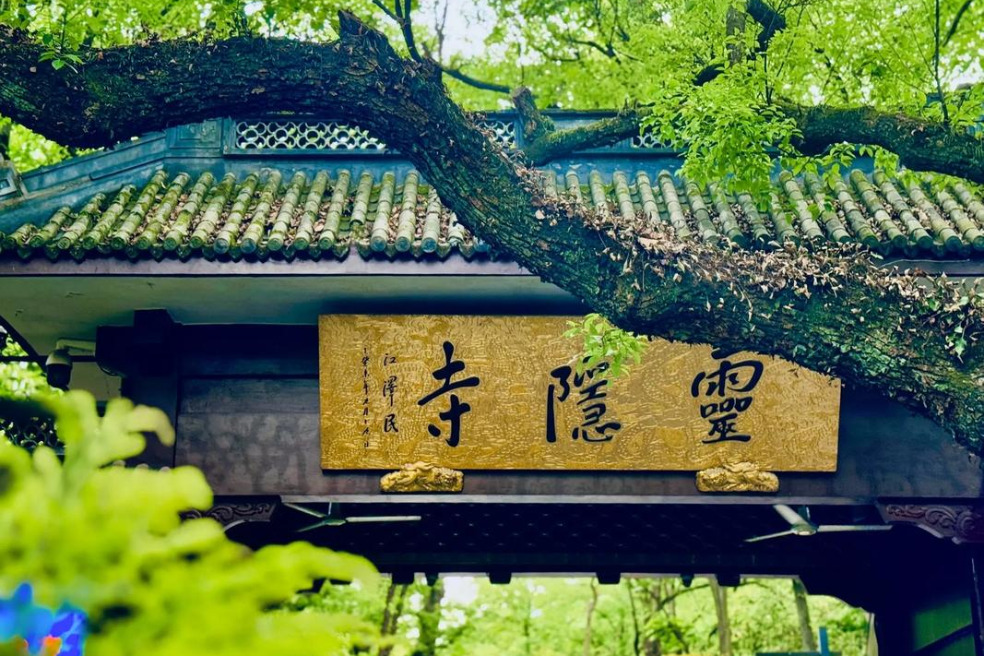
    Hangzhou’s iconic Lingyin Feilaifeng Scenic Area has eliminated its 45 yuan ($6.36) entry fee effective December 1, 2025, marking the most significant application of Zhejiang province’s pioneering ‘West Lake model’ in over two decades. This strategic move away from ticket revenue represents a fundamental shift in China’s tourism approach, prioritizing increased visitor numbers and broader economic stimulation over direct entrance fees.

    The policy expansion follows the proven success of Hangzhou’s West Lake, which removed entry charges in 2002 and subsequently witnessed remarkable tourism growth—from 29.4 billion yuan in annual revenue then to 345.03 billion yuan in 2024. The current initiative extends beyond mere entrance fee elimination; the previously separate 30-yuan incense voucher for Lingyin Temple has also become complimentary.

    This transformative trend is gaining momentum across Zhejiang province. Songyang county in Lishui city recently implemented free admission to cultural heritage sites including Huangjia Grand Courtyard and Yanqing Temple Pagoda starting November 21. The movement reflects a provincial strategy to reduce dependency on ticket sales while enhancing cultural accessibility.

    Economic experts champion this paradigm shift as a ‘multiwin’ scenario. Professor Li Daokui, Dean of Tsinghua University’s Academic Center for Chinese Economic Practice and Thinking, emphasizes that ‘waiving entrance fees might appear as a loss-leader initially, but actually generates multiple benefits in economic, reputational and cultural terms.’ He notes that scenic areas create substantial external benefits, with priority properly placed on maximizing their positive spillover effects for broader urban development.

    Industry analyst Cheng Chaogong, Chief Researcher at Tongcheng Research Institute, observes that free admission strengthens areas’ roles as consumption drivers, facilitating formation of integrated cultural tourism clusters like the ‘Greater West Lake’ concept. This evolution signals a strategic transition from ‘selling tickets’ to ‘selling services and experiences,’ where attracting substantial visitor flows delivers far greater value than traditional entrance fees.

    The transition necessitates enhanced management capabilities and operational innovation. Yang Shangqi, Director of the Lingyin Management Office’s Party and Administration Office, clarifies that ‘free admission does not translate into the absence of management.’ The scenic area has implemented real-name reservation systems and daily visitor limits to ensure safety and quality experiences.

    Professor Kong Xuhong of Fujian Business University notes that moving beyond the ticket economy requires improved operational capabilities, new business formats, and creative expansion in dining, accommodation, shopping and entertainment services. These developments aim to transform scenic sites from simple destinations into dynamic platforms for sustained engagement and value creation.

    The policy has garnered significant public appreciation. A first-time visitor from Huzhou expressed enthusiasm: ‘This is wonderful. It’s my first time at Lingyin, and I just happened to hear such good news,’ praising the improved accessibility and inclusiveness.

    This transformative approach is spreading nationwide. Gubei Water Town in Beijing’s Miyun district is offering free admission by reservation throughout December, while the Western Xia Mausoleum in Yinchuan has waived entrance fees until February 2026. Jiangsu province’s Lianyungang made all 16 A-level scenic spots free for December, and Yuntai Mountain in Henan alongside Dunhuang’s major attractions including the Mogao Caves are offering substantial off-peak discounts.