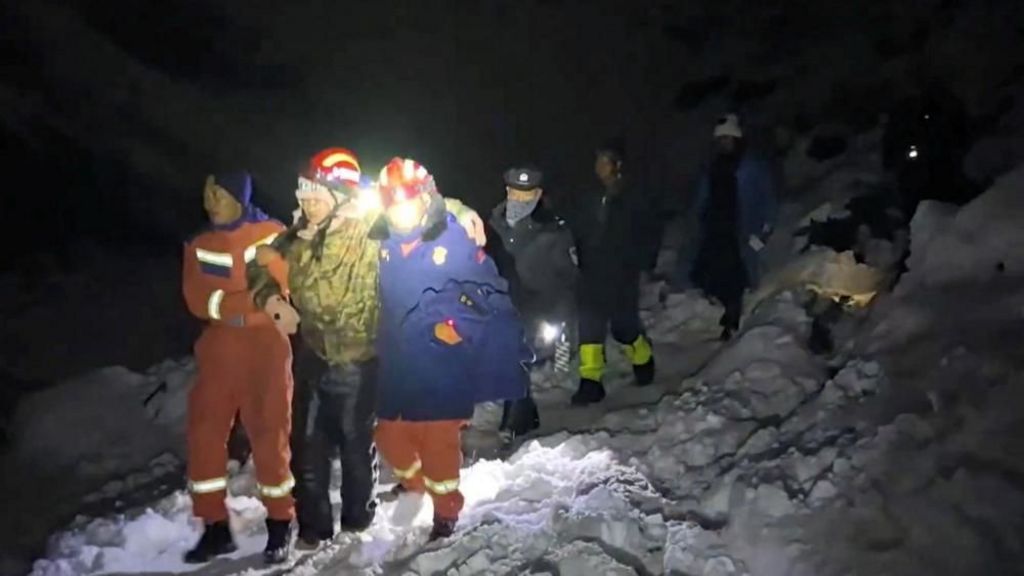
In a dramatic rescue operation, 580 hikers stranded near Mount Everest due to severe weather have been safely evacuated to the Tibetan township of Qudang and surrounding areas. The rescue, reported by Chinese state media CCTV on Tuesday, also included 300 local guides, yak handlers, and support staff. A final group of approximately 10 hikers, accompanied by rescue workers, has reached a rendezvous point equipped with heating, oxygen, and emergency supplies but has yet to arrive in Qudang. The hikers were trapped at an altitude exceeding 4,900 meters (16,000 feet) after heavy snowfall blocked their route on Everest’s eastern slopes over the weekend. The unexpected blizzard occurred during China’s Golden Week holiday, a peak tourism season. October is typically favored for hiking in the Everest region due to clear skies and moderate temperatures. Hundreds of hikers had ventured onto the Karma Valley trail, a scenic but less-traveled route offering views of the world’s highest peak. The snowfall, which began on Friday evening and intensified over the weekend, caught even experienced guides off guard. One trekker, a veteran of over a dozen Himalayan expeditions, described the conditions as unprecedented. Among the stranded, several individuals showed signs of hypothermia, with one group reporting snow depths of up to a meter during their retreat. The rescue effort mobilized police, firefighters, and hundreds of Tibetan volunteers. In a related incident, one hiker in Qinghai province died from hypothermia and altitude sickness, while 137 others were evacuated. Meanwhile, neighboring Nepal has faced torrential rains, causing severe flooding and landslides that have claimed over 50 lives.
分类: society
-

Two Austrian women switched at birth meet 35 years later
In a remarkable turn of events, two Austrian women, Doris Grünwald and Jessica Baumgartner, who were accidentally switched at birth in 1990, have finally met each other after 35 years. The incident occurred at the LKH-Uniklinikum hospital in Graz, where both women were born prematurely. Shortly after their births, a mix-up led to them being handed to the wrong families. The truth began to unravel in 2012 when Doris discovered her blood type did not match her parents’ during a blood donation. Austrian public broadcaster ORF reported on the case in 2016, but the other family remained elusive at the time. Jessica, raised by Herbert and Monika Derler, learned of the switch when a doctor informed her about the mismatched blood types during her pregnancy. The two women connected via Facebook and eventually met in person, describing the encounter as akin to meeting a long-lost sister. ‘We got along right away,’ Doris shared. ‘It was an indescribably good feeling.’ The families also met recently, with the emotional reunion captured by an ORF TV crew. Mrs. Derler expressed her initial ’emotional turmoil’ but emphasized that Jessica would always be her child, while Evelin Grünwald reflected on the expansion of her family. Gebhard Falzberger, the hospital’s operations manager, apologized to both families, acknowledging the grave mistake. Legal steps were taken in 2016 to secure Doris’s inheritance rights and compensation, and the Derlers are now pursuing similar measures. Jessica described the clarity as a relief but admitted to the emotional complexity of the situation, highlighting both the beauty and pain of the experience.
-
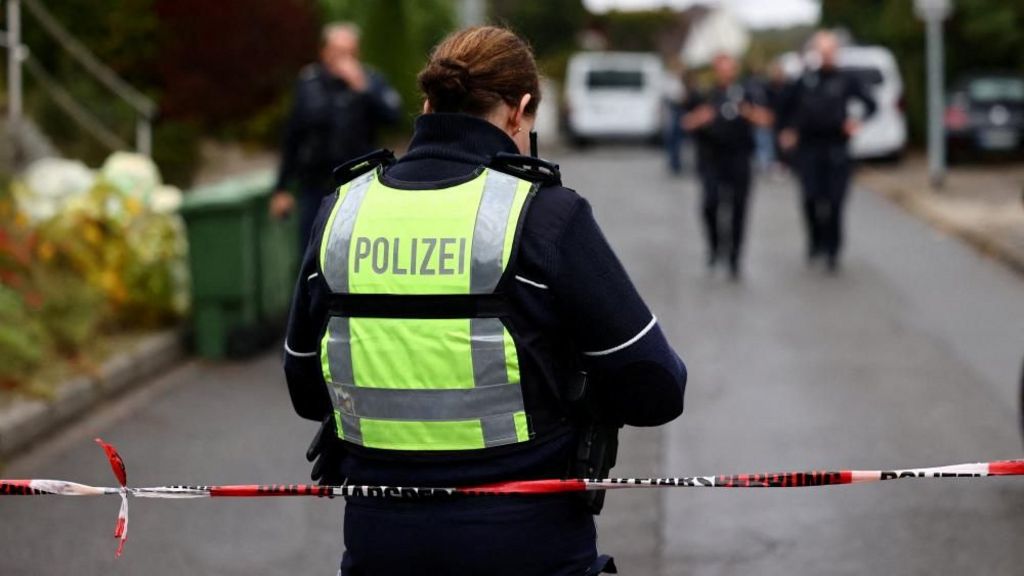
German mayor critically injured in stabbing attack, police say
A shocking act of violence has rocked the small town of Herdecke in North Rhine-Westphalia, Germany, as newly-elected mayor Iris Stalzer was stabbed near her home, leaving her in critical condition. Stalzer, a member of the centre-left Social Democratic Party (SPD), assumed office in September after winning the mayoral election. Local authorities have launched a major police operation in the area, though specific details about the incident remain undisclosed. Chancellor Friedrich Merz condemned the attack, describing it as a ‘heinous act’ and expressing deep concern for Stalzer’s life while wishing for her full recovery. The SPD has also voiced its profound shock over the assault. According to reports from Germany’s Bild newspaper, Stalzer’s two adopted children, aged 17 and 15, were inside the family home at the time of the incident, though this has yet to be officially confirmed by authorities. The attack has sparked widespread alarm, raising questions about the safety of public officials in Germany.
-
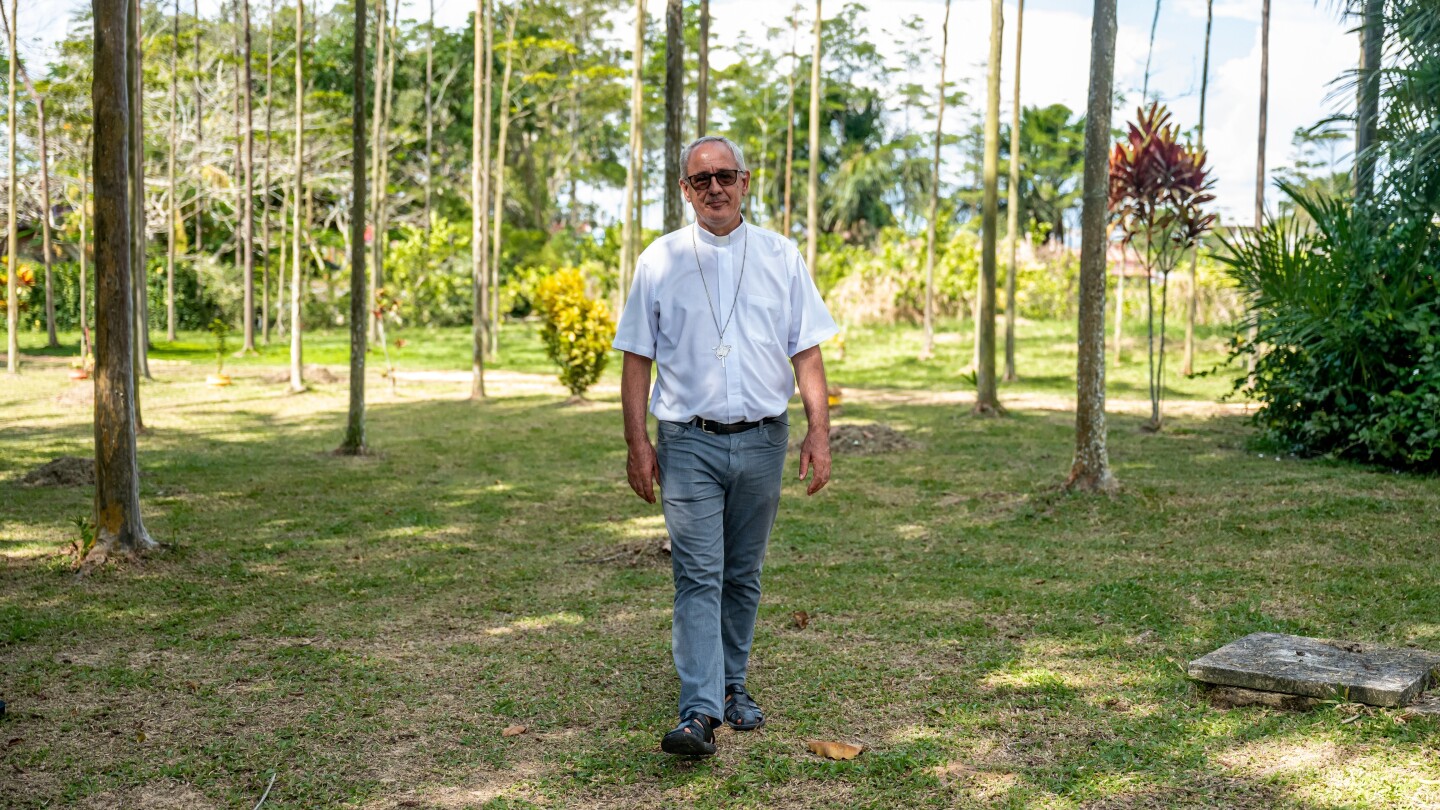
Gold demand puts Peru’s Amazon at greater risk from mercury poisoning, bishop warns
As gold prices reach unprecedented levels, a prominent Catholic leader in Peru’s Amazon region is calling on gold-importing nations to address the rampant illegal mining that is contaminating rivers with mercury. Miguel Ángel Cadenas, a Spanish Augustinian missionary who has lived in the Amazon for 30 years, highlights the alarming increase in illegal mining since the COVID-19 pandemic. Rivers such as the Tigre, Nanay, Napo, and Putumayo are now hotspots of mercury pollution, posing severe risks to local communities. Scientific tests reveal mercury levels in fish exceeding World Health Organization (WHO) safety limits, while hair samples from residents show dangerously high concentrations. Cadenas warns that the Amazonian diet, heavily reliant on fish, is leading to food insecurity and health crises in a region already lacking adequate medical services. Mercury, used extensively in small-scale gold mining, contaminates water, accumulates in fish, and causes neurological and developmental harm in humans. Research in Peru’s Madre de Dios region found 43% of women of childbearing age and nearly 80% of residents in Amazonian villages exceed WHO mercury safety thresholds. Cadenas emphasizes the need for better public awareness and alternative food sources, as many locals remain uninformed about the dangers. He also calls for stronger traceability systems to prevent illegally mined gold from entering global markets. Countries like China, the UAE, the UK, and Switzerland, which are major gold buyers, must enforce stricter regulations, he argues. Cadenas further highlights the escalating violence against environmental defenders in the Amazon, with illegal miners often linked to armed groups. Despite Peru’s efforts, including Operation Mercury in 2019, illegal mining persists, fueled by cross-border mercury smuggling. The recent Amazon Water Summit in Iquitos brought together 400 participants from Peru, Ecuador, Colombia, and Brazil to discuss solutions, but Cadenas stresses that international action is essential to curb the demand for illicit gold and protect the Amazon’s fragile ecosystem.
-
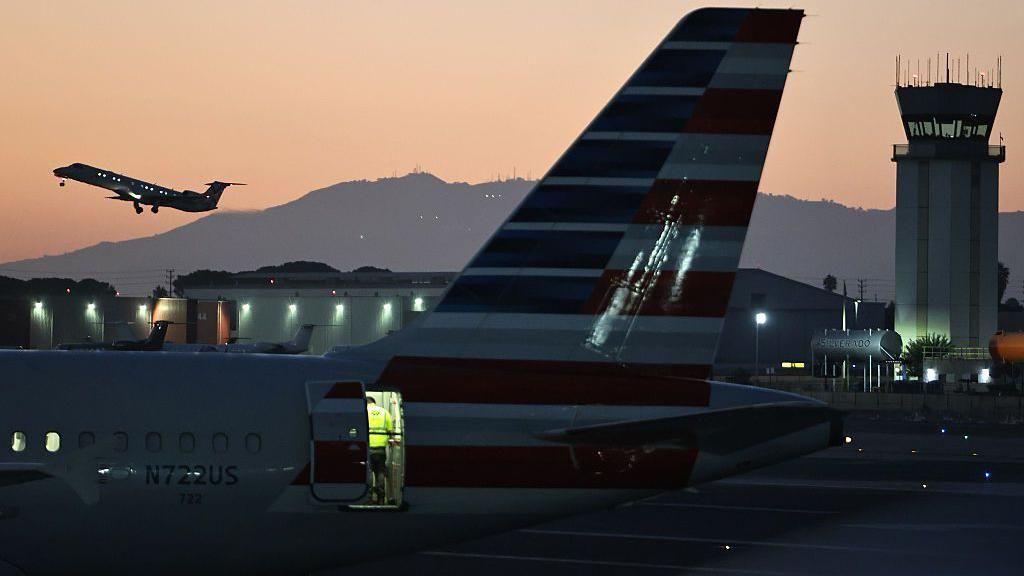
Burbank and other US airports see delays as shutdown hits air travel
The Hollywood Burbank Airport in Los Angeles experienced a significant disruption on Monday evening as air traffic control operations were left unmanned for nearly six hours due to staffing shortages. This incident, part of a broader crisis exacerbated by the ongoing U.S. government shutdown, led to widespread flight delays and cancellations across multiple airports, including Newark, Phoenix, Denver, Las Vegas, and Burbank. Delays ranged from 40 to 60 minutes, according to flight data. Transportation Secretary Sean Duffy revealed that some air traffic controllers are calling in sick, citing the stress of working without pay during the shutdown, now in its seventh day. He estimated that staffing levels have plummeted to 50% in some areas. Air traffic controllers, classified as essential workers, are required to work without pay during government shutdowns. The National Air Traffic Controllers Association (NATCA), representing over 20,000 professionals, has warned employees that absenteeism could result in termination. Duffy emphasized that safety remains the top priority, even if it means delays or cancellations. He expressed concern that controllers are distracted by financial worries, such as paying mortgages, rather than focusing on their critical duties. The shutdown, which began on October 1 after lawmakers failed to resolve a budget dispute, has left approximately 750,000 federal workers on unpaid leave. This situation mirrors the 2019 shutdown, which strained air travel and ultimately led to its resolution after 35 days. The current deadlock in Congress shows no signs of ending, raising fears of further disruptions to air travel and other essential services.
-

Canadian marine park threatens to euthanise 30 beluga whales
Marineland, a Canadian amusement park located in Niagara Falls, Ontario, has sparked widespread outrage after threatening to euthanize 30 beluga whales due to its financial struggles and the Canadian government’s refusal to approve their transfer to a theme park in China. The park, which houses the largest captive group of beluga whales in Canada, had sought to relocate the cetaceans to Chimelong Ocean Kingdom in Zhuhai, China, following years of animal welfare concerns and financial instability. However, Fisheries Minister Joanne Thompson denied the export permit, citing Canada’s 2019 fisheries legislation that prohibits the use of whales and dolphins for entertainment. Thompson stated that approving the transfer would have perpetuated the animals’ life in captivity and subjected them to public entertainment, a fate she could not endorse. Marineland then requested federal funding to continue caring for the whales, but this was also denied, with Thompson labeling the request as ‘inappropriate.’ Facing a ‘critical financial state’ and unable to provide adequate care, Marineland has now warned that euthanasia may be the only option. Animal welfare advocates have condemned the park’s actions, with organizations like Animal Justice and World Animal Protection calling for provincial intervention to ensure the whales’ safety and well-being. The controversy follows years of scrutiny over Marineland’s treatment of its marine life, including the deaths of 20 beluga whales since 2019 and a 2020 investigation that found all marine life at the park to be under distress.
-

Funeral Mass held for O’Connor family in County Louth
The close-knit community of County Louth gathered in profound sorrow at St. Patrick’s Church in Dundalk to bid farewell to the O’Connor family, who tragically lost their lives in a devastating incident. Louise O’Connor, 56, her husband Mark O’Connor, 54, and their son Evan O’Connor, 27, who had additional needs, were found deceased at their rural residence in Drumgowna on September 29. The joint funeral Mass, presided over by Fr. Gerry Campbell, the administrator for Louth parish, was a poignant tribute to the deeply cherished family. Fr. Campbell reflected on the outpouring of admiration, affection, and grief expressed by countless individuals who knew the O’Connors. He emphasized the family’s unity in love, describing Evan as the embodiment of his parents’ joy, pride, and world. Mark was remembered for his tireless advocacy for individuals with special needs and his unwavering commitment to justice and compassion. ‘Mark gave himself completely for the good of others,’ Fr. Campbell remarked, highlighting his passion for running and his encouragement to others to persevere. Louise was celebrated for her vivacious spirit, warmth, and musical talent, as well as her compassionate nature. ‘Her heart was alive with love,’ Fr. Campbell shared, noting her deep devotion to Mark and Evan, whom she cared for with gentleness and humor. Evan’s vibrant personality and love for life were also fondly recalled, from his enthusiasm for holidays and swimming to his quirky fashion choices and joy in community activities. ‘His love was unfiltered and wholehearted,’ Fr. Campbell said. The funeral was followed by a private cremation service. In a related development, Robert O’Connor, 31, of Drumgowna, appeared before Drogheda District Court on September 30, charged with three counts of murder. The community continues to grapple with the profound loss of a family that touched so many lives.
-
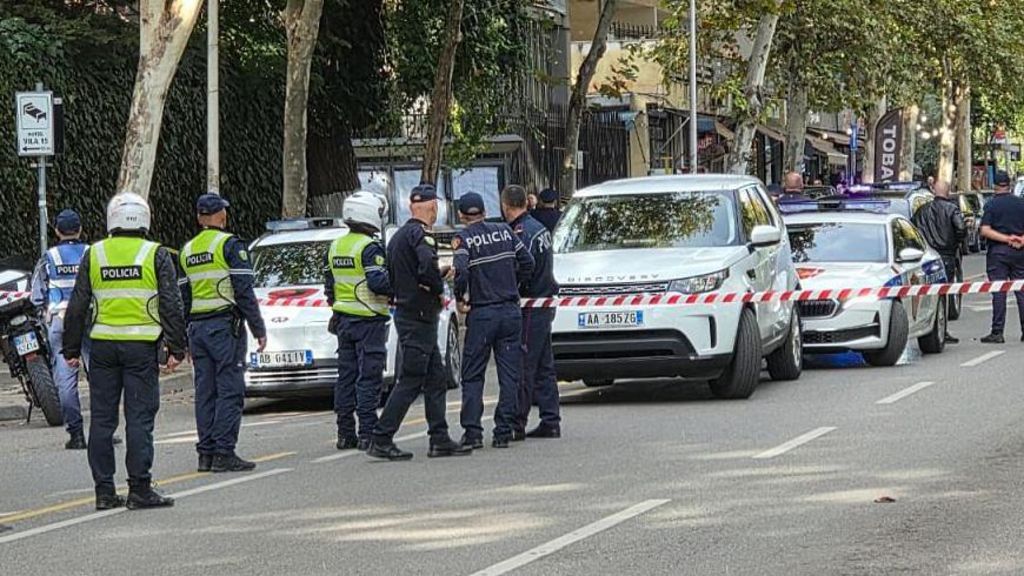
Albanian judge shot dead in court by man on trial
A shocking act of violence unfolded at the Court of Appeal in Tirana, Albania, on Monday, resulting in the tragic death of Judge Astrit Kalaja. The incident occurred during a hearing related to a property dispute, where a 30-year-old suspect, identified as Elvis Shkëmbi, opened fire. Judge Kalaja succumbed to his injuries while being transported to the hospital, while two other individuals involved in the hearing—a father and son—were injured but are expected to recover. Authorities swiftly arrested the suspect, along with his uncle and a court security guard, as investigations continue. Prime Minister Edi Rama expressed his condolences to the judge’s family, emphasizing the need for stringent legal action against the perpetrator and advocating for enhanced court security and stricter penalties for illegal firearm possession. Opposition leader Sali Berisha highlighted the gravity of the situation, noting that this marks the first time in 35 years that a judge has been killed while performing their duties. Local media reports suggest that the suspect acted out of fear of losing the case. This incident echoes a similar tragedy a decade ago in Milan, where a judge was fatally shot during a bankruptcy trial. Judge Kalaja, a seasoned legal professional with over three decades of experience, had served in the district court before his appointment to the Court of Appeal in 2019. The event has reignited concerns about gun violence and judicial safety in Albania.
-

Chautauqua: Finding freedom on China’s highways
The concept of the open road has long been a symbol of freedom, adventure, and self-discovery, deeply ingrained in American culture. From iconic road songs like ‘Born to Be Wild’ and ‘Desperado’ to classic road films such as ‘Easy Rider,’ the highway has represented the ultimate pursuit of liberty. However, this narrative is no longer exclusive to the United States. China, with its rapidly expanding highway network of 190,000 kilometers—more than twice that of the U.S.—has embraced the allure of the open road, offering a new frontier for exploration and transformation.
China’s highways, built over the past three decades, now host over 350 million vehicles, including 81 million motorcycles. This infrastructure has become a canvas for stories of personal liberation, exemplified by figures like Auntie Su Min, who abandoned a life of domestic drudgery to embark on a solo journey across the country. Her viral Douyin videos captured the hearts of millions, showcasing the freedom and beauty of China’s diverse landscapes. Su Min’s story, later adapted into the film ‘Like a Rolling Stone,’ highlights the evolving nature of freedom in China—a freedom earned through responsibility and resilience, rather than assumed recklessness.
Unlike the American road narrative, which often intertwines with themes of alienation, nihilism, and loneliness, China’s road culture is marked by a communal ethos and a supportive vibe. Travelers like Su Min find solace in the country’s advanced infrastructure, intelligent highways, and a genteel citizenry. The Chinese road experience is less about escaping societal constraints and more about rediscovering oneself within a connected and evolving society.
As China’s highways continue to beckon, they offer a unique perspective on freedom—one that contrasts sharply with the American ideal. While the U.S. road dog may grapple with the price of isolation, China’s road warriors find liberation in the collective journey, proving that the open road can mean different things in different cultures. The highways of China are not just pathways to physical destinations but also to personal and societal transformation.
-

Shoe thrown at India’s top judge in religious row
In a shocking incident that has sparked widespread condemnation, an Indian lawyer, Rakesh Kishore, hurled a shoe at Chief Justice BR Gavai during a court proceeding in New Delhi on Monday. The act, widely regarded as a grave insult and security breach, occurred after Kishore allegedly took offense at remarks made by the judge concerning Hinduism. Witnesses confirmed that the shoe narrowly missed the Chief Justice and another judge before landing behind them. Kishore was heard shouting, ‘India won’t tolerate insult to Sanatan Dharma [Hinduism],’ as he was escorted out by security personnel. He has since been suspended from legal practice. Despite the disruption, Chief Justice Gavai remained composed, instructing lawyers to continue their arguments without distraction. The incident has drawn sharp criticism from across the political spectrum, with Prime Minister Narendra Modi labeling it ‘utterly condemnable.’ While the specific remarks that provoked Kishore remain unclear, some reports suggest they may be linked to a recent court petition dismissed by a bench led by Justice Gavai, during which he made comments about the Hindu deity Vishnu. The Chief Justice has not publicly addressed the incident, and Indian authorities have stated that no charges will be filed against Kishore. This episode underscores the sensitivity surrounding religious sentiments in India and raises concerns about courtroom security.