分类: society

  • Viral scenic valley in China, not Japan, operators of tourist attraction clarify

    Viral scenic valley in China, not Japan, operators of tourist attraction clarify

    A breathtaking viral video showcasing mist-shrouded cliffs that captivated global social media audiences has been definitively identified as featuring China’s Wangxian Valley, despite widespread mislabeling as Japanese scenery. The management of this Jiangxi province tourist destination has confirmed the footage’s true origins after the clip amassed significant international attention.

    Xiong Hui, co-founder and vice-president of Jiuniu Cultural and Tourism Co, which operates the scenic area, expressed surprise at the unexpected global spotlight. The company noticed substantial overseas engagement with the video on Wednesday morning, prompting their clarification.

    “Wangxian Valley is indeed located in Shangrao, Jiangxi,” Xiong stated. “Its distinctive deep gorges and ever-shifting mist create a landscape that is immediately recognizable to those familiar with our region. We are delighted that viewers worldwide have appreciated the footage and extend a warm invitation to international visitors to experience Jiangxi’s authentic natural beauty firsthand.”

    The site’s transformation from a discontinued mining zone to a cultural resort town represents a remarkable rehabilitation success story. Today, Wangxian Valley combines spectacular natural scenery with traditional folk culture and performance activities, creating a multifaceted tourist experience.

    Official statistics reveal the destination’s growing popularity, with 3.1 million visits recorded in 2024, including over 150,000 international tourists. This misidentification incident previously drew the attention of diplomatic channels, with the Chinese embassy in India clarifying on social media platform X on December 8 that the viral video—which had garnered 1.3 million likes—depicted Chinese scenery rather than locations in Tokyo or Hokkaido, Japan. The embassy spokesperson seized the opportunity to encourage global social media users to discover China’s authentic landscapes.


  • Families of Palestine Action hunger strikers in hospital ‘blocked’ from contacting them

    Families of Palestine Action hunger strikers in hospital ‘blocked’ from contacting them

    A deepening humanitarian crisis is unfolding within Britain’s prison system as multiple Palestine Action-linked detainees continue a prolonged hunger strike, now entering its most critical phase. The situation has drawn sharp criticism from medical professionals and lawmakers who allege systematic neglect and violations of standard healthcare protocols.

    At the center of the controversy is Kamran Ahmed, hospitalized for the second time this week after refusing food since November 2nd. His sister, Shahmina Alam, describes an agonizing information blackout imposed by Pentonville prison authorities. ‘We don’t know how he’s doing, that’s the honest answer,’ Alam told Middle East Eye, explaining how the institution has blocked direct medical updates from healthcare providers to families and legal representatives.

    This communication barrier mirrors experiences across multiple facilities. Ella Moulsdale, listed as next of kin for striker Qesser Zuhrah at HMP Bronzefield, discovered the prison had replaced her as emergency contact without consultation. ‘The hospital refused her a call to me and her lawyer,’ Moulsdale revealed, describing how she learned of Zuhrah’s December 3rd hospitalization through absence rather than official notification.

    Medical oversight appears dangerously inadequate according to emergency physician Dr. James Smith, who has been advising the strikers’ families. He reports consistent failures in basic monitoring: ‘There doesn’t appear to have been a single day where a full set of clinical signs have been shared with me by the next of kin.’ Particularly alarming are missing daily measurements of ketone levels and weight—critical indicators when prisoners approach 40 days without nutrition.

    The physical deterioration has become severe. Ahmed exhibited dangerously high ketone levels and slowing pulse rates before hospitalization, conditions that can precipitate coma or cardiac arrest. Dr. Smith emphasizes the extreme vulnerability during this phase: ‘The body is effectively starting to break down muscles and essential organs. There’s a very, very high risk of death due to infection or electrolyte imbalances that can stop the heart abruptly.’

    Further concerns involve treatment obstruction by prison guards. Smith reports instances where hospitalized strikers were shackled to beds or officers during medical assessments, showers, and consultations—practices that interfere with proper healthcare delivery. He concludes that the standard of care falls ‘far below the minimum standard’ required for such high-risk patients.

    With lives hanging in the balance, multiple MPs have urgently appealed to Justice Secretary David Lammy for intervention. Labour MP Zarah Sultana warned the strikers’ lives are ‘now at immediate risk’ and demanded ‘meaningful action.’ Thus far, responses have been inadequate or nonexistent, raising questions about accountability and transparency within the UK’s justice system as this preventable medical emergency escalates.

  • Watch: Doorbell camera captures moment house explodes in Haywood, California

    Watch: Doorbell camera captures moment house explodes in Haywood, California

    A quiet residential street in Haywood, California, was transformed into a scene of devastation following a catastrophic house explosion on Tuesday. The violent blast, captured in shocking detail by a neighbor’s doorbell camera, was officially attributed to a significant leak in a natural gas line.

    The incident resulted in six individuals sustaining injuries, with emergency services confirming all victims were transported to nearby medical facilities for treatment. Preliminary reports indicate their conditions range from minor to serious, though none are believed to be life-threatening.

    Beyond the complete destruction of the single-family home where the leak originated, the concussive force of the explosion caused substantial structural damage to several adjacent properties. Windows were shattered blocks away, and debris was scattered across a wide radius, underscoring the intensity of the detonation.

    First responders, including fire crews and hazardous materials teams, rushed to secure the area. Their immediate priority was to isolate the ruptured gas line to eliminate the threat of secondary explosions, a operation officials described as complex and perilous. An urgent evacuation protocol was temporarily implemented for surrounding homes as a precautionary measure while crews worked to stabilize the situation.

    An investigation into the precise cause of the gas line failure is now underway, led by local authorities in coordination with the utility company responsible for the infrastructure. Initial focus is on assessing the integrity of the aging pipeline network in the neighborhood to prevent a recurrence of such a disastrous event.

  • Online gaming escaped Australia’s social media ban – but critics say it’s just as addictive

    Online gaming escaped Australia’s social media ban – but critics say it’s just as addictive

    Medical professionals and academics are raising serious concerns about Australia’s groundbreaking social media ban for users under 16, arguing that gaming platforms present identical risks yet remain conspicuously exempt from the new legislation that took effect this week.

    At Australia’s sole publicly-funded gaming disorder clinic in Perth’s Fiona Stanley Hospital, psychiatrist Dr. Daniela Vecchio witnesses firsthand how gaming and social media create interconnected addiction pathways. Her patients, including 15-year-old Sadmir Perviz who previously spent 10 hours daily gaming online, demonstrate how these digital environments foster similar dangers: excessive screen time, potential predator exposure, harmful content, and cyberbullying.

    “Gaming and social media are so interconnected, it’s very difficult to separate,” Dr. Vecchio states. “The individual who plays games for excessive amounts of time also spends excessive amounts of time on social media platforms where they can see other gamers or can live stream gaming.”

    The legislation targets ten social media platforms including Instagram, Snapchat and X, but exempts YouTube, TikTok, and all gaming platforms based on criteria focusing primarily on whether a platform’s main purpose involves social interaction. This exemption puzzles experts who point to platforms like Discord and Roblox – both facing child safety lawsuits in the US – where children frequently encounter explicit content and predatory behavior.

    University of Sydney Professor Marcus Carter calls the approach “incompetence, it’s reactionary,” while Curtin University’s Professor Tama Leaver describes the ban as “too blunt a tool” that ignores the spectrum of gaming experiences from positive creative spaces to dangerous environments.

    The clinic’s former patient Kevin Koo, 35, whose gaming addiction escalated after job loss during the pandemic, questions whether earlier restrictions might have prevented his struggles. His experience expanded beyond gaming to include problematic interactions with AI chatbots, highlighting additional digital risks unaddressed by current legislation.

    With gaming disorder affecting 2.8% of Australian children according to Macquarie University research, and demand for treatment exceeding the clinic’s capacity, experts urge a more nuanced approach to digital protection that acknowledges the blended nature of modern online experiences.

  • Beijing mobilizes for winter’s first major snowfall

    Beijing mobilizes for winter’s first major snowfall

    Beijing has initiated comprehensive emergency protocols to address the winter’s first significant snowfall event, with meteorological authorities forecasting continuous precipitation extending into Saturday morning. According to official reports, the capital’s response system has been fully mobilized to ensure public safety and maintain urban functionality.

    The Beijing Meteorological Service indicates moderate snowfall across most metropolitan areas, with six districts—Fangshan, Mentougou, Changping, Yanqing, Huairou, and Miyun—anticipated to experience more intense accumulation. Certain regions within these districts may encounter near-blizzard conditions, prompting heightened preparedness measures.

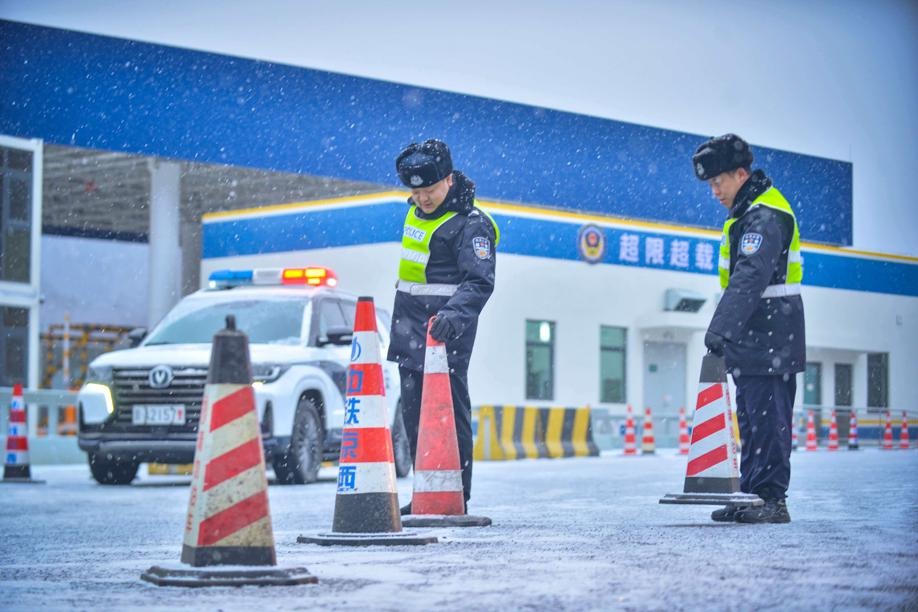
    Emergency services and transportation authorities have deployed personnel across critical infrastructure points. In Mentougou district, law enforcement and auxiliary police have been observed maintaining vigilance at expressway checkpoints, working under challenging conditions to ensure traveler safety and traffic flow despite wind and snow complications.

    The municipal government has activated its multi-agency coordination mechanism, focusing on maintaining transportation networks, ensuring energy supply stability, and providing necessary public assistance. The response reflects lessons learned from previous winter emergencies, with improved resource allocation and communication systems compared to past snow events.

    Residents have been advised to limit non-essential travel and stay updated through official channels as the weather system develops. The city’s winter preparedness plan, refined through annual evaluations, demonstrates Beijing’s evolving approach to managing severe weather challenges in one of the world’s most populous urban centers.

  • Uzbek med students train in Lanzhou under Belt and Road exchange

    Uzbek med students train in Lanzhou under Belt and Road exchange

    A delegation of 17 medical students and faculty members from Kokand University’s Andijan campus in Uzbekistan has commenced an intensive two-week professional training program at Lanzhou University First Hospital in Gansu province. This educational exchange, initiated in early December, represents a significant academic collaboration under China’s Belt and Road Initiative framework.

    The visiting medical contingent, guided by senior physicians at the renowned Chinese medical institution, is receiving comprehensive training across multiple medical specialties including surgical techniques, emergency medicine protocols, and advanced diagnostic procedures. The program features hands-on experience with cutting-edge medical technology, notably the Da Vinci robotic surgical system that has particularly impressed the international trainees.

    Professor Nishonov Bakhtiyorjon, who leads the Uzbek delegation, characterized the experience as both academically transformative and personally enriching. “We are gaining invaluable insights into sophisticated surgical methodologies and instrument utilization,” he noted. “Our objective extends beyond skill acquisition to establishing enduring professional relationships with Chinese medical practitioners and institutions.”

    The exchange program incorporates cultural immersion components including Mandarin language instruction, traditional culinary workshops, and historical tours of Lanzhou’s cultural landmarks. This holistic approach aims to foster deeper intercultural understanding alongside professional development.

    Liu Liping, Director of the hospital’s Emergency Department, emphasized the reciprocal benefits of such international collaborations. “These exchanges create meaningful opportunities for mutual advancement in medical science,” she stated. “We are committed to sustaining this productive partnership through both physical and digital platforms.”

    Lanzhou’s strategic position as a core city within the Silk Road Economic Belt infrastructure has facilitated its emergence as a hub for transnational public health cooperation. The Belt and Road University Alliance, established by Lanzhou University, has now expanded to include 184 member institutions across 27 countries and territories worldwide, demonstrating the growing network of international educational cooperation.

  • Farmers call for French blockades over cow disease cull

    Farmers call for French blockades over cow disease cull

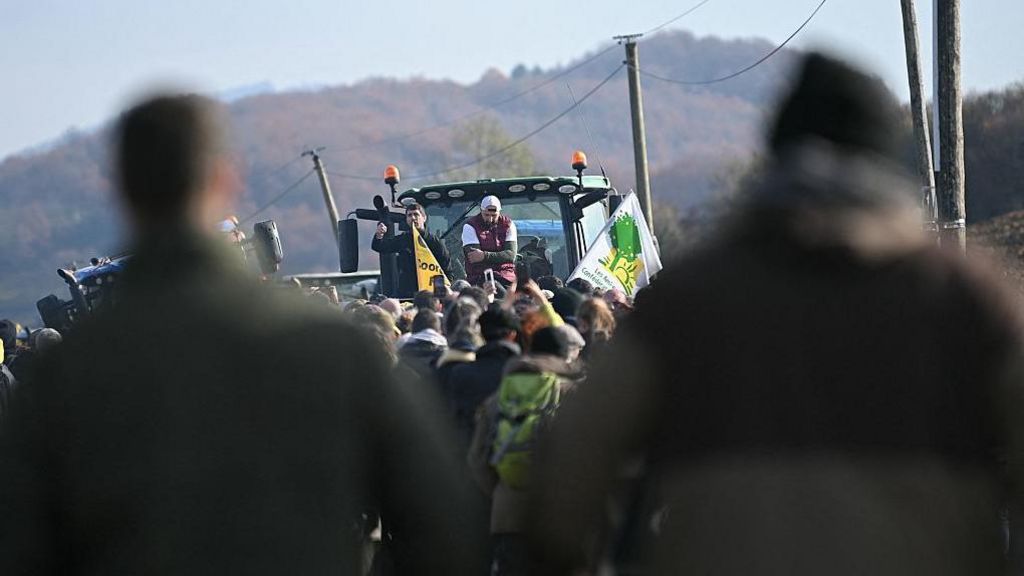
    French agricultural regions have descended into turmoil as farmers intensify protests against the government’s controversial approach to containing Lumpy Skin Disease (LSD) outbreaks. The southern Ariège department witnessed violent confrontations on Thursday, with riot police clashing demonstrators attempting to prevent veterinary teams from destroying potentially infected cattle herds.

    The unrest has spread across southern France, where agricultural workers have employed disruptive tactics including dumping manure outside government buildings, creating road blockades, and reportedly ransacking offices of environmental organizations in Charente-Maritime. The escalating conflict stems from a fundamental disagreement over disease management strategies.

    Lumpy Skin Disease, a highly contagious bovine illness transmitted primarily through insect bites, causes fever, mucous discharge, and distinctive skin nodules. While rarely fatal, the disease severely impacts milk production and renders affected cattle commercially valueless. First detected in Europe approximately a decade ago after spreading from Africa, France confirmed its initial case in the Alps region last June, which notably disrupted the Tour de France cycling event.

    The government’s zero-tolerance policy mandates complete herd slaughter when any single animal tests positive for LSD. This approach has drawn fierce opposition from two major farming unions—Confédération Rurale and Confédération Paysanne—who argue for alternative strategies combining selective culling and vaccination programs.

    Veterinary experts maintain that comprehensive slaughter remains necessary due to diagnostic limitations. “Current technology cannot distinguish between healthy animals and asymptomatic carriers,” explained Stephanie Philizot, head of the SNGTV veterinarians’ union. “This diagnostic gap necessitates whole-herd interventions to prevent further transmission.”

    Since June, France has documented approximately 110 LSD outbreaks, initially concentrated in eastern regions but increasingly emerging in southwestern territories. Agricultural authorities attribute the spread to illegal cattle transportation from infected zones, resulting in the destruction of roughly 3,000 animals to date.

    The protests reflect broader anxieties within France’s agricultural sector, which faces mounting pressures from European Union regulations and international competition. Farmers plan to escalate demonstrations during next week’s EU leadership summit in Brussels, highlighting multiple crises affecting wine growers facing declining consumption and poultry farmers combating avian influenza.

    Additional concerns center on the impending EU-Mercosur trade agreement with South American nations, which French farmers fear will flood markets with cheaper imports produced under less stringent environmental and sanitary standards.

  • Austria announces ban on headscarves in schools for under-14s

    Austria announces ban on headscarves in schools for under-14s

    Austria’s government has implemented a new prohibition on headscarves for schoolchildren under the age of 14, triggering widespread accusations of institutional Islamophobia and religious discrimination. The controversial legislation, presented by authorities as a progressive measure for gender equality, applies to both public and private educational institutions across the nation.

    This legislative move revives a previously rejected policy after the Constitutional Court overturned a similar 2018 ban targeting girls aged 6-10 in public schools, ruling it constituted unlawful discrimination against Muslim communities. The current mandate specifically prohibits ‘traditional Muslim coverings’ in educational settings, with potential penalties reaching €800 ($940) for violations through a graduated enforcement system involving school authorities.

    Yannick Shetty, parliamentary leader of the liberal Neos party within the ruling coalition, defended the prohibition as protective rather than discriminatory. ‘This is not a measure against a religion but instead a measure to protect the freedom of girls in this country,’ Shetty stated, asserting that approximately 12,000 children would be affected and characterizing the headscarf as an instrument of premature sexualization.

    However, the legislation has drawn severe criticism from human rights organizations and religious representatives. Amnesty International condemned the ban as Islamophobic and an explicit ‘expression of anti-Muslim racism,’ warning that it legitimizes prejudice against Muslim communities. The Islamic Religious Community in Austria (IGGOe), the officially recognized representative body for Austrian Muslims, announced plans to challenge the law’s constitutionality.

    IGGOe president Umit Vural emphasized the community’s dual commitment to religious freedom and child welfare: ‘Children need protection, education and enlightenment, not symbolic politics. We reject coercion. We defend freedom. Both simultaneously, for every child.’ The development highlights ongoing tensions between secular policies and religious expression in European educational systems.

  • Anglican archbishop accused of sexual misconduct faces a church trial

    Anglican archbishop accused of sexual misconduct faces a church trial

    Archbishop Stephen Wood, the highest-ranking prelate of the Anglican Church in North America, will undergo a formal church trial following a board of inquiry’s determination that sufficient evidence exists to proceed with charges encompassing abuse of power and sexual immorality. The ecclesiastical judicial process was initiated after a group of congregants submitted a formal presentment—a detailed list of charges—against the archbishop in October.

    Wood, a married father of four, has consistently denied all allegations of misconduct. He was initially suspended from his ministerial duties by his fellow bishops in November 2023 when the accusations first became public knowledge. The board’s statement did not provide specific details regarding the nature of the charges, which officially include: violation of ordination vows, sexual immorality, and conduct causing scandal through the abuse of ecclesiastical power.

    According to investigative reporting by The Washington Post, the presentment alleges incidents of sexual misconduct occurring prior to Wood’s installation as archbishop in 2022, during his previous tenure as both pastor and regional bishop. Additional accusations reported by the media outlet include claims of bullying church staff members and sermon plagiarism. The Post subsequently reported that a second woman has formally accused Wood of sexual harassment.

    During Wood’s suspension, Bishop Julian Dobbs, the church’s current dean, has assumed the responsibilities of archbishop. Meanwhile, the Diocese of the Carolinas, which Wood previously led, is now under the temporary leadership of Acting Bishop David Bryan. Wood has also retired from his position as rector at St. Andrew’s parish in Mount Pleasant, South Carolina, following the emergence of these allegations.

    The Anglican Church in North America represents a conservative breakaway movement established in 2009 by dissidents from the U.S. Episcopal Church and the Anglican Church of Canada, who opposed the liberalization trends within those denominations, particularly regarding the ordination of openly LGBTQ+ clergy. The denomination currently reports approximately 130,000 members across nearly 1,000 congregations throughout the United States and Canada.

  • Metasequoia avenue in Changsha showcases nature’s splendor

    Metasequoia avenue in Changsha showcases nature’s splendor

    The picturesque Jiangbei town in Changsha County, Hunan Province, has become the epicenter of autumn tourism as its magnificent metasequoia tree corridor reaches peak vibrancy. Spanning approximately five kilometers along the serene Sancha River, this natural masterpiece features approximately half-century-old dawn redwood trees that have transformed into a breathtaking tapestry of golden and crimson foliage.

    Local authorities have confirmed that the optimal viewing window for this spectacular natural display extends through late December, creating an extended period for nature enthusiasts and photography aficionados to experience the phenomenon. The avenue has earned the distinguished title of ‘Changsha’s Most Beautiful Metasequoia Pathway’ among both residents and visitors, cementing its status as a premier seasonal attraction.

    The site has witnessed remarkable visitor traffic in recent weeks, with crowds gathering to capture the stunning visual spectacle through various photographic mediums. The convergence of mature metasequoias, their autumn coloration, and the riverside setting creates a unique natural gallery that showcases the harmonious relationship between cultivated landscape and natural beauty.

    This annual transformation not only highlights the ecological richness of the region but also demonstrates successful long-term environmental planning and conservation efforts. The metasequoia avenue stands as a testament to thoughtful urban forestry management and serves as an exemplary model of how natural assets can enhance community appeal and tourism potential while maintaining ecological integrity.