
In a harrowing case that has shocked the community of County Wexford, 35-year-old Mohammed Al Shaker Al Tamimi has pleaded guilty to the murder of his eight-year-old daughter, Malika Noor Al Kattib, and the attempted murder of her mother, Aisha Noor Al Kattib. The tragic incident occurred on December 1, 2024, at their residence in New Ross, where Malika succumbed to fatal stab wounds, while her mother sustained non-life-threatening injuries. Al Tamimi, residing at Lower William Street, New Ross, was remanded in custody and is scheduled for sentencing on December 15. During the proceedings at Gorey District Court, prosecuting counsel Anne Rowland informed Mr. Justice Paul McDermot that Aisha Noor Al Kattib would be prepared to deliver a victim impact statement on the sentencing date. Rowland noted that the victim was still grappling with the emotional toll of the ordeal, despite the court’s readiness to expedite the hearing. Defence counsel Michael Bowman emphasized the necessity of continued medical attention for Al Tamimi while in custody. Al Tamimi, who responded with a guilty plea to each charge, now faces a mandatory life sentence in prison.
分类: society
-

Fear and vigilance rise as attacks on houses of worship intensify worldwide
In recent years, places of worship worldwide have become targets of violent attacks, shattering the sanctity and safety these spaces traditionally provide. From synagogues in England and the U.S. to mosques in New Zealand and Sikh temples in Wisconsin, these incidents have left communities grappling with fear and anxiety. The October 2 attack on a Manchester synagogue, allegedly carried out by an Islamic State sympathizer, resulted in two deaths, followed by a suspected arson attack on a mosque in an English coastal town. These events have intensified concerns among clergy and worshippers globally. Security measures have been heightened, with synagogues in Germany surrounded by barriers and armed police, while U.S. houses of worship employ layered security strategies, including guards, cameras, and access control systems. Despite these efforts, the question remains: Can believers feel safe continuing to worship together? Religious leaders emphasize the need for balanced security measures that do not compromise the welcoming nature of these spaces. In the U.S., the Nonprofit Security Grant Program aids in funding security upgrades, while in Britain, Prime Minister Keir Starmer has pledged increased police presence at synagogues. However, addressing the root causes of hate speech and incitement is equally critical. As attacks on places of worship continue to rise, communities worldwide are calling for both immediate security enhancements and long-term solutions to combat the underlying hatred fueling these acts of violence.
-
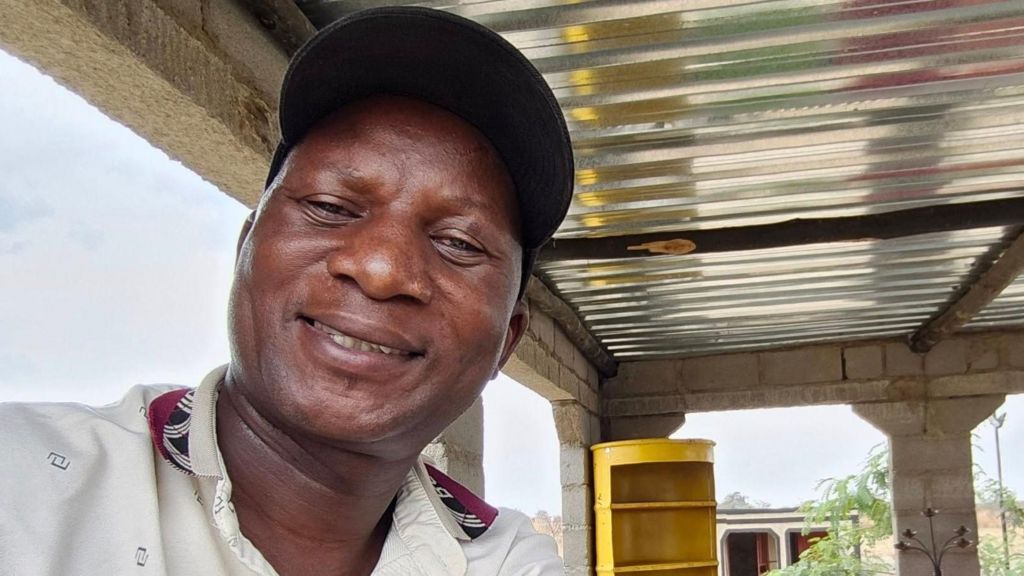
Zimbabwe lawmaker and poet dies after his car hits an elephant
Zimbabwean opposition lawmaker and celebrated poet Desire Moyo tragically lost his life in a fatal accident early Friday morning when the vehicle he was traveling in collided with an elephant. The incident occurred on the Bulawayo-Gweru highway, as reported by the state-owned broadcaster ZBC. Moyo, who was a day shy of his 46th birthday, died instantly, while four fellow Members of Parliament sustained injuries and were hospitalized. Moyo, affectionately known as Moyoxide, was a prominent figure in Zimbabwe’s political and cultural spheres. He represented the Nkulumane Constituency in Bulawayo and was a member of the opposition Citizens Coalition for Change (CCC), led by Nelson Chamisa. He also served on the parliamentary committee for sport, recreation, arts, and culture. Tributes have flooded in for the award-winning poet, educator, and arts administrator, who was widely recognized for his dedication to nurturing Zimbabwe’s creative sector. Fellow lawmaker Caston Matewu described Moyo as ‘one of the hardest working MPs in Parliament,’ while the City of Bulawayo, led by Mayor David Coltart, hailed him as an ‘iconic leader and creative’ who championed the arts both locally and nationally. The Nkulumane Constituency expressed its ‘deep sorrow and profound shock’ over the loss of their representative. The tragic accident has left Zimbabwe mourning the loss of a multifaceted leader whose contributions to politics and the arts will be deeply missed.
-

Catholic altar wine replaced after becoming a favourite in Kenyan bars
The Kenyan Catholic Church has unveiled a new brand of altar wine, exclusively for use in Holy Mass, to address concerns over the previous brand’s widespread availability in secular outlets. The new wine, labeled ‘Mass Wine,’ features the official coat of arms of the Kenya Conference of Catholic Bishops (KCCB) and a signature certifying its authenticity. Archbishop Anthony Muheria of Nyeri emphasized that the wine is not for commercial sale but is imported and owned by the KCCB, distributed solely to dioceses. The decision follows the discovery that the former wine, supplied by a local alcohol manufacturer, was being sold in bars, hotels, and supermarkets, diminishing its sacred significance. The new wine, sourced from South Africa, was officially introduced during Kenya’s National Prayer Day at the Subukia National Marian Shrine in Nakuru. Archbishop Maurice Muhatia Makumba, KCCB chairman, announced that this wine will be the only one used in Mass celebrations nationwide, urging priests to adhere to the new distribution guidelines. The label on the wine reads, ‘The fruit of the vine and the work of human hands will become our cup of joy,’ reflecting its sacred purpose. The move has been praised by the Catholic faithful, who view it as a step toward preserving the sanctity of the Eucharist. Altar wine, known as ‘divai’ in Swahili, is consumed variably across dioceses, with demand peaking during major religious events like Easter and Christmas. Kenya’s Catholic community, comprising about 10 million people or 20% of the population, has welcomed the change, expressing relief that the new wine ensures proper reverence in liturgical practices.
-
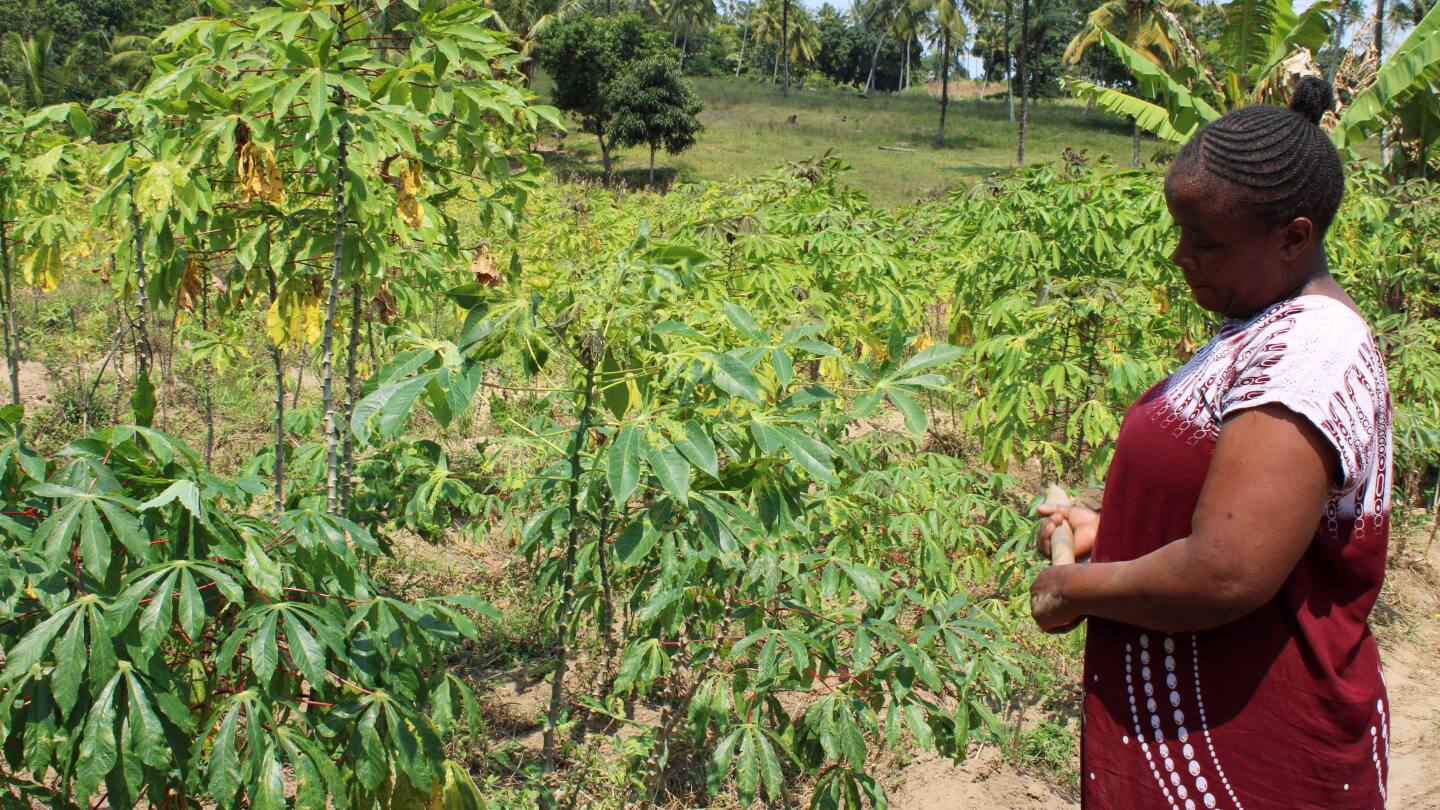
In Kenya, a search for links between a changing climate and mental health
In the arid landscapes of Kilifi County, Kenya, the daily struggle to secure food and water is a relentless burden, particularly for women who shoulder the majority of household responsibilities. The region, one of Kenya’s poorest, faces the dual challenges of poverty and a changing climate, which exacerbates the stress and anxiety of its residents. Women traverse miles with buckets of water, while maize crops wither under the scorching sun, leaving families with little to sustain themselves. This dire situation has profound implications for mental health, especially among women, who are often the primary caregivers in their families. Zul Merali of The Aga Khan University, which has established a local institute for mental and brain health, highlights the immense pressure these women endure. “They are responsible for ensuring their families are fed, yet they face constant uncertainty due to unpredictable weather patterns,” he explains. Kilifi County is one of Kenya’s most studied populations, with community health workers conducting monthly visits to assess the well-being of residents. These workers, like Humphrey Kitsao, who oversees 115 households, have witnessed firsthand the devastating impact of climate change on livelihoods. “Farming remains the primary source of income, but yields have drastically declined, leaving families with little to no harvest,” Kitsao notes. Jasmit Shah, a data scientist at The Aga Khan University’s Brain and Mind Institute, has been researching the link between climate change and mental health in rural Kenyan women. His study, which surveyed nearly 15,000 women, revealed alarming correlations between climate shocks—such as droughts and heatwaves—and increased suicidal thoughts. Elizabeth Amina Kadenge, a 41-year-old farmer and mother of four, exemplifies this struggle. Her maize crops have failed repeatedly due to erratic weather, leaving her family without food or income. To cope, she has turned to planting cassava, a more resilient crop, but its long growth cycle means families often harvest it prematurely for food, sacrificing potential income. Despite these challenges, mental health remains a neglected issue in rural Kenya. Mercy Githara of the Kenya Red Cross emphasizes the need for greater awareness and access to mental health services. “Climate change-induced disasters like droughts and floods have severe psychological impacts, leading to conditions such as depression,” she says. Shah is optimistic about the government’s efforts, including the community health promoters program, which includes mental health training. However, Merali stresses that long-term support is essential. “Climate change is not a temporary crisis; it’s a persistent reality that demands sustained action,” he asserts.
-
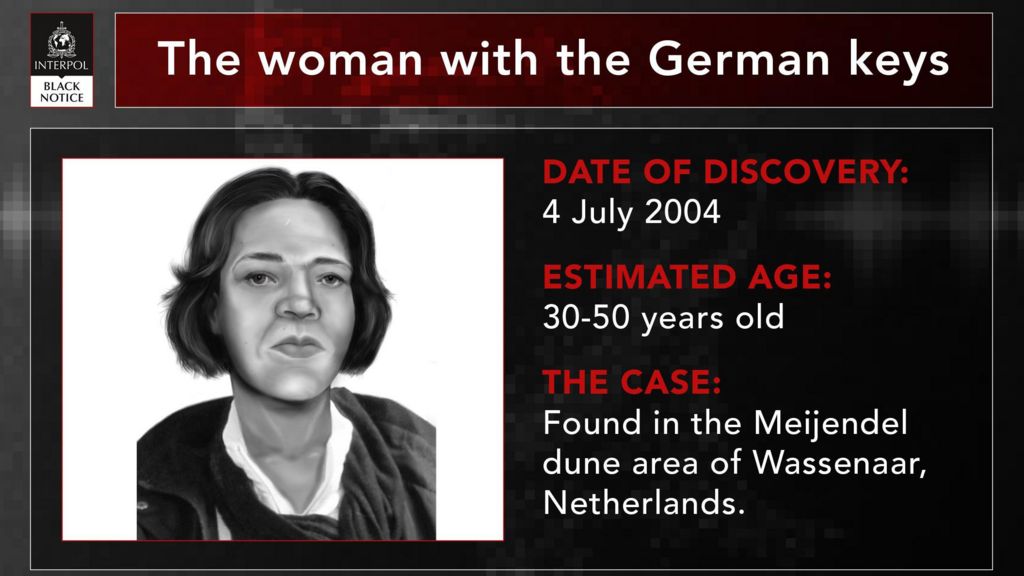
Woman in Dutch beach cold case named after 21 years
In a significant breakthrough for cold case investigations, the identity of a woman whose body was discovered on a Dutch beach in 2004 has finally been revealed. Eva Maria Pommer, a 35-year-old German citizen, has been named as the fourth individual identified through Interpol’s Operation Identify Me, an international initiative aimed at solving long-standing mysteries involving unidentified bodies. The identification came after a crucial tip-off to Dutch police, following a public appeal aired on German television. Despite the breakthrough, the cause of Pommer’s death remains unexplained, and investigations are ongoing. Known as ‘the woman with the German keys,’ Pommer’s body was found in sand dunes near Wassenaar in July 2004, with no obvious signs of injury or struggle. She was wearing distinctive clothing, including brown plaid leggings and red patent shoes, and carried a key linked to the German city of Bottrop. However, police were unable to trace the key to a specific address, leaving her identity a mystery for two decades. Operation Identify Me, launched in 2023, has utilized Interpol’s ‘black notices’ and global fingerprint sharing to shed light on unsolved cases across six European countries. The campaign has already identified three other women, including Rita Roberts, a British citizen murdered in Belgium in 1992, and Ainoha Izaga Ibieta Lima, a Paraguayan woman found dead in Spain in 2018. Interpol highlights the challenges posed by global migration and human trafficking, which complicate the identification of bodies found outside their countries of origin. The latest identification marks a milestone in international collaboration, offering closure to families and renewed hope for solving other cold cases.
-

Protesters rally across Morocco in final push for reforms before king’s expected address
In a renewed surge of activism, Moroccan youth took to the streets of Casablanca and other cities on Thursday, reigniting their calls for sweeping governmental reforms. The protests, orchestrated by the ‘Gen Z 212’ movement, demand the dismissal of Prime Minister Aziz Akhannouch and a crackdown on corruption, alongside improved public services in health and education. This latest wave of demonstrations follows a brief midweek hiatus, strategically timed to culminate in a powerful display of dissent ahead of King Mohammed VI’s anticipated parliamentary address on Friday.
-
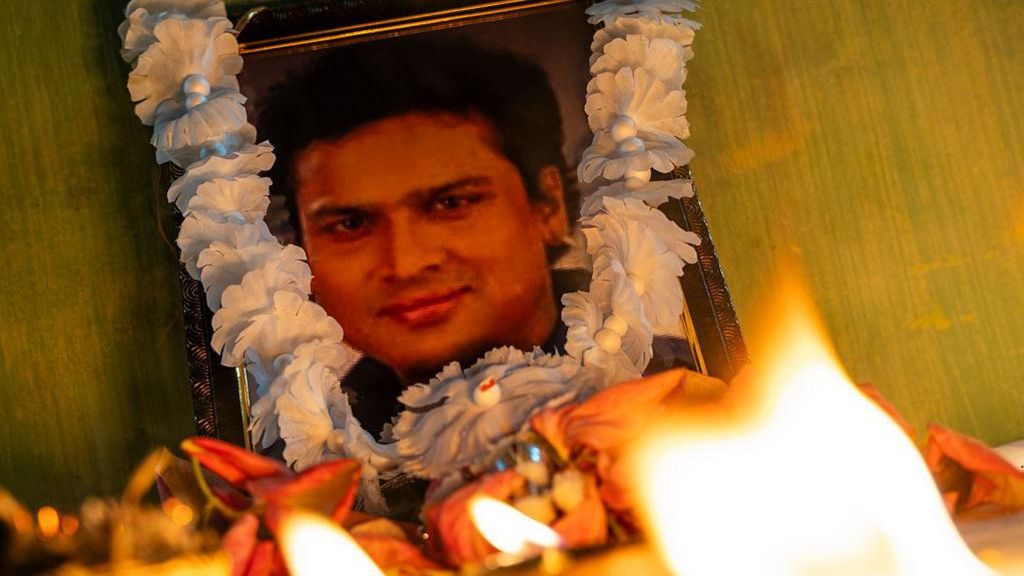
A beloved Indian singer drowned in Singapore. Now fans want answers
The untimely death of Zubeen Garg, a revered singer-composer from Assam, has plunged the Indian state into a state of collective mourning and unrest. Garg, often hailed as Assam’s ‘first true rockstar,’ tragically drowned during a yacht trip in Singapore on September 19, a day before he was scheduled to perform at a live concert. Initial reports from Singapore police ruled out foul play, but the circumstances surrounding his death have since sparked allegations of conspiracy and negligence, leaving his fans and family demanding answers.
Garg’s death has sent shockwaves through Assam, where he was not just a musician but a cultural icon. His career spanned 33 years, during which he sang in over 40 languages and dialects, earning nationwide fame with his hit song ‘Ya Ali’ from the 2006 Bollywood film ‘Gangster.’ Known for his flamboyant style and outspoken activism, Garg was deeply beloved by his fans, who saw him as a ‘king’ who championed the issues of northeast India.
In the wake of his death, Assam came to a standstill, with schools closed and markets deserted. Hundreds of thousands of mourners gathered to pay their last respects when his body was flown back to Guwahati, Assam’s main city. His cremation, conducted with state honors and a 21-gun salute, was attended by over a million people, many of whom sang lines from his popular song ‘Mayabini.’
However, grief has been accompanied by anger and suspicion. At least 60 complaints have been lodged with the state police, and five individuals who were with Garg in Singapore have been arrested on charges of negligence, criminal conspiracy, and culpable homicide. A special investigation team (SIT) and a judicial commission have been formed to probe the incident, but the lack of clarity about Garg’s final moments has fueled public outrage.
The controversy has also taken on political dimensions, with Assam’s ruling BJP and the opposition Congress trading accusations ahead of next year’s state assembly elections. Chief Minister Himanta Biswa Sarma has vowed to deliver justice, even urging the public to hold him accountable if he fails.
Meanwhile, Garg’s wife, Garima Saikia Garg, has spoken out about her husband’s health issues, questioning why he was allowed to swim despite being visibly tired and on medication. She has called for those responsible to face the ‘strictest punishment.’
As the investigation continues, the mystery surrounding Garg’s death has left his family and fans in limbo, unable to fully grieve until the truth is uncovered.
-

London’s £34bn pension fund complicit in Israeli genocide, report says
A recent report by ‘Shake the CIV,’ a London-wide divestment campaign, has uncovered that London’s £34 billion ($45 billion) pension fund has £7 billion invested in companies allegedly enabling Israel’s human rights violations against Palestinians. Published on Thursday, the report scrutinizes the London Collective Investment Vehicle (LCIV), the investment pool for London-based local government pension schemes, jointly owned by the City of London and all 32 London boroughs. Over a fifth of the LCIV’s portfolio, amounting to more than £7 billion, is tied to firms accused of facilitating these abuses. The LCIV manages pensions for approximately 700,000 Londoners. Last year, it divested £6.7 million in Israeli government bonds and is currently evaluating its investments in 12 unnamed companies. The report highlights nearly £1 billion invested in arms manufacturers, including £10 million in Israel’s Elbit Systems and £228 million in British arms giant BAE Systems. Additionally, £5.2 billion is invested in technology firms accused of enabling Israel’s surveillance and control of Palestinians, with over £2.5 billion allocated to Microsoft. Last month, Microsoft announced it would sever ties with Israel’s Unit 8200, a surveillance entity accused of spying on Palestinians using Microsoft’s Azure cloud platform. The LCIV clarified that £6.5 billion of the £7 billion cited in the report are ‘passive strategies’ managed by third-party fund managers, outside the LCIV’s control. The report calls for immediate and complete divestment from companies complicit in Israel’s alleged genocide and apartheid against Palestinians. Councillor Liam Shrivastava of Lewisham Council’s pension committee emphasized the moral and democratic imperative to act, drawing parallels to past divestments from apartheid South Africa and fossil fuels.
-

South African farm worker describes how women fed to pigs to ‘dispose of evidence’
A harrowing courtroom testimony has revealed the gruesome details of a South African farm worker’s forced involvement in disposing of two women’s bodies by feeding them to pigs. Adrian De Wet, 21, recounted to the Polokwane High Court how his boss, farm owner Zachariah Johannes Olivier, coerced him into throwing the bodies into a pig enclosure after they were shot. De Wet explained that Olivier believed the pigs would consume the evidence, stating, ‘When pigs are hungry enough, they’ll eat anything.’
De Wet admitted to firing shots alongside Olivier on the night of August 17, 2024, when they heard voices of trespassers on the farm. The victims, Maria Makgato, 45, and Lucia Ndlovu, 34, were allegedly searching for food on the property. The following morning, De Wet and Olivier discovered the bodies and disposed of them in the pigsty. A second body was found nearby and similarly discarded. Days later, they returned to find the pigs had devoured large portions of the women’s flesh, as evidenced by graphic photos presented in court.
De Wet, initially accused of murder, was granted immunity after agreeing to testify against Olivier and another suspect, William Musora. He claimed he acted under duress. Olivier and Musora face murder charges, with the case reigniting racial tensions in South Africa, where private farmland remains predominantly owned by the white minority, while black farm workers endure poor wages and living conditions.
The trial has sparked national outrage, highlighting the persistent racial divide in rural areas, decades after the end of apartheid. The defense’s cross-examination of Olivier and Musora is set to resume next Wednesday.