
A Chinese-born woman has been formally charged in connection with the audacious theft of six gold nuggets, valued at approximately 1.5 million euros ($1.75 million), from the Museum of Natural History in Paris last month, according to French prosecutors. The suspect was apprehended in Barcelona while attempting to dispose of melted gold and is currently in pre-trial detention. The museum, renowned for its extensive collections of stuffed animals and bones, houses a mineralogy gallery where the stolen gold was displayed. Investigators discovered an angle-grinder and a blowtorch at the crime scene, suggesting the use of sophisticated tools. Reports indicate that the museum’s alarm and surveillance systems were disabled by a cyberattack, which the thieves allegedly exploited. A museum spokesperson revealed to Le Figaro that the perpetrators were highly experienced and well-informed, taking advantage of a security vulnerability overlooked in the 2024 audit. The break-in was discovered by cleaners arriving before dawn at the museum, which is affiliated with Sorbonne University and located near the Jardin des Plantes in central Paris. The suspect was arrested by Spanish police on September 30 under a European Arrest Warrant and extradited to France the same day. Authorities found her in possession of around one kilogram of melted gold, and investigations are ongoing. It is believed she was preparing to flee to China. Among the stolen items was a 5kg gold nugget originally from Australia, valued at approximately €585,000 at current gold prices. Museum director Emmanuel Skoulios described the thieves as an ‘extremely professional team’ with precise knowledge of their target and access to professional equipment. This incident follows a separate high-profile heist at the Louvre, where thieves stole priceless French crown jewels in a meticulously planned operation lasting less than eight minutes. Experts speculate that the stolen items may be dismantled and sold for a fraction of their value. Dutch art detective Arthur Brand noted that the perpetrators are likely experienced criminals who have carried out similar burglaries in the past. Recent months have seen at least four French museums targeted by thieves, raising concerns about the security of cultural institutions in the country.
分类: society
-
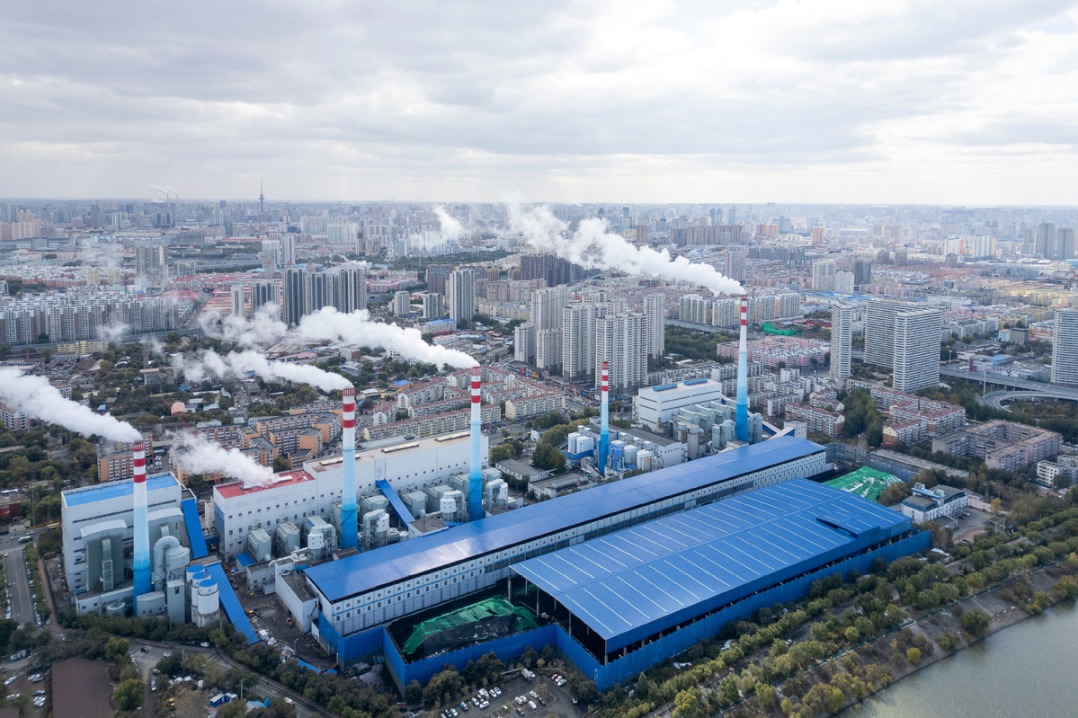
China’s Harbin enters heating season
As winter approaches, Harbin, the northernmost provincial capital of China, officially commenced its heating season on Monday, October 20, 2025. This year, residents are experiencing a significant improvement in heating services, thanks to a comprehensive upgrade of the city’s heating infrastructure. The enhancements aim to ensure a more efficient and reliable supply of warmth during the harsh winter months. Local authorities have been proactive in inspecting and maintaining heating facilities, with staff members diligently overseeing operations at heating service companies. These efforts reflect the city’s commitment to improving the quality of life for its residents, particularly in the face of extreme weather conditions. The upgraded system not only promises better performance but also aligns with broader environmental goals by optimizing energy usage. As temperatures drop, the improved heating services are expected to provide much-needed comfort and safety to Harbin’s population.
-
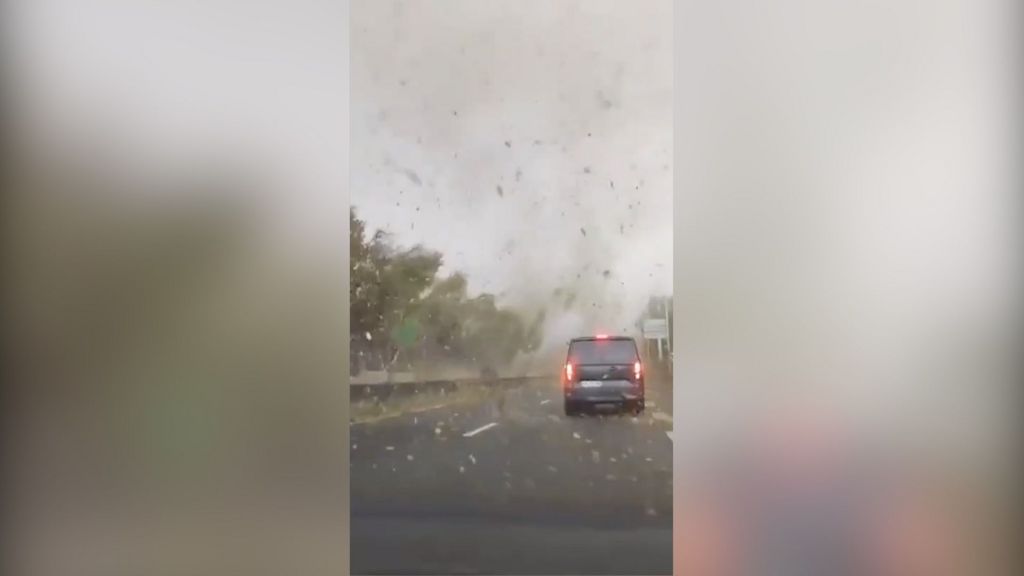
Tornado hits Paris suburbs leaving one dead
A devastating tornado swept through the Val-d’Oise region, located north of Paris, on Monday, resulting in tragic consequences. The powerful storm claimed the life of a 23-year-old construction worker and caused significant destruction, including the collapse of three construction cranes. The incident has sent shockwaves through the local community, highlighting the unpredictable and destructive nature of such natural phenomena. Emergency services swiftly responded to the scene, but the young worker could not be saved. Authorities are now assessing the extent of the damage and providing support to affected residents. This tragic event underscores the importance of preparedness and safety measures in the face of severe weather conditions.
-

Malawian president abolishes school fees, pledges to end hunger
In a landmark announcement, Malawi’s newly inaugurated President Peter Mutharika has unveiled sweeping reforms aimed at transforming the nation’s education and food security landscape. Speaking at an annual cultural festival in Thyolo District, Mutharika declared that primary and secondary education will be free for all Malawian students starting January 2026. The president emphasized the critical role of education in national development, urging parents and guardians to ensure every child attends school. ‘Parents will now have no excuse for failing to send their children to school. Education is the foundation of progress,’ Mutharika stated. Additionally, the president addressed the pressing issue of hunger, revealing that his government is securing 200,000 metric tons of maize from Zambia to assist over four million food-insecure citizens. Mutharika, who assumed office on October 4, 2025, following his victory in the September 16 presidential election, has prioritized these initiatives as part of his broader vision for a prosperous Malawi. The agriculture minister has been dispatched to Zambia to finalize the maize procurement deal, underscoring the administration’s commitment to alleviating hunger and fostering sustainable development.
-

CityFly takes off as China’s newest travel trend in low-altitude tourism
China’s tourism landscape is soaring to new heights with the rise of ‘CityFly,’ a trend that is transforming how travelers experience the country. Moving beyond traditional sightseeing, this innovative approach embraces low-altitude activities such as paragliding, skydiving, and scenic helicopter rides, offering thrill-seekers a vertical perspective of urban and natural landscapes. Emerging as a successor to the popular ‘Citywalk’ trend, CityFly is rapidly gaining traction among young Chinese travelers, driven by the nation’s booming low-altitude economy. In Zhejiang province, for instance, paragliding has evolved from a niche adventure to a mainstream attraction. Li Duo, a Shanghai resident in her early 20s, described her first paragliding experience as ‘breathtaking,’ gliding over bamboo forests and tea gardens on Mogan Mountain. Yang Aiping, manager of the paragliding base, reported a tenfold increase in visitors since 2019, with over 100,000 participants this year. The trend is not limited to Zhejiang. In Sanya, Hainan province, skydiving has become a major draw, with a 20% year-on-year increase in customers during the first quarter of 2025. Official data reveals that Sanya’s low-altitude tourism sector served 287,000 tourists in the first half of 2024, generating 730 million yuan in revenue and creating 2,300 jobs. Zhao Yuehua, an aviation industry expert, attributes this surge to China’s rapidly developing low-altitude economy, which has reduced flight costs from 3,000 yuan per person a decade ago to around 1,000 yuan today. The sector’s growth has been further bolstered by its inclusion in the 2024 government work report, positioning it as a key economic driver. Projections indicate that the low-altitude economy will reach a market size of 1.5 trillion yuan by 2025 and expand to 3.5 trillion yuan by 2035. With 89,000 active enterprises in the sector, including 11,700 new registrations in the first five months of 2025, CityFly is reshaping China’s tourism industry, offering travelers a three-dimensional experience and injecting new vitality into the market.
-

Top court cracks down on firearms
China’s Supreme People’s Court has reinforced its commitment to stringent firearm and explosive control, highlighting the judiciary’s dedication to eradicating gun-related threats and ensuring public safety. In a recent announcement, the court unveiled six pivotal cases to underscore the necessity of combating gun-related crimes, particularly those involving modified weapons. The court has urged judges across the nation to prioritize the protection of citizens’ lives and property. The court emphasized that firearms, ammunition, and explosives can exacerbate criminal activities, potentially leading to severe violent incidents and widespread public fear. It stressed the importance of rigorous control over such items and a firm judicial stance against related offenses. The disclosed cases primarily involved nail guns, which have increasingly been modified into firearms in certain regions, resulting in serious injuries. Nail guns, commonly used in construction and renovation, are designed to drive fasteners into materials using compressed air, gas, or electricity. However, their ease of modification has led to their misuse as firearms, posing significant public safety risks. In one notable case, two hardware store operators in Qidong, Jiangsu province, knowingly modified and sold nail guns equipped with metal plates, enabling them to fire metal projectiles. The pair sold 36 such devices, earning a profit of 16,324 yuan ($2,290). The local court classified the modified nail guns as firearms under the Criminal Law, sentencing one defendant to 11 years and the other to 12 years in prison. The Supreme People’s Court affirmed that the ruling reflects the judiciary’s unwavering stance against firearm-related crimes, aiming to prevent gun violence, enhance public safety, and maintain social stability. While the court advocates severe penalties for such offenses, it also noted that individuals who collect firearms as a hobby and voluntarily surrender them may receive leniency if they have not engaged in illegal activities or caused harm. The court further encouraged public awareness and reporting of gun-related information to law enforcement.
-

Dive into the old world of Chinese martial arts
Jacob Brinnand’s journey into the world of Chinese martial arts is a tale of transformation, dedication, and cultural exchange. Growing up in the Bay Area, Brinnand was immersed in the Asian and Pacific Islander community, where martial arts played a significant role in shaping the local culture. Inspired by kung fu movies like *Drunken Master II*, he developed a deep fascination for the art form. However, his search for authenticity in martial arts remained unfulfilled until a pivotal encounter in 2005.
While attending college, Brinnand met Y.C. Wong, a fourth-generation disciple of the legendary Wong Fei-hung. Wong Fei-hung, a revered figure in Chinese martial arts, was renowned for his mastery of *hung gar* and *drunk boxing*, as well as his expertise in *dit da*, a traditional Chinese medicine practice for trauma and bone setting. Under Wong’s mentorship, Brinnand found not only a teacher but also a guiding light that steered him away from a self-destructive path.
Wong, who had dedicated his life to kung fu since the 1960s, took Brinnand under his wing, offering him lessons in both martial arts and life. ‘He showed me incredible kindness and strength without asking for anything in return,’ Brinnand recalled. Wong’s teachings extended beyond physical combat, emphasizing the holistic benefits of kung fu, including health, longevity, and community service.
In 2007, Brinnand traveled to China to participate in the 160th anniversary of Wong Fei-hung’s birth, an experience that deepened his connection to the lineage. He later relocated to Houston, Texas, where he now teaches kung fu full-time, passing on the wisdom and techniques he learned from Wong to a new generation of students. Brinnand’s story is a testament to the transformative power of martial arts and the enduring legacy of cultural exchange between China and the United States.
-
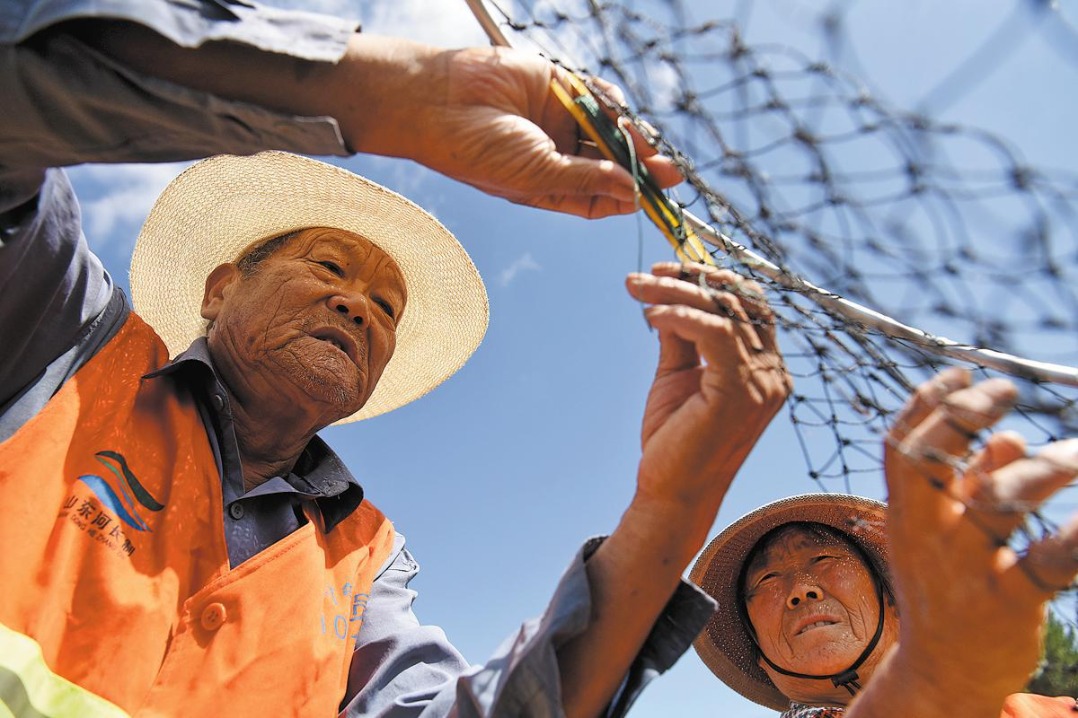
Clean river: It takes a family
For over four decades, Song Hengchun and his family have dedicated their lives to maintaining the cleanliness of the Zhaozhuang reservoir in Dongzhaozhuang village, Yiyuan county, Shandong province. The reservoir, constructed in the 1960s, plays a vital role in irrigating local farms and sustaining surrounding communities. In the 1980s, Song, then 30 years old, left his urban job to return to his hometown and take on the responsibility of safeguarding the reservoir. His commitment soon became a family affair, with his wife and later his son joining him in this noble endeavor. Together, they conduct regular inspections of the water quality and, during flood seasons, navigate the reservoir by boat to remove debris and trash. In 2014, Song was officially appointed as the river chief, a role that further solidified his dedication to the reservoir. This past June, his son succeeded him as river chief, ensuring the family’s legacy of environmental stewardship continues for generations.
-

Farmers return to their roots to reap abundant profits
Zhaotong, a city in Yunnan province, has emerged as a beacon of rural revitalization, leveraging its unique agricultural products to drive economic growth and improve living standards. Once part of China’s 832 poverty-stricken counties, Yiliang, a county within Zhaotong, has transformed its fortunes through the cultivation of specialty crops such as gastrodia elata, apples, and Sichuan peppers. The city now leads Yunnan in agricultural output, with last year’s total value exceeding 150 billion yuan ($21.06 billion) and projected to reach 180 billion yuan this year.
-

Toxic haze in Delhi despite ‘green’ Diwali
Delhi, India’s capital, faced a severe air quality crisis following the Diwali festival, as firecrackers exacerbated the city’s already toxic atmosphere. Despite a Supreme Court directive to use less-polluting ‘green’ fireworks and restrict their use to specific time slots, residents defied the orders, bursting traditional firecrackers late into the night. On Tuesday, the Air Quality Index (AQI) in Delhi reached 360, categorizing the air as ‘very poor.’ The AQI measures PM 2.5 levels—fine particulate matter that can cause respiratory and other health issues. The World Health Organization recommends PM 2.5 levels should not exceed 15 micrograms per cubic meter over 24 hours, but Delhi’s levels were 24 times higher in some areas. The city’s pollution problem intensifies during winter due to crop stubble burning in neighboring states and low wind speeds that trap pollutants. Although firecrackers were banned in Delhi since 2020, enforcement has been lax, and traditional crackers were openly sold in shops. Critics argue that even ‘green’ crackers, which emit 20-30% fewer pollutants, still release harmful substances. Residents reported thick smog and poor visibility, with many expressing resignation over the recurring issue. Experts fear that relaxing rules around firecrackers could undermine efforts to raise awareness about air pollution dangers. Authorities have implemented measures under the Graded Response Action Plan (GRAP) to curb emissions, but the situation remains dire.