分类: society

  • Dubai Police warn of accident on E311 near Global Village

    Dubai Police warn of accident on E311 near Global Village

    Dubai Police authorities issued a public safety advisory on Saturday, December 27, 2025, following a traffic incident on Sheikh Mohammed bin Zayed Road (E311). The collision occurred opposite Global Village on the Dubai-bound carriageway, prompting immediate police response and traffic management measures.

    Motorists traveling through the affected corridor were advised to exercise heightened caution and anticipate possible delays due to ongoing emergency operations. Police communications emphasized the importance of maintaining traffic flow and avoiding unnecessary slowdowns near accident sites.

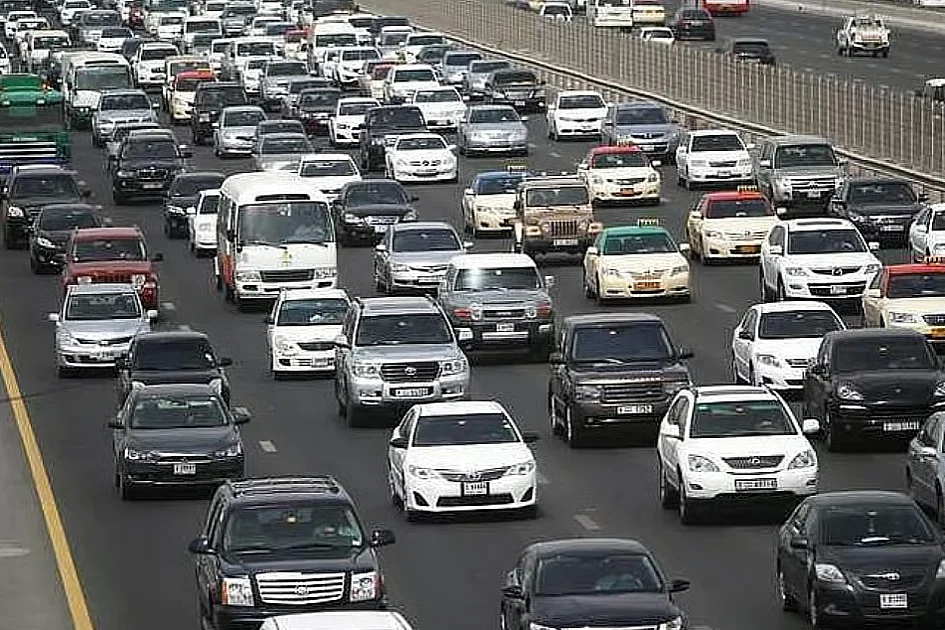
    Authorities reiterated their longstanding warning against rubbernecking—the dangerous practice of slowing down to observe accident scenes. This behavior not only violates UAE traffic regulations carrying a financial penalty of Dh1,000 but also creates secondary hazards. Rubbernecking can impede emergency response teams attempting to reach collision sites and potentially trigger chain-reaction accidents, thereby exacerbating risks to public safety.

    The timely notification demonstrates Dubai Police’s continued commitment to proactive traffic management and accident prevention strategies. Such real-time advisories have become increasingly important on Dubai’s major roadways, particularly during peak travel periods and near high-traffic attractions like Global Village.

    Commuters were encouraged to monitor official channels for updates regarding traffic normalization and to adhere to all police directives when passing through affected areas.

  • Japan: 15 injured in stabbing, liquid spray attack; suspect arrested

    Japan: 15 injured in stabbing, liquid spray attack; suspect arrested

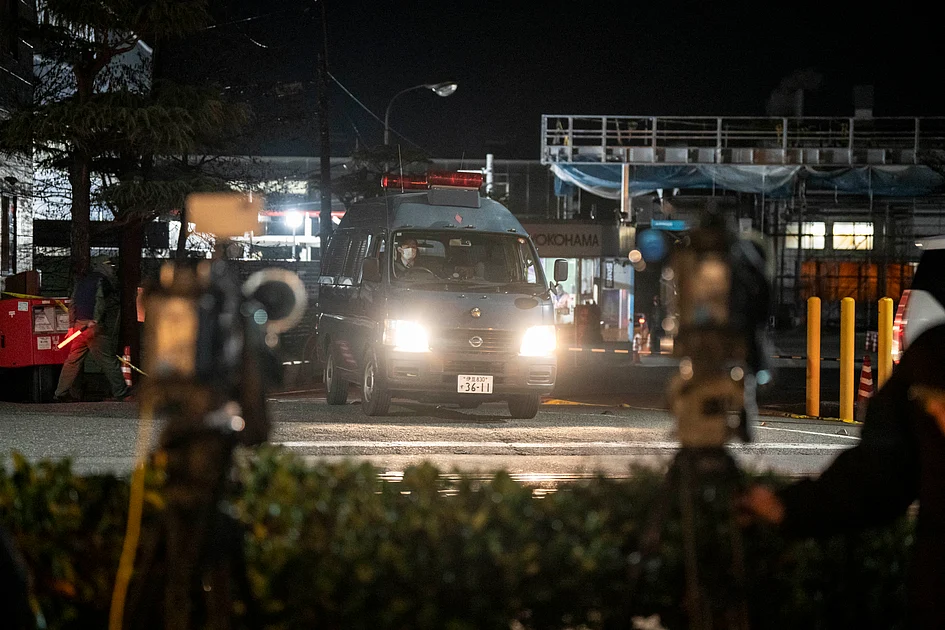
    A violent assault involving both stabbings and a chemical spray unfolded at a Yokohama Rubber Co. factory in Mishima, Japan, on Friday afternoon, resulting in injuries to fifteen individuals. Emergency services received a distress call at approximately 4:30 PM local time (0730 GMT) reporting multiple stabbings and the deployment of an unidentified spray substance.

    According to fire department officials, the victims were promptly transported to nearby hospitals. The injuries were categorized into two distinct types: eight individuals sustained stab wounds, while seven others were affected by the sprayed liquid, which preliminary reports from local media suggest was a bleach-based solution. While five victims were initially classified as requiring urgent emergency care, all remained conscious following the attack.

    Japanese law enforcement swiftly responded to the incident and apprehended a male suspect on suspicion of attempted murder. Media outlets, including NHK and Asahi Shimbun, identified the individual as a 38-year-old man allegedly connected to the factory. Reports describe him as being equipped with a survival knife and wearing a gas mask during the assault, indicating a degree of premeditation.

    The factory, which specializes in manufacturing tires for trucks and buses, became the site of a significant emergency response, with a fleet of ambulances and fire trucks visible in aerial news footage. The incident has sent shockwaves through the local community and drawn national attention.

    This attack stands in stark contrast to Japan’s generally low rates of violent crime, which are maintained through some of the world’s most stringent firearm regulations. However, the nation has experienced several high-profile violent incidents in recent years, including the 2022 assassination of former Prime Minister Shinzo Abe. The event also evokes memories of historical tragedies, most notably the 1995 sarin gas attack on the Tokyo subway system by the Aum Shinrikyo cult, which remains a profound national trauma. This factory assault adds to a concerning pattern of isolated but severe acts of violence in the country.

  • Four hikers found dead after avalanche in central Greece

    Four hikers found dead after avalanche in central Greece

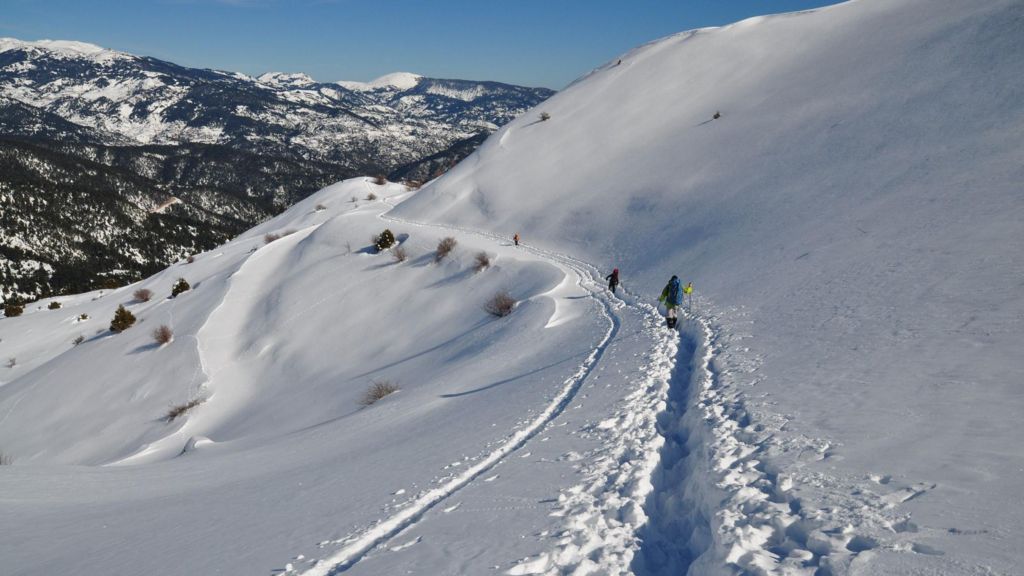
    A Christmas Day hiking expedition in Greece’s Vardousia Mountains ended in tragedy when four adventurers perished in a devastating avalanche. The victims—three men and one woman—were discovered Friday evening following an intensive search operation in the treacherous Fokida region.

    Greek fire service teams located the deceased partially submerged in snow on a near-vertical slope approaching Korakas Peak’s summit, approximately 2,000 meters above sea level. Rescue authorities confirmed the group had been swept away by a powerful avalanche despite beginning their ascent under favorable conditions that rapidly deteriorated due to extreme altitude and complex terrain.

    The alarm was raised through a concerned friend who reported the three male hikers’ failure to return at their scheduled time. Weather complications including subzero temperatures and limited visibility severely hampered initial search efforts, grounding aerial support systems including drones and helicopters.

    Fire service spokesperson Vasilis Vathrakogiannis revealed the fourth victim—a woman unexpectedly joining the expedition—was identified as a friend of one of the male climbers. Recovery operations continued through Saturday as emergency teams faced extraordinarily challenging conditions at the high-altitude location.

    Rescue coordinator Haris Asariotakis described the complex recovery process, noting the remote site requires three hours of travel from the nearest village. While one victim has been successfully airlifted via helicopter, specialized teams including firefighters and mountain guides are preparing for potential foot descent operations to retrieve the remaining three victims using winch systems.

  • Two dead in 50-vehicle pile up on Japan highway

    Two dead in 50-vehicle pile up on Japan highway

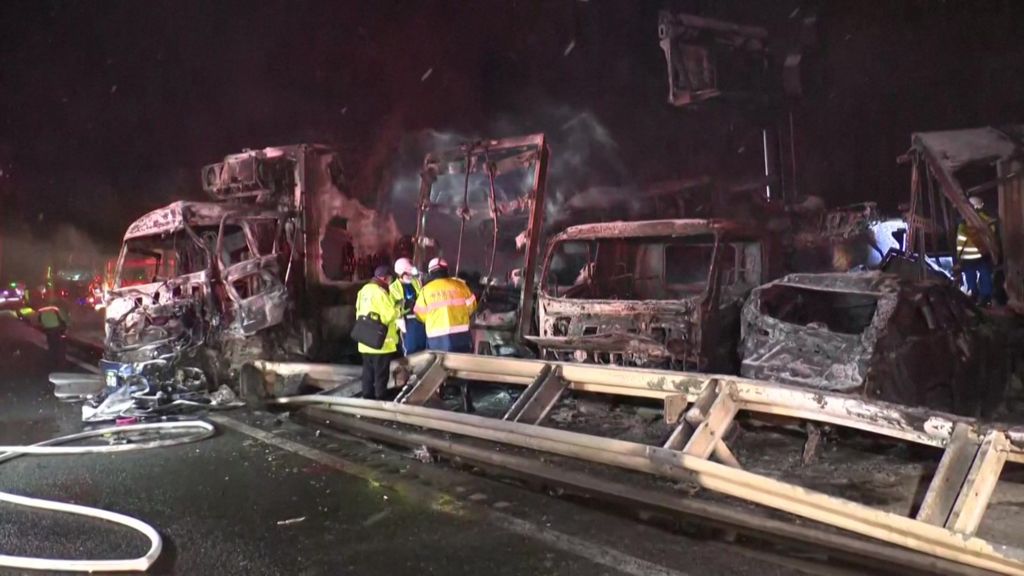
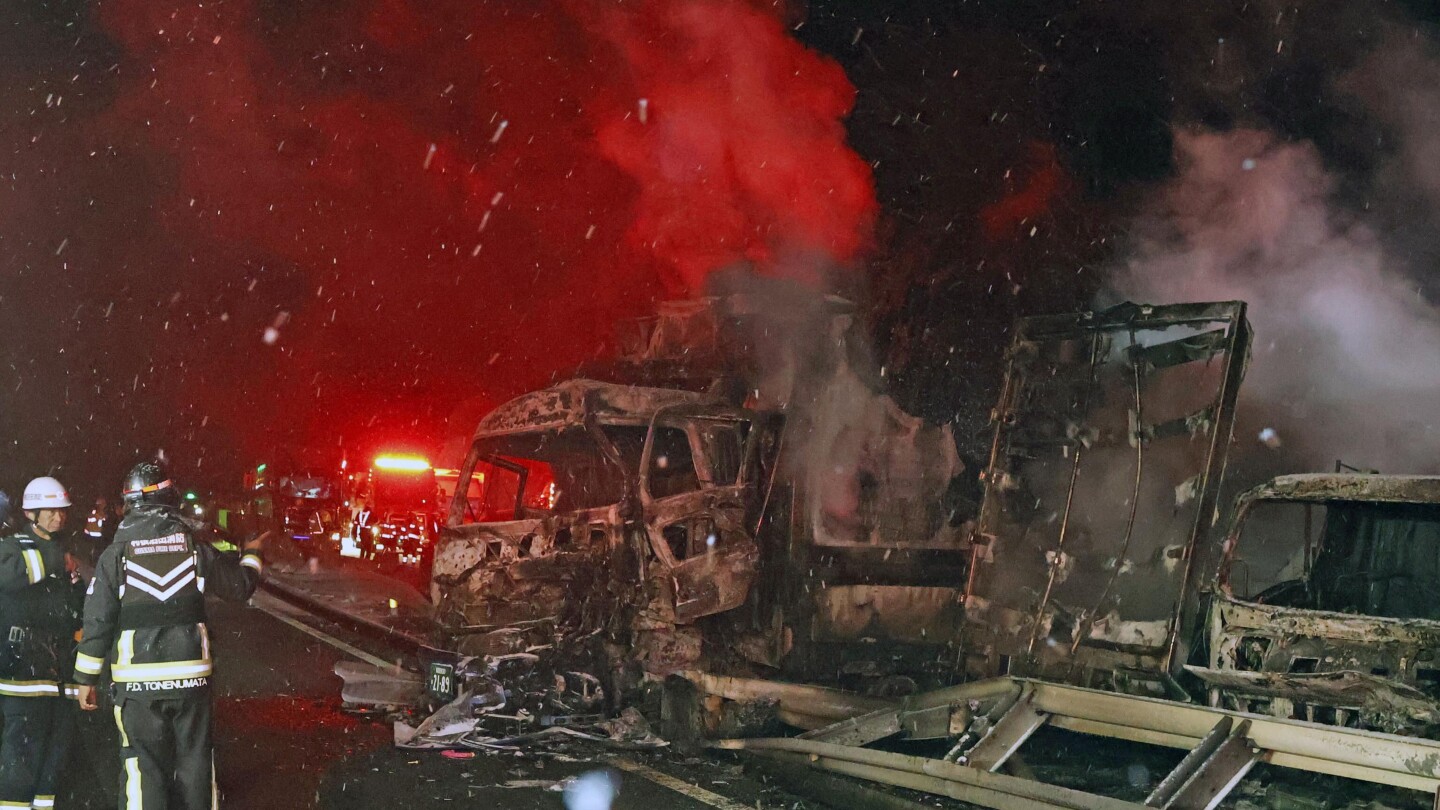
    A catastrophic chain-reaction collision involving 56 vehicles on Japan’s Kan-etsu Expressway has resulted in one confirmed fatality and multiple injuries, with authorities continuing investigation and recovery operations. The massive pileup occurred during hazardous winter conditions in Minakami, Gunma Prefecture, approximately 160 kilometers northwest of Tokyo, at approximately 7:30 PM local time on December 26th.

    According to law enforcement officials, the initial collision between two commercial trucks triggered a devastating domino effect that rapidly engulfed multiple vehicles in flames. The ensuing fire proved particularly challenging for emergency responders, requiring approximately seven and a half hours to fully extinguish.

    Tragically, a 77-year-old Tokyo woman lost her life in the incident, while another victim was discovered in the driver’s seat of a completely burned-out truck. The human toll included five individuals sustaining serious injuries and twenty-one others receiving treatment for minor wounds, according to official police statements.

    Meteorological conditions played a significant role in the disaster, with active heavy snow warnings in effect at the time of the accident. Preliminary investigation points to icy road surfaces as the likely cause for the initial loss of vehicle control that precipitated the massive collision.

    The aftermath presented a scene of extensive devastation, with numerous vehicles charred beyond recognition and strewn across the outbound lanes. Recovery crews worked methodically to clear the wreckage while the expressway operator, Nexco, implemented full closure of the affected section. The company has issued travel advisories urging motorists to avoid the highway entirely until further notice.

    Eyewitness accounts described terrifying moments during the incident. One male survivor in his sixties recounted hearing a substantial explosion from the forward section of the pileup before observing flames rapidly spreading between vehicles. Approximately fifty people were evacuated to a nearby toll gate facility, where many spent the night in hallway accommodations as emergency response continued.

    Nexco engineers have initiated comprehensive infrastructure assessments to determine potential damage to road surfaces caused by the intense and prolonged fire. The complete investigation into the precise sequence of events and contributing factors remains ongoing.

  • UAE weather: Red alert issued for fog; speed reduction activated in Abu Dhabi

    UAE weather: Red alert issued for fog; speed reduction activated in Abu Dhabi

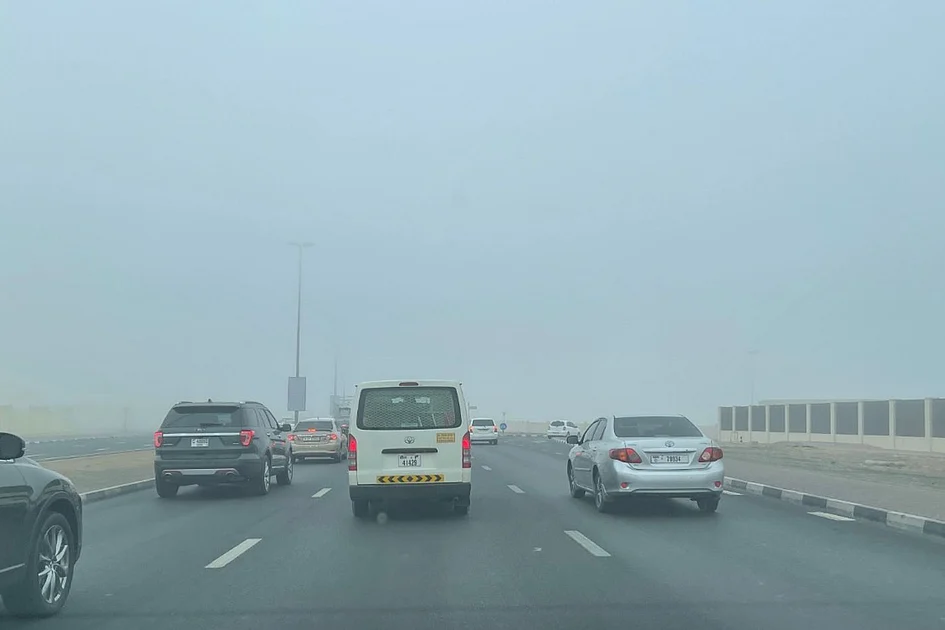
    The United Arab Emirates’ National Centre of Meteorology (NCM) has escalated weather warnings to red alert status due to hazardous fog conditions blanketing various regions. Meteorological authorities reported significantly deteriorated horizontal visibility, particularly affecting western internal areas from 03:00 until 09:30 on Saturday morning.

    The intensified fog conditions prompted immediate safety responses, including the activation of reduced speed limits to 80 km/h on critical roadways. Abu Dhabi Police implemented these measures specifically on Al Wiqan Road between Shiab Al Ghaf Roundabout and Al Dhahir, while fog concentrations were particularly severe along the Abu Dhabi-Al Ain roadway near Al Katim and Arjan districts.

    According to NCM’s classification system, red alert status indicates active fog formation reducing visibility to less than 1,000 meters, creating potentially dangerous driving conditions. Supplementary yellow alerts remained in effect for adjacent areas experiencing less severe but still concerning visibility reduction.

    Beyond the immediate fog concerns, meteorological forecasts indicate additional weather variability including light rainfall anticipated in coastal and northern regions. Skies are predicted to range from fair to partly cloudy throughout Saturday, with humidity levels rising overnight into Sunday morning across internal and coastal zones.

    Wind patterns will maintain light to moderate intensity from southeasterly to northeasterly directions, occasionally reaching speeds of 35 km/h. Marine conditions in both the Arabian Gulf and Sea of Oman remain generally calm with moderate wave activity, though tidal schedules vary significantly between the two bodies of water.

    Temperature readings across major urban centers show moderate conditions, with Dubai ranging between 19-26°C, Sharjah 16-26°C, and Abu Dhabi 17-25°C. The nation’s lowest temperature of 7.6°C was recorded at Jebel Jais in Ras Al Khaimah on Friday, indicating the seasonal cooling trend.

  • UAE winter: Al Ain families return to life in the desert

    UAE winter: Al Ain families return to life in the desert

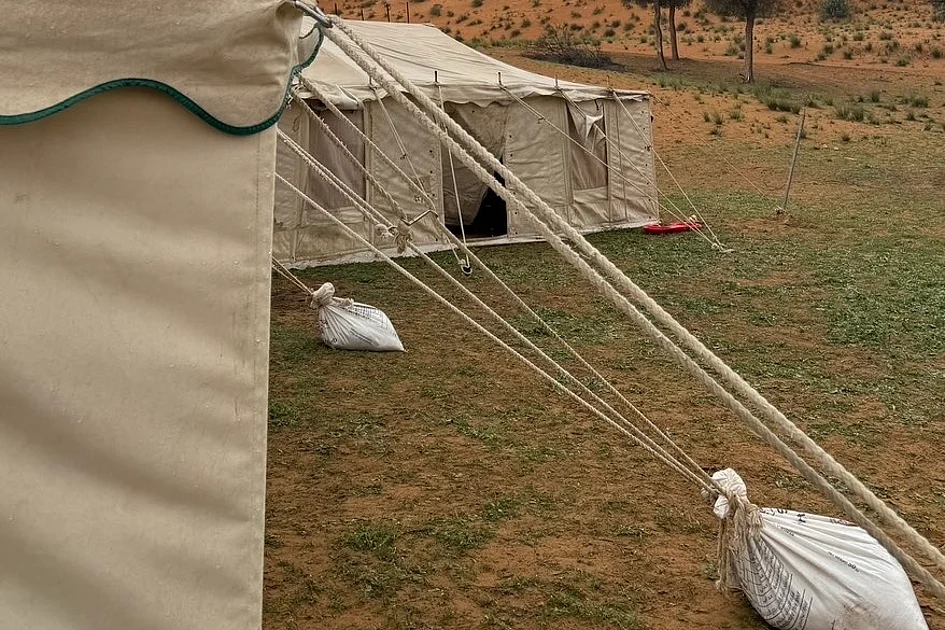
    As winter’s cool embrace settles across the United Arab Emirates, a remarkable seasonal migration unfolds in Al Ain where numerous families are reviving ancestral traditions by transitioning from urban residences to their desert dwellings. This annual exodus from city congestion to arid landscapes represents both a cultural preservation effort and a pursuit of tranquility during the cooler months from December through February.

    The practice, deeply embedded in local heritage, sees families exchanging modern urban comforts for simpler desert living. Mohammed Al Rashidi, an Al Ain resident, characterizes this tradition as generations-old: “Winter possesses a distinctive flavor here—the pleasant, cool weather draws us away from metropolitan traffic toward peace and nature. The desert provides psychological comfort and reconnects us with authenticity.”

    Desert existence contrasts sharply with city rhythms, offering a deliberate pace of life devoid of urban cacophony. Saeed Al Khaili elaborates: “We relish the clean, calm air and absolute tranquility. Winter rains revitalize the land, camels reach their prime condition, and these elements combine to create the season’s unique charm. This practice has become intrinsic to our identity since childhood.”

    Beyond environmental benefits, this migration strengthens familial bonds through shared activities and collective engagement. Al Khaili emphasizes the value of togetherness: “Cooking, conversing, and sharing experiences fortify our connections. This season imparts lessons in patience and simplicity while providing mental respite from urban pressures.”

    While acknowledging challenges like limited services and occasional cold spells, families note that modern amenities such as electricity have significantly improved desert living conditions compared to previous generations. Many participants encourage others to experience this traditional lifestyle, describing it as spiritually rejuvenating and offering profound perspective on life’s essentials.

  • Connecting cities, changing lives

    Connecting cities, changing lives

    In the heart of Beijing, Hou Qingjuan meticulously packs gifts and children’s clothing for her regular journey home—a routine made possible by China’s transformative high-speed rail network. Her destination: Liaocheng in Shandong Province, where her young son awaits reunions that have evolved from rare occasions to regular occurrences.

    Just seven years ago, Hou’s pilgrimage home involved six grueling hours aboard slow-moving ‘green trains,’ with total travel time consuming entire days. The psychological burden of separation from her children nearly drove her to abandon her Beijing career entirely. ‘The cumulative effect of station transfers and extended travel made the journey overwhelming,’ Hou recalls. ‘I constantly contemplated leaving the capital to return home permanently.’

    The transportation revolution arrived in late 2019 with upgraded rail services that slashed travel time to 3.5 hours at approximately 60 yuan ($8). By 2024, further infrastructure advancements reduced the fastest journeys to just 2.5 hours—democratizing mobility for millions of Chinese citizens.

    ‘This transformation redefined my possibilities,’ Hou explains. ‘Home visits transitioned from meticulously planned expeditions to spontaneous opportunities during free time.’ The enhanced connectivity prompted her to maintain her Beijing career while actively participating in her children’s upbringing—a balance previously unimaginable.

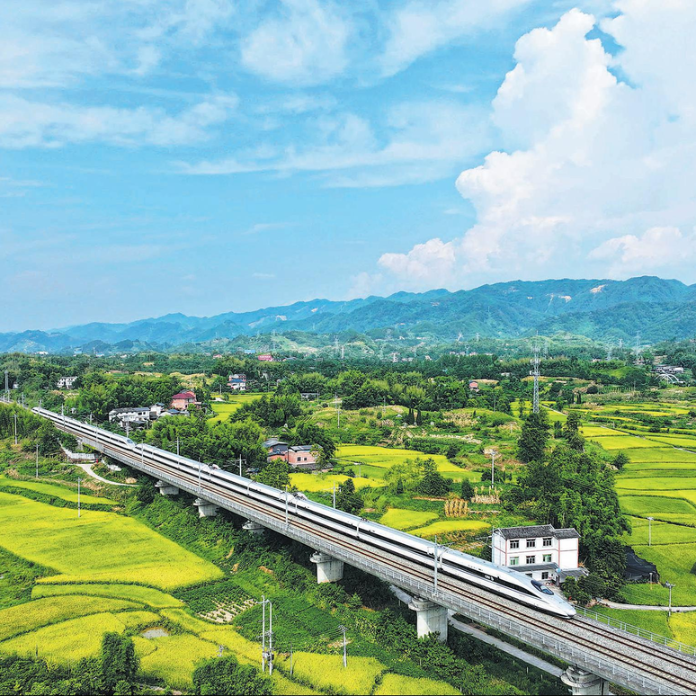
    Hou’s experience mirrors a national phenomenon where accelerated rail infrastructure is reshaping socioeconomic patterns across China. The Zhengzhou-Chongqing high-speed railway, captured in recent imagery cutting through golden fields against clear skies, symbolizes this new era of interconnected urban centers and revitalized regional communities.

    This transportation network evolution has fundamentally altered how citizens approach work-life balance, family dynamics, and geographic mobility—proving that infrastructure investment transcends concrete and steel to directly impact human relationships and life choices.

  • World’s longest expressway tunnel opens to traffic, crossing Tianshan Mountains

    World’s longest expressway tunnel opens to traffic, crossing Tianshan Mountains

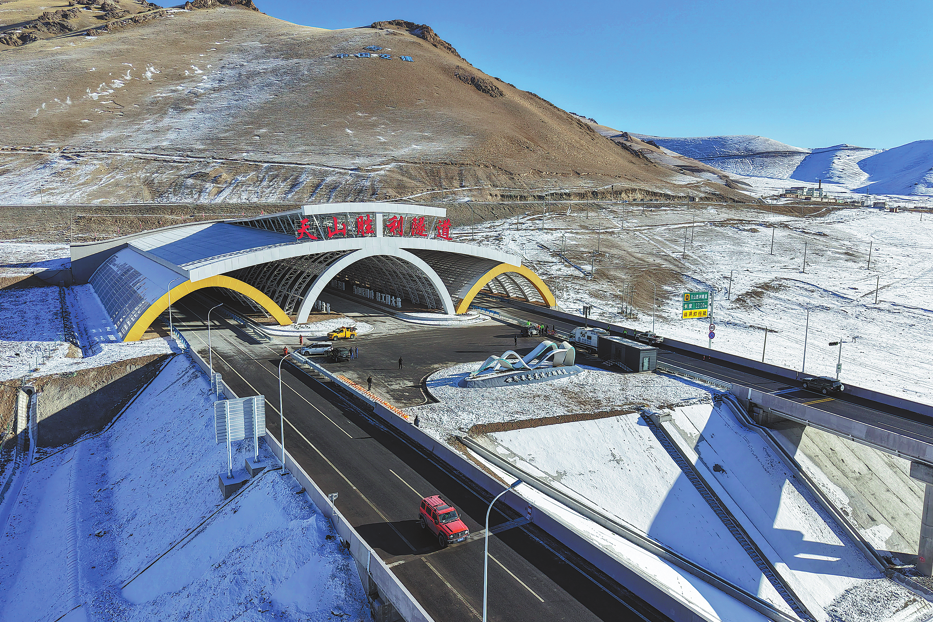
    China has officially opened the world’s longest expressway tunnel, marking a monumental achievement in infrastructure engineering. The Tianshan Shengli Tunnel, stretching 22.13 kilometers through the formidable Tianshan Mountains in Xinjiang Uygur Autonomous Region, began operations on December 27, 2025, as the centerpiece of a newly completed 324.7-kilometer expressway connecting regional capital Urumqi with Yuli county.

    This engineering marvel transforms what was previously a treacherous several-hour mountain crossing into a smooth 20-minute journey. The Urumqi-Yuli Expressway dramatically reduces travel time between Urumqi and Korla from seven hours to just three and a half, while effectively bridging northern and southern Xinjiang for the first time with high-speed connectivity.

    Construction of the $6.66 billion project commenced in April 2020 under extreme conditions. Engineers from China Communications Construction Co faced formidable challenges including altitudes nearing 3,000 meters, temperatures plunging to -42°C, high seismic activity, and complex geological fault zones. The tunnel reaches its deepest point at 1,112 meters beneath the mountain ridge, while its longest shaft descends over 700 meters—setting a new world record.

    The project incorporated cutting-edge technologies and innovative solutions in ultra-long tunnel surveying, design, construction techniques, and intelligent safety systems. These advancements establish new global standards for tunnel engineering in extreme environments.

    Beyond its technical achievements, the expressway serves as a critical transportation artery linking major domestic routes including the G7 Beijing-Urumqi Expressway and G30 Lianyungang-Horgos Expressway. It further connects to international trade corridors such as the New Eurasian Land Bridge and China-Central Asia-West Asia Economic Corridor.

    The infrastructure development specifically enhances connectivity within the China (Xinjiang) Pilot Free Trade Zone, reducing logistics costs and accelerating the flow of energy, manufactured goods, and agricultural products across the region. Environmental considerations were prioritized throughout construction, with dedicated wildlife passages, herder underpasses, and special protective measures implemented for water-source protection zones and national forest parks along the route.

    Initial access is currently granted to public vehicles excluding medium and heavy-duty trucks, with formal trial operations scheduled to commence on January 1, 2026.

  • Is the Australian Dream move still alive?

    Is the Australian Dream move still alive?

    The phenomenon of young Britons migrating to Australia in pursuit of improved living standards has become increasingly prevalent, with many viewing the move as a solution to their problems. This trend, humorously referenced by the phrase “Who isn’t in Australia?” in some British communities, reflects a growing exodus of youth seeking enhanced opportunities abroad.

    Chanel Buckland, a 28-year-old special needs teacher from Blackwood, Wales, exemplifies this migration pattern. Having relocated to Melbourne three years ago, she now navigates the complex process of obtaining Australian sponsorship. Her experience reveals both the attractions and challenges of such transitions. “The ease of living here is remarkable,” Chanel notes, highlighting superior work-life balance, more generous leave policies (approximately four weeks annual leave plus 13-14 public holidays), and employers who prioritize employee wellbeing.

    The historical context of this migration dates to post-World War II era and the “Ten Pound Poms” program of the 1950s, which promised Britons housing, employment prospects, and improved quality of life. Recent data from the Australian Bureau of Statistics indicates migrant arrivals from the UK reached a decade high in 2024, with 39,580 individuals arriving from various British territories alongside 10,661 Irish migrants.

    Migration agent Mark Welch attributes this surge to pent-up demand following Brexit compounded by COVID-19 travel restrictions. He clarifies that while construction, education, and healthcare sectors actively seek workers, visa eligibility varies significantly by location. Most applicants require trade qualifications, diplomas, or degrees, with citizenship generally requiring applicants under 45 years old, though exceptions exist for academics, scientists, regional medical practitioners, and high-earners exceeding A$183,000 annually.

    Despite the attractions, the reality often proves more complex than Instagram portrayals suggest. Chanel acknowledges underestimating the challenges: “I had to start everything from scratch” – from establishing banking arrangements to building new social networks. The emotional toll includes strained connections with home, where “people have their own lives without me.”

    The experience varies considerably among migrants. Rosie Scott, 34, returned to Kent after five years in Perth, despite describing Australia as “the best place in world.” As a dental nurse, she earned nearly double her UK salary, enabling mortgage payments in Kent while covering Perth rent and travel expenses. Yet she ultimately prioritized proximity to family and friends.

    Amelia Sewell, 25, found profound cultural enrichment in Townsville, north Queensland, working with Torres Strait Islander communities. “Australia gives you opportunity to connect with people whose path you’d never have crossed,” she observes, noting she never envisions returning to Cardiff.

    Conversely, Emily Southwell, 29, endured two “unbelievably difficult” years in Sydney’s Bondi area. Working in marketing, she experienced “constant uncertainty” regarding employment and visas, describing feelings of discrimination and lack of cultural diversity. She believes “Australians often looked after Australians” due to strict immigration laws, finding the UK more naturally diverse and accepting. Her return to London felt like a “breakup,” requiring social media detox to avoid being “triggered” by her former life.

    Despite divergent outcomes, all expressed no regrets about their Australian experiences. As Emily concluded: “Moving to Australia changed me more as a person than anything I’ve ever done,” highlighting the transformative personal growth regardless of ultimate settlement decisions.
  • A massive crash on a highway in Japan kills 1 person and injures 26 as the holiday season starts

    A massive crash on a highway in Japan kills 1 person and injures 26 as the holiday season starts

    A catastrophic chain-reaction collision involving over 50 vehicles unfolded on a snow-covered expressway in Japan during the peak holiday travel period, resulting in one fatality and multiple injuries. The incident occurred Friday evening on the Kan-etsu Expressway near Minakami, approximately 100 miles northwest of Tokyo, as heavy snow warnings were active across the region.

    According to Gunma prefectural highway police, the sequence of events began with an initial collision between two commercial trucks that blocked traffic lanes. Subsequent vehicles traveling on the ice-glazed roadway proved unable to stop safely, leading to a massive pileup that extended across the highway. The situation escalated dramatically when a fire broke out at the rear of the collision zone, engulfing more than a dozen automobiles in flames. While the conflagration was eventually extinguished after approximately seven hours, numerous vehicles were completely destroyed by the intense fire.

    The human toll included a 77-year-old Tokyo woman who succumbed to her injuries. Among the 26 injured persons transported for medical treatment, five were reported to be in serious condition. Authorities confirmed no additional injuries resulted from the fire itself.

    The timing of the accident coincided with the beginning of Japan’s year-end and New Year holiday migration, when millions traditionally travel to visit family. Sections of the critical transportation artery remained closed indefinitely as emergency crews conducted rescue operations, police investigations, and the complex removal of wreckage from the accident scene.