分类: society

  • Chilean court extends detention of suspect accused of starting wildfire that killed 20

    Chilean court extends detention of suspect accused of starting wildfire that killed 20

    A Chilean court has ordered pretrial detention for a 39-year-old man allegedly responsible for igniting one of the catastrophic wildfires currently devastating central and southern Chile. The Guarantee Court of Concepción in Bio Bio region approved the prosecution’s request to detain the suspect until January 26th while investigations continue into the deadly blazes that have claimed at least 21 lives.

    The suspect, arrested Thursday night, stands accused of sparking the Trinitarias fire—the initial and largest among approximately fifteen uncontrolled wildfires that have raged since Sunday. Prosecution evidence indicates the disaster began when the man operated a malfunctioning wood-burning stove, sending embers into the surrounding forests of Bio Bio region, approximately 500 kilometers south of Santiago.

    Prosecutor Jorge Lorca presented compelling evidence including aerial reconnaissance footage and video documentation from a forestry company that allegedly connects the suspect to the fire’s origin. The Trinitarias fire subsequently merged with two additional blazes, creating a massive wall of flames that has consumed over 45,000 hectares (176 square miles) of land.

    The human toll continues to mount with 305 reported injuries, nearly 700 residents displaced to shelters, and over 2,300 homes destroyed. The towns of Penco and Lirquen have suffered particularly devastating losses, with search operations ongoing for additional victims in the Lirquen area.

    This wildfire event now surpasses the scale of Chile’s recent Valparaiso and Viña del Mar tragedy in total burned area, though the earlier fire resulted in higher fatalities. The current megafires continue to actively burn across multiple regions including Ñuble and La Araucania alongside the devastated Bio Bio zone.

  • Dubai’s RTA unveils mural-painted bridge, 4km cycling tracks in Al Quoz

    Dubai’s RTA unveils mural-painted bridge, 4km cycling tracks in Al Quoz

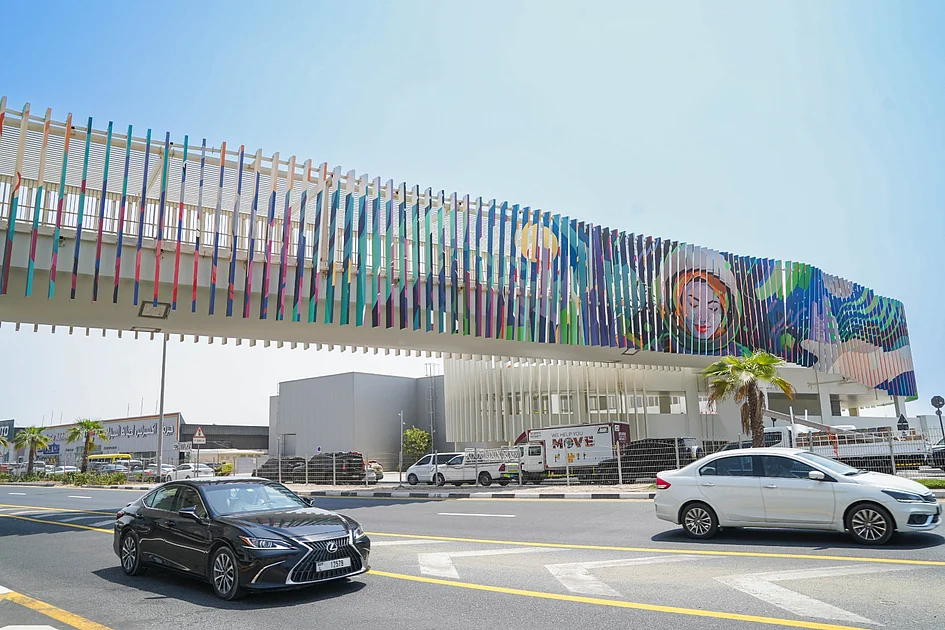
    Dubai’s Roads and Transport Authority (RTA) has inaugurated a striking 45-meter mural-painted bridge alongside comprehensive mobility infrastructure in Al Quoz Creative Zone, marking a significant advancement in the area’s urban development strategy. The newly unveiled infrastructure package includes three integrated mobility hubs and 4 kilometers of dedicated tracks accommodating pedestrians, cyclists, and various soft mobility options.

    The artistic bridge, featuring paneled mural paintings, measures 5.5 meters in width and stands 6 meters high, complemented by two 210-meter access ramps. This aesthetically designed structure aligns with the zone’s creative identity while serving practical transportation needs. The project enhances connectivity between Al Quoz Creative Zone, Onpassive Metro Station, and Al Quoz Bus Station, facilitating seamless multimodal transportation.

    Coinciding with this infrastructure launch, selected streets will temporarily transform into pedestrian urban spaces during the Al Quoz Arts Festival on January 24-25. This temporary urban reconfiguration, organized by Alserkal Avenue in partnership with Dubai Culture and Arts Authority, demonstrates the area’s flexible urban design approach.

    RTA officials emphasized that these developments support Dubai’s master plan for pedestrian pathway expansion and advance the 20-Minute City concept. Mattar Al Tayer, RTA Director-General, stated the project aims to reduce private vehicle dependence while promoting environmentally friendly transportation modes. The initiative contributes to creating a sustainable, low-carbon urban environment while potentially unlocking new economic opportunities.

    Hala Badri, Director-General of Dubai Culture, highlighted how these mobility enhancements will strengthen the zone’s appeal as a cultural destination, supporting Dubai’s positioning as a global hub for creative industries. The integrated ecosystem supports all creative process stages from design to marketing while providing affordable live-work opportunities, further solidifying Al Quoz’s status as a year-round destination for cultural and recreational experiences.

  • People of Determination lead the UAE’s first anti-plastic awareness film

    People of Determination lead the UAE’s first anti-plastic awareness film

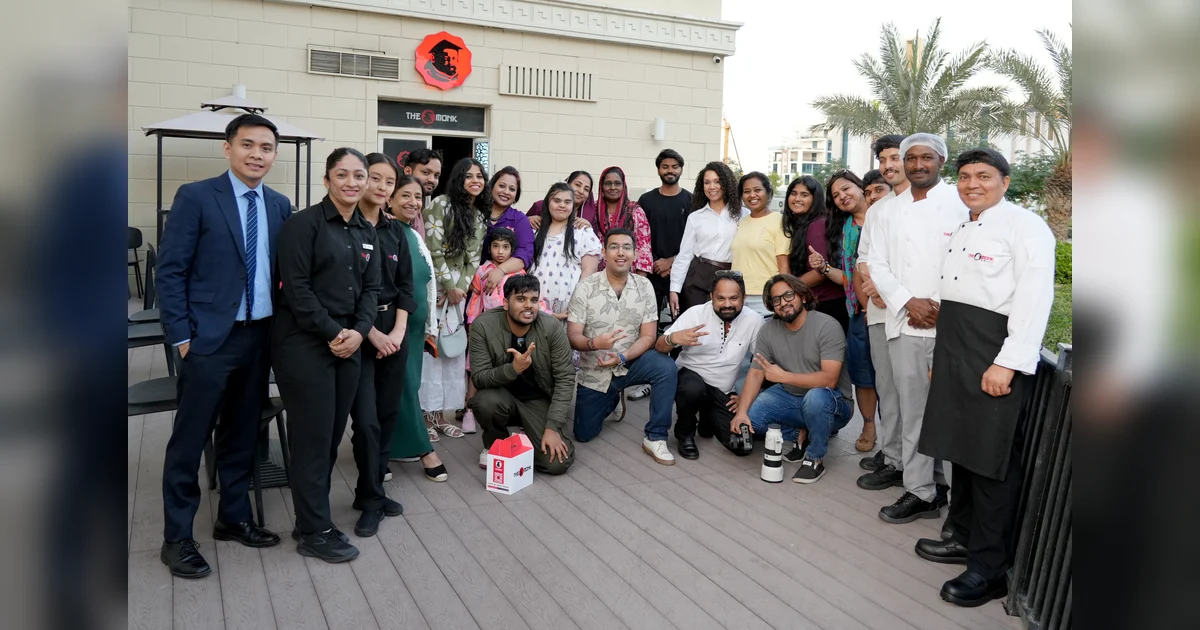
    In a groundbreaking initiative combining environmental advocacy and social inclusion, The Monk restaurant chain has launched the UAE’s first anti-plastic awareness film exclusively led by People of Determination. The project, titled ‘Raising Awareness with Rising Spirits,’ supports Dubai Government’s plastic ban directive while pioneering a new model of inclusive environmental activism.

    Directed by Binesh Babu Panicker, the film represents the cornerstone of SHARE TO CARE by The Monk—a comprehensive movement integrating sustainability, inclusion, and community engagement. The production breaks new ground by placing individuals with disabilities not merely as participants but as narrative leaders in environmental storytelling.

    “This production demonstrates that when society’s most inspiring voices deliver crucial messages, the impact resonates profoundly,” Panicker stated. “Our cast of People of Determination guided the entire narrative framework, creating an authentic embodiment of reverse inclusion where they educate us about planetary stewardship and mutual care.”

    The Monk’s operations manager Gene Bacolod emphasized the brand’s alignment with government sustainability directives: “Sustainability and inclusion form the core of our identity. We’ve systematically eliminated plastic carry bags and cutlery across all outlets, replacing them with fully recyclable alternatives. Having People of Determination champion this message adds profound significance for our team and customers alike.”

    This innovative approach to environmental campaigning represents a significant advancement in both disability representation and ecological activism within the region. The initiative establishes a new paradigm for how businesses can collaborate with marginalized communities to address pressing environmental concerns while promoting social inclusion.

  • Minnesota holds economic strike to protest ICE presence

    Minnesota holds economic strike to protest ICE presence

    Hundreds of Minnesota enterprises are suspending operations today in a coordinated economic protest against intensified immigration enforcement activities across the state. The widespread shutdown encompasses diverse businesses from restaurants and retail stores to service establishments, representing one of the most significant economic demonstrations against federal immigration policies.

    Organizers have urged residents to abstain from work, schooling, and commercial activities in a collective show of opposition to the US Immigration and Customs Enforcement (ICE) operations. Simultaneous rallies are scheduled in both St. Paul and Minneapolis, cities that have experienced particularly aggressive enforcement actions under the Trump administration’s “Operation Metro Surge.”

    The federal government characterizes these operations as public safety initiatives targeting undocumented individuals with criminal backgrounds. However, critics maintain that the enforcement has extended beyond its stated parameters, resulting in detentions of migrants without criminal records and even US citizens. According to Department of Homeland Security statements, approximately 10,000 individuals have been apprehended in Minnesota since President Trump’s return to office one year ago.

    The movement gained substantial momentum following the tragic death of 37-year-old Minneapolis resident Renee Good earlier this month, which ignited widespread condemnation and protests across the state. While many demonstrations have remained peaceful, some have escalated into violent confrontations between protesters and federal officers.

    Bishop Dwayne Royster of Faith in Action articulated the protesters’ demands: “We want ICE out of Minnesota, and we want ICE out of every state, with their extreme overreach. We want Congress to provide oversight to ICE.”

    The economic impact is already being felt across the region. Kim Bartmann, owner of six Minneapolis restaurants including Barbette and Gigi’s Café, reported a 30% decline in sales over the past three weeks, compelling her to reduce operating hours even before today’s coordinated closure. “We have employees with proper documentation who are terrified to leave their homes,” Bartmann noted, highlighting the pervasive climate of fear.

    The situation has created complex dilemmas for business owners who support the protest’s objectives but face significant financial consequences. Bartmann described the decision to participate as “tricky,” acknowledging that while “everyone is in solidarity, everyone needs to buy groceries and pay their rents.”

    Corey Lamb, proprietor of Harriet Grove Botanicals, emphasized the interconnected economic vulnerability: “When individuals are afraid of being detained or disappeared, it affects not only morally but economically what’s happening here and across the greater Midwest.”

    The tension has extended into educational institutions, with Columbia Heights school officials confirming the detention of four students aged five to seventeen by ICE this week. This development has further intensified calls for policy review.

    Vice President JD Vance addressed the situation on Thursday, urging Minnesota law enforcement to enhance coordination with federal officers and criticizing local “sanctuary” policies that limit cooperation with ICE. “The best way to facilitate reasonable enforcement of the law,” Vance stated, “would be for state and local officials to cooperate.”

    The protest represents a critical juncture in the ongoing national debate surrounding immigration enforcement methodologies and their socioeconomic ramifications.

  • Visiting RAK for the nature? Authorities warn of penalties for environmental violations

    Visiting RAK for the nature? Authorities warn of penalties for environmental violations

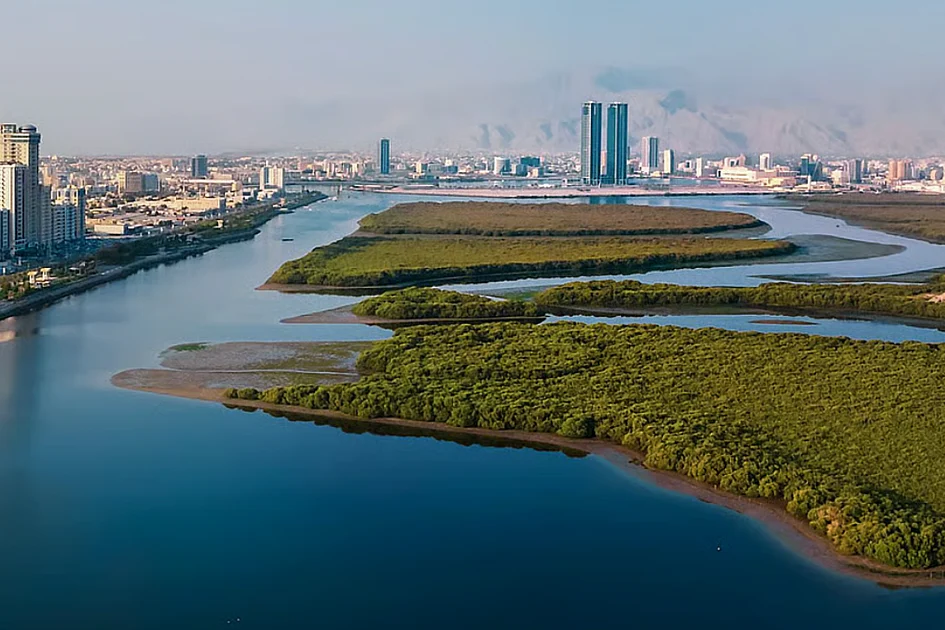
    Ras Al Khaimah authorities have intensified environmental protection measures, warning both visitors and commercial establishments that violations including littering, improper waste disposal, and unauthorized barbecuing will result in significant penalties. The Public Services Department revealed that 4,326 environmental offenses were recorded throughout 2025, demonstrating concerning patterns of irresponsible behavior across tourist destinations, residential zones, and public facilities.

    Common infractions include lighting fires directly on surfaces without approved equipment, disposing of personal waste in undesignated areas, and commercial operations dumping waste in public spaces, roads, and open land. These practices not only degrade natural landscapes but also pose substantial public safety risks.

    To combat these issues, the department has deployed an integrated monitoring system featuring 20 Toyota Rush patrol vehicles conducting 24/7 inspections across beaches, tourist sites, and natural areas. Fixed inspection units have been strategically positioned at high-traffic locations including Marjan Island Corniche and Al Maairid Corniche through collaborative agreements with relevant authorities.

    Officials emphasize that compliance with environmental regulations is crucial for preserving Ras Al Khaimah’s natural beauty while ensuring clean, safe, and enjoyable spaces for both residents and visitors. The enforcement campaign highlights that commercial entities are equally subject to environmental regulations and penalties, with several businesses already cited for improper waste management practices.

    The increased enforcement reflects growing concerns about environmental conservation in the emirate’s popular natural and coastal destinations, where irresponsible behavior has threatened both ecological integrity and public safety.

  • Swiss court orders release on bail of bar owner in probe of fatal New Year’s fire

    Swiss court orders release on bail of bar owner in probe of fatal New Year’s fire

    GENEVA — A Swiss court has granted bail to Jacques Moretti, one of the proprietors of Le Constellation bar in the Alpine resort of Crans-Montana, where a devastating fire during New Year’s celebrations resulted in 40 fatalities and over 100 injuries. The Valais regional court’s decision on Friday reversed its earlier ruling from January 12th that had imposed a three-month pretrial detention.

    The court determined that alternative measures would sufficiently address flight risk concerns. Moretti must remain within Swiss borders, surrender his identity documents to prosecutors, and report daily to local authorities. The court set bail at 200,000 Swiss francs (approximately $252,000), which has been paid in full.

    Swiss prosecutors have initiated criminal proceedings against both Jacques Moretti and his wife Jessica, co-owners of the establishment. They face charges including negligent homicide, negligent bodily harm, and causing a fire through negligence.

    Preliminary investigations indicate the blaze originated from sparkling candles that ignited soundproofing material on the ceiling. Authorities are examining whether the acoustic insulation complied with safety regulations and if the candles were legally permitted for use within the venue. Local officials have confirmed that no fire safety inspections had been conducted at the bar since 2019.

    Legal representatives for the couple issued a statement affirming their clients’ continued cooperation with investigative authorities and expressing that their ‘constant thoughts remain with the victims of this tragedy.’

  • 2 men sentenced to one month in jail for truck diesel theft case in Dubai

    2 men sentenced to one month in jail for truck diesel theft case in Dubai

    Dubai’s judicial system has delivered a decisive verdict in a meticulously planned fuel theft case, sentencing two individuals to one-month imprisonment followed by deportation. The criminal operation unraveled when a truck driver discovered his vehicle missing from the company parking facility, with only faint tire marks indicating unauthorized removal.

    Law enforcement authorities initiated a comprehensive investigation utilizing surveillance footage from the area. CCTV evidence captured a suspect operating the missing truck with apparent confidence through urban thoroughfares before abandoning the vehicle in Jebel Ali’s industrial sector. The precision of the operation suggested careful premeditation.

    Following the circulation of the suspect’s description, Dubai Police apprehended the primary perpetrator. During interrogation, the first defendant confessed to utilizing a retained key to access the commercial vehicle, which he subsequently drove to an isolated location. There, he systematically siphoned the diesel fuel and sold it to a second party for 450 dirhams.

    The purchaser, while admitting to acquiring the fuel, maintained ignorance regarding its illicit origins. Judicial examination revealed the theft’s sophisticated nature—the perpetrator had identified the target vehicle, preserved operational access, and coordinated the transaction with strategic precision.

    Despite both defendants maintaining their initial statements in court, the prosecution presented compelling evidence including visual documentation, voluntary confessions, and recovered contraband. The court differentiated the charges: the first individual received conviction for nocturnal theft accompanied by a 1,650 dirham fine, while the second faced conviction for possessing criminally obtained property with a 450 dirham penalty. Both sentences included mandatory deportation following incarceration.

  • Morocco urges African fraternity after surge in hate speech linked to chaotic Africa Cup final

    Morocco urges African fraternity after surge in hate speech linked to chaotic Africa Cup final

    RABAT, Morocco — King Mohammed VI of Morocco has issued a rare public appeal for unity and fraternity across the African continent following a disturbing surge in racial tensions triggered by the controversial Africa Cup of Nations final. The monarch’s intervention comes as human rights organizations document escalating hate speech targeting sub-Saharan African communities within Morocco.

    The diplomatic crisis emerged from Sunday’s championship match where Senegal narrowly defeated host nation Morocco 1-0 during extra time. The game descended into chaos when Senegalese players staged an on-field walkoff protesting a penalty decision during stoppage time, followed by attempts by spectators to storm the pitch. Outraged Senegalese supporters hurled chairs onto the field and clashed with security personnel before police intervention.

    Rabat’s public prosecution office confirmed eighteen Senegalese nationals faced formal charges including inciting violence during sporting events and vandalizing stadium infrastructure. Their petitions for provisional release were denied during Thursday’s court appearance, according to legal representative Naima El Guellaf.

    The physical confrontation rapidly transformed into digital warfare across social media platforms, where public figures from both nations circulated content accused of perpetuating harmful racial stereotypes. The Moroccan Association of Human Rights issued an official statement noting “a serious and worrying resurgence of hate speech and racist practices” targeting sub-Saharan residents in the aftermath of the final.

    In an unusual palace address, King Mohammed VI emphasized historical bonds: “Nothing can undermine the closeness nurtured over centuries between our African peoples, nor the fruitful cooperation built with the various countries of the continent. Morocco is and will remain faithful to the spirit of fraternity, solidarity and respect it has always upheld toward its continent.”

    The timing proves particularly sensitive as Morocco positions itself as a regional leader through substantial investments in West African banking and telecommunications sectors. The nation has strategically opened its ports to landlocked countries, facilitating Atlantic Ocean access and international trade routes. This incident casts uncertainty over Morocco’s joint bid with Spain and Portugal to host the 2030 World Cup.

    In a conciliatory gesture, Senegalese Prime Minister Ousmane Sonko announced forthcoming diplomatic visits to Morocco while confirming his government’s monitoring of detained supporters. The monarch concluded that Moroccans must resist resentment and discord, reframing the tournament hosting as an “African success” despite the controversies.

  • Shenyang winter expo showcases intangible cultural heritage

    Shenyang winter expo showcases intangible cultural heritage

    Shenyang transformed into a winter cultural hub as the 2026 Liaoning Intangible Cultural Heritage Winter Expo commenced its five-day run at the Liaoning Science and Technology Museum on January 23. The immersive event showcases the province’s rich tapestry of traditional arts and crafts through dynamic exhibitions, hands-on workshops, and live performances.

    The exposition represents a strategic initiative to revitalize winter tourism while preserving Northeast China’s cultural legacy. Visitors can engage directly with master artisans demonstrating time-honored techniques, from intricate paper-cutting and embroidery to traditional pottery and folk painting. The interactive format allows participants to experience heritage preservation as active participants rather than passive observers.

    Educational programming forms a core component of the event, with workshops designed for both children and adults to learn about cultural conservation. Performance stages feature traditional music and dance groups representing various ethnic traditions from across Liaoning province. The timing during winter break enables families to incorporate cultural education into their seasonal activities.

    Organizers have positioned the event as both a tourist attraction and cultural preservation effort, aggregating dispersed heritage resources into a centralized, accessible format. The Science and Technology Museum’s modern facilities provide climate-controlled environments for delicate artifacts while accommodating large crowds. Early attendance figures indicate strong public interest in both traditional craft demonstrations and participatory experiences.

  • China moves to set out clear standards for premade dishes

    China moves to set out clear standards for premade dishes

    China is implementing comprehensive national standards for pre-made dishes following growing public concern over restaurant transparency and pricing practices. The new regulatory framework, developed jointly by the State Council’s Food Safety Office, National Health Commission, and State Administration for Market Regulation, aims to address the significant gap between consumer expectations and industry practices.

    The drafted documents—National Food Safety Standards for Pre-Made Dishes and Terminology and Classification for Pre-Made Dishes—represent a substantial upgrade from 2024 regulations that initially defined pre-made dishes as prepackaged foods while creating a notable exemption for chain restaurants using central kitchen models. This exemption allowed restaurants to market semi-prepared ingredients as freshly cooked dishes while charging premium prices.

    The regulatory movement follows a high-profile controversy involving Xibei, a national restaurant chain that faced significant backlash after influencer Luo Yonghao exposed their extensive use of pre-prepared ingredients. The revelation triggered widespread consumer outrage and resulted in substantial revenue losses for the chain, ultimately leading to the closure of 102 outlets nationwide.

    Authorities have also collaborated with the Ministry of Commerce to draft a circular encouraging voluntary disclosure of food preparation methods. The new standards will undergo public consultation before formal implementation, marking a significant step toward greater transparency in China’s dining industry.

    Industry experts note that consumer frustration stems not from the use of pre-made dishes themselves, but from the perception of deception and the premium pricing of items marketed as freshly prepared. The debate highlights three fundamental concerns: clear definition of food preparation methods, consumer right to prior knowledge, and overall food safety standards.

    The Xibei case has become a focal point in China’s ongoing conversation about food transparency, demonstrating the growing disconnect between culinary marketing and kitchen reality. As the industry responds to these changes, restaurants nationwide are expected to adopt more transparent practices regarding food preparation and pricing.