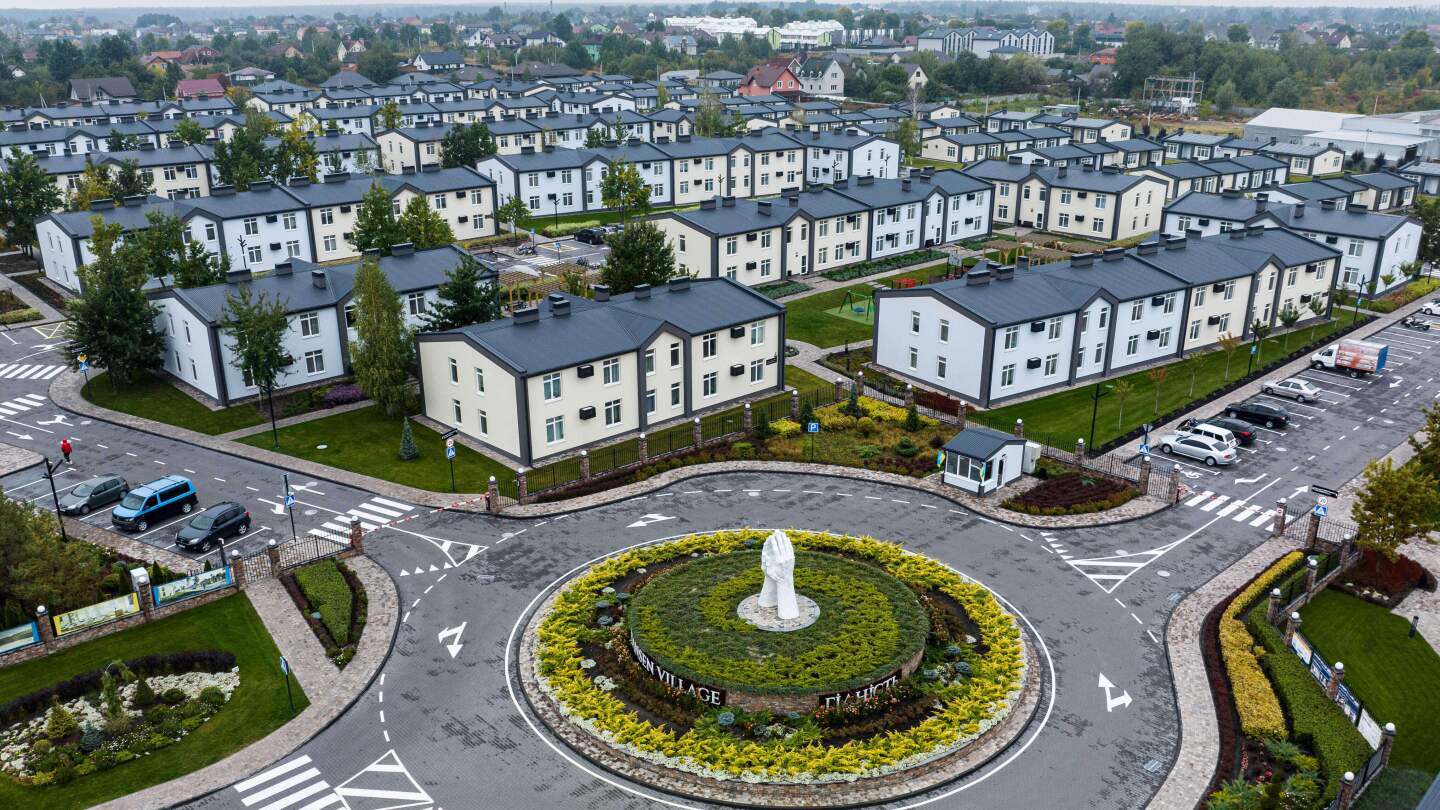
In the midst of the ongoing Russian invasion of Ukraine, which has displaced millions and scattered families across the nation and beyond, a privately-built settlement near Kyiv stands as a beacon of hope. Hansen Village, located approximately 400 miles west of the front lines, provides stable housing, personal space, and a sense of dignity to 2,000 displaced individuals, many of whom have fled occupied territories. The village, equipped with amenities such as a swimming pool, basketball court, health clinic, and school, was established by Dell Loy Hansen, a Utah-based real estate developer who has invested over $140 million in building and repairing homes across Ukraine since 2022. At 72, Hansen remains committed to expanding his efforts, driven by a sense of responsibility rather than charity. His projects include expanding Hansen Village, supporting elderly individuals and families, funding a prosthetics clinic, and planning a cemetery to honor displaced people. Hansen’s journey to Ukraine followed a public reckoning in 2020, when he sold his Major League Soccer team, Real Salt Lake, amid allegations of racist comments. Although he denied the claims, the experience instilled in him a sense of humility and a new mission. Ukraine’s housing crisis is dire, with nearly one-third of its population displaced, including 4.5 million internally displaced persons. The government struggles to fund shelters and repairs, as the cost of national reconstruction is estimated at $524 billion. Private initiatives like Hansen’s, though vital, remain a fraction of what is needed. Hansen’s work has earned him recognition, including an upcoming civilian honor from Ukraine, which he views as a means to bring visibility to the plight of the displaced and elderly. His efforts, while not a miracle, provide essential stability and hope to those who have lost everything.
分类: society
-

China sacks officials over viral Arc’teryx fireworks show in Tibet
A controversial fireworks display orchestrated by outdoor apparel brand Arc’teryx in the Himalayas has led to significant environmental concerns and the dismissal of four Chinese officials. The event, designed by renowned pyrotechnics artist Cai Guo-Qiang, aimed to promote mountain culture but instead drew widespread criticism for its ecological impact. Videos of the display, which featured vibrant fireworks resembling a ‘rising dragon’ over the Tibetan landscape, triggered a public outcry and calls for a boycott of the brand. Authorities in Tibet’s Shigatse city confirmed that the fireworks, lasting nearly a minute, affected approximately 30 hectares of grassland, leaving behind remnants and plastic debris. While the short-term damage was deemed limited, further monitoring is required to assess long-term ecological risks. The incident also caused temporary disturbances to local wildlife due to the bright lights and loud noises. In response, Arc’teryx and Cai Guo-Qiang issued apologies, with the latter pledging to collaborate with authorities on environmental restoration efforts. The dismissed officials include Gyantse county’s Communist Party secretary, public security chief, and two senior environmental agency members. Arc’teryx, founded in 1989 and now owned by Hong Kong-listed Anta Sports, emphasized its commitment to sustainability and stated that biodegradable materials were used in the display. The company also announced plans to work with an external agency to evaluate the project’s environmental impact.
-
Oregon and conservationists ask court to OK dam operation changes to help salmon
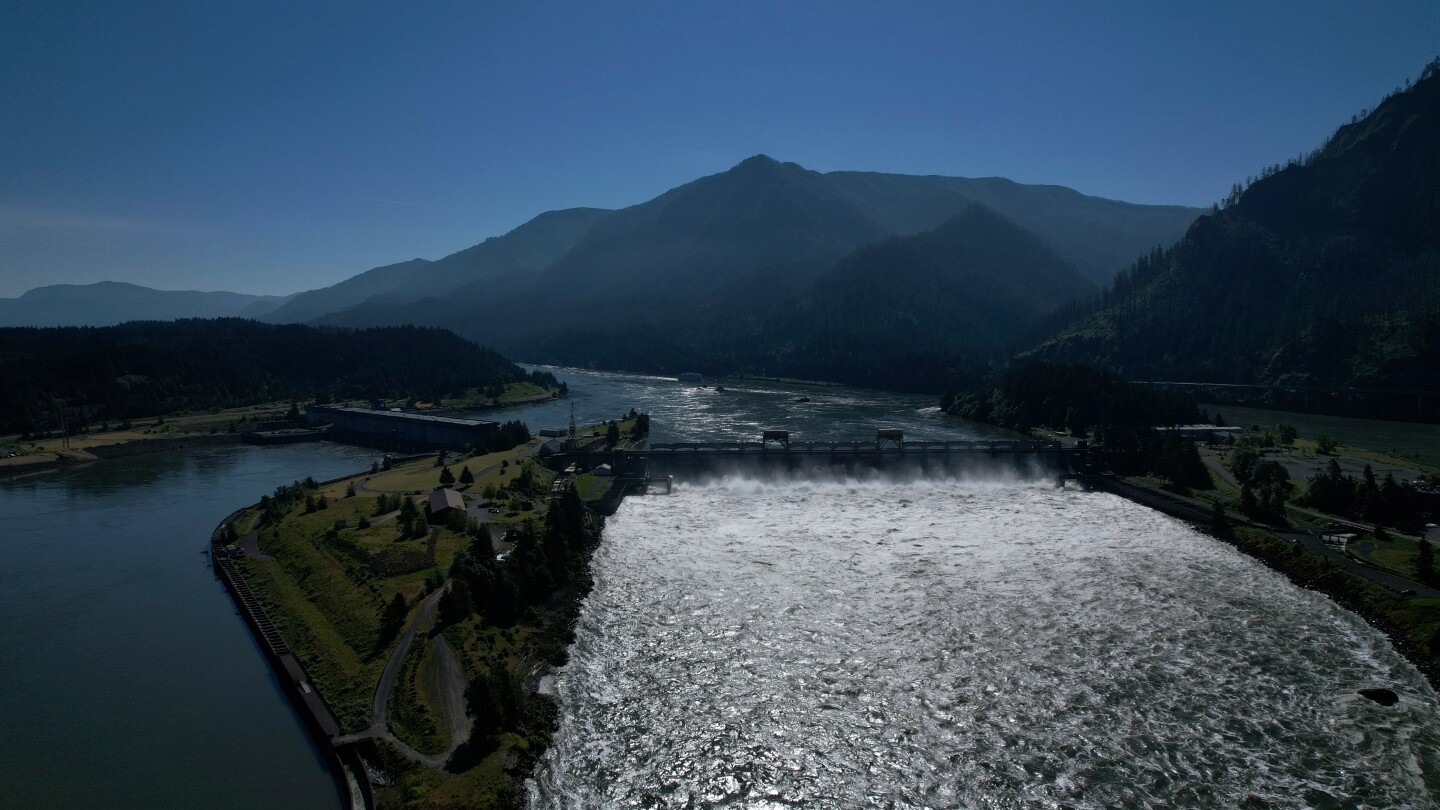
In a renewed effort to protect dwindling salmon populations, conservationists and the state of Oregon have petitioned a federal court to modify dam operations on the lower Snake and Columbia Rivers. The motion, filed in the U.S. District Court, seeks adjustments such as lowering reservoir water levels and increasing spill rates to facilitate safer and faster fish passage. These measures aim to help juvenile salmon bypass turbines and navigate the dams more effectively. The plaintiffs, including the National Wildlife Federation, are targeting eight dams managed by federal agencies like the National Marine Fisheries Service and the U.S. Army Corps of Engineers. However, attempts to obtain comments from federal representatives were hindered by the ongoing government shutdown. The legal battle, reignited after the Trump administration withdrew from the Resilient Columbia Basin Agreement in June 2023, underscores the tension between environmental conservation and economic interests. The $1 billion agreement, hailed as historic by the Biden administration and tribal groups, had temporarily paused litigation and aimed to restore salmon populations in the Pacific Northwest. Critics, including the Inland Ports and Navigation Group, argue that proposed changes could disrupt commerce and harm regional economies. Meanwhile, advocates emphasize the cultural, ecological, and economic significance of salmon, which are central to the identity of Native American tribes and the broader ecosystem. The dams in question, including Ice Harbor and Bonneville, have long been a source of hydropower and navigation but are also blamed for the decline of salmon species, four of which are now extinct and seven listed as endangered.
-

In a regional first, Uruguay passes a law allowing euthanasia
In a landmark decision, Uruguay’s Senate passed a law decriminalizing euthanasia on Wednesday, positioning the nation as a pioneer in Latin America on this contentious issue. The legislation, which received approval from 20 out of 31 senators, allows seriously ill patients to legally seek assistance in ending their lives. This makes Uruguay the first predominantly Catholic country in the region to enact such a law through legislative means, joining Colombia and Ecuador, where the practice was decriminalized via Supreme Court rulings. The bill had already cleared the lower house in August with overwhelming support. The law’s passage marks the culmination of a five-year legislative journey, with final implementation now awaiting government regulations. The debate surrounding euthanasia has intensified across Latin America in recent years, with Uruguay’s decision reflecting shifting societal attitudes. Sen. Patricia Kramer of the ruling leftist coalition emphasized that public opinion had driven the initiative, stating, ‘Public opinion is asking us to take this on.’ The law permits euthanasia performed by healthcare professionals but excludes assisted suicide, where patients self-administer lethal medication. Unlike similar laws in the U.S., Australia, and New Zealand, Uruguay’s legislation imposes no time limits on life expectancy or waiting periods. It allows individuals with incurable illnesses causing ‘unbearable suffering’ to seek assisted death, even if their condition is not terminal. The law also mandates that patients be mentally competent, requiring two doctors to confirm their psychological fitness. However, Uruguay will not extend euthanasia rights to minors, distinguishing it from countries like Belgium, Colombia, and the Netherlands. The Catholic Church, a vocal opponent of the law, urged Uruguayans to ‘defend the gift of life,’ but secularization has diminished resistance in the country, which has a history of progressive social policies, including the legalization of marijuana, same-sex marriage, and abortion. Vice President Carolina Cosse hailed the law as a historic milestone, reinforcing Uruguay’s reputation as a socially liberal leader in the region.
-
Global Village: Residents ‘eager’ to visit on Day 1 as park reopens after months
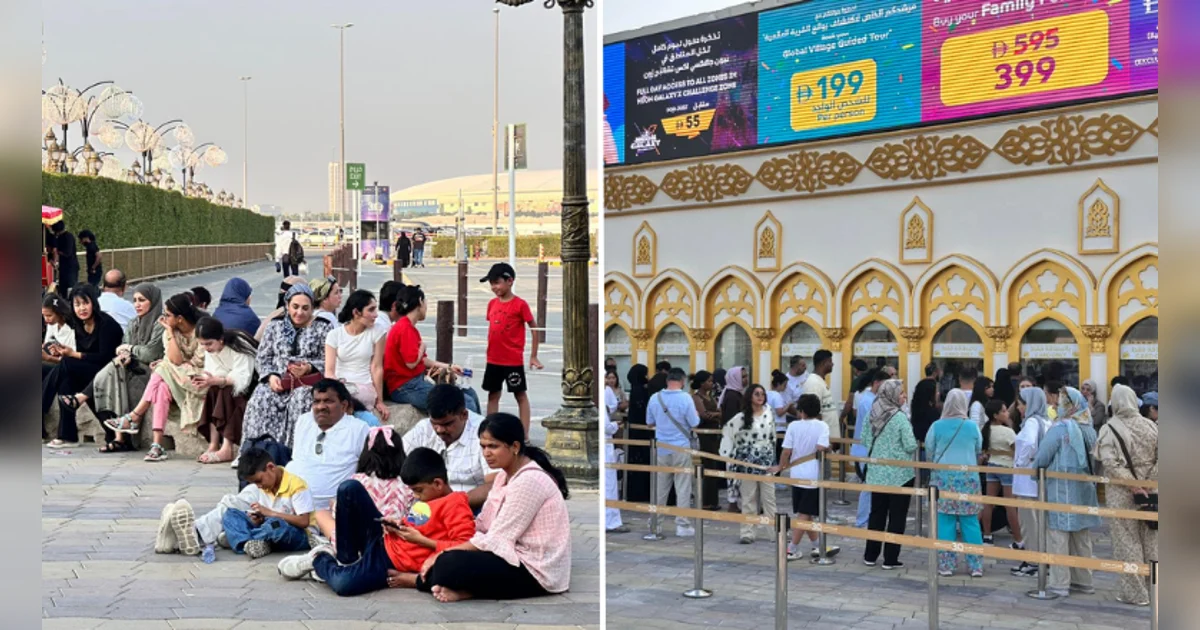
The much-anticipated reopening of Global Village in the UAE on October 15, 2025, was met with palpable excitement as residents and visitors flocked to the park on its first day. The event marked the beginning of a new season filled with entertainment, cultural experiences, and culinary delights. Families and friends gathered at the gates well before the official opening time, eager to be among the first to explore the park’s attractions. Among the early arrivals was Abdullah Al Shamsi, a resident of Barsha South, who arrived with his wife and son at 4 pm, entering through the Gate of the World entrance. Al Shamsi’s son, particularly enthusiastic, had insisted on arriving early to experience everything as soon as the park opened. Tickets were collected promptly at 5:30 pm, and the family waited near the entrance until the gates opened to the public. Upon entering, visitors were greeted by stunning replicas of iconic global landmarks, including Big Ben, the Leaning Tower of Pisa, Rome’s Colosseum, the Eiffel Tower, and Sydney’s Opera House. Families paused to take photos and plan their evening routes. Many attendees, like Ramesh Kumar from Bur Dubai, had marked the reopening date on their calendars months in advance. Kumar, who visits the park every year on its opening day, described it as a place where families can enjoy quality time, diverse cuisines, and performances from around the world. Fatima H, a Sharjah resident, arrived with her friends shortly after 5 pm, expressing her excitement for the season’s offerings, including shopping, food, and music. By sunset, the park was alive with activity, bustling with families, children, and tourists, all eager to immerse themselves in the vibrant atmosphere of culture and entertainment as the new season officially began.
-

China arrested 30 Christians. Some fear it’s the start of a bigger crackdown
In what activists are calling China’s largest arrest of Christians in decades, 30 members of the Zion Church network, including its founder Pastor Jin Mingri, were detained last weekend. The arrests, spanning at least 10 cities, have raised concerns of a broader crackdown on underground churches. Jin Mingri, a prominent figure in China’s Christian community, was taken from his base in Beihai city, Guangxi province, and is currently held in Beihai Number Two prison on suspicion of “illegal use of information networks.” His daughter, Grace Jin Drexel, who resides in the US, recounted the moment she learned of her father’s detention, describing it as a sudden and shocking event. The arrests come amid increasing pressure from Chinese authorities on unregistered religious groups, with new laws and regulations aimed at curbing their activities. Despite official figures stating there are 38 million Protestants and six million Catholics in China, rights activists estimate that tens of millions more attend underground churches, which do not align with state-sanctioned ideologies. The Chinese government has long sought to control religious practices, with recent measures including the banning of Christian apps, demolition of church buildings, and the imposition of strict online codes of conduct for religious personnel. The Zion Church, which began as a small house church in Beijing, has grown to over 10,000 followers across 40 cities, making it a significant target for authorities. While some arrested members have been released, the majority remain in detention, with fears that this crackdown may be just the beginning. Christian advocacy groups warn that the Chinese government’s policy of acting against house churches will continue, with accusations of fraud and economic crimes likely to be used as intimidation tactics. Despite the challenges, church leaders remain hopeful, citing historical examples where repression led to revival.
-

Giuffre accuses ‘entitled’ Andrew in posthumous book
In a posthumous memoir titled *Nobody’s Girl: A Memoir of Surviving Abuse and Fighting for Justice*, Virginia Giuffre, a prominent accuser of convicted sex offender Jeffrey Epstein, details harrowing allegations against Prince Andrew, Duke of York. The book, co-written with author Amy Wallace, is set for release next week, nearly six months after Giuffre’s tragic suicide in April. The memoir recounts three instances where Giuffre claims she was forced into sexual encounters with Prince Andrew, including at Ghislaine Maxwell’s London residence, Epstein’s New York townhouse, and his private island in the US Virgin Islands. Giuffre describes Prince Andrew as ‘entitled,’ alleging he acted as if sexual relations with her were his ‘birthright.’ She also recalls a notorious photograph taken in London in 2001, where Prince Andrew, then 41, placed his arm around her waist while Epstein snapped the picture. The memoir further reveals Giuffre’s struggles with trauma, including her reliance on tranquilisers to cope with the abuse. Despite reaching a financial settlement with Giuffre in 2022, Prince Andrew has consistently denied all allegations, stating in a BBC Newsnight interview that he ‘categorically’ never met her or engaged in any sexual contact. The book sheds light on Epstein’s manipulative tactics, his circle of powerful associates, and the systemic exploitation of vulnerable young women. Epstein died by suicide in jail in 2019, while Maxwell is serving a prison sentence for sex trafficking. Giuffre’s memoir serves as a poignant testament to her fight for justice and the enduring impact of her experiences.
-

Major Myanmar fraud cases enter prosecution
The prosecution of two prominent family-based criminal groups operating in northern Myanmar, targeting Chinese nationals, has commenced, with the Ministry of Public Security revealing that the funds involved exceed 24.6 billion yuan ($3.45 billion). This development marks a significant step in dismantling the notorious ‘Four Families’ criminal syndicates in Kokang, northern Myanmar. These groups have allegedly established numerous telecom fraud centers, engaging in a wide array of illegal activities, including fraud, illegal detention, extortion, casino operations, prostitution, and drug trafficking. Suspects from the Ming family have already been sentenced in a first-instance trial, while the Bai family’s case is now in its initial proceedings. The Wei family, implicated in crimes dating back to 2009, faces multiple charges, including fraud, intentional homicide, and drug trafficking. Similarly, the Liu family has been accused of fraud, extortion, and other serious offenses. Since July 2023, a special operation led by the Ministry of Public Security has resulted in the arrest of over 57,000 Chinese nationals suspected of fraud-related crimes. Joint law enforcement actions between China and Myanmar have been pivotal in these arrests, with Chinese authorities capturing key suspects at the Yunnan border. Investigations revealed that Chinese workers were often exploited, with ransoms demanded for their release. The criminal groups maintained control through armed personnel and harsh punishments for those who failed to meet quotas or attempted to escape. Despite ongoing regional conflicts, Chinese officers have conducted multiple investigations in Kokang, uncovering critical evidence, including victims’ remains and tools used in the crimes. Zhang Hanyi, deputy director of the Quanzhou Public Security Bureau, noted that while significant progress has been made, complete investigations remain challenging due to conditions abroad.
-

Teenage boy dies following incident at Dublin apartment
A tragic event unfolded at the Grattan Wood apartment complex in Donaghmede, north Dublin, resulting in the death of a teenage boy and injuries to another. The incident occurred at an emergency residential unit managed by Tusla, Ireland’s child welfare and protection agency. A woman also received medical attention for non-life-threatening injuries at the scene. Irish police, Gardaí, confirmed that the situation is no longer active and poses no ongoing threat to the community. They are following a definite line of inquiry and are not seeking any other individuals in relation to the incident. Tusla expressed deep sorrow over the event, stating that it involved two young people, one of whom sustained fatal injuries. The agency is cooperating fully with the Gardaí’s investigation and is prioritizing the safety and well-being of the other young people and staff at the unit. Additional supports are being provided to those directly affected, and efforts are being made to contact the families of the young people residing there. Emergency services responded to a call for assistance shortly after 11:00 BST, discovering a seriously injured teenage boy who was later pronounced dead at the scene. The scene remains preserved for examination by the Garda Technical Bureau and Forensic Science Ireland. The body has been taken to Dublin City Mortuary for a post-mortem examination, the results of which will aid the investigation. Irish Prime Minister Micheál Martin and Deputy Prime Minister Simon Harris expressed their shock and sadness over the loss of life, emphasizing the importance of the well-being of the young people and staff at the facility. Sinn Féin TD Denise Mitchell commended the Gardaí and emergency services for their swift response.
-
UN warns Colombia over mercury contamination in Atrato River, calls crisis a human rights emergency
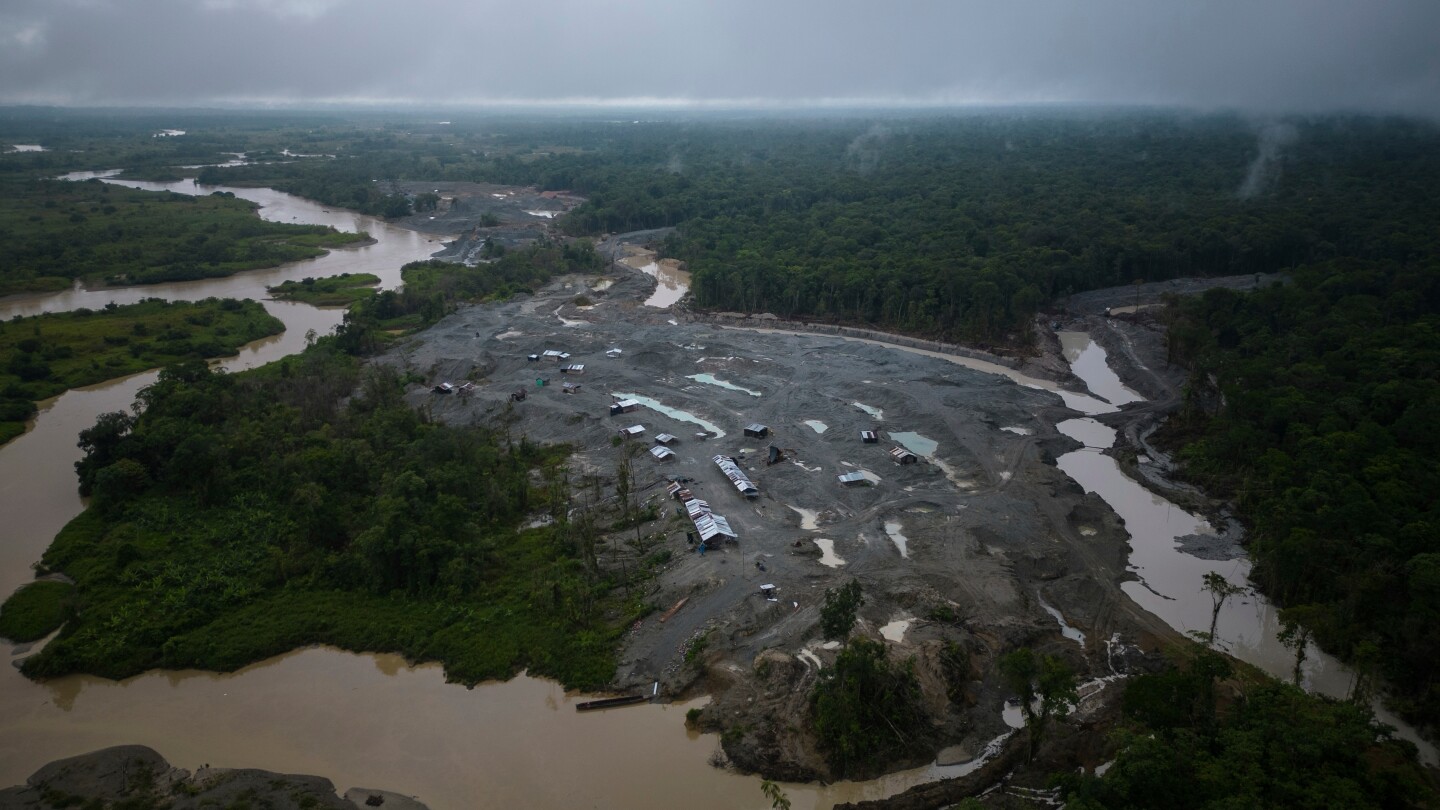
The United Nations has issued a stark warning about the escalating human rights crisis in Colombia’s Atrato River basin, caused by mercury contamination from illegal gold mining. In a public letter released on Tuesday, three UN Human Rights Council special rapporteurs expressed deep concerns over the Colombian government’s inadequate compliance with a 2016 Constitutional Court ruling that recognized the Atrato River as a legal entity entitled to protection and restoration. Marcos Orellana, the UN special rapporteur on toxics and human rights, highlighted the persistent failure to enforce the court’s decision, attributing the problem to organized crime, corruption, and the smuggling of mercury and gold. The Atrato River, a vital waterway spanning nearly 500 miles through Colombia’s biodiverse Choco region, sustains Afro-Colombian and Indigenous communities reliant on fishing and farming. However, toxic pollution from illegal mining has severely threatened their health, livelihoods, and cultural practices. Orellana revealed that over a third of the population in the Atrato watershed has been exposed to mercury levels exceeding World Health Organization limits, posing risks of neurological damage, organ failure, and developmental disorders. The UN urged Colombia to take immediate action to curb illegal mining, clean up polluted areas, and provide medical care for affected communities. Despite the 2016 ruling being hailed as a landmark in environmental law, political turnover, funding shortages, and alleged corruption have hindered its enforcement. The UN also called for stronger international mercury controls under the Minamata Convention, emphasizing the need to address cross-border trade gaps. Orellana stressed that meaningful progress would require reducing the scale of illegal mining and ensuring communities have access to specialized healthcare and exposure reduction guidance. The Colombian government has yet to respond to the UN’s letter, which was sent over 60 days ago. The situation underscores the urgent need for sustained institutional commitment to protect human rights and the environment.