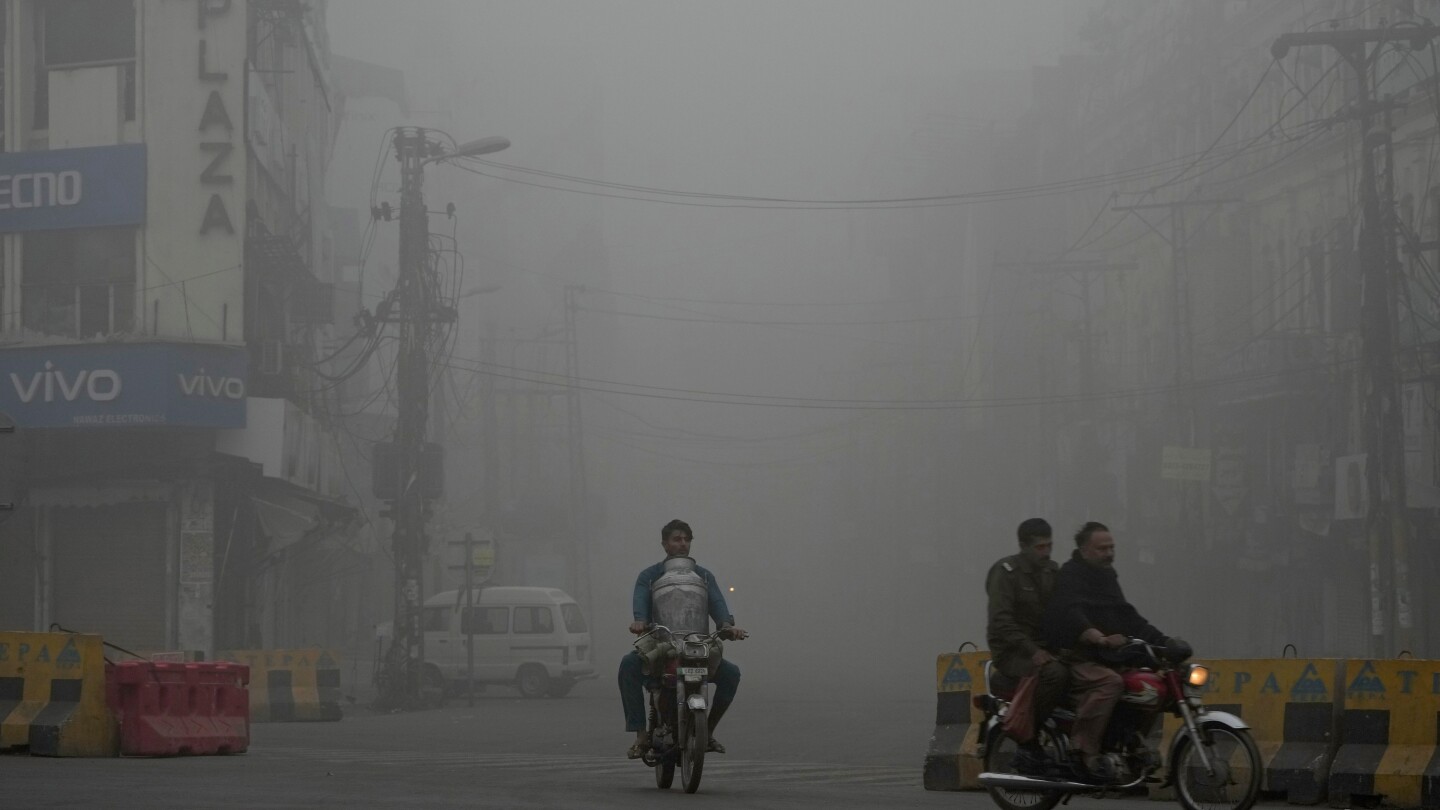
In a groundbreaking move to address severe air pollution, Pakistani authorities have introduced anti-smog guns in Lahore for the first time this winter. Sajid Bashir, spokesperson for the Punjab Environment Protection Agency, confirmed that over a dozen truck-mounted devices are now operational across the city, spraying fine mists of water to reduce dust and airborne particles. While the initiative marks a proactive step, Bashir highlighted that vehicle emissions, industrial smoke, construction dust, and crop residue burning remain significant contributors to the worsening air quality. He also cautioned that cross-border winds could exacerbate the situation in the coming days. Lahore, once celebrated as the ‘City of Gardens’ for its Mughal-era greenery, now grapples with toxic smog each winter, a consequence of rapid urbanization and population growth. Last year, attempts to disperse the haze through artificial rainfall proved ineffective, leaving residents to endure school closures and prolonged indoor confinement. The deployment of anti-smog guns represents a renewed effort to mitigate the city’s annual environmental crisis.
分类: society
-

Former teacher accused of further 90 sex abuse charges
Iain Wares, an 86-year-old former teacher accused of historical sex abuse in Scotland, has been arrested in Cape Town, South Africa, on an additional 90 charges. Wares, who taught at Edinburgh Academy and Fettes College in the 1960s and 70s, is alleged to have abused scores of former pupils, including BBC presenter Nicky Campbell. Last August, the Cape Town High Court ruled that Wares could be extradited to Scotland to face three charges, but the process was delayed as UK authorities sought to submit further charges. The new charges stem from allegations by 65 individuals who claim they were sexually and physically abused by Wares in Scotland. Victims have accused the schools of failing to report complaints, allowing Wares to relocate to South Africa in 1979, where he continued teaching until his retirement in 2006. Wares was initially arrested in May 2019 on seven charges, and he also faces a separate trial in Cape Town following allegations by a former South African student. He has been granted bail, with a hearing scheduled for November 20. Barry Welsh, the current rector of Edinburgh Academy, emphasized the school’s commitment to addressing past wrongs and supporting former pupils. The case remains under the jurisdiction of legal authorities in both South Africa and Scotland.
-

Another French museum robbery sees 2,000 gold and silver coins stolen
A series of audacious thefts at prominent French museums has highlighted significant security vulnerabilities in the country’s cultural institutions. The latest incident occurred at the Maison des Lumières in Langres, where thieves made off with approximately 2,000 gold and silver coins valued at €90,000. The heist took place just hours after the brazen theft of French crown jewels from the Louvre in Paris. The stolen coins, part of a private collection, were meticulously selected, indicating the perpetrators’ expertise. This theft follows a string of recent robberies, including the theft of six gold nuggets worth €1.5 million from Paris’s Natural History Museum and the disappearance of Chinese porcelain artifacts valued at €6.55 million from Limoges. The Louvre heist, involving €88 million worth of historic jewelry, has drawn global attention. Thieves, disguised as workers, used power tools and a mechanical ladder to access the Gallery of Apollo. The stolen items included a diamond and emerald necklace gifted by Napoleon to his wife and a tiara worn by Empress Eugenie. French authorities have acknowledged security failures, with the Louvre’s director, Laurence des Cars, admitting that CCTV coverage was inadequate and the alarm system failed to activate. Justice Minister Gérald Darmanin described the breaches as a ‘terrible image’ for France, emphasizing the need for enhanced security measures.
-
Revised policies boost Guangdong women’s rights in digital era
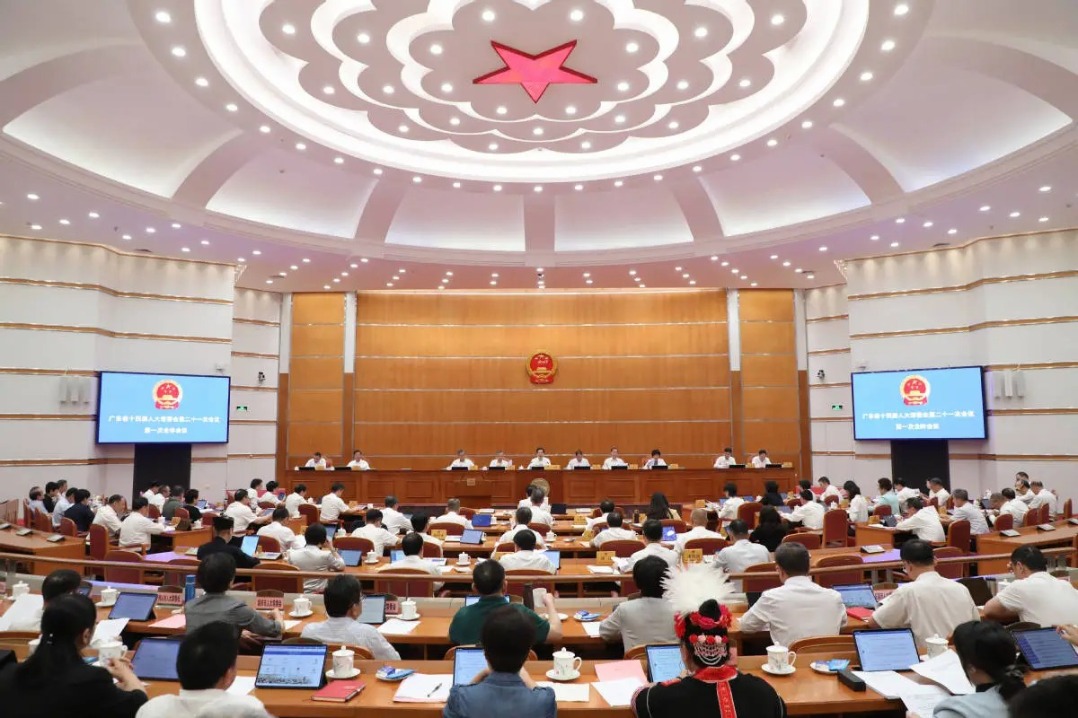
Guangdong province has emerged as a trailblazer in advancing gender equality within the digital landscape through the adoption of revised measures for women’s rights protection. The Standing Committee of the 14th Guangdong Provincial People’s Congress approved these measures on October 11, 2025, with implementation set for January 1, 2026. The updated legislation, expanded from nine chapters and 46 articles to nine chapters and 59 articles, addresses critical challenges in safeguarding women’s rights, institutionalizes effective practices, and introduces groundbreaking provisions for the digital era. Article 30 of the measures emphasizes enhancing women’s digital literacy, empowering them to critically evaluate and utilize media information effectively. It also mandates state departments, enterprises, and organizations to promote gender equality in digital domains such as data processing, automated decision-making, and algorithmic services. This marks China’s first systematic legal framework for gender equality in the digital sphere. The measures also require internet platforms to eliminate gender bias in algorithms, particularly in areas like order distribution and compensation calculations, and to provide digital skills training to bridge the ‘digital divide’. Additionally, the legislation prohibits the use of the internet to infringe upon women’s rights and grants women the authority to demand cessation of such acts. Guangdong, a hub for the internet industry, aims to address emerging challenges posed by algorithmic technology through proactive legal provisions. A notable case cited involved a female programmer in Hangzhou who sued a tech company for algorithmic discrimination, leading to a court ruling that mandated the removal of gender-biased parameters and a public apology. Experts, including Wang Tianyu of the Chinese Academy of Social Sciences, emphasize the need for platforms to recognize women as a distinct group with specific protection needs and to invest in areas like childcare and welfare. The measures also foster institutional innovation in the Guangdong-Hong Kong-Macao Greater Bay Area, promoting cross-regional cooperation and integrated development in women’s affairs.
-

Where the jewels stolen from the Louvre Museum might end up
In a dramatic turn of events, seven individuals have been apprehended in connection with the audacious theft of priceless royal jewels from the Louvre Museum in Paris. However, the stolen artifacts, valued at over $100 million, remain elusive. Experts warn that the jewels, which once adorned French royalty, could be dismantled or melted down to evade detection. This tactic, increasingly common among art thieves, allows the fragmented pieces to be sold discreetly in jewelry stores or through illicit channels. Erin Thompson, an art crime professor, emphasized that such items could be sold openly without raising suspicion, given their altered state. Christopher Marinello, founder of Art Recovery International, noted the challenges of selling intact high-profile artifacts, suggesting that breaking them down might be the thieves’ best option. French prosecutor Laure Beccuau has urged the culprits to return the jewels, warning that buyers would face legal consequences. Despite the arrests, the likelihood of recovering the jewels intact appears slim. Experts like Robert Wittman, a former FBI art crime investigator, remain skeptical about the thieves’ ability to monetize the stolen items, given their historical significance and unique characteristics. The case highlights the growing trend of museum thefts and the complexities of recovering stolen artifacts. As time passes, the chances of retrieving the jewels diminish, leaving their fate uncertain.
-
A 51-year-old Maasai with a thirst for knowledge
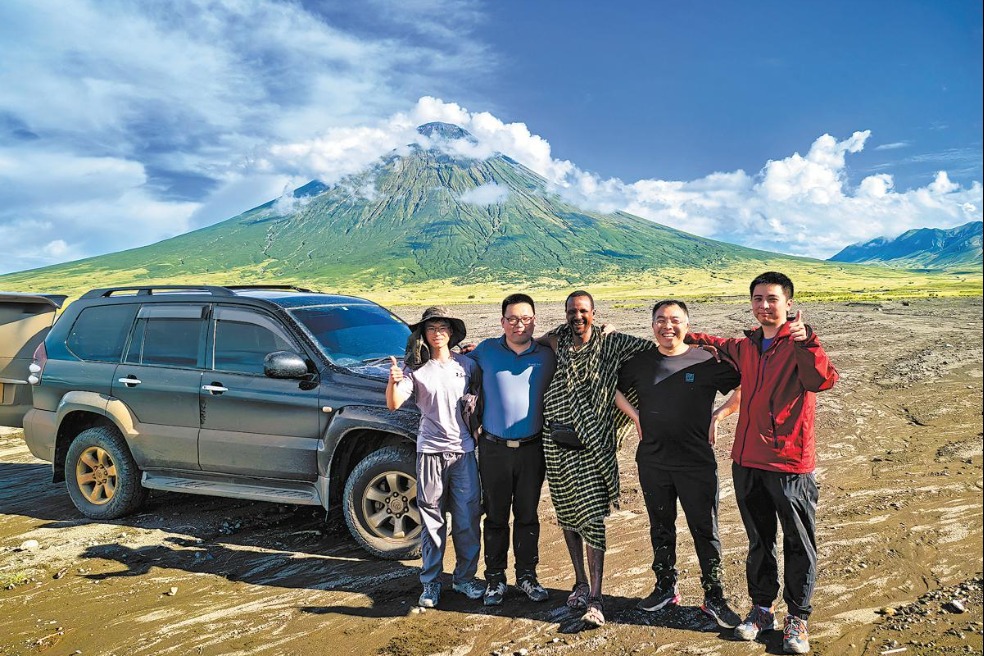
In the heart of Tanzania, a 51-year-old Maasai named Orkotete Lesongoyo has become a symbol of resilience and the transformative power of education. His story began in 2024 when he approached a geopark training course, led by the Tianjin Center of the China Geological Survey, with a simple yet profound question: ‘Can I join?’ Despite the course already exceeding its planned capacity, Orkotete was welcomed as the 40th participant, marking the start of a remarkable journey. The training was part of a three-year technical assistance project aimed at reviving the Ngorongoro-Lengai Global Geopark, which was at risk of being removed from the UNESCO Global Geoparks Network. Orkotete’s dedication was evident from the outset. Each day, he embarked on a grueling 150-kilometer motorcycle ride across treacherous dirt roads to attend the course. His passion for learning was unmatched; he sat in the front row, meticulously taking notes and actively engaging with the material. One particularly memorable moment was when the course delved into the geological features of the Ol Doinyo Lengai volcano, a landmark Orkotete had grown up with but only truly understood through the training. ‘Our ancestors have long known the importance of these stones and mountains,’ he shared, highlighting the deep cultural connection to the land. Orkotete’s participation not only enriched his own understanding but also provided the project with invaluable local insights, aiding in more considerate planning. Post-training, Orkotete applied his newfound knowledge to become one of the most popular geological tour guides in the area, blending professional expertise with the unique wisdom of the Maasai people. His success is a testament to the broader impact of the Chinese-led initiative, which has significantly enhanced Tanzania’s capacity in geoheritage conservation and management. The Chinese Embassy in Tanzania recently received a letter of thanks from the Ngorongoro Conservation Area Authority, acknowledging the project’s contributions. Orkotete’s story underscores the real significance of technical assistance: it’s not merely about transferring knowledge but about empowering local communities. When given the opportunity, individuals like Orkotete demonstrate an extraordinary capacity for learning and practical application, driven by a deep love for their homeland. This narrative is a vivid portrayal of the enduring friendship between China and Tanzania, a partnership that continues to empower local people and foster sustainable development. As the Ngorongoro-Lengai Global Geopark thrives, it stands as a beacon of natural wonder, sustainable development, and cross-border collaboration.
-
University reopens wartime shelter
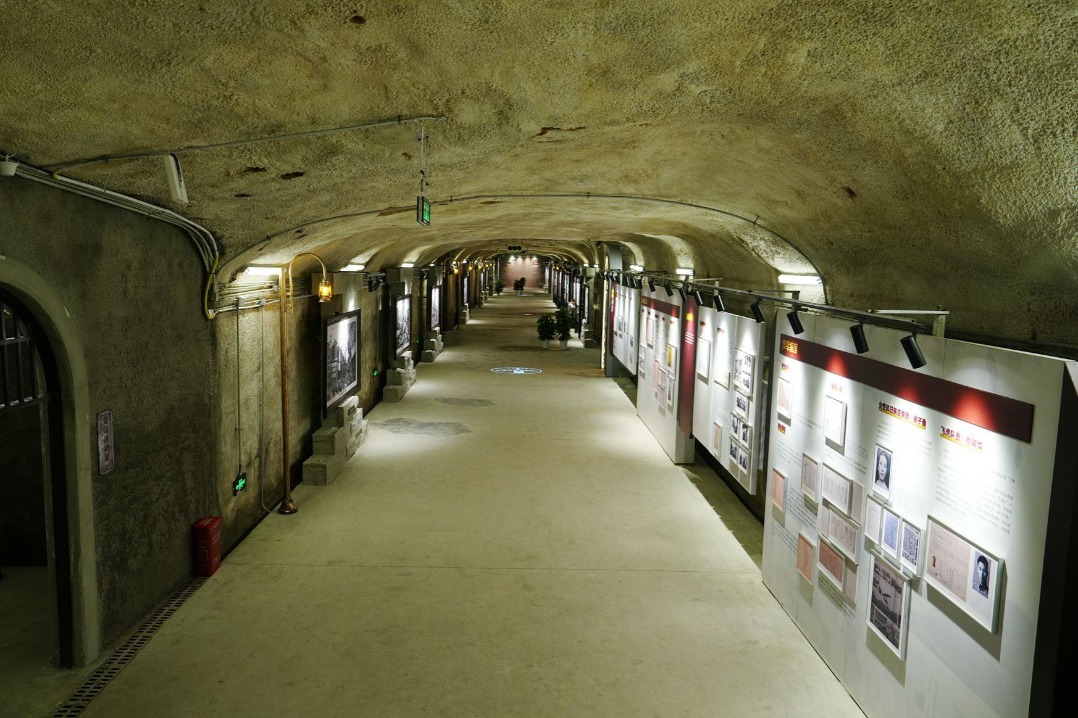
Chongqing University has unveiled a significant piece of its history by reopening a wartime air-raid shelter, now transformed into a patriotism education base. Hidden behind a small, rusty iron gate on the university’s main campus, this vast underground space once provided refuge to thousands of students and scholars during the Chinese People’s War of Resistance Against Japanese Aggression and the World Anti-Fascist War. Built in 1937 and spanning over 14,000 square meters, it stands as one of the earliest and largest shelters constructed by Chinese universities. The shelter’s reopening features exhibitions detailing the university’s wartime history and its role in safeguarding lives and academic pursuits during the conflict. Wang Shuxin, Party chief of Chongqing University, emphasized the shelter’s significance as a testament to the patriotic spirit and resilience of the people during the war. Between 1939 and 1941, the university endured six bombings as Japanese forces relentlessly targeted Chongqing, China’s wartime capital. Despite the destruction, students and teachers persisted in their studies and research within the shelter. The university’s records also highlight the wartime contributions of its students, with 126 joining the army between 1943 and 1944. Among them were notable figures like Hou Ziqin, a hero of the Chinese Air Force, and He Qichen, a member of the Flying Tigers. The reopening aims to inspire today’s students to honor this legacy by studying diligently and contributing to national development. Freshman Yan Siyu expressed pride and motivation after learning about the shelter’s history, vowing to carry forward the spirit of perseverance and dedication.
-
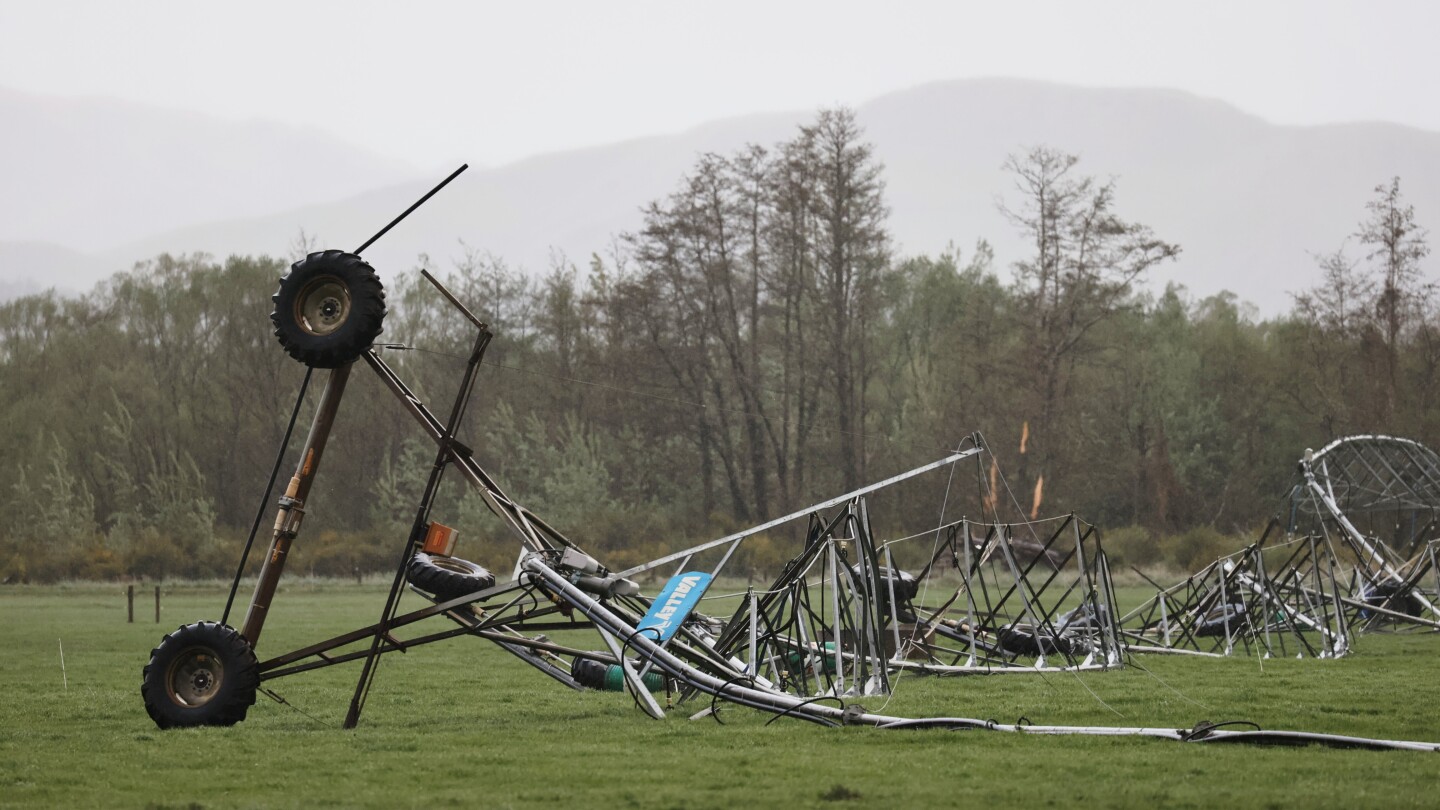
Flights canceled and a ‘mega strike’ disrupted as dangerous winds hit New Zealand
New Zealand experienced a tumultuous day on Thursday as ferocious winds wreaked havoc across the nation for the second time in a week. The powerful gales, reaching speeds of up to 230 km/h in some areas, led to widespread disruptions, including the cancellation of over 200 flights, electricity blackouts, and the closure of schools and highways. The lower North Island, home to the capital Wellington, and parts of the South Island, including Christchurch, bore the brunt of the storm. The national weather service, MetService, issued rare ‘red’ wind warnings, the highest alert level, for several regions. Fortunately, no fatalities or serious injuries were reported, unlike Monday’s storm, which claimed the life of a Wellington man struck by a falling tree branch.
The severe weather also disrupted a planned nationwide strike by health and education workers, marking one of the largest industrial actions in decades. Over 100,000 workers, represented by four unions, walked off the job for four hours after negotiations with the government over pay and working conditions collapsed. While some rallies were canceled due to the weather, thousands of workers still marched in cities like Auckland and Hamilton, and smaller demonstrations took place in towns unaffected by the storm. Hospitals and emergency rooms remained operational, but the government urged the public to seek medical attention only for urgent matters.
The strike highlighted growing tensions between the center-right government and workers’ unions, with ministers accusing the action of being politically motivated. Union leaders countered that they had also organized strikes under the previous center-left administration. The strike involved a diverse group of workers, including teachers, doctors, nurses, and social workers, who demanded better pay, improved staffing levels, and enhanced working conditions. The industrial action occurred against a backdrop of significant government spending cuts and a record exodus of New Zealanders, particularly medical professionals, to Australia, where salaries are higher and living costs are lower.
As the storm’s impact began to ease by Friday, several major highways remained closed, and residents in parts of the South Island were on alert for potential river flooding. Authorities also implemented bans on fireworks and fires due to the heightened risk of wildfires, which had already been exacerbated by the strong winds. New Zealand’s geographical location and mountainous terrain make it prone to extreme weather events, which can occur throughout the year.
-
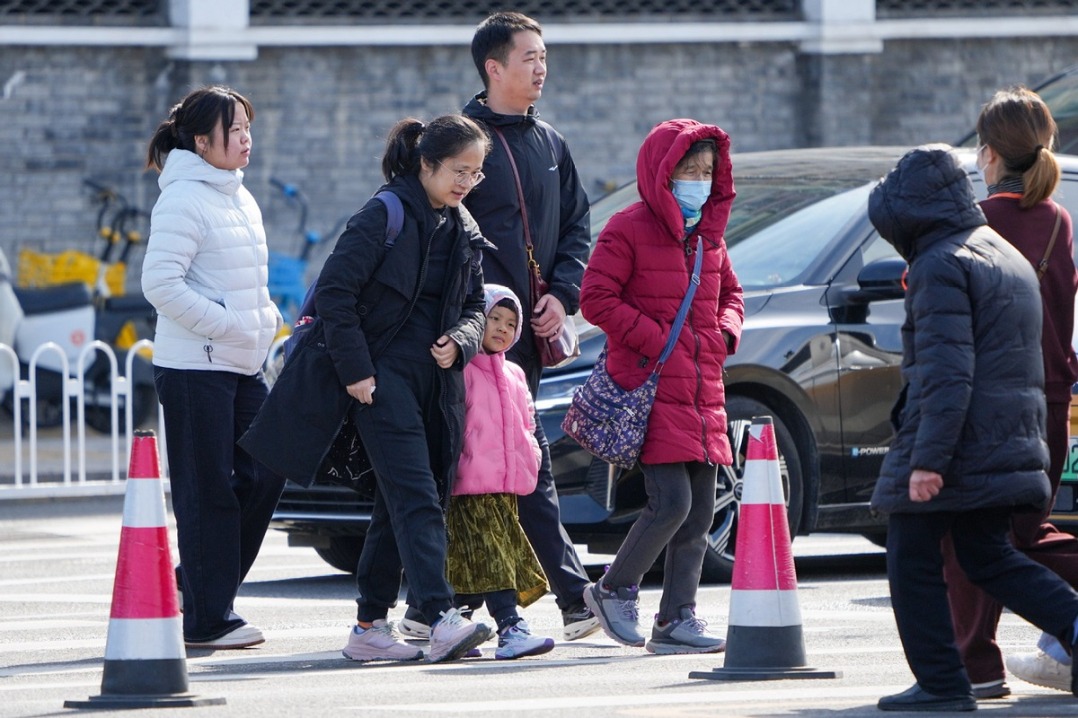
North of country sees rapid shift in seasons
Residents in northern China are grappling with an abrupt transition from summer to winter, as autumn appears to vanish almost entirely. Just days ago, people were comfortably dressed in T-shirts and skirts, but now, heavy coats and down jackets dominate the streets. This sudden shift has left many puzzled, with experts warning that such weather patterns may become the new normal due to global climate change.
-
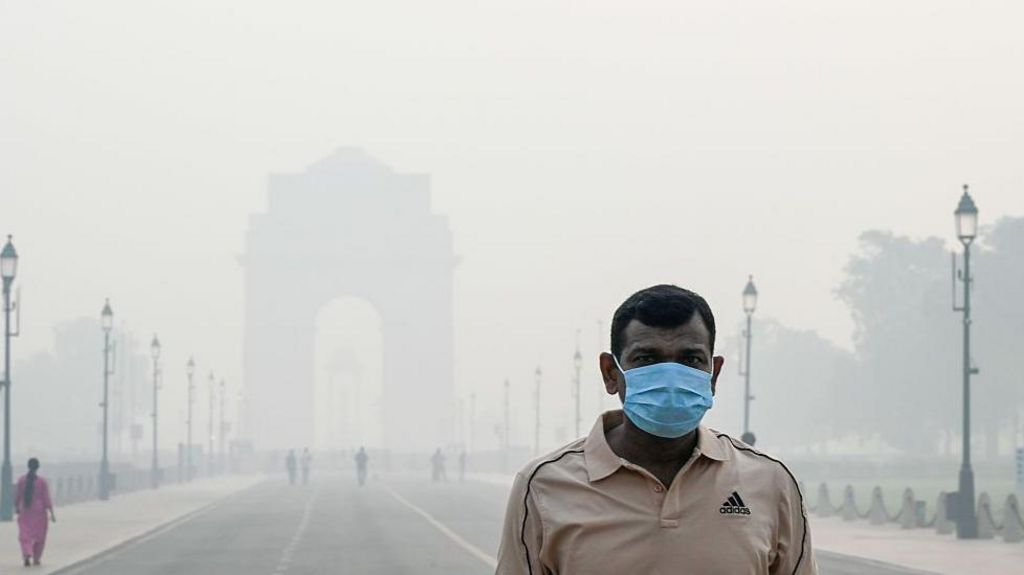
Delhi’s air has become toxic once again
Delhi, India’s capital, is once again grappling with its annual air pollution crisis, as the city’s air quality has plummeted to ‘very poor’ levels this week. A toxic haze envelops the city, causing respiratory distress, eye irritation, and widespread health concerns. This recurring issue, which intensifies after the Diwali festival, has been exacerbated by a combination of factors, including firecracker emissions, vehicular pollution, and crop residue burning in neighboring agrarian states like Punjab, Haryana, and Uttar Pradesh. The onset of winter further aggravates the situation, as colder temperatures and low wind speeds trap pollutants close to the ground. Despite efforts to curb stubble burning and promote cleaner alternatives, affordability remains a significant barrier for farmers. Additionally, the recent relaxation of a ban on firecrackers during Diwali, albeit for ‘green crackers,’ has done little to mitigate the pollution. Reports indicate widespread flouting of restrictions, with more polluting crackers being used beyond the mandated time. The political blame game between Delhi and Punjab governments continues, while experts emphasize the need for long-term, collaborative solutions. As winter sets in, Delhi and northern India face yet another season of hazardous air quality, a tragic routine that underscores the urgent need for systemic change.