分类: society

  • Unanswered questions as search for Nancy Guthrie enters a new month

    Unanswered questions as search for Nancy Guthrie enters a new month

    The mysterious disappearance of 84-year-old Nancy Guthrie, mother of prominent NBC ‘Today’ show host Savannah Guthrie, continues to baffle investigators and captivate a concerned nation more than a month after she vanished from her Tucson, Arizona home under circumstances resembling a true-crime thriller.

    According to official reports, Guthrie was allegedly ‘taken in the dark of night from her bed’ on January 31st, with evidence indicating a violent struggle including blood droplets found on her doorstep. Surveillance footage captured a masked, gloved individual tampering with her front-door camera before the abduction, though the device itself was stolen during the incident.

    The case has generated an unprecedented response from both law enforcement and the public, with over 3,000 tips submitted to authorities and widespread media coverage transforming the quiet suburban community into an investigative hub. The complexity of the case has been compounded by bizarre developments including cryptic ransom notes, Bitcoin payment demands, and interference from false leads.

    Despite initial optimism following the release of surveillance footage showing the suspected abductor, investigative breakthroughs have proven elusive. Several persons of interest—including a deliveryman detained for questioning and a California man arrested for sending fraudulent ransom notes—have been cleared of involvement. Most recently, black gloves discovered approximately two miles from Guthrie’s residence were DNA-matched to a local restaurant employee unrelated to the disappearance.

    Pima County Sheriff Chris Nanos maintains that investigators continue to operate under the assumption that Guthrie remains alive, with a dedicated homicide team working alongside FBI agents pursuing thousands of leads. ‘Investigators are definitely closer to bringing this case to a close,’ Nanos told NBC News, though he emphasized that disclosing specific details could compromise the ongoing investigation.

    The emotional toll on the Guthrie family has become increasingly apparent, with Savannah Guthrie acknowledging the possibility that her mother ‘may be lost, may already be gone.’ Nonetheless, the family has increased their reward offer to $1.1 million combined for information leading to Nancy’s safe return or case resolution.

    Forensic experts note that the passage of time diminishes survival probabilities, particularly given Guthrie’s age and health considerations. Joseph Scott Morgan, a forensic analyst and professor at Jacksonville State University, observed that ‘hope is waning’ rather than interest, though he emphasized that a month-long investigation does not constitute a cold case from a professional standpoint.

    As the investigation continues with laboratory analysis of additional DNA evidence, the case has sparked broader discussions about media attention cycles and public engagement with missing persons cases, particularly those involving elderly victims.

  • International Women’s Day is a celebration and a call to action. Here are things to know

    International Women’s Day is a celebration and a call to action. Here are things to know

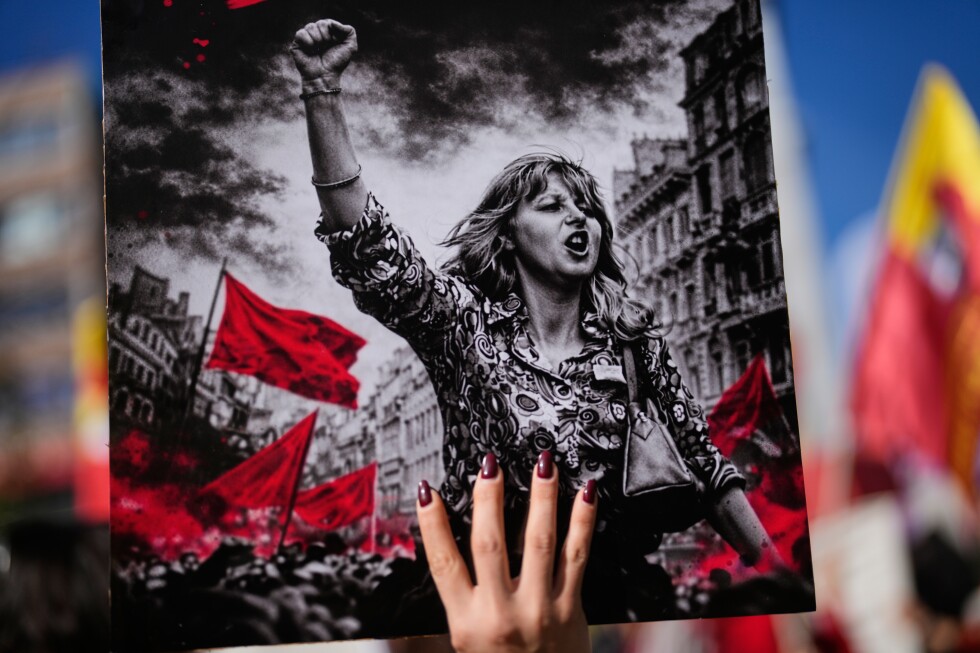
    On Sunday, millions worldwide participated in International Women’s Day observances, combining celebration of women’s achievements with urgent calls for gender equality. The global events showcased a diverse spectrum of activities—from political demonstrations demanding equal pay and reproductive rights in Pakistan and Turkey to symbolic flower ceremonies in China and Russia. In Cambodia, workers raised fists and umbrellas in solidarity, while Berlin witnessed approximately 20,000 participants in one of Europe’s largest marches, doubling police expectations.

    This year’s theme, ‘Give to Gain,’ emphasized both financial support for women-focused organizations and intangible contributions like education and challenging discrimination. The commemoration occurs against a sobering statistical backdrop: UN data reveals women globally possess only 64% of the legal rights enjoyed by men, while femicide remains devastatingly prevalent with a woman or girl killed by family or partners every ten minutes worldwide.

    The historical roots of International Women’s Day trace back to 1909 with the American Socialist Party, though German feminist Clara Zetkin championed its global adoption at the 1910 Copenhagen socialist conference. The March 8 date commemorates a massive 1917 Russian protest that contributed to the country’s wartime withdrawal. The UN formally recognized the day in 1977, and it now serves as an official holiday in over 20 nations.

    Recent developments have intensified the day’s significance. The 2022 reversal of Roe v. Wade in the United States has triggered reverberations across Europe’s political landscape, reigniting debates about reproductive rights amid rising far-right influence. In Brazil, marches focused on gender-based violence following the alleged gang rape of a teenager in Rio de Janeiro’s Copacabana neighborhood.

    Social media continues amplifying attention on demonstrations in nations with repressive governments, making International Women’s Day both a celebration of progress and a stark reminder of persistent global inequalities.

  • Swiss reject right-wing plan to cut licence fee for public broadcaster

    Swiss reject right-wing plan to cut licence fee for public broadcaster

    Swiss citizens have delivered a decisive verdict in a national referendum, rejecting a proposal to drastically cut funding for public broadcasting. Initial projections indicate that 62% of voters opted to maintain the current licence fee structure for the Swiss Broadcasting Corporation (SBC), dealing a significant defeat to the cost-cutting initiative.

    The controversial measure, championed by the right-wing Swiss People’s Party, sought to reduce the annual household fee from 335 Swiss francs (£320; $435) to just 200 francs (£190; $260), while completely exempting businesses from the contribution. Proponents argued that the existing fee placed an excessive burden on households amid rising living costs, noting that Switzerland’s broadcasting contribution exceeds that of neighboring countries like Austria and Germany.

    However, the government and all other parliamentary parties mounted a successful defense of the current funding model. They emphasized that the licence fee is essential for maintaining Switzerland’s unique multilingual broadcasting landscape, ensuring proper representation for all four national languages: French, German, Italian, and Romantsch. Advocates also warned that funding reductions would jeopardize foreign news coverage and sports programming.

    In a related development, Swiss voters overwhelmingly approved a separate constitutional amendment guaranteeing access to cash. Approximately 70% endorsed the government’s proposal requiring the Swiss National Bank to ensure cash availability, rejecting a more stringent initiative from the ‘Cash is Freedom’ movement that sought explicit constitutional protection for ‘coins and banknotes.’

    The broadcasting fee victory comes despite planned gradual reductions already approved by the government, which will lower the contribution to 300 Swiss francs by 2029 while expanding exemptions for certain companies.

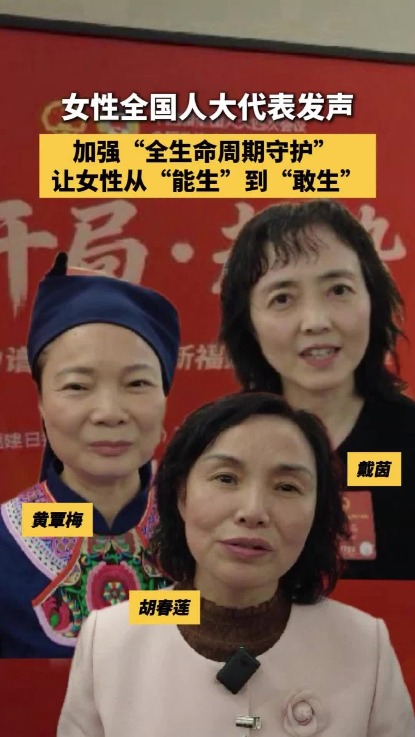
  • National lawmakers: birth-friendly policies must extend beyond childbirth

    National lawmakers: birth-friendly policies must extend beyond childbirth

    In a significant policy shift, three female National People’s Congress deputies are championing expansive reforms to transform China’s approach to demographic challenges. The lawmakers argue that establishing a truly birth-friendly society requires moving beyond narrow fertility incentives to address systemic gaps in women’s healthcare, workplace protections, and long-term social support systems.

    The legislative proposals represent a fundamental evolution in China’s gender policy framework—transitioning from basic rights protection to safeguarding women’s “full life cycle” needs. This comprehensive approach encompasses everything from reproductive healthcare and prenatal services to postpartum career development and long-term professional advancement opportunities.

    Amid mounting demographic pressures including an aging population and declining birth rates, these recommendations deliver a crucial message: meaningful support must extend far beyond the childbirth moment. The deputies emphasize that without addressing structural barriers—including workplace discrimination, inadequate healthcare access, and limited social safety nets—mere birth incentives will prove insufficient in reversing demographic trends.

    The proposed measures highlight the interconnected nature of reproductive policies and women’s broader socioeconomic participation. By advocating for policies that support women throughout their professional and personal lives, the lawmakers aim to create sustainable conditions where family planning decisions aren’t constrained by systemic limitations.

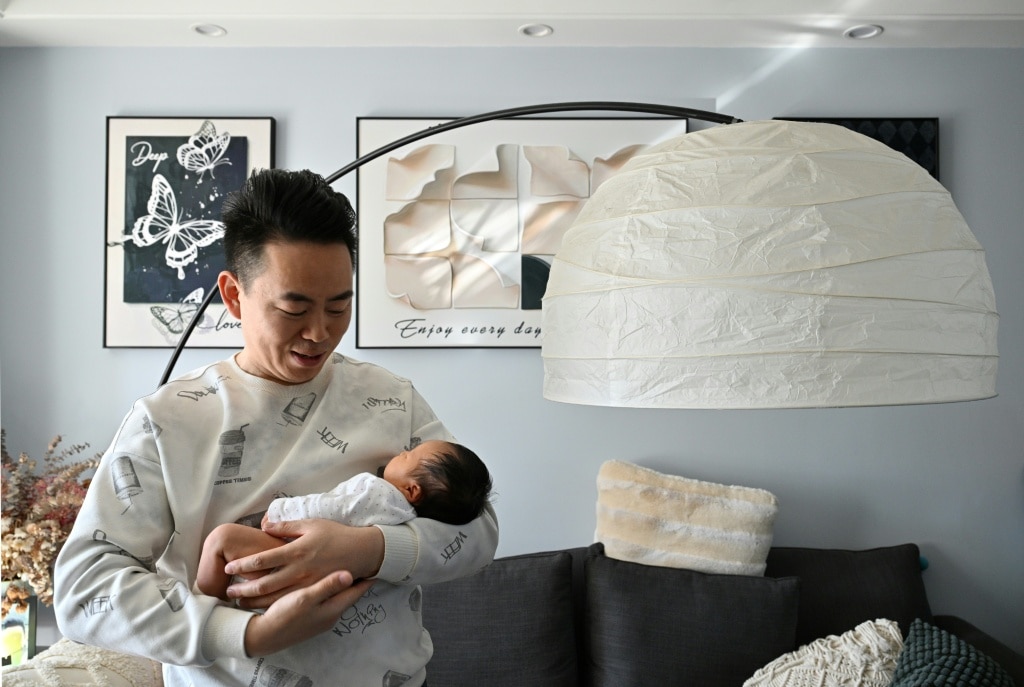
  • Young Chinese parents tighten belts as childcare costs rise

    Young Chinese parents tighten belts as childcare costs rise

    Amidst a deepening demographic crisis, young Chinese parents are implementing severe financial austerity measures as government subsidies prove inadequate against soaring childcare expenses. With China’s birth rate plummeting by fifty percent within the past ten years and workforce aging accelerating simultaneously, the nation confronts an unprecedented population challenge.

    Beijing has officially prioritized establishing a “childbirth-friendly society” during its current five-year planning cycle, with Premier Li Qiang emphasizing this directive during the annual legislative gathering. Recent policy interventions include provisions for complimentary preschool education and annual cash allocations of 3,600 yuan ($500) per child. Nevertheless, these fiscal measures are widely perceived as insufficient by the younger generation grappling with intense economic pressures.

    The personal narratives of young families illustrate this growing disconnect. Zhang Xiaofei, 32, and her husband Zhu Yunfei, 36, both manicurists, deliberately postponed parenthood to achieve financial stability. “We prioritized career development due to our modest family economic circumstances,” Zhang explained from her Hebei home while caring for their three-week-old daughter. Despite qualifying for the new subsidy, the couple calculates the government assistance represents merely 1.5% of their combined annual income – insufficient to cover annual infant formula requirements.

    Demographic experts caution that financial incentives alone cannot reverse fertility trends. University of Michigan social demographer Yun Zhou observes that subsidies historically fail to produce substantial fertility rebounds. Compounding the economic challenges are persistent gender inequalities in professional environments. Although China prohibited employment discrimination based on marital or pregnancy status in 2023, many educated women perceive fundamental incompatibility between childrearing and career advancement.

    Additional legislative proposals have emerged during the current political session, including enhanced benefits for three-child families and reduced legal marriage ages. These suggestions have encountered substantial public criticism on social media platforms, with many dismissing them as impractical solutions.

    The urban-rural economic divide further complicates policy effectiveness. As Zhu noted, while 3,600 yuan holds negligible value in metropolitan settings where basic baby equipment exceeds this amount, the subsidy carries more significance in rural communities. This geographical disparity highlights the challenge of implementing nationwide solutions to China’s complex demographic dilemma.

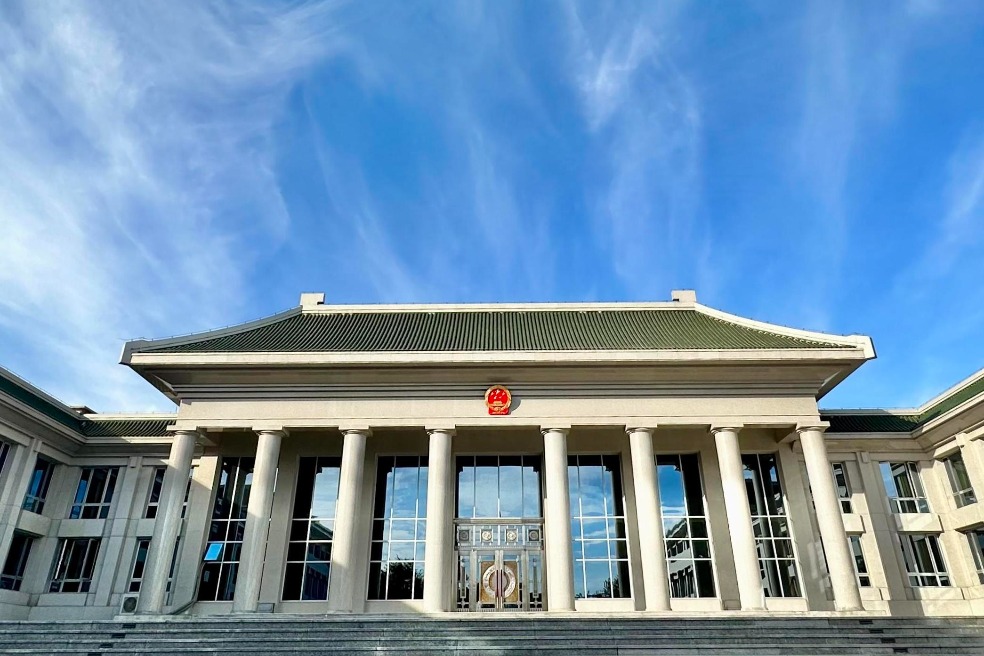
  • Legal protection of vulnerable groups given priority

    Legal protection of vulnerable groups given priority

    China’s judicial system is demonstrating unprecedented commitment to protecting vulnerable populations through innovative public interest litigation mechanisms, according to Supreme People’s Procuratorate Prosecutor-General Ying Yong. The system specifically addresses protection gaps affecting elderly citizens, minors, women, and persons with disabilities who often lack resources or capacity to pursue legal remedies independently.

    National procuratorial authorities have significantly expanded their role as public interest representatives since the system’s conceptualization in 2014. This institutional innovation, regarded as a practical implementation of Xi Jinping Thought on the Rule of Law, has evolved through systematic legislative development. A milestone occurred in October 2025 when the National People’s Congress Standing Committee conducted its first review of dedicated legislation governing procuratorial public interest litigation.

    The system operates through multidimensional protection strategies. For elderly populations, prosecutors have addressed critical issues including medication safety, resulting in over 2,000 cases since 2023. One landmark intervention involved requiring pharmaceutical companies to provide accessible medication instructions through large-print and audio formats—a measure subsequently incorporated into China’s Barrier-Free Environment Development Law enacted in 2023.

    Minor protection efforts have generated approximately 45,000 cases addressing issues ranging from tobacco and alcohol sales to minors to regulating emerging sectors like e-sports hotels and mystery game venues. Prosecutors employ a comprehensive approach considering minors’ rights to development and social participation alongside fundamental health and safety concerns.

    Women’s rights protection has manifested through over 5,300 cases combating employment discrimination and dignity violations. Regional prosecutors in Shanghai, Jiangsu, and Shandong have successfully challenged unlawful practices including pregnancy-related dismissals and reduced maternity leave entitlements.

    Disability-focused litigation primarily targets barrier-free environment improvements, with 8,000+ cases pursued since relevant legislation took effect. Achievements include enhanced transportation accessibility, voice-assisted public service software, and text-based emergency systems.

    Internationally, China showcased these advancements at the United Nations Human Rights Council’s 59th session in June 2025, receiving global attention for its inclusive governance model. Domestically, the Supreme People’s Procuratorate has strengthened collaborative mechanisms with civil affairs departments, women’s federations, and disability organizations to create synergistic protection networks.

    Ying emphasized that beyond case-specific resolutions, the system focuses on addressing systemic regulatory gaps through coordinated governance improvements, ensuring sustainable protection for vulnerable groups across Chinese society.

  • She strives, she thrives

    She strives, she thrives

    On International Women’s Day, March 8, China Daily highlights three extraordinary women who are transforming their respective fields through innovation, cultural preservation, and community service. These pioneers demonstrate the expanding influence of women in contemporary society.

    From the cultural landscapes of Xinjiang to technological laboratories in Tianjin and neighborhood initiatives, these women represent diverse sectors where female leadership is making substantial impact. One cultural ambassador utilizes digital platforms to showcase the rich heritage of China’s Xinjiang Uygur Autonomous Region, creating content that bridges cultural divides and promotes understanding.

    In the realm of technological innovation, a Tianjin University researcher is breaking new ground in brain-computer interface development. Her work focuses on practical applications that could revolutionize healthcare and human-computer interaction, demonstrating women’s growing presence in STEM fields traditionally dominated by men.

    Completing this triad of influence is a community volunteer whose grassroots efforts strengthen social fabric at the local level. Her dedication to public service exemplifies how women are driving change from the ground up, addressing community needs through personal commitment and organizational skills.

    Their collective stories illustrate a broader narrative of female empowerment across Chinese society, where women are increasingly visible in positions of influence and innovation. These profiles challenge traditional gender roles while highlighting the unique perspectives women bring to their professions.

    The accompanying video documentary provides firsthand accounts of their journeys, offering insights into the challenges they’ve overcome and the aspirations that drive their remarkable achievements.

  • The heartwarming tale of a father, a daughter, and a wedding band wowing India

    The heartwarming tale of a father, a daughter, and a wedding band wowing India

    A groundbreaking short film from India is sparking national conversation about domestic violence and patriarchal traditions through the emotionally charged story of a father’s defiant act of love. ‘Band Baaja Bitiya’ (Wedding Band and Daughter), produced by Unicorn Films, has captivated millions with its powerful reimagining of parental responsibility in abusive marriages.

    The three-and-a-half minute cinematic piece features veteran Bollywood actor Gajraj Rao as a father who receives a distressing call from his married daughter Surabhi, revealing ongoing domestic abuse. Contrary to the conventional advice from relatives suggesting she ‘adjust’ to her circumstances, the father makes a radical decision: he arrives at her marital home accompanied by a full wedding band, symbolically celebrating her liberation from an abusive marriage with the same fanfare that marked her departure.

    Director Prosit Roy, self-described as ‘a girl dad,’ created the film to confront what he calls ‘old ideas and archaic values’ that perpetuate domestic violence. ‘Parents don’t intervene because they worry what will people say,’ Roy explains. ‘We tell our daughters to adjust and sometimes it’s too late. I’m showing a mirror to society.’

    The film’s impact resonates against alarming statistical realities: official data indicates approximately one in three Indian women experience domestic violence, with over 6,150 dowry-related deaths and 133,676 cases of spousal cruelty reported in 2023 alone. Activists note that many women remain trapped in abusive relationships due to lack of parental support.

    Social media response has been overwhelmingly positive, with viewers calling it ‘the best ad film of 2026’ and ‘a revolutionary idea whose time has finally come.’ Many shared personal stories of parental support, while fathers expressed renewed commitment to their daughters’ safety.

    The narrative finds grounding in real-life precedents, notably businessman Prem Gupta who in October 2023 employed a wedding band to retrieve his daughter Sakshi from an unhappy marriage. ‘I did it to see my daughter smile,’ Gupta stated, noting that several fathers have since emulated his approach.

    Rao acknowledges the film represents ‘a drop in the ocean’ of needed social change but hopes it provides ‘a guiding light for families’ to support their daughters. The production team aims to mainstream their message that daughters deserve permanent sanctuary and the right to escape violence, challenging the traditional notion that marital homes represent lifelong commitments regardless of circumstances.

  • Dancers loved practising in this Singapore walkway. Then the complaints came

    Dancers loved practising in this Singapore walkway. Then the complaints came

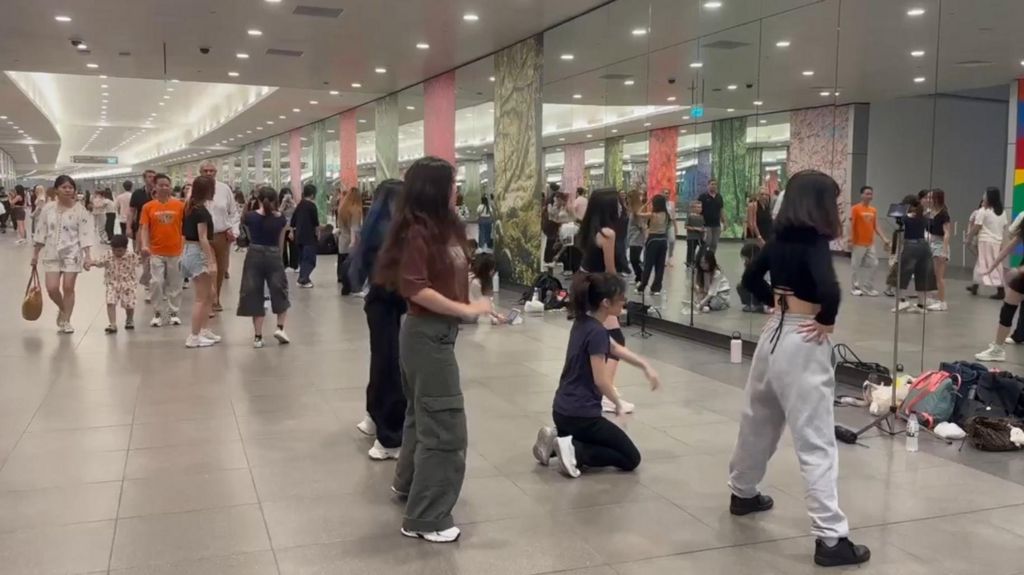
    A seemingly minor urban intervention has ignited profound discussions about Singapore’s relationship with public space and spontaneous expression. The recent frosting of mirrors in an underground walkway connecting a train station to Gardens by the Bay has displaced a community of aspiring dancers who had utilized the space for years, revealing deeper tensions between order and creativity in the city-state.

    The passage, owned and maintained by Marina Bay Sands, had served as an informal practice ground with its floor-to-ceiling mirrors and steady stream of commuters and tourists. The decision to frost the mirrors on January 1st came in response to complaints about dancers allegedly obstructing pedestrian flow in the high-traffic area.

    This incident has transcended mere spatial management to become a symbolic flashpoint in Singapore’s ongoing negotiation between its renowned efficiency and the organic vibrancy characteristic of global metropolises. Urban planning expert Tan Shin Bin from the National University of Singapore suggests the core question isn’t about additional restrictions but rather ‘whose needs are being prioritized as legitimate, and whose desires are deemed secondary.’

    The response has been polarized. Some Singaporeans supported the move, noting dancers sometimes blocked pathways with props, while others criticized it as excessively rigid. Dancers like Wilson Tay, who practiced there twice weekly, highlighted the motivational atmosphere and cultural exchange with tourists who would stop to mimic moves.

    Singapore’s urban development has been guided by meticulous planning since its transformation from fishing villages to a gleaming metropolis. The Concept Plan charts land use needs half a century ahead, with medium-term plans reviewed every five years. Prime Minister Lawrence Wong has framed Singapore’s orderly nature as a competitive advantage, describing the nation as ‘stable, predictable, reliable and trusted.’

    Yet this top-down approach has drawn both admiration and criticism internationally. Harvard economist Edward Glaeser praised Singapore’s uncongested streets despite its density, while Dutch architect Rem Koolhaas criticized its exclusion of ‘accident and randomness.’

    The government has attempted to balance these tensions through initiatives like the Lively Places Fund, offering grants to create more interesting public spaces, and designated practice areas in some train stations. However, many residents desire more room for spontaneity, with writer Justin Zhuang arguing that ‘if we want Singapore to be a diverse city, we should also accept that there would be diverse activities.’

    Authorities acknowledge that ‘shared public spaces will increasingly need to accommodate diverse users and activities’ as density grows, but emphasize this requires ‘both thoughtful design and shared stewardship.’ The challenge remains in brokering compromises that don’t prioritize one group at the expense of another.

    This tension manifests throughout Singapore’s public spaces: from parks with elaborate rulebooks governing activities to void decks (ground-floor common areas in public housing) where safety concerns have led to restrictions on rollerblading and ball games. Even graffiti, considered artistic expression elsewhere, remains illegal with severe penalties.

    The culture of regulation has fostered what some describe as a complaining culture, with residents simultaneously seeking autonomy while expecting government solutions to problems. This paradox was noted by former PM Lee Hsien Loong: ‘Whenever an issue comes up, they’ll ask what the government is doing about it.’

    Amid these constraints, grassroots initiatives like Wong Kae Chee’s community library in a void deck demonstrate the persistent desire for organic community spaces. Despite initial resistance from authorities concerned about fire hazards, the volunteer-run library now features thousands of books across languages, musical instruments, and serves as a community hub.

    As Singapore continues to evolve, the frosted mirrors serve as a metaphor for the broader challenge: how to maintain the order that has enabled its remarkable development while allowing space for the unexpected creativity that gives cities their soul.

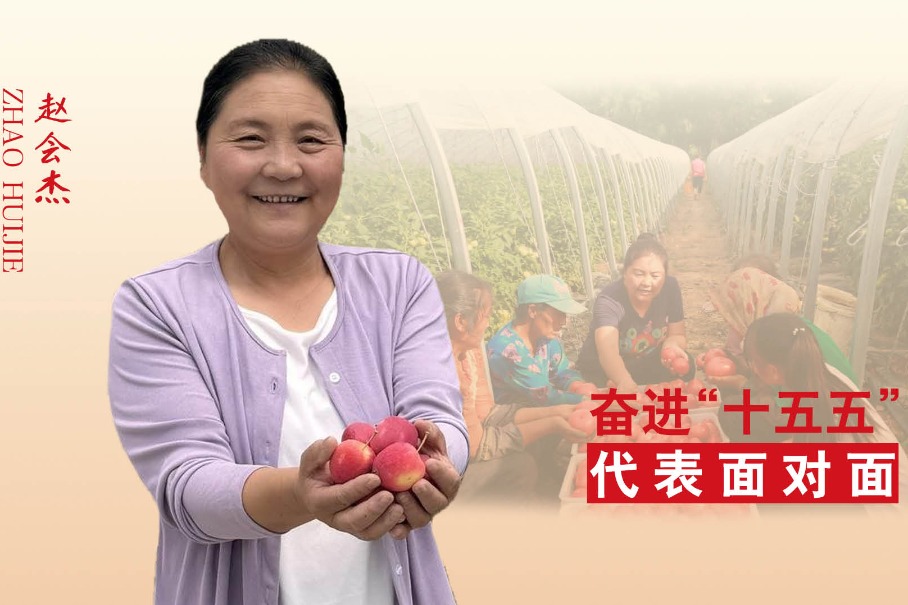
  • Zhao Huijie: Small village, big dreams

    Zhao Huijie: Small village, big dreams

    Amid China’s comprehensive rural revitalization efforts, National People’s Congress deputy Zhao Huijie has emerged as a transformative figure in her community. Affectionately known as ‘Auntie Meng’ by local villagers, this grassroots leader combines practical agricultural experience with legislative influence to drive meaningful change.

    With decades of hands-on involvement in rural development, Zhao has pioneered specialized industry development as the cornerstone of her revitalization strategy. Her approach extends beyond economic measures to encompass comprehensive social support systems, including enhanced elderly care services and advanced facility agriculture infrastructure.

    As an NPC representative, Zhao maintains direct connections with her constituents, actively gathering community concerns and translating them into actionable policy proposals. Her methodology exemplifies the integration of traditional agricultural wisdom with modern development principles, creating sustainable growth models that balance economic advancement with social welfare.

    Zhao’s work represents a microcosm of China’s broader rural transformation initiatives, demonstrating how localized leadership can effectively bridge policy implementation gaps. Her dual role as both community member and national legislator provides unique insights into the practical challenges and opportunities facing contemporary rural communities.

    The impact of her efforts extends beyond immediate economic indicators, fostering community cohesion and preserving cultural heritage while embracing technological innovation. This holistic development model offers valuable case studies for other regions pursuing similar revitalization objectives.