分类: society

  • Look: Crescent spotted in UAE skies on first day of Ramadan

    Look: Crescent spotted in UAE skies on first day of Ramadan

    The United Arab Emirates officially welcomed the holy month of Ramadan 1447 AH on Wednesday, February 18, 2026, following the confirmed sighting of the crescent moon by astronomical authorities. The Khatm Astronomical Observatory, operating under the International Astronomy Center, successfully captured photographic evidence of the crescent at 10:30 AM UAE time, marking the commencement of the Islamic fasting period.

    Scientific measurements recorded the moon’s position at 9.8 degrees separation from the sun with an age of approximately 16.6 hours at the time of observation. This confirmation came after the UAE’s Moon-Sighting Committee convened at Qasr Al Hosn in Abu Dhabi on Tuesday evening, where religious and astronomical experts verified the celestial phenomenon through traditional and scientific methods.

    The beginning of Ramadan follows the completion of 29 days in the preceding month of Shaban, consistent with Islamic lunar calendar traditions that determine each month’s duration through visual crescent observations. Muslim communities across the nation subsequently began their first day of fasting, with prayer timings set at Fajr (dawn) at 5:34 AM and Maghrib (sunset) at 6:18 PM, creating a fasting duration exceeding 12 hours.

    The commencement of Ramadan brings significant cultural and social transformations to the UAE, where both Muslim residents and non-Muslim participants engage in spiritual reflection, charitable activities, and communal gatherings. The government’s Awqaf department has issued official prayer and fasting timings to facilitate religious observance throughout the holy month.


  • 4 dead in Yunnan Spring Festival boat accident, special probe ongoing

    4 dead in Yunnan Spring Festival boat accident, special probe ongoing

    A tragic maritime incident during China’s peak Spring Festival travel period has resulted in four fatalities after a passenger vessel overturned at a resort in Yunnan province. The accident occurred at approximately 3:40 PM on Tuesday in Lianhua village, Chuxiong city, plunging 26 individuals into the water according to the Ministry of Emergency Management’s preliminary assessment.

    The Ministry has issued directives for immediate casualty verification and comprehensive medical treatment for injured survivors. In response to the severity of the incident, the Office of the State Council Work Safety Commission has elevated the investigation to special supervision status, mandating Yunnan authorities to accelerate the probe and establish legal accountability.

    Authorities have emphasized the necessity of deriving critical safety lessons from this tragedy to implement preventive measures against similar accidents. The investigation continues to determine the precise cause of the capsizing while emergency response teams complete follow-up operations at the resort location.

  • Spring festival travel sees more diverse, efficient homebound trips

    Spring festival travel sees more diverse, efficient homebound trips

    The annual Spring Festival travel rush in China, historically characterized by arduous journeys, has undergone a remarkable transformation, evolving into a diverse and efficient transportation phenomenon. This year’s chunyun period, running from February 2 to March 13, is projected to generate an unprecedented 9.5 billion passenger trips, showcasing China’s rapidly modernizing transport infrastructure.

    The personal journey of Wei Shouyi, a 44-year-old migrant worker, exemplifies this dramatic shift. Two decades ago, Wei endured an 18-hour motorbike trek from Foshan to his Guangxi village through challenging conditions. Today, his 700-kilometer journey has been reduced to a comfortable six-hour drive in his private vehicle. “Since I bought a van in 2010, and later a car, the motorcycle has become a memory,” Wei reflects. “In my village, no one rides back from Guangdong anymore.”

    This personal transformation mirrors national trends. The once dominant sight of massive motorbike caravans has dramatically diminished. Police officer Zou Dan, stationed at a key highway checkpoint in Wuzhou, confirms: “You only see a few scattered motorcycles now. Our focus has shifted entirely to managing the massive flow of private cars on the expressways.”

    Multiple factors drive this evolution. Surging private vehicle ownership, particularly new energy vehicles (NEVs), has revolutionized road travel. According to Huang Guoxun of Guangxi’s transport department, NEV travel during this Spring Festival is expected to jump by 72.2 percent, comprising one-fifth of all highway traffic.

    Rail infrastructure has simultaneously undergone massive expansion. China’s total operating railway mileage increased by 12.8 percent during the 14th Five-Year Plan period (2021-2025), reaching 165,000 kilometers. The high-speed rail network specifically grew by 32.98 percent to 50,400 kilometers, maintaining China’s position as home to the world’s largest high-speed rail system. This expansion supports the expected 540 million rail passengers during the travel period.

    Notably, traditional “green trains” continue to operate alongside modern high-speed networks, providing affordable options for passengers traveling to smaller stations.

    The aviation sector has similarly transformed from a luxury service to a practical transportation alternative. Migrant workers like Ma Changwei now consider air travel a viable option when high-speed rail tickets are unavailable. “It’s expensive compared to the train, but it only takes two or three hours,” Ma explains. “Many of my coworkers are doing the same.”

    Industry data confirms this trend, with China’s civil aviation authorities anticipating approximately 95 million passengers during the holiday season—a historic high. China Southern Airlines’ Guangxi branch reported an 85 percent seat occupancy rate on the first day of chunyun alone, describing demand as “explosive.”

    This comprehensive transportation evolution has fundamentally reshaped the Chinese cultural tradition of returning home for the Lunar New Year, making journeys safer, faster, and more comfortable for millions of travelers.

  • Police on the case: How Rome’s beloved Bernini elephant sculpture lost the tip of its tusk — again

    Police on the case: How Rome’s beloved Bernini elephant sculpture lost the tip of its tusk — again

    Roman authorities have launched a criminal investigation after the iconic elephant sculpture designed by Baroque master Gian Lorenzo Bernini suffered damage to its left tusk for the second time in seven years. Police discovered an 11-centimeter marble fragment near the monument over the weekend, though forensic analysis revealed the broken piece originated from restoration work in 1977 rather than Bernini’s original 1667 creation.

    The beloved sculpture, situated in Piazza della Minerva near the Pantheon, previously experienced similar vandalism in 2016 when the same tusk tip was broken off. Security camera footage is currently under review to identify potential perpetrators behind this latest incident.

    Commissioned by Pope Alexander VII, the elephant monument serves as an elaborate base for an ancient Egyptian obelisk discovered by Dominican friars in the grounds of their Santa Maria Sopra Minerva convent. The work represents a fascinating historical compromise between artistic vision and practical considerations – while Bernini believed the elephant’s four legs could support the obelisk’s weight, the friars insisted on adding a stone support beneath its belly, resulting in the sculpture’s distinctive stocky appearance that earned it the local nickname ‘Minerva’s Piglet.’

    According to popular legend, Bernini exacted subtle revenge on the friars by positioning the elephant’s rear end with its raised tail pointed toward their convent. The sculpture remains one of Rome’s most visited tourist attractions, drawing millions of visitors annually to witness this unique blend of artistic genius and historical narrative.

  • Umm Al Quwain ramps up inspections of roadside stalls, food safety in Ramadan

    Umm Al Quwain ramps up inspections of roadside stalls, food safety in Ramadan

    The Municipality of Umm Al Quwain has launched an intensified inspection campaign targeting food establishments and roadside stalls throughout the holy month of Ramadan to ensure public health safety. This comprehensive initiative focuses on all aspects of food handling, from transportation and storage to preparation and cooking processes, with particular emphasis on compliance with safety standards and regulations.

    Given the significant consumption of fried foods during Ramadan, inspectors are paying special attention to the quality and validity of cooking oils used by vendors. The campaign also verifies that food storage and preparation locations meet hygiene requirements, with authorities checking that all food items are properly covered and protected from contamination.

    Roadside food vendors face additional scrutiny regarding worker hygiene practices. Inspectors are ensuring all food handlers wear appropriate protective gear including gloves and head coverings while maintaining valid occupational health cards. The municipality began preparations for this annual campaign in early January through specialized training programs for food inspection department employees.

    These training sessions covered outdoor food display regulations, common Ramadan-specific violations, and theoretical exercises to enhance inspectors’ understanding of seasonal food safety challenges. The public has been encouraged to report any food safety concerns or violations through the municipality’s dedicated call center at 800898 to support these oversight efforts.

  • Sheriff tells BBC he believes Nancy Guthrie being held close to her home

    Sheriff tells BBC he believes Nancy Guthrie being held close to her home

    In a recent development concerning the disappearance of Nancy Guthrie, Pima County Sheriff Chris Nanos has provided a significant update to the BBC, expressing a firm belief that she is being held in proximity to her residence. Sheriff Nanos, who is at the helm of the intensive search operation, conveyed a determined and resolute stance regarding the case’s eventual resolution. He emphasized an unwavering commitment to the investigation, stating that authorities would persist in their efforts irrespective of the time required—whether it spans ten days, ten months, or even longer under more challenging circumstances. This statement underscores a profound dedication to pursuing all leads and exhausting every available resource to ensure Guthrie’s safe recovery. The sheriff’s public declaration serves to reassure the community of the ongoing, vigorous efforts while simultaneously sending a clear message to any potential individuals involved. The case continues to mobilize local law enforcement and community vigilance.

  • Dubai’s Al Rowaiyah Street now open; set to link E311 with Nadd Hessa, DSO

    Dubai’s Al Rowaiyah Street now open; set to link E311 with Nadd Hessa, DSO

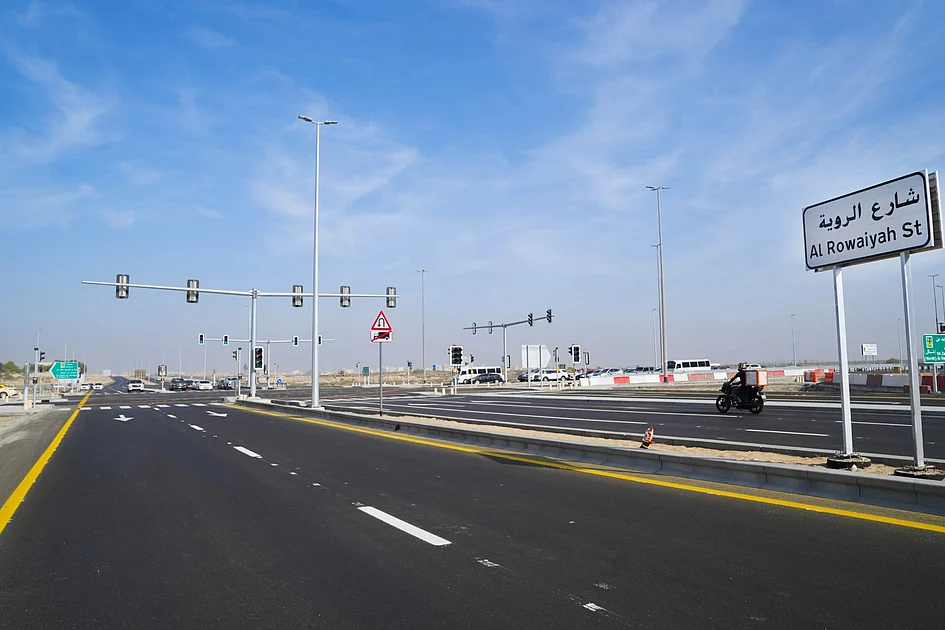
    Dubai’s Roads and Transport Authority (RTA) has officially announced the completion and opening of the transformative Al Rowaiyah Street project, marking a significant advancement in the emirate’s urban infrastructure network. The newly developed 3.5-kilometer arterial road establishes a vital direct connection between Sheikh Mohammed bin Zayed Road (E311) and Sheikh Zayed bin Hamdan Al Nahyan Street, dramatically improving accessibility to four key districts: Nadd Hessa residential area, Dubai International Academic City, Dubai Silicon Oasis, and Warsan 4.

    The comprehensive infrastructure development included the strategic conversion of the previously problematic Knowledge and Human Development Authority roundabout into a modern signalized intersection, significantly enhancing traffic safety measures at this crucial junction. In alignment with Dubai’s commitment to sustainable urban development, the project incorporated an extensive 2-kilometer dedicated cycling track network designed to promote healthy lifestyle choices and encourage the adoption of soft mobility transportation alternatives.

    The transportation enhancements deliver substantial practical benefits, with capacity on Sheikh Zayed bin Hamdan Al Nahyan Street increasing by approximately 40 percent. Commuters will experience dramatically reduced travel times, with journeys to Sheikh Mohammed bin Zayed Road now taking just 4 minutes compared to the previous 10-minute duration—representing a 60 percent improvement in transit efficiency. These infrastructure upgrades are projected to benefit over 80,000 residents by 2030 while supporting smoother traffic circulation and enhanced mobility throughout the connected districts.

  • Louvre official says fraud ‘inevitable’ at large museums as France probes multimillion euro scheme

    Louvre official says fraud ‘inevitable’ at large museums as France probes multimillion euro scheme

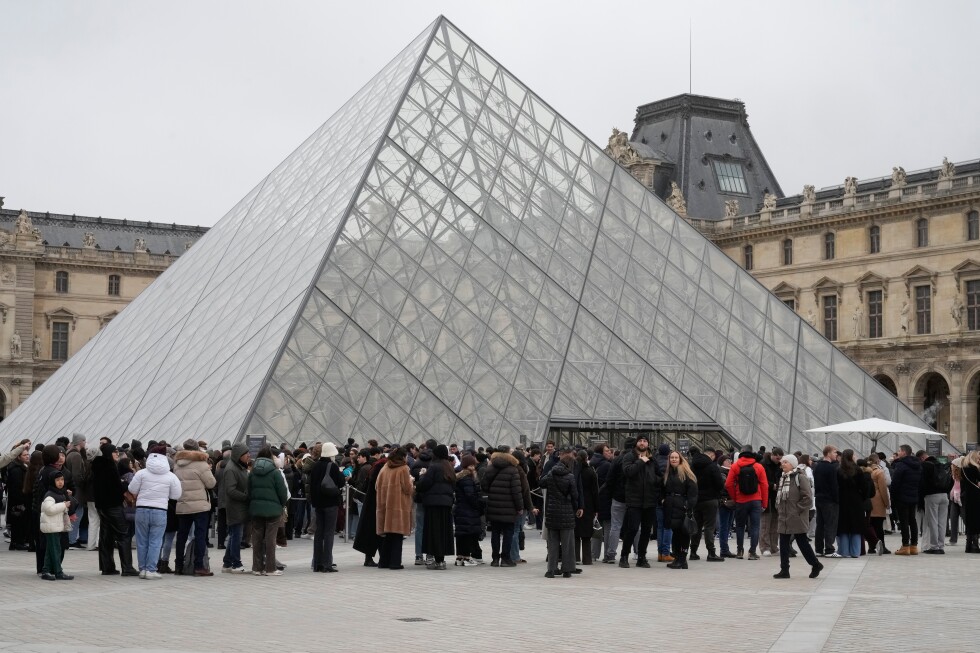
    The Louvre Museum in Paris, renowned as the world’s most visited cultural institution, faces mounting operational challenges following the exposure of an elaborate ticket fraud scheme. Museum administrator Kim Pham acknowledged the institution’s unique vulnerability due to its massive scale, describing fraud as “statistically inevitable” for an establishment welcoming 9 million annual visitors across 86,000 square meters of exhibition space.

    French prosecutors recently revealed that nine individuals, including two Chinese tour guides, have been formally charged in connection with a sophisticated operation that allegedly reused tickets multiple times for different visitor groups. The scheme, which investigators believe operated for over a decade, potentially cost the museum approximately €10 million ($11.8 million) in lost revenue. Court documents indicate the network may have facilitated entry for up to 20 guided groups daily through fraudulent means.

    The scandal emerges amid broader institutional challenges for the Louvre, including last year’s high-profile theft of the French Crown Jewels valued at €88 million, water damage incidents affecting priceless artifacts, and repeated staff strikes citing understaffing and overwhelming tourist numbers.

    Pham defended the museum’s operational integrity while acknowledging systemic complexities. “The Louvre is the biggest museum in the world,” he stated, noting its architectural evolution since the 13th century creates inherent management difficulties. He emphasized that the museum proactively alerted authorities to the fraud rather than having it discovered externally.

    In response to the scheme, the Louvre has implemented enhanced security protocols, limiting individual tickets to two validation scans and group tickets to a single use. Pham highlighted that 90% of modern fraud occurs through digital channels, including stolen credit card purchases and counterfeit ticket operations exacerbated by post-pandemic visitor caps that create artificial scarcity.

    Two Louvre employees have been temporarily suspended during the ongoing investigation, though Pham stressed the presumption of innocence until judicial proceedings conclude. The museum continues to balance its role as a global cultural destination with the operational realities of managing a historic institution in the digital age.

  • Look: India’s first masjid, built in 629AD during the lifetime of Prophet Muhammad

    Look: India’s first masjid, built in 629AD during the lifetime of Prophet Muhammad

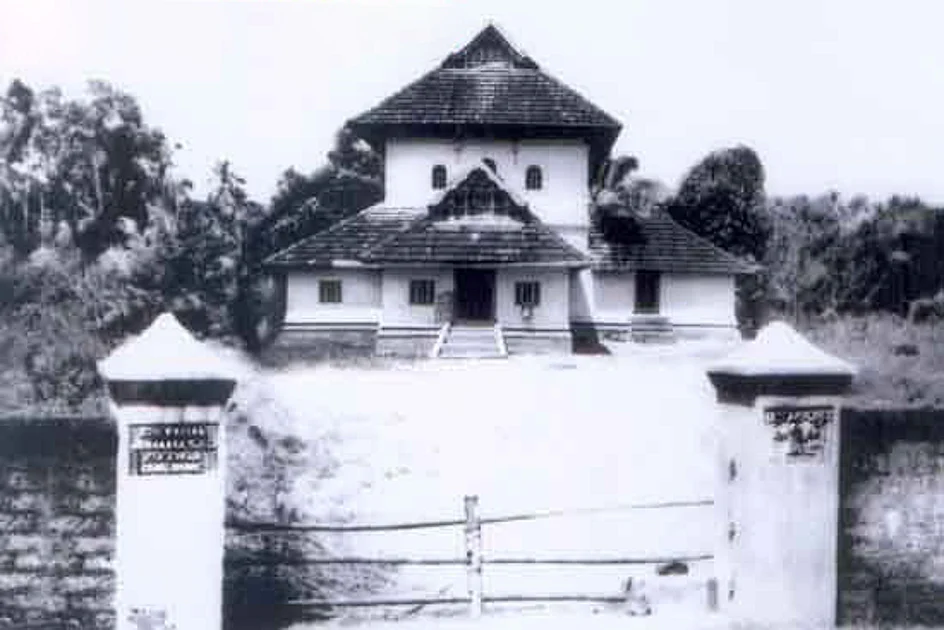
    India’s oldest mosque, the Cheraman Juma Masjid in Kerala’s Kodungallur, has reopened following an extensive 30-month conservation project completed in 2022. Originally constructed in 629 AD during the lifetime of Prophet Muhammad, this architectural treasure represents one of the world’s oldest continuously functioning Islamic places of worship.

    The mosque’s remarkable history traces back to Cheraman Perumal, the then-King of Kerala, who embraced Islam and commissioned the mosque’s construction before departing for Mecca. Persian scholar and explorer Malik Bin Dinar played a pivotal role in overseeing the initial construction. The mosque has undergone several renovations throughout its 1,400-year history, with significant work occurring in the 11th century, approximately 300 years ago, and most recently in 1974 when an extension was added while preserving the ancient core structure.

    The recent conservation initiative was conducted under the Muziris Heritage Project, a governmental program dedicated to safeguarding Kerala’s historical and cultural landmarks. This comprehensive restoration aimed to revive the mosque’s traditional elegance while maintaining its architectural integrity.

    Kodungallur’s significance extends beyond religious boundaries, having emerged as a sanctuary during the Malabar rebellion of 1921 when Islamic scholars sought refuge from police atrocities. The region subsequently became the founding place of the Muslim Aikya Sangham in 1923, which rapidly expanded to establish nearly 1,500 educational institutions across Muslim-dominated areas of Cochin and Malabar.

    The local Mappila community, descendants of 7th-century Arab traders, have maintained the mosque’s traditions while fostering remarkable interfaith harmony. A mosque spokesperson noted that non-Muslim communities regularly contribute Iftar offerings during Ramadan, demonstrating the region’s distinctive cultural synthesis.

    Government officials emphasize that Kerala’s Muslim community has played a substantial role in regional trade, anti-colonial resistance, and cultural development, with their legacy enduring through the state’s language, cuisine, and socio-political evolution.

  • A fireworks ship explosion in China kills 12 people in the second such blast in days

    A fireworks ship explosion in China kills 12 people in the second such blast in days

    A devastating explosion at a fireworks retail outlet in China’s central Hubei province has resulted in 12 fatalities, marking the second major pyrotechnic incident during the nation’s Lunar New Year observances. The catastrophe occurred Wednesday afternoon in Xiangyang town, where emergency crews rapidly contained the subsequent blaze, according to official reports from Xinhua News Agency.

    Investigative teams have been dispatched to determine the precise cause of the explosion, though preliminary details remain scarce. This incident follows another tragic event just days earlier in Jiangsu province, where eight individuals perished and two sustained injuries from a fireworks-related accident. In that case, preliminary investigations suggested improperly discharged fireworks near the establishment triggered the blast.

    The timing of these incidents coincides with peak fireworks usage during Spring Festival celebrations, prompting heightened concerns from national authorities. China’s Ministry of Emergency Management issued an explicit warning on Tuesday, identifying fireworks as the predominant safety hazard during this annual period of festivity.

    Despite cultural traditions that incorporate pyrotechnics to ward off evil spirits and welcome prosperity, the government continues to emphasize safety protocols amid widespread public usage. These consecutive tragedies have reignited discussions about regulatory enforcement and public awareness regarding explosive materials during traditional celebrations.