分类: society

  • Climber on trial for leaving girlfriend to die on Austria’s highest mountain

    Climber on trial for leaving girlfriend to die on Austria’s highest mountain

    A landmark trial opening Thursday in Austria examines whether a mountain climber bears criminal responsibility for his girlfriend’s hypothermia death during a disastrous winter ascent of the Grossglockner peak in January 2025. The case has ignited international debate about liability in extreme sports.

    Prosecutors allege Thomas P, 33, committed nine critical errors during the ill-fated climb that resulted in Kerstin G’s death at 3,798 meters (12,460 feet). As the more experienced climber who planned the expedition, he is charged with gross negligent manslaughter for allegedly failing to protect his partner from lethal alpine conditions.

    The prosecution’s case centers on Thomas’s role as ‘responsible guide’ during the January 18-19 climb. Evidence indicates he initiated the ascent two hours behind schedule despite his girlfriend’s lack of experience with high-altitude winter tours. Prosecutors further contend he permitted inadequate footwear and carried insufficient emergency bivouac equipment.

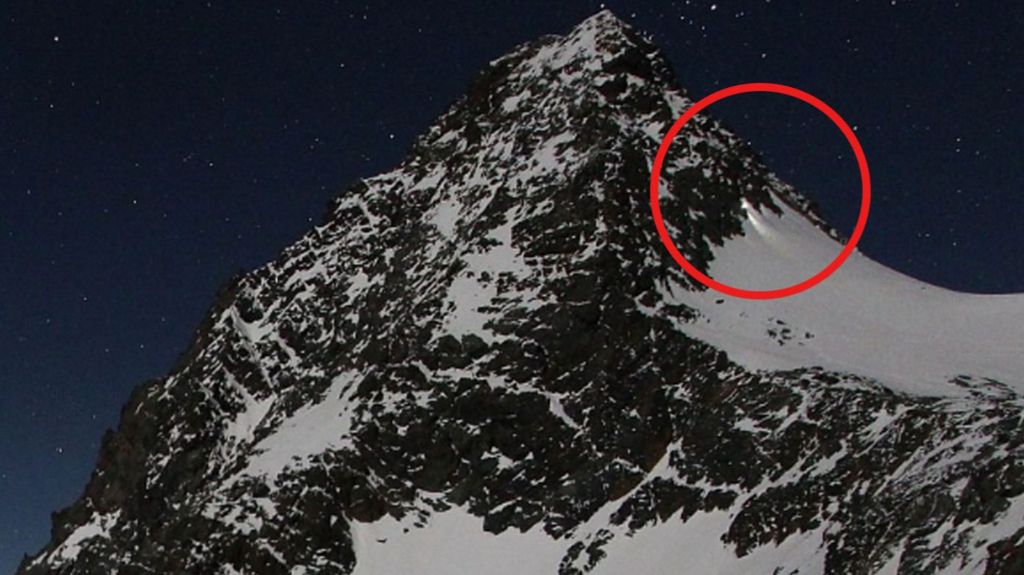
    Webcam footage timestamped 21:00 on January 18 captures the couple’s torchlights ascending through gathering storms. Despite deteriorating conditions featuring -20°C wind chill and 74km/h winds, they continued toward the summit rather than turning back.

    The defense maintains both climbers were experienced, well-prepared, and in excellent physical condition. Attorney Karl Jelinek characterizes the death as ‘a tragic accident’ rather than criminal negligence, noting the couple felt capable until Kerstin suddenly exhibited extreme exhaustion near the summit.

    Critical disagreement surrounds events after midnight. Prosecutors allege Thomas failed to signal a police helicopter overhead at 22:50 and delayed emergency notification until 03:30. The defense claims he left his immobilized partner at 02:00 to seek help, descending the opposite slope as captured by webcam imagery.

    Mountain rescue teams couldn’t launch helicopter operations until morning due to violent winds. Kerstin succumbed to hypothermia alone on the mountainside before help arrived.

    The verdict could establish precedent for criminal liability in mountain sports, potentially creating what Austria’s Der Standard newspaper calls ‘a paradigm shift’ for adventure tourism accountability.
  • Ramadan 2026: These countries will begin holy month on February 18

    Ramadan 2026: These countries will begin holy month on February 18

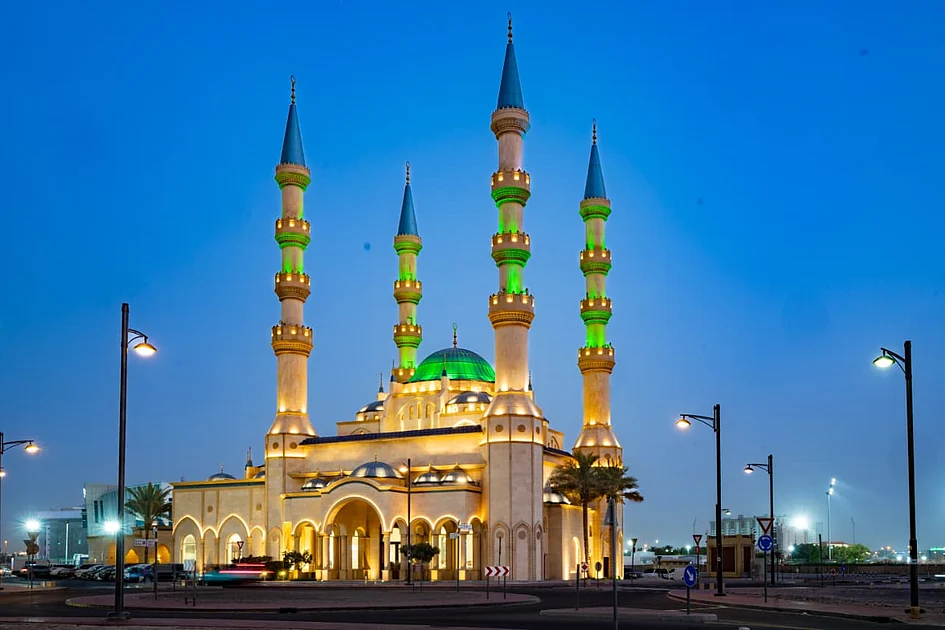
    In a significant religious synchronization, numerous nations across the Middle East have collectively confirmed the commencement of Ramadan 2026 on February 18 following successful moon sightings on Tuesday evening. The holy month’s initiation was formally declared by religious authorities and governmental bodies across the region.

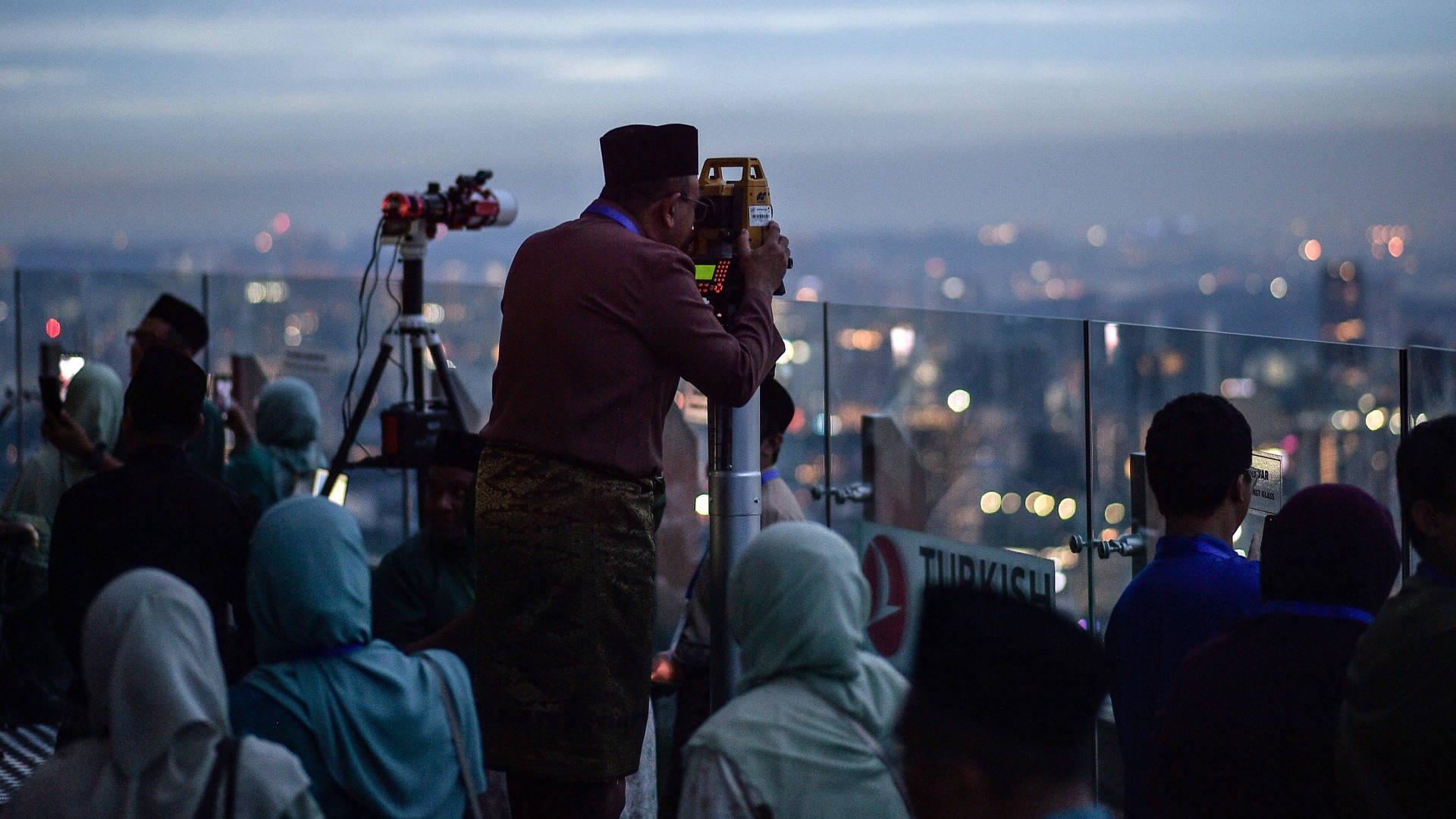
    The United Arab Emirates’ Moon Sighting Committee officially verified crescent visibility, setting February 18 as the inaugural day of Ramadan. Similar announcements echoed throughout the Gulf region with Saudi Arabia’s Supreme Court, Qatar’s religious authorities, and Kuwait’s official channels all confirming identical start dates.

    Bahrain’s news agency, Iraq’s governmental offices, and Yemen’s official sources simultaneously proclaimed Wednesday as the first day of fasting. Lebanon and Palestine joined the regional consensus, with Palestinian authorities confirming February 18th as their Ramadan commencement date.

    This synchronization demonstrates the remarkable astronomical alignment across these nations. Ramadan, the ninth month of the Islamic lunar calendar, represents one of the Five Pillars of Islam where observant Muslims abstain from food, drink, and other physical needs from dawn until sunset. The month holds profound spiritual significance for the global Muslim community, emphasizing prayer, reflection, and communal unity.

    The collective announcement facilitates regional harmony in religious observance, allowing millions of Muslims to begin their spiritual journey simultaneously. This coordination is particularly important for international families, businesses operating across multiple Muslim countries, and religious travelers seeking consistent observance schedules.

  • Saudi Arabia starts Ramadan on Wednesday, but many others to begin a day later

    Saudi Arabia starts Ramadan on Wednesday, but many others to begin a day later

    A significant divergence in Ramadan commencement dates has emerged across the Muslim world, highlighting ongoing tensions between traditional moon-sighting practices and astronomical science. Saudi Arabia and several Gulf nations initiated the holy month on Wednesday, while numerous other Muslim-majority countries deferred commencement until Thursday following conflicting lunar observations.

    The division stems from the traditional Islamic practice of commencing Ramadan upon visual confirmation of the crescent moon. Saudi authorities announced Tuesday evening that their observation teams had sighted the crescent, prompting immediate Ramadan declarations from the UAE, Qatar, Bahrain, Kuwait, Yemen, and Palestine. Sunni religious authorities in Iraq and Lebanon similarly confirmed Wednesday starts.

    However, this declaration contradicts scientific evidence from multiple astronomical organizations. The Sharjah Academy for Astronomy, Space Sciences and Technology previously determined that crescent visibility would be “scientifically impossible” on Tuesday across the region. Independent astronomers including Mohammad Odeh of Abu Dhabi’s International Astronomical Centre corroborated these findings, suggesting any reported sightings likely resulted from observational errors.

    Notably, Egypt, Brunei, Malaysia, Turkey, Indonesia, and several Central Asian nations opted for Thursday starts after reporting no moon sightings. Iraq’s senior Shia authority, Ayatollah Ali Sistani, similarly declared Thursday commencement. Iran, India, Bangladesh and Pakistan remained undecided as of reporting time.

    The controversy highlights Saudi Arabia’s influential yet contentious role in global Islamic calendaring. The kingdom utilizes the calculated Umm al-Qura calendar for advanced planning while maintaining traditional moon-sighting announcements. Astronomical organizations including the UK’s Nautical Almanac Office confirmed the impossibility of Tuesday sightings, echoing concerns about previous Saudi declarations that contradicted scientific evidence.

    This scientific-traditional divide extends beyond the Middle East. While many Muslims in countries without official moon-sighting bodies follow Saudi announcements, movements like Britain’s New Crescent Society advocate for localized observations and a unified national Islamic calendar, reflecting growing preference for astronomically verified dates within Muslim communities worldwide.

  • Gold fever hits South Africa after lucky find in cattle pen

    Gold fever hits South Africa after lucky find in cattle pen

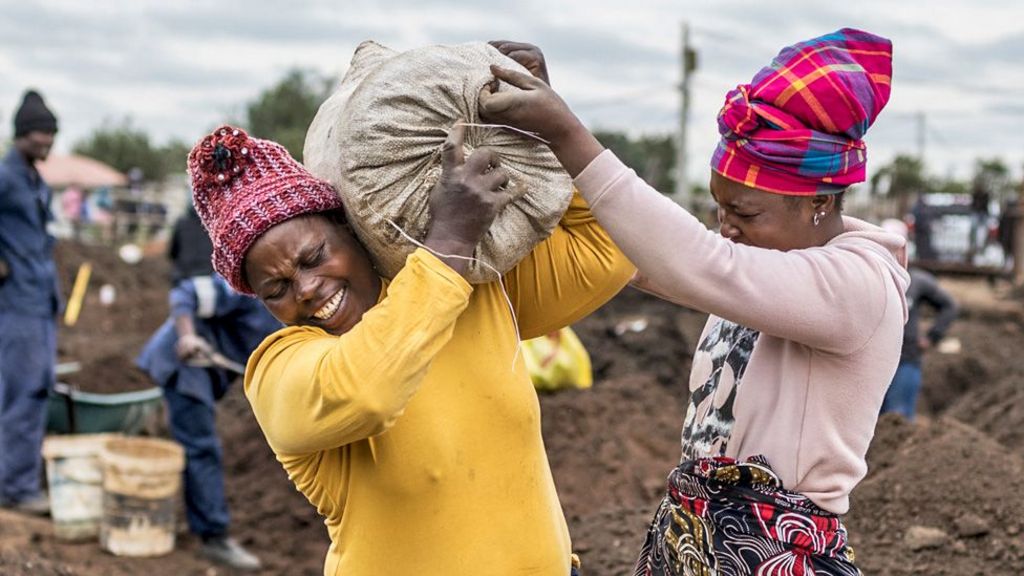
    A spontaneous gold rush has erupted in the informal settlement of Gugulethu, east of Johannesburg, transforming a former cattle pen into a scene of frenzied excavation. The discovery of gold particles by a local resident several days ago triggered an influx of fortune seekers armed with pickaxes and shovels, all hoping to uncover valuable nuggets in the soil of this economically depressed region.

    Springs, once a prosperous mining town, faced economic collapse when formal mining operations ceased years ago due to the prohibitive depth and cost of extraction. Now, the area surrounding this ghost of South Africa’s golden era has become home to informal settlements populated largely by migrants from neighboring countries.

    Despite government warnings declaring the activities illegal and environmentally destructive, dozens of residents continue to sift through soil using dangerous chemicals like mercury and sodium cyanide to separate gold from ore. Several participants confirmed to BBC reporters that they had successfully sold findings on the black market, where a single gram of gold fetches approximately $100 – a substantial sum compared to South Africa’s monthly minimum wage of $368.

    The mining ministry has expressed grave concerns about ground instability caused by unregulated excavation, warning that nearby communities face “significant risk of injury or loss of life.” This development occurs against the backdrop of President Cyril Ramaphosa’s recent announcement to deploy military forces to combat illegal mining operations and criminal gangs nationwide.

    Many miners acknowledge the illegality of their actions but plead for official mining permits that would allow them to work legally and pay taxes. As one anonymous father of two explained, the desperate economic circumstances leave few alternatives for providing education and sustenance for his family.

  • Moment officers rescue injured bald eagle from icy Hudson River

    Moment officers rescue injured bald eagle from icy Hudson River

    In a remarkable display of wildlife preservation, law enforcement officers executed a critical rescue operation to save a distressed bald eagle from the freezing waters of the Hudson River. The majestic bird, America’s national symbol, was found struggling against the icy currents before intervention.

    According to official reports, the rescue team responded promptly to emergency calls regarding the endangered raptor’s predicament. Using specialized equipment and trained techniques, officers carefully extracted the eagle from the hazardous conditions without causing further harm to the already injured animal.

    The rescued eagle was immediately transported to a designated wildlife sanctuary in New Jersey specializing in avian rehabilitation. Veterinary experts at the facility are currently assessing the bird’s condition and providing necessary medical treatment for recovery.

    This incident highlights the ongoing conservation efforts protecting bald eagles, which were previously listed as an endangered species but have made significant population recoveries due to protective measures. The Hudson River region has become an important habitat for these birds following environmental improvements in recent decades.

    Wildlife authorities commended the coordinated response, emphasizing the importance of such interventions in preserving national wildlife treasures. The successful operation demonstrates the commitment of emergency services to protecting vulnerable species alongside their public safety duties.

  • Ramadan begins: Which GCC countries will mark Ramadan on Feb 18?

    Ramadan begins: Which GCC countries will mark Ramadan on Feb 18?

    The spiritual commencement of Ramadan 2026 has been officially confirmed across the Gulf Cooperation Council (GCC) nations following successful moon-sighting observations on February 17th. While most member states synchronously declared February 18th as the inaugural day of the holy month, Oman emerged as the solitary exception with its commencement set for February 19th.

    In the United Arab Emirates, the Moon-Sighting Committee convened at Abu Dhabi’s historic Qasr Al Hosn palace confirmed visual confirmation of the crescent moon shortly after sunset. This astronomical verification triggered nationwide announcements from the highest levels of leadership. UAE President Sheikh Mohamed bin Zayed Al Nahyan extended heartfelt congratulations to citizens and the global Muslim community, emphasizing Ramadan’s significance as a period for “goodness, giving, and social solidarity.” Similarly, Dubai Ruler Sheikh Mohammed bin Rashid Al Maktoum characterized the occasion as “a virtuous season for strengthening family ties and spiritual purification.”

    The religious synchronization extended across the Arabian Peninsula with Saudi Arabia’s Supreme Court, Qatar’s news agency, Kuwait News Agency, and Bahrain’s Supreme Shariah Authority all independently verifying the crescent sighting and unanimously declaring February 18th as Ramadan’s commencement. This collective alignment underscores the cultural and religious cohesion within the region despite decentralized observation methodologies.

    Oman’s Main Committee for Moon Sighting reported contrasting observational results, determining that the crescent remained undetectable on February 17th. Consequently, the Sultanate will initiate Ramadan on February 19th, completing the full thirty days of the preceding month of Shaban according to Islamic tradition. This divergence highlights the intricate interplay between astronomical science, traditional observation practices, and theological interpretation that characterizes the Hijri calendar determination across Muslim communities worldwide.

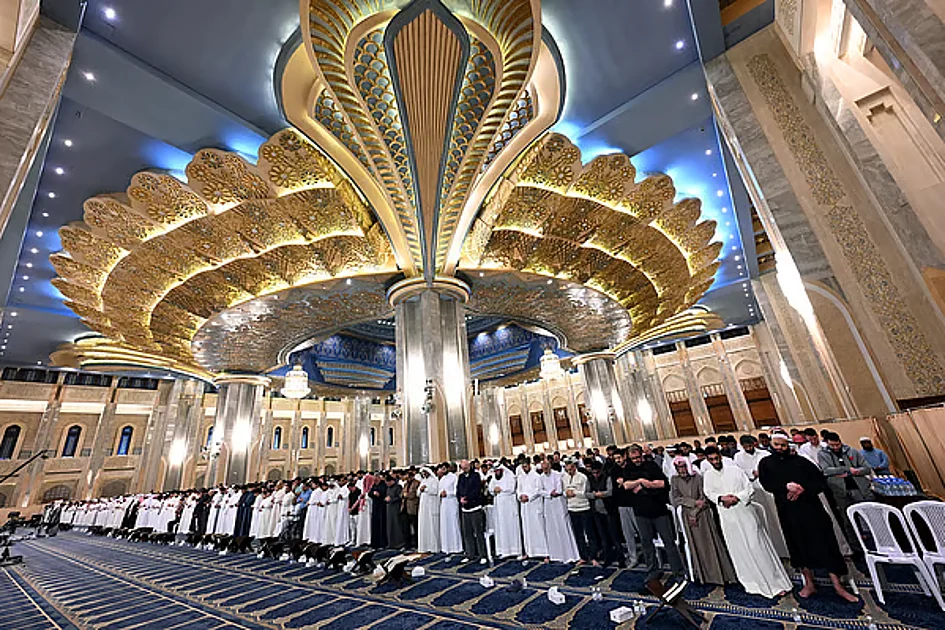
    The announcements triggered immediate preparations across the region for the commencement of fasting, spiritual reflection, and special nightly prayers (Taraweeh) that define the Ramadan experience for millions of faithful.

  • Ramadan 2026: When does it start and everything else you need to know

    Ramadan 2026: When does it start and everything else you need to know

    As the crescent moon ushers in Ramadan, Muslims worldwide embark on a profound spiritual journey marked by fasting, prayer, and charitable acts. This ninth month of the Islamic lunar calendar represents one of the Five Pillars of Islam, requiring able-bodied adherents to abstain from all nourishment and drink from dawn until sunset.

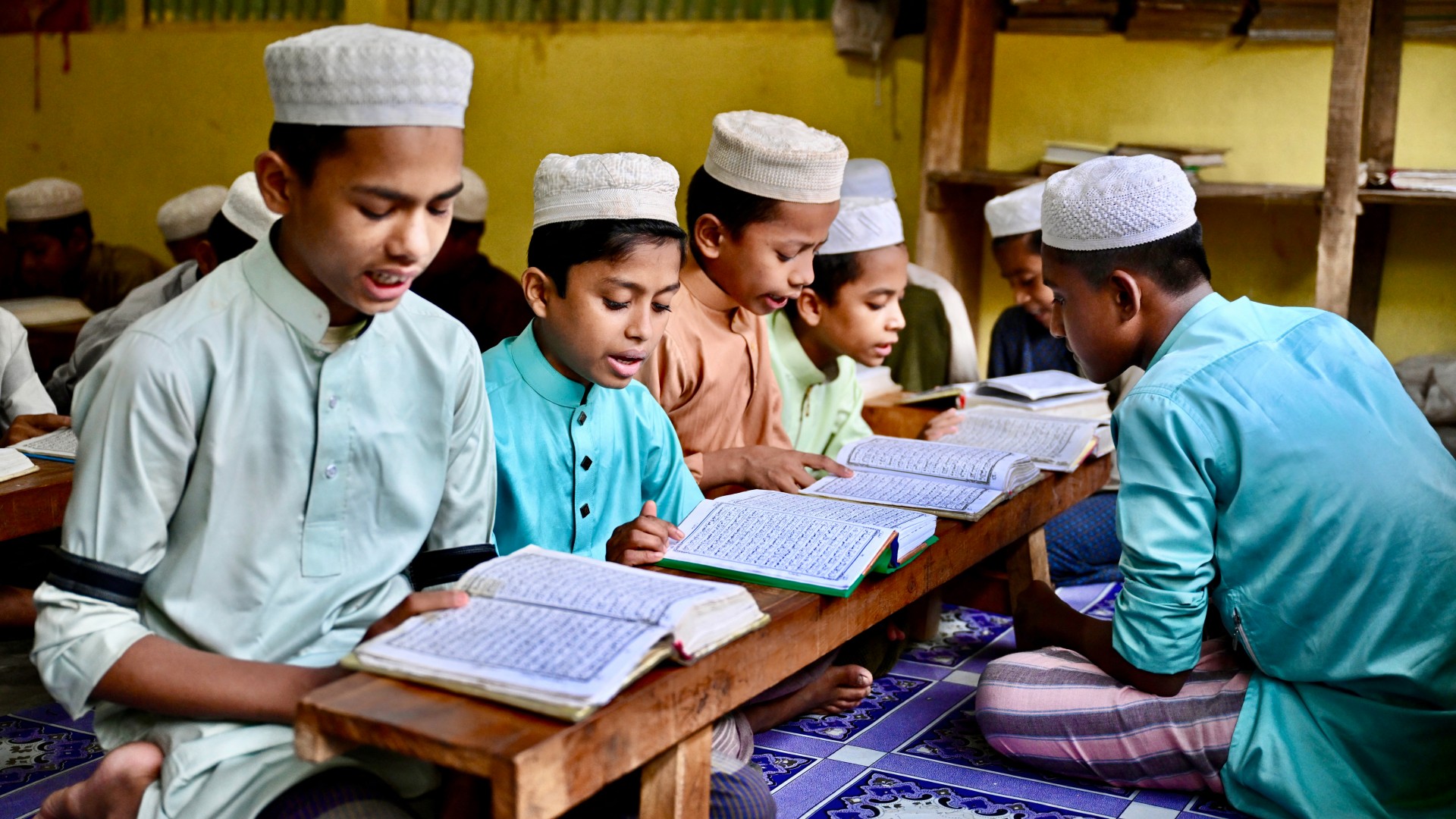
    The practice of fasting (sawm) serves multiple spiritual purposes: strengthening one’s relationship with God, developing self-discipline, and fostering empathy for the less fortunate. Beyond physical abstinence, Ramadan emphasizes increased worship through Quranic recitation, extended prayers (tarawih), and generous charity (zakat). The fast is traditionally broken with dates at sunset, followed by the iftar meal that often becomes a community celebration.

    This year’s Ramadan commencement demonstrated the lunar calendar’s variability, with Saudi Arabia and Gulf nations beginning fasting on February 18th, while Jordan, Oman and others started on February 19th. This difference stems from the moon-sighting traditions that determine the Islamic calendar, which runs 10-11 days shorter than the Gregorian calendar.

    Geographical variations significantly impact fasting durations. While Muslims in South Africa fast approximately 12 hours daily, those in Canada endure over 14 hours without sustenance. Extreme northern regions like Norway present unique challenges during summer months with near-perpetual daylight, leading to special accommodations following Mecca’s timing.

    The final ten nights hold particular significance as they contain Laylat al-Qadr (Night of Decree), when the Quran’s first verses were revealed to Prophet Muhammad. Many Muslims intensify worship during this period, with some practicing i’tikaaf (seclusion in mosques) for spiritual focus.

    Ramadan culminates in Eid al-Fitr, a festive celebration featuring morning prayers, family gatherings, gift-giving, and special meals. The obligatory zakat al-fitr donation precedes Eid prayers, ensuring the needy can participate in the festivities.

    Despite regional traditions varying from Egyptian lantern decorations to Turkish drummers awakening residents for pre-dawn meals (suhoor), the universal themes of spiritual reflection, community bonding, and heightened devotion unite the global Muslim community during this sacred month.

  • ‘We’re going to always be grateful’ – Chicagoans mourn loss of Jesse Jackson

    ‘We’re going to always be grateful’ – Chicagoans mourn loss of Jesse Jackson

    The city of Chicago is united in grief following the passing of renowned civil rights leader Reverend Jesse Jackson at the age of 84. According to an official family statement, Jackson died peacefully surrounded by loved ones, concluding a lifetime of transformative activism that reshaped American society.

    Jackson’s legacy as a pioneering figure in the struggle for racial equality and social justice reverberates throughout Chicago’s communities. For decades, his leadership through organizations like Operation PUSH and the Rainbow Coalition provided both a voice and tangible improvements for marginalized populations. His innovative approaches to civil rights activism blended economic empowerment with political advocacy, creating new pathways for minority participation in democracy.

    BBC correspondent Gary O’Donoghue documented the profound impact of Jackson’s passing across Chicago neighborhoods, capturing reflections from residents whose lives were directly shaped by his work. Many emphasized how Jackson’s international prominence never diminished his deep connections to the city he called home, where he continued grassroots organizing alongside global diplomacy.

    The reverend’s career spanned monumental moments in American history—from assisting Martin Luther King Jr. and participating in seminal events like the Selma marches, to pioneering presidential campaigns that expanded political possibilities for African Americans. His later years saw continued advocacy through the Rainbow PUSH Coalition, maintaining focus on economic justice and educational equality.

    Chicago institutions, from churches to community centers, are preparing memorials honoring Jackson’s multifaceted legacy as both a local champion and global humanitarian. His death marks the passing of a generation of civil rights leaders while highlighting the enduring relevance of his vision for a more equitable society.

  • Revealed: Saudi Arabia announces first day of Ramadan

    Revealed: Saudi Arabia announces first day of Ramadan

    Saudi Arabia has officially confirmed the commencement of Ramadan 1447 AH, with the holy month set to begin on Wednesday, February 18, 2026. The announcement followed the successful sighting of the Ramadan crescent from the Kingdom’s Sudair Observatory on Tuesday evening, corresponding to the 29th of Shaban in the Islamic calendar.

    The crescent observation process incorporated advanced technological assistance for the first time at the newly inaugurated Tamir Observatory, a facility specifically designated for official moon sightings and crescent monitoring. Astronomical expert Abdullah Al-Khudairi confirmed that the annular eclipse phenomenon would not affect the visibility of the Ramadan crescent, ensuring accurate determination of the lunar month’s start.

    Concurrent with the astronomical confirmation, Gulf nations have implemented adjusted working schedules to accommodate the spiritual observances. The UAE Ministry of Human Resources and Emiratisation announced a two-hour daily reduction in working hours for private sector employees throughout Ramadan. Public sector employees will follow modified schedules from 9:00 AM to 2:30 PM Monday through Thursday and 9:00 AM to 12:00 PM on Fridays.

    Human resources experts note that while the reduced hours initially present operational challenges, they ultimately foster more deliberate work structures and increased productivity. The arrangement provides Muslim residents additional time for prayer, reflection, and family activities during the holy month, serving as both a spiritual reset and an opportunity for workplace efficiency optimization.

    The coordinated approach across Gulf nations demonstrates the region’s commitment to balancing religious observance with economic continuity, maintaining cultural traditions while implementing modern scientific methods for lunar determination.

  • Hockey players recount Rhode Island ice rink shooting

    Hockey players recount Rhode Island ice rink shooting

    Survivors of a deadly shooting at a Rhode Island ice rink are sharing harrowing accounts of the incident that transformed a community sporting event into a scene of tragedy. The violence erupted during a high school hockey game, claiming two lives and leaving three individuals with injuries, sending shockwaves through the local community.

    Eyewitnesses describe chaotic scenes as players, coaches, and spectators scrambled for safety when gunfire broke out unexpectedly. The normally festive atmosphere of interscholastic competition was shattered by the sound of shots, forcing attendees to take cover in locker rooms and under bleachers as the situation unfolded.

    Law enforcement agencies responded immediately to the active shooter situation, securing the perimeter and initiating emergency protocols. Preliminary investigations suggest the shooting resulted from a dispute that escalated dramatically, though official motives remain under investigation by authorities.

    Local hospitals received multiple casualties while crisis response teams mobilized to provide psychological support to traumatized witnesses, particularly student athletes who experienced the violence firsthand. The incident has prompted urgent discussions about security measures at public sporting events and youth activities across the state.

    Community leaders have organized vigils to honor the victims as schools district-wide implemented enhanced security protocols and counseling services. The tragedy has reignited conversations about gun violence prevention and public safety in spaces traditionally considered safe havens for youth development.