分类: society

  • Ramadan 2026: Paid parking rates, timings revised in 3 emirates; see list here

    Ramadan 2026: Paid parking rates, timings revised in 3 emirates; see list here

    In observance of the holy month of Ramadan, which commenced in the United Arab Emirates on February 17, 2026, following the sighting of the crescent moon, municipal authorities across three emirates have implemented revised parking and toll fee schedules. These annual adjustments are designed to accommodate altered daily routines and support residents during this period of spiritual reflection.

    Dubai’s Roads and Transport Authority (RTA) has established a bifurcated paid parking schedule effective from Monday through Saturday. The first fee period runs from 8:00 AM to 6:00 PM, followed by a second collection window from 8:00 PM until midnight. This structured timing intentionally provides a complimentary two-hour parking window around Maghrib (sunset) prayers, enabling residents to perform religious obligations and partake in Iftar meals without incurring parking costs. The RTA confirmed that multi-storey parking facilities will maintain 24/7 operations without interruption.

    In the capital emirate, Q Mobility, administrator of the Darb toll gate system, announced adjusted peak timing tariffs. Toll charges have been set at Dh4 during morning commutes (8:00 AM to 10:00 AM) and evening periods (2:00 PM to 6:00 PM) from Monday to Saturday. Concurrently, Abu Dhabi’s public parking system will enforce fees across two daily intervals: 9:00 AM to 6:00 PM and 9:00 PM to 2:00 AM, with standard spaces costing Dh2 hourly and premium zones Dh3 per hour. Sundays will remain toll-free and parking-exempt throughout the capital.

    Sharjah Municipality has implemented distinct regulations, maintaining free public parking on Fridays except for smart parking facilities and zones designated for continuous weekly fees, including public holidays. From Saturday to Thursday, paid parking hours will extend from 8:00 AM until midnight, ensuring consistent enforcement while respecting religious observances.

    These coordinated transportation policy adaptations reflect the UAE’s commitment to facilitating comfortable religious observance while maintaining urban mobility and regulatory consistency during Ramadan’s unique temporal rhythms.


  • Ajman Ruler announces release of 134 prisoners for Ramadan 2026

    Ajman Ruler announces release of 134 prisoners for Ramadan 2026

    In a significant humanitarian gesture marking the commencement of Ramadan 2026, His Highness Sheikh Humaid bin Rashid Al Nuaimi, Supreme Council Member and Ruler of Ajman, has authorized the release of 134 prisoners from correctional facilities under the Ajman Police General Command. This compassionate decision, announced on February 18, 2026, follows established UAE traditions of granting pardons during religious observances and special occasions.

    The emancipation order specifically applies to inmates who demonstrated exemplary conduct and rehabilitation progress throughout their incarceration period. Each released individual met stringent eligibility criteria for pardon consideration and received official clearance for sentence remission. The initiative reflects Sheikh Humaid’s commitment to fostering hope and facilitating social reintegration for those who have shown genuine reform.

    Major General Sheikh Sultan bin Abdullah Al Nuaimi, Commander-in-Chief of Ajman Police, expressed profound gratitude for the ruler’s decision, emphasizing that release procedures would commence immediately to enable timely family reunions during the holy month. The move aligns with broader UAE values of mercy and tolerance, particularly emphasized during Ramadan’s spiritual period.

    This pardon initiative represents more than mere early release—it embodies a rehabilitative justice approach that encourages former inmates to contribute positively to community security and stability. The timing during Ramadan, a month characterized by reflection and forgiveness, amplifies the gesture’s symbolic significance within Emirati cultural and religious contexts.

  • Suspected carbon-monoxide leak kills many miners in Nigeria – witnesses

    Suspected carbon-monoxide leak kills many miners in Nigeria – witnesses

    A devastating carbon-monoxide leak has claimed the lives of at least 33 miners at a lead and zinc operation in Nigeria’s Plateau state, according to eyewitness accounts. The tragedy unfolded in the predawn hours at a facility operated by Solid Unity Nigeria Ltd, located near Wase town.

    Initial investigations indicate that lethal concentrations of toxic gas accumulated within inadequately ventilated underground tunnels, causing workers to collapse near the conclusion of their night shift. The victims were discovered by arriving day-shift personnel, who also facilitated the rescue and hospitalization of more than 20 surviving colleagues.

    Security forces have established a perimeter around the mining site, situated approximately 200 kilometers southeast of Jos, as official inquiries commence to determine the precise cause of the gas leak. Response operations have been hampered by regional security concerns, with state officials yet to visit the disaster zone due to documented activity by armed criminal groups locally termed ‘bandits’.

    Eyewitness Safiyanu Haruna, who encountered the tragic scene at shift change, provided firsthand testimony to BBC reporters. Contrary to official statements referencing a mining explosion, Haruna maintained that carbon-monoxide poisoning caused the fatalities, which he numbered at 37. The victims had reportedly just completed morning Islamic prayers before returning underground to complete their work cycle.

    Haruna emotionally noted the absence of immediate rescue capabilities, as morning shift workers had not yet arrived at the time of the incident. The predominantly Muslim community conducted burial ceremonies according to local traditions for victims believed to be aged 20-40 years.

    This incident echoes a similar mining disaster in neighboring Niger state less than two years prior, where dozens perished in a rain-induced collapse. The recurring nature of such tragedies has intensified scrutiny regarding safety protocols and regulatory enforcement within Nigeria’s mining industry.

  • Ramadan 2026: 90,000 Qurans to be distributed, Emirati voices to recite verses on radio

    Ramadan 2026: 90,000 Qurans to be distributed, Emirati voices to recite verses on radio

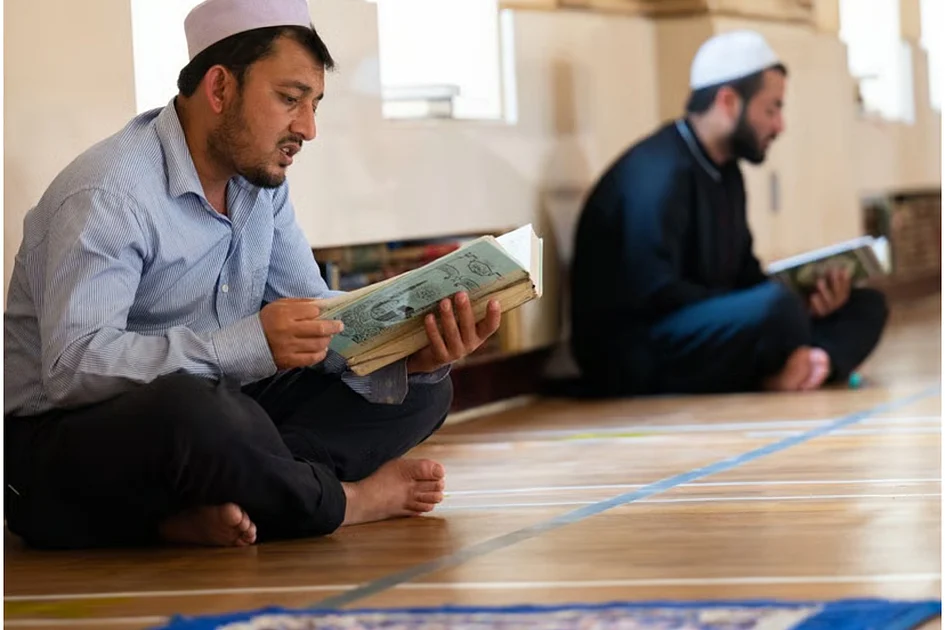
    The United Arab Emirates has unveiled an extensive program of Quran-centered initiatives for Ramadan 2026, designed to enhance spiritual contemplation and strengthen family connections throughout the nation. Spearheaded by the General Authority of Islamic Affairs, Endowments and Zakat, these measures represent a significant investment in religious education and cultural preservation.

    Dr. Omar Habtoor Al Darei, Chairman of the Authority, announced that Friday sermons during the holy month will for the first time focus exclusively on reflective moments derived from chapters of the Holy Quran, encouraging deeper contemplation among worshippers. This thematic consistency across mosques nationwide marks a departure from previous Ramadan practices.

    The centerpiece initiative, ‘Emirati Voices Mushaf,’ will feature Quranic recitations by Emirati voices broadcast across national radio stations, showcasing local talent and promoting cultural authenticity. Simultaneously, the ‘Family Completion Initiative Loyalty and Devotion’ encourages each household to complete a full Quran recitation dedicated to the UAE’s founding rulers, with a target of approximately 6,000 family completions.

    In a substantial distribution effort, 90,000 copies of the Holy Quran will be provided at the expense of the President to mosques, strategic partners, and members of the public throughout Ramadan. This initiative ensures broader access to Islamic texts and facilitates religious engagement.

    The Ramadan agenda incorporates diverse educational activities, including the ‘Bil Hikmah’ program offering 30 lessons on spiritual guidance and ethical values. Specialized ‘Scientific Chairs’ in selected grand mosques in Abu Dhabi will provide in-depth interpretations of Quranic chapters delivered by renowned scholars.

    Commemorative events include a forum marking ’30 Years of the Unified Friday Sermon,’ held in conjunction with Zayed Humanitarian Day, which celebrates the legacy of Sheikh Zayed bin Sultan Al Nahyan and reaffirms the UAE’s commitment to moderation and tolerance. Additional forums include ‘Minarets of Al Ain,’ highlighting historic mosques, and family-focused seminar series ‘Our Home is One.’

    The Authority has also produced extensive educational materials, including ‘Guidance and Clear Signs’ (40,456 jurisprudential lessons delivered after Asr prayers) and ‘Ramadan Reflections’ (40,456 reflections delivered before Taraweeh prayers). Electronic publications covering fasting, Quranic guidance, and zakat have been made widely accessible to the public.

  • Zuckerberg arrives to testify in social media addiction trial

    Zuckerberg arrives to testify in social media addiction trial

    Meta CEO Mark Zuckerberg appeared in a California courtroom Wednesday to provide testimony in a groundbreaking legal proceeding examining whether social media platforms deliberately addict children. This marks Zuckerberg’s inaugural jury appearance following years of mounting criticism against his social media empire, which encompasses Instagram and WhatsApp.

    The trial centers on allegations that social media companies, including Meta and Google’s YouTube, engineered their platforms to foster addictive behaviors among young users while consciously disregarding mental health risks. The case represents one of thousands of similar lawsuits currently progressing through US judicial systems, with bereaved parents among those observing the proceedings.

    Notably, TikTok and Snapchat previously settled claims against them shortly before trial commencement, though settlement terms remain confidential. The lead plaintiff, identified only by initials K.G.M., began using Instagram and YouTube during childhood, with her legal team asserting these platforms fundamentally contributed to her psychological harm.

    During anticipated testimony, Zuckerberg faced rigorous questioning regarding Instagram’s interface design and subsequent modifications implemented to maintain user engagement. Meta’s advertising-centric revenue model—which directly correlates profitability with increased user screen time—has come under particular scrutiny.

    The courtroom drama intensified when Instagram head Adam Mosseri testified last week, controversially asserting that even 16 consecutive hours of daily Instagram usage didn’t constitute addiction. Meanwhile, YouTube CEO Neal Mohan, initially expected to testify, was unexpectedly removed from the witness list.

    This case occurs alongside broader regulatory movements, as 29 state attorneys general petition a federal court to mandate immediate platform modifications—including removing all accounts belonging to users under 13—before trial conclusions. Internationally, nations including Australia, the UK, Denmark, France, and Spain are contemplating or implementing age-based social media restrictions, signaling global concern regarding youth digital welfare.

  • 66 new mosques, 20 scholars, 12,500 seedlings: How UAE is welcoming Ramadan 2026

    66 new mosques, 20 scholars, 12,500 seedlings: How UAE is welcoming Ramadan 2026

    The United Arab Emirates has announced an extensive preparation strategy for Ramadan 2026, featuring significant infrastructure development, international religious collaboration, and environmental sustainability measures. Dr. Omar Habtoor Al Darei, Chairman of the General Authority of Islamic Affairs, Endowments and Zakat, revealed these plans during the authority’s inaugural media briefing of the year.

    The comprehensive initiative includes the construction of 66 new mosques strategically positioned in emerging residential communities to ensure worshipper accessibility. These facilities will be fully equipped with modern amenities to accommodate the spiritual needs of growing populations across all seven emirates.

    In a notable environmental effort, the ‘Let’s Plant Our Mosques’ campaign has already distributed 12,500 seedlings across 224 mosques during its initial phase, integrating ecological consciousness with religious practice. This green initiative represents the UAE’s commitment to combining sustainability with spiritual development.

    The religious dimension features an international scholarly program under the patronage of the UAE President and oversight of Sheikh Mansour bin Zayed Al Nahyan. Approximately 20 distinguished scholars from twelve nations including Egypt, Oman, Bahrain, Morocco, Mauritania, Jordan, Lebanon, Indonesia, Kazakhstan, India, Pakistan and Bangladesh will participate in Ramadan programs throughout the emirates.

    Aligning with the national ‘Year of the Family’ initiative, the authority has designed Ramadan programs emphasizing family and community values. The preparation involved months of coordination, including qualifying human resources, upgrading mosque facilities, and deploying advanced technological tools in cooperation with federal and local partners.

    Educational outreach remains a cornerstone of the preparation, with over 260,000 awareness and educational lessons delivered in the preceding year. Special programs like ‘Bil Hikmah’ focused on Ramadan virtues and fasting ethics, while the second edition of the scientific enrichment program strengthened jurisprudential knowledge among imams and preachers.

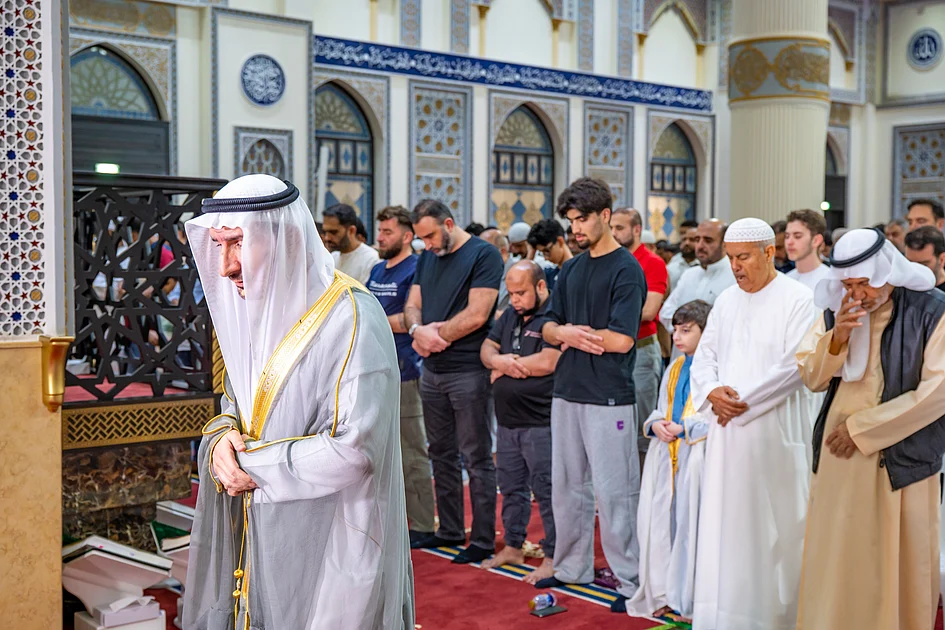
    Dr. Al Darei emphasized moderation during Taraweeh prayers, encouraging imams to consider worshippers’ circumstances and embody exemplary conduct. He also called for community responsibility regarding mosque sanctity, parking regulations, and public health considerations during congregational prayers.

  • California hit by heavy snow as avalanche leaves skiers missing

    California hit by heavy snow as avalanche leaves skiers missing

    A devastating avalanche has struck the Sierra Nevada mountains of California, leaving multiple skiers unaccounted for and prompting a large-scale emergency response. The incident occurred amidst a severe winter storm system that has blanketed the region with exceptionally heavy snowfall, creating extremely hazardous backcountry conditions.

    According to official reports from the Nevada County Sheriff’s Office, rescue teams successfully extracted six skiers from the avalanche debris in a challenging operation. However, authorities have confirmed that additional individuals remain missing, with search efforts continuing despite deteriorating weather conditions and ongoing avalanche risks.

    Meteorological agencies have issued renewed warnings for the affected areas, noting that the current atmospheric conditions present a continued high probability of further avalanche activity. The combination of heavy precipitation, strong winds, and unstable snowpack has created what experts describe as a particularly dangerous scenario for winter sports enthusiasts and backcountry travelers.

    Emergency management officials have urged backcountry skiers and mountain recreationalists to exercise extreme caution and avoid high-risk areas until weather conditions stabilize and avalanche threats diminish. The current winter storm represents one of the most significant snowfall events to impact California’s mountain regions this season, with some areas recording accumulation measurements that approach historical records for this time of year.

  • Ramadan 2026: RAK Police step up patrols, warn of strict action against begging

    Ramadan 2026: RAK Police step up patrols, warn of strict action against begging

    The Ras Al Khaimah Police General Command has unveiled a comprehensive security strategy for Ramadan 2026, prioritizing public safety and community welfare through heightened patrols and educational initiatives. Central to this plan is a stringent crackdown on begging, with authorities vowing to take decisive legal action against individuals engaged in solicitation or illicit income generation during the holy month.

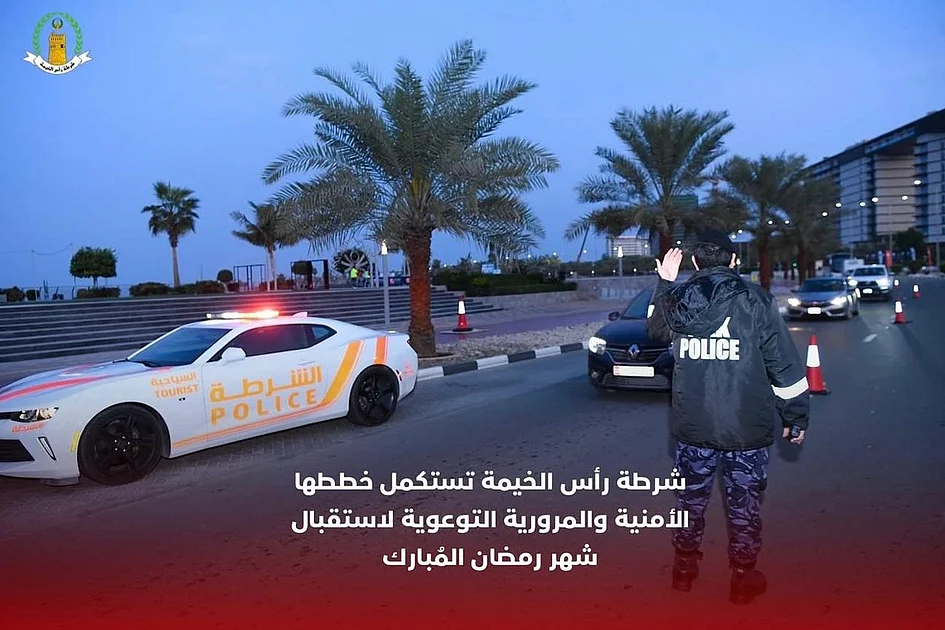
    Enhanced security protocols will see a significant increase in both security and traffic patrols. These units will be strategically deployed to safeguard worship centers and marketplaces, manage traffic congestion during peak hours, and actively combat negative social behaviors. The initiative is further bolstered by the launch of extensive public awareness campaigns designed to educate residents, thereby elevating overall security standards and fostering community well-being.

    Operating in full alignment with the UAE Ministry of Interior’s strategic objectives, the force’s Central Operations Room and field teams remain on high alert, providing 24/7 responsiveness to public inquiries and emergencies. Citizens are urged to utilize 999 for critical emergencies and 901 for general service requests.

    Concurrently, the Media and Public Relations Department will roll out a series of cultural and security-conscious programs. Key highlights include coverage of the community-centric ‘Ramadan Majlis’ gatherings and the Police Ramadan Championship. In a critical road safety push, the department, in collaboration with traffic branches, is actively promoting driver awareness, specifically cautioning against speeding to make it home for iftar and emphasizing the protection of lives and property.

    Concluding its advisory, the RAK Police appealed to the community to refrain from using fireworks, encouraging everyone to embrace the peaceful and spiritual essence of Ramadan while wishing all residents a safe and secure month.

  • Polish bishop on trial over alleged delays in reporting claims of child abuse by priests

    Polish bishop on trial over alleged delays in reporting claims of child abuse by priests

    WARSAW, Poland — In an unprecedented judicial proceeding, Bishop Andrzej Jeż of the Tarnow diocese stood trial Wednesday on charges of failing to promptly report sexual abuse allegations involving two priests under his ecclesiastical supervision. This landmark case represents the first criminal prosecution of a Polish bishop regarding mishandling of clergy abuse cases within his jurisdiction.

    Prosecutors asserted that Bishop Jeż violated legal obligations by not immediately notifying authorities upon receiving credible information about alleged child sexual abuse committed by priests in his diocese. While the Catholic Church conducted internal investigations and eventually reported the priests to authorities, prosecutors maintain that Polish law mandates immediate reporting without delay upon receiving credible allegations.

    The trial occurs against a backdrop of deteriorating public trust in Poland’s Catholic hierarchy, historically regarded as the nation’s moral compass for its inspirational role during foreign occupation and support of the anti-communist Solidarity movement in the 1980s. Decades of systemic abuse cover-ups have significantly damaged the institution’s credibility, despite Poland’s deep Catholic traditions that produced St. John Paul II.

    Church superiors frequently face accusations of either ignoring abuse crimes or protecting offending priests by transferring them to new parishes once scandals emerge. A 2019 report from the Polish Episcopal Conference documented 382 sexual abuse complaints against priests filed between 1990 and 2018.

    Bishop Jeż, who has served the southern Tarnow diocese since 2012, faces up to three years imprisonment if convicted. He maintains his innocence, claiming he notified authorities immediately after the church clarified the facts and once he became aware of his legal reporting obligations.

    “I express my regret and apologies to all those who were harmed and to other people who suffered because of this, often including families,” Jeż stated in court on Wednesday.

    The case highlights the unusual nature of prosecuting high-ranking church officials, even in nations that have confronted clergy abuse scandals. In a comparable 2019 case, Lyon Cardinal Philippe Barbarin faced conviction for covering up a priest’s sex crimes in France, though the ruling was overturned on appeal two years later.

  • Hour-long queues, slow traffic: Last-minute rush at UAE supermarkets as Ramadan begins

    Hour-long queues, slow traffic: Last-minute rush at UAE supermarkets as Ramadan begins

    United Arab Emirates supermarkets experienced an unprecedented surge of activity on Tuesday night following the official sighting of Ramadan’s crescent moon. The unexpected announcement triggered a wave of last-minute shopping as residents scrambled to prepare for the holy month’s commencement.

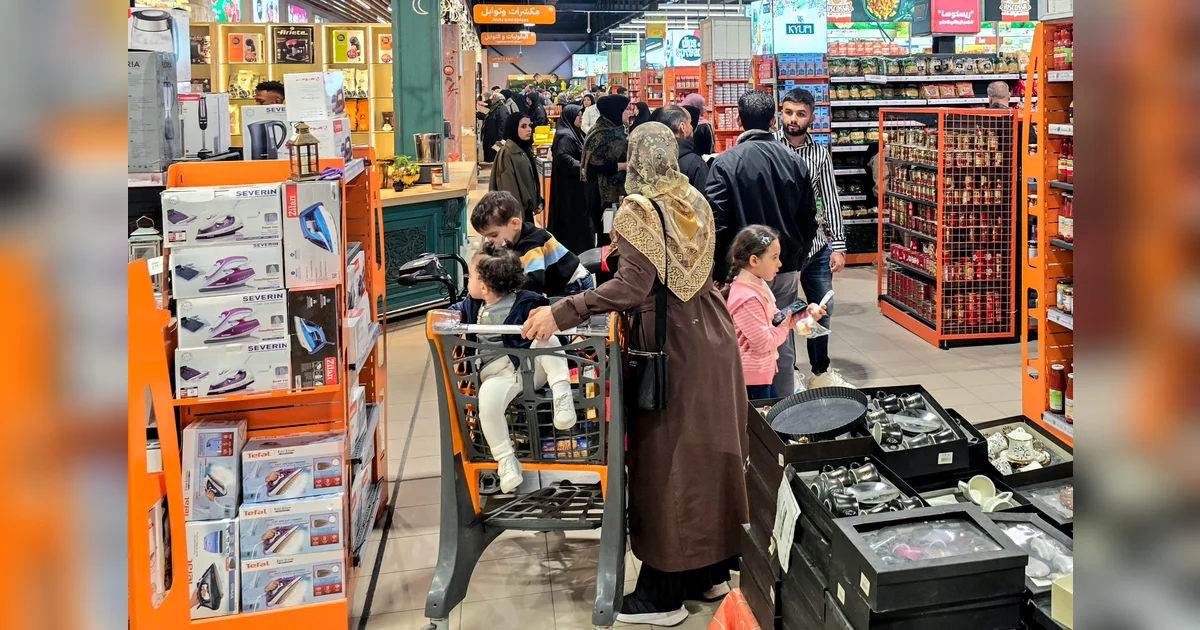
    Retail establishments across Dubai and Sharjah witnessed remarkable crowding patterns, with significant footfall beginning around 9 PM and reaching peak intensity by 10 PM. Major shopping centers reported substantially slowed traffic in adjacent areas as numerous families embarked on collective provisioning missions for inaugural iftar and suhoor meals.

    Consumer behavior varied considerably among shoppers, with some meticulously following digital lists while others appeared uncertain about necessary purchases. Essential commodities including rice, cooking oil, dairy products, bread, eggs, yogurt, fresh fruits, and frozen convenience foods emerged as highest-demand items. Packages of dates appeared in nearly every shopping cart, maintaining their traditional Ramadan significance.

    Checkout operations became a primary bottleneck throughout the retail sector. At Night to Night on Ittihad Road, waiting times extended to approximately 55 minutes, with queues stretching deep into shopping aisles. Even self-service stations offered little respite, developing separate lines of shoppers requiring technical assistance.

    The consumer rush extended beyond culinary requirements. Retailers noted increased interest in religious and cultural items, with prayer mats strategically positioned near promotional displays. Modest clothing sections, particularly those featuring abayas, scarves, and kurtas, experienced notable customer attention.

    Some shoppers adopted pragmatic approaches, purchasing only immediate necessities while planning subsequent visits. Several customers abandoned fully-loaded trolleys upon encountering extensive queues, opting to defer comprehensive shopping for later dates. Bakery departments operated at maximum capacity, with staff continuously replenishing bread supplies to meet overwhelming demand.