分类: society

  • New Dubai road project to slash journey time from 24 minutes to 5 on Hessa Street

    New Dubai road project to slash journey time from 24 minutes to 5 on Hessa Street

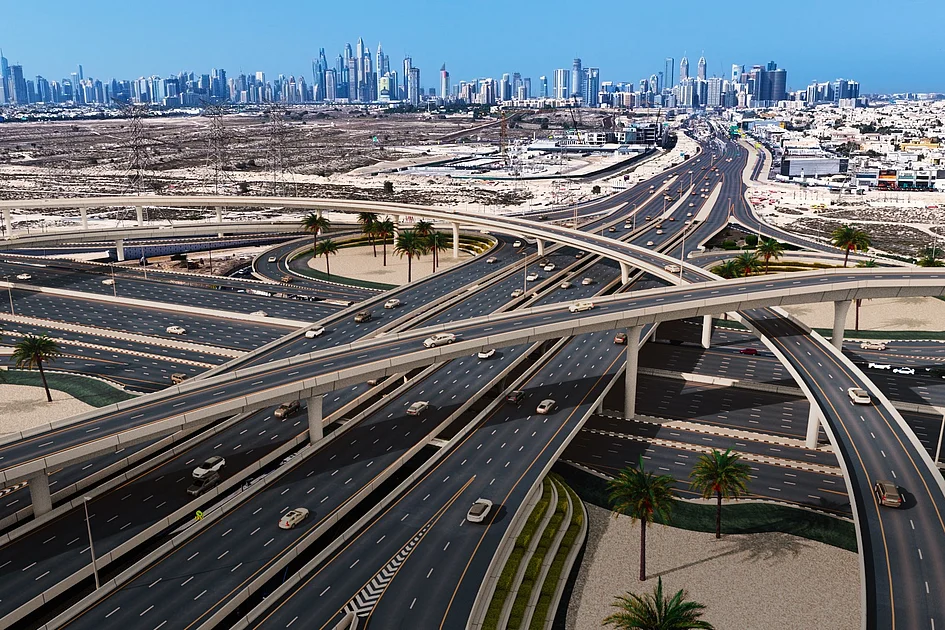
    Dubai’s Roads and Transport Authority (RTA) has initiated a transformative infrastructure project that will dramatically reduce travel times along Hessa Street, cutting a typical 24-minute journey to just five minutes. The ambitious development, currently in its second phase, spans the crucial 3-kilometer corridor between Al Khail Road and Sheikh Mohammed bin Zayed Road, serving as a vital artery for urban mobility.

    The comprehensive upgrade involves sophisticated engineering solutions including the construction of 8,835 meters of bridges and a 480-meter tunnel, significantly enhancing three major intersections. The project will double Hessa Street’s capacity from 4,000 to 8,000 vehicles per hour, directly benefiting approximately 650,000 residents across ten residential and development areas including Al Barsha South, Arjan, Dubai Science Park, and Motor City.

    Phase two specifications include expanding Hessa Street from two to four lanes in each direction, constructing grade-separated collector roads, and implementing multiple directional ramps to optimize traffic flow. A notable 2,215-meter bridge system will accommodate 18,200 vehicles hourly, while a 525-meter braided ramp will eliminate congestion points between Al Khail Road and Al Khamila Street.

    Concurrently, Phase one developments nearing April completion feature upgraded intersections at Sheikh Zayed Road, First Al Khail Street, Al Asayel Street, and Al Khail Road. This initial phase already delivered a 1,000-meter bridge enabling travel time reduction from 15 to 3 minutes between key corridors, alongside a 13.5-kilometer cycling track integrating with Dubai Internet City Metro Station.

    The project incorporates sustainable mobility solutions through a 10.4-kilometer dedicated cycling and e-scooter track connecting Dubai Hills and Dubai Motor City. This infrastructure includes two architecturally distinctive bridges spanning Sheikh Zayed Road and Al Khail Road, each featuring segregated lanes for cyclists and pedestrians with capacity for 5,200 users hourly.

    Additional enhancements involve converting all existing roundabouts to signalized intersections, widening Al Hadaeq Street to dual carriageway with three lanes each direction, and implementing comprehensive traffic management systems throughout the corridor. The development represents Dubai’s continued commitment to cutting-edge urban planning and multimodal transportation integration.
  • Ramadan rush: How Saudi Arabia is managing Umrah crowd at Grand Mosque

    Ramadan rush: How Saudi Arabia is managing Umrah crowd at Grand Mosque

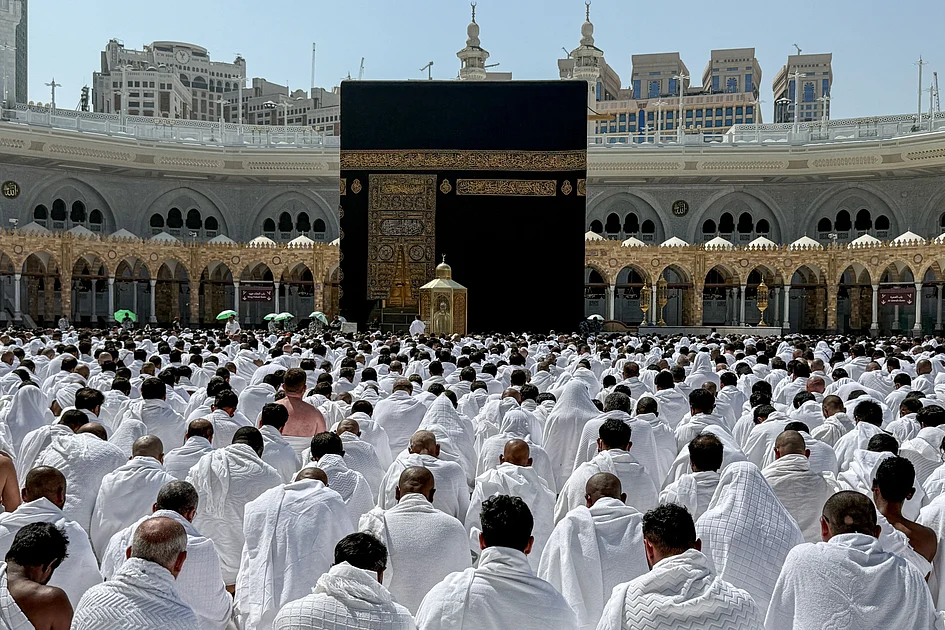
    Saudi authorities have enacted a sophisticated crowd control framework to accommodate the substantial surge in Umrah pilgrims during Ramadan at Mecca’s Grand Mosque. With visitor numbers escalating significantly before, during, and after prayer times, officials have prioritized pedestrian safety through strategic traffic regulations and dedicated walking corridors.

    The comprehensive plan includes establishing pedestrian-exclusive zones in the central area with extended vehicle restrictions around prayer periods. Unauthorized motorcycles and bicycles face prohibition, while improperly parked vehicles disrupting pedestrian flow are subject to immediate towing and penalties.

    Transportation logistics have been meticulously organized, featuring public bus services from King Abdulaziz International Airport and fourteen designated parking facilities—nine within the holy capital and five along approach roads. During peak congestion, worshippers unable to access the Grand Mosque or its external courtyards are redirected to alternative prayer facilities equipped for their needs.

    The sacred Mataf area, the white marble precinct encircling the Kaaba, has been reserved exclusively for Umrah rituals throughout daylight hours to ensure ceremonial safety and sanctity.

    Access management employs an innovative illuminated signage system at mosque entrances: green signals indicate available space, while red denotes full capacity. Security personnel actively guide worshippers to accessible prayer, tawaf, and sa’i areas across multiple levels and courtyards.

    Transport alternatives include Haramain train services to Rusayfah station, shuttle connections between parking areas and central transport hubs, regulated taxi services, and walking routes from adjacent neighborhoods. Private vehicle access remains restricted to non-Muhrim drivers complying with onsite traffic directives.

    Capacity constraints emerge particularly during Friday prayers, Maghrib, Isha, Tarawih, and the spiritually significant Tahajjud prayers in Ramadan’s final ten days. Authorities emphasize strict adherence to directional signage and prohibit congregation in walkways, roads, and courtyards.

    Accessibility provisions allocate ground floor space (excluding Mataf) for persons with disabilities, while electric carts operate on the first floor for Umrah performers requiring mobility assistance.

    Mandatory Umrah permits remain essential, with pedestrian routes receiving priority in the Grand Mosque’s immediate vicinity. Muhrim drivers must utilize designated city-entry parking and complete their journey via public transport.

    Prohibited activities encompass weapons possession, smoking, vending, begging, donation collection, luggage storage, escalator interference, and bringing children into overcrowded zones. Any action compromising safety or disrupting worship activities is strictly forbidden.

  • Ruler of Sharjah receives Ramadan Greetings from well-wishers

    Ruler of Sharjah receives Ramadan Greetings from well-wishers

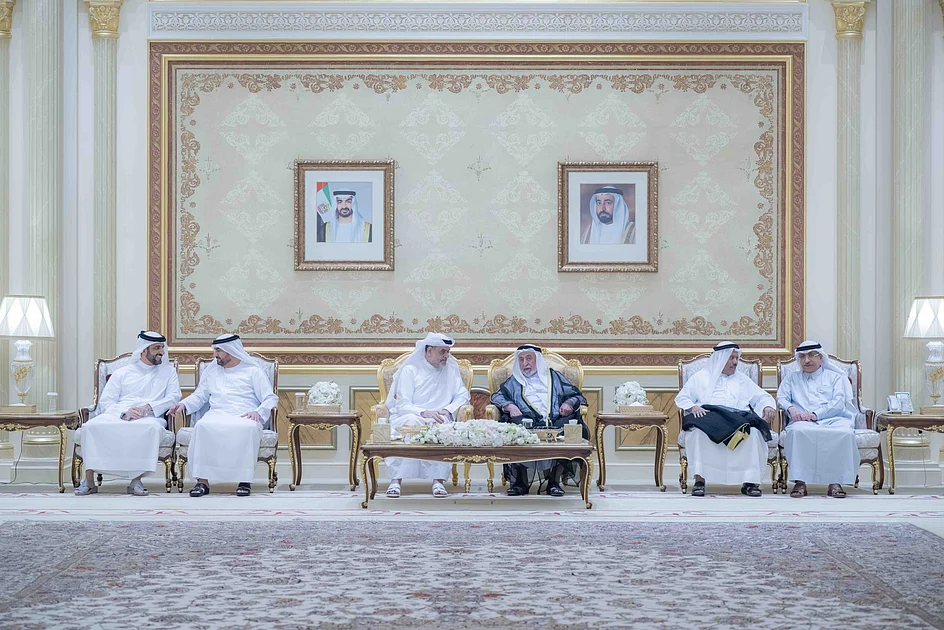
    In a display of traditional leadership and communal solidarity, His Highness Sheikh Dr. Sultan bin Muhammad Al Qasimi, Supreme Council Member and Ruler of Sharjah, hosted an official reception ceremony at Al Badee Palace on Wednesday evening to mark the commencement of the holy month of Ramadan. The event saw the attendance of prominent government figures, including Abdulrahman bin Mohammed Al Owais, Minister of State for Federal National Council Affairs, alongside senior officials, department directors, high-ranking police officers, tribal representatives, and citizens. The Ruler was accompanied by Sheikh Sultan bin Mohammed bin Sultan Al Qasimi, Crown Prince and Deputy Ruler of Sharjah; Sheikh Abdullah bin Salem bin Sultan Al Qasimi, Deputy Ruler; and Sheikh Sultan bin Ahmed bin Sultan Al Qasimi, Deputy Ruler. Well-wishers extended their heartfelt congratulations for the sacred occasion, offering prayers for the Ruler’s continued health and wellbeing. They further invoked divine blessings for the UAE’s ongoing development and prosperity, as well as for peace and harmony throughout Arab and Islamic nations during this period of spiritual reflection.

  • Rescuers recover final body after deadly California avalanche

    Rescuers recover final body after deadly California avalanche

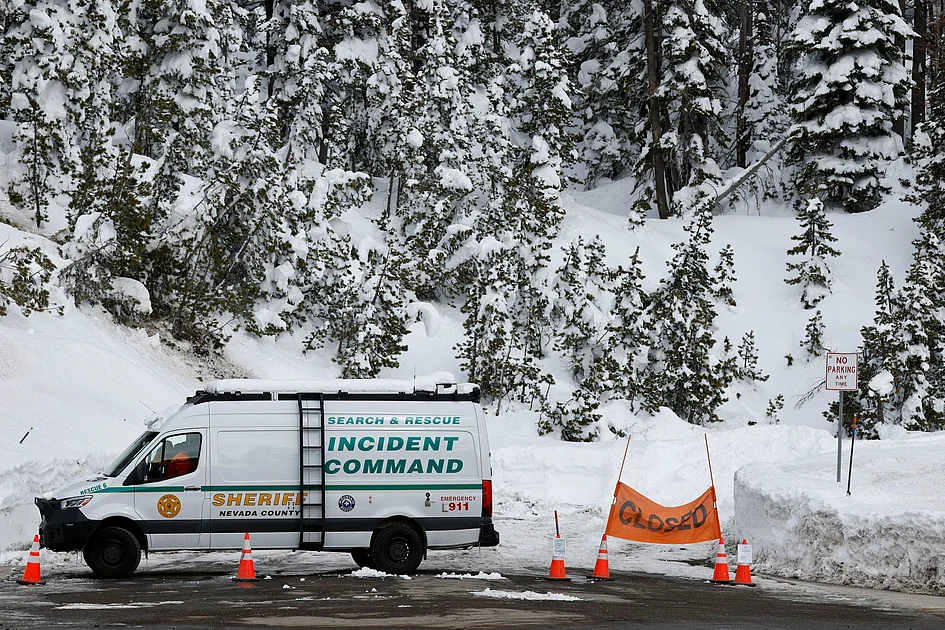
    Rescue teams in California have concluded recovery operations after locating the ninth and final victim of a catastrophic avalanche that struck the Sierra Nevada mountains. The Nevada County Sheriff’s Office confirmed the completion of search efforts on Saturday following the deadliest US avalanche incident in modern history.

    The tragedy unfolded on Tuesday when a guided backcountry skiing expedition on 9,109-foot Castle Peak near Lake Tahoe was engulfed by a massive snow slide. The group consisted of four professional guides and eleven paying clients, six of whom miraculously survived the devastating event.

    Despite immediate distress calls from survivors, rescue teams faced extreme operational challenges due to persistent white-out conditions and continuing avalanche risks. Inclement weather throughout the week further complicated recovery efforts, forcing operations to extend through the weekend.

    In an official statement, Sheriff Shannan Moon expressed profound grief: ‘There are no words that truly capture the significance of this loss. Our hearts mourn alongside the families of those affected by this catastrophic event.’

    Families of six victims have identified them as women who were ‘mothers, wives and friends, all connected through their love of the outdoors.’ According to family statements reported by US media, the victims were ‘passionate, skilled skiers who cherished time together in the mountains,’ while many questions about the tragedy remain unanswered.

    The incident now stands as one of the most lethal avalanche events in contemporary American history, raising significant concerns about backcountry safety protocols and guided mountain expeditions during high-risk winter conditions.

  • Latest weather forecast as US states brace for Nor’easter

    Latest weather forecast as US states brace for Nor’easter

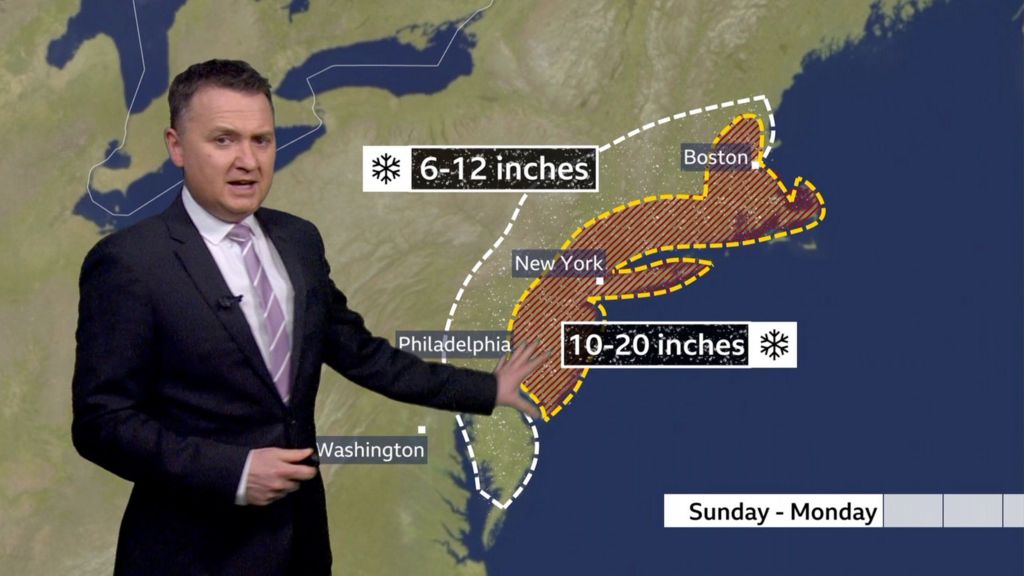
    Meteorological authorities have issued urgent warnings as a powerful Nor’easter storm system prepares to unleash severe winter conditions across the northeastern United States. The developing weather pattern is expected to generate hurricane-force wind gusts reaching 70 miles per hour alongside significant snowfall accumulation, creating potentially dangerous blizzard conditions throughout the region.

    The approaching storm represents a substantial atmospheric disturbance characterized by rapidly dropping barometric pressure and intense precipitation bands. Weather modeling indicates the system will follow a classic Nor’easter trajectory, developing along the Atlantic coastline before moving northward parallel to the eastern seaboard. This meteorological setup typically produces the most severe impacts across coastal New England states through interior regions.

    Emergency management agencies across multiple states have initiated preparedness protocols, advising residents to complete storm preparations immediately. The anticipated combination of heavy snowfall and extreme winds threatens to create whiteout conditions that would make travel virtually impossible and potentially knock out power infrastructure. Transportation departments have pre-positioned snow removal equipment and are prepared to implement travel restrictions if conditions deteriorate as forecasted.

    Meteorologists emphasize this particular storm’s unusual intensity for early winter, noting the rapid intensification process occurring over unusually warm Atlantic waters. The temperature contrast between cold continental air and warmer ocean moisture is fueling the storm’s development, creating conditions ripe for explosive cyclogenesis. This rapid strengthening phenomenon explains the forecasted extreme wind fields that will accompany the precipitation.

    The National Weather Service has highlighted particular concerns for coastal communities where wind-driven storm surges may compound the blizzard conditions. Emergency officials recommend that residents in affected areas maintain emergency supplies adequate for several days of potential isolation due to impassable roads and possible power outages. The storm’s timing suggests impacts will be felt most severely during overnight and early morning hours, potentially extending through multiple tidal cycles in coastal zones.

  • Display of St. Francis of Assisi’s bones confirms enduring appeal of relics for Christians

    Display of St. Francis of Assisi’s bones confirms enduring appeal of relics for Christians

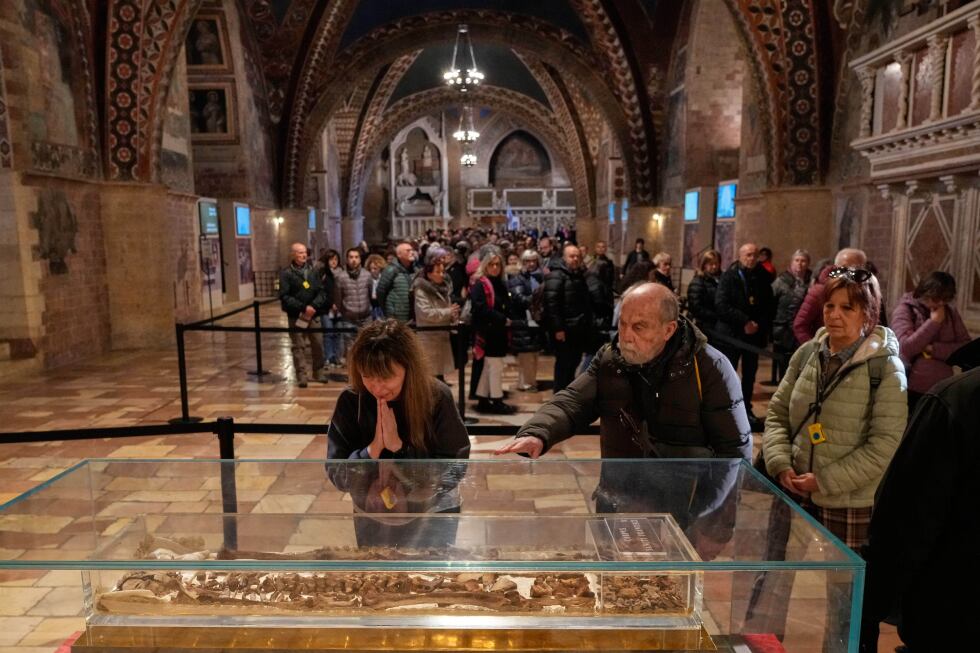
    ASSISI, Italy — In an unprecedented spiritual event marking the 800th anniversary of St. Francis of Assisi’s death, the revered saint’s skeletal remains were unveiled for public veneration Sunday, attracting nearly 400,000 registered pilgrims. The bones, meticulously preserved within a sleek bulletproof Plexiglas case, are displayed in the Lower Basilica of St. Francis—the very hilltop Umbrian town the medieval friar transformed into a global spiritual destination.

    The month-long exposition, running through March 22, represents both a commemorative act and a spiritual revival initiative. Franciscan organizers aim to reinvigorate St. Francis’s enduring messages of peace, fraternity, and radical humility—values that subsequently inspired Pope Francis to adopt his name upon election to the papacy.

    This extraordinary display concludes an eight-century saga surrounding the saint’s physical remains. Born in 1182 to wealth before embracing mendicant poverty, St. Francis reportedly manifested the stigmata—Christ’s crucifixion wounds—toward his life’s end. His posthumous journey proved equally remarkable: fearing relic theft common during medieval Christianity, followers secretly interred his body within the basilica’s unmarked column, where it remained hidden for nearly six centuries until its 1818 rediscovery and subsequent authentication by Pope Pius VII.

    Brother Giulio Cesareo, spokesman for Assisi’s Franciscans, emphasized the exhibition’s theological significance: ‘This is not macabre veneration but rather encountering Francis through venerating the Holy Spirit that animated his humanity. For believers, this becomes a pathway to spiritual renewal.’

    Contemporary visitors witness the striking physical fragility of the saint—his delicate bone structure reflecting documented struggles with health and nutrition. Yet the spiritual magnitude remains undeniable. Devotee Fiorella Farina, who named her children Francesco and Francesca, expressed profound emotion: ‘Just discussing this gives me goosebumps. In our current historical moment, we need his message more than ever.’

    Security measures surrounding the relics are both extensive and discreet, incorporating metal detectors, enhanced police presence, canine units, and surveillance systems—appropriate precautions given historical accounts of attempts to fragment the saint’s garments during his lifetime. Pilgrims experience the relics in carefully managed 10-minute intervals, with registrations opening months in advance.

    As explained by Brother William Short of the University of San Diego: ‘Relic veneration stems from natural human desire for connection. The Church channels this toward Christ through the physical remains of saints—our heavenly siblings.’ Despite historical instances of forgery and commercialization, the spiritual potency of relics remains undiminished for the faithful, making this exhibition a once-in-a-lifetime convergence of history, faith, and tradition.

  • Respect Moment | Guardians of Peace

    Respect Moment | Guardians of Peace

    While millions of Chinese families gathered for traditional Spring Festival reunions, the nation’s military personnel maintained unwavering vigilance across the country. During the most important cultural celebration in China, these dedicated service members continued their protective duties to ensure national security and public safety.

    The Spring Festival period, marking the Lunar New Year and characterized by massive domestic travel and family gatherings, represents a time when security demands intensify significantly. Military personnel across all branches remained deployed at their stations, from remote border outposts to urban security details, demonstrating their commitment to public welfare.

    This annual display of military dedication has become an integral part of China’s Spring Festival tradition, symbolizing the sacrifice made by armed forces personnel for national stability. Their continuous service enables the peaceful celebration enjoyed by citizens nationwide, particularly during this period of heightened cultural significance and mass movement.

    The presence of military guardians during festive periods reflects China’s comprehensive approach to national security and public safety management. Their preparedness during major public holidays ensures that traditional celebrations proceed without disruption, maintaining the peaceful environment that characterizes modern Chinese society.

  • Catholic Italy’s Olympic host cities offer different access for Muslims to observe Ramadan

    Catholic Italy’s Olympic host cities offer different access for Muslims to observe Ramadan

    The convergence of the 2026 Winter Olympics in Italy with the holy month of Ramadan has created a unique intersection of global sports and religious observance. As athletes and visitors gather in the historically Catholic nation, Muslim communities in both host cities are demonstrating diverse approaches to maintaining their spiritual practices during this sacred period.

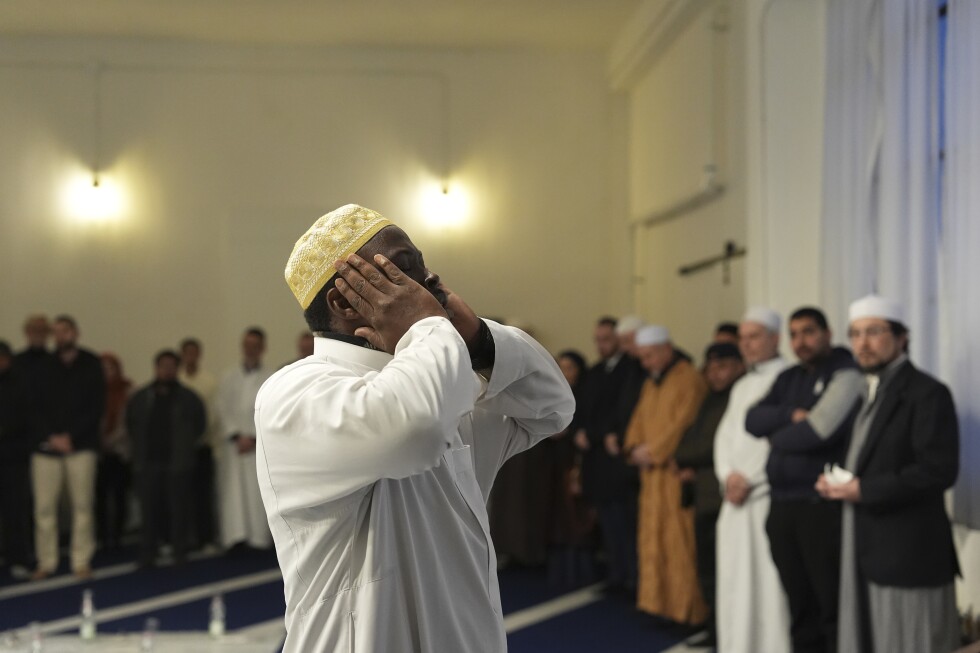
    In multicultural Milan, Islamic centers have embraced the Olympic spirit through interfaith engagement. The Al-Wahid mosque, officially recognized as a place of worship since 2000, has opened its doors to people of all faiths during Ramadan. The mosque hosts weekly iftar dinners and evening prayers, welcoming guests from municipal institutions, Catholic churches, and other religious communities through March 14th—the day before the Paralympics conclude.

    Imam Yahya Pallavicini, vice president of the Italian Islamic Religious Community (COREIS), emphasized the symbolic significance of the Games: “Sport, culture and art can help reduce prejudice and fear toward a particular culture or religious identity.”

    The demographic landscape underscores this interfaith dynamic. According to Milan-based research institute ISMU, approximately 400,000 Muslims reside in Lombardy, Italy’s largest immigrant population region. The community includes people from Morocco, Egypt, Bangladesh, Pakistan, and Bosnia, among other nations.

    In contrast, the mountain host city of Cortina d’Ampezzo presents different challenges for Muslim observance. At an elevation of 1,220 meters, this upscale resort town of 5,000 residents offers limited prayer spaces. Muslim visitors and workers report significant difficulties finding places to worship, with the nearest mosque located in Brunico—over an hour away on difficult roads.

    Rabah Boubegtiten, an Algerian-born driver working with Qatari security, expressed the community’s frustration: “They look everywhere to find a place to pray, but it’s almost impossible.” While interfaith prayer rooms are available at athlete villages, they remain inaccessible to the general public.

    The broader Italian context reveals evolving religious demographics. While approximately 75% of Italy’s 59 million people identify as Catholic, regular church attendance has declined significantly. Meanwhile, Muslims now number 1.7 million, accounting for over 30% of the foreign resident population for the first time.

    This demographic shift occurs against a political backdrop of increased right-wing, anti-immigrant sentiment. Prime Minister Giorgia Meloni’s government has pledged stricter migration controls since taking office in 2022. However, Pallavicini notes that Italy’s Muslim population now includes growing numbers of second-generation Italian Muslims, converts, and native-born citizens alongside migrants.

    The personal stories illustrate this transformation. Amina Croce, 28, raised by Italian Catholic parents who converted to Islam, represents the emerging face of Italian Islam. As leader of COREIS’s youth division, she views religious diversity as part of Europe’s historical fabric: “We believe this diversity is part of Italy’s broader cultural heritage. It may still be underappreciated, but we hope it will be recognized more in the future.”

  • Chinese tourists soak in festive vibes of Spring Festival across the globe

    Chinese tourists soak in festive vibes of Spring Festival across the globe

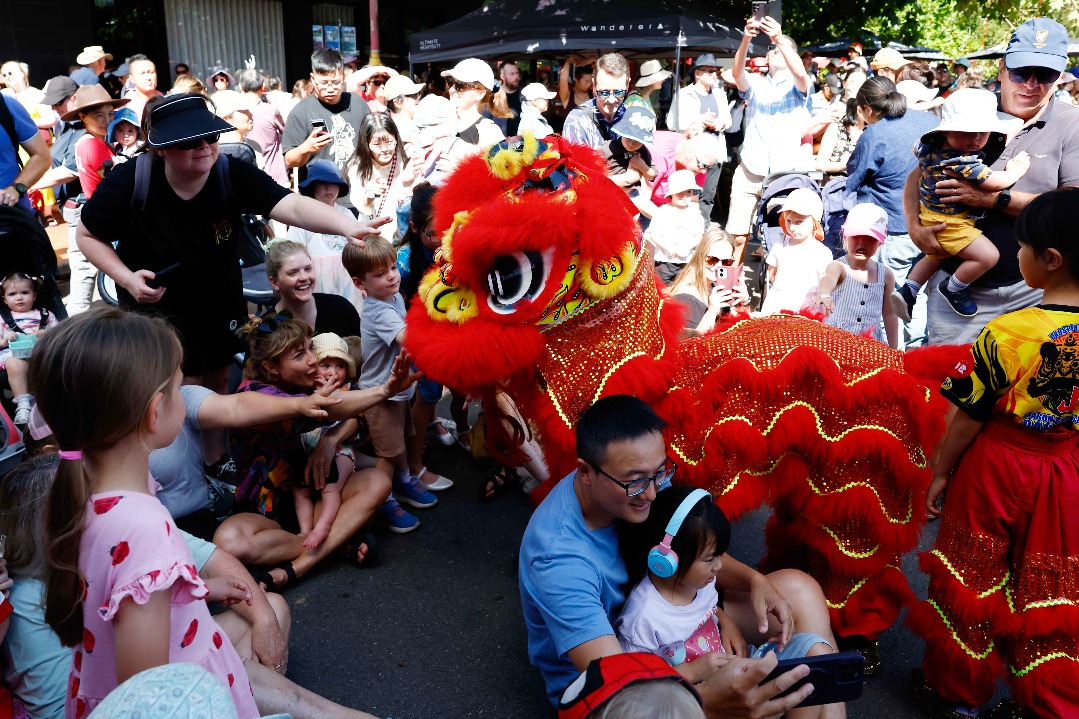
    As the 2026 Lunar New Year unfolded, Chinese travelers embarked on international journeys, discovering that geographical boundaries could not diminish the vibrant spirit of Spring Festival celebrations. From London’s iconic landmarks illuminated in crimson to traditional lion dances captivating global audiences, the Chinese New Year evolved into a truly worldwide phenomenon.

    In the British capital, the London Eye dazzled spectators with a brilliant red glow while traditional performers executed intricate lion dances at its base on February 16th. This visual spectacle formed just one component of extensive international festivities that seamlessly blended cultural presentation with cross-cultural engagement.

    The overseas celebrations transcended mere visual displays, incorporating lavish festive banquets that introduced global communities to authentic Chinese culinary traditions. These gastronomic experiences provided tangible connections to Chinese heritage while creating shared moments of cultural appreciation.

    Tourism industry analysts observed that these international celebrations generated mutually beneficial exchanges. Local economies experienced significant boosts from increased tourist activity while Chinese travelers enjoyed familiar traditions in novel settings. The festivities effectively demonstrated how cultural practices can adapt to global contexts while maintaining their essential character.

    The widespread international participation in Spring Festival events indicated a growing global appreciation for Chinese cultural traditions. These celebrations have evolved into anticipated annual occurrences in numerous world cities, reflecting deepening cultural connections and mutual understanding between China and nations worldwide.

  • China sees record daily passenger flow in Spring Festival travel rush

    China sees record daily passenger flow in Spring Festival travel rush

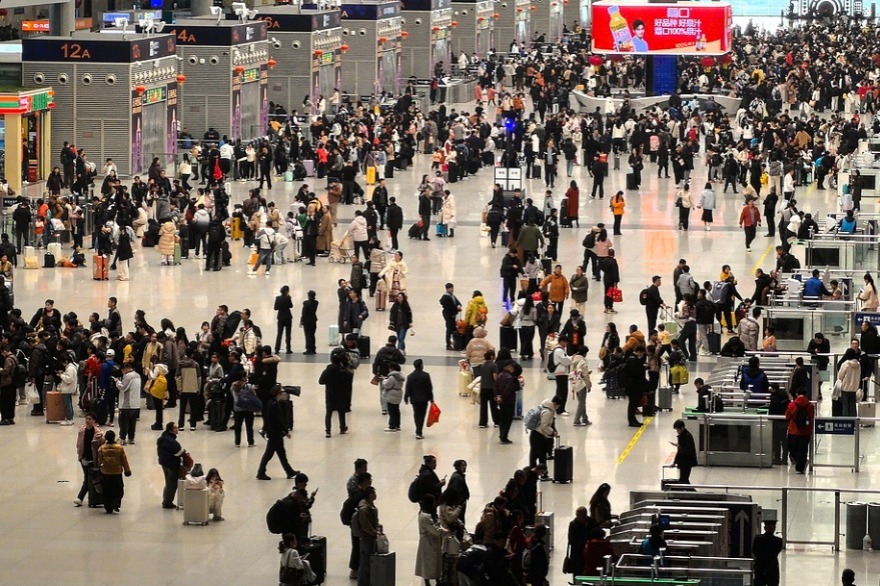
    China’s annual Spring Festival travel period has achieved a monumental milestone, with daily cross-regional passenger movement surging to unprecedented levels. Official data released by the Ministry of Transport on February 22, 2026, reveals that February 20 witnessed an extraordinary 352.999 million passenger journeys across the nation, establishing a new historical record for daily mobility during this traditional migration period.

    This remarkable figure represents a substantial 12.3 percent increase compared to the equivalent day during the 2025 Spring Festival travel season, highlighting the growing intensity of what is universally recognized as the planet’s largest periodic human migration. The 2026 chunyun period, spanning 40 days from February 2 to March 13, is projected to culminate in approximately 9.5 billion inter-regional passenger trips, far surpassing previous years’ volumes.

    The Spring Festival, alternatively known as Chinese New Year, occurred on February 17 this year, with official celebrations extending across a nine-day holiday period. This cultural phenomenon drives hundreds of millions of Chinese citizens to undertake extensive journeys to reunite with family members in their hometowns, creating extraordinary transportation demands across railway networks, highways, airports, and waterways.

    The transportation infrastructure demonstrated remarkable resilience in managing this colossal passenger volume, implementing sophisticated crowd management strategies and optimized scheduling to ensure safe and efficient travel experiences. This record-breaking mobility reflects both China’s ongoing urbanization trends and the enduring cultural significance of family reunification during traditional festivals, despite the logistical challenges presented by such massive population movements.