分类: society

  • More Ghanaians are wearing a cultural outfit after their president was mocked

    More Ghanaians are wearing a cultural outfit after their president was mocked

    ACCRA, Ghana — A cultural revival is sweeping through Ghana as the traditional fugu garment gains unprecedented popularity, transforming from regional attire into a national symbol of heritage pride. This remarkable resurgence originated from an unexpected source: social media criticism directed at President John Dramani Mahama’s choice to wear the distinctive striped smock during an official visit to Zambia in early February.

    The online mockery triggered a powerful counter-movement among Ghanaians determined to defend their cultural legacy. The groundswell of support culminated in Tourism Minister Abla Dzifa Gomashie’s official declaration of Wednesdays as “Fugu Day” on February 10, establishing a weekly celebration of national identity through fashion.

    Across central Accra, vendors like Clement Azaabire witness the transformation firsthand as he displays meticulously sewn fugu smocks that dance in the breeze. After fifteen years of dedicated craftsmanship, Azaabire now experiences unprecedented demand, with inventory selling rapidly since the cultural movement gained momentum.

    The fugu’s historical significance traces back to Ghana’s independence era when first President Kwame Nkrumah wore the garment during the landmark 1957 ceremony. Traditionally handwoven by northern artisans using narrow looms, the fabric (known locally as batakari) represents generations of weaving expertise passed through families. Scholars attribute its development to West African trade routes and cultural exchanges with Mossi and Hausa communities, with the term ‘fugu’ deriving from the Mossi word for cloth.

    Contemporary fashion designers like Perfectual Linnan of Roots by Linnan are reimagining the traditional fabric for modern audiences, creating jackets, trousers and everyday wear that maintains cultural connections while appealing to broader demographics. “We’re demonstrating how northern fabric can adapt to different styles,” Linnan explains. “Even those who prefer contemporary fashion can carry cultural heritage with them.”

    This renaissance presents both opportunities and challenges for the artisan community. Moses Adibasa, who has crafted traditional smocks for nearly two decades, expresses optimism about the economic ripple effect benefiting thread sellers, weavers and tailors alike. However, production limitations threaten to constrain growth. Abigail Naki Gabor, secretary of Ghana’s smock weavers and sellers association, notes that many artisans struggle to meet escalating demand due to manual production methods.

    The government is responding with broader initiatives including the “Wear Ghana” campaign promoting local fashion through upcoming trade exhibitions, according to Kofi Atta Kakra Kusi of the Ghana Tourism Authority. Yet Linnan cautions against treating the garment purely as commodity: “This represents careful, intentional craftsmanship. If we prioritize commercialization over cultural preservation, we risk losing something profoundly important.”

  • Police share major update in search for missing mother-of-six Trisha Graf

    Police share major update in search for missing mother-of-six Trisha Graf

    South Australian police have relaunched intensive search operations for Trisha Graf, a 41-year-old mother of six who vanished under mysterious circumstances just days before Christmas last year. The renewed investigation focuses on two critical locations in the remote mining town of Andamooka, approximately 600 kilometers north of Adelaide.

    Ms. Graf was last visually confirmed driving along Dunstan Drive in the early hours of December 12, 2023, following an unusual sequence of events that began with her departure from a Roxby Downs hotel with a companion. During her journey, her white 2012 Ford Territory (SA registration S254 BCX) collided with a kangaroo near the Andamooka Township, though she proceeded with her travel despite the incident.

    The case took a disturbing turn approximately ten hours after her last sighting when her partner and a friend discovered her vehicle inexplicably positioned on a dirt mound adjacent to Blue Dam, east of Andamooka. The car was found in an immobilized state, yet there was no trace of Ms. Graf at the scene.

    Initial search efforts included comprehensive ground examinations of the surrounding wilderness and underwater explorations within the dam itself. Authorities subsequently expanded operations to include aerial surveillance techniques covering broader geographical areas. The investigation was officially elevated to a major crime status in January, reflecting growing concerns about potential criminal involvement.

    After more than two months of exhaustive investigation, police have returned to Andamooka with specific forensic objectives. The current operational strategy involves meticulous examination of a residential property within the township and multiple abandoned mine shafts in the proximate vicinity. These locations were identified through ongoing investigative analysis as areas of heightened interest.

    Law enforcement officials have reiterated their appeal for public assistance, urging anyone with information regarding Ms. Graf’s movements or possible whereabouts to contact Crime Stoppers immediately. The case continues to generate significant community concern throughout the region, with family members expressing profound apprehension about her welfare.

  • Multi-agency search underway after man disappears while swimming at Wallis Lake at Forster

    Multi-agency search underway after man disappears while swimming at Wallis Lake at Forster

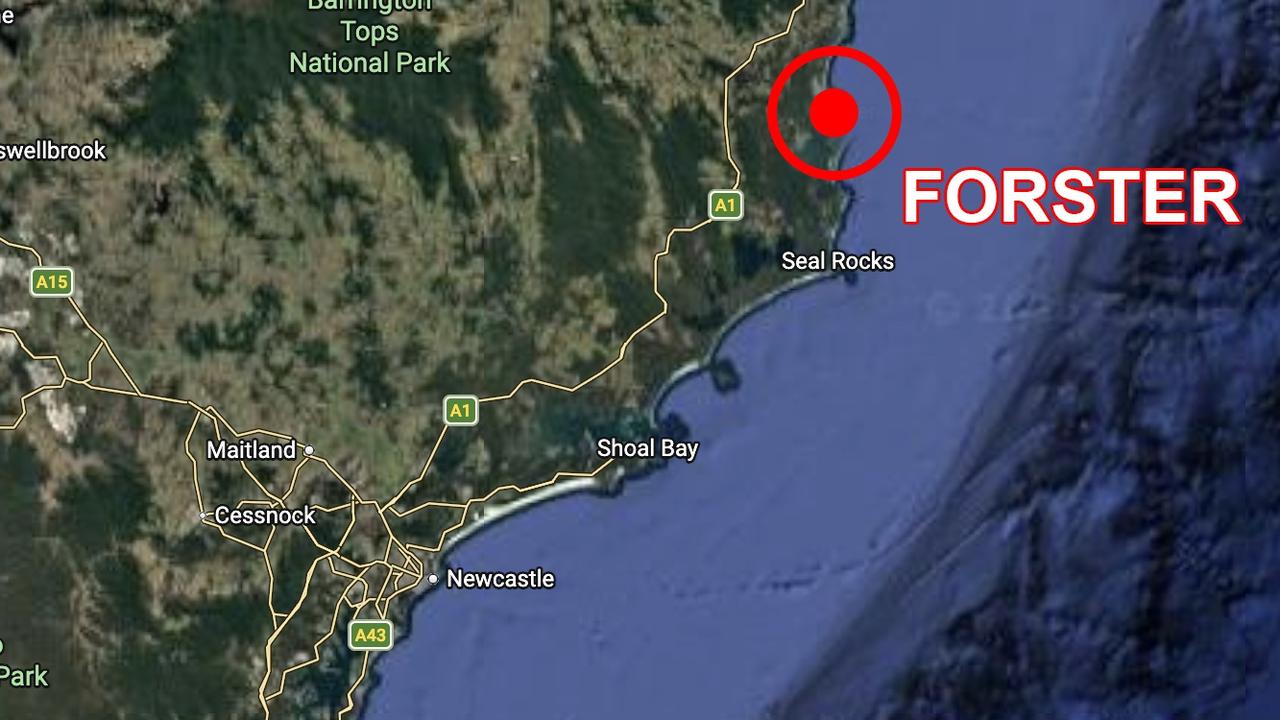
    A comprehensive search operation continues at Wallis Lake in Forster, New South Wales, following the disappearance of a man who failed to resurface after going underwater on Sunday afternoon. Emergency services were alerted to the incident at approximately 4:45 PM when witnesses reported the individual vanishing beneath the water’s surface.

    Multiple rescue organizations have coordinated efforts to locate the missing person. Manning Great Lakes District Police are leading the operation with substantial support from Surf Life Saving Australia and Marine Rescue NSW. The initial search concentrated north of the Forster-Tuncurry Bridge, utilizing specialized equipment and personnel to scour the aquatic environment.

    Despite intensive efforts throughout Sunday, the operation proved unsuccessful in locating the man. The search resumed at first light on Monday, February 23, 2026, with crews expanding their efforts to include both the lake waters and surrounding shoreline areas. The multi-agency response represents a significant deployment of resources to the region approximately three hours north of Sydney.

    Authorities have not released identifying information about the missing individual pending family notifications. The incident has drawn attention to water safety practices in the popular recreational area, though specific circumstances leading to the disappearance remain under investigation. The search continues as emergency teams work methodically through the challenging aquatic environment.

  • ‘Kelly’s law:’ Western Australia to ban dangerous drivers during court process

    ‘Kelly’s law:’ Western Australia to ban dangerous drivers during court process

    Western Australia has implemented groundbreaking legislative changes targeting dangerous drivers following the tragic hit-and-run death of 32-year-old Kelly T’Hart. The new regulations, officially designated as ‘Kelly’s Law,’ mandate immediate driving bans for individuals charged with serious traffic offenses before their court proceedings conclude.

    The legislation emerged from a devastating incident on May 19, 2024, when T’Hart was struck and killed by an intoxicated driver while walking near Mandurah, south of Perth. The alleged driver, 26-year-old Maddison Peace Bain, fled the scene without providing assistance and subsequently faced charges for dangerous driving causing death while under alcohol influence. Despite pleading guilty, Bain retained driving privileges for months before sentencing, even driving past the victim’s family home during this period.

    This legal gap prompted the T’Hart family to campaign vigorously for reforms to the Road Traffic Act 1974. Their efforts resulted in expanded judicial authority to suspend licenses for a broader range of serious offenses, including all drink and drug driving violations, reckless operation of vehicles, extreme speeding incidents, and hit-and-run cases.

    Road Safety Minister Reece Whitby emphasized that the legislation aims to protect public safety by preventing potentially dangerous drivers from remaining on roads during legal proceedings. ‘Drivers who consider themselves above the law and continue endangering lives through dangerous or impaired driving should be prohibited from our roadways,’ Whitby stated. He characterized the law as creating a positive legacy from tragedy while providing stronger deterrents against traffic violations.

    The reforms represent a significant enhancement of previous regulations, which only imposed automatic disqualifications for limited alcohol and drug offenses. Courts now possess expanded powers to extend license disqualification periods until final case resolution.

  • Japan’s emperor expresses concern about 3/11 disaster survivors on his 66th birthday

    Japan’s emperor expresses concern about 3/11 disaster survivors on his 66th birthday

    TOKYO — Emperor Naruhito of Japan delivered poignant remarks ahead of his 66th birthday, expressing profound concern for survivors still grappling with the aftermath of the catastrophic 2011 triple disaster. Speaking just weeks before the March 11 anniversary, the monarch highlighted the ongoing challenges facing affected communities despite visible infrastructure progress.

    “While recovery of infrastructure has made progress, I feel that reconstruction of livelihoods and community still needs to be addressed,” Naruhito stated in pre-released comments. He emphasized the persistent emotional trauma survivors endure, noting: “As I think of those who lost their loved ones and had to cope with complete change of their living environment, I feel their scars have not healed yet… they stay despite the passage of time.”

    The imperial family, including Empress Masako, Princess Aiko, and Crown Prince Akishino’s family, made a traditional balcony appearance at Tokyo’s Imperial Palace to acknowledge cheering well-wishers waving Japanese flags. This public celebration contrasted with the Emperor’s sobering message about the nation’s unfinished recovery.

    The 2011 Great East Japan Earthquake and subsequent tsunami claimed nearly 20,000 lives, displaced hundreds of thousands, and triggered meltdowns at Fukushima Daiichi Nuclear Power Plant. While most radiation-evacuated zones have officially reopened, revitalization remains elusive due to diminished employment opportunities and fractured community bonds.

    Emperor Naruhito stressed the critical importance of intergenerational disaster education, advocating for continuous transmission of hard-earned lessons to younger Japanese citizens. He pledged to maintain closeness with affected populations, sharing their joys and sorrows while praying for future disaster prevention.

    The monarch also addressed royal succession matters, expressing hopes that Princess Aiko would develop into “a fine person as a human being and a royal member” who might contribute to international peacekeeping. His comments emerge amid ongoing debate about Japan’s male-only succession laws, which prevent the 24-year-old princess from ascending the throne and would require her to relinquish royal status upon marrying a commoner.

  • Severe weather to drench NSW with intense rainfall and flash flood risk

    Severe weather to drench NSW with intense rainfall and flash flood risk

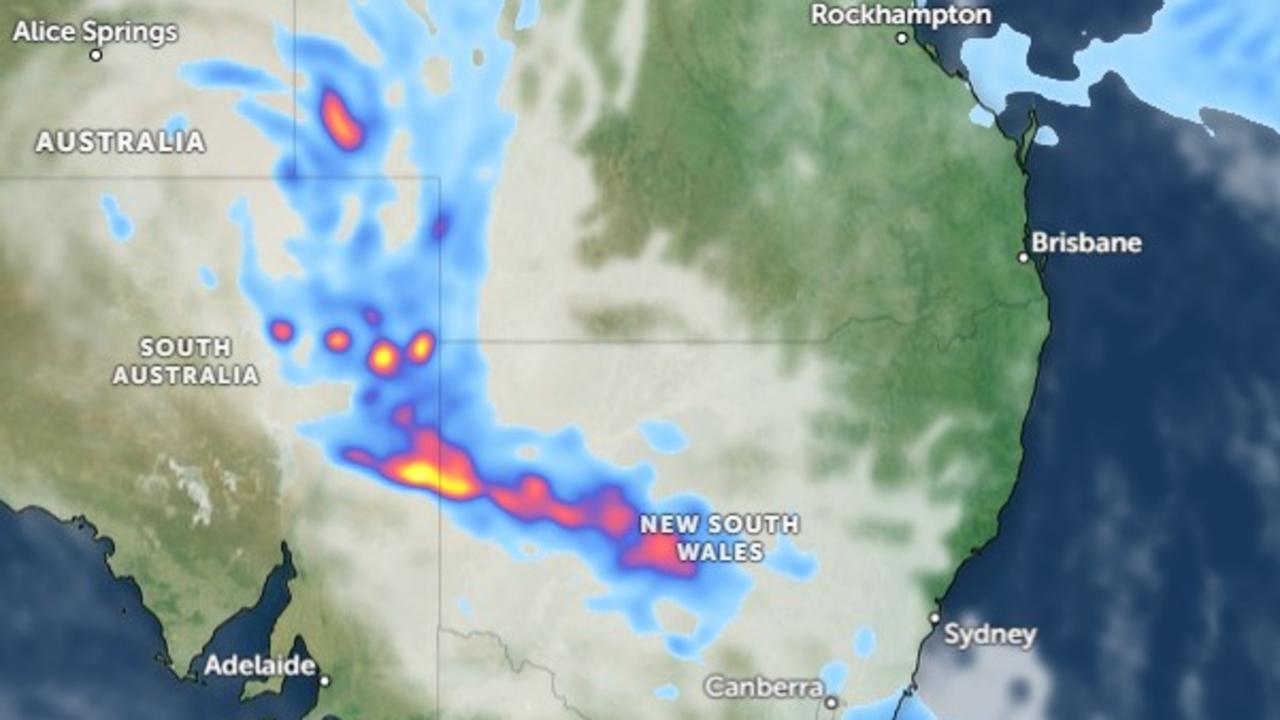
    Meteorological authorities have issued urgent warnings for Australia’s New South Wales region as an extreme weather system threatens to unleash dangerous conditions through Thursday. The Bureau of Meteorology has elevated alerts to severe levels, particularly for the Upper Western District near the South Australian border, where intense rainfall could trigger significant flash flooding events.

    Senior meteorologist Dean Narramore from the Bureau provided concerning projections, indicating widespread rainfall accumulations of 100-200mm across affected regions, with isolated areas potentially receiving 250-300mm by week’s end. Such precipitation levels are expected to create major flooding conditions and substantial operational challenges for emergency services.

    The developing situation stems from an unusual convergence of meteorological phenomena. A persistent tropical low-pressure system originating from central inland Australia has been interacting with a cold front and upper trough system, creating optimal conditions for sustained heavy precipitation and severe thunderstorms.

    Specific communities including Tibooburra, White Cliffs, Wanaaring, Louth, Tilpa and Fords Bridge have been identified as high-risk zones. Preliminary data shows Tibooburra already received 20mm of rainfall within hours since Monday morning, providing a precursor of more substantial rainfall to come.

    The weather system’s influence extends beyond immediate flood concerns. Sydney residents should prepare for increased precipitation probabilities, with forecasts indicating 60% chance of rainfall by Wednesday, escalating to 70% likelihood during the weekend alongside seasonal temperatures ranging from 22°C to 30°C.

    Authorities have expanded monitoring efforts, issuing Flood Watch advisories across multiple jurisdictions including Queensland, South Australia and the Northern Territory, indicating the broad geographical impact of this developing weather pattern.

  • Neo-Nazi Joel Davis to make fourth bail application over alleged message urging MP’s ‘rhetorical rape’

    Neo-Nazi Joel Davis to make fourth bail application over alleged message urging MP’s ‘rhetorical rape’

    Australian far-right extremist Joel Davis is preparing to launch his fourth attempt at securing bail while facing multiple criminal charges, including allegations of inciting violence against a federal parliamentarian. The Melbourne Magistrates’ Court was informed that Davis, a former member of the disbanded National Socialist Network (NSN), will present his latest bail application in New South Wales on April 15th.

    Davis has remained in custody since his arrest on November 20th following allegations that he used social media to encourage supporters to commit ‘rhetorical rape’ against independent federal MP Allegra Spender. The charges stem from Davis’s alleged online harassment campaign against Spender after she publicly condemned a neo-Nazi rally outside state parliament.

    The court appearance also addressed separate charges against Davis and three other former NSN members—Thomas Sewell (32), Nathan Bull (24), and Timothy Lutze (35)—for allegedly disrupting a pro-refugee demonstration in Docklands on October 22, 2024. All four men face charges of offensive behavior after approximately 20 black-clad individuals reportedly interrupted a peaceful protest by Tamil asylum seekers outside the Department of Home Affairs.

    Additionally, Davis faces accusations of inciting racial contempt following an alleged anti-Semitic incident outside a Kew polling station during the lead-up to the 2025 federal election. The case against the four defendants has been adjourned until July 10th to allow Lutze time to seek legal counsel, with Sewell and Bull requesting their cases follow the same timeline.

    Outside the courthouse, former NSN leader Thomas Sewell engaged in an expletive-filled confrontation with media representatives and was met with vocal opposition from several passers-by, highlighting the ongoing public concern surrounding far-right activities in Australia.

  • New York mayor orders citywide travel ban as major storm hits US

    New York mayor orders citywide travel ban as major storm hits US

    A monumental winter storm has descended upon the northeastern United States, prompting extreme emergency measures from state and local governments. New York City Mayor Zohran Mamdani issued a sweeping citywide travel prohibition effective Sunday evening, marking one of the most aggressive responses to winter weather in the past decade.

    The National Weather Service issued grave warnings as the storm system, affecting nearly 54 million people from Maryland to Maine, began delivering snowfall rates of 2-3 inches per hour during its peak intensity. Blizzard conditions rapidly developed across the region, creating dangerously low visibility that rendered Manhattan’s iconic skyline virtually invisible from neighboring Brooklyn.

    Emergency declarations were activated across multiple states, with New Jersey Governor Mikie Sherrill implementing measures to expedite resource allocation. The storm’s severity prompted widespread infrastructure adjustments, including Boston Mayor Michelle Wu’s decision to close all public schools and municipal buildings on Monday.

    Utility companies reported escalating power outages, with nearly 23,000 customers already without electricity in New Jersey by Sunday evening. Meteorological experts warned that heavy snow combined with wind gusts reaching 60 mph could cause additional widespread power failures and moderate to major coastal flooding from Delaware to Cape Cod.

    The timing proved particularly concerning as the region continues recovering from another devastating winter system that claimed over 100 lives just weeks earlier. New York Governor Kathy Hochul emphasized the escalating danger during a press briefing, urging residents to complete all essential preparations immediately before settling indoors for the duration of the emergency.

    Despite the travel restrictions, some residents expressed frustration about conflicting expectations between workplace requirements and government safety mandates. The situation highlights the complex balance between public safety and economic continuity during severe weather events.

  • New York mayor Mamdani orders citywide travel ban ahead of major storm

    New York mayor Mamdani orders citywide travel ban ahead of major storm

    New York City Mayor Zohran Mamdani has instituted a comprehensive citywide travel prohibition in anticipation of a severe winter storm forecasted to impact the US East Coast. The emergency measure, announced during a press briefing on Sunday evening, will remain in effect from 9:00 PM February 22 until 12:00 PM February 23, 2026.

    The directive mandates the closure of all vehicular traffic across New York’s thoroughfares, including streets, highways, bridges, and tunnels. The restriction encompasses private automobiles, commercial trucks, scooters, and electric bicycles. Mayor Mamdani emphasized that the unprecedented action aims to ensure public safety during what meteorologists predict could be one of the most significant winter weather events in recent years.

    Critical exemptions to the travel ban have been established for essential personnel and emergency circumstances. First responders, healthcare workers, utility crews, and other designated essential employees will maintain transportation access throughout the duration of the emergency declaration. Additionally, residents requiring travel for urgent medical needs or other bona fide emergencies will be permitted movement despite the general prohibition.

    The mayor’s decision follows coordinated efforts with state emergency management officials and weather forecasting agencies that project potentially hazardous conditions, including heavy snowfall, strong winds, and reduced visibility. The travel prohibition represents the most severe level of emergency response implemented by the city administration to mitigate storm-related risks and facilitate unimpeded emergency operations.

  • Short of breath, but finding peace, at 18,000 feet

    Short of breath, but finding peace, at 18,000 feet

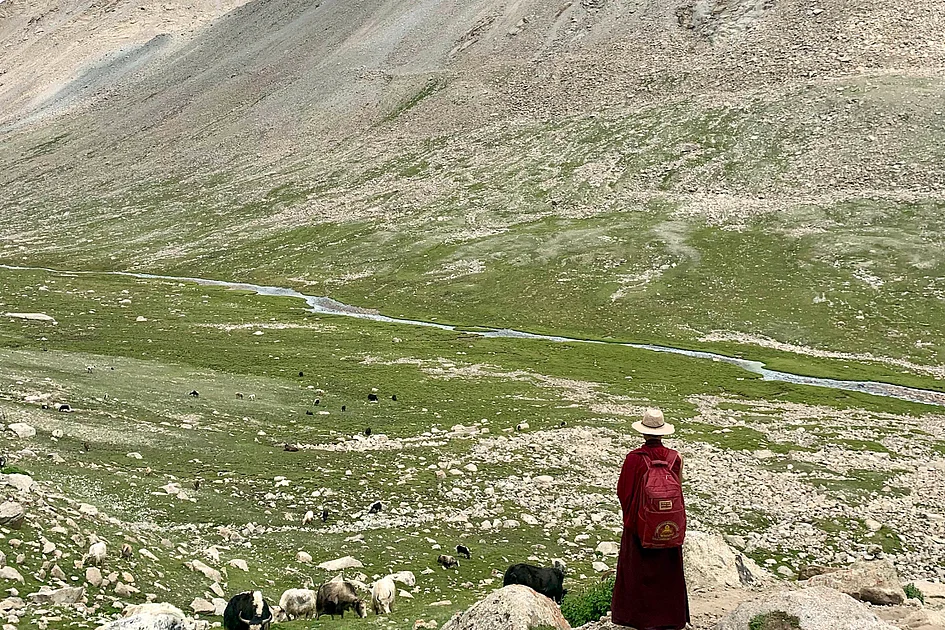
    At 18,471 feet above sea level on Tibet’s Dolma Pass, the thin air extracts every breath with painful precision. This arduous ascent forms part of the sacred kora around Mount Kailash—a 32-mile pilgrimage believed to cleanse sins and bring practitioners closer to nirvana. For one woman, this physical challenge became the backdrop for processing profound personal loss: the recent death of her sister and the collapse of her 19-year marriage.

    Seven months after her sister’s passing, her husband requested divorce, citing years of mutual unhappiness. What followed was a year of emotional probation—attempting to become a “good wife” through careful politeness while teaching at a new university and writing a novel about 19th-century Tibetan travelers during pre-dawn hours.

    The pilgrimage presented both physical and symbolic challenges. Tibetan guides offered stereotypical assumptions about Indian travelers while suggesting pony rides for the difficult ascent. Despite struggling with altitude and remembering a terrifying previous experience with mountain ponies, the author refused, determined to make the journey on foot.

    Along the treacherous path, Tibetan women with children strapped to their backs greeted her with “tashi delek” (wishes for success), their fluid movements contrasting with her labored progress. At the summit, pilgrims pasted photos of deceased loved ones on boulders, hoping to help their souls find deliverance near the home of Hindu deity Shiva.

    In the oxygen-deprived environment, the author found unexpected confession possible, revealing her separation to her guide on what would have been her 20th wedding anniversary. The guide responded with Buddhist philosophy, suggesting her husband’s purpose in her life had been fulfilled and encouraging gratitude for their time together rather than regret for its ending.

    The landscape itself became part of the healing process—the dangerous beauty, the marmots unafraid of humans, the Tibetan monks picnicking casually amidst the harsh conditions. During the final day’s walk past prayer-carved rocks and cliffside warnings, the author experienced her first moments of happiness since her sister’s cancer diagnosis six years earlier.

    In the proximity of her sister’s deities, self-forgiveness emerged as a possibility. The anxiety-driven contortions to make herself “lovable” gave way to acceptance that her flaws made her human rather than despicable. Watching Tibetan pilgrims pray for everyone on Earth, atonement no longer seemed impossible—even if hot showers remained hours away and the immediate reality included frozen tap water and delayed meals.