分类: society

  • From abdication to Diana, Harry and ex-Prince Andrew. A look at major British royal scandals

    From abdication to Diana, Harry and ex-Prince Andrew. A look at major British royal scandals

    The British monarchy faces one of its most severe institutional crises in over a century as Prince Andrew’s recent arrest on suspicion of misconduct in public office creates unprecedented challenges for King Charles III’s reign.

    Scotland Yard detained the former Duke of York for nearly eleven hours Thursday following the release of millions of documents from the U.S. Justice Department’s Epstein files investigation. Authorities are examining whether Andrew improperly shared confidential trade information during his tenure as U.K. trade envoy with the late convicted sex offender Jeffrey Epstein. Notably, the arrest relates solely to potential abuse of office rather than Epstein’s sex trafficking allegations.

    While Andrew has consistently denied wrongdoing regarding his association with Epstein, he has remained silent on these latest allegations. The incident represents another devastating blow to the monarchy already grappling with the King’s cancer diagnosis and previous tensions with Prince Harry.

    King Charles III has taken decisive action to protect the institution, stripping his brother of all royal titles and honors while banishing him from his Windsor residence. The monarch maintains that the legal process must run its course, even as the government considers legislation to remove Andrew from the line of succession.

    This crisis evokes historical parallels to other Windsor family challenges: the 1917 name change from Saxe-Coburg and Gotha during World War I anti-German sentiment; Edward VIII’s 1936 abdication over his relationship with Wallis Simpson; and the massive public outcry following Princess Diana’s 1997 death that forced the Queen to address the nation.

    The current situation poses unique dangers as it combines legal proceedings, reputational damage, and constitutional considerations regarding succession. With Andrew remaining eighth in line to the throne despite his diminished status, the monarchy confronts its most significant legitimacy challenge since its modern iteration began over a century ago.


  • Final missing Lake Tahoe avalanche skier found dead after 5-day search

    Final missing Lake Tahoe avalanche skier found dead after 5-day search

    Rescue teams in California’s Sierra Nevada mountains have recovered the body of the ninth and final missing skier, concluding a five-day search operation following the deadliest avalanche in modern state history. The tragedy struck a 15-person backcountry skiing group near Lake Tahoe’s Castle Peak area last Tuesday, claiming the lives of nine individuals including three professional guides and six clients bound by close friendships and family ties.

    Nevada County Sheriff Shannan Moon officially confirmed the completion of recovery efforts during a Saturday news conference, releasing the names of all victims. The deceased included six clients: Carrie Atkin (46, Soda Springs), Lizabeth Clabaugh (52, Boise, Idaho), Danielle Keatley (44, Soda Springs/Larkspur), Kate Morse (45, Soda Springs/Tiburon), Caroline Sekar (45, Soda Springs/San Francisco), and Katherine Vitt (43, Greenbrae). The three guides from Blackbird Mountain were identified as Andrew Alissandratos (34, Verdi, Nevada), Nicole Choo (42, South Lake Tahoe), and Michael Henry (30, Soda Springs).

    The catastrophic event unfolded as the group returned from a three-day guided expedition, hit by an avalanche spanning an American football field’s dimensions with devastating force—carrying eight feet (2.4 meters) of snow and 90 mph winds. Six members survived the initial impact, with two escaping completely unharmed. These survivors immediately entered what officials described as “frantic mode,” managing to excavate three buried companions who unfortunately did not survive.

    Search and recovery operations faced extreme challenges due to persistent white-out conditions and ongoing avalanche risks. High winds prevented helicopter deployment for several days, forcing crews to wait until Friday when conditions marginally improved. Authorities then implemented a unique mitigation strategy, using helicopters to pour water over the unstable snowpack before sending ground teams to locate the final victim.

    Sheriff Moon expressed both grief and gratitude, stating, “While we wish we could have saved them all, we are grateful that we can bring them home.” The Nevada County Sheriff’s Office has initiated an investigation into potential criminal negligence related to the incident, though details remain undisclosed. The two unharmed survivors are expected to provide critical testimony in reconstructing the sequence of events leading to this tragic outcome.

  • UAE Lottery announces latest Lucky Day draw results

    UAE Lottery announces latest Lucky Day draw results

    The UAE Lottery has announced the outcomes of its weekly Lucky Day drawing held on Saturday, February 21, 2026. While the massive Dh30 million grand prize remained unclaimed, three fortunate participants each secured a substantial windfall of Dh100,000.

    The official winning numbers drawn for the event were confirmed as follows: Days – 18, 10, 1, 8, 5, and 11, with the Lucky Month number being 10.

    In the accompanying Lucky Chance segment of the draw, three individuals were identified as the major winners. The lottery authority released the victorious Lucky Chance IDs: AB0008685, CE5528979, and BS4363602. Each of these holders is now Dh100,000 richer.

    This weekly event operates under a revised structure implemented at the beginning of the year. The current format features a tiered prize system, headlined by the life-changing Dh30 million jackpot. A significant Dh5 million second prize is also available, alongside the recurring weekly Dh100,000 awards. The Lucky Day draws continue to be held every Saturday, offering consistent opportunities for participants across the UAE.

  • How football is helping girls fight against forced marriage

    How football is helping girls fight against forced marriage

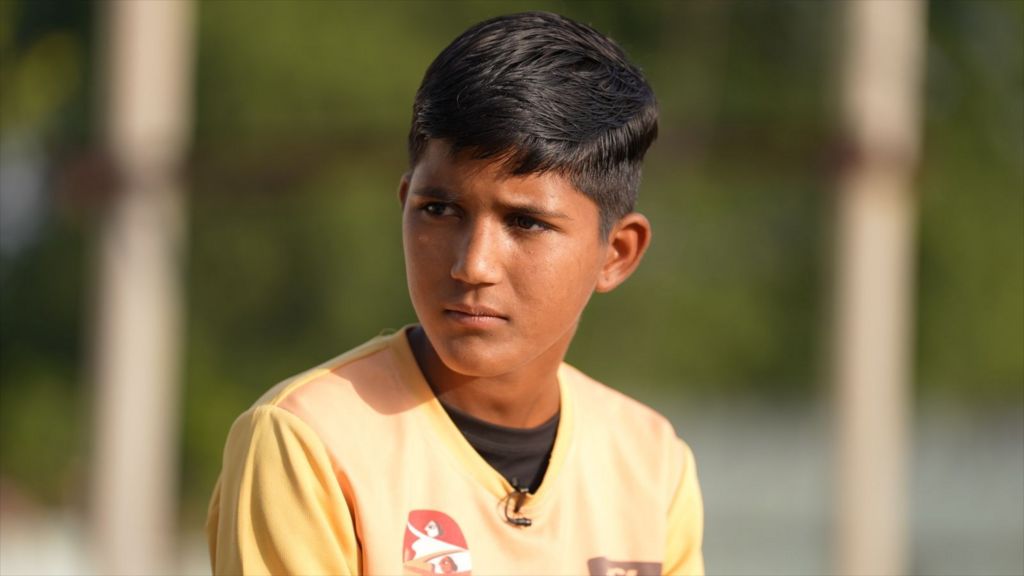
    In the arid landscapes of Rajasthan, a powerful social transformation is unfolding through the unlikely medium of football. Nisha Vaishnav, a 15-year-old from Padampura village, has become an emblem of resistance against entrenched child marriage practices by pursuing her athletic ambitions against formidable cultural odds.

    The journey began when Nisha’s sister Munna introduced her to Football for Freedom in 2022, a grassroots initiative under the Mahila Jan Adhikar Samiti organization that uses sports empowerment to combat systemic gender inequality. The program faced immediate cultural challenges, with villagers criticizing the girls for wearing shorts instead of traditional modest attire. Munna, now 19, recalls the initial stigma: “Village women would point to us saying ‘Look at those girls exposing their legs.’ We ignored them and continued wearing shorts.”

    Nisha’s athletic prowess quickly became apparent as she ascended to Rajasthan’s state football team by 2024, simultaneously defying gender norms by cutting her hair short—a symbolic act of rebellion in a community where long hair represents traditional femininity.

    The football pitch became an unexpected battleground for marital autonomy when, during practice sessions, Nisha attracted unwanted attention from families seeking child brides. In one notable incident, five adults including prospective in-laws photographed her during training. When her mother instructed her to touch their feet as a gesture of respect to marriage proposers, Nisha refused—a radical act in a region where UNICEF reports child marriage rates exceed national averages.

    Her resistance proved successful when, after sustained opposition, the marriage proposal was withdrawn. The sisters later collectively rejected another joint marriage proposal involving their younger brother in 2025. When their father questioned if Nisha had a romantic interest at football practice, she defiantly responded: “There is no lover. I am going to play football – that is my love.”

    The structural challenges remain deeply entrenched. Poverty and tradition perpetuate the practice, with girls often viewed as financial burdens. The sisters’ mother Laali, herself a child bride, represents the generational divide, expressing concerns about daughters being “exposed to bad influences” without early marriage. She acknowledges the illegality of child marriage while explaining how communities circumvent detection: “We do it quietly, without wedding invitations or decorations.”

    Legal frameworks prescribe severe penalties—up to two years imprisonment and 100,000 rupee fines for facilitators—yet enforcement remains inconsistent. While reported cases have increased from 395 in 2017 to 1,050 in 2021, this represents a fraction of the estimated 1.5 million underage marriages occurring annually.

    Football for Freedom coordinator Padma Joshi emphasizes the program’s strategic approach: “We never explicitly stated we were introducing football to stop child marriage.” Instead, they highlight tangible benefits like public sector job reservations for athletes—a powerful incentive in economically marginalized communities.

    The initiative has trained approximately 800 girls across 13 villages since 2016, creating alternative pathways through education and athletic achievement. Munna now pursues a university degree while coaching younger participants, aspiring to become a sports teacher. Nisha aims for the national team or government employment, recognizing that sustained athletic performance until university completion could secure financial independence.

    Their triumphs extend beyond personal success—the team secured first place in the October 2025 under-17 State Level School Games, demonstrating how athletic excellence can redefine traditional expectations. As Munna articulates the program’s philosophy: “Whether I can stop their marriages or not, I want to help these girls become something in life, realize their dreams.”

  • China issues blue alert for cold wave

    China issues blue alert for cold wave

    China’s National Meteorological Center has initiated a blue alert status in response to an advancing cold wave expected to impact vast portions of the country’s northern territories. The meteorological authority announced the temperature advisory on Saturday, warning residents and authorities across affected regions to implement appropriate protective measures.

    According to official forecasts, the arctic air mass will sweep across northern and northeastern China between February 21st and 23rd, triggering substantial temperature declines ranging from 6°C to 10°C. Particularly severe conditions are anticipated in sections of Inner Mongolia Autonomous Region along with the provinces of Heilongjiang, Jilin, and Liaoning, where mercury levels could drop dramatically by 12°C to 14°C.

    The national weather service has urgently advised relevant government departments and agricultural operators to strengthen preparedness initiatives. These precautionary steps specifically aim to safeguard vulnerable crops and aquaculture installations from potential freeze damage during the prolonged cold spell.

    China operates a four-tier color-coded meteorological warning mechanism with blue representing the lowest severity level in this hierarchy. The system progresses through yellow, orange, and red alerts, with red indicating the most extreme weather emergencies requiring maximum precautionary responses.

  • Bangladeshi expat missing in Ajman since Ramadan eve; last seen on CCTV footage

    Bangladeshi expat missing in Ajman since Ramadan eve; last seen on CCTV footage

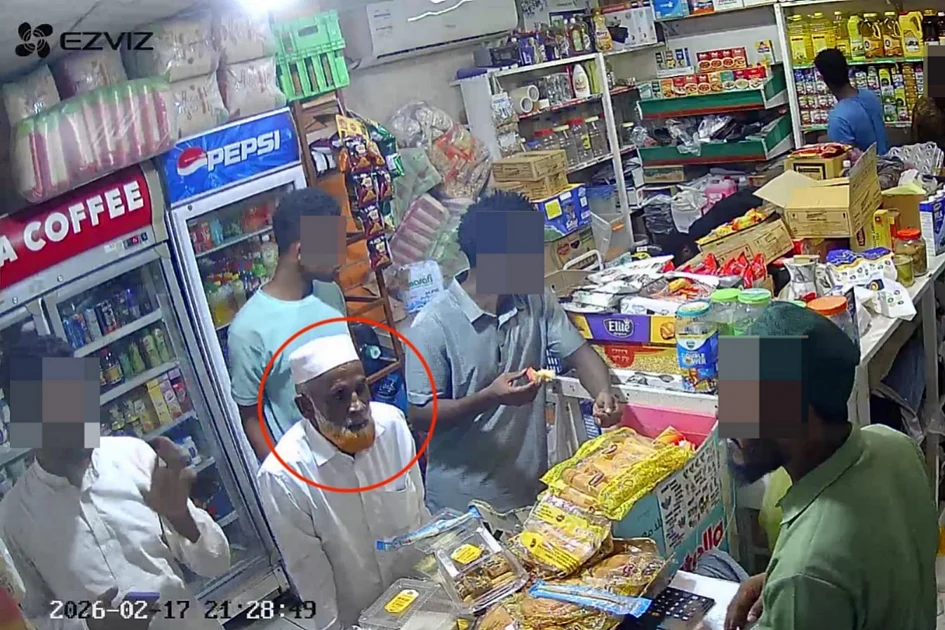
    The United Arab Emirates community has mobilized to locate MD Surooq Mia, a 56-year-old Bangladeshi national who vanished under mysterious circumstances in Ajman on February 17, coinciding with Ramadan eve. The long-term resident, employed as a car washer for fifteen years, was last captured on surveillance footage at approximately 9:28 PM entering a local grocery store in the industrial district, dressed in traditional South Asian attire consisting of a lungi and white shirt.

    According to his employer, Shehzaad, Surooq had completed his regular shift, returned to his residence, transferred funds to his family in Bangladesh, showered, and eaten dinner before departing unexpectedly. Notably, the missing man left behind all critical personal documents—including his Emirates ID and passport—and carried merely 100 dirhams, suggesting no premeditated plans for an extended absence.

    Shehzaad, an Indian expatriate operating a family enterprise, expressed profound concern regarding his employee’s unexplained disappearance. “We maintain complete trust in him,” he stated. “His recent monetary transfer to relatives demonstrates responsible behavior, and we have identified no plausible motives for voluntary departure.”

    Authorities have indicated that formal missing person procedures require a seven-day waiting period before official reports can be filed. Meanwhile, Surooq’s colleagues have initiated independent search operations, checking multiple police stations and immigration offices without success. The missing man’s family in Bangladesh, comprising his wife, three children, and grandchild, remain desperately anxious for information. His youngest son, MD Shariful Islam, reported their final communication occurred shortly before the disappearance, during which Surooq mentioned needing to visit the market.

    The employer has provided the family with copies of identification documents to facilitate potential official inquiries. Described as physically slight—approximately 4 feet 8 inches tall and 50 kilograms—Surooq is generally considered to be in satisfactory health despite being a passive smoker. Community members and relatives continue to hope for his safe recovery and urge anyone with relevant information to contact 0557712686.

  • Hong Kong to offer buy-outs for flats damaged in deadly fire

    Hong Kong to offer buy-outs for flats damaged in deadly fire

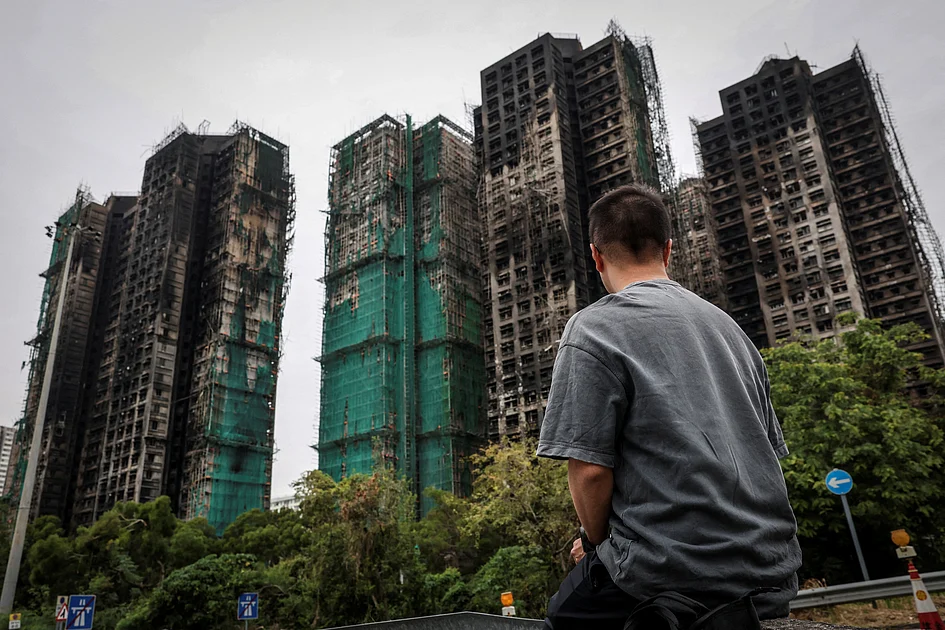
    Hong Kong’s government has unveiled a comprehensive HK$6.8 billion (US$870 million) acquisition scheme for property owners affected by last November’s catastrophic high-rise fire at Wang Fuk Court in northern Hong Kong. The blaze, which claimed 168 lives and displaced thousands of residents, inflicted what officials describe as ‘irreversible’ structural damage to seven of the complex’s eight towers.

    Deputy Financial Secretary Michael Wong announced the decision on Saturday, explaining that the government would offer compensation ranging from US$441,000 to US$650,000 per unit based on apartment size. The initiative will extend to approximately 1,700 property owners who lost their homes in one of Hong Kong’s deadliest residential fires.

    Contrary to some residents’ hopes for reconstruction, authorities determined that rebuilding the devastated complex would require at least nine years. Instead, the site will be redeveloped as public green space or community facilities. Wong characterized the tragedy as ‘a special case of an exceptional nature’ that justified unprecedented government intervention to prevent the damaged properties from becoming completely worthless.

    The funding package will draw approximately US$510 million from public coffers, with the remainder sourced from a dedicated relief fund. Survey data presented by officials indicated only 9% of affected owners insisted on redevelopment as their sole acceptable solution.

  • Want to avoid mall crowds in Ramadan? Pray, eat homemade Emirati iftar at Sharjah’s Al Dhaid

    Want to avoid mall crowds in Ramadan? Pray, eat homemade Emirati iftar at Sharjah’s Al Dhaid

    As Ramadan transforms evening routines across the UAE, the historic town of Al Dhaid in Sharjah has emerged as an unexpected sanctuary for those seeking an alternative to commercialized iftar experiences. Located approximately 90 minutes from Dubai, this destination combines spiritual observance, cultural immersion, and authentic Emirati cuisine within a single, cohesive experience.

    The recently inaugurated Al Nasr Mosque, distinguished by its striking glass dome architecture that floods the prayer hall with natural light, serves as the spiritual centerpiece. Worshipers find the space remarkably serene and uncrowded even during peak Ramadan periods, with ample organized parking facilitating stress-free visits.

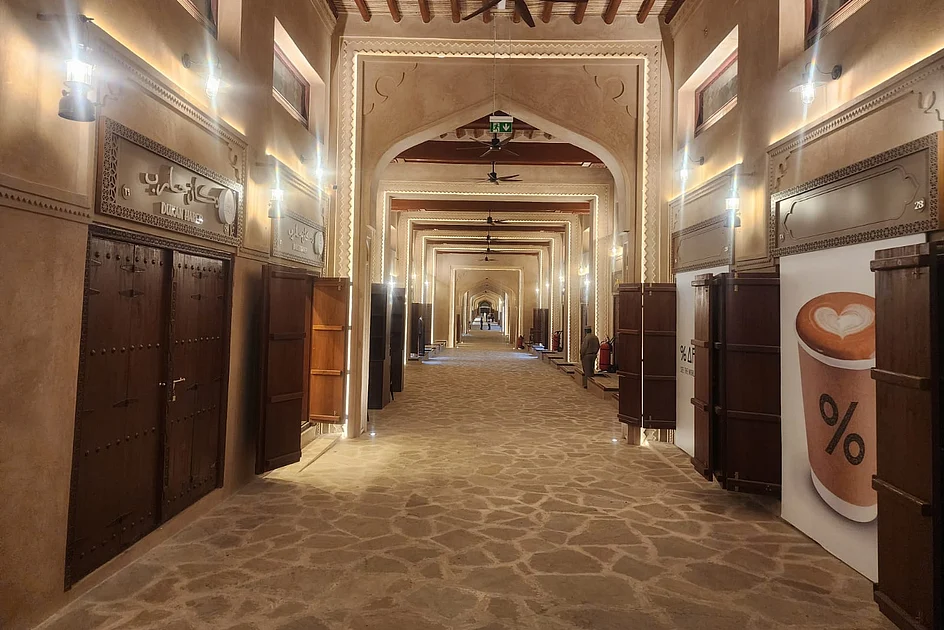
    Adjacent to the mosque, the newly opened Souq Sharia’t presents a stark contrast to contemporary shopping malls. Designed with architectural elements reminiscent of traditional Emirati trading towns, the marketplace features sand-colored walls, stone flooring, and heavy wooden doors with decorative metal studs. The complex houses approximately 34 establishments including traditional clothing stores, oud and bakhoor outlets, and coffee houses arranged around a central courtyard with majlis-style seating.

    The culinary experience represents the souq’s most distinctive offering. Instead of commercial food outlets, local Emirati households prepare traditional dishes in their homes for sale within the market. This community-driven approach creates an atmosphere of genuine cultural exchange. Visitors can observe regag bread being prepared on the spot, sample freshly made luqaimat drizzled with date syrup, and purchase portions of harees that frequently sell out due to high demand.

    Visitors have expressed appreciation for the experience’s authenticity. Ahmed, a Sharjah resident who visited with his family, noted: ‘We sought something fundamentally different from the standard mall iftar. This environment feels authentically local and culturally connected.’ Another visitor described the combination of spiritual, historical, and culinary elements as ‘a perfectly balanced outing that maintains peacefulness throughout.’

    The addition of nearby heritage sites including Al Dhaid Fort provides opportunities for historical exploration between prayers, creating a comprehensive cultural experience that remains comfortably accessible for evening visitors. This emerging destination demonstrates how communities can preserve culinary traditions and create meaningful Ramadan experiences outside commercialized environments.

  • Zamzam Mosque inaugurated in Dubai’s Al Barsha South 2

    Zamzam Mosque inaugurated in Dubai’s Al Barsha South 2

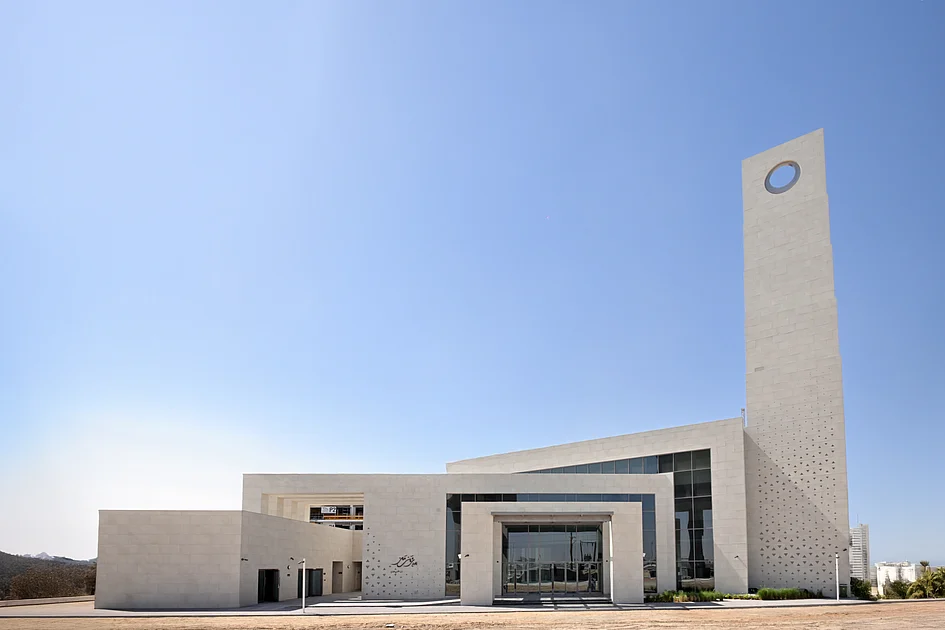
    Dubai’s Islamic Affairs and Charitable Activities Department (IACAD) has officially opened the newly constructed Zamzam Mosque in the Al Barsha South 2 district, marking a significant addition to the city’s religious infrastructure. The project was made possible through a generous donation from the Abdul Wahed Al Rostamani Group and his grandchildren.

    The contemporary Islamic architectural design accommodates approximately 850 worshippers simultaneously, with dedicated spaces for 700 men and 150 women. The mosque serves not only the immediate Al Barsha South community but also residents from surrounding neighborhoods.

    Architectural features include a main prayer hall, separate women’s prayer area, traditional minaret, arcade, and residential quarters for the Imam and Muezzin. The facility has been designed with accessibility as a priority, featuring specialized access points for People of Determination and elderly worshippers, along with modern ablution facilities and ample parking space.

    Incorporating sustainable technology, the building utilizes energy-efficient lighting systems and modern climate control solutions aligned with Dubai’s environmental sustainability objectives. Advanced acoustic systems ensure optimal sound quality throughout the prayer spaces.

    This inauguration continues Dubai’s pattern of religious infrastructure development, following recent openings of multiple mosques across the emirate designed to accommodate growing community needs.

  • The bones of St. Francis are going on public display, a mixed blessing for Assisi

    The bones of St. Francis are going on public display, a mixed blessing for Assisi

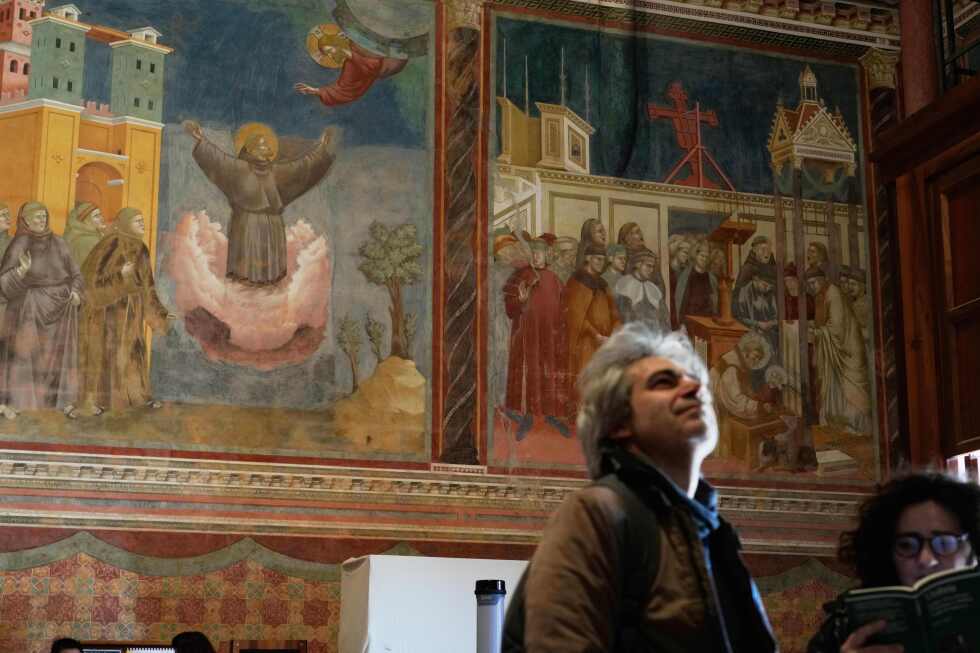
    The medieval Italian town of Assisi is bracing for an extraordinary spiritual event as the skeletal remains of St. Francis of Assisi are being exhibited publicly for the first time in history. This unprecedented month-long display, organized to commemorate the 800th anniversary of the saint’s passing, has already attracted registrations from nearly 400,000 pilgrims, with projections suggesting half a million visitors before the relics return to their crypt on March 22.

    The exhibition presents both a spiritual opportunity and logistical challenge for this Umbrian hilltop community. Mayor Valter Stoppini acknowledges the complex reality facing residents: “We’re accustomed to major events, but typically lasting one to three days. This prolonged month-long exhibition brings concerns, though I remain calm.”

    A dedicated force of 400 volunteers has been mobilized to manage the expected crowds through Assisi’s narrow, souvenir-lined cobblestone streets toward the lower Basilica of St. Francis. There, pilgrims will encounter the saint’s bones secured within a bulletproof glass enclosure.

    The town’s infrastructure faces severe strain from this continuous influx. While Assisi regularly welcomes religious tourists due to its status as a premier Christian pilgrimage destination, the extended duration of this event tests the patience of locals and the capacity of limited urban services.

    Adding to Assisi’s spiritual significance is the recent canonization of Carlo Acutis, the Catholic Church’s first millennial saint. This 15-year-old who died of leukemia in 2006 has become a powerful draw for younger pilgrims, particularly from Latin America, creating what Brother Marco Moroni describes as “an osmosis” between devotion to both saints that further increases visitor numbers.

    Local businesses express enthusiasm for the economic opportunity. Shopkeeper Arianna Catarinelli, whose store sells both St. Francis-themed merchandise and Acutis memorabilia, notes: “For residents, parking isn’t easy. But commercially, the high visitor numbers are positive.”

    The city administration has implemented mitigation measures including new peripheral parking facilities and shuttle services to reduce urban congestion. Bank employee Riccardo Bacconi reflects the pragmatic attitude of many residents: “Economically it’s important. There are more advantages than disadvantages for those of us who choose to live here.”