分类: society

  • Ancient crafts dance to Spring Festival beat

    Ancient crafts dance to Spring Festival beat

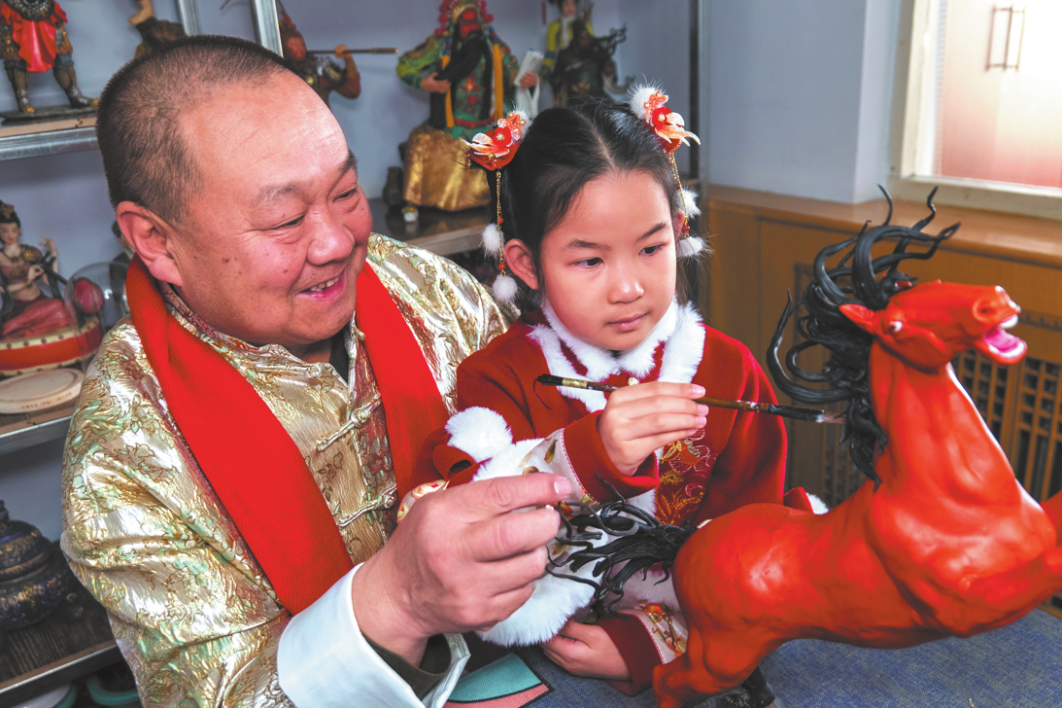
    Across China’s Hebei province, master artisans are captivating both visitors and local residents by preserving ancient cultural traditions during the Spring Festival period. In Zhangjiakou’s Xuanhua district, the distinctive aroma of burned wood fills a sunlit studio where Guo Chunlei practices the intricate art of gourd pyrography—an ancient technique using heat to create detailed artworks on gourd surfaces.

    Guo, whose artistic journey began in 1993 after a transformative encounter with pyrography in Beijing, now skillfully manipulates a hot-tip soldering iron to bring powerful equine imagery to life on golden gourds. This year holds special significance as it coincides with the Year of the Horse in the Chinese zodiac cycle. “The artistry lies entirely in the shading techniques,” Guo explained. “Through careful heat adjustment, we create dimension, emotion, and narrative within each piece.

    The craftsman’s initiation into this specialized art form started with unconventional tools—a heavy soldering iron originally designed for sealing cooking woks. This modest beginning evolved into a three-decade passion that has become both his livelihood and artistic calling.

    Throughout the Spring Festival season, cultural inheritors like Guo are participating in nationwide celebrations that allow public engagement with traditional craftsmanship. These interactions provide hands-on experiences that bridge generational divides and foster appreciation for China’s intangible cultural heritage. The resurgence of interest in such ancient arts demonstrates how traditional practices continue to find relevance within contemporary festival celebrations, offering both educational value and cultural continuity.

  • Watch: Winter storm covers parts north-east US in snow

    Watch: Winter storm covers parts north-east US in snow

    A significant winter storm system has descended upon the northeastern United States, blanketing the region in a thick layer of snow and unleashing a cascade of operational disruptions. Meteorological agencies have issued a series of severe weather warnings, emphasizing hazardous conditions and near-zero visibility in many areas. In a decisive response to ensure public safety, state and local authorities have enacted preemptive travel bans, urging residents to avoid all non-essential journeys.

    The storm’s impact has been immediately felt beyond the transportation sector, with utility companies reporting scattered power outages as heavy, wet snow strains electrical infrastructure and brings down tree limbs onto power lines. Emergency services are on high alert, coordinating efforts to address downed wires and assist stranded motorists. The severe weather has also prompted the closure of numerous public facilities, including schools and government offices, bringing daily life to a temporary standstill for millions of residents from coastal areas to inland communities.

    Meteorologists are closely monitoring the storm’s trajectory, which is expected to continue delivering a potent mix of heavy snowfall and strong winds throughout the day. Residents are advised to stay indoors, check on vulnerable neighbors, and prepare for potential prolonged power disruptions. This event marks one of the first major winter tests for the region’s emergency preparedness protocols this season.

  • Dyeing for the future: Reviving an ancient blue in rural China

    Dyeing for the future: Reviving an ancient blue in rural China

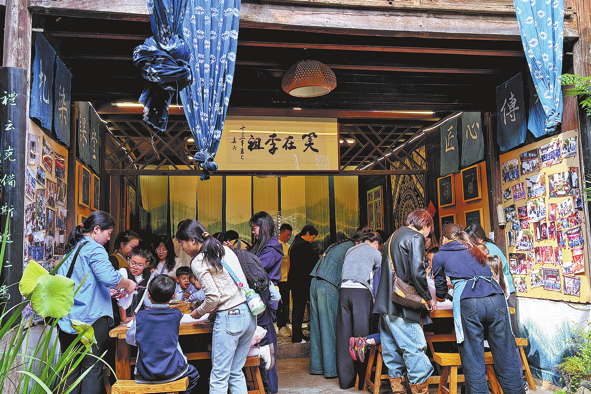
    In the quiet hills of Lizu village, Zhejiang province, a cultural renaissance is unfolding through the vibrant blues of an ancient craft. Designer Lou Shamoshuang, 34, has transformed a 400-year-old dyeing technique into a thriving sustainable enterprise that bridges tradition and modernity while revitalizing rural communities.

    The journey began in 2018 when Lou discovered a century-old dye workshop in Dali, Yunnan, on the verge of permanent closure. Moved by the artisans’ resignation that their craft had ‘no future,’ she became determined to preserve this intangible cultural heritage. Starting with documenting processes and selling fabrics through social media, she discovered unexpected demand for these traditional artworks.

    Returning to her hometown Yiwu, Lou established Desert Dye House in 2018, leveraging Zhejiang’s ‘Green Rural Revival Program’ that offered favorable lease terms for young entrepreneurs. The location provided both the tranquility essential for handcrafts and practical support for sustainable development.

    Mastering the technique required relentless experimentation with natural materials including indigo, sappanwood, and onion skins. Lou identified tie-dye as the most accessible entry point, explaining: ‘Tie-dye is the art of resisting dye by binding fabric. Through precise knots and dips in vats of dye, unique patterns emerge—a process taking from 30 minutes to several days.’

    The breakthrough came in 2023 with the ‘Boundless Prospects’ sachet during the Year of the Rabbit, catalyzing significant growth. Lou built a diverse team of nine locals ranging from digital-native Gen-Zers to seventy-year-old women with lifetime needlework skills, creating a distinctive model of common prosperity in a city known for mass production.

    The economic impact has been substantial, with outsourcing intricate embroidery and sewing for zodiac-themed products generating supplementary income for over 20 women in Lizu, boosting their earnings by approximately 4,000 yuan monthly.

    Beyond economics, Lou emphasizes cultural transmission and ecological sustainability. She has evangelized the craft through free community talks and established a plant-dyeing studio at her alma mater, Yiwu No 3 High School, where she lectures to 800 students. ‘When students win awards for their tie-dye work,’ Lou notes, ‘it proves this isn’t a relic—it’s a living language.’

    The ecological significance resonates deeply with contemporary environmental concerns. Lou highlights: ‘The fashion industry’s dyeing processes are a leading global polluter of waterways. Plant dyes utilizing indigo, sappanwood, and other botanicals offer sustainable alternatives—this is ancestral wisdom for living in balance with nature.’

    Recognition has attracted distinguished visitors including former UN Secretary-General Ban Ki-moon, drawn by the unique ecosystem of creators in Lizu village. Dozens of complementary businesses—from tie-dye workshops to cafes run by young entrepreneurs—form a collective hub near the ‘common prosperity square,’ embodying the Zhejiang spirit of creating something from nothing.

    Lou’s transformation from high-end fashion designer to guardian of rural heritage represents more than career change—it embodies purpose-driven revitalization of both cultural tradition and sustainable rural development.

  • Rajanish Kakade, AP photographer who captured the daily rhythm of India’s Mumbai, dies at 55

    Rajanish Kakade, AP photographer who captured the daily rhythm of India’s Mumbai, dies at 55

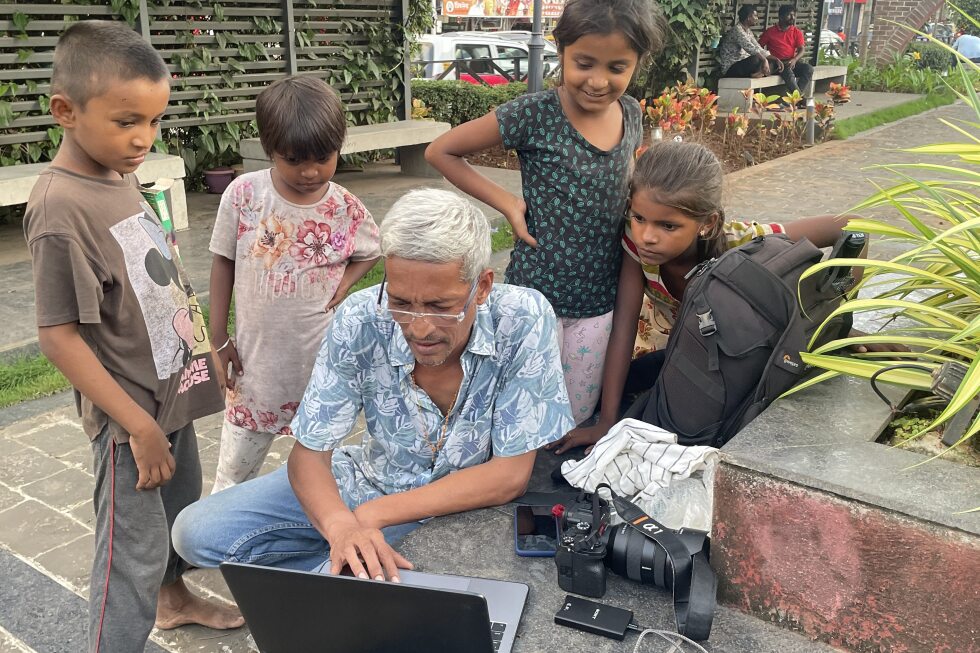
    Mumbai-based photojournalist Rajanish Kakade, whose evocative imagery captured the complex essence of India’s financial capital for nearly two decades, has passed away at age 55 after battling an illness. The acclaimed Associated Press photographer died at his residence on Monday, according to family statements.

    A third-generation visual storyteller who inherited the craft from both his grandfather and father, Kakade joined the AP in 2008 following tenures with prominent media organizations including the Sakal Group conglomerate and Hindustan Times newspaper. His lens documented India’s multifaceted narrative across political spectrums, cultural landscapes, and daily urban existence with remarkable depth and authenticity.

    Kakade’s portfolio encompassed monumental assignments ranging from national elections and sporting events to harrowing coverage of the 2008 Mumbai terrorist attacks and COVID-19 pandemic. His distinctive ability to capture Mumbai’s paradoxical nature—simultaneously conveying the city’s overwhelming scale and delicate intimate moments—established him as a definitive visual historian of the metropolis.

    Colleagues and industry organizations mourned the loss of both an exceptional artist and mentor. The Mumbai Press Club honored his legacy, noting: “Through his work, he captured defining moments with integrity and sensitivity. Through his mentorship, he shaped countless careers, always encouraging young photographers to pursue the truth with courage and compassion.”

    Manish Swarup, AP’s chief photographer for South Asia, remembered Kakade as possessing “that rare, quiet grace of a true observer” who earned the trust of his subjects. “We haven’t just lost a great photojournalist; we have lost a beautiful soul, whose kindness was as luminous as his work,” Swarup expressed.

    Yirmiyan Arthur, AP’s photography director for Asia Pacific, emphasized how Kakade’s work revealed Mumbai’s contradictions with “utter honesty,” chronicling everything from economic disparities to seasonal monsoon transformations and the vibrant humanity within the city’s local train system. “He was a son of Mumbai and made sure he told its story the right way,” Arthur concluded.

    Kakade is survived by family members, leaving behind an enduring visual legacy that continues to shape understanding of contemporary Indian society.

  • Lunch at the museum!

    Lunch at the museum!

    Chinese museums are revolutionizing visitor experiences by transforming ancient artifacts into edible cultural encounters. During the 2026 Spring Festival holiday, institutions nationwide reported unprecedented foot traffic, with visitors flocking not only for historical exhibits but increasingly for museum restaurants offering relic-inspired cuisine.

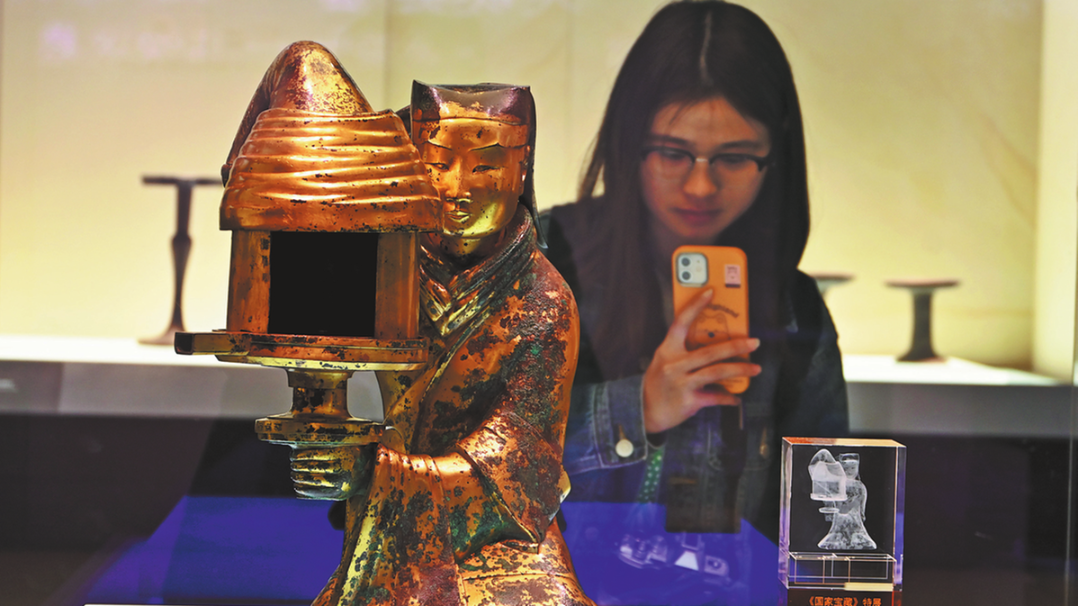
    The Hebei Museum exemplifies this trend with its innovative Changxin Palace Lamp noodles—a regional specialty dish crowned with a steamed egg sculpted to resemble the museum’s 2,000-year-old Western Han Dynasty treasure. ‘It feels like tasting a piece of history,’ remarked Liang, a Beijing traveler who prioritized both national treasures and culinary exploration during her visit.

    This gastronomic movement represents a strategic shift from static exhibition to immersive consumption. According to Li Kexin of the Hebei Museum’s art department, these culinary creations address practical needs while making cultural narratives more accessible. ‘Dining at a museum is part of the cultural experience,’ Li explained, emphasizing how flavor enhances storytelling.

    The phenomenon extends beyond Hebei Province. At Anyang’s Yinxu Museum, visitors consume noodles imprinted with oracle bone inscriptions—each character printed in squid ink representing ancient blessings that are literally consumed. The restaurant reports selling 500-600 daily portions during peak periods.

    Social media amplification has accelerated this trend, with visually striking creations like the Capital Museum’s horse-shaped mousse cake generating viral attention on platforms like Xiaohongshu. The ‘instagrammable’ quality of these dishes has become a significant driver of museum attendance among younger demographics.

    Beyond novelty, practical considerations fuel the trend’s sustainability. Affordable pricing—with dishes starting at 3 yuan at the Sichuan Museum—combined with the convenience of on-site dining addresses visitor fatigue while creating additional revenue streams. Professor Xu Jing of Peking University notes that dining’s recurring nature makes it a stronger consumption driver than traditional souvenir sales.

    Government policies have encouraged this development, with nine central departments jointly promoting innovative cultural products. However, experts caution that sustained success requires moving beyond novelty toward developing enduring cultural narratives that integrate museums into community life rather than merely attracting tourists.

  • ‘Wanted to know why Muslims do this’: UAE expat tries fasting in Ramadan for first time

    ‘Wanted to know why Muslims do this’: UAE expat tries fasting in Ramadan for first time

    In an inspiring display of cultural curiosity, Junior Gomes, a Brazilian expatriate residing in the United Arab Emirates, has embarked on his first Ramadan fasting experience to better understand Islamic traditions. The Director of Operations at Little Legends sports academy, who was raised in South Africa, decided to personally experience the month-long spiritual practice after observing his fasting students.

    Gomes, who previously relied exclusively on takeout and restaurant meals, has undergone a remarkable culinary transformation during Ramadan. With guidance from friends, he now prepares balanced home-cooked meals including spring rolls and other nutritious dishes—a significant departure from his previous lifestyle. ‘I never cooked in my life before this,’ Gomes admitted, expressing pride in his newly acquired kitchen skills.

    The daily Ramadan routine involves pre-dawn awakenings at 4:00 AM for suhoor meals carefully designed with proteins, carbohydrates, and sufficient fluids. Despite maintaining his rigorous gym schedule and managing multiple responsibilities at the children’s sports academy, Gomes reports the experience has been less challenging than anticipated. He particularly notes the psychological difficulty of the final hours before sunset when thirst and hunger intensify, followed by heightened appreciation for nourishment after breaking the fast.

    Beyond physical adaptation, Gomes has discovered deeper philosophical insights. ‘The whole self-control thing is quite important,’ he reflects. ‘You actually learn to appreciate things more. During the day, be a better person. Have some self-control. Be grateful. Give back.’

    In a surprising familial coincidence, Gomes discovered his brother in Brazil had independently decided to fast alongside his Muslim wife, creating an unplanned bond of shared experience across continents. This unexpected connection has added another layer of meaning to his cultural exploration, demonstrating how Ramadan traditions can bridge geographical and cultural divides.

  • Tokyo Skytree elevator traps 20 people for over 5 hours, all rescued

    Tokyo Skytree elevator traps 20 people for over 5 hours, all rescued

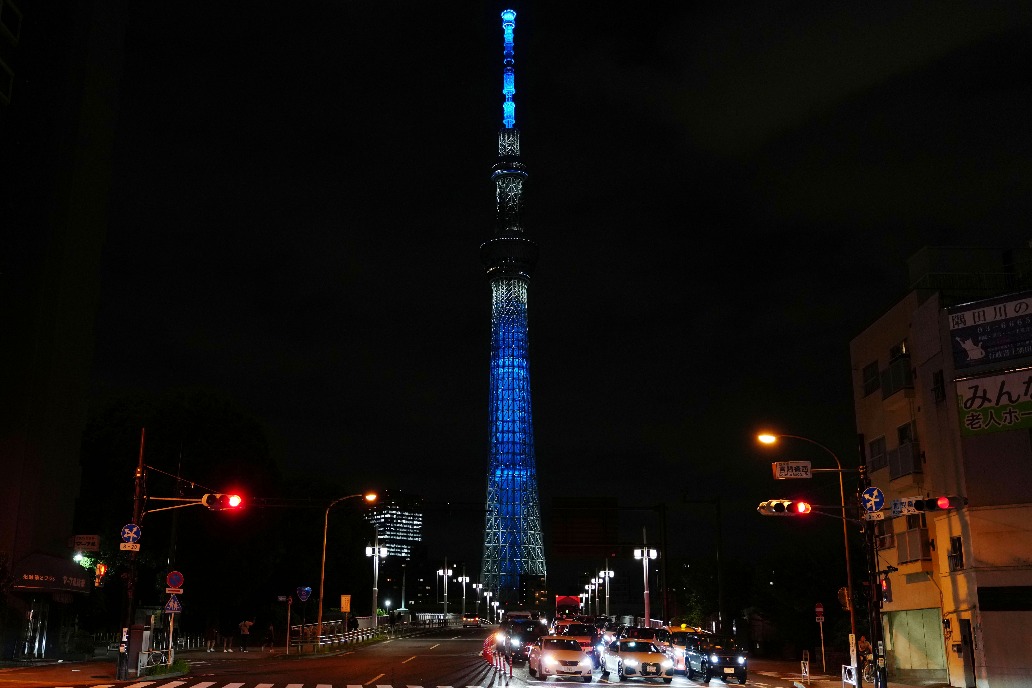
    A harrowing incident unfolded at Tokyo’s iconic Skytree tower on Sunday evening when an elevator carrying twenty passengers malfunctioned and became stranded approximately 30 meters above ground level. The emergency situation began at approximately 8:30 PM local time and persisted for over five hours before all occupants were successfully evacuated without physical injury.

    According to reports from Japan’s national public broadcasting organization NHK, the technical failure affected two of the four elevators servicing the 350-meter observation deck. While one elevator cabin remained unoccupied, the other contained a diverse group of visitors including children, all of whom found themselves suspended mid-air as the mechanism ceased functioning without warning.

    Tokyo Fire Department rescue personnel executed a complex technical operation to secure the trapped individuals. Using an adjacent elevator that had been carefully maneuvered to match the exact height of the stranded cabin, emergency crews established a secure transfer pathway between the two structures. The meticulous rescue concluded at approximately 2:00 AM Monday morning when the final passenger was safely extracted from the immobilized elevator.

    Law enforcement authorities confirmed that none of the evacuated individuals required medical attention or reported adverse health effects following the prolonged confinement. A comprehensive investigation has been initiated to determine the precise mechanical or electrical factors that precipitated the elevator failure at one of Japan’s most visited tourist destinations.

    The Tokyo Skytree, recognized globally as the world’s tallest broadcasting tower at 634 meters, annually attracts millions of domestic and international visitors. The incident has prompted renewed scrutiny of safety protocols and maintenance procedures for high-rise elevator systems in major tourist attractions.

  • NSW prosecutor agrees to review dropped case into Cheryl Grimmer’s disappearance

    NSW prosecutor agrees to review dropped case into Cheryl Grimmer’s disappearance

    New South Wales’ top prosecutor has initiated a formal review into the controversial discontinuation of a murder case concerning the 1970 disappearance of three-year-old Cheryl Grimmer. Director of Public Prosecutions Sally Dowling SC confirmed the review in a February 16 correspondence with the Grimmer family, acknowledging their persistent quest for justice spanning over five decades.

    The case dates to January 12, 1970, when Cheryl vanished from outside shower facilities at Fairy Meadow Beach in Wollongong, south of Sydney. Despite multiple police investigations and a 2011 coronial inquest concluding the toddler was likely deceased, the case remained unresolved until 2017 when an individual, pseudonymously referred to as Mercury, faced murder charges.

    Prosecutors subsequently dropped the case in 2019 when the NSW Supreme Court deemed Mercury’s 1971 confession inadmissible. Critical to this ruling was the absence of a parent, adult, or legal representative during the teenage suspect’s police interview—a procedural failure that ultimately undermined the judicial process.

    The upcoming review will operate under the ODPP’s Victim Right of Review policy, which enables victims to request reassessment when prosecutors discontinue proceedings. However, the ODPP emphasized that the evaluation will be constrained to evidence available during the original decision-making process, as the office lacks independent investigative authority. Director Dowling has consequently inquired whether the Grimmer family possesses new information that NSW Police might examine prior to the review.

    Rick Nash, Cheryl’s brother who witnessed the abduction as a child, described the development as the most promising news in years. He emphasized that Mercury was interviewed at a boys’ shelter surrounded by carers, questioning whether this environment constituted appropriate support. Nash called for inter-agency collaboration, transparency, and the removal of institutional barriers that have historically impeded justice.

    Last year, NSW MLC Jeremy Buckingham utilized parliamentary privilege to identify Mercury publicly, recounting detailed confession excerpts from the 1971 police interview. Despite this revelation, media outlets have refrained from publishing the individual’s identity due to legal protections afforded by his juvenile status at the time of the incident.

  • Robin Robin: Trial begins for man accused of stabbing two, killing one at Ormond house party

    Robin Robin: Trial begins for man accused of stabbing two, killing one at Ormond house party

    A Supreme Court jury in Victoria has been presented with disturbing details of a violent altercation that resulted in one death and a second victim with serious injuries. The case centers on Robin Robin, 29, who stands accused of murdering 22-year-old Navjeet Singh and attempting to murder 30-year-old Shawan Singh during a confrontation in the Melbourne suburb of Ormond on May 5, 2024.

    During opening statements, Crown prosecutor Nadia Kaddeche outlined the sequence of events that began as a domestic dispute between housemates. The court heard that Robin and his younger brother Abhijeet had hosted a party at their rental property, during which they allegedly became enraged after Shawan Singh left to play cards at Navjeet Singh’s residence in Noble Park.

    The prosecution asserted that the brothers engaged in repeated abusive phone calls throughout the evening before Robin allegedly demanded Shawan return to collect his belongings shortly after 11pm. When Shawan arrived with Navjeet and several companions, Robin allegedly confronted him with a kitchen knife while shouting threats in Hindi.

    According to the prosecution’s account, Robin allegedly stabbed Shawan in the chest and shoulder before turning the weapon on Navjeet when he attempted to intervene. Tragically, Navjeet Singh sustained fatal chest wounds during the attack.

    The jury was shown brief but critical evidence including three seconds of phone footage from a resident and less than a minute of dashcam footage from a passing Uber driver. Ms. Kaddeche claimed this footage depicts Robin attacking Navjeet while he was on the ground, with Abhijeet allegedly participating by striking with the back of his hand.

    Following the incident, the brothers reportedly traveled to New South Wales, where they were apprehended by police on May 7. The prosecution revealed that during his arrest, Robin allegedly made a startling declaration to officers: ‘I want to tell you I’m guilty. I’m the guilty one, my brother is innocent, he did nothing.’

    Despite this alleged confession, Robin has entered a plea of not guilty to all charges. The court also heard alternative charges of intentionally causing serious injury and recklessly causing serious injury specifically related to the wounds inflicted on Shawan Singh.

    The trial continues with further opening remarks from the prosecution followed by an address from Robin’s defense barrister, John Desmond.

  • The 102-year-old kitman who left his mark on the World Cup

    The 102-year-old kitman who left his mark on the World Cup

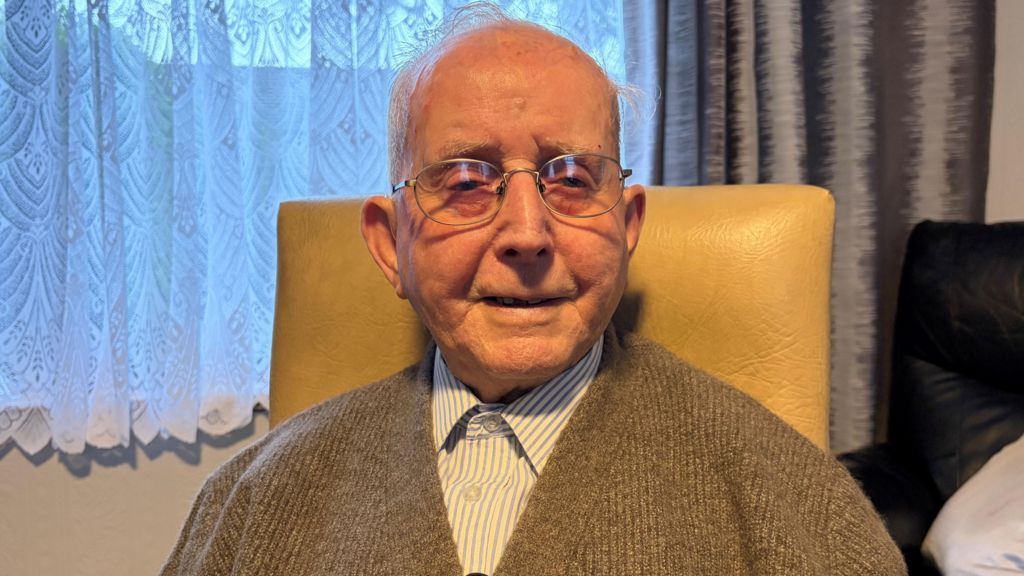
    At 102 years young, Charlie O’Leary stands as a living monument to Irish football history. The Dubliner, who recently celebrated his birthday in February, possesses a legacy that intertwines with the very fabric of the sport across both the Republic and Northern Ireland. His remarkable journey from local innovator to international football figure is now being immortalized in “The Charlie O’Leary Story – From Johnny Cullen’s Hill to the Olympic Stadium Rome,” set to premiere at the Dublin International Film Festival.

    O’Leary’s most enduring contribution remains the revolutionary “street leagues” he established in Dublin’s East Wall neighborhood in 1945. Recognizing the lack of organized football opportunities for teenagers, O’Leary proposed utilizing the parish church’s juvenile sodality as a foundation for competitive play. The leagues organized teams based on residential streets, creating an immediate sense of community pride and belonging.

    The initiative rapidly expanded throughout Dublin during the 1950s before spreading across the island to cities including Belfast. What began as a local solution evolved into a breeding ground for legendary talent. The leagues produced an extraordinary roster of players who would achieve international acclaim, including Manchester United’s European Cup winner Tony Dunn, Arsenal and Juventus star Liam Brady, and Leeds United icon Johnny Giles.

    Northern Ireland similarly benefited from O’Leary’s vision, with three members of their historic 1958 World Cup squad—Harry Gregg, Bertie Peacock, and Jimmy McIlroy—having developed their skills in the street leagues. Later participants included Manchester United’s Sammy McIlroy and current Northern Ireland assistant manager Jimmy Nicholl.

    O’Leary’s influence extended beyond community organizing to direct involvement with the Republic of Ireland national team. Serving as kitman for 16 years during Irish football’s golden era, he witnessed iconic victories including the historic defeat of England at Euro 1988 and the stunning triumph over Italy at the 1994 World Cup.

    Film producer Fergus Dowd emphasizes the cultural significance of O’Leary’s creation: “These kids had a jersey on, they were representing their road and their mothers and fathers were watching. It was a massive community event that grew organically from Charlie’s vision.”

    Reflecting on his extraordinary life in football, which included refereeing behind the Iron Curtain during the Cold War, O’Leary identifies meeting Pope John Paul II during the 1990 World Cup as his most cherished memory. “I was frozen, I couldn’t speak,” he recalls. “That to me was the biggest thrill I ever got in my life.”

    The documentary not only chronicles O’Leary’s personal journey but preserves the story of an innovative community program that transformed Irish football and provided opportunities for generations of young athletes who might otherwise have been overlooked by traditional systems.