分类: society

  • UAE issues alert for fog as visibility drops on Monday, Tuesday morning

    UAE issues alert for fog as visibility drops on Monday, Tuesday morning

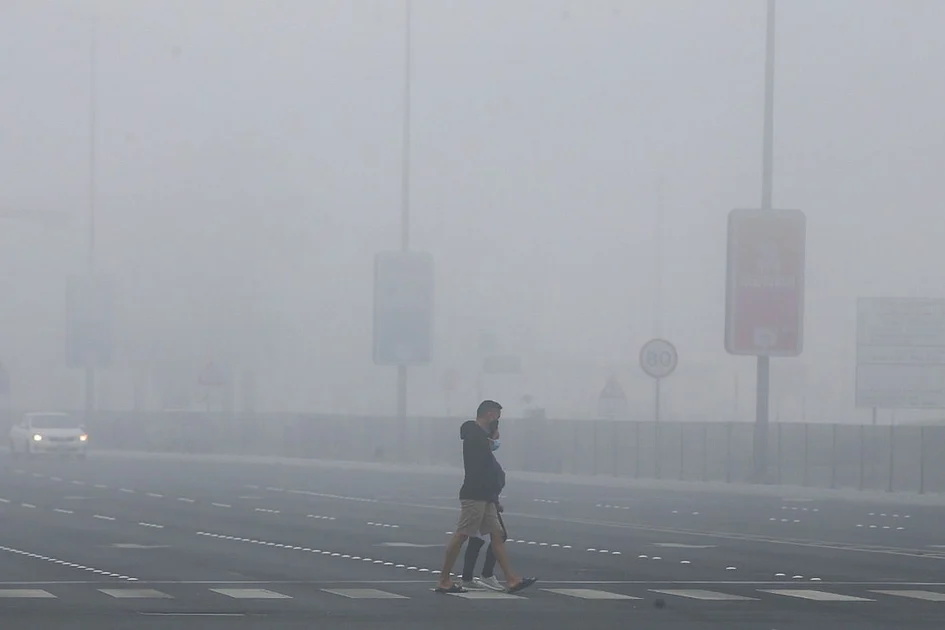
    The United Arab Emirates’ National Centre of Meteorology (NCM) has activated a yellow alert for dense fog formation across multiple emirates, with hazardous conditions expected to persist from Monday evening through Tuesday morning. The meteorological warning specifically targets reduced visibility periods between 10:00 PM Monday and 10:00 AM Tuesday, affecting transportation networks nationwide.

    Meteorological projections indicate extensive fog coverage along the western coastal regions, stretching from Abu Dhabi in the southern sector through Dubai and Sharjah, reaching northern territories including Ras Al Khaimah. The NCM advisory also notes potential fog development in selected interior zones, with possible escalation to red alert status if visibility deteriorates beyond current forecasts.

    Transportation authorities have issued urgent safety directives to motorists navigating the persistently foggy conditions that have complicated commutes throughout the past week. Abu Dhabi Police emphasized critical safety protocols including reduced speed limits of 80 km/h during low visibility episodes, increased following distances between vehicles, and strict avoidance of mobile device usage while driving.

    Optimal vehicle lighting procedures have been specifically addressed, with authorities recommending against high-beam usage due to light reflection effects that can further impair visibility. The comprehensive safety guidelines aim to minimize accident risks during weather conditions that significantly compromise road safety.

    The NCM continues to monitor atmospheric developments closely, with real-time updates available through official communication channels. Residents are advised to remain informed about evolving weather patterns and adhere strictly to all official safety recommendations during this period of meteorological uncertainty.

  • ‘Exciting’ or ‘Frustrating’? – East coast locals and tourists react to record snow

    ‘Exciting’ or ‘Frustrating’? – East coast locals and tourists react to record snow

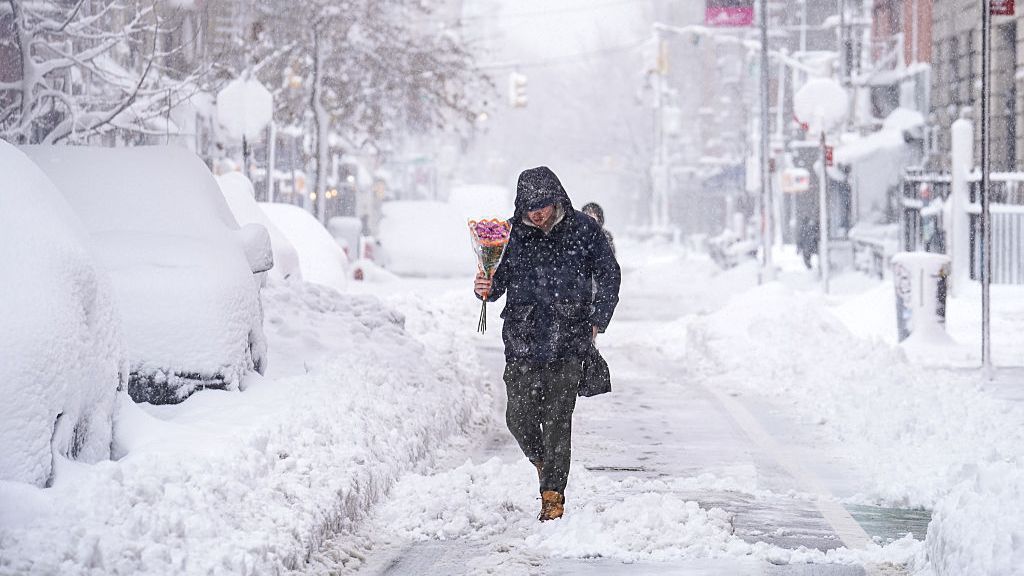
    A massive winter storm of historic proportions has unleashed its fury upon the East Coast, triggering a critical state of emergency for an estimated 40 million residents and visitors now under blizzard warnings. The tempest’s ferocity has resulted in a devastating infrastructural collapse, with power outages crippling over 600,000 homes and businesses, plunging vast regions into darkness and disconnection.

    The monumental weather event has elicited a starkly divided spectrum of reactions from those in its path. For some, the unprecedented snowfall has been a source of exhilaration, transforming urban landscapes into pristine winter wonderlands and offering a rare opportunity for seasonal activities. Conversely, the storm’s severe impact has generated profound frustration and hardship for many others, stranding travelers, halting economic activity, and raising serious concerns over public safety and access to essential services. This duality of experience highlights the complex interplay between natural phenomena and human resilience, framing a narrative of both awe and adversity in the face of a record-breaking climatic event.

  • More than 5,000 flights cancelled as US east coast digs out of record snow

    More than 5,000 flights cancelled as US east coast digs out of record snow

    A catastrophic winter storm of historic proportions unleashed its fury upon the US Eastern Seaboard on Monday, establishing unprecedented snowfall records and triggering widespread infrastructural collapse across multiple states. Meteorological data from the National Weather Service confirmed extraordinary accumulations, with Rhode Island and Massachusetts bearing the brunt at nearly 33 inches (83cm), while New York’s Central Park recorded over 19 inches—transforming the densely populated corridor into a landscape of immobilized cities and crippled transportation networks.

    The storm’s severity proved particularly devastating for Rhode Island, where Providence shattered its 1978 single-storm record of 28.6 inches with an astonishing 33-inch accumulation. ‘It completely smashed it,’ stated National Weather Service meteorologist Candice Hrencecin, reflecting the astonishment within scientific circles. ‘We were just as shocked as everyone else.’

    Governmental response escalated rapidly as conditions deteriorated. Rhode Island, Connecticut, and Massachusetts implemented non-essential travel bans, with Massachusetts Governor Maura Healey imposing reduced speed limits on major highways while warning citizens: ‘Whiteout conditions are making travel extremely dangerous. If you get stuck, help will have a hard time reaching you.’

    Critical infrastructure faced severe strain as poweroutage.us reported over 600,000 customers without electricity across the region. Massachusetts experienced particularly severe outages, with Barnstable County—encompassing Cape Cod—suffering 85% customer disruption. Urban centers became logistical nightmares, with Providence officials reporting more than 300 vehicles towed for impeding snow removal operations.

    The aviation sector approached complete shutdown, with FlightAware data revealing 5,675 cancelled flights nationwide. New York’s LaGuardia Airport cancelled 98% of flights, JFK Airport 91%, while Boston’s Logan International and New Jersey’s Newark Liberty airports both reached 92% cancellation rates.

    Meteorologists maintained winter storm warnings from North Carolina through northern Maine into eastern Canada, projecting additional accumulations of 1-2 feet (61cm) along northeastern coastal areas through Tuesday morning. The event represents not merely a weather incident but a systemic stress test for emergency response capabilities across America’s most densely populated corridor.

  • Baftas 2026: BBC faces backlash for airing n-word, cutting ‘free Palestine’ from speech

    Baftas 2026: BBC faces backlash for airing n-word, cutting ‘free Palestine’ from speech

    The British Broadcasting Corporation (BBC) has ignited a firestorm of criticism following its handling of the 79th British Academy Film Awards (BAFTAs) broadcast, facing accusations of racial insensitivity and political censorship.

    The controversy stems from two distinct editorial decisions during the ceremony. First, the broadcast included an unedited racial slur shouted by an audience member with Tourette syndrome—a neurological condition causing involuntary vocalizations—during a presentation by actors Michael B Jordan and Delroy Lindo. Although host Alan Cumming addressed the incident live with an apology to those offended, this clarification was omitted from the televised version.

    Simultaneously, the corporation deliberately edited out a portion of award winner Akinola Davies Jr’s acceptance speech. The British-Nigerian filmmaker’s truncated remarks included a message of solidarity with migrants and those experiencing persecution, specifically concluding with the phrase ‘free Palestine.’

    The BBC’s dual approach—airing potentially harmful language while censoring political speech—prompted immediate backlash across social media platforms. Many commentators expressed particular bewilderment at the editorial choice to leave the racial slur unedited while cutting the pro-Palestinian message, given that the awards ceremony was broadcast on a two-hour delay specifically to allow for content review.

    In response to mounting pressure, the BBC issued an apology specifically for broadcasting the racial slur, attributing it to involuntary verbal tics associated with Tourette syndrome and confirming its removal from the BBC iPlayer version. However, the corporation remained silent regarding its decision to censor Davies Jr’s speech, directing inquiries instead to its statement about the racial incident.

    This selective editing has drawn condemnation from human rights organizations and media critics alike. Amnesty UK described the censorship as ‘shameful,’ while media analysts suggested the decisions revealed institutional priorities influenced more by political pressures than journalistic integrity. The incident has sparked broader conversations about media responsibility, racial justice, and the silencing of Palestinian solidarity in mainstream broadcasting.

  • How Iranians coped in the lead-up to war

    How Iranians coped in the lead-up to war

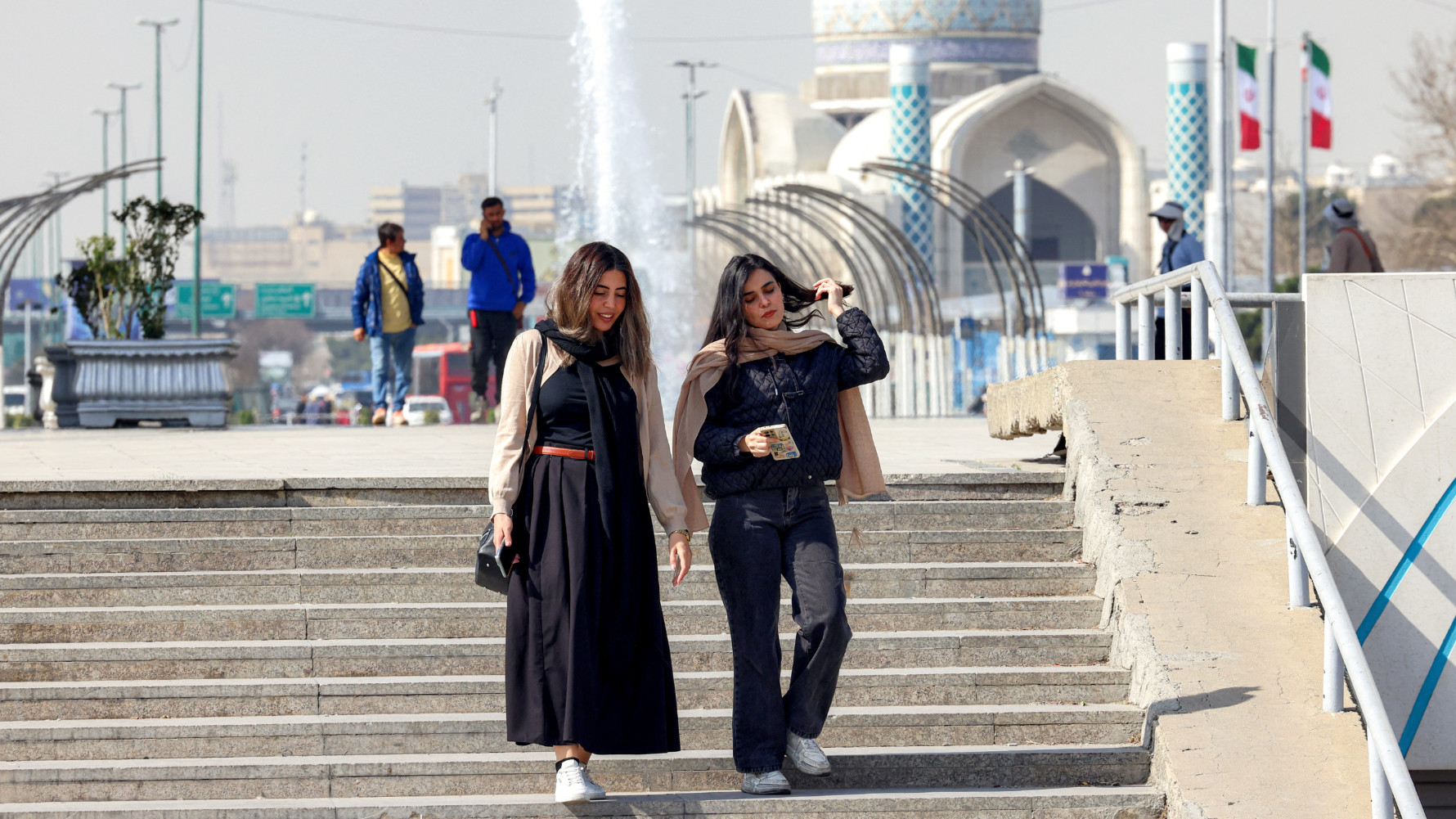
    In the heart of Tehran’s winter, amidst a nationwide internet blackout that severed digital connections for millions, an intimate gathering organized through the Hamneshin app (‘companion’ in Persian) revealed profound shifts in Iranian social dynamics. This encounter unfolded against a backdrop of simmering tensions—from December 2025 unrest and violent crackdowns to threatened airstrikes over Tehran’s nuclear program and lingering trauma from a recent 12-day war with Israel.

    The Hamneshin platform, resembling Western supper clubs in structure, has evolved into something far more significant in contemporary Iran. Participants register through the app, pay fees, and join age-grouped gatherings ranging from dinners to bowling nights. Yet these meetings transcend leisure, representing a collective response to deepening structural isolation driven by economic strain, migration, rising divorce rates, and shrinking spaces for mixed-gender interaction.

    At an upscale Tehran café, socioeconomic disparities manifested visibly—from luxury cars waiting outside to carefully styled outfits contrasting with rapidly fluctuating market prices. The participants, predominantly educated professionals including engineers, managers, and entrepreneurs, revealed complex layers of loneliness despite outward success. Javad, a confident entrepreneur, and Roya, a language teacher battling depression, both sought companionship unavailable in their daily lives.

    A poignant silence fell when recent violence was mentioned—not indicating indifference but collective exhaustion. The gathering consciously created temporary distance from external turmoil. For Vahid, who left energy sector stability for cryptocurrency trading, and Aida, a divorced mother watching friendships thin as people ‘disappear into work or leave the country,’ these connections offered rare emotional respite.

    While not all gatherings forge lasting bonds—many WhatsApp groups go inactive—some participants developed offline friendships that provided stability during internet blackouts. The platform represents broader social initiatives across Iran, including pottery workshops and discussion circles, that create structured environments for connection despite requiring disposable income that excludes many.

    These digital-facilitated gatherings cannot solve structural pressures but provide symbolic resistance against fading friendships, shrinking social circles, and growing public hesitation. As one 43-year-old attendee noted: ‘It sounds simple, but you leave feeling lighter. You remember that you can still connect.’ In a society navigating multiple crises, such temporary interruptions of isolation carry profound significance.

  • Saudi Grand Mosque expansion improves pilgrims’ experience, access for millions

    Saudi Grand Mosque expansion improves pilgrims’ experience, access for millions

    Saudi Arabia has unveiled the completion of its Third Expansion of the Grand Mosque in Makkah, marking a historic milestone in enhancing worship conditions for millions of pilgrims. This monumental project, spanning approximately 1.214 million square meters, represents one of the most significant infrastructure developments in the sacred site’s history, specifically designed to accommodate massive congregations during peak seasons including Ramadan, Hajj, and Umrah.

    The expansion strategically addresses previous challenges of overcrowding and congestion through sophisticated spatial planning and state-of-the-art facilities. The enhanced infrastructure now features advanced climate control systems with 90,000 tons of cooling capacity, ensuring comfortable temperatures year-round. Worship comfort is further elevated through the installation of over 25,000 premium carpets, 17,000 Zamzam water dispensers, and 11,436 modern restrooms and ablution facilities.

    Movement throughout the expanded complex has been revolutionized with 428 escalators, 28 elevators, and 80 strategically positioned entry points, facilitating seamless access across ground, first, second, mezzanine, and rooftop levels. Audio clarity during prayers is ensured through 1,300 high-fidelity speakers, while 458 drinking fountains provide continuous hydration for worshippers.

    The operational framework incorporates round-the-clock field teams maintaining full facility readiness through integrated technical, engineering, and human resources. This comprehensive service system prioritizes both physical safety and spiritual tranquility, allowing pilgrims to perform rituals with greater devotion and peace of mind.

    Beyond physical infrastructure, the project embodies Saudi Arabia’s deeper commitment to preserving the sanctity of Islamic worship while embracing modern engineering solutions. Ongoing upgrades in maintenance protocols, cleanliness standards, and guidance services continue to reflect leadership’s dedication to serving pilgrims at Islam’s holiest site.

  • Queen tells Gisèle Pelicot her new memoir left her ‘speechless’

    Queen tells Gisèle Pelicot her new memoir left her ‘speechless’

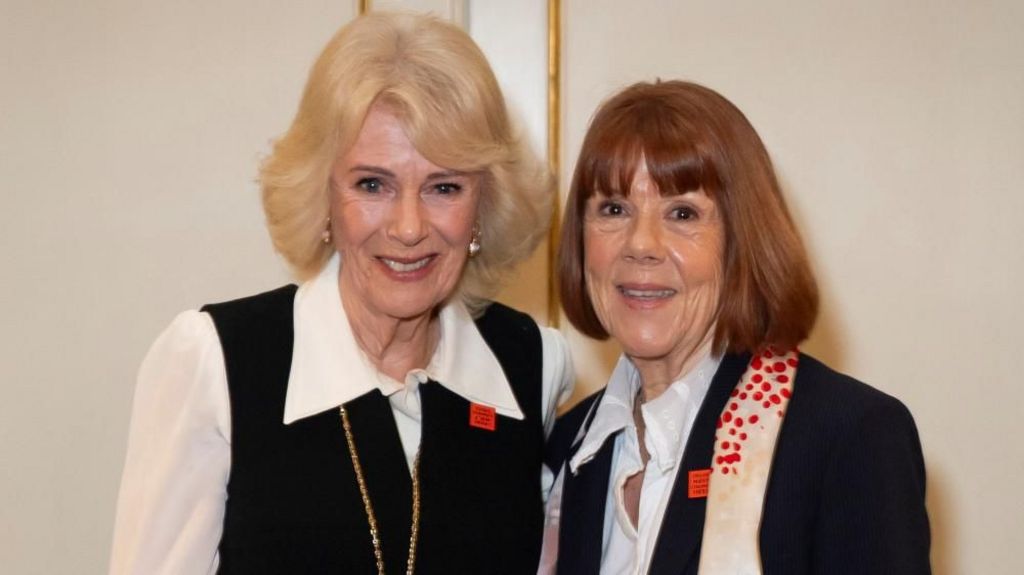
    In a powerful display of solidarity with survivors of sexual violence, Queen Camilla hosted French author and activist Gisèle Pelicot at Clarence House on Monday for a private meeting that underscored the global impact of Pelicot’s advocacy. The Queen revealed she had read Pelicot’s memoir, “Hymn to Life: Shame Has to Change Sides,” in just two days, confessing she was left “speechless” and “shocked” by the harrowing account despite her extensive work with survivors.

    The meeting, conducted primarily through an interpreter, saw the Queen initially addressing her guests in French, humorously noting her skills were rusty after 60 years. Pelicot, accompanied by her partner Jean-Loup Agopian and her legal and literary team, discussed the incredible public support she has received since waiving her anonymity.

    Pelicot’s case gained worldwide attention in 2024 when a French court heard how her then-husband, Dominique, had drugged her unconscious for years and recruited dozens of men online to rape her. The subsequent 16-week trial resulted in 46 convictions for rape, with Dominique receiving the maximum 20-year sentence. Pelicot’s presence at the trial, and her message that shame should transfer from victim to perpetrator, resonated globally, inspiring daily gatherings of supporters outside the courtroom.

    The Clarence House meeting followed Pelicot’s sold-out book launch at London’s Royal Festival Hall, which featured readings by Hollywood actresses Kate Winslet, Kristin Scott Thomas, and Juliet Stevenson. Last year, Queen Camilla had sent Pelicot a personal letter praising her “extraordinary dignity and courage,” which Pelicot described as overwhelming and has since framed in her office. The Queen told Pelicot during their meeting that she has “inspired women across the globe” and created “a powerful legacy that will change the narrative around shame, forever.”

  • Sharjah announces Eid Al Fitr holidays for public sector employees

    Sharjah announces Eid Al Fitr holidays for public sector employees

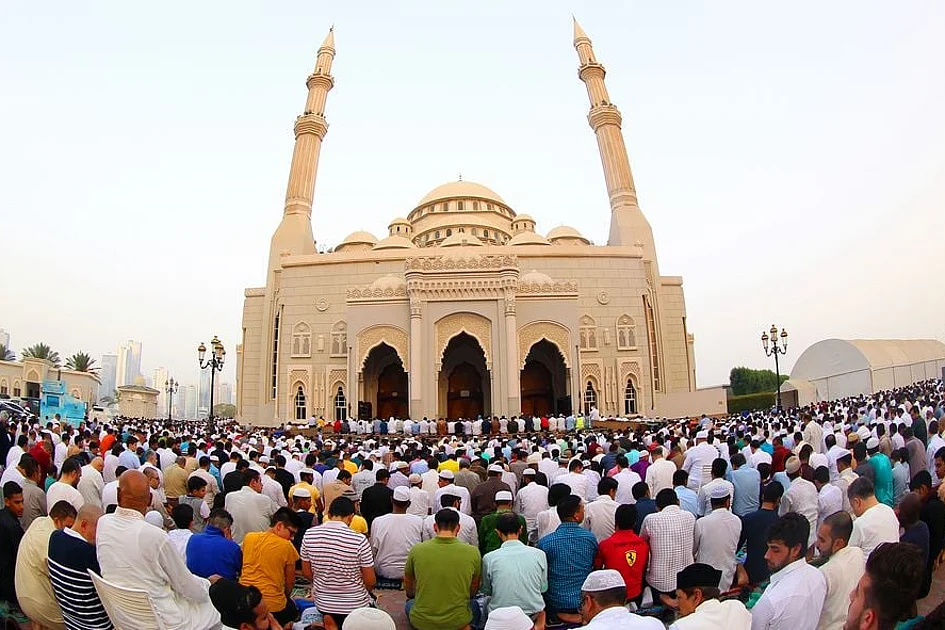
    The Emirate of Sharjah has officially declared its Eid Al Fitr holiday schedule for public sector employees, marking the conclusion of the holy month of Ramadan. According to the Sharjah Human Resources Department, government staff will enjoy a four-day break commencing Thursday, March 19, 2026, through Sunday, March 22, with regular operations resuming on Monday, March 23.

    This early announcement enables both governmental departments and employees to strategically organize their schedules around one of the most significant religious observances in the Islamic calendar. The timing provides adequate preparation window for residents and businesses to coordinate festivities and family gatherings.

    Concurrently, federal authorities including the UAE Federal Authority for Government Human Resources and the Ministry of Human Resources and Emiratisation have synchronized holiday declarations across sectors. Federal government employees will mirror Sharjah’s four-day holiday timeframe, while private sector workers are scheduled to receive a slightly shorter break from March 19 to March 21.

    Notably, authorities have specified a contingency provision: should Ramadan extend to its full 30-day duration, private sector employees will receive an additional day off, extending their holiday through Sunday, March 22. This coordinated approach ensures nationwide synchronization while accommodating religious uncertainties inherent in the lunar calendar-based observance.

  • Watch: US TV reporters battle snowy conditions as a major storm hits east coast

    Watch: US TV reporters battle snowy conditions as a major storm hits east coast

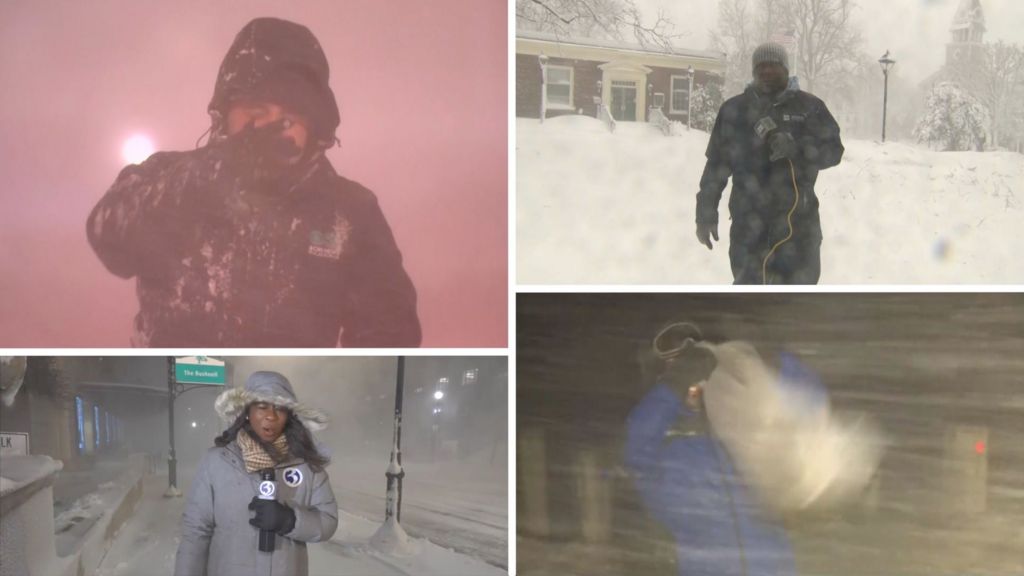
    Television news crews across the northeastern United States confronted perilous on-air conditions as a massive winter storm system descended upon the region. Reporters stationed from New York to Massachusetts demonstrated remarkable resilience while delivering live updates from the epicenter of the blizzard’s fury.

    Amidst swirling winds and rapidly accumulating snowfall, one seasoned correspondent offered a vivid description of the surreal experience, noting the sensation resembled ‘being trapped inside an violently shaken snow globe’. The metaphorical depiction captured the intensity of whiteout conditions that reduced visibility to near-zero in some metropolitan areas.

    The meteorological event triggered widespread transportation disruptions, with thousands of flights canceled and highway travel advisories issued across multiple states. Emergency management officials urged residents to shelter indoors as utility crews prepared for potential power outages caused by heavy snow loads on electrical infrastructure.

    Broadcast networks implemented special coverage protocols, with many journalists remaining on location for extended shifts to document the storm’s progression. Safety personnel maintained close proximity to reporting teams as gusting winds occasionally threatened to topple equipment and signage.

    The comprehensive media coverage provided vital real-time information to affected communities while showcasing the dedication of news professionals operating under exceptionally challenging environmental circumstances.

  • NHS mental health trust withdraws from counter-terror police programme

    NHS mental health trust withdraws from counter-terror police programme

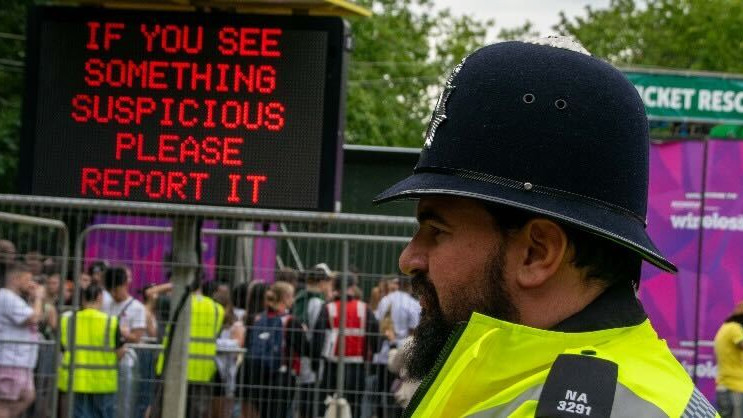
    A significant NHS mental health trust in England has formally withdrawn from a contentious counter-terrorism initiative that permitted police access to confidential patient medical records, including those of young children identified as potential extremism risks. The Birmingham and Solihull Mental Health NHS Foundation Trust (BSMHFT), serving 1.3 million residents across the West Midlands, terminated its participation in the Counter Terrorism Clinical Consultancy Service (CTCCS) effective April 1, 2025.

    The CTCCS program, established in 2016 as a collaborative effort between Counter Terrorism Policing and the NHS in England and Wales, enabled mental health professionals to assess individuals flagged by police as potential security threats, frequently without any criminal activity having occurred. The initiative created pathways for counter-terrorism authorities to obtain sensitive medical information for risk assessment purposes under the guise of clinical consultation.

    BSMHFT’s spokesperson confirmed the March 2025 decision resulted from the program’s misalignment with the trust’s strategic priorities. This departure marks the first publicly acknowledged withdrawal from a program that critics argue has surreptitiously integrated counter-terrorism operations within mental healthcare systems.

    The program initially operated through ‘Vulnerability Support Hubs’ that assessed individuals, including children as young as six, referred through policing channels for perceived susceptibility to extremism. Mental health professionals working within these units underwent rigorous police vetting procedures to access highly sensitive intelligence.

    Over a five-year period, more than 3,000 individuals, predominantly teenagers, were referred to hubs located in London, Birmingham, and Manchester. Common referrals included individuals with psychotic disorders, personality disorders, mood disorders, autism spectrum disorders, and learning difficulties.

    The program faced substantial criticism for blurring the boundaries between healthcare and surveillance, undermining patient consent protocols, and repurposing NHS expertise for intelligence-led policing. Researchers documented that CTCCS clinicians routinely contacted healthcare providers to request sensitive medical information, including diagnoses and treatment compliance records, which were then utilized to inform counter-terrorism decisions without patient knowledge.

    Professor Charlotte Heath-Kelly, an international security scholar at the University of Warwick, noted the program’s disproportionate impact on Muslim communities, with research indicating Muslims were assessed at a ratio of 28:1 compared to white British referrals. The program allegedly bypassed established NHS safeguards and violated patient privacy rules by sharing medical information with counter-terrorism case officers without patient consent.

    Campaign group Medact, which first exposed the program in 2021, welcomed BSMHFT’s withdrawal, describing the program as ‘unethical and Islamophobic.’ Research manager Hil Aked stated: ‘Mental health workers should be providing patients with care, not spying on them for police,’ while calling on remaining participating NHS trusts to follow suit.

    BSMHFT had served as one of three foundational NHS trusts supporting the program since its inception, processing all referrals from the Midlands and Wales. The trust maintained a dedicated team working exclusively on the program for several years before its strategic reversal.

    NHS England, British Counter-Terror Police, and the Home Office had not responded to requests for comment at the time of reporting.