分类: society

  • Russian court extends jailing of teenage singer over street performance of anti-war songs

    Russian court extends jailing of teenage singer over street performance of anti-war songs

    In a move that has drawn widespread condemnation from human rights advocates, a Russian court in St. Petersburg has extended the detention of Diana Loginova, an 18-year-old street singer, for an additional 13 days. Loginova, who performs under the stage name Naoko with the band Stoptime, faces charges of violating public order during an October performance where she sang anti-war songs. This marks her third consecutive sentencing since her initial arrest on October 15, with the court also imposing fines for allegedly “discrediting the Russian armed forces.”

    Alexander Orlov, another member of Stoptime, has similarly faced repeated detentions alongside Loginova. Both have denied any wrongdoing. Amnesty International has criticized these actions as “carousel arrests,” designed to keep them in custody without formal criminal charges.

    Human rights activists argue that Loginova and her bandmates have been targeted for performing songs by artists who opposed Russia’s invasion of Ukraine in February 2022 and subsequently left the country. Videos of their performances, which feature crowds singing lyrics critical of the Kremlin and the war, have gone viral online, prompting calls from pro-Kremlin activists for police intervention.

    Denis Krivosheev, Amnesty International’s deputy director for Eastern Europe and Central Asia, condemned the arrests, stating that Loginova and Orlov are being punished for their public performances, which he described as “a breath of fresh air in a country gasping under repression and self-censorship.” He called for their immediate and unconditional release, emphasizing that their only “crime” is exercising their right to freedom of expression.

    The case has sparked solidarity performances in several Russian cities, leading to further arrests and fines. Since the invasion of Ukraine, Russian authorities have intensified their crackdown on dissent, targeting rights groups, independent media, civil society organizations, LGBTQ+ activists, and religious groups. Hundreds have been jailed, and thousands have fled the country.

  • Families of Camp Mystic victims sue owners over deadly Texas flood

    Families of Camp Mystic victims sue owners over deadly Texas flood

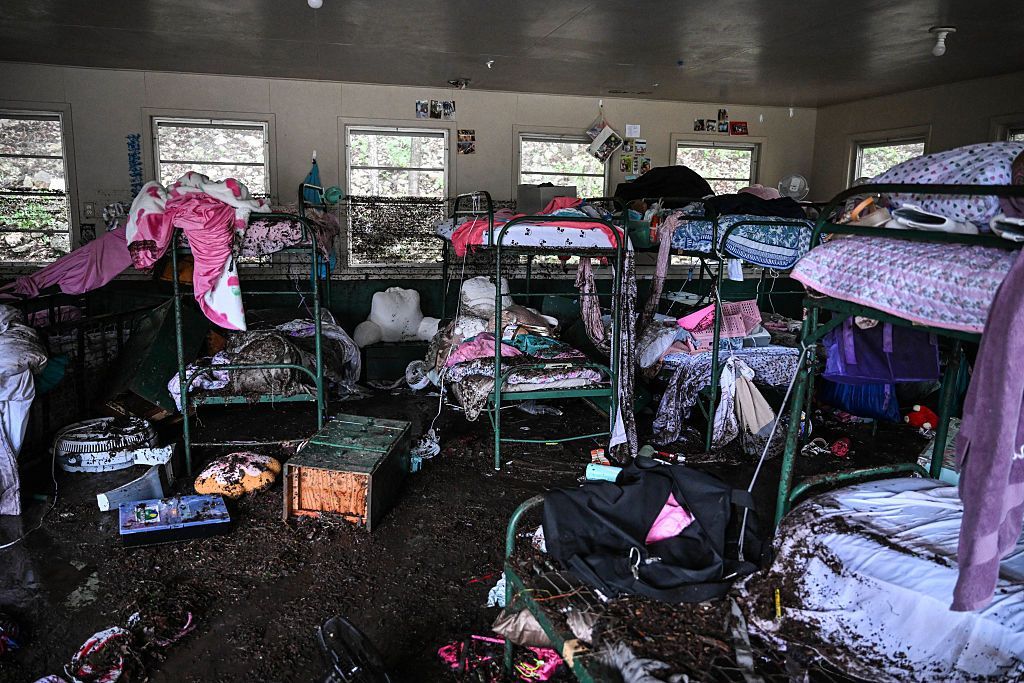
    The families of victims from the tragic Camp Mystic floods have filed a lawsuit against the Texas Christian camp, alleging gross negligence and failure to protect the children under their care. The devastating flash floods during the 4 July holiday claimed the lives of 27 children and counselors. The lawsuit, filed in Austin, seeks over $1 million in damages and accuses the camp owners of ignoring flood warnings and failing to evacuate campers promptly. The camp’s decision to partially reopen next year has further fueled outrage among the victims’ families. The lawsuit states, ‘These young girls died because a for-profit camp put profit over safety.’ The camp’s lawyer expressed empathy but contested some allegations, citing the unprecedented nature of the flood. Texas lawmakers have since passed legislation to prevent such tragedies, including restrictions on camps in flood-risk zones and mandatory emergency training.

  • An Indonesian teen suspected in mosque attack built bombs alone at home, police say

    An Indonesian teen suspected in mosque attack built bombs alone at home, police say

    JAKARTA, Indonesia — A 17-year-old Indonesian student, suspected of orchestrating a bomb attack on a high school mosque last week, had no ties to militant networks but was driven by online extremism, authorities revealed on Tuesday. The teenager, who remains hospitalized after undergoing two surgeries, was among the 96 injured in the blasts that rocked Jakarta on Friday. Police described him as a loner, deeply influenced by violent and extremist content he encountered online. Jakarta Police Director of General Criminal Investigation, Iman Imanuddin, stated that the boy felt isolated and lacked avenues to express his grievances, which motivated his actions. The suspect assembled seven explosive devices using rudimentary materials such as 6-volt batteries, plastic jerry cans, remote controls, and sharp nails. Four of the bombs detonated, while the remaining three were safely secured by authorities. Henik Maryanto of the police mobile brigade unit confirmed that the suspect acted alone, following online instructions. Investigators also recovered a toy submachine gun inscribed with white supremacist slogans and the names of notorious extremists, including neo-Nazis and the Columbine High School shooter. Mayndra Eka Wardhana, spokesperson for the elite counterterrorism squad, emphasized that while the teenager was inspired by these figures, there was no evidence of direct links to terrorist networks. The suspect faces charges of premeditated serious assault, which could result in up to 12 years in prison. Authorities reported that over half of the injured students suffered hearing loss, with four experiencing sudden deafness. Eleven students remain hospitalized, including one in critical condition due to severe burns.

  • ‘Role model’ team shares how it’s protecting juveniles in Chongqing

    ‘Role model’ team shares how it’s protecting juveniles in Chongqing

    The Chongqing procuratorates’ juvenile protection work team, recently honored as the ‘Role Model of the Times,’ shared their inspiring journey at an event held at the Great Hall of the People in Beijing. The event, co-organized by the Communist Party of China Central Committee’s Publicity Department, the Political and Legal Affairs Commission, the Supreme People’s Procuratorate, and the CPC Chongqing Municipal Committee, highlighted the team’s dedication to safeguarding the rights and well-being of minors. Six representatives from the team recounted their experiences, emphasizing the dual importance of legal rigor and human compassion in juvenile protection. Chen Wenqing, a member of the Political Bureau of the CPC Central Committee, praised the team’s efforts and urged nationwide legal institutions to emulate their approach. Established in 2004, the team has evolved from a single post to a robust network of 45 posts with over 500 members, handling cases and providing comprehensive protection for minors. Guided by the principle of ‘wishing every child to grow up better,’ the team has significantly contributed to the healthy development of minors and the efficiency of child protection governance.

  • Traditional acai berry dishes surprise visitors to Brazil climate summit, no sugar added

    Traditional acai berry dishes surprise visitors to Brazil climate summit, no sugar added

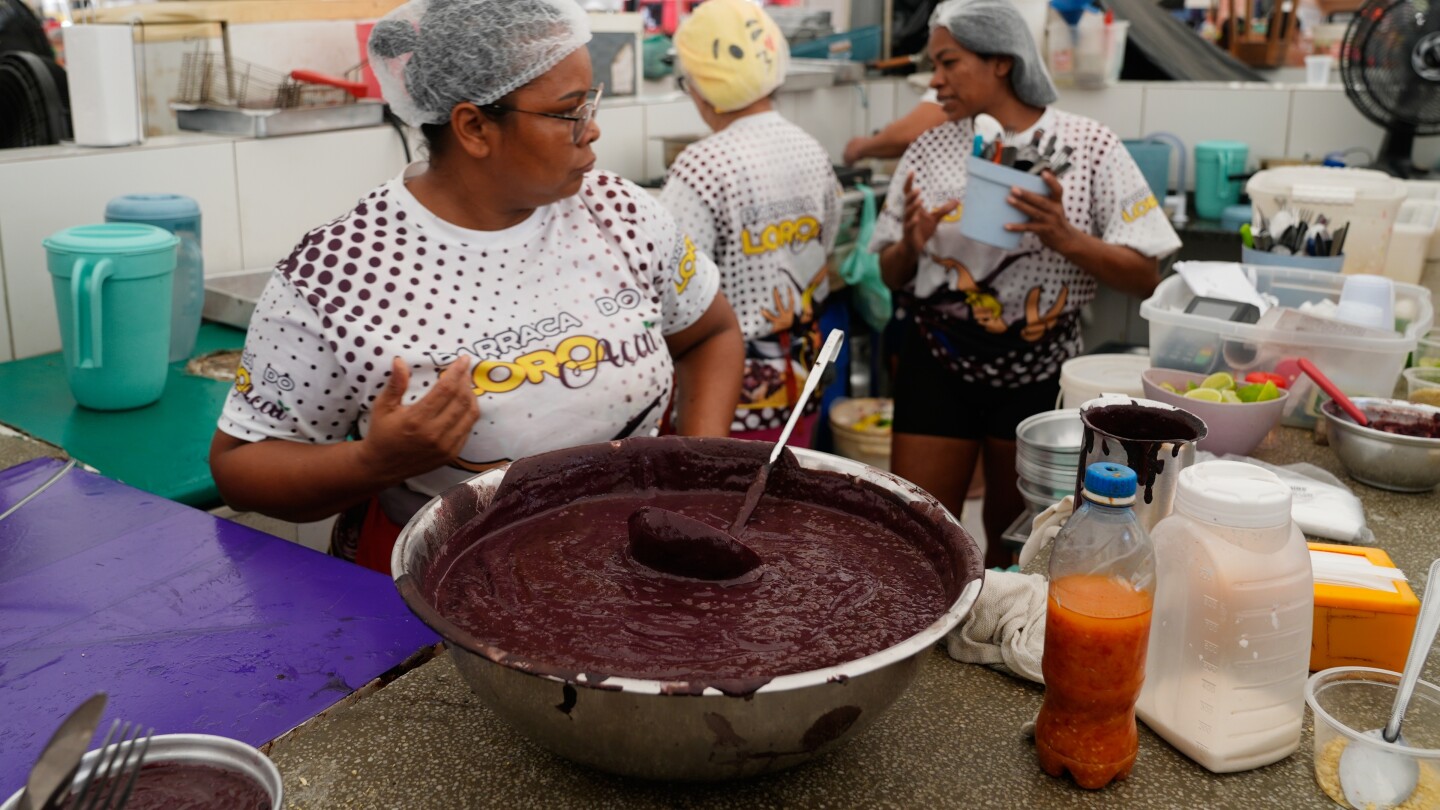
    BELEM, Brazil — Visitors attending the COP30 United Nations climate summit in Belem, Brazil, are discovering a different side of the globally popular acai berry. Unlike the sweetened, frozen versions commonly found in smoothies and breakfast bowls worldwide, the traditional acai bowls served by local vendors in Belem are unadulterated and sugar-free, staying true to their Amazonian roots. This authentic preparation, often served at room temperature as a thick liquid made from whole berries and a bit of water, has been a challenging experience for some international visitors accustomed to the sweeter, dessert-like versions. Catherine Bernard, a 70-year-old visitor from France, expressed her preference for the creamy, sweetened acai while acknowledging the cultural significance of the traditional dish. ‘Maybe if we add a little honey, some banana,’ she suggested. For the Indigenous communities of the Amazon, acai is not a dessert but a staple food, often serving as the main course of a meal. Tainá Marajoara, an activist and restaurant owner, emphasized the importance of protecting acai trees in the rainforest to maintain their quality. ‘Acai is also the blood running in the forest,’ she said. The traditional acai bowl, priced at 25 Brazilian reais ($5) at Marajoara’s COP30 pavilion restaurant, contrasts with the industrialized, sweetened versions popularized in the 1990s by surfers and jiujitsu fighters in Rio de Janeiro. Nearly all acai consumed in the U.S. originates from Brazil, with the state of Para accounting for 90% of the country’s production. However, U.S. consumers face uncertainty due to a 50% tariff imposed by former President Donald Trump on Brazilian exports. The harvesting of acai is a physically demanding job, with workers climbing tall trees to collect the berries. A full crate of acai sells for around $50 at local markets, but prices could drop if U.S. sales decline. Environmental challenges, such as erosion in coastal Amazon areas, are affecting the taste and quality of some acai berries, making them saltier and less vibrant. Marajoara and others advocate for greater environmental protection to preserve the acai trees and the rainforest ecosystem. ‘For acai to be healthy, the rainforest needs to be healthy too,’ she concluded.

  • Saudi King calls for rain prayer across Kingdom on November 13

    Saudi King calls for rain prayer across Kingdom on November 13

    In a significant spiritual initiative, Saudi King Salman bin Abdul Aziz has urged citizens across the Kingdom to participate in a special rain-seeking prayer, known as Salat Al-Istisqa, on Thursday, November 13. This call comes as part of a broader regional effort to address prolonged drought conditions and seek divine intervention for much-needed rainfall. The prayer, deeply rooted in Islamic tradition, involves two rak‘ahs (units of prayer) where worshippers repent and beseech God for mercy and relief. It is traditionally followed by a khutbah (sermon) in which the imam emphasizes repentance, charity, and acts of kindness, encouraging the community to seek forgiveness and ease the hardships of others. The Saudi Royal Court issued a statement highlighting the importance of increasing voluntary acts of worship, such as giving charity and performing extra prayers, in the hope of divine relief. This spiritual appeal is not isolated to Saudi Arabia. Neighbouring Kuwait witnessed a similar initiative on November 8, with dozens participating in rain prayers across 125 mosques nationwide. The United Arab Emirates also held a rain prayer on October 17, following a call from President Sheikh Mohamed bin Zayed. These collective efforts underscore the region’s reliance on spiritual practices to address environmental challenges and foster communal solidarity.

  • Serbian protesters vow to prevent real estate project linked to Trump son-in-law Kushner

    Serbian protesters vow to prevent real estate project linked to Trump son-in-law Kushner

    In a dramatic display of resistance, thousands of Serbian protesters formed a human shield around a bombed-out military complex in Belgrade on Tuesday, vowing to protect it from a controversial $500-million redevelopment project linked to Jared Kushner, son-in-law of former U.S. President Donald Trump. The site, partially destroyed during the 1999 NATO bombing campaign, is slated for demolition to make way for a luxury compound featuring a high-rise hotel, offices, and shops. The project, backed by Serbian President Aleksandar Vucic’s populist government, has faced fierce opposition from architectural experts, the public, and international critics. Despite legal challenges, Serbian lawmakers recently passed a special law to expedite the construction. Protesters, led by youth groups, encircled the complex, drawing a symbolic red line to emphasize their determination to preserve the site, which they view as a monument of resistance and a prime example of mid-20th century Yugoslav architecture. Critics argue that the redevelopment disregards the site’s historical significance and cultural heritage, while Vucic’s administration claims it will boost economic ties with the U.S. and stimulate the local economy. The controversy has intensified amid allegations of document forgery in the removal of the complex’s protected status and broader public discontent over government corruption. The protests mark the latest chapter in a yearlong wave of demonstrations challenging Vucic’s leadership, fueled by anger over state mismanagement and a recent tragedy in Novi Sad that claimed 16 lives. The issue remains highly sensitive in Serbia, where anti-NATO sentiment persists, and the U.S. involvement in the project has sparked further outrage.

  • The gilded cross on Germany’s highest peak has too many stickers. Now it’s being restored

    The gilded cross on Germany’s highest peak has too many stickers. Now it’s being restored

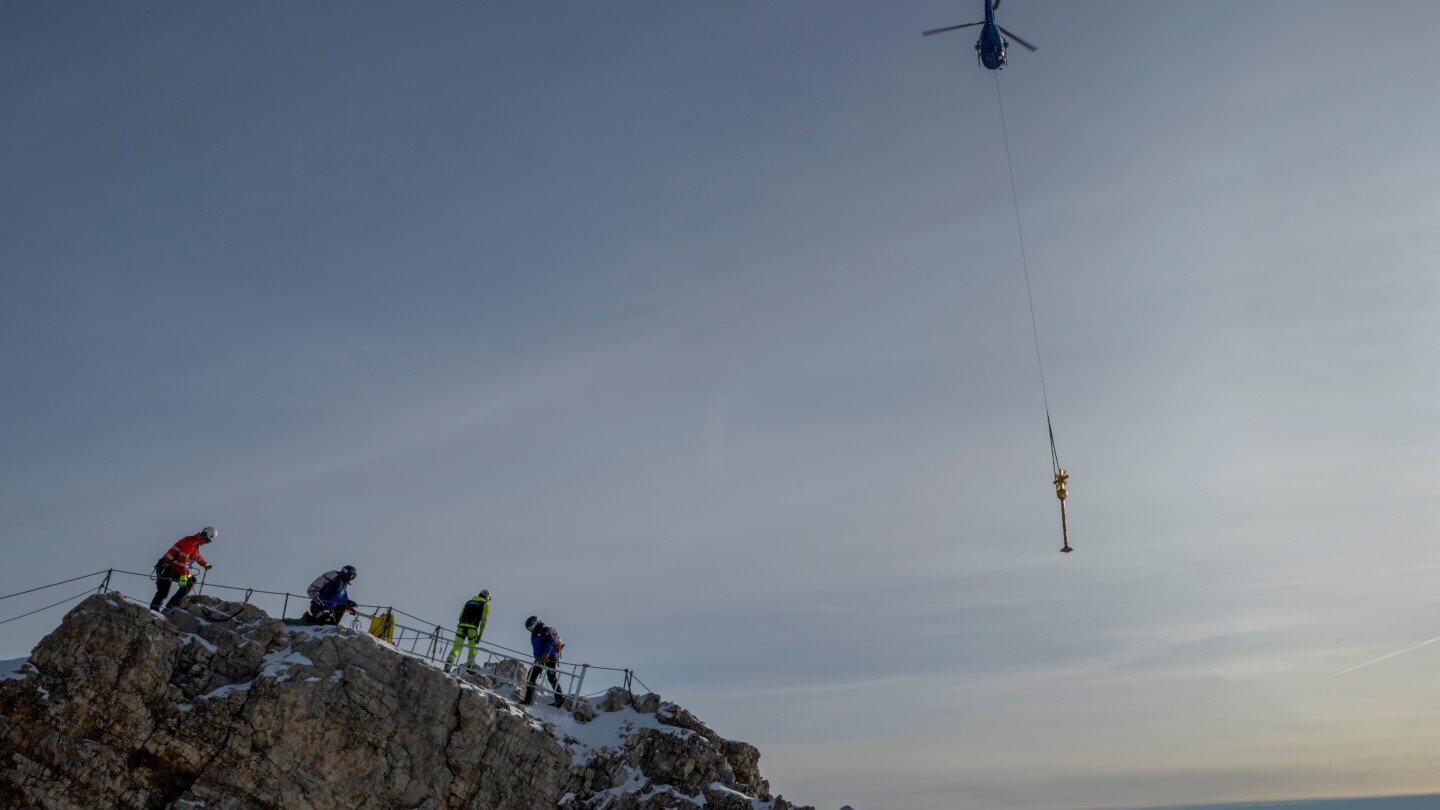
    Germany’s iconic Zugspitze peak, the country’s highest mountain, will temporarily lose its famed gilded cross as it undergoes restoration. The 4.88-meter (16-foot) tall, 300-kilogram (661-pound) cross was airlifted by helicopter on Tuesday from the 2,962-meter (9,718-foot) summit, shared between Germany and Austria in the Bavarian Alps. The restoration is necessitated by the accumulation of hundreds of stickers left by visitors over the years. The cross is now at the workshop of craftswoman Andrea Würzinger in Eschenlohe, where she will meticulously remove the stickers, sand the iron surface, and reapply gold leaf selectively due to the high cost of gold. The current cross, crafted by Würzinger’s father, Franz, in 1993, replaced the original 1851 version, which was irreparably damaged. Würzinger noted that the number of stickers has surged from just three during its first re-gilding 15 years ago to hundreds today. The Zugspitze, attracting around 600,000 visitors annually, is easily accessible via mountain railway and cable car. However, the actual peak, where the cross stands, requires a short but potentially hazardous climb from the summit station. Visitors often attempt risky maneuvers to place stickers on the cross, prompting the installation of a replica cross inside the summit station in July to deter such behavior. Würzinger and the Bayerische Zugspitzbahn, the operator of the summit transport system, aim to complete the restoration in time for the ski season’s start on November 28.

  • Probe finds no evidence of abuse in case of Yunnan child filmed naked

    Probe finds no evidence of abuse in case of Yunnan child filmed naked

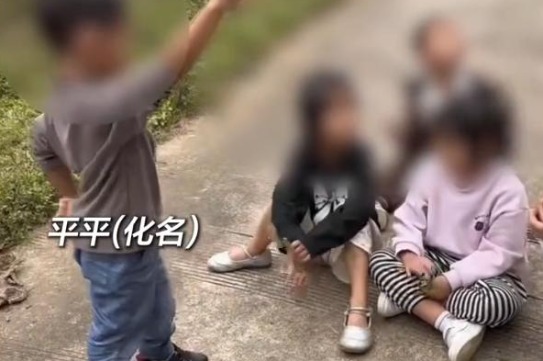
    Authorities in Yunnan Province have concluded an investigation into the case of a 3-year-old boy, nicknamed Pingping, who was filmed crawling naked at a highway service area in Shimian County, Sichuan Province. The video, which went viral online, sparked widespread concern and allegations of child abuse or trafficking. However, the probe found no evidence of mistreatment, illegal activity, or profit-making. The boy is reported to be in stable health and living safely with his parents. The incident occurred on October 15 during a family road trip. Following the video’s circulation, local authorities in Nanjian County, Dali Bai Autonomous Prefecture, where the family resides, launched an investigation alongside provincial officials. The family was located in Sichuan on October 18 and persuaded to return home by October 21. Medical professionals conducted thorough physical and psychological assessments, confirming that both children were unharmed. Pingping has since adapted well to daily routines, as observed by a local caregiver who has been accompanying him since mid-October. Videos from a nearby kindergarten show him playing and laughing with other children. Officials also verified that Pingping and his younger brother are the biological children of their parents, surnamed Li and Wan. The couple, who have not yet registered their marriage, have now received official birth certificates for the boys, and local authorities are processing their household registration. Li explained that Pingping had eczema and sometimes disliked wearing clothes in warm weather, adding that the boy’s crawling behavior was a playful imitation of the family’s pet dog.

  • Ghana’s Asante king welcomes return of artefacts from the UK and South Africa

    Ghana’s Asante king welcomes return of artefacts from the UK and South Africa

    In a significant move towards cultural restitution, Ghana’s Asante king, Otumfuo Osei Tutu II, has received 130 gold and bronze artefacts returned from the UK and South Africa. These items, some of which were looted during colonial times and others acquired through legitimate means, include royal regalia, drums, and ceremonial gold weights dating back to the 1870s. The artefacts highlight the profound cultural significance of gold in Asante society. The return ceremony, held at the Manhyia Palace in Kumasi, saw contributions from British art historian Hermione Waterfield and South African mining company AngloGold Ashanti. AngloGold Ashanti’s gesture was described as an act of cultural respect and reconciliation, addressing past tensions with local residents over resource exploitation. King Osei Tutu II expressed gratitude, emphasizing the goodwill and respect shown towards the Asante kingdom’s legacy. This event follows a broader trend of African countries reclaiming looted artefacts, with recent successes including the return of Benin bronzes to Nigeria by Germany in 2022. The ongoing efforts underscore a growing global recognition of the need to address colonial injustices and restore cultural heritage.