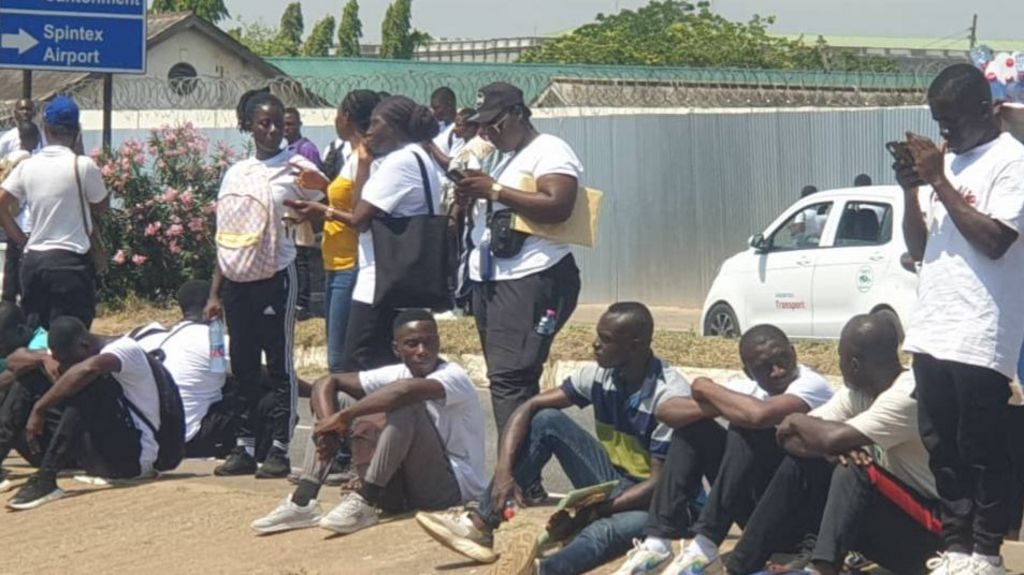
A devastating crowd crush at a military recruitment event in Accra, Ghana, has resulted in the deaths of at least six people, with several others receiving emergency medical treatment. The incident occurred at El-Wak Stadium, where thousands of hopeful applicants had gathered to join the military. According to a statement from Ghana’s armed forces, the tragedy was triggered by an unexpected surge of applicants who breached security protocols and rushed into the gates. The recruitment event, which had been extended by a week to accommodate more applicants, was scheduled to begin at 06:20 GMT. Army spokesperson Captain Veronica Adzo Arhin confirmed that the crush happened before the event’s official start time. Calm has since been restored, and the recruitment process has commenced. Ghana’s youth unemployment rate, currently at 13%, has made such events highly competitive, often leading to chaotic scenes. The incident underscores the challenges faced by young Ghanaians seeking employment opportunities in a strained economic climate.
分类: society
-

Why is Donald Trump threatening to sue the BBC?
The BBC is embroiled in a significant crisis following the resignation of its director general, Tim Davie, and head of news, Deborah Turness. The turmoil stems from allegations that a Panorama documentary misrepresented a speech by former US President Donald Trump, leading to widespread criticism and a $1 billion lawsuit threat from Trump. The documentary, titled ‘Trump: A Second Chance?’, aired on October 28, 2024, and allegedly edited Trump’s speech to suggest he explicitly encouraged the January 6, 2021, Capitol riot. BBC chairman Samir Shah has since apologized for the ‘error of judgement’. Trump’s legal team has demanded a retraction, an apology, and compensation, setting a deadline for the BBC to respond by November 14, 2025. The controversy has sparked internal and external scrutiny of the BBC’s editorial standards, with concerns also raised about its coverage of trans issues and the Israel-Gaza conflict. The resignations of Davie and Turness have further intensified the crisis, as the BBC navigates this challenging period ahead of a government review of its Royal Charter in 2027.
-
Fewer holiday trips, tighter budget: Families cut back on travel, report says
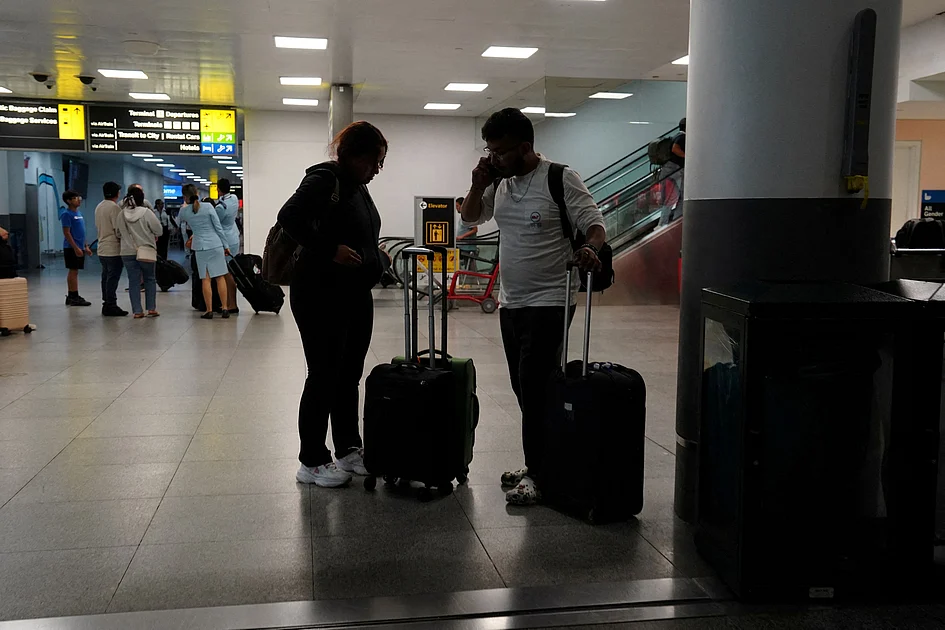
The holiday travel season in the United States is facing a significant slowdown as families, including high-income households, cut back on trips and tighten their budgets. According to a recent report by Deloitte, the average number of planned holiday trips has decreased to 1.83 from 2.14 last year, while travel budgets have shrunk by 18% to an average of $2,334. This shift reflects broader financial concerns, with nearly 20% of households earning over $100,000 annually reporting a decline in their financial well-being compared to the previous year. About 80% of these high-income travelers are opting for more affordable travel options. The prolonged US government shutdown has further exacerbated the situation, forcing airlines to reduce flights and delaying approximately 3.2 million passengers. Travel companies, including Delta Air Lines, United Airlines, and Marriott International, have noted strong demand for premium services in recent months. However, this trend may be reversing as high-income travelers, who typically spend more and travel farther, adjust their plans. Millennials, who represent 34% of luxury travelers, are leading the way in cutting back on trips this year. Interestingly, they are also at the forefront of adopting generative AI for travel planning, with usage increasing 1.5 times since 2024. While travelers primarily use AI to discover activities and attractions, they are most likely to act on restaurant recommendations.
-
Thousands protest in Romania’s capital against government austerity measures
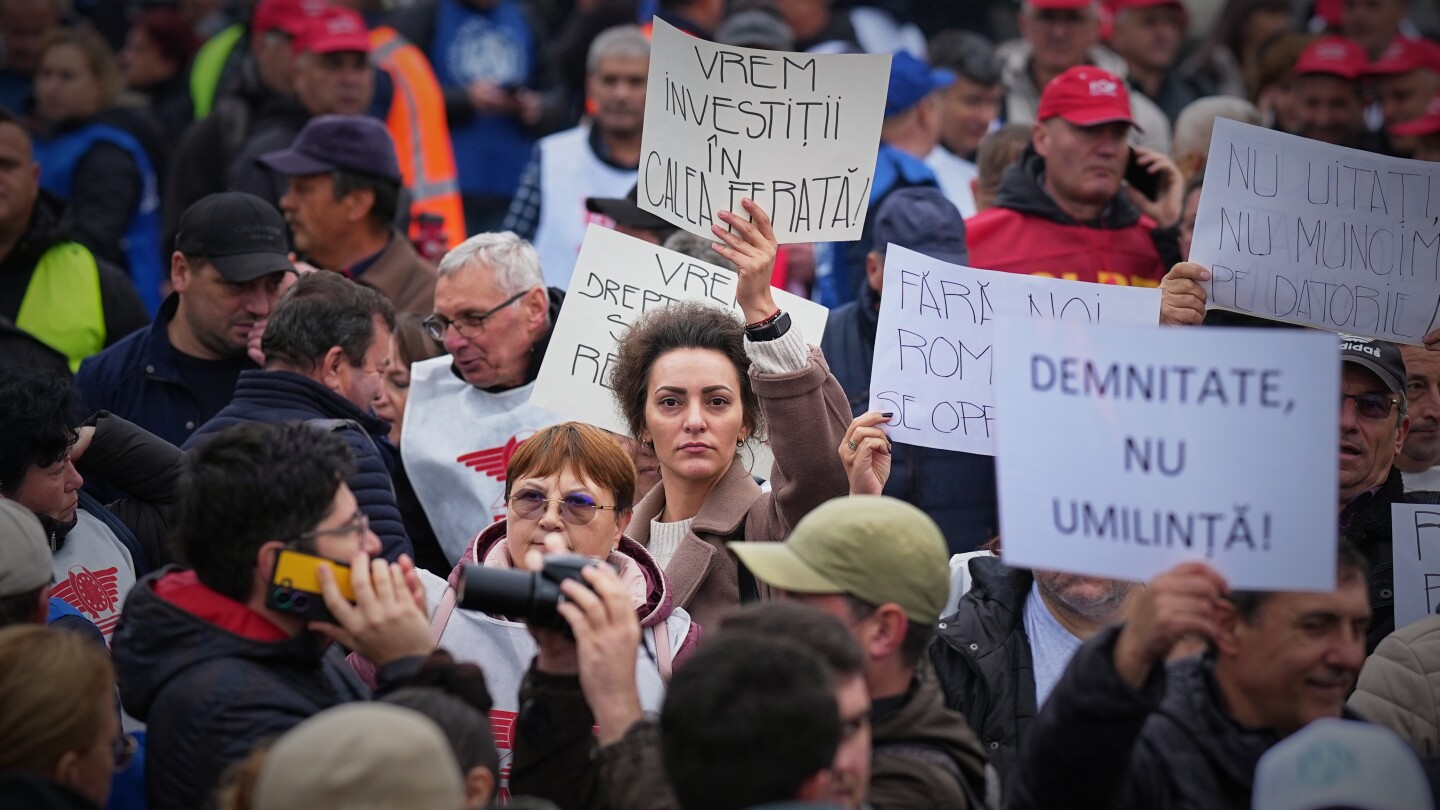
In a significant display of public discontent, thousands of Romanians took to the streets of Bucharest on Wednesday, voicing their opposition to the government’s austerity measures and demanding higher wages, tax reductions, and effective strategies to combat inflation. Organized by the National Trade Union Bloc, which represents numerous professional federations, the protest saw demonstrators gather outside government headquarters before marching toward the Palace of Parliament. Participants honked horns, banged drums, and carried placards with messages such as “We want decent salaries!” and “Don’t hit those who save you,” the latter accompanied by an image of an ambulance worker. The rally highlights growing frustration over Romania’s economic challenges, including a budget deficit exceeding 9% in 2024—one of the highest in the European Union. The government has committed to reducing the deficit to 8.4% this year through measures such as tax hikes, public sector wage freezes, and cuts to public spending and administration jobs. Critics argue that these policies disproportionately burden ordinary citizens while failing to address systemic issues. The union bloc condemned the measures, stating, “Workers are once again being sacrificed for their jobs—even though we work harder, we are getting poorer. The impoverishment of the population has become state policy.” Protesters also called for an end to public sector job cuts and stronger efforts to combat tax evasion. Political analyst Cristian Andrei noted that the government’s inability to implement swift and decisive reforms has eroded public trust, leaving ordinary citizens to bear the brunt of economic hardships. The ruling coalition, elected earlier this year, had pledged to prioritize deficit reduction and institutional reform, but its approach has sparked widespread criticism and fear of further cuts.
-
France honors victims 10 years after attacks at Bataclan concert hall, cafes and national stadium
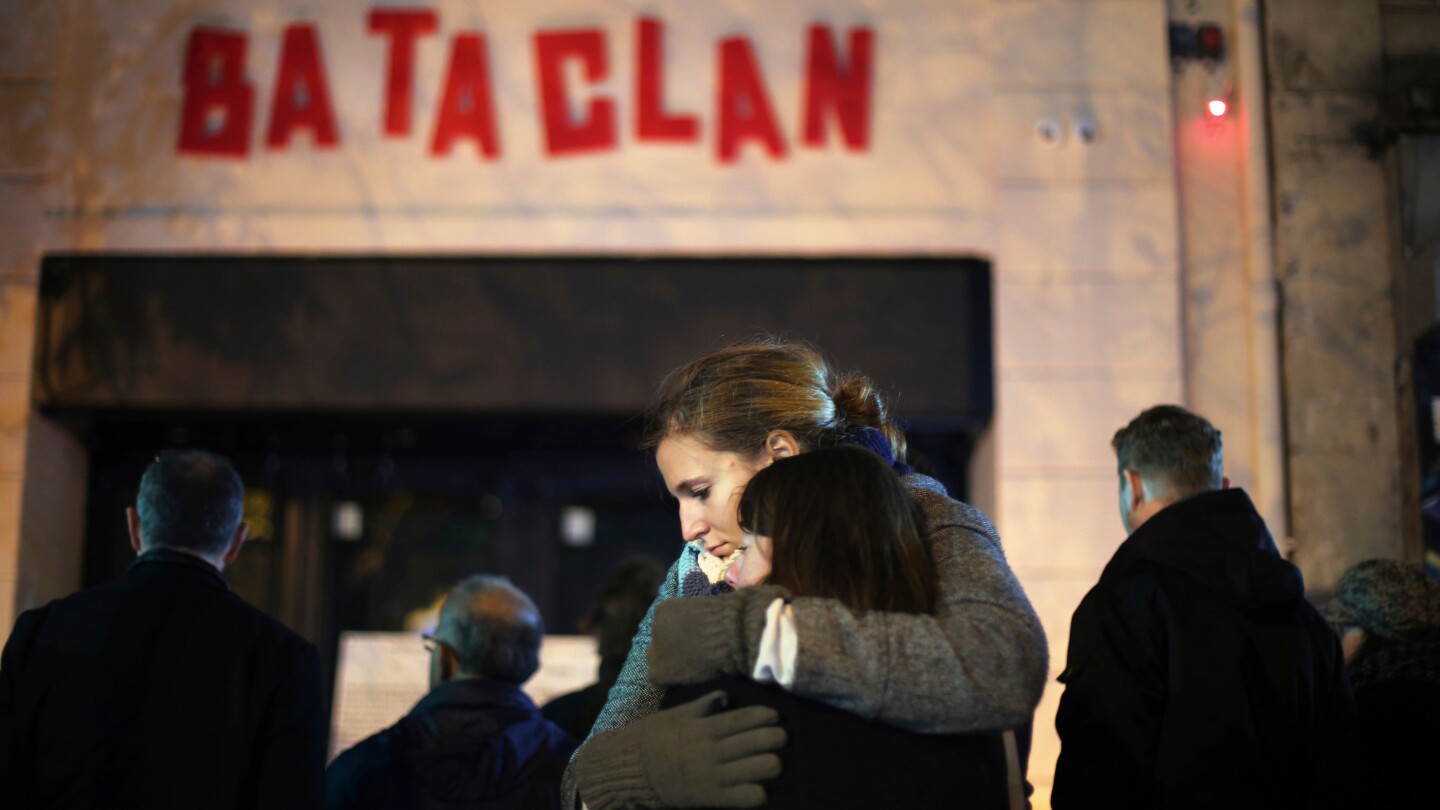
A decade has passed since the harrowing Paris attacks of November 13, 2015, yet the scars remain deeply etched in the lives of survivors. As France prepares to commemorate the 10th anniversary of the tragedy, which claimed over 130 lives and left more than 400 injured, survivors continue to wrestle with the enduring trauma. Arthur Denouveaux, a 39-year-old survivor and president of the victims’ association Life for Paris, reflects on the emotional toll of the anniversary. ‘The 10th anniversary is here, and emotions and tension are everywhere for us survivors,’ he shared. ‘It shields us from the world in a way, because we’re so focused on the grief and on remembering those who lost their lives.’ The coordinated attacks, carried out by nine Islamic State gunmen and suicide bombers, targeted multiple locations across Paris, including the Stade de France, cafes, and the Bataclan concert hall, marking the deadliest violence in France since World War II. Denouveaux, who was at the Bataclan during the Eagles of Death Metal concert, vividly recalls the chaos and horror of that night. ‘I remember crawling on top of bodies,’ he recounted. ‘I believe most of the people were pretending to be dead, but still, I remember a few faces or at least a few facial expressions of people who were necessarily dead.’ The aftermath of the attacks left survivors grappling with post-traumatic stress disorder (PTSD). Denouveaux, a father of three, spent a year in intensive therapy and medication to overcome the most critical phases of PTSD. ‘But since 2017, I’ve had no panic attacks,’ he said. ‘Yet, I’m very cautious because I’m not sure you heal from PTSD.’ To honor the victims, France will hold a solemn ceremony at a newly created memorial garden near Paris City Hall, attended by President Emmanuel Macron, Paris Mayor Anne Hidalgo, survivors, and families of the victims. The garden, designed with input from survivors and relatives, features steles engraved with the names of the victims. ‘The project aims to create a place that remembers the dead but also a place of life, a place that is beautiful and serene,’ Denouveaux explained. The French soccer federation will also pay tribute to the victims during a World Cup qualifier match between France and Ukraine at the Parc des Princes, preceded by a minute of silence. The attacks not only traumatized individuals but also shook the nation’s sense of security. Survivors like Denouveaux have had to navigate a new path in life, mourning not only the lives lost but also the person they once were. ‘When you survive a terrorist attack, you become disconnected from the rest of the world,’ he said. ‘There are three mourning phases: the mourning for those who died, the mourning for the person you were, and the mourning of the image people have of you.’ The 2021-2022 trial of Salah Abdeslam, the lone surviving attacker, and 19 other accomplices brought some closure, with Abdeslam sentenced to life without parole. Yet, for survivors, the journey toward healing remains ongoing. ‘Ten years later, when I tell someone who doesn’t know: ‘Well, I was at the Bataclan,’ the person’s perception of me changes immediately,’ Denouveaux noted. ‘There’s the emotion they felt that day, but also the fear of wondering, ‘Is he OK? Can I talk to him about it? How do we do that?’ And that, of course, puts you out of phase.’
-
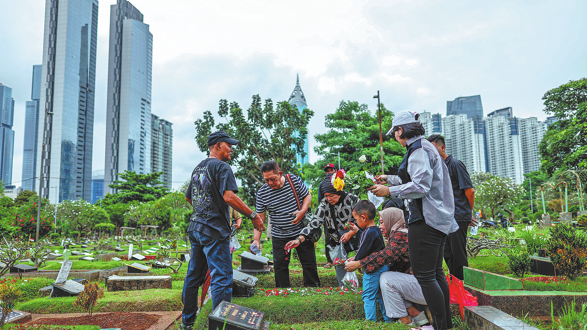
Jakarta faces shortage to accommodate the dead
Jakarta, Indonesia’s bustling capital, is confronting a severe shortage of burial space as its cemeteries reach or exceed capacity. With 86.25% of the city’s 80 public cemeteries already full and the remaining ones nearing their limits, only 118,000 graves remain available. This alarming situation has raised concerns about the commercialization of burial plots, disproportionately affecting low- and middle-income residents who rely on free public cemeteries. Rapid population growth and limited land availability have exacerbated the crisis, prompting the city to adopt measures such as stacked burials, where multiple caskets are interred in a single plot. However, even these efforts fall short of meeting demand. For instance, the Grogol Kemanggisan public cemetery in West Jakarta, which houses around 17,000 bodies, has stopped accepting new burial requests due to overcrowding. Families are often forced to incur additional costs by traveling to distant cemeteries or opting for private burial grounds, which charge exorbitant fees. The COVID-19 pandemic further strained the system, with Jakarta recording over 16,000 deaths from the virus by June 2023. To address the issue, Governor Pramono Anung has proposed building new public cemeteries and converting former COVID-19 burial sites. Yet, experts like urban sociologist Rakhmat Hidayat argue that the crisis stems from poor urban planning and a focus on commercial development over public welfare. Without immediate action, the burden will continue to fall on the city’s most vulnerable residents, who may soon have no access to affordable burial options.
-
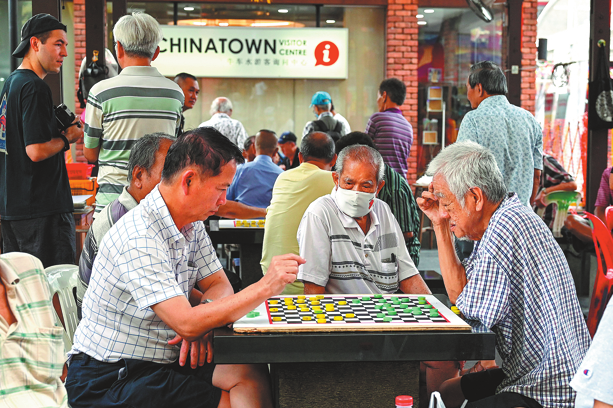
Beyond family
As Singapore rapidly transitions into a super-aged society, experts are advocating for a shift from family-centric caregiving to community-based models. With over 21% of the population expected to be aged 65 or older by 2026, the need for innovative eldercare solutions is more pressing than ever. Paulin Straughan, director of the Centre for Research on Successful Ageing (ROSA) at Singapore Management University, emphasizes that relying solely on migrant domestic workers is unsustainable. Instead, fostering local talent and community involvement is crucial. Initiatives like the ElderAid program by the Singapore Red Cross, which connects volunteers like Peh Kim Hiok with seniors in need, exemplify this approach. Peh, a 62-year-old homemaker, has been visiting three seniors monthly, offering companionship and support. Her story highlights the growing trend of seniors helping seniors, redefining caregiving beyond familial ties. The government is also stepping up efforts with projects like ‘Age Well Neighborhoods,’ which aim to enhance community infrastructure and care services. These include community care apartments, active aging centers, and shared stay-in senior care services. Despite these advancements, challenges remain. About 30% of older adult caregivers report chronic health conditions, underscoring the need for programs to support their physical and mental well-being. Christopher Gee, deputy director of the Institute of Policy Studies, stresses the importance of nurturing a ‘we-first’ society, where caregiving is a collective responsibility. Tools like the Healthy 365 app, which incentivizes health targets, could serve as models for promoting pro-social behaviors. The Silver Generation Office (SGO) has also expanded its network of ambassadors to nearly 9,000, leveraging digital engagement to reach tech-savvy seniors. As Singapore grapples with its aging population, the call for a community-driven caregiving model grows louder, offering a sustainable path forward.
-

Brothers charged with South African rapper’s murder after extradition
Two brothers, Siyabonga and Malusi Ndimande, have been formally charged with the murder of renowned South African rapper Kiernan Forbes, widely known as “AKA,” following their extradition from Eswatini. The siblings were returned to South Africa after a prolonged legal battle to prevent their extradition failed. Forbes, an acclaimed hip-hop artist, was tragically gunned down alongside his close friend, celebrity chef Tebello “Tibz” Motsoane, outside a restaurant in Durban in 2023. The incident sent shockwaves across the nation, which already grapples with one of the highest murder rates globally. The Ndimande brothers face additional charges, including the murder of Motsoane, attempted murder, and unlawful possession of a firearm. They will stand trial alongside five other defendants already in custody. At the time of his death, Forbes was in Durban to perform during his birthday celebrations. Police have characterized the attack as a meticulously planned hit. Forbes, celebrated for his three solo albums and collaborations with international artists like Nigeria’s Burna Boy, was a prominent figure in South Africa’s music scene. His untimely demise has left a void in the industry and sparked widespread mourning.
-
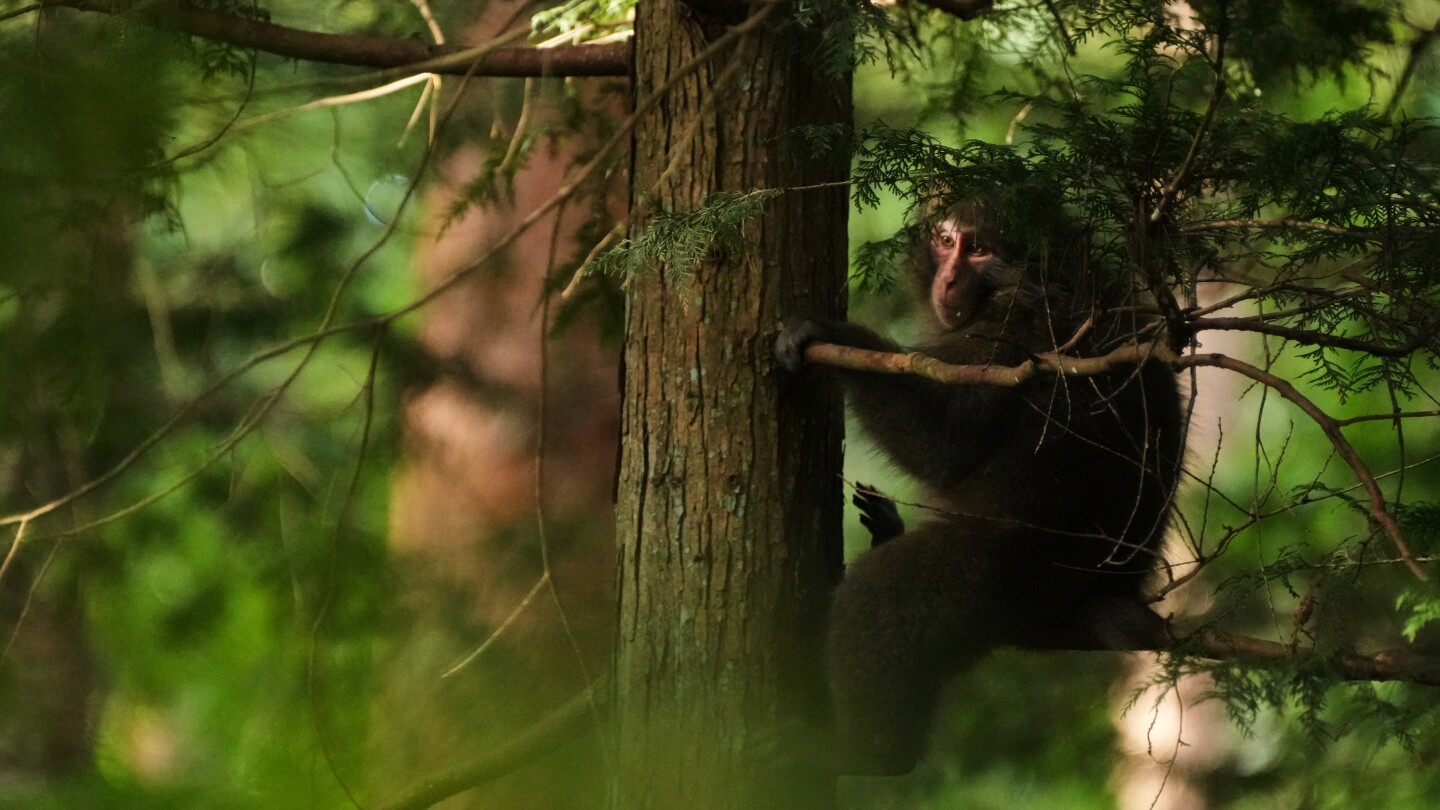
In Japan’s Northern Alps, residents battle monkeys to protect homes and farms
In the serene foothills of Japan’s Northern Alps, an unusual battle unfolds between humans and monkeys. Armed with bright orange vests, bells, whistles, and walking sticks, a dedicated group known as the Monkey Chasing Squad patrols the region. Their mission: to herd Japanese macaques back into the mountains and away from farms and homes. Using GPS trackers, they monitor the monkeys’ movements and coordinate efforts to keep the animals at bay. While these primates are a major tourist attraction at Jigokudani Monkey Park, where they famously soak in hot springs, they are increasingly seen as pests by locals. The monkeys raid homes, steal food, and destroy crops, causing significant frustration. In 2022, Japan’s Agriculture Ministry reported crop damage from wild animals, including monkeys, totaling 15.6 billion yen ($100 million). The Monkey Chasing Squad, led by Masaya Miyake, has made progress in reducing the time macaques spend in villages, but challenges remain. Efforts to cull the monkeys have sparked debate, with ecologists warning that such measures could worsen the problem by disrupting troop dynamics. As human-monkey conflicts escalate, innovative solutions like electric fences and trained dogs are being explored. However, the squad’s work highlights the delicate balance between preserving wildlife and protecting livelihoods in Azumino.
-

Dubai: Indian teen dies after falling from building while taking photos
A heartbreaking incident unfolded in Dubai earlier this week as a 19-year-old Indian teenager lost his life after falling from a building while attempting to capture photographs. Mishaal Mohammed, a resident of Kerala, India, was visiting his cousin in the Hor Al Anz area when the tragedy occurred. According to M.K., a social worker involved in the case, Mishaal was an avid photography enthusiast who was trying to take pictures of planes from the third-floor terrace of the building. Unfortunately, he tripped on a pole and fell, sustaining severe internal injuries. Despite being rushed to Rashid Hospital immediately after the accident, he succumbed to his injuries shortly after arrival. Mishaal, the only son of his parents, is survived by his parents and two sisters. He had arrived in the UAE on a visit visa just last month to spend time with his cousin. The formalities for repatriating his body to India are nearly complete, and his final rites are expected to take place early Wednesday morning. This marks the second such incident in Dubai this year, following the death of a 17-year-old student in April after a similar fall. The community mourns the loss of these young lives, cut short by unforeseen accidents.