分类: society

  • Malatang, leafy greens: Chinese flavor wins taste buds of Dubai

    Malatang, leafy greens: Chinese flavor wins taste buds of Dubai

    The aromatic steam of Sichuan peppercorns and simmering meat broths now permeates the air across Dubai’s diverse culinary landscape. Malatang, the customizable Chinese hot pot dish, has transcended its cultural origins to become a gastronomic phenomenon embraced by the city’s multicultural population.

    At bustling malatang restaurants throughout Dubai, stainless steel baskets overflow with fresh leafy greens, premium meats, and an assortment of noodles while patrons of Asian, Arab, African, and European backgrounds sit side-by-side. The distinctive sound of clinking chopsticks and forks accompanies lively conversations, creating a unique cross-cultural dining experience that bridges culinary traditions.

    This culinary migration represents more than just food trend adoption—it signifies Dubai’s evolving identity as a global gastronomic hub where Eastern and Western flavors converge. The malatang experience, traditionally characterized by its build-your-own bowl concept and numbing-spicy flavor profile, has been adapted to accommodate local tastes while maintaining its authentic Chinese character.

    Restaurant owners report consistently growing demand across all demographic groups, with particular popularity among young professionals and families seeking both flavorful and customizable dining options. The dish’s interactive nature and health-conscious preparation—with customers selecting fresh ingredients cooked to order—align perfectly with contemporary dining preferences.

    The successful integration of malatang into Dubai’s food scene demonstrates how culinary diplomacy can foster cross-cultural understanding and appreciation. As Chinese cuisine continues to gain international recognition, malatang stands out as a particularly successful ambassador of China’s rich culinary heritage, creating new opportunities for cultural exchange through shared dining experiences.

  • Libya’s stateless Tuareg: A forgotten human rights crisis at ‘risk of imminent explosion’

    Libya’s stateless Tuareg: A forgotten human rights crisis at ‘risk of imminent explosion’

    In the vast desert landscapes of southwestern Libya, an entire generation of Tuareg people exists in a paradoxical state of belonging without recognition. Indigenous to North Africa and traditionally nomadic across five nations, these communities face systematic exclusion from citizenship despite deep historical roots in Libyan territory.

    The administrative nightmare begins at birth for thousands like Abdulbaqi Hamdi, a Tuareg in his early twenties born and raised in Libya yet denied basic documentation. “We have always been on the margins of the state, but we have never been outside our homeland,” Hamdi reflects, capturing the essence of this institutional limbo.

    Historical context reveals this predicament stems from decades of political manipulation rather than accident. During Muammar Gaddafi’s regime, many Tuareg families from Mali and Niger settled in southern Libya, fleeing Sahelian droughts and conflicts. They were recruited into military service with promises of naturalization that never materialized—a deliberate strategy of administrative blackmail to maintain control.

    The 2011 uprising that toppled Gaddafi worsened their situation dramatically. Tuareg communities faced immediate suspicion due to some members’ involvement in Gaddafi’s army, resulting in double marginalization: first through exploitation by the state, then through stigmatization after its collapse.

    Libya’s current political fragmentation between rival governments in Tripoli and Benghazi has created governance vacuums in the Fezzan region, where most Tuareg inhabit areas under military commander Khalifa Haftar’s control. Entire neighborhoods in cities like Sabha and Ubari lack basic infrastructure—nonexistent roads, sanitation networks, and healthcare facilities—functioning as forgotten enclaves.

    The legal framework exacerbates this exclusion. Law No. 8 (2014) made the national identification number mandatory for accessing fundamental rights: obtaining passports, voting, owning property, or receiving social assistance. Without this number, Tuareg individuals cannot register marriages, open bank accounts, obtain SIM cards, or even receive death certificates.

    Education and healthcare access remain particularly problematic. While children can attend school, they are denied official diplomas. Medical treatment requires navigating complex administrative hurdles that often prove insurmountable.

    Human rights activist Majdi Bouhanna estimates between 16,000-17,000 families remain affected, their cases languishing in “provisional” civil registries despite completed legal processes. Contrary to popular belief, this issue impacts indigenous Tuareg alongside those with cross-border histories, reflecting broader systemic failures in civil registration.

    The security implications are profound. Marginalized youth, deprived of education and formal employment, increasingly turn to informal economies or armed groups. This creates vulnerability to recruitment by militias and criminal organizations operating in migration and smuggling routes that crisscross the Fezzan region.

    Community responses have emerged despite these challenges. Khadidja Andidi, a humanitarian activist in Ubari, established the volunteer center Noor al-Ilm following deadly inter-tribal conflicts in 2014-2015. Her organization provides healthcare, training, and emergency assistance while operating outside official channels due to her own statelessness.

    UN reports from 2018 highlight how denial of nationality fuels chronic marginalization, exacerbating conflicts and instability. As Bouhanna emphasizes, “The Tuareg are an integral part of Libya. They have protected its borders and defended the country at every stage of its history.”

    With anger mounting and calls for mobilization increasing on social media, experts warn of potential explosion in an already fragile nation. The bureaucratic nightmare surrounding Tuareg and Tebu communities represents not just a human rights crisis, but a critical security vulnerability that demands immediate political resolution.

  • Bus carrying pilgrims overturns in Brazil killing 15 on board

    Bus carrying pilgrims overturns in Brazil killing 15 on board

    A tragic bus accident in northeastern Brazil has resulted in the deaths of at least fifteen individuals, including three children, following the overturning of a pilgrimage vehicle on Tuesday morning. The incident occurred on a curved highway segment in São José da Tapera, within Alagoas state’s rural interior.

    Official reports indicate the bus was transporting approximately 60 passengers returning from the Our Lady of Candeiras religious festival in Ceará state. The vehicle was part of a larger convoy traveling from Coité do Noia to Juazeiro do Norte—a 563-kilometer (350-mile) journey typically lasting eight hours. The accident happened during the final leg of the return trip.

    Eyewitness footage circulating on social media depicts the overturned bus lying on its side amidst scattered debris, with emergency response teams actively working at the scene. Preliminary investigations suggest the driver lost control before the vehicle departed the roadway and rolled multiple times.

    Surviving passengers were evacuated via airlift to medical facilities, with a nine-year-old child suffering head injuries reported as the most critically injured patient. Local authorities have confirmed the demographic breakdown of fatalities: three children, seven women, and five men.

    Coité do Noia Mayor Bueno Higino Filho expressed profound grief, stating: ‘The loss is immense. They were all my friends… I woke today to this devastating news and am en route to the accident site to coordinate assistance.’

    In response to the tragedy, Alagoas State Governor Paulo Dantas declared three official days of mourning, posting on social media: ‘I stand in solidarity with family members and friends during this moment of profound sorrow.’ A formal investigation into the accident’s circumstances remains ongoing.

  • Aerial footage highlights scenic, cultural treasures of Guizhou

    Aerial footage highlights scenic, cultural treasures of Guizhou

    Newly released aerial cinematography has unveiled the breathtaking natural beauty and vibrant cultural tapestry of Guizhou province in Southwest China. The sweeping drone footage provides unprecedented perspectives of the region’s most iconic destinations, capturing everything from the thunderous cascade of Huangguoshu Waterfall to the traditional architecture of Zhaoxing Dong village.

    The visual documentation showcases how Guizhou’s unique geographical features and well-preserved ethnic cultures have transformed the province into an increasingly popular destination for domestic and international travelers. The aerial perspective emphasizes the dramatic karst formations, terraced fields, and traditional villages that characterize this mountainous region.

    These visually stunning recordings have generated significant attention across social media platforms, with many clips going viral and drawing renewed interest in Guizhou’s tourism offerings. The footage not only highlights natural wonders but also provides glimpses into the daily lives and cultural practices of local communities, particularly the Dong ethnic minority known for their distinctive wooden architecture and cultural traditions.

    The timing of this visual promotion aligns with increased domestic travel initiatives and growing interest in China’s diverse regional cultures. By showcasing Guizhou’s attractions from above, the footage offers a comprehensive view of how natural landscapes and human settlements coexist in this topographically diverse province, potentially influencing travel decisions and cultural appreciation among viewers worldwide.

  • Thousands of Epstein documents taken down after victims identified

    Thousands of Epstein documents taken down after victims identified

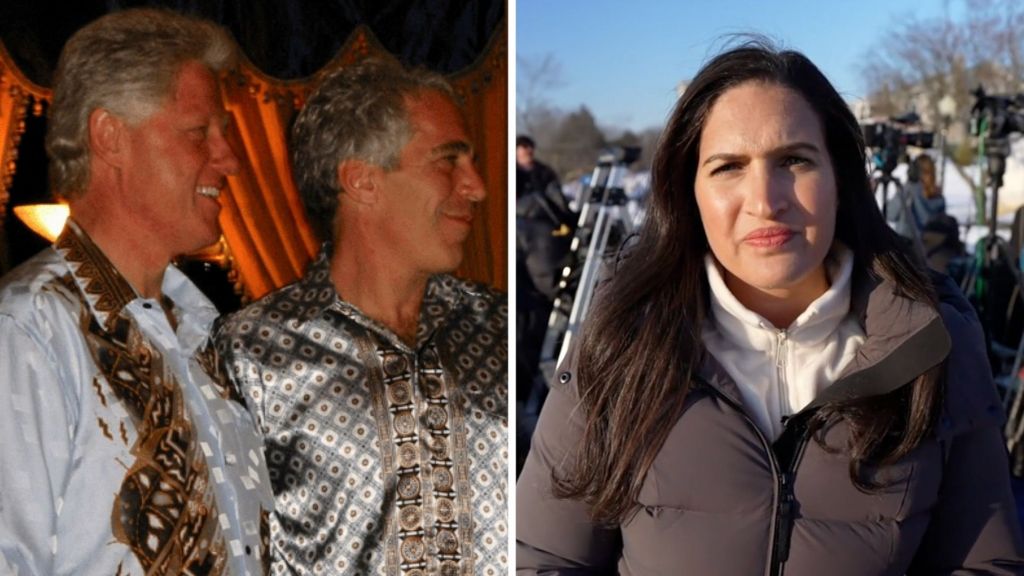
    The U.S. Department of Justice has triggered widespread condemnation after inadvertently publishing thousands of unredacted documents from the Jeffrey Epstein investigation, compromising the identities and privacy of nearly 100 survivors. The massive data release, which occurred on Friday as part of a Congressionally-mandated disclosure, contained email addresses, nude photographs, and personally identifiable information that victims’ attorneys describe as the most severe violation of victim privacy in American history.

    Legal representatives for Epstein’s victims urgently petitioned a federal judge in New York to intervene, characterizing the situation as an unfolding emergency requiring immediate judicial action. The DOJ subsequently removed all flagged documents from its website, attributing the disclosure of sensitive information to technical or human error. In a formal communication to the court, the department confirmed it had taken down all requested files for additional redaction and was continuously examining new requests.

    Survivors expressed profound distress over the incident, with several reporting receiving death threats following the publication of their private banking details. Annie Farmer, one of Epstein’s survivors, told the BBC that the damage caused by the exposure overshadowed any new information revealed through the document release. Another victim, Lisa Phillips, accused the DOJ of violating all three core requirements established for the document release process, stating that survivors feel the department is ‘playing games’ with them despite their continued determination to seek justice.

    Prominent women’s rights attorney Gloria Allred confirmed that numerous victims’ names appeared in the latest release, including some who had never previously been identified publicly. She noted that in some instances, redaction lines were insufficient to conceal names, while in other cases, photographs of victims who had never given public interviews were disclosed.

    The DOJ spokesperson acknowledged the seriousness of the situation, emphasizing that the department takes victim protection seriously and has redacted thousands of victim names across millions of published pages. The spokesperson stated that only 0.1% of released pages contained unredacted information identifying victims and that the department was working around the clock to address the issue.

    This latest document release, comprising three million pages, 180,000 images, and 2,000 videos, follows legislation signed by President Donald Trump under bipartisan Congressional pressure mandating public disclosure of all Epstein-related documents. The financier died in a New York prison cell in August 2019 while awaiting trial on sex trafficking charges.

  • Stone feast of 160 dishes draws crowds to Fuzhou historic district

    Stone feast of 160 dishes draws crowds to Fuzhou historic district

    The historic Three Lanes and Seven Alleys district in Fuzhou, capital of Fujian province, has become the site of an extraordinary cultural exhibition that continues to draw substantial public attention. At the heart of this display lies an astonishing collection of over 160 meticulously sculpted dishes, all crafted entirely from Shoushan stone—a material renowned for its diverse colors and textures.

    This remarkable stone feast represents a modern interpretation of the legendary Manchu Han Imperial Feast, historically known as one of China’s most elaborate culinary traditions. The exhibition showcases an impressive range of items, from regional specialties like the iconic Fujian seafood dish “Buddha Jumps Over the Wall” to contemporary Western favorites including burgers and french fries. Each piece demonstrates exceptional artistry and attention to detail, with no two items appearing identical in their stone composition.

    The creative master behind this ambitious project is Sun Zhaoyong, an officially recognized provincial inheritor of intangible cultural heritage. Born into a family with generations of carving expertise, Sun has dedicated decades to perfecting his craft. His inspiration for this comprehensive stone banquet emerged during the 1990s when he created an exceptionally lifelike blood clam sculpture for his wife. This initial experiment revealed the remarkable potential of Shoushan stone, which offers approximately 200 distinct color variations and textural qualities ideally suited for replicating the visual characteristics of various foods.

    The exhibition not only highlights traditional Chinese carving techniques but also demonstrates how ancient art forms can creatively interpret both historical and modern culinary culture. Visitors to the historic district can experience this unique blend of gastronomy and sculpture, which serves as both an artistic achievement and cultural preservation effort.

  • Spain considers social media ban for under-16s, joining others in Europe

    Spain considers social media ban for under-16s, joining others in Europe

    In a significant move to safeguard young people from digital harm, Spanish Prime Minister Pedro Sánchez announced Tuesday that Spain will implement a nationwide ban on social media access for children under 16. The declaration came during Sánchez’s address at a Dubai summit where he criticized major technology corporations for permitting the proliferation of illegal content including child sexual abuse materials and nonconsensual sexualized deepfakes.

    “Contemporary children are navigating digital territories they were never equipped to traverse independently,” Sánchez stated. “This era of willful ignorance must conclude.”

    Spain now aligns with several nations implementing similar protective measures. France recently legislated to prohibit social media access for those under 15, with enforcement scheduled for the upcoming September academic term. Australia has pioneered the world’s first comprehensive social media prohibition for under-16s, making platforms legally accountable for minor users. Denmark has established comparable restrictions for users under 15, while the United Kingdom is considering analogous protective measures.

    The Spanish initiative will mandate social media companies to implement robust age verification mechanisms—moving beyond self-declaration systems to establish effective digital barriers. Current platform policies typically set minimum age requirements at 13, though enforcement remains inconsistent across the industry.

    Spain’s prohibition will integrate into existing digital protection legislation for minors currently under parliamentary consideration. Government officials indicate the measure could receive approval as early as next week, though the minority left-wing coalition faces legislative challenges. While the far-right Vox party criticized the proposal as potentially limiting criticism of the government, the center-right Popular Party indicated support, having proposed similar restrictions previously.

    Concurrently, Spain has joined five European nations in forming what Sánchez termed a “coalition of the digitally willing” to coordinate multinational social media regulation. Additional measures include criminalizing algorithmic manipulation that amplifies illegal content and establishing executive liability for failure to remove criminal materials from digital platforms.

    “The myth of technological neutrality must be dispelled,” Sánchez emphasized during his summit address. Both regulatory enhancements will require parliamentary ratification to modify Spanish law.

  • Intl students experience Chinese New Year celebration in Shanghai

    Intl students experience Chinese New Year celebration in Shanghai

    In a vibrant cultural exchange initiative, nearly 100 international students from Shanghai’s universities gathered at Siping Cinema in Yangpu district on February 2nd for an immersive Lunar New Year experience. The event, strategically timed before the Spring Festival celebrations, offered foreign scholars a deep dive into traditional Chinese customs through interactive activities.

    The celebration featured two distinctive cultural showcases: the launch of six specially designed blind boxes containing traditional artifacts and a hands-on calligraphy workshop. Under expert guidance, participants crafted personalized Spring Festival couplets and practiced writing the symbolic Chinese character “fu” (福), representing good fortune and happiness.

    The cultural program culminated with the premiere screening of “The Moon is Yours,” a documentary directed by Fudan University alumna Wu Bei. This cinematic project represents a three-year ethnographic study initiated in September 2022 by Fudan University’s School of Journalism. The film tracks the academic and personal journeys of six international students from diverse national backgrounds and academic disciplines during their time in China.

    Elijah Knowles, a 24-year-old Wushu scholar from the United States studying at Shanghai University of Sport, characterized the event as emblematic of Shanghai’s multicultural richness. “This celebration perfectly encapsulates the ‘plenty of everything’ experience that Shanghai offers international students,” Knowles remarked, highlighting the city’s capacity for cultural integration and educational hospitality.

    The event demonstrates Shanghai’s ongoing commitment to promoting cultural understanding and creating meaningful connections between international students and traditional Chinese festivals through experiential learning opportunities.

  • UAE Lottery website restored after temporary outage impacting some users

    UAE Lottery website restored after temporary outage impacting some users

    The UAE’s premier national lottery platform has successfully restored its digital services after experiencing a significant technical interruption that lasted approximately two hours on Tuesday morning. The outage, which commenced in the early hours of February 3, 2026, temporarily prevented certain users from accessing the official lottery website and related services.

    Company representatives swiftly addressed the situation through their social media channels, confirming that technical specialists were conducting comprehensive investigations into the system malfunction. During the disruption period, prospective players encountering access difficulties received official guidance to either attempt reconnection at a later time or utilize alternative internet service providers.

    For users requiring immediate assistance, the organization maintained accessible support channels including a dedicated helpline (800 2365) and email support (support@theuaelottery.ae). The lottery administration expressed gratitude toward its user base for their patience and understanding throughout the resolution process.

    Established in late 2024 under the regulatory supervision of the General Commercial Gaming Regulatory Authority (GCGRA), the UAE Lottery represents the nation’s first and exclusively licensed national lottery program. Operated by The Game LLC, the platform features diverse gaming options including the flagship Lucky Day weekly draw alongside various instant-win scratch cards and rapid-play formats, offering participants the opportunity to win substantial monetary prizes.

    The organization has implemented robust responsible gaming protocols in collaboration with Takalam, an artificial intelligence-driven mental health support platform. These measures include continuous monitoring of participant behavior and proactive intervention mechanisms to ensure ethical gaming practices among eligible residents aged 18 and above.

  • Restored angel fresco resembling Italian PM Meloni sparks investigation

    Restored angel fresco resembling Italian PM Meloni sparks investigation

    Italian authorities and Catholic Church officials have initiated a formal investigation into controversial restoration work at Rome’s Basilica of St Lawrence in Lucina following allegations that a fresco angel bears the likeness of Prime Minister Giorgia Meloni.

    The cultural controversy emerged when Italy’s leading newspaper La Repubblica published comparative images showing a recently restored cherub holding a map of Italy that appeared to resemble the conservative leader. The side-by-side photographs demonstrated significant facial alterations from the original 2000 fresco.

    Culture Minister Alessandro Giuli has dispatched technical experts to examine the artwork and determine the exact nature of the modifications. Simultaneously, the Diocese of Rome expressed profound disappointment, clarifying that while aware of conservation efforts following water damage, they had received assurances that no substantive changes would be made to the chapel’s artwork.

    Eighty-three-year-old artist Bruno Valentinetti, who created the original fresco and conducted the restoration, vehemently denied the allegations. “The restored face is identical to what I painted twenty-five years ago,” he stated through AGI news agency. “Who perceives any resemblance to Meloni?”

    Prime Minister Meloni responded with characteristic humor on Instagram, posting: “I’m definitely not like an angel” accompanied by laughing emojis, effectively dismissing the controversy.

    Parish priest Monsignor Daniele Micheletti expressed bewilderment at the attention, noting that historical frescoes frequently contained contemporary references. “Artists traditionally incorporated various elements into their religious works,” he remarked.

    The political opposition demanded immediate investigation, with Democratic Party representative Irene Manzi labeling the situation “unacceptable” and the Five Star Movement warning against art becoming “propaganda instrumentation.”

    The Diocese subsequently announced that Cardinal Baldo Reina, the Pope’s Vicar for Rome, would lead the inquiry to establish accountability. Church authorities emphasized their commitment to protecting both artistic integrity and spiritual heritage from inappropriate exploitation.

    The Basilica of St Lawrence in Lucina, dating to the 4th century, contains numerous significant artworks and remains an important site for both religious worship and cultural tourism.