分类: society

  • €17m EuroMillions jackpot ticket bought in Ulster

    €17m EuroMillions jackpot ticket bought in Ulster

    For the second time this year, Ireland has produced a EuroMillions jackpot winner, with a single ticket holder from the Ulster region securing the €17 million (£14.9 million) top prize in Friday’s draw. The National Lottery confirmed the winning ticket, purchased at a physical retail outlet, successfully matched all five main numbers—7, 25, 30, 37, and 41—along with both Lucky Stars, 5 and 11.

    This significant win follows the historic €250 million (£213 million) jackpot claimed by an Irish player in June, which represented the maximum capped prize in the EuroMillions game. National Lottery spokesperson Emma Monaghan expressed excitement over the latest victory, stating, “We are absolutely thrilled to announce that an Irish player has won the €17m EuroMillions jackpot in last night’s draw.”

    The lottery organization is urging all participants to meticulously check their tickets for the winning combination. The rightful winner is advised to immediately sign the back of their ticket and store it securely. Further details regarding the exact winning location are anticipated to be released in the coming days.

    In addition to the jackpot winner, Friday’s draws produced other notable prizes for Irish participants. An online player from County Limerick won €500,000 (£439,000) as the top prize winner in the separate EuroMillions Plus draw, which featured the numbers 11, 16, 31, 35, and 38. Furthermore, a player in County Kilkenny won €30,745 (£26,994) by matching five numbers in the main draw using a Quick Pick ticket purchased at Kitty’s Cabin on Rose Inn Street on the day of the draw.
  • King Charles shares ‘good news’ about his cancer treatment in video message

    King Charles shares ‘good news’ about his cancer treatment in video message

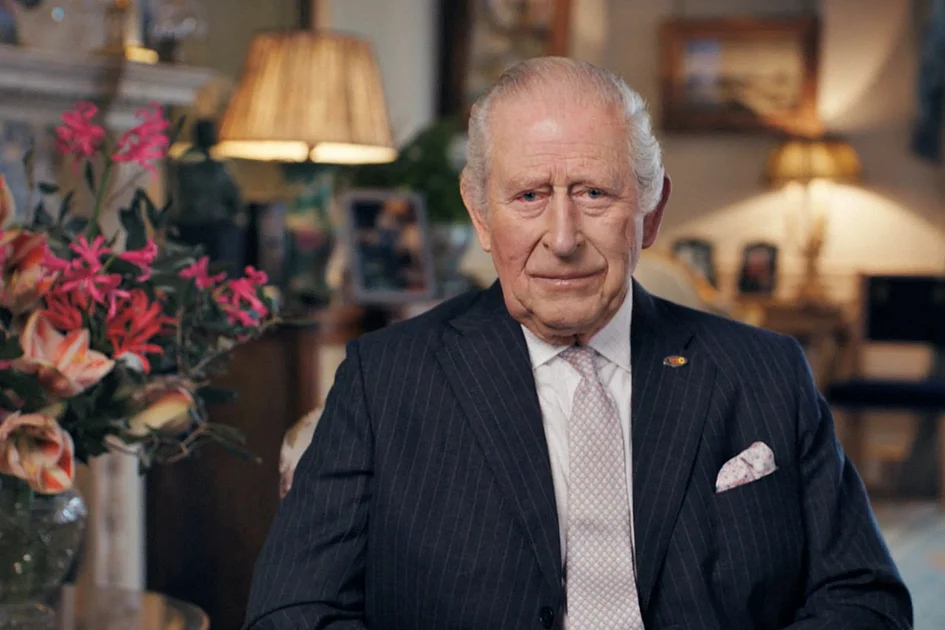
    In a nationally televised address marking a cancer awareness campaign, King Charles III delivered encouraging health updates regarding his ongoing battle with cancer. The 77-year-old monarch revealed that medical professionals will substantially reduce his treatment regimen beginning in the new year, characterizing this development as both a personal blessing and evidence of remarkable advancements in oncology care.

    The King’s diagnosis of an unspecified cancer emerged in February 2024 following a corrective procedure for an enlarged prostate. Buckingham Palace officials confirmed that physicians are transitioning His Majesty’s treatment “into a precautionary phase” due to his exceptional response to therapeutic interventions, though continuous health monitoring will remain in effect.

    Breaking with royal tradition of maintaining privacy regarding health matters, Charles utilized his platform to emphasize the critical importance of early cancer detection. “Early diagnosis quite simply saves lives,” the monarch stated while wearing a pinstriped suit adorned with a ‘Stand Up to Cancer’ badge. He expressed particular concern that approximately nine million British citizens remain overdue for available cancer screenings, noting that many avoid examinations due to unfounded fears about discomfort or embarrassment.

    The announcement brings measured relief to the royal family following nearly two years of health challenges that also included cancer treatment for Catherine, Princess of Wales, who announced her remission in January. Prime Minister Keir Starmer echoed national sentiment, expressing collective satisfaction with the monarch’s positive prognosis.

    Charles spoke emotionally about the ‘community of care’ surrounding cancer patients, praising nurses, researchers, and volunteers whose compassion illuminates “the darkest moments of illness.” He concluded with a call to action, urging citizens to make early cancer detection their New Year’s resolution and participate in available screening programs.

  • Fake lawyers targeting BlueChip victims, Indian police warn after fresh fraud attempts

    Fake lawyers targeting BlueChip victims, Indian police warn after fresh fraud attempts

    Indian authorities have escalated warnings to victims of the massive BlueChip investment scam after uncovering a sophisticated secondary fraud scheme targeting desperate investors. According to Additional Deputy Commissioner of Police Anjali Vishwakarma, who leads the Special Investigation Team (SIT), individuals with dubious credentials are approaching victims with promises of accelerated fund recovery in exchange for upfront payments.

    The elaborate deception involves perpetrators posing as legal representatives and recovery agents who falsely claim authority to fast-track refunds or secure court-ordered recoveries. Some have even staged photographs with senior police officials to enhance their credibility. Vishwakarma emphasized that these individuals possess no legitimate authority to represent law enforcement or judicial bodies.

    This development represents a disturbing echo of previous fraudulent activities documented in December 2024, when impostors posing as Interpol, CID, and Dubai Courts officials extracted over Dh3 million from BlueChip victims through fabricated legal documents and staged meetings.

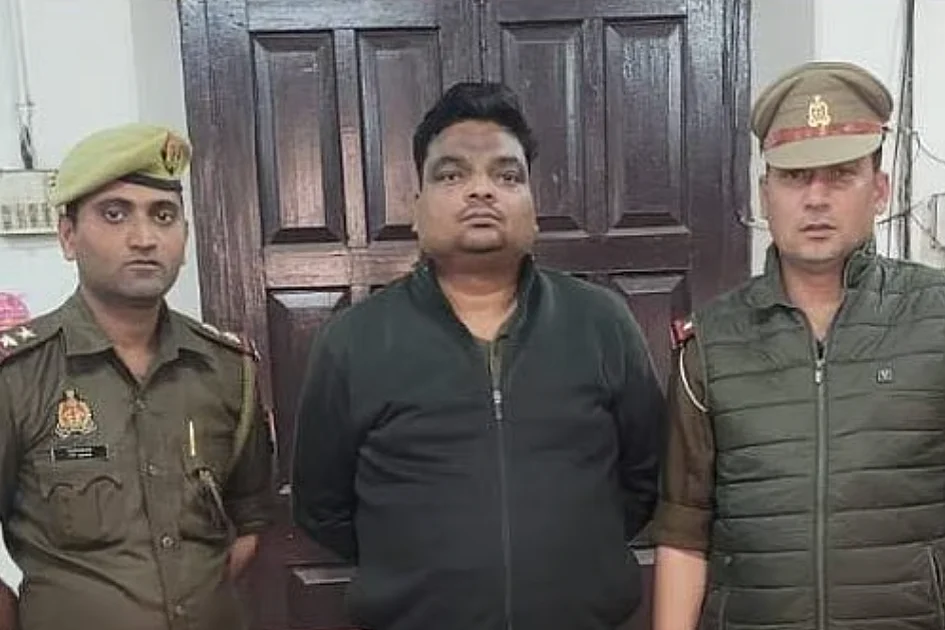
    The recent warning follows the November 30 arrest of BlueChip founder Ravindra Nath Soni, who was apprehended at his Dehradun hideout after police traced a food delivery order to his location. During custodial interrogation, Soni allegedly attempted to minimize his involvement by claiming to operate a simple snack shop, a statement investigators and victims have vehemently dismissed.

    Kanpur Police confirm the SIT has identified multiple assets in India and the UAE connected to the original scam. As part of the expanding investigation, notices have been served to several individuals associated with BlueChip’s promotional activities, including Bollywood actor Sonu Sood and wrestler The Great Khali. Authorities stress these notices represent standard investigative procedure and do not imply wrongdoing.

    Vishwakarma reiterated her urgent advisory to victims across both nations: “Exercise extreme vigilance against anyone offering rapid recovery solutions. Refrain from transferring funds, signing documents, or sharing personal information without direct verification through official channels. We continue to receive reports of these predatory approaches and implore victims to remain cautious.”

  • China holds national memorial for Nanjing Massacre victims, calling for remembrance of history

    China holds national memorial for Nanjing Massacre victims, calling for remembrance of history

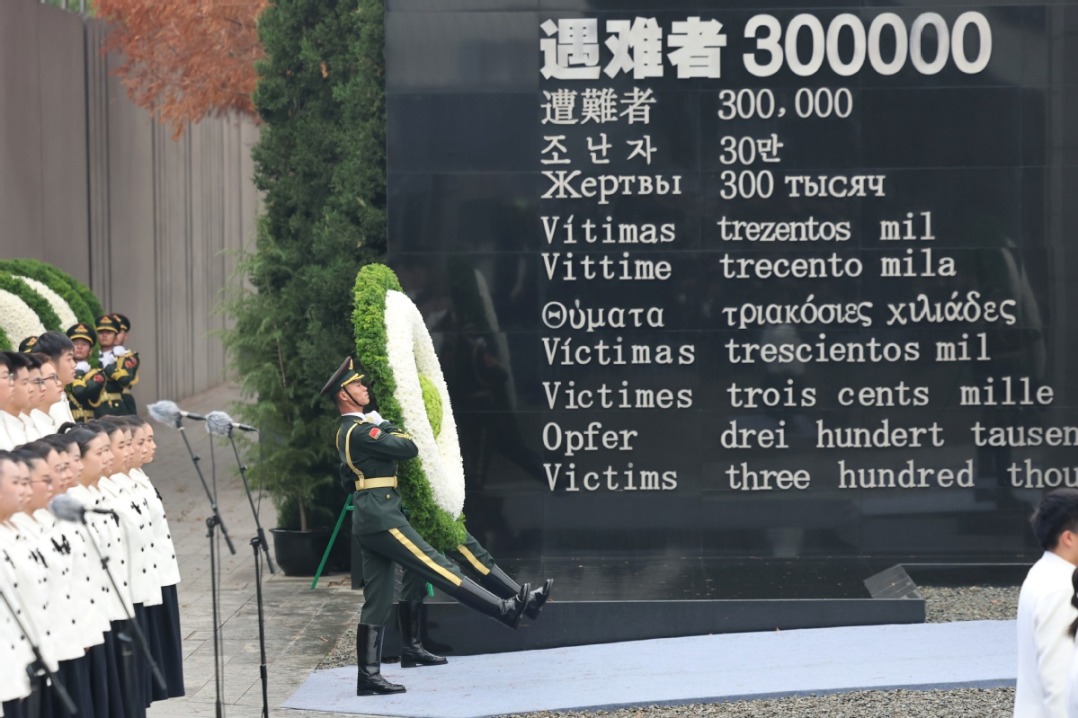
    NANJING — Amidst the winter chill, thousands gathered solemnly in Nanjing on Saturday to commemorate the 12th National Memorial Day for victims of the Nanjing Massacre. The ceremony, held at the Memorial Hall of the Victims in Nanjing Massacre by Japanese Invaders, brought together survivors, local students, and international dignitaries in a powerful demonstration of historical remembrance.

    Participants, dressed in dark attire with white flowers pinned to their chests, stood in respectful silence as China’s national flag flew at half-mast. At precisely 10:01 am, air-raid sirens pierced the morning air, triggering a citywide moment of reflection. Drivers throughout downtown Nanjing stopped their vehicles and sounded their horns in unison, while pedestrians paused to honor the approximately 300,000 victims killed by Japanese troops during one of World War II’s most brutal chapters.

    The memorial gains particular significance this year as it coincides with the 80th anniversary of WWII’s conclusion. The Nanjing Massacre occurred after Japanese forces captured the then-Chinese capital on December 13, 1937, unleashing six weeks of systematic violence that claimed the lives of Chinese civilians and unarmed soldiers in an episode that remains emblematic of wartime atrocities.

    The annual observance serves not only as a tribute to those who perished but also as a national call for historical awareness and peace preservation. Through this solemn ceremony, China reinforces its commitment to ensuring that future generations remember the lessons of history while promoting reconciliation and international understanding.

  • Dubai skyline, Hatta peaks: Why UAE landscapes pull people toward extreme challenges

    Dubai skyline, Hatta peaks: Why UAE landscapes pull people toward extreme challenges

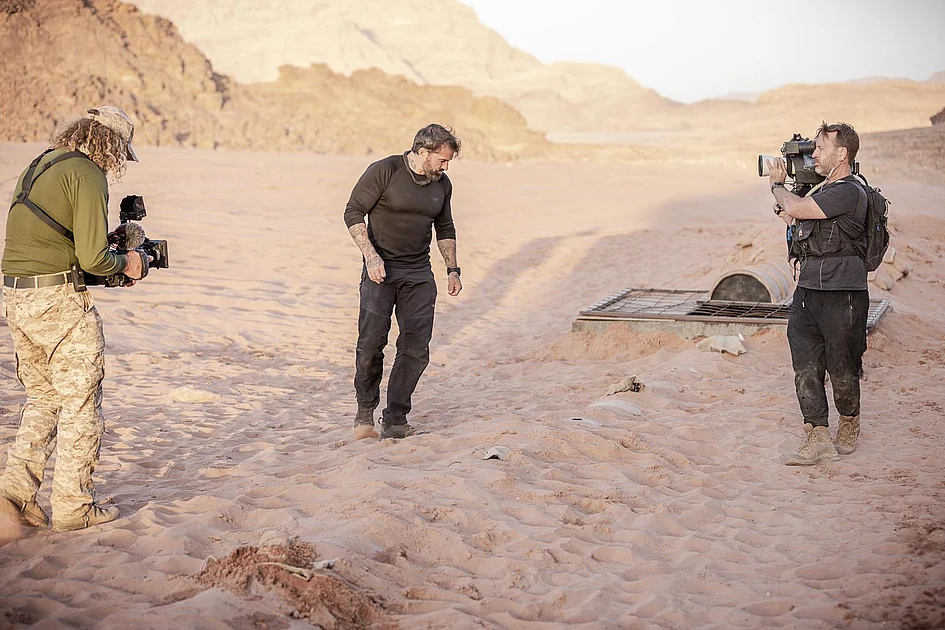
    In the United Arab Emirates, a nation synonymous with luxury and convenience, a counterintuitive trend is emerging: residents are increasingly pursuing physically demanding challenges across the country’s most rugged landscapes. A new endurance series, spearheaded by former UK Special Forces soldier and television personality Ant Middleton, is currently capturing this phenomenon on film in locations ranging from Dubai’s periphery to Hatta’s mountainous terrain.

    This psychological shift sees participants voluntarily confronting extreme environmental conditions—scaling rocky peaks exceeding 1,300 meters in elevation and traversing sun-scorched desert expanses—activities that test both physical endurance and mental resilience. Middleton, renowned for his mindset-focused programming like SAS: Who Dares Wins, observes that UAE residents living in one of the world’s most secure and organized societies are deliberately seeking discomfort to rediscover self-reliance.

    The unique juxtaposition of ultra-modern urban infrastructure with raw, untamed nature creates what Middleton describes as an ideal environment for personal transformation. Hatta’s challenging topography, particularly Umm Al Nesoor peak, presents technical climbing difficulties amplified by regional heat and humidity that rapidly reveal participants’ true capabilities under pressure.

    According to Middleton’s assessment, these extreme experiences serve as powerful authenticity catalysts: ‘When we strip people down and show them a mirror, they either turn away because they don’t like what they see, or they accept it, learn from it, and come back stronger.’ The phenomenon demonstrates that growth occurs outside comfort zones, with participants seeking not victory but transformative clarity—moments where daily distractions fade, leaving only fundamental effort and self-awareness.

    This movement reflects a deeper human need for self-discovery in increasingly structured modern societies, suggesting that even within environments designed for comfort, people inherently crave challenges that reveal their core identity and capabilities beyond perceived limitations.

  • Angry fans throw chairs and bottles at Messi event in India

    Angry fans throw chairs and bottles at Messi event in India

    Lionel Messi’s highly anticipated appearance in India descended into chaos and violence as frustrated fans rioted at Kolkata’s Salt Lake Stadium during the football superstar’s promotional tour. The incident unfolded when thousands of supporters who had paid premium prices—up to 12,000 rupees (£100; $133)—found their expectations dramatically unmet during Saturday’s event.

    The disruption began when Messi’s stadium appearance, which lasted approximately 20 minutes, was abruptly cut short by security personnel. The Argentina and Inter Miami forward had been largely obscured during his brief pitch walk by an extensive entourage of officials and local celebrities, preventing clear visibility for most attendees. This visual obstruction, combined with the premature conclusion of his appearance, triggered widespread disappointment among the crowd.

    As realization spread that Messi had departed, segments of the audience turned hostile. Enraged supporters stormed the field, vandalizing stadium property including banners and temporary structures. Witnesses reported plastic chairs and water bottles being hurled toward the pitch while seats were physically torn from their fixtures in acts of collective frustration.

    The situation prompted a swift response from West Bengal’s political leadership. Chief Minister Mamata Banerjee expressed being ‘deeply disturbed and shocked’ by the events and announced an official inquiry into the incident. Through her social media channels, she extended apologies both to Messi and to ‘sports lovers’ while committing to identify responsibility and implement preventive measures for future events.

    Financial disappointment compounded the emotional letdown for many attendees. Multiple fans reported spending amounts equivalent to a month’s salary for the opportunity to see the eight-time Ballon d’Or winner. One supporter told Indian news agencies: ‘Only leaders and actors were surrounding Messi… Why did they call us then? We paid 12 thousand rupees but couldn’t even see his face.’ Another attendee criticized the event management and security personnel for prioritizing selfies over crowd management.

    The Kolkata incident occurred within the context of Messi’s broader ‘GOAT Tour’ across India, which includes scheduled appearances in Hyderabad, Mumbai, and New Delhi. The tour commenced with the virtual unveiling of a monumental 70-foot statue honoring the footballer, a project requiring 27 days of construction by a 45-person team. Security concerns necessitated the digital revelation rather than a physical ceremony.

    Despite the stadium chaos, Messi’s cultural impact in India remains significant. The tour features extensive fan engagement opportunities including the ‘Hola Messi’ zone—an immersive experience containing throne-seated life-sized replicas, trophy displays, and detailed recreations of his Miami residence complete with mannequin representations of his family.

    Kolkata represents a particularly football-passionate community within cricket-dominated India, regularly drawing hundreds of thousands of supporters to local club derbies. This deep-seated enthusiasm contributed to the intensity of disappointment when expectations surrounding the global icon’s appearance remained unfulfilled.

  • Kenya’s census warns of ecosystem collapse

    Kenya’s census warns of ecosystem collapse

    A comprehensive national wildlife census conducted by Kenya’s Wildlife Research and Training Institute (WRTI) has issued a stark warning about the country’s deteriorating ecological health. The 2024-25 assessment reveals that despite successful recovery stories for some iconic species, numerous others are experiencing precipitous declines that threaten irreversible ecosystem collapse within the coming decade.

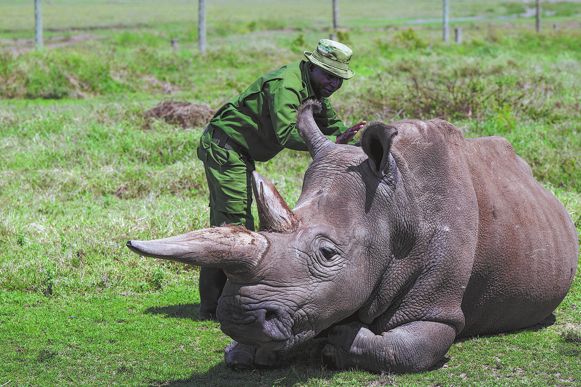
    The report, unveiled in Nairobi this week, presents a complex picture of conservation in the East African nation. While elephant populations have shown encouraging growth—increasing from 36,280 in 2021 to 41,952 currently—and black rhinos have demonstrated steady recovery through intensive protection programs, many plains game species face catastrophic declines. Hartebeest, wildebeest, topi, and sable antelope populations continue to diminish due to escalating habitat loss, human-wildlife conflict, and increasing competition from livestock.

    Particularly alarming is the situation of the hirola, one of the world’s rarest antelopes, which has experienced one of the most dramatic population crashes—plummeting from 497 individuals in 2021 to just 245 in 2025, pushing this critically endangered species to the brink of extinction. The rare roan antelope, despite a modest increase from 15 to 21 individuals, remains in critically low numbers that demand intensified recovery efforts.

    President William Ruto characterized the findings as deeply concerning, emphasizing that wildlife protection directly correlates with job creation, tourism growth, and community livelihoods. “Wildlife remains central to our identity, economy and ecological security,” Ruto stated during the report’s launch. “Our protected areas and conservancies are the backbone of tourism, one of the country’s top foreign exchange earners and a major source of livelihoods.”

    With tourism projected to contribute over $9 billion to Kenya’s economy this year—equivalent to more than 7% of GDP—the ecological crisis carries significant economic implications. Tourism Cabinet Secretary Rebecca Miano noted the report reveals both resilience and urgency, acknowledging successful recovery stories while highlighting the pressing need for expanded conservation measures.

    Researchers identified rapid development, climate shocks, and shifting land-use patterns as primary drivers of habitat fragmentation that outpace wildlife adaptation capabilities. The report recommends immediate government intervention, including integrating wildlife ecosystem plans into county spatial planning, securing critical wildlife corridors, and fast-tracking regulations under the Wildlife Conservation and Management Act to better define protected zones and endangered species classifications.

  • From booze to black belts: Virginia’s drunk raccoon strikes in karate studio

    From booze to black belts: Virginia’s drunk raccoon strikes in karate studio

    A raccoon in Hanover, Virginia, has achieved viral notoriety after an alleged multi-location crime spree culminating in an intoxicated episode at a local liquor store. Dubbed the ‘Trashed Panda,’ the animal was first discovered in a stupor inside the bathroom of an Ashland spirits retailer two days following the Thanksgiving holiday, apparently having consumed several bottles.

    Officer Samantha Martin, an animal control official, now suspects this particular raccoon is a repeat offender. According to her statements on the county’s ‘Hear in Hanover’ podcast, the same masked mammal is the prime suspect in prior break-ins at a nearby karate studio and a Department of Motor Vehicles (DMV) office, where snacks were reportedly pilfered.

    While acknowledging the possibility of a different perpetrator for the earlier incidents, officials maintain strong suspicion against this individual. After sobering up in custody, the raccoon was released back into a natural habitat approximately one mile from the shopping complex. Officer Martin described the animal’s detainment as peaceful, noting it ‘was just having a good time’ and was ‘feeling good’ under the sun in its kennel.

    The incident has sparked widespread amusement and relatability, resonating with a global audience. Capitalizing on the fame, Hanover County began selling merchandise featuring the ‘Trashed Panda’ logo. The initiative has been remarkably successful, raising over $207,000 as of last Friday. These funds are designated for renovations and capacity expansion at the local animal shelter.

    This event aligns with broader ecological observations. Recent studies indicate raccoons, known for their intelligence and adaptability, are increasingly evolving behaviors that bring them into closer contact with human environments, often in search of easily accessible food sources. Officer Martin humorously concluded that the animal is likely to reoffend, stating, ‘He’ll be back. He’s not a dummy.’

  • Wave of freezing weather brings snow to northern China

    Wave of freezing weather brings snow to northern China

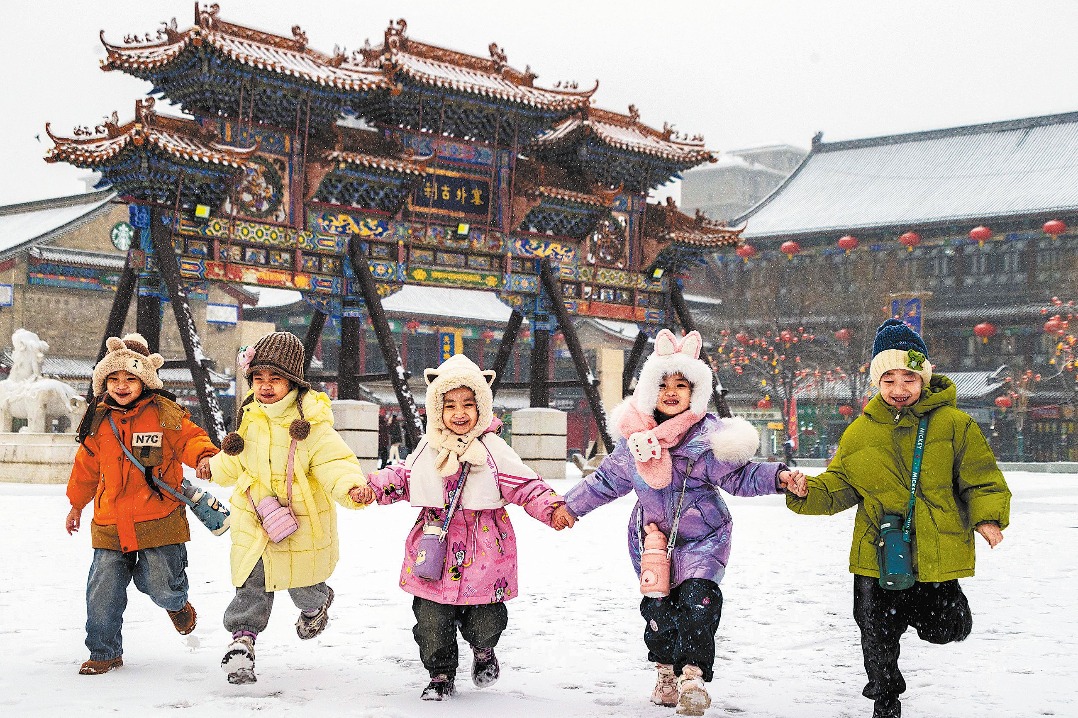
    A significant winter weather system has descended upon northern China, bringing the season’s most extensive snowfall and plunging temperatures. Beijing experienced its first major winter snowstorm on Friday, prompting municipal authorities to implement comprehensive emergency measures across the capital region.

    The Beijing Meteorological Service issued critical weather alerts, including an orange warning for icy roads—the second-highest level in the three-tier alert system—and a blue alert for snowstorms. In response to the deteriorating conditions, transportation authorities permitted private vehicles to use bus-only lanes during Friday’s evening rush hour to alleviate traffic congestion.

    According to chief forecaster Zhang Linna, snow accumulation reached 2-5 centimeters in urban plains and 5-8 centimeters in mountainous areas. The city’s primary snow-clearing operator, Beijing Huanwei Group, deployed an extensive fleet of 2,520 pieces of equipment, including 1,672 specialized snow-removal vehicles, to maintain road accessibility.

    Airports implemented enhanced operational protocols, with Beijing Daxing International Airport mobilizing 300 personnel and 84 snow-removal vehicles. Despite the challenging conditions, both of Beijing’s major airports maintained largely normal flight operations, experiencing only minimal weather-related delays.

    The weather system represents the most substantial precipitation event since winter began, affecting multiple regions including Shaanxi, Shanxi, Hebei, Henan, Shandong, Liaoning provinces, and the Inner Mongolia Autonomous Region. Temperature drops exceeding 10 degrees Celsius were recorded across northern regions, with the cold front expected to continue affecting central China in coming days. Meteorological authorities project temperature rebounds beginning Monday as the system moves southward.

  • An eyebrow tip and McDonald’s footage: Takeaways from Luigi Mangione’s evidence hearing

    An eyebrow tip and McDonald’s footage: Takeaways from Luigi Mangione’s evidence hearing

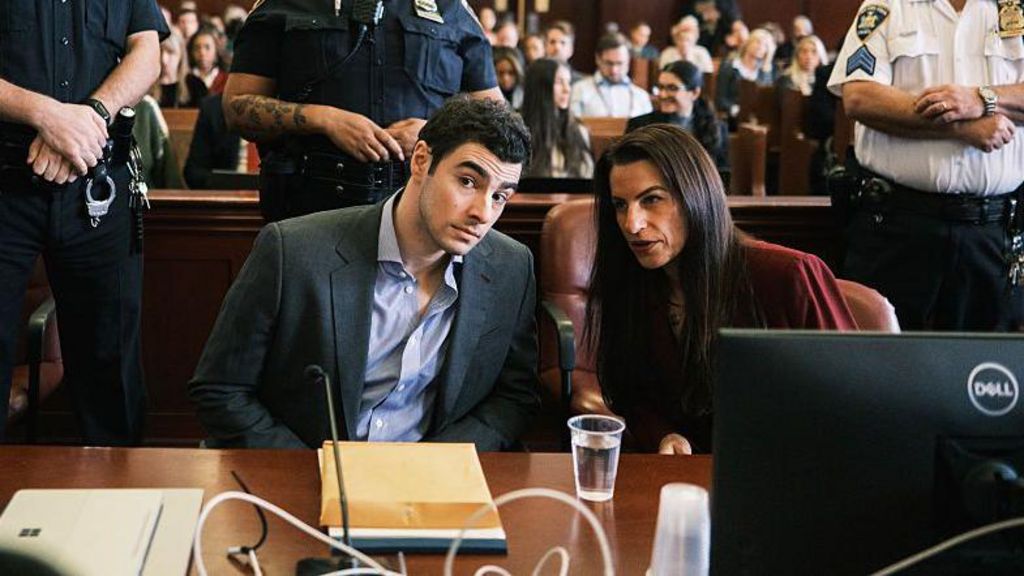
    Manhattan criminal court has become the stage for a pivotal pre-trial hearing in the high-profile case against Luigi Mangione, the accused murderer of United Healthcare CEO Brian Thompson. The proceedings have revealed startling new evidence about Mangione’s capture at a Pennsylvania McDonald’s and the circumstances surrounding his December 2024 arrest.

    Prosecutors presented never-before-seen body camera footage showing the moment officers confronted the Ivy League graduate and scion of a prominent Maryland family. The visual evidence depicts Mangione calmly eating a meal while surrounded by law enforcement waiting for backup, all accompanied by incongruous Christmas music playing throughout the restaurant.

    The hearing has focused intensely on the defense’s attempts to suppress critical evidence, including a 9mm handgun, silencer, and a notebook allegedly containing anti-healthcare industry writings that prosecutors characterize as a ‘manifesto.’ Defense attorneys Karen Friedman Agnifilo and Marc Agnifilo argue these items were obtained without proper warrant authorization.

    A remarkable aspect of the case emerged through testimony about Mangione’s distinctive eyebrows, which ultimately led to his identification. McDonald’s employees alerted police after a customer noticed the unique facial feature despite the suspect’s attempts at disguise with a black hoodie, medical mask, and beanie.

    Prosecutors introduced particularly damning evidence in the form of notecards found on Mangione containing what appeared to be post-crime instructions. One card explicitly stated: ‘Change hat, shoes, pluck eyebrows’ – suggesting awareness of his most identifiable feature. Another note read: ‘Keep momentum, FBI slower overnight.’

    The testimony of Altoona Lieutenant William Hanelly revealed the initial skepticism among officers about finding a New York shooting suspect in their small Pennsylvania town. Despite this disbelief, officers quickly recognized the resemblance to circulated NYPD photos after days without leads.

    Video evidence shows Mangione initially providing a false New Jersey identification under the name ‘Mark Rosario’ before eventually confessing his true identity. This deception provided the legal grounds for his initial arrest on false identification charges.

    The hearing continues to examine the legality of the backpack search that yielded numerous evidentiary items including dozens of $100 bills, face masks, a hair trimmer, and a passport. Defense arguments center on Fourth Amendment violations, while prosecutors maintain exceptional circumstances justified the warrantless search.

    Mangione remains composed throughout the proceedings, frequently taking notes and occasionally sharing quiet moments with his legal team. The case continues to draw national attention as both sides prepare for what promises to be a complex trial addressing both state murder charges and federal counts that could carry the death penalty.