分类: society

  • 4-day weekend for Eid Al Fitr in UAE: Likely dates revealed

    4-day weekend for Eid Al Fitr in UAE: Likely dates revealed

    United Arab Emirates residents are looking ahead to a substantial four-day weekend for Eid Al Fitr in March 2026, according to astronomical projections and official calendar calculations. The Islamic festival marking Ramadan’s conclusion will bring one of the longest public holidays of the year regardless of moon sighting outcomes.

    Islamic calendar experts indicate Ramadan’s ninth month will likely complete its full 30-day cycle based on celestial calculations. The UAE’s Moon-Sighting Committee will conduct official observations on Wednesday, March 18, 2026 (29th of Ramadan) to determine the holiday’s commencement.

    Two scenarios emerge for the holiday structure:

    If the crescent moon is sighted on March 18th, Eid Al Fitr would begin Thursday, March 19th, with public holidays extending through Saturday, March 21st. Combined with the regular Sunday weekend, this creates a four-day break.

    If the moon isn’t sighted on March 18th, Ramadan would complete 30 days with Eid Al Fitr beginning Friday, March 20th. Under updated regulations, the 30th day of Ramadan also qualifies as a holiday, creating a four-day break from Thursday, March 19th through Sunday, March 22nd.

    Khadijah Ahmad, Operations Manager at Dubai Astronomy Group, confirms astronomical projections suggest Ramadan will span 30 days, positioning Eid Al Fitr on Friday, March 20, 2026. These calculations align with prayer timings published by the UAE’s Islamic affairs authority, which similarly indicates a 30-day Ramadan period.

    The consistency in holiday duration regardless of moon sighting reflects the UAE’s thoughtful approach to public holiday planning, ensuring residents can make firm arrangements for the important religious celebration.

  • Former Zimbabwe President Robert Mugabe’s son faces attempted murder charges in South African court

    Former Zimbabwe President Robert Mugabe’s son faces attempted murder charges in South African court

    JOHANNESBURG — Bellarmine Chatunga Mugabe, the youngest son of Zimbabwe’s late former president Robert Mugabe, made his initial court appearance in Johannesburg on Monday alongside co-accused Tobias Mugabe Matonhodze. The pair face serious criminal charges including attempted murder, obstruction of justice, and illegal firearm possession following a shooting incident at the Mugabe family residence in the affluent Hyde Park suburb.

    The case stems from an altercation last Thursday that resulted in the shooting of a domestic employee at the Mugabe property. According to law enforcement authorities, the victim—identified as the family’s gardener—sustained gunshot wounds requiring immediate hospitalization. While the precise motive remains under investigation, police confirmed the firearm allegedly used in the shooting has not been recovered since the suspects’ arrest on the day of the incident.

    During their hearing at Alexandra Magistrates Court, the defendants learned their formal bail application would be heard on March 3. The 29-year-old Mugabe scion and his 33-year-old associate now await further judicial proceedings while in custody.

    This development brings renewed attention to the Mugabe family’s legal troubles in South Africa. Robert Mugabe, who ruled Zimbabwe for 37 years until his 2017 ouster, died in Singapore in 2019. His widow Grace Mugabe has previously faced legal challenges in South Africa, including allegations of assault in 2017.

  • UAE weather: Foggy conditions continue as temperature drops to 18°C in Abu Dhabi

    UAE weather: Foggy conditions continue as temperature drops to 18°C in Abu Dhabi

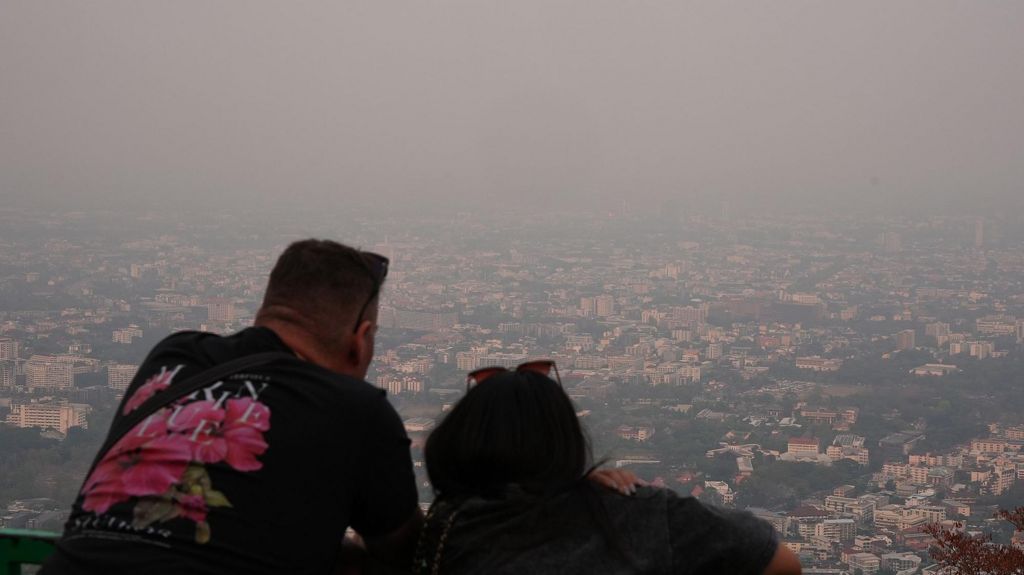
    Meteorological conditions across the United Arab Emirates are characterized by persistent fog and humidity, with overnight and early morning temperatures dropping to 18°C in Abu Dhabi. The National Center of Meteorology reports that coastal and internal regions will experience mist formation through Tuesday morning, creating reduced visibility conditions for residents.

    Temperature readings indicate a moderate climate pattern, with Abu Dhabi reaching daytime highs of 30°C while Dubai anticipates maximum temperatures of 28°C. Minimum temperatures will register at 18°C and 20°C in the respective emirates, representing typical seasonal variations for February.

    Wind patterns remain generally light to moderate, blowing from northeast to northwest directions at speeds ranging from 10-20 km/h, with occasional gusts reaching 35 km/h. Maritime conditions remain calm with slight sea states reported in both the Arabian Gulf and Oman Sea.

    The meteorological phenomenon follows established seasonal patterns where temperature differentials between land and sea create ideal conditions for fog formation. Residents have documented the weather conditions through photographic evidence shared with Khaleej Times, showing substantial fog accumulation across urban and coastal areas.

    Authorities continue monitoring conditions closely as reduced visibility impacts transportation networks. The weather pattern aligns with previous forecasts indicating persistent morning fog and mist conditions expected to continue through mid-week.

  • Pandas blending into daily life

    Pandas blending into daily life

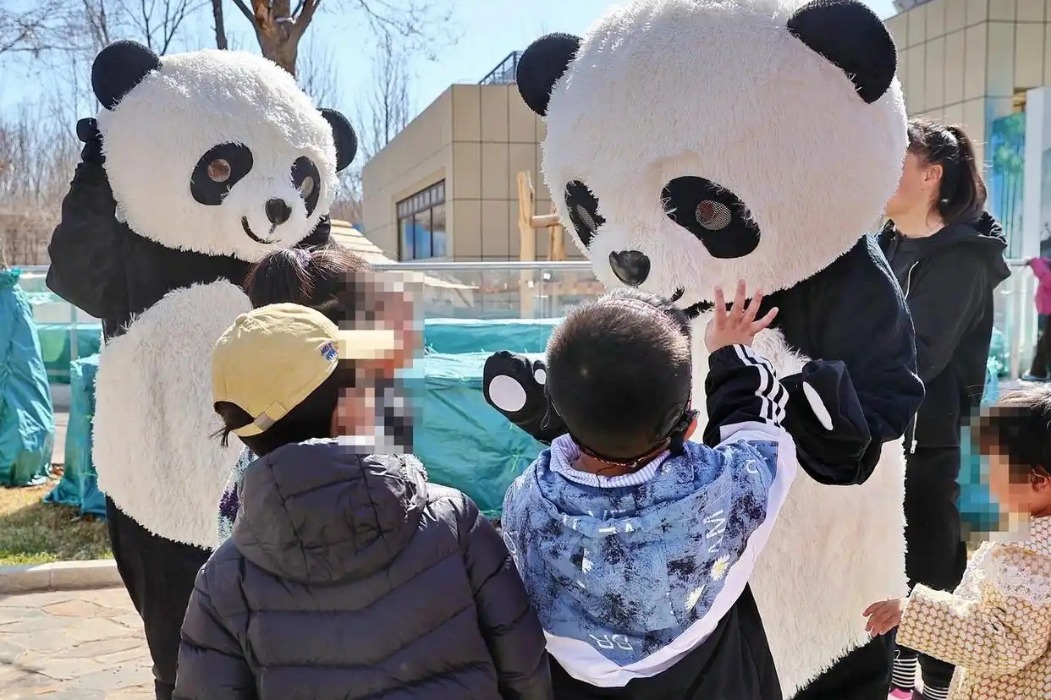
    Across Chinese cities, the iconic panda has transcended its status as merely a national symbol to become an integral part of contemporary urban culture. Recent photographic documentation reveals how panda-themed elements have seamlessly integrated into the daily lives of citizens, creating a unique fusion of cultural identity and modern living.

    In Dujiangyan, Sichuan province—a region synonymous with panda conservation—a striking selfie panda sculpture installed at Yangtianwo Square in February 2025 exemplifies this trend. The artistic installation has become a popular gathering point where residents and tourists interact with the beloved symbol in innovative ways.

    The phenomenon extends beyond standalone sculptures to encompass various aspects of urban design. Panda motifs now appear on public infrastructure, consumer products, and architectural elements, creating unexpected moments of joy and cultural connection in ordinary settings. This integration represents a conscious effort to maintain cultural identity amid rapid urbanization.

    Urban planners and cultural experts note that this blending of wildlife symbolism with urban environments reflects a broader philosophical approach to city development. The presence of panda elements in public spaces serves as a constant reminder of nature conservation values while creating aesthetically pleasing environments that resonate with local cultural identity.

    The trend demonstrates how traditional symbols can adapt to contemporary contexts without losing their cultural significance, offering a model for other cities seeking to balance modernization with cultural preservation.

  • Sowing the seeds of shared farming

    Sowing the seeds of shared farming

    Amidst Beijing’s heaviest December snowfall, while most residents remained sheltered in heated apartments, Dai Wanli and her family embarked on their weekly pilgrimage to their suburban sanctuary. An hour’s drive from the urban core in Changping district, the family tends to their 1,000-square-meter greenhouse and surrounding plots—a growing phenomenon among Chinese city dwellers becoming ‘weekend farmers.’

    This urban exodus represents more than agricultural hobbyism; it’s a multifaceted response to modern urban pressures. Professionals like Dai, a human resources manager, and her media executive husband find solace kneeling in soil harvesting celery, radishes and broccoli while their eight-year-old son participates with his own miniature basket. ‘During weekdays, we confront complex, intangible problems in office environments,’ Dai reflects. ‘Despite the physical exertion, we achieve genuine relaxation and peace in the green, tranquil countryside.’

    The shared farming movement has gained remarkable momentum across China’s peri-urban areas, driven by triple motivations: pursuit of organic produce, escape from professional stress, and nostalgic yearning for rural connections. Commercial farms have responded by developing integrated agricultural experiences that combine gardening with educational tours and leisure activities, creating comprehensive rural retreats.

    Financial investment mirrors the trend’s significance. Families typically commit approximately 16,000 yuan ($2,300) annually for land access—a substantial sum indicating serious commitment to the lifestyle. The model has proven particularly successful in areas like Daxing (south of Beijing) and Lianyungang, Jiangsu province, where urban farming projects successfully merge food production with recreational and educational components.

    Beyond individual benefits, these shared farms foster unexpected community bonds among participants who share gardening techniques, harvest exchanges, and collective environmental stewardship. The movement represents a sophisticated urban-rural synthesis where technology professionals, executives, and service workers equally find common ground—literally and metaphorically—in their shared patches of earth.

  • Ancient crafts dance to Spring Festival beat

    Ancient crafts dance to Spring Festival beat

    Across China’s Hebei province, master artisans are captivating both visitors and local residents by preserving ancient cultural traditions during the Spring Festival period. In Zhangjiakou’s Xuanhua district, the distinctive aroma of burned wood fills a sunlit studio where Guo Chunlei practices the intricate art of gourd pyrography—an ancient technique using heat to create detailed artworks on gourd surfaces.

    Guo, whose artistic journey began in 1993 after a transformative encounter with pyrography in Beijing, now skillfully manipulates a hot-tip soldering iron to bring powerful equine imagery to life on golden gourds. This year holds special significance as it coincides with the Year of the Horse in the Chinese zodiac cycle. “The artistry lies entirely in the shading techniques,” Guo explained. “Through careful heat adjustment, we create dimension, emotion, and narrative within each piece.

    The craftsman’s initiation into this specialized art form started with unconventional tools—a heavy soldering iron originally designed for sealing cooking woks. This modest beginning evolved into a three-decade passion that has become both his livelihood and artistic calling.

    Throughout the Spring Festival season, cultural inheritors like Guo are participating in nationwide celebrations that allow public engagement with traditional craftsmanship. These interactions provide hands-on experiences that bridge generational divides and foster appreciation for China’s intangible cultural heritage. The resurgence of interest in such ancient arts demonstrates how traditional practices continue to find relevance within contemporary festival celebrations, offering both educational value and cultural continuity.

  • Watch: Winter storm covers parts north-east US in snow

    Watch: Winter storm covers parts north-east US in snow

    A significant winter storm system has descended upon the northeastern United States, blanketing the region in a thick layer of snow and unleashing a cascade of operational disruptions. Meteorological agencies have issued a series of severe weather warnings, emphasizing hazardous conditions and near-zero visibility in many areas. In a decisive response to ensure public safety, state and local authorities have enacted preemptive travel bans, urging residents to avoid all non-essential journeys.

    The storm’s impact has been immediately felt beyond the transportation sector, with utility companies reporting scattered power outages as heavy, wet snow strains electrical infrastructure and brings down tree limbs onto power lines. Emergency services are on high alert, coordinating efforts to address downed wires and assist stranded motorists. The severe weather has also prompted the closure of numerous public facilities, including schools and government offices, bringing daily life to a temporary standstill for millions of residents from coastal areas to inland communities.

    Meteorologists are closely monitoring the storm’s trajectory, which is expected to continue delivering a potent mix of heavy snowfall and strong winds throughout the day. Residents are advised to stay indoors, check on vulnerable neighbors, and prepare for potential prolonged power disruptions. This event marks one of the first major winter tests for the region’s emergency preparedness protocols this season.

  • Dyeing for the future: Reviving an ancient blue in rural China

    Dyeing for the future: Reviving an ancient blue in rural China

    In the quiet hills of Lizu village, Zhejiang province, a cultural renaissance is unfolding through the vibrant blues of an ancient craft. Designer Lou Shamoshuang, 34, has transformed a 400-year-old dyeing technique into a thriving sustainable enterprise that bridges tradition and modernity while revitalizing rural communities.

    The journey began in 2018 when Lou discovered a century-old dye workshop in Dali, Yunnan, on the verge of permanent closure. Moved by the artisans’ resignation that their craft had ‘no future,’ she became determined to preserve this intangible cultural heritage. Starting with documenting processes and selling fabrics through social media, she discovered unexpected demand for these traditional artworks.

    Returning to her hometown Yiwu, Lou established Desert Dye House in 2018, leveraging Zhejiang’s ‘Green Rural Revival Program’ that offered favorable lease terms for young entrepreneurs. The location provided both the tranquility essential for handcrafts and practical support for sustainable development.

    Mastering the technique required relentless experimentation with natural materials including indigo, sappanwood, and onion skins. Lou identified tie-dye as the most accessible entry point, explaining: ‘Tie-dye is the art of resisting dye by binding fabric. Through precise knots and dips in vats of dye, unique patterns emerge—a process taking from 30 minutes to several days.’

    The breakthrough came in 2023 with the ‘Boundless Prospects’ sachet during the Year of the Rabbit, catalyzing significant growth. Lou built a diverse team of nine locals ranging from digital-native Gen-Zers to seventy-year-old women with lifetime needlework skills, creating a distinctive model of common prosperity in a city known for mass production.

    The economic impact has been substantial, with outsourcing intricate embroidery and sewing for zodiac-themed products generating supplementary income for over 20 women in Lizu, boosting their earnings by approximately 4,000 yuan monthly.

    Beyond economics, Lou emphasizes cultural transmission and ecological sustainability. She has evangelized the craft through free community talks and established a plant-dyeing studio at her alma mater, Yiwu No 3 High School, where she lectures to 800 students. ‘When students win awards for their tie-dye work,’ Lou notes, ‘it proves this isn’t a relic—it’s a living language.’

    The ecological significance resonates deeply with contemporary environmental concerns. Lou highlights: ‘The fashion industry’s dyeing processes are a leading global polluter of waterways. Plant dyes utilizing indigo, sappanwood, and other botanicals offer sustainable alternatives—this is ancestral wisdom for living in balance with nature.’

    Recognition has attracted distinguished visitors including former UN Secretary-General Ban Ki-moon, drawn by the unique ecosystem of creators in Lizu village. Dozens of complementary businesses—from tie-dye workshops to cafes run by young entrepreneurs—form a collective hub near the ‘common prosperity square,’ embodying the Zhejiang spirit of creating something from nothing.

    Lou’s transformation from high-end fashion designer to guardian of rural heritage represents more than career change—it embodies purpose-driven revitalization of both cultural tradition and sustainable rural development.

  • Rajanish Kakade, AP photographer who captured the daily rhythm of India’s Mumbai, dies at 55

    Rajanish Kakade, AP photographer who captured the daily rhythm of India’s Mumbai, dies at 55

    Mumbai-based photojournalist Rajanish Kakade, whose evocative imagery captured the complex essence of India’s financial capital for nearly two decades, has passed away at age 55 after battling an illness. The acclaimed Associated Press photographer died at his residence on Monday, according to family statements.

    A third-generation visual storyteller who inherited the craft from both his grandfather and father, Kakade joined the AP in 2008 following tenures with prominent media organizations including the Sakal Group conglomerate and Hindustan Times newspaper. His lens documented India’s multifaceted narrative across political spectrums, cultural landscapes, and daily urban existence with remarkable depth and authenticity.

    Kakade’s portfolio encompassed monumental assignments ranging from national elections and sporting events to harrowing coverage of the 2008 Mumbai terrorist attacks and COVID-19 pandemic. His distinctive ability to capture Mumbai’s paradoxical nature—simultaneously conveying the city’s overwhelming scale and delicate intimate moments—established him as a definitive visual historian of the metropolis.

    Colleagues and industry organizations mourned the loss of both an exceptional artist and mentor. The Mumbai Press Club honored his legacy, noting: “Through his work, he captured defining moments with integrity and sensitivity. Through his mentorship, he shaped countless careers, always encouraging young photographers to pursue the truth with courage and compassion.”

    Manish Swarup, AP’s chief photographer for South Asia, remembered Kakade as possessing “that rare, quiet grace of a true observer” who earned the trust of his subjects. “We haven’t just lost a great photojournalist; we have lost a beautiful soul, whose kindness was as luminous as his work,” Swarup expressed.

    Yirmiyan Arthur, AP’s photography director for Asia Pacific, emphasized how Kakade’s work revealed Mumbai’s contradictions with “utter honesty,” chronicling everything from economic disparities to seasonal monsoon transformations and the vibrant humanity within the city’s local train system. “He was a son of Mumbai and made sure he told its story the right way,” Arthur concluded.

    Kakade is survived by family members, leaving behind an enduring visual legacy that continues to shape understanding of contemporary Indian society.

  • Lunch at the museum!

    Lunch at the museum!

    Chinese museums are revolutionizing visitor experiences by transforming ancient artifacts into edible cultural encounters. During the 2026 Spring Festival holiday, institutions nationwide reported unprecedented foot traffic, with visitors flocking not only for historical exhibits but increasingly for museum restaurants offering relic-inspired cuisine.

    The Hebei Museum exemplifies this trend with its innovative Changxin Palace Lamp noodles—a regional specialty dish crowned with a steamed egg sculpted to resemble the museum’s 2,000-year-old Western Han Dynasty treasure. ‘It feels like tasting a piece of history,’ remarked Liang, a Beijing traveler who prioritized both national treasures and culinary exploration during her visit.

    This gastronomic movement represents a strategic shift from static exhibition to immersive consumption. According to Li Kexin of the Hebei Museum’s art department, these culinary creations address practical needs while making cultural narratives more accessible. ‘Dining at a museum is part of the cultural experience,’ Li explained, emphasizing how flavor enhances storytelling.

    The phenomenon extends beyond Hebei Province. At Anyang’s Yinxu Museum, visitors consume noodles imprinted with oracle bone inscriptions—each character printed in squid ink representing ancient blessings that are literally consumed. The restaurant reports selling 500-600 daily portions during peak periods.

    Social media amplification has accelerated this trend, with visually striking creations like the Capital Museum’s horse-shaped mousse cake generating viral attention on platforms like Xiaohongshu. The ‘instagrammable’ quality of these dishes has become a significant driver of museum attendance among younger demographics.

    Beyond novelty, practical considerations fuel the trend’s sustainability. Affordable pricing—with dishes starting at 3 yuan at the Sichuan Museum—combined with the convenience of on-site dining addresses visitor fatigue while creating additional revenue streams. Professor Xu Jing of Peking University notes that dining’s recurring nature makes it a stronger consumption driver than traditional souvenir sales.

    Government policies have encouraged this development, with nine central departments jointly promoting innovative cultural products. However, experts caution that sustained success requires moving beyond novelty toward developing enduring cultural narratives that integrate museums into community life rather than merely attracting tourists.