分类: society

  • Indian expat honoured by UAE President for making donations despite modest income

    Indian expat honoured by UAE President for making donations despite modest income

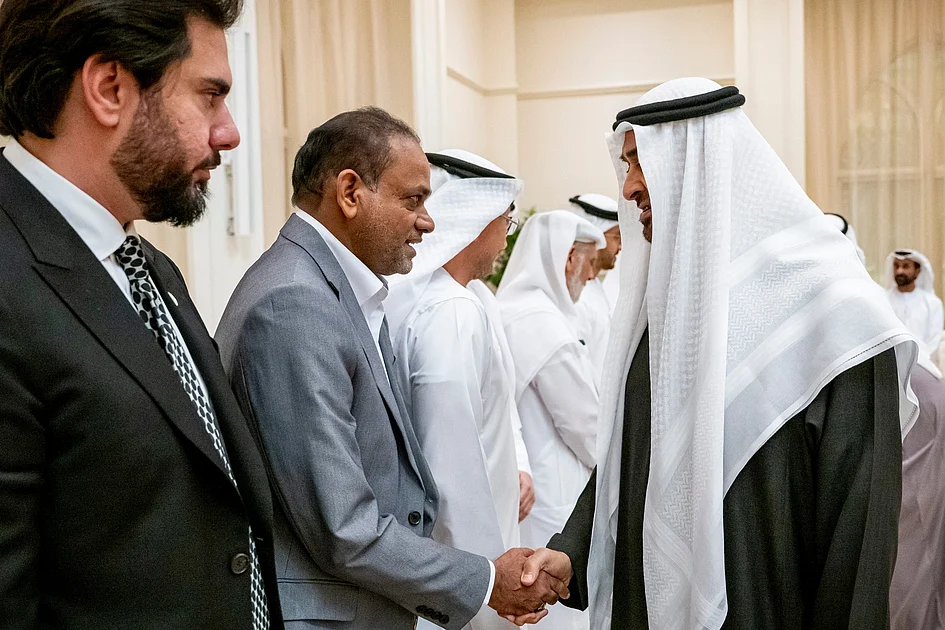
    In a remarkable ceremony at Qasr Al Bahr in Abu Dhabi, UAE President Sheikh Mohamed bin Zayed Al Nahyan presented honors to Sheikh Shakil, an Indian expatriate residing in Al Ain for 21 years, for his exceptional philanthropic contributions. Despite his limited financial resources, Shakil made 42 separate donations to the Life Endowment campaign, both in his name and on behalf of family members.

    The recognition ceremony, organized by the Authority of Awqaf and Minors’ Funds Affairs in Abu Dhabi (Awqaf Abu Dhabi), highlighted Shakil’s story to demonstrate that the endowment initiative receives support from donors across all socioeconomic backgrounds. ‘When Awqaf Abu Dhabi first contacted me about the recognition, I was truly surprised,’ Shakil expressed. ‘I never imagined that my contributions would lead to being honored by the President of the UAE. Attending the ceremony was an unforgettable moment that reminded me of the values this country was built upon—generosity, compassion and caring for one another.’

    Established in May 2023, Awqaf Abu Dhabi serves as the central authority promoting and developing the endowment sector through strategic investments and partnerships aligned with sustainability values. The organization manages endowment processes while also overseeing financial guardianship and wealth development for minors and other vulnerable groups, contributing to greater financial and social inclusion.

    The Life Endowment campaign specifically focuses on creating sustainable funding for medical treatment of chronic illness patients who cannot afford care costs. Beyond immediate medical support, the initiative works to enhance long-term healthcare services, improve community wellbeing, and build more resilient societies through endowment practices that transcend traditional charitable giving.
  • Emirati, Indian winners take home Dh500,000 in weekly Big Ticket draw

    Emirati, Indian winners take home Dh500,000 in weekly Big Ticket draw

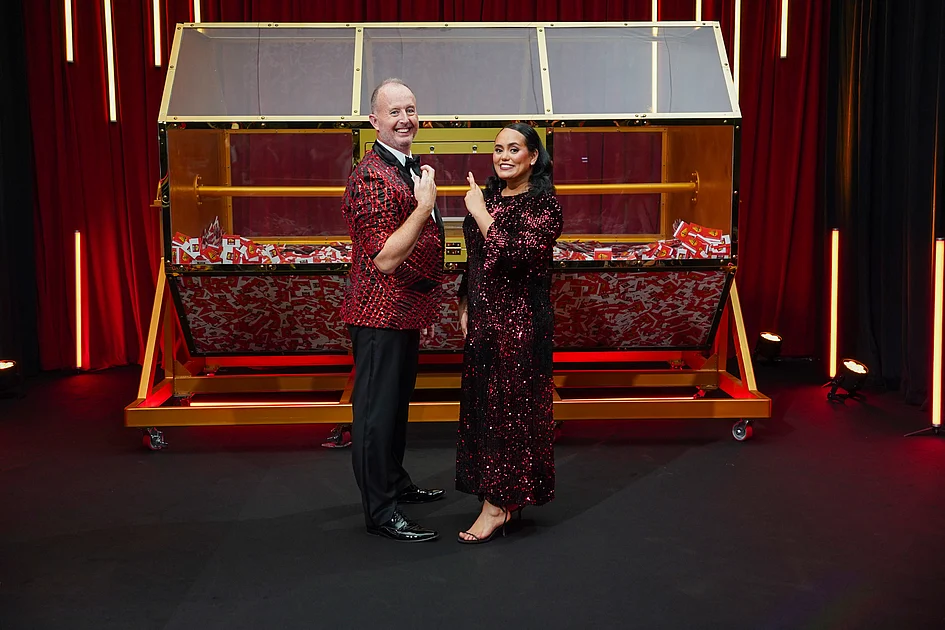
    In the second weekly electronic draw of December, Big Ticket has distributed Dh500,000 among five fortunate winners comprising one Emirati national and four Indian expatriates. Each recipient secured Dh100,000, sparking celebrations across the UAE and beyond.

    The winners’ circle includes Ali Alkaabi from Abu Dhabi, who expressed sheer delight during the live announcement call, though he hasn’t finalized plans for his windfall. Among the Indian winners, computer educator Ritesh Dhanak revealed he initially suspected the winning notification was fraudulent after 15 years of consistent participation. The Dubai resident of three decades intends to allocate his prize toward family vacations and his daughter’s educational expenses.

    Finance analyst Ajay Kumar, another winner from Kerala, recognized the distinctive voice of Big Ticket’s representative Richard during the fateful call while driving. Kumar’s winning ticket was part of a ten-person syndicate, meaning each member will receive Dh10,000. Meanwhile, civil engineer Shakil Ahmad Nazrul Haque, residing in Fujairah, plans to immediately transfer his winnings to family in Bihar, India, to commence construction of a new home.

    The December series continues with three additional weekly e-draws, maintaining the Dh100,000 per winner structure and accumulating a total prize pool of Dh1.5 million. The organization has also announced its flagship January 3 live draw featuring a monumental Dh30 million grand prize alongside consolation awards of Dh50,000 for five runners-up.

    A special ‘Big Win Contest’ offers additional opportunities for participants purchasing multiple tickets between December 1-24, with four selected entrants guaranteed prizes ranging from Dh50,000 to Dh150,000 during the January live event. Luxury vehicles including a BMW 430i (January) and BMW X5 (February) complement the substantial cash prizes.

    Ticket acquisition remains available through Big Ticket’s official website and physical counters at Zayed International Airport and Al Ain Airport, maintaining accessibility for international participants and UAE residents alike.

  • ‘Bandits’ kidnap worshippers during church service in Nigeria

    ‘Bandits’ kidnap worshippers during church service in Nigeria

    In a disturbing recurrence of violence targeting religious institutions, armed assailants have abducted at least 13 worshippers from Evangelical Church Winning All in Nigeria’s central Kogi state. The attack occurred during Sunday morning services in the rural farming community of Aaaaz-Kiri, marking the second church kidnapping in the region within a fortnight.

    According to Kogi State Information Commissioner Kingsley Fanwo, security forces engaged the perpetrators, resulting in five gunmen fatalities while others escaped with injuries. The official described the attackers as ‘bandits’—a local term for criminal organizations that routinely conduct kidnappings for ransom payments.

    This incident follows a nearly identical abduction two weeks prior in nearby Ejiba, where gunmen captured a pastor, his wife, and several congregants who remain in captivity despite security intervention efforts. Commissioner Fanwo attributed the escalating violence to displacement effects from security operations in neighboring Niger and Kwara states, suggesting intensified pressure there is pushing criminal elements toward Kogi.

    These events highlight Nigeria’s deepening security crisis, particularly across northwestern and central regions where armed groups have executed numerous mass abductions, village raids, and assaults on religious venues. The most significant recent incident involved the reported kidnapping of over 250 children and 12 staff members from St. Mary’s Catholic School in Papiri, Niger state, during late November.

    While the Nigerian government frequently attributes such attacks to jihadist organizations like Boko Haram and Islamic State West Africa Province (ISWAP), independent analysts contest this narrative, providing evidence to the BBC that criminal gangs are primarily responsible.

    President Bola Tinubu has recently directed security chiefs to enhance intelligence-led operations against kidnappings, authorizing additional troop and police deployments to identified hotspots. Authorities report some success through joint military-police task forces in dismantling certain armed groups. Nevertheless, attacks persist with alarming frequency, especially in rural areas where security presence remains limited and response capabilities are inadequate.

  • International volunteers participate in blood donation event in Shanghai

    International volunteers participate in blood donation event in Shanghai

    Shanghai witnessed a remarkable display of international solidarity as 90 expatriate volunteers from diverse nations converged at the Shanghai Blood Center for a special blood donation event on Sunday. The initiative, jointly organized by the Shanghai People’s Association for Friendship with Foreign Countries and the Shanghai Blood Center in collaboration with Bloodline—a volunteer organization comprising foreign blood donors—transformed the medical facility into a vibrant multicultural celebration.

    The event featured an array of cultural performances including traditional dances and musical presentations, creating a festive atmosphere that underscored the universal importance of blood donation. This gathering not only promoted the critical need for life-saving donations but also exemplified Shanghai’s characteristic openness, inclusiveness, and humanitarian spirit.

    Among the participants was Ashish Maskay, a Nepalese surgeon and founder of Bloodline, who marked a significant personal milestone with his 60th blood donation in Shanghai. Having worked in the city for over twenty years, Maskay expressed profound honor in contributing to the community’s health infrastructure. His organization, established in 2017, has motivated thousands of expatriates to participate in similar life-saving initiatives.

    The diplomatic community also showed strong support, with Sri Lanka’s Consul General in Shanghai Pamoda Gooneratne and her team actively participating. They provided nutritional support including traditional Sri Lankan tea and biscuits for donors, while some staff members joined the donation drive. Gooneratne emphasized that blood donation is considered a noble act in Sri Lankan culture and expressed delight at seeing similar values embraced in Shanghai.

    German national Dennis Olschewski, a repeat donor and seven-year Shanghai resident, articulated the universal ethos behind blood donation: ‘I consider it the right thing to do and a perfect way to give back to the community. There are always people in need of blood, and perhaps someone around me or I myself might be the one who needs it someday.’ This sentiment echoed throughout the event, highlighting how humanitarian causes transcend national and cultural boundaries.

  • Look: Design revealed for Dubai’s Palm Jebel Ali Friday Mosque

    Look: Design revealed for Dubai’s Palm Jebel Ali Friday Mosque

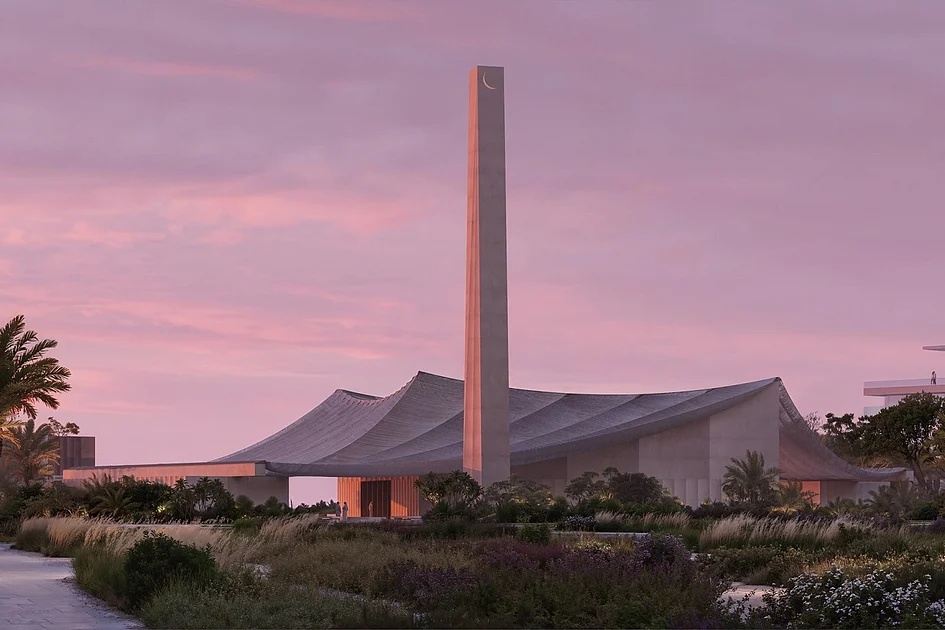
    Dubai’s skyline is poised to welcome another architectural marvel as developer Nakheel officially reveals the design for the Palm Jebel Ali Friday Mosque. Conceptualized by the renowned architecture firm Skidmore, Owings & Merrill (SOM), this spiritual sanctuary is strategically positioned along the central axis of the artificial archipelago, destined to become the cultural and spiritual nucleus of the entire development.

    The mosque’s design represents a sophisticated fusion of traditional Islamic architectural principles and contemporary innovation. Its most striking feature will be a 40-meter minaret, engineered to serve as a prominent visual landmark across Palm Jebel Ali. The structure incorporates geometric patterns deeply rooted in Islamic tradition while employing modern design elements that reflect Dubai’s forward-looking vision.

    A distinctive textile-inspired canopy extends from the main roof structure into the courtyard, providing functional shade while creating visual harmony with the surrounding environment. The comprehensive layout includes meticulously landscaped pedestrian pathways, clearly defined circulation routes, and dedicated ablution facilities designed for both practicality and aesthetic appeal.

    The interior design philosophy emphasizes spiritual tranquility through the masterful manipulation of natural light. Specially designed apertures filter sunlight into prayer spaces, creating softly illuminated interiors that foster an atmosphere of contemplation and serenity. This careful attention to lighting design aims to enhance the worship experience while maintaining thermal comfort.

    Khalid Al Malik, Chief Executive Officer of Dubai Holding Real Estate, emphasized the dual purpose of the project: “This mosque is conceived not merely as an architectural statement but as a functional sanctuary that will provide spiritual nourishment and peace for both residents and visitors to Palm Jebel Ali.”

    Chris Cooper, Partner at SOM, elaborated on the design inspiration: “Our approach reinterprets Emirati vernacular architecture for contemporary context. The design draws meaningful inspiration from Palm Jebel Ali’s coastal environment, utilizing geometry, light, and materiality to create a serene sanctuary that honors tradition while embracing the future.”

    With a capacity accommodating up to 1,000 worshippers, the mosque will serve the rapidly growing community of Palm Jebel Ali, which spans seven islands across 13.4 kilometers and features 16 fronds with over 90 kilometers of beachfront property.

  • China to cover all ‘out-of-pocket expenses’ for childbirth from 2026

    China to cover all ‘out-of-pocket expenses’ for childbirth from 2026

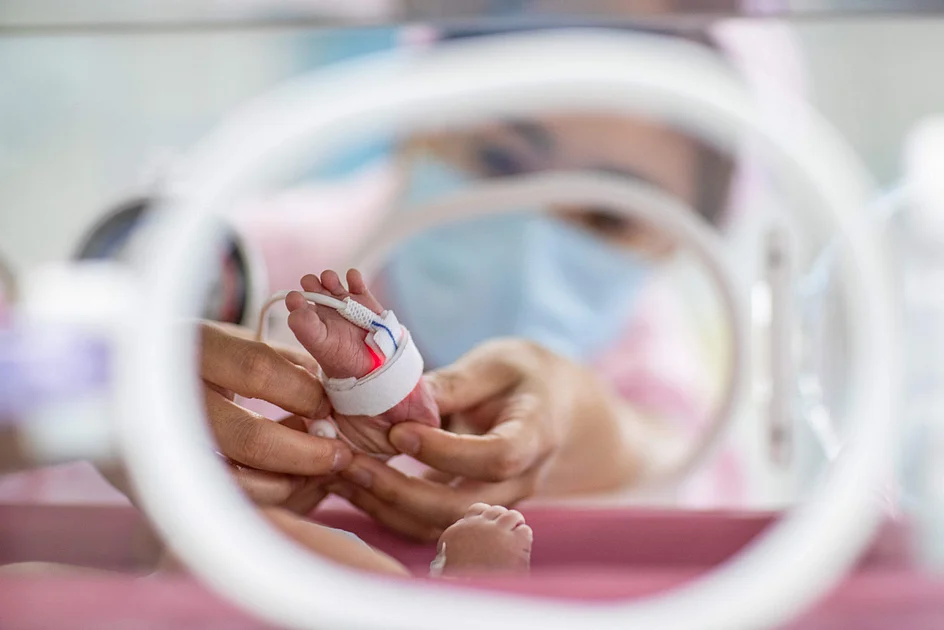
    In a sweeping policy shift addressing demographic challenges, China’s National Healthcare Security Administration has declared comprehensive coverage for all out-of-pocket childbirth expenses starting in 2026. The landmark initiative will provide nationwide reimbursement for policy-covered medical services encompassing prenatal examinations and delivery procedures, effectively eliminating personal financial burdens for expecting families.

    The announcement, detailed in an official administrative report released Saturday, represents Beijing’s most aggressive measure to date in countering persistent population decline. China recorded its first population decrease in decades during 2022, with subsequent years through 2024 maintaining this downward trajectory despite previous intervention attempts.

    Demographic analysts attribute the sustained reduction to multiple structural factors including decades of one-child policy enforcement (1980-2015), accelerated urbanization patterns, and contemporary economic pressures. Soaring childcare and education costs coupled with employment instability and broader economic deceleration have further discouraged family formation among younger generations.

    This healthcare expansion builds upon existing provincial initiatives already implemented in Jilin, Jiangsu, and Shandong provinces where near-total childbirth cost coverage has been tested. The national rollout coincides with broader governmental commitments announced last March to address both aging population concerns and youth challenges through childcare subsidies and tuition-free preschool education.

    Previous pronatalist measures included extended maternity leave provisions, financial incentives, tax benefits, and housing subsidies. However, these incremental steps failed to reverse the demographic trend significantly, prompting more comprehensive intervention through direct medical cost elimination.

    The policy implementation will unfold against a backdrop of concerning demographic projections. Experts anticipate continuing birth rate declines that threaten to shrink China’s workforce while simultaneously expanding elderly populations—a dual challenge that could strain already burdened local government finances nationwide.

  • Staff strike forces Louvre to close doors to visitors

    Staff strike forces Louvre to close doors to visitors

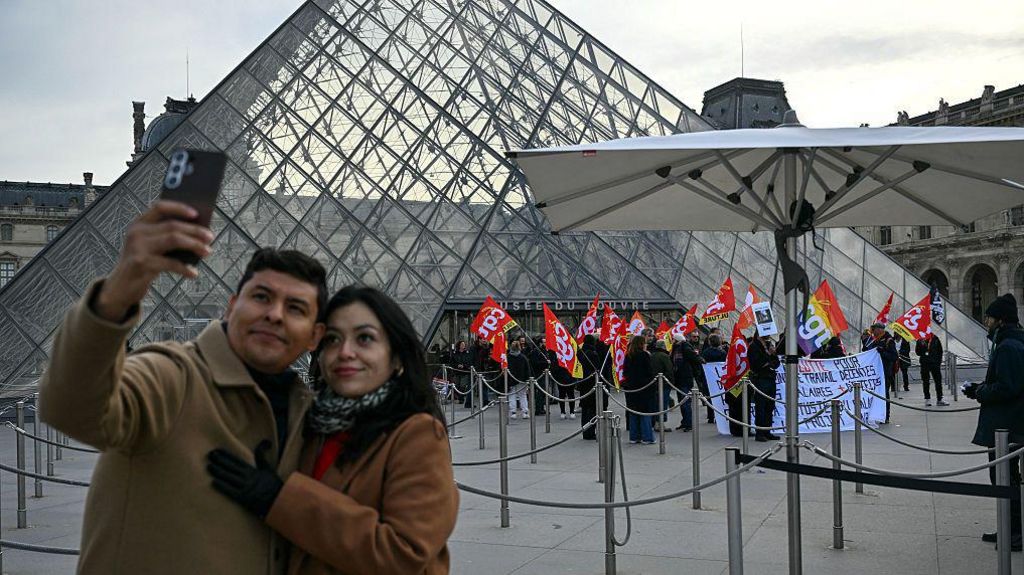
    Paris’ iconic Louvre Museum faced an unprecedented closure on Monday as hundreds of employees initiated strike action to protest worsening working conditions and inadequate compensation. The work stoppage, unanimously supported by approximately 400 staff members through their trade unions, transformed the world’s most visited museum into a scene of quiet protest rather than cultural exchange.

    Union representatives from CFDT, CGT, and Sud cited critical understaffing issues and insufficient resources as primary grievances. According to Christian Galani, CGT representative, the museum’s reception and security sector has suffered a devastating loss of 200 full-time equivalent positions over the past 15 years, despite visitor numbers increasing by 50% during the same period.

    The strike announcement comes amid mounting operational challenges at the historic institution. Recent security vulnerabilities were exposed when burglars successfully stole French crown jewels valued at €88 million approximately two months ago. Additionally, a water leakage incident last week resulted in damage to hundreds of valuable books within the museum’s collections.

    Thousands of international visitors expressed disappointment upon encountering closed doors. Minsoo Kim, a honeymooner from Seoul, shared his frustration: ‘The Louvre was the main reason for our Paris visit—we specifically wanted to see the Mona Lisa.’ London resident Natalia Brown acknowledged the workers’ plight while lamenting the unfortunate timing: ‘I understand why they’re doing it, but it’s just unfortunate for us.’

    Museum management declined immediate comment regarding the strike action. The Louvre, which recorded 8.7 million visitors in 2024, typically closes on Tuesdays for maintenance. Employees are scheduled to reconvene Wednesday morning to determine subsequent action plans.

  • Kobe Luminarie: Japan’s festival of light and hope returns in 2026

    Kobe Luminarie: Japan’s festival of light and hope returns in 2026

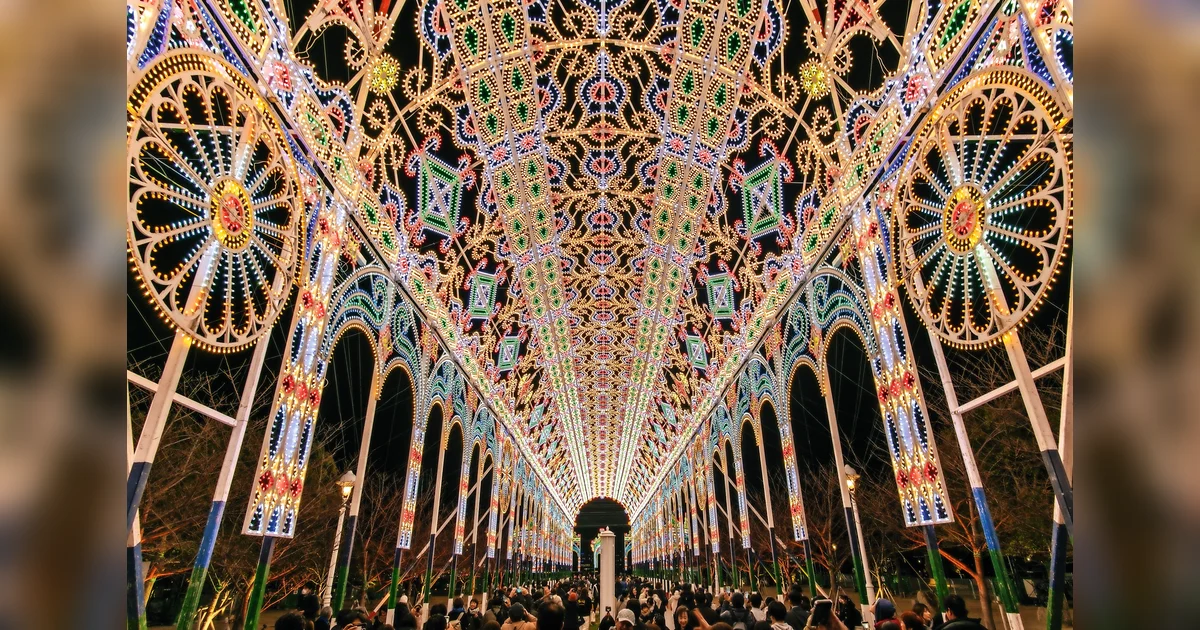
    The iconic Kobe Luminarie light festival will illuminate Japan’s port city once again from January 30 to February 8, 2026, offering international visitors a profound cultural experience that transcends typical winter illuminations. This celebrated event transforms Kobe’s urban landscape into a breathtaking tapestry of Italian-designed light installations, creating a mesmerizing environment that honors the city’s historical resilience and enduring spirit.

    Originating as a memorial tribute to victims of the 1995 Great Hanshin-Awaji Earthquake, the festival has evolved into an annual symbol of solidarity and hope. The installation features tens of thousands of meticulously handcrafted lights arranged in elaborate arches, domes, and cathedral-inspired structures across Higashi Yuenchi Park, the Former Foreign Settlement, and Meriken Park. This creates an immersive walking experience that blends artistic brilliance with historical significance.

    Beyond the luminous displays, Kobe offers diverse winter attractions that complement the festival experience. Mount Rokko provides panoramic views of the city lights recognized among Japan’s top nightscapes, while Rokko Snow Park offers accessible winter activities for families. The historic Arima Onsen, one of Japan’s oldest hot spring towns, presents traditional ryokan inns and therapeutic mineral baths. The waterfront district features the innovative átoa Kobe theatrical aquarium and scenic harbor cruises, with a new superyacht marina and leisure district scheduled for completion by 2027.

    Kobe’s unique identity as Japan’s early international port is reflected in its multicultural landscape. The Kitano Ijinkan district preserves elegant Western-style residences from the late 19th century, while the historic Kobe Mosque (1935) stands as the country’s oldest Islamic place of worship. This cultural diversity extends to culinary offerings, with the city expanding Muslim-friendly dining options including halal-certified menus, ingredient transparency, and prayer facilities at Kobe Mosque.

    The combination of spectacular illumination artistry, historical significance, natural beauty, and multicultural hospitality positions Kobe as an exceptional winter destination for international travelers seeking experiences beyond Japan’s major metropolitan centers.

  • Beijing to build park near ancient Zhou Dynasty site

    Beijing to build park near ancient Zhou Dynasty site

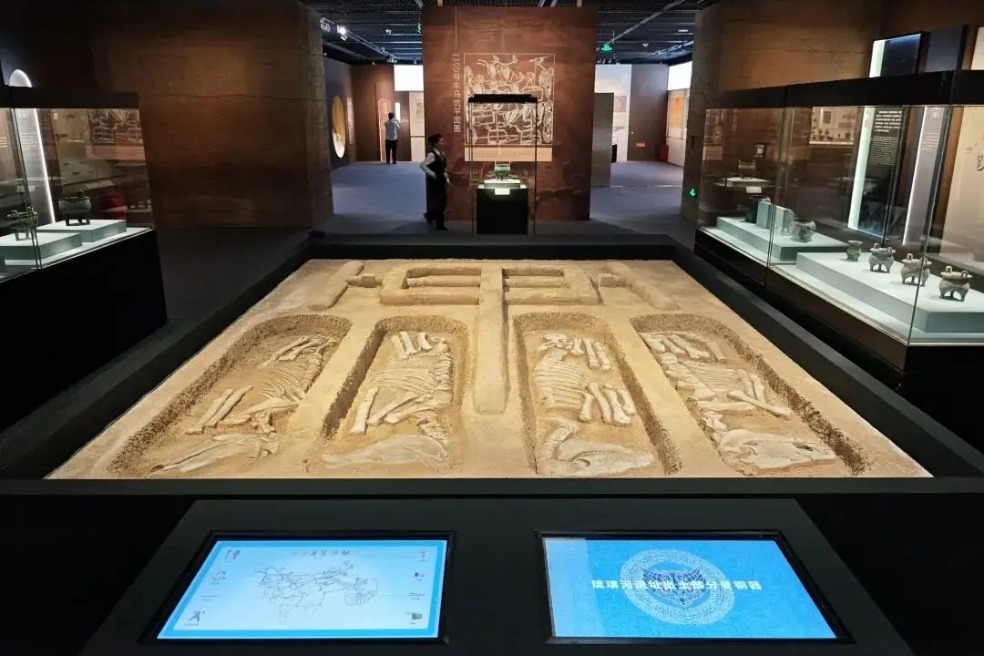
    Beijing authorities have announced ambitious plans to establish a new cultural park adjacent to the Liulihe archaeological site, the largest and most thoroughly excavated Western Zhou Dynasty (c. 11th century–771 BC) complex in China. The project, revealed by Fangshan district officials, represents a significant enhancement to the city’s cultural preservation efforts coinciding with Beijing’s 3,070th anniversary celebrations.

    The initiative follows Beijing’s formal application for World Heritage status for the Liulihe site earlier this year. According to Lei Huan, Director of Fangshan District’s Publicity Department, an expert panel conducted a comprehensive review of the park’s architectural design in November, moving the project toward implementation.

    Recent archaeological breakthroughs have substantially elevated the site’s historical significance. The 2024 excavation campaign revealed a previously unknown dual city-wall structure—the first such discovery at the ancient capital. Within the inner city’s confines, researchers uncovered substantial rammed-earth building foundations, ancient wells, and sophisticated drainage systems that fundamentally reshape understanding of Beijing’s earliest urban planning.

    “These findings provide irrefutable visual evidence of Beijing’s earliest form,” Lei stated during Friday’s announcement. “They conclusively establish Liulihe in Fangshan as the genuine ‘origin of the city’.”

    The development coincides with Beijing’s launch of a World Cultural Heritage Monitoring and Early Warning Platform, representing a major advancement in digital conservation technologies. This system will enable more precise and comprehensive protection measures across the capital’s exceptional collection of heritage sites.

    Beijing currently preserves eight UNESCO World Cultural Heritage locations—the highest concentration of any city worldwide—including the Great Wall, Forbidden City, Temple of Heaven, and the recently nominated Beijing Central Axis. Municipal data reveals substantial investment in heritage conservation, with approximately 9.4 billion yuan ($1.33 billion) allocated between 2021-2024. The 2024 budget alone increased by 29.7% year-over-year, supporting a 41% expansion of full-time conservation staff to 6,344 professionals.

    Monitoring indicates consistently improving conditions across all heritage properties, which collectively welcomed 365 million visitors between 2018-2024 while maintaining effective management systems.

  • Pope denounces ‘antisemitic violence’ of Sydney attack as he thanks Christmas donors

    Pope denounces ‘antisemitic violence’ of Sydney attack as he thanks Christmas donors

    In a powerful address at the Vatican on Monday, Pope Leo XIV delivered a dual message condemning religious violence while reaffirming the Catholic Church’s staunch anti-abortion stance. The first American pontiff in history expressed outrage over the deadly terrorist attack that occurred during a Jewish holiday celebration in Sydney, Australia.

    Speaking before donors of the Vatican’s Christmas decorations, Pope Leo characterized the Bondi Beach massacre that claimed 15 lives as an act of ‘antisemitic violence.’ He offered prayers for the victims and called for the ‘gift of peace and fraternity’ during the holiday season. ‘We must eliminate hatred from our hearts,’ the pontiff declared, adding ‘Enough of these forms of antisemitic violence!’

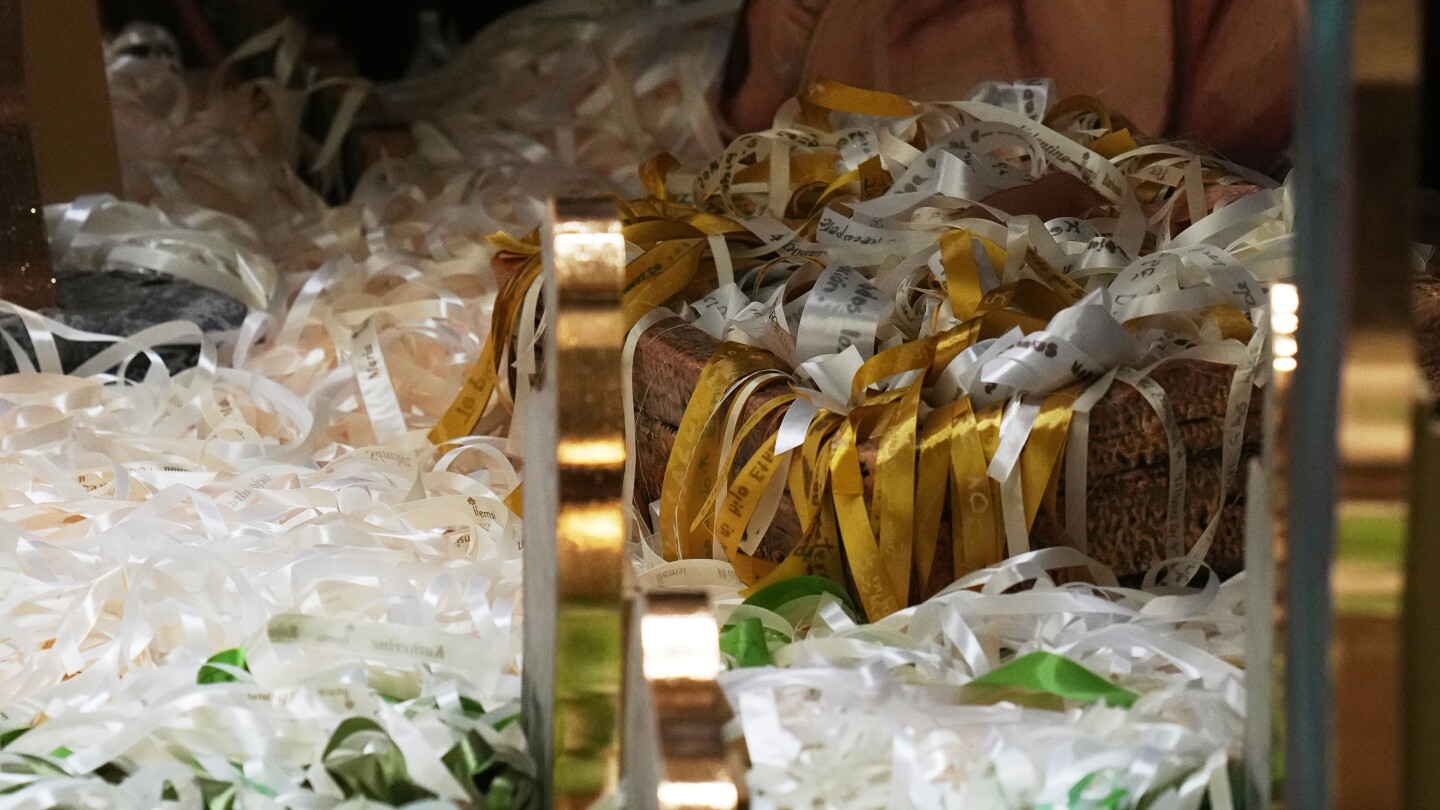
    The Pope simultaneously emphasized the sanctity of life through an unusual artistic installation. The Nativity scene in the Vatican’s audience hall, donated by Costa Rica, featured 28,000 colored ribbons symbolizing embryos reportedly saved from abortion through Catholic organizations’ interventions. Leo described this display as a message that ‘life is protected from conception’ and thanked the artist for this representation of protected life.

    Regarding the Christmas decorations donated by various Italian regions, the Pope noted that the evergreen fir trees serve as ‘a sign of life and recall the hope that isn’t lacking even in the winter cold.’ The address thus wove together themes of interfaith solidarity, anti-violence advocacy, and traditional Catholic teachings on the protection of life from conception.