分类: society

  • Hong Kong’s Southbound Travel for Guangdong Vehicles scheme officially implemented

    Hong Kong’s Southbound Travel for Guangdong Vehicles scheme officially implemented

    HONG KONG – In a significant transportation policy shift, Hong Kong has officially launched its Southbound Travel for Guangdong Vehicles scheme, which took effect at midnight on Tuesday. This groundbreaking initiative permits eligible private car owners from China’s Guangdong Province to drive directly into Hong Kong’s urban centers through the Hong Kong-Zhuhai-Macao Bridge’s Zhuhai Port.

    The program’s initial phase encompasses four major Guangdong cities: Guangzhou, Zhuhai, Jiangmen, and Zhongshan. Authorities have outlined plans to extend the scheme to additional municipalities across the province following a six-month evaluation period.

    Application procedures for the cross-border driving initiative commenced on December 9 at 9:00 AM local time. The program operates with a carefully managed daily quota system, currently capped at 100 vehicle entries per day. Approved vehicles are permitted to remain in Hong Kong for a maximum duration of 72 hours per individual visit, provided owners have secured confirmed travel arrangements in advance.

    This transportation breakthrough represents a substantial step in regional integration, facilitating easier personal mobility while maintaining regulatory oversight through its quota and pre-approval systems. The implementation follows extensive planning between Hong Kong and mainland authorities to ensure smooth operational execution.

  • Afrobeats star Asake ‘devastated’ after fan dies in Kenya stadium crush

    Afrobeats star Asake ‘devastated’ after fan dies in Kenya stadium crush

    Nigerian Afrobeats sensation Asake has issued a heartfelt response following a deadly crowd crush at his Nairobi concert that resulted in the death of 20-year-old fan Karen Lojore. The tragic incident occurred Saturday evening at Nyayo National Stadium where excessive queues and entry delays, exacerbated by heavy rainfall, led to dangerous overcrowding near stadium gates.

    In an emotional Instagram statement released Monday, Asake expressed being ‘devastated by the tragic incident’ and extended condolences to Lojore’s family and friends. The artist, whose real name is Ahmed Ololade, emphasized that music should represent ‘love and joy’ and stated it ‘breaks my heart that anyone had to experience such loss.’ He explicitly called for accountability, asserting that ‘those responsible should be held accountable’ while pledging support for investigation efforts.

    The victim’s family has launched impassioned appeals for justice, with a woman believed to be Lojore’s mother directly addressing concert organizers and Asake via social media: ‘What happened to my child? Why her? I want justice for my child.’

    Kenyan police spokesperson Michael Muchiri confirmed to BBC that comprehensive investigations are underway to determine precisely how and why the incident occurred. Event organizers Tukutane Entertainment, known for hosting major African music events featuring stars like Tems and Rema, stated they are cooperating fully with authorities.

    Eyewitness accounts from attending journalists describe significant problems with crowd management and stadium entry procedures. This tragedy echoes a similar 2022 incident at London’s Brixton Academy where an Asake performance resulted in two fatalities and multiple injuries.

    Asake, celebrated as one of Nigeria’s most prominent musical exports since his breakthrough in 2022, has received multiple accolades including Grammy nominations and BBC Radio 1 recognition.

  • Bureaucratic mishap delayed gun license for accused Bondi Beach shooter in Australia

    Bureaucratic mishap delayed gun license for accused Bondi Beach shooter in Australia

    A devastating antisemitic attack at Sydney’s Bondi Beach that claimed 15 lives has revealed significant deficiencies in Australia’s firearm licensing bureaucracy. The perpetrator, Sajid Akram, who was fatally shot by police during the December 14 rampage, legally owned six rifles and shotguns despite concerning circumstances that should have raised red flags.

    New South Wales Premier Chris Minns confirmed Tuesday that bureaucratic inefficiencies rather than security concerns caused the three-year delay in processing Akram’s firearm license application in 2000. The standard processing time typically ranges from six to ten weeks, indicating systemic failures within the licensing system.

    The tragedy has prompted urgent legislative action, with proposed reforms that would establish Australia’s toughest gun laws. The new measures include making Australian citizenship a prerequisite for firearm ownership, which would have excluded Akram as an Indian permanent resident. The proposed legislation also eliminates appeal rights for license denials based on security agency recommendations and imposes strict limits on firearm ownership—four guns for recreational shooters and ten for farmers and sports shooters.

    Court documents reveal the Akrams adhered to a “religiously motivated ideology linked to Islamic State,” adding complexity to the security implications. The younger Akram, Naveed, who participated in the attack, had previously been investigated by Australian Security Intelligence Organization in 2019 for extremist connections.

    The state government has initiated a royal commission to examine both the massacre circumstances and the surge of antisemitism in Australia since the Israel-Hamas conflict began. As victims’ funerals continue and twelve wounded remain hospitalized—four in critical condition—the nation confronts its worst mass shooting since the 1996 Port Arthur tragedy that previously catalyzed Australia’s landmark gun reform legislation.

  • ‘I don’t want our kids spending another Christmas in a crumbling home’

    ‘I don’t want our kids spending another Christmas in a crumbling home’

    Dozens of Irish families face their fourth consecutive Christmas in structurally compromised homes due to the nationwide defective concrete blocks crisis. The pervasive issue, primarily affecting counties Donegal, Clare, Limerick, Mayo, and Sligo, has rendered thousands of residences unsafe through progressive structural deterioration.

    The crisis stems from water-absorbing minerals like pyrite in construction materials, causing bricks to expand and crack irreparably. Many homes have reached such advanced decay that demolition remains the only viable solution, creating profound housing insecurity for affected residents.

    Kathrina Kirk of Letterkenny, County Donegal, exemplifies the human impact. She resides with her partner and two young sons in a three-bedroom end-terrace house featuring substantial wall fissures. ‘We’ve strategically placed decorations to conceal gaps and cracks,’ Kirk revealed. ‘The constant concern for our children’s safety and warmth dominates our daily existence.’

    Her family’s predicament highlights the bureaucratic Catch-22: homeowners cannot relocate without jeopardizing their eligibility for the government’s Defective Concrete Blocks Grant Scheme, which requires primary residence status.

    In County Mayo, Nicola Byrne and her neurodiverse family describe their home as a ‘financial black hole.’ After experiencing rodent infestations through compromised walls, which necessitated discarding furniture and children’s belongings, Byrne stated: ‘Our intended sanctuary has become a source of persistent anger and resentment.’

    Phil and Michelle Boulton of Letterkenny confront severe mold and dampness issues, with one room completely cordoned off. ‘Our entire life is suspended indefinitely,’ Phil expressed, noting their 2024 scheme application approval hasn’t translated into tangible progress.

    The Department of Housing acknowledges systemic shortcomings, with Minister James Browne recently presenting the Defective Concrete Blocks Amendment Bill 2025 to Parliament. Proposed amendments aim to establish ‘fairer, more practical, and more supportive’ remediation processes for distressed families.

    Despite the €420,000 per-home cap on government assistance, many households remain trapped in deteriorating structures, their holiday seasons overshadowed by structural uncertainty and bureaucratic delays.

  • ‘A miracle’: Officer shot in head during Bondi attack home from hospital

    ‘A miracle’: Officer shot in head during Bondi attack home from hospital

    SYDNEY – Probationary Constable Jack Hibbert, the rookie police officer critically wounded during the Bondi Beach terror attack, has been discharged from hospital to continue his recovery at home. The 22-year-old officer, merely four months into his service, was providing security at a Hanukkah celebration when two assailants opened fire in an assault that claimed 15 lives and left over 40 injured.

    Hibbert sustained severe injuries from gunshot wounds to his head and shoulder during the November incident. While medical complications have resulted in permanent vision loss in one eye, his family expressed profound gratitude for his survival and release in time for Christmas celebrations, describing the homecoming as ‘nothing short of miraculous.’

    In an official statement, Hibbert’s relatives extended their appreciation for the overwhelming public support and commended healthcare professionals for their exceptional dedication. They emphasized that despite his discharge, the young constable requires continued space and positive encouragement throughout his rehabilitation journey.

    Eyewitness accounts from fellow officers present during the atrocity reveal Hibbert’s extraordinary bravery, with multiple colleagues testifying that he continued assisting festival attendees despite his critical injuries. ‘Rather than retreating from danger, Jack advanced toward those in need until his physical capabilities were exhausted,’ the family statement detailed.

    NSW Police Commissioner Mal Lanyon, who visited Hibbert during his hospitalization, characterized the probationary officer as an exceptionally positive individual. The police force has committed to providing comprehensive support and identifying suitable duties upon Hibbert’s eventual return to service.

    The second injured officer, Constable Scott Dyson (25), remains hospitalized according to the latest police assessment. Court documents unsealed this week allege the attackers – 24-year-old Naveed Akram (now facing 59 charges including murder and terrorism offenses) and his father Sajid Akram (fatally shot by responders) – conducted months of meticulous planning, including a reconnaissance visit to Bondi Beach two days prior to the assault. Security authorities have classified the violence as an Islamic State-inspired terrorist attack targeting the Jewish community.

  • Brown University places its police chief on leave after mass shooting attack

    Brown University places its police chief on leave after mass shooting attack

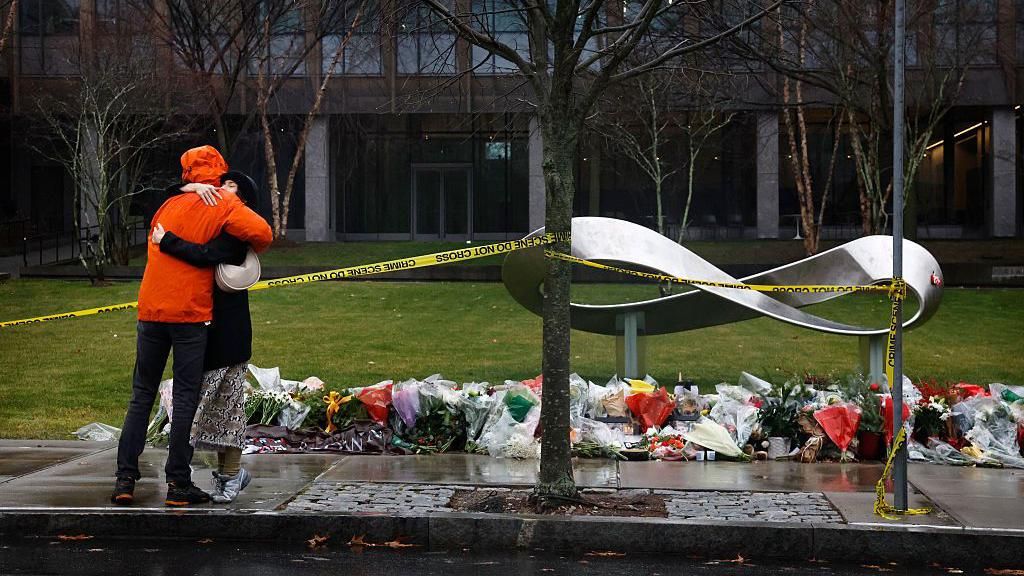
    Brown University has placed its police chief on administrative leave as part of a comprehensive safety review following a deadly campus shooting that killed two students and injured nine others on December 13th. University President Christina Paxson announced the immediate leave for Chief Rodney Chatman on Monday, characterizing the move as standard procedure during institutional reviews of critical incidents.

    The shooting incident, which occurred in a building housing engineering and physics programs, has triggered multiple investigations into campus security protocols and law enforcement response times. Authorities confirmed the suspect, 48-year-old Portuguese national Claudio Neves Valente, fired at least 44 rounds before fleeing the scene. Valente, a former Brown student, was found deceased in a New Hampshire storage facility six days after the attack.

    In her statement, President Paxson acknowledged the campus community was experiencing significant ‘anxiety, fear and stress’ while simultaneously praising the responding officers’ ‘bravery, dedication and commitment.’ The university’s highest governing body will conduct parallel reviews of both the shooting response and existing safety policies.

    The tragedy has drawn national attention, with the U.S. Department of Education initiating its own review of Brown’s security measures. The incident took a more complex turn when investigators revealed possible connections between Valente and the fatal shooting of an MIT professor two days after the Brown attack. Motives for both shootings remain undisclosed.

    Victims were identified as Ella Cook, a 19-year-old sophomore from Alabama, and Mukhammad Aziz Umurzokov, an 18-year-old Uzbek-American freshman. The university community continues to grapple with the aftermath while awaiting the findings of multiple ongoing investigations.

  • India’s jobs guarantee scheme: A global model under threat?

    India’s jobs guarantee scheme: A global model under threat?

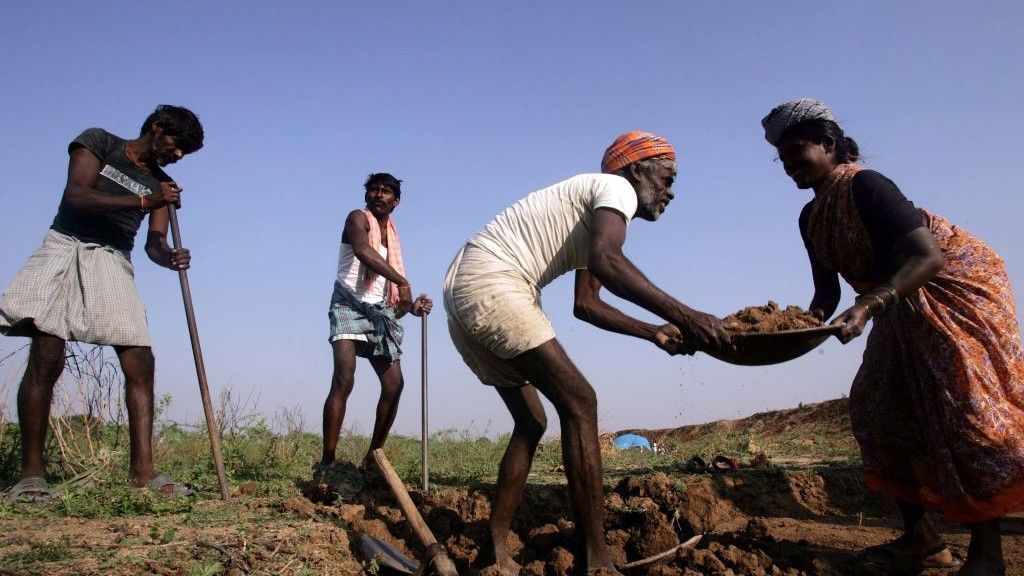
    India has enacted sweeping reforms to its landmark rural employment program, fundamentally altering both its financial structure and operational framework. The National Rural Employment Guarantee Scheme (NREGS), established in 2005 as a legal entitlement to 100 days of paid manual work for rural households, has been rebranded and restructured under the new GRAM G legislation.

    The revised program increases the guaranteed employment from 100 to 125 days annually per household while maintaining provisions for unemployment allowances when work isn’t provided within 15 days. However, the most significant change involves the funding mechanism: where the federal government previously covered 90% of costs, states must now contribute 40% of project expenses under a 60:40 split arrangement.

    This transformative social program serves as a critical economic stabilizer for rural India, where 65% of the nation’s 1.4 billion population resides and nearly half depend on agriculture—a sector contributing merely 16% to GDP. The scheme has demonstrated remarkable equity metrics, with women comprising over half of its 126 million workers and 40% originating from historically marginalized scheduled castes or tribes.

    The Modi administration frames the reforms as modernization efforts to enhance effectiveness and reduce corruption. Federal Agriculture Minister Shivraj Singh Chouhan asserts the legislation “stands firmly in favour of the poor, in support of progress, and in complete guarantee of employment for the workers.”

    Conversely, development economists, opposition parties, and international experts have raised substantial concerns. Critics argue the funding shift could undermine the program’s constitutional mandate, effectively transforming a legal right into a discretionary scheme. Development economist Jean Dreze characterizes the increased day guarantee as a “red herring,” noting that only 7% of households received the full 100 days of work in 2023-24.

    The program’s documented impacts remain substantial despite implementation challenges. Research indicates NREGS boosted beneficiary household earnings by 14% and reduced poverty by 26% through economy-wide effects. The scheme has particularly proven vital during crises, most notably during COVID-19 pandemic reverse migration events.

    Underlying these reforms persists India’s structural employment challenge: the chronic inability to generate sufficient non-farm jobs to absorb surplus rural labor. Recent economic analyses suggest rising labor participation rates may reflect economic distress rather than quality job creation, with increases concentrated in low-productivity subsistence work.

    The program’s future effectiveness hinges on navigating these complex financial, administrative, and structural challenges while preserving its core mission of supporting vulnerable rural populations.

  • Screams for help and panic as tourists rescued from fatal Laos ferry disaster

    Screams for help and panic as tourists rescued from fatal Laos ferry disaster

    A routine Mekong River ferry journey transformed into a life-threatening crisis last Thursday when a tourist vessel carrying 147 passengers struck submerged rocks and capsized near northern Laos. The incident, occurring along the popular route between Huay Xay and Luang Prabang, resulted in one confirmed fatality and two children remaining missing as rescue operations continue.

    Eyewitness accounts from surviving international tourists reveal alarming safety deficiencies aboard the vessel. French national Anthonin Levelu reported observing merely 15 life jackets available for the 118 tourists and 29 local passengers aboard. The insufficient safety equipment created panic as the boat rapidly took on water following the impact.

    British tourist Bradley Cook described the terrifying moments during evacuation: ‘As the rescue boat approached, passengers shifting weight accelerated the flooding process.’ The chaotic scenes were captured in viral videos showing desperate passengers screaming for help while attempting to salvage belongings before abandoning ship.

    The tragedy has highlighted persistent safety concerns along this vital tourism corridor. According to the Mekong River Commission, tens of thousands of travelers annually utilize slow boat and speedboat services along this 300-kilometer route. This incident mirrors a similar September 2023 capsizing that claimed three lives when a vessel entangled in fishing nets overturned in strong currents.

    Survivors now face psychological trauma and practical challenges. Mr. Cook, speaking from Vang Vieng, expressed his intention to pursue insurance claims for lost electronics and cash, though responsibility remains unclear. ‘I’m assuming it’s just a freak accident,’ he noted, while questioning the avoidability of the disaster.

    The Lao government has initiated investigations into the incident as the tourism industry confronts urgent safety reevaluations. The emotional toll on survivors continues, with many reporting ongoing distress despite the welcoming atmosphere of Laotian communities.

  • Shanxi ends province-wide blanket fireworks ban

    Shanxi ends province-wide blanket fireworks ban

    In a significant policy reversal, China’s Shanxi Province has officially terminated its comprehensive prohibition on fireworks and firecrackers, shifting toward regulated management that acknowledges both cultural traditions and safety concerns. The provincial government’s December 16 repeal eliminated 124 related documents, including a 2020 notice that had banned production, sale, storage, transportation, and use of fireworks throughout the province.

    The China Fireworks and Firecrackers Association has endorsed this policy shift, characterizing it as a transition from rigid prohibition to scientifically-grounded oversight. In an official statement, the national non-profit organization emphasized that this decision responds to public cultural needs during traditional festivals while demonstrating governmental effectiveness in balancing popular demand with safety considerations.

    Huang Chaxiang, Director of the National Fireworks and Firecrackers Standardization Technology Committee, noted that the policy adjustment better aligns with contemporary social realities and public expectations. “This approach reflects respect for traditional festive customs while creating opportunities for more refined governance,” Huang stated, adding that numerous major Chinese cities have recently adopted similar measured approaches including time restrictions, designated zones, and approved product categories.

    The local emergency management authority has established detailed regulations governing fireworks sales and supervision, operating under a licensing framework. Experts are advocating for additional supportive measures including industry development standards, implementation mechanisms for new regulations, and clear public communication regarding these changes.

    Beyond cultural significance, the fireworks industry represents a substantial economic sector with interconnected supply chains spanning paper manufacturing, chemical production, printing, logistics, hardware, packaging, and festival tourism.

    Public response remains divided, with some residents requesting clearer guidelines for orderly fireworks usage while others express safety and environmental concerns. Taiyuan resident Jing Zhimei, 31, welcomed the cultural revival but noted practical challenges: “I’m concerned about accessing quality products through legal channels and believe more public education is needed regarding injury and fire response.”

    International student Tabinda Noreen from Pakistan, studying at North University of China, expressed excitement about experiencing her first Spring Festival with traditional fireworks displays.

    The Shanxi fire department has announced heightened alert status during the Spring Festival period, urging residents to clear flammable materials, ensure complete extinguishment, and closely supervise minors. A revised national standard for fireworks safety and quality, introducing more detailed safety and pollution-reduction requirements, is scheduled to take effect on May 1, 2026.

    This policy change follows similar moves in parts of Henan Province, Anshan in Liaoning Province, and Foshan in Guangdong Province, which previously established conditional permissions for fireworks during designated periods and locations.


  • Nigerians welcome 130 schoolchildren and teachers released after mass abduction

    Nigerians welcome 130 schoolchildren and teachers released after mass abduction

    In a significant development addressing Nigeria’s pervasive security crisis, 130 students and educators have been successfully liberated following their abduction in one of the nation’s most extensive mass kidnapping incidents. The victims, who endured captivity for approximately one month, made their first public appearance at a government-organized ceremony in Minna on Monday.

    The released individuals exhibited visible signs of physical distress and psychological trauma upon their return, with many showing symptoms of malnutrition and shock. According to official statements from Nigerian police authorities, the rescue operation concluded successfully on Sunday, exactly one month after armed assailants stormed a Catholic educational institution in Niger state’s Papiri community during pre-dawn hours.

    Initial reports indicated 303 students and 12 teachers were taken during the assault, with approximately 50 managing to escape shortly after the incident. However, Niger state Governor Mohammed Bago provided revised figures, confirming 230 individuals were originally abducted and all have now been released. Government officials announced coordinated efforts to reunite the victims with their families before Christmas celebrations commence.

    While no organization has claimed responsibility for the kidnapping, local residents attribute the attack to armed criminal factions that routinely target educational institutions and travelers throughout Nigeria’s conflict-ridden northern territories. These groups typically employ kidnappings as a primary mechanism for extorting ransom payments. Officials remained silent regarding whether financial demands were met to secure the victims’ release.

    According to school administration records, most abducted students ranged between 10 and 17 years old. One previously released victim disclosed to Associated Press correspondents that captors threatened to shoot hostages during the initial attack.

    Major General Adamu Garba Laka, National Coordinator at Nigeria’s Center for Counter Terrorism, addressed the ceremony and outlined future security enhancements. The official emphasized strengthened collaboration with community leadership to reinforce protection measures in high-risk regions, acknowledging that school kidnappings have become emblematic of Nigeria’s broader security challenges.