分类: society

  • Theodoros Tsalkos: Rapist convicted of 1987 kidnapping and abuse has sentence reduced after appeal

    Theodoros Tsalkos: Rapist convicted of 1987 kidnapping and abuse has sentence reduced after appeal

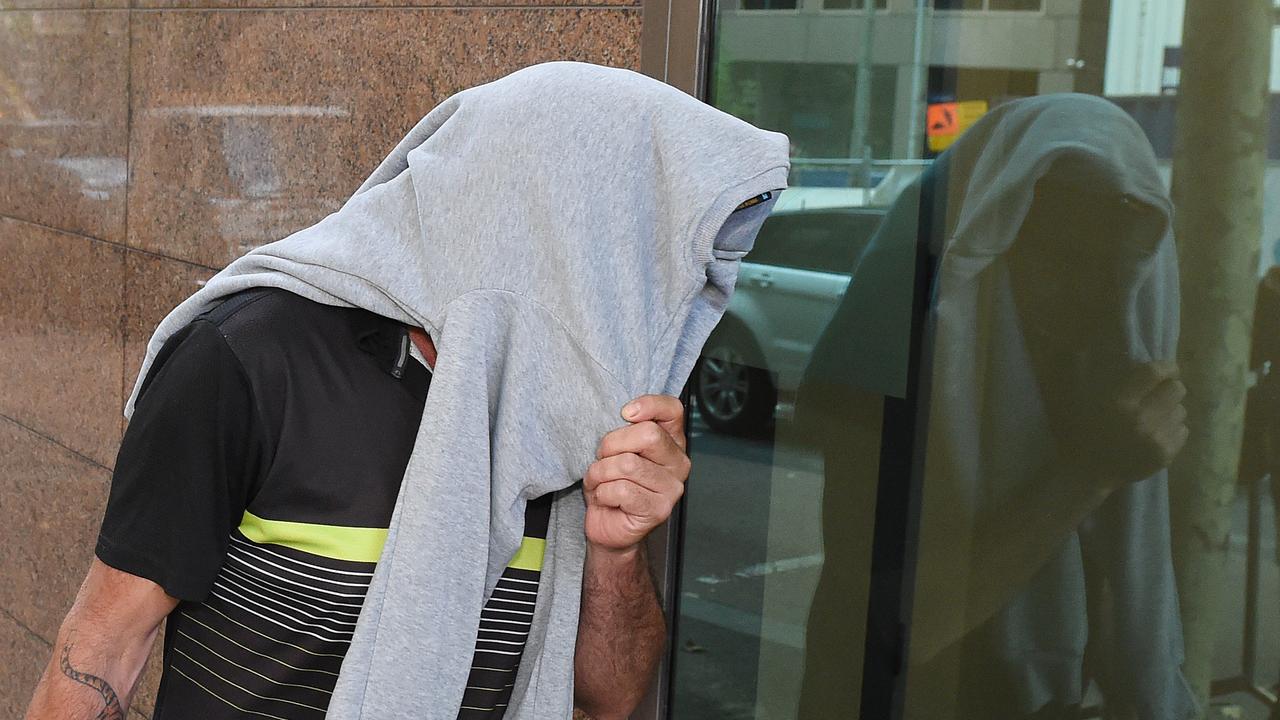
    Nearly 40 years after he kidnapped and sexually assaulted two underage girls while posing as a law enforcement officer, an Australian sex offender has seen his original prison term reduced following a successful sentence appeal, marking a twist in a cold case that relied on modern forensic science to reach prosecution.

    Theodoros Tsalkos, 64, was first linked to the 1987 attacks through advances in DNA testing more than three decades after the crimes. Back in the early hours of that 1987 morning in St Kilda, the then 25-year-old approached two 15- and 16-year-old child sex workers, identified their vulnerability, and claimed to be a police officer conducting a prostitution bust. Over the next three and a half hours, he subjected the teenagers to a prolonged, terrifying ordeal of sexual violence that trial judges later described as depraved, sadistic and evil, before abandoning the girls back in the St Kilda area.

    It was not until 2022 that advances in DNA technology matched Tsalkos to forensic samples recovered from the victims, leading to his arrest and trial. A jury rejected his insistence that the encounters were consensual, convicting him on charges of kidnapping, rape and gross indecency. In 2023, Judge Rosemary Carlin sentenced him to 13 years and six months in custody, with a scathing rebuke of his actions. Carlin emphasized that Tsalkos had intentionally exploited the victims’ youth and naivety by hiding behind a false police identity, threatening the girls with legal action, then subjecting them to repeated unprotected sexual assaults while ignoring their obvious fear and suffering.

    Tsalkos immediately launched an appeal against both his conviction and sentence, and in 2024 the Victorian Court of Appeal sided with him on the conviction challenge. Prosecutors appealed that ruling to the High Court of Australia, which ultimately overturned the lower appellate court’s decision by the end of 2024, ordering Tsalkos back into custody after he had spent nearly a year free in the community pending a retrial.

    With the conviction upheld, the case returned to the Victorian Court of Appeal to re-examine Tsalkos’ challenge to the length of his original sentence. On Wednesday, the court ruled that the 2023 sentence was “manifestly excessive”, setting aside the original term and resentencing him to 10 years and six months in prison. Tsalkos’ non-parole period was also cut by 18 months, bringing the new non-parole term to six years and eight months. Accounting for time he has already served in custody, he will now become eligible for parole in March 2030. Tsalkos continues to maintain his innocence in the case.

  • Researchers discover where coyote who made epic swim to Alcatraz really came from

    Researchers discover where coyote who made epic swim to Alcatraz really came from

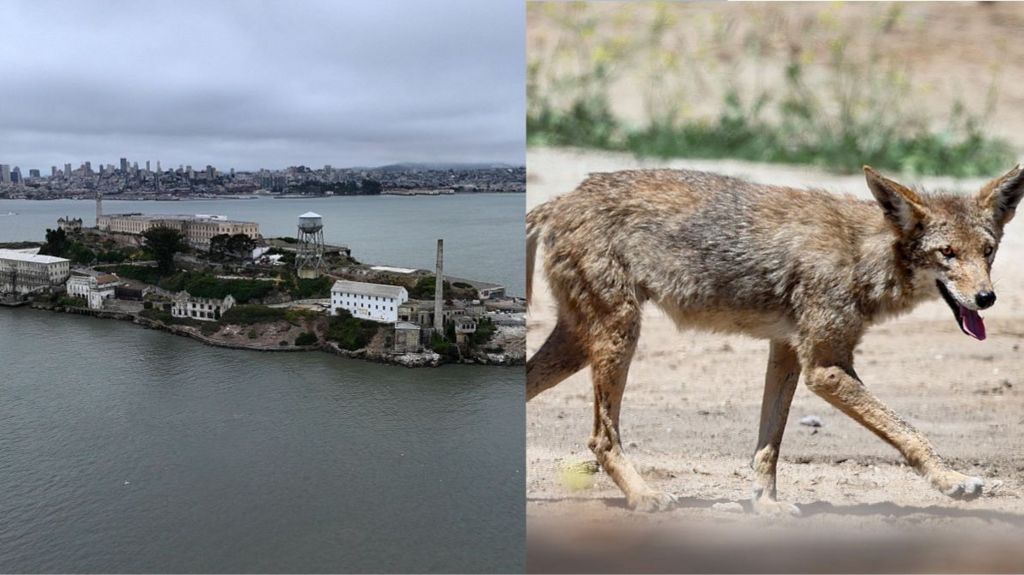
    A male coyote that captured national attention after reaching California’s Alcatraz Island by swimming across San Francisco Bay has upended researchers’ initial assumptions about his journey, with new DNA analysis revealing the animal swam nearly twice the distance experts originally estimated. The coyote’s unexpected January arrival on the site of the infamous former federal prison marked the first confirmed coyote sighting on Alcatraz in more than five decades, leaving both scientists and visiting tourists stunned.

    When the sighting was first reported, wildlife specialists assumed the coyote had set out from the city of San Francisco, a crossing of just over one mile. But new genetic testing completed on samples collected from the animal has traced his origins to Angel Island State Park, a full two miles away from Alcatraz, the National Park Service (NPS) announced in a public statement Monday. To date, the coyote’s current location remains entirely unconfirmed, despite weeks of targeted monitoring.

    National Park Service wildlife ecologist Bill Merkle noted that the team’s working hypothesis had long centered on a shorter crossing from San Francisco, due to the obvious reduced physical challenge of that route. “We couldn’t help being impressed by his accomplishment in making it to Alcatraz,” Merkle said in the release. “Coyotes are known to be resilient and adaptable, and he certainly demonstrated those qualities.”

    The extraordinary crossing was first captured on camera by tourists in late January, whose footage of the coyote pushing through cold, choppy Bay waters to reach Alcatraz’s shore surprised both researchers and local San Francisco residents. The animal quickly gained a fanbase online, with many people dubbing him “Floyd,” a nod to the fictional getaway driver for iconic outlaws Bonnie and Clyde.

    Shortly after the sighting, NPS officials set up a network of camera traps and audio recorders across Alcatraz to track the coyote’s movements. Officials also began planning efforts to capture and relocate the animal over concerns that the predator would prey on the island’s vulnerable native seabird colonies. To confirm the coyote’s origin, researchers collected track measurements and samples of the animal’s scat, which were sent for genetic analysis at the University of California, Davis. The lab results confirmed the coyote belonged to a well-documented coyote population already established on Angel Island, confirming his 2-mile starting point for the epic swim.

    The NPS’s release, headlined “Alcatraz Coyote Wasn’t a City Boy After All,” also noted that the San Francisco Bay Area is home to three separate, genetically distinct coyote populations, a testament to the species’ widespread adaptability across urban and wild landscapes. Despite weeks of intensive monitoring across Alcatraz, the coyote has not been spotted since the initial tourist sighting, and officials no longer believe he remains on the island.

    “We don’t know what happened to the coyote,” Merkle said. “But he proved himself an expert swimmer to get to Alcatraz, and I hope he made a successful swim back home to Angel Island.” Coyotes, which are native North American canids closely related to wolves, have spread across nearly the entire continental United States, and are now commonly spotted even in urban green spaces and upscale residential neighborhoods across San Francisco.

    In a separate recent development tied to Alcatraz, the island long nicknamed “The Rock” for its reputation as an unescapable maximum-security fortress made headlines again this spring when the Trump administration proposed a $152 million budget allocation to lawmakers that would fund rebuilding the shuttered penitentiary and reopening it as a modern high-security prison for the country’s most dangerous incarcerated people. The request covers the first year of construction costs for the project.

  • Koalas rescued from deep hole in Brisbane building site

    Koalas rescued from deep hole in Brisbane building site

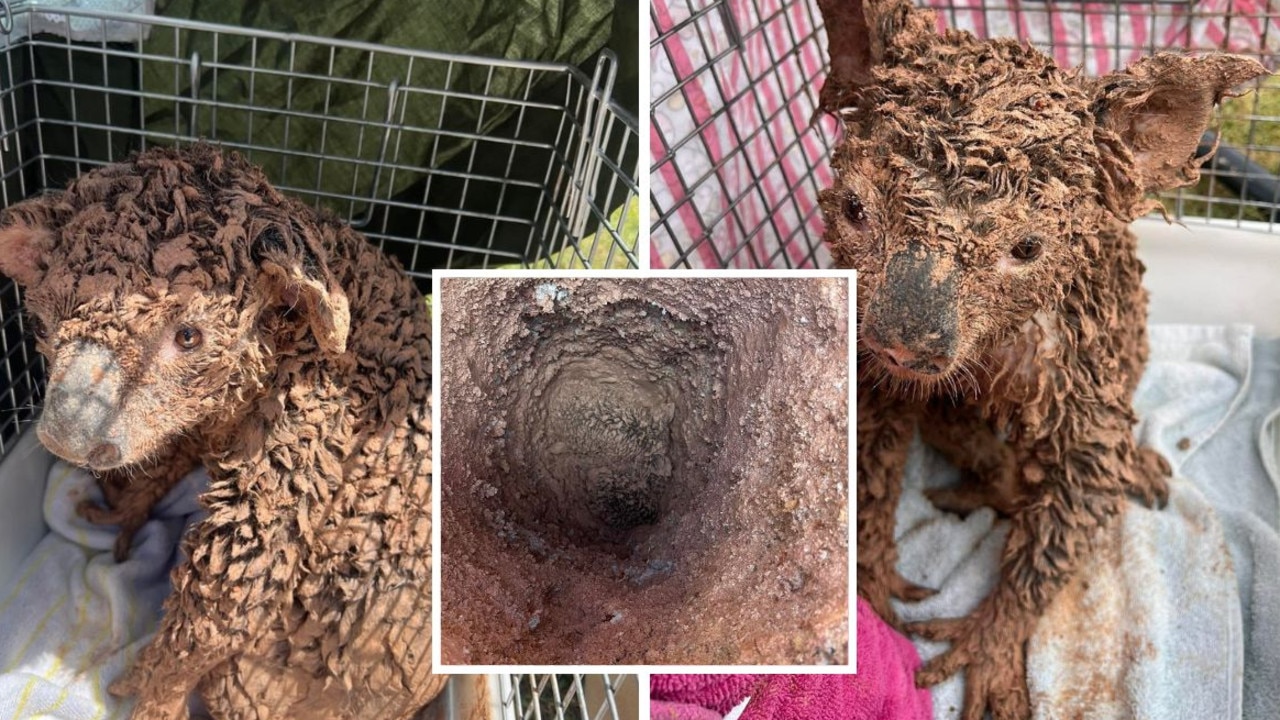
    On a construction plot in the outer Brisbane suburb of Morayfield, a routine day of work took an unexpected turn for building crews when they stumbled on a heart-stopping surprise deep below ground. As workers readied the site to set a wooden support pole into a freshly dug 1.5-meter hole, a faint rustling of movement caught their attention. Stopping their work to investigate, they made a shocking discovery: two koalas, Australia’s most beloved native marsupials, were trapped at the muddy bottom of the excavation, unable to climb back out to safety.

    By the time the crew found the pair, the animals were already in critical condition. Covered from head to paw in thick mud, they had accidentally ingested large amounts of soil and developed hypothermia from being stuck in the cold, wet hole for an unknown period. Recognizing the urgent need for help, the workers quickly coordinated with local wildlife rescuers, who used safety nets to carefully lift the marsupials out of the deep hole without causing further injury.

    Named Fudge and Santino by rescuers, the two male koalas were immediately transported to Australia Zoo Wildlife Hospital for emergency care. For between seven and nine weeks, the veterinary team provided round-the-clock intensive monitoring and life-saving treatment to pull the animals back from the brink. Wildlife advocates emphasized that the quick thinking of the construction crew was the key factor that gave Fudge and Santino a fighting chance at survival.

    After two months of dedicated care, the koalas made a full recovery, regaining their strength and returning to the healthy condition koalas need to thrive in their natural habitat. In a public update shared to Wildlife Rescue Queensland’s official Facebook page, a organization spokesperson confirmed the happy ending: both koalas were successfully released back into the wild landscape close to where they were originally rescued.

    “Thanks to the dedicated team at Australia Zoo Wildlife Hospital, both boys have made a strong recovery and were able to be released back where they belong,” the post read. “Stay safe, Fudge and Santino.”

    The rescue comes as koala populations across Queensland continue to face growing pressure from urban development, which fragments natural habitats and increases the risk of human-wildlife conflict. This incident has drawn attention from local conservation groups, who have praised the construction crew for choosing to pause work and prioritize the animals’ lives, rather than proceeding with their scheduled task. Many advocates have highlighted this as an example of how increased awareness and quick action can help protect vulnerable native species as development expands into traditional koala territories.

  • Watch: Hundreds of beagles rescued from breeding facility being rehomed

    Watch: Hundreds of beagles rescued from breeding facility being rehomed

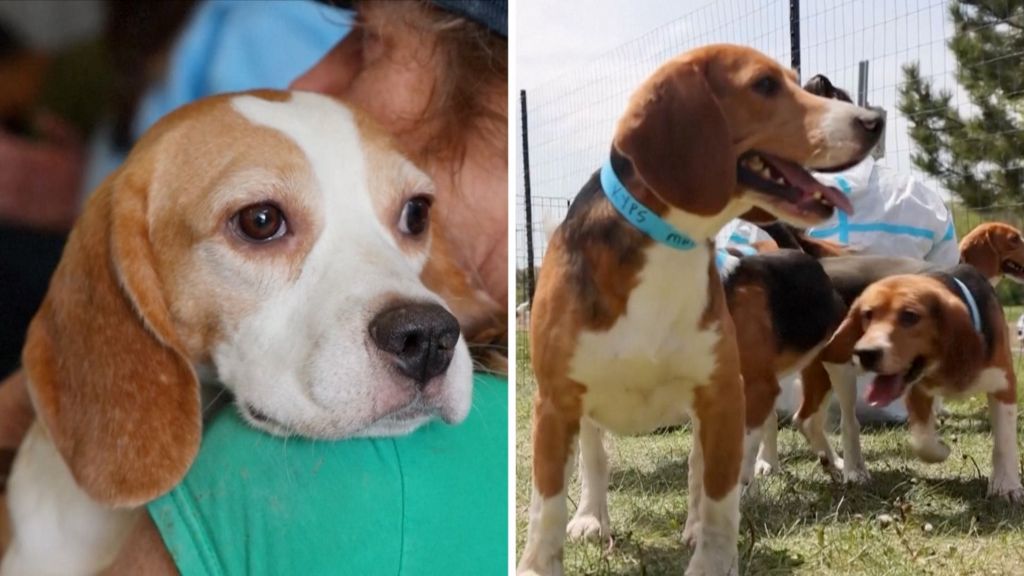
    A massive animal welfare effort is underway in the U.S. state of Wisconsin, where hundreds of beagles are currently going through the rehoming process following a high-profile rescue operation. More than 1,500 dogs total are being removed from a large-scale commercial breeding facility, after sustained public protests from animal rights activists pushed for action against the operation.

    The campaign against the breeder drew widespread public attention, with activists highlighting concerns over cramped living conditions, lack of adequate veterinary care, and the exploitative practices common in large-scale commercial dog breeding operations. Following the release of all the dogs from the facility, animal welfare organizations have stepped in to coordinate veterinary checks, behavioral assessments, and adoption placements for every beagle rescued.

    Volunteers and local animal shelters across the region have mobilized to support the effort, opening up space, providing foster care, and processing adoption applications from prospective pet owners eager to give the rescued dogs a second chance at life in a loving home. The operation marks one of the largest single canine rescue efforts in the state in recent years, shining a renewed spotlight on debates over commercial breeding regulations and animal protection standards.

  • France reckons with Nazi-looted art in new Paris museum gallery

    France reckons with Nazi-looted art in new Paris museum gallery

    PARIS – Nearly 83 years after it was seized by Nazi agents in occupied Paris for Adolf Hitler’s personal collection, an 1891 Alfred Stevens painting of two children staring out over the Normandy coast has found a new, permanent public home at Paris’ Musée d’Orsay. More than that, it anchors a groundbreaking new exhibition space unlike any other in France: the first permanent gallery dedicated entirely to “orphaned” works of art looted during the Nazi era, pieces whose rightful pre-war owners have never been identified. For France, the opening marks a major step forward in the nation’s slow, decades-long reckoning with its own role in the mass plunder of Jewish property during the Holocaust.

    The Stevens canvas was one of hundreds of thousands of artworks swept up in the systematic Nazi seizure of property from Jewish families across occupied Europe. Acquired in Paris in 1942 specifically for Hitler, it was originally destined for the Führer’s planned grand cultural complex, the never-built Führermuseum in his hometown of Linz, Austria, before being reassigned to his private mountain retreat in Bavaria in 1943. After Germany’s defeat in World War II, the famous Monuments Men – the Allied recovery team later immortalized in George Clooney’s 2014 feature film – tracked the painting down and returned it to France. To this day, however, no heir has come forward to claim it, and no records confirm who owned it before its 1942 seizure.

    The Stevens work is far from alone. Across France, 2,200 unclaimed looted artworks are held under the designation MNR, short for *Musées Nationaux Récupération* (National Museums Recovery). These works, recovered from Germany and Austria in the aftermath of the war, were entrusted to French national museums in the early 1950s. The French state does not claim ownership of the pieces; instead, it holds them in permanent trust for any rightful heirs who may eventually come forward. The Musée d’Orsay currently holds 225 of these orphaned works, 13 of which are on display in the new gallery.

    What makes this exhibition space unique beyond its focus is its intentional design: every work is hung to allow visitors to examine the back of each canvas, where the original stamps, inventory marks, and transit labels trace the journey of each piece from stolen private property into Nazi hands. The museum has also launched a dedicated new research unit, staffed by six Franco-German provenance researchers led by the Orsay’s head of provenance research Ines Rotermund-Reynard, to systematically investigate each work’s history and track down potential heirs.

    The opening of the gallery caps more than half a century of growing public acknowledgement of France’s role in Nazi-era plunder. For decades after the war, France largely stayed silent about the collaboration of its wartime Vichy government, which not only assisted in the deportation of 80,000 French Jews to death camps but also oversaw a thriving Paris art market that profited from the sale of property seized from murdered and displaced Jewish families. It was not until 1995 that then-President Jacques Chirac formally acknowledged the French state’s own responsibility for crimes of the Vichy era, standing at the site of the 1942 Vél d’Hiv mass roundup of Jewish Parisians. A national inquiry into Nazi art looting launched two years later accelerated efforts to return works to their rightful owners.

    Of the roughly 100,000 cultural objects looted from France during the Nazi occupation, around 60,000 were recovered after the war, and 45,000 were returned to their owners. Roughly 15,000 works remained without a known owner, and the 2,200 MNR works were selected from that pool. For nearly 40 years, between 1954 and 1993, France returned only four MNR works to heirs. Since Chirac’s 1995 acknowledgement, the Orsay alone has returned 15 works, most recently two pieces by Alfred Sisley and Auguste Renoir that were handed over to the heirs of Jewish collector Grégoire Schusterman in 2024.

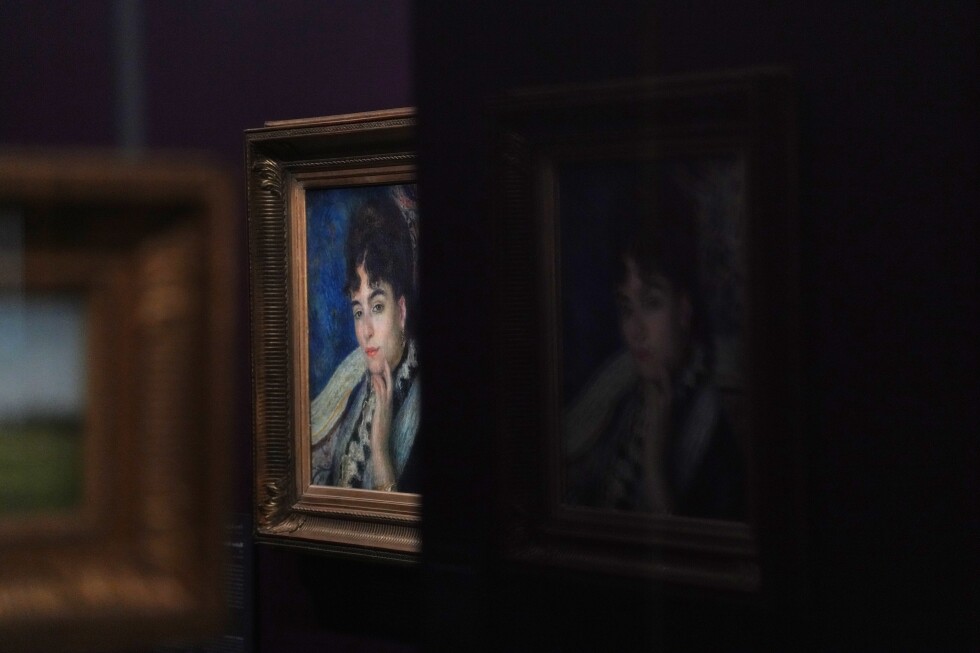
    The 13 works on display in the new gallery each carry the unmistakeable imprint of the Holocaust. A Degas copy of a 1879 Berlin ballroom scene was purchased by Jewish collector Fernand Ochsé in 1919; Ochsé was deported to Auschwitz and murdered during the occupation. A Renoir portrait of the wife of writer Alphonse Daudet was sold to a German museum in Cologne in 1941, with no record surviving of who sold the looted work. A Paul Cézanne canvas dismissed as a fake by a Louvre curator in the 1950s has recently been re-evaluated and may well be an authentic work by the Post-Impressionist master.

    Early visitors to the new gallery say the transparent display changes how they engage with the history of these works. Daniel Lévy, a software engineer from Strasbourg who visited on opening day, stopped to examine the Cézanne’s back marking. “You walk past these labels your whole life and you do not read them. Now I will read them,” he said. “My grandmother lost some of her family in the camps. Some of these paintings were probably hanging in homes like hers.” Another visitor, retired Lyon schoolteacher Marie Duboisse, noted she had seen the MNR designation on works at the Louvre for years without understanding what it meant, having previously assumed it marked a donor.

    Historians and curators emphasize that the mass looting of Jewish art could not have happened on the scale it did without the active participation of the Paris art world. In the early 20th century, Paris was the richest art hub in Western Europe, and the city’s central auction house Hôtel Drouot reopened just months after the Nazi occupation began in 1940, running continuous sales of looted and forced-sale property through the entire war. French art dealers acted as middlemen for German buyers, with Hitler’s agents taking the most coveted works for Hitler’s personal collection and Nazi officials.

    “Almost every museum in Nazi Germany sent buyers to Paris to expand its collections,” Rotermund-Reynard explained. “Hitler himself wanted to build the world’s largest museum, in Linz, the city in Austria where he grew up. Hermann Göring, Hitler’s deputy, traveled 21 times to Paris during the occupation to help himself to works taken from Jewish collectors. There was an enormous thirst both for the possessions of Jewish collectors, and for acquisitions to expand the German museums.” For Rotermund-Reynard, the looting cannot be separated from the broader genocide of Jewish people: “All of this is part of the history of the Shoah. When you try to understand this drive to take from Jewish families, it is part of the terrifying Nazi ideology to erase Jewish life.”

    While the gallery was not created specifically as a response to rising antisemitism in France, curators say its opening carries new weight amid a recent surge in anti-Jewish acts. According to the French Interior Ministry, antisemitic incidents reached near-record levels of 1,320 in 2025, following a sharp increase after the October 7, 2023, Hamas attack on Israel. “There is no statute of limitations on these crimes,” said François Blanchetière, the Orsay’s chief sculpture curator and co-curator of the new gallery. The mission of the space, he explained, is to bring the hidden history of these works into the open, and continue the work of repairing the harm of the Holocaust, one canvas at a time.
  • German car-ramming suspect’s motive remains unclear. Officials say he had psychiatric treatment

    German car-ramming suspect’s motive remains unclear. Officials say he had psychiatric treatment

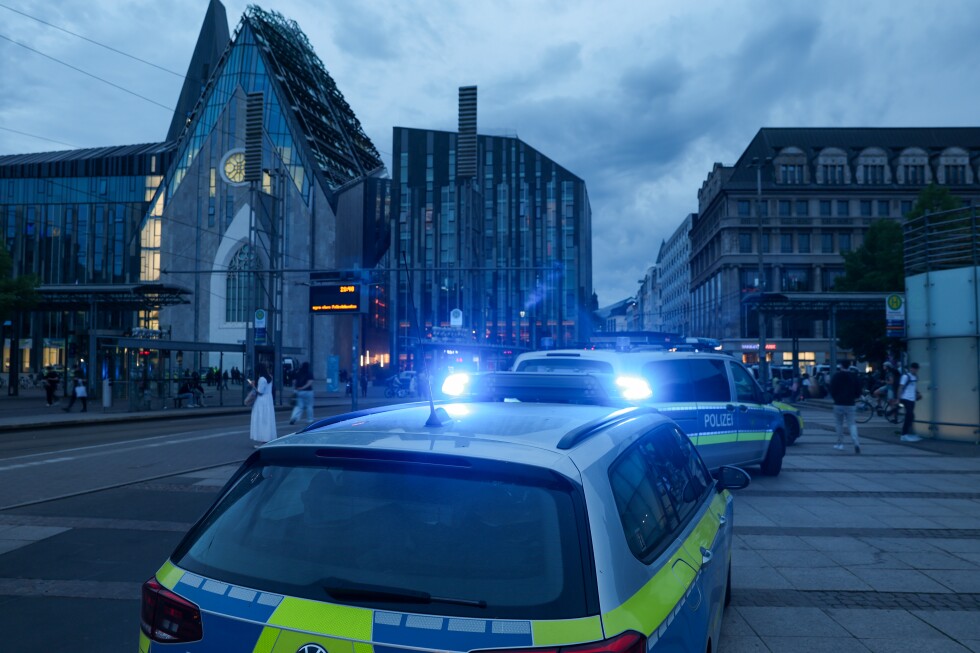
    BERLIN – Investigators working on the deadly car-ramming attack that shook Leipzig’s busy central shopping district last week have released key updates on Tuesday, confirming the incident left two civilians dead and does not appear tied to ideological, political or religious extremism. Authorities have instead highlighted that the 33-year-old German suspect, who was taken into custody on Monday afternoon, recently completed a voluntary inpatient stay at a psychiatric hospital.

    According to official accounts, the suspect drove his vehicle hundreds of meters through a crowded pedestrian shopping street before police intervened to stop him and place him under arrest. The confirmed fatalities are a 63-year-old German woman and a 77-year-old German man, while six additional pedestrians sustained injuries in the attack, two of which are categorized as serious.

    The suspect currently faces formal charges of murder and attempted murder, with law enforcement confirming they have concluded the ramming was a deliberate act of violence. As of Tuesday, the full motive behind the attack remained under active investigation.

    In a joint statement released by police and public prosecutors, officials confirmed there is no current evidence linking the attack to political or religious extremism. The suspect had already come to law enforcement’s attention earlier this year, however, following reports of threats and defamatory offenses committed against other individuals.

    On April 17, police responded to a phone call placed by the suspect himself. Following the response, the man agreed to voluntarily admit himself to a specialized psychiatric hospital for treatment focused on his acute psychological condition. He remained in inpatient care until last Wednesday, when he was discharged. Investigators have confirmed the suspect has no prior criminal convictions, and there were no other open legal cases against him leading up to the attack.

    German national news agency dpa quoted the Saxony State Ministry of Social Affairs confirming that during his inpatient treatment, the man did not display any behavior that indicated he posed a danger to himself or the general public. Medical officials also determined there was no clinical justification to extend his stay or block his discharge from the facility.

  • Dramatic footage shows moment van engulfed in flames on Bondi street

    Dramatic footage shows moment van engulfed in flames on Bondi street

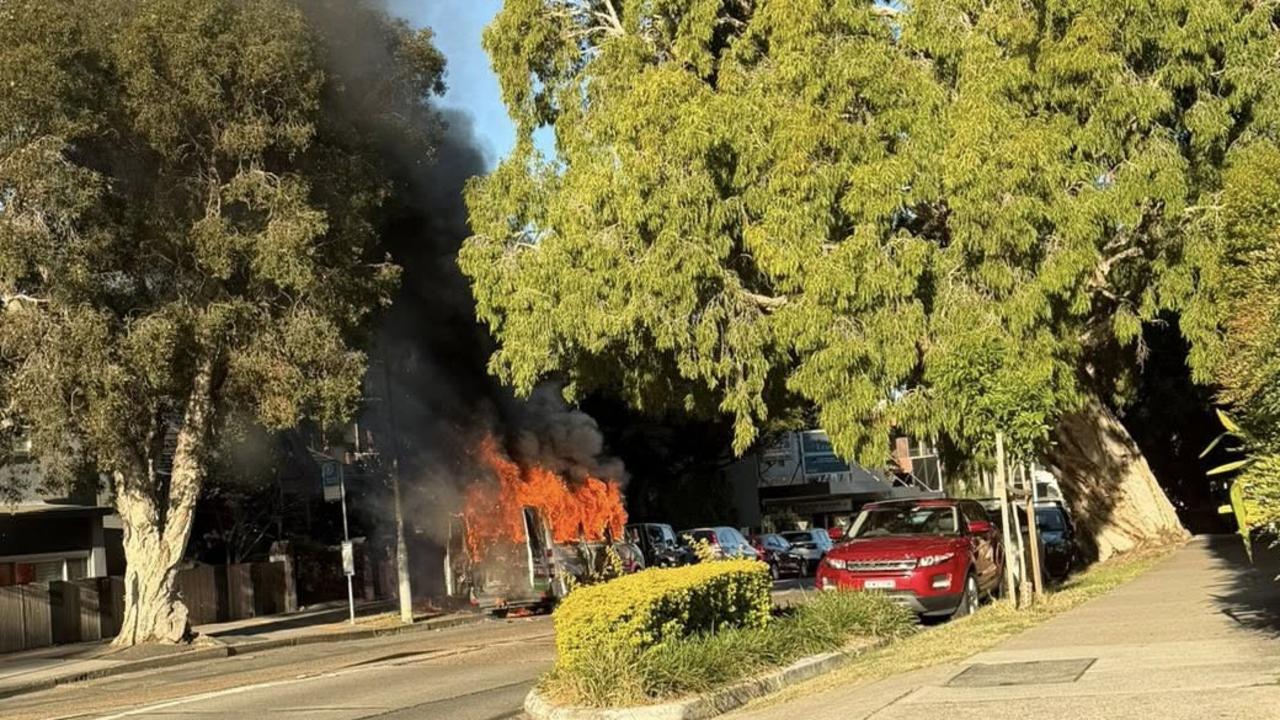
    A sudden, out-of-control van fire has shut down a busy street in one of Sydney’s most popular coastal neighborhoods, prompting a rapid response from emergency crews and drawing crowds of curious onlookers this Tuesday afternoon.

    The blaze broke out just after 4 p.m. local time on O’Brien Street, located steps from the iconic Bondi Beach, reducing a parked van to a charred hulk within minutes. Emergency officials confirmed the vehicle was completely engulfed by flames when firefighters arrived, and its proximity to large, mature trees along the street raised brief concerns the fire could spread to surrounding vegetation.

    Local community social media pages quickly issued alerts to regular commuters and pedestrians, urging all non-essential visitors to steer clear of the area while firefighting teams worked to bring the raging, often exploding, flames under control. As crews battled the blaze, dozens of passers-by stopped to observe the dramatic incident, forcing on-scene officers to repeatedly ask the crowd to step back and maintain a safe distance to give emergency personnel room to operate effectively.

    A spokesperson for the New South Wales Police Force confirmed Wednesday that investigators do not currently consider the fire suspicious, indicating it was likely caused by an accidental mechanical or electrical fault rather than foul play. The street was reopened to traffic and pedestrians once crews confirmed the fire was fully extinguished and the scene was made safe, with no reported injuries to bystanders or emergency workers released in initial statements.

  • Nine coal miners die in gas explosion in Colombia

    Nine coal miners die in gas explosion in Colombia

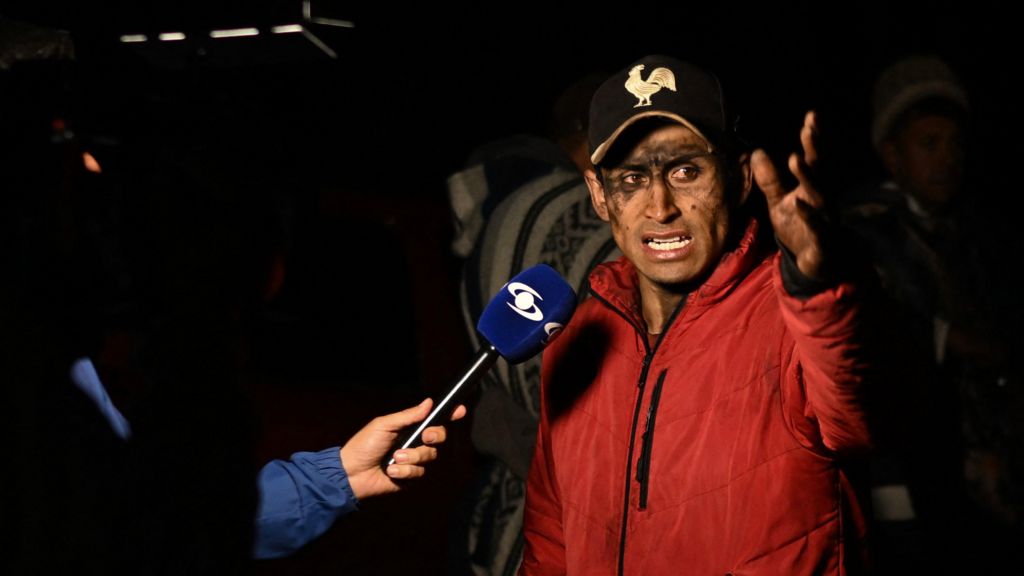
    A deadly explosion at a coal mine in the Colombian town of Sutatausa, located just north of the capital Bogotá, has claimed nine lives, marking the latest in a long string of fatal industrial accidents plaguing the South American nation’s troubled mining sector. The blast was triggered at 16:00 local time (21:00 GMT) on Monday, emergency officials confirmed. Search and rescue teams successfully pulled six trapped miners out of the collapsed mine shafts immediately following the incident, and all six survivors have been transported to local medical facilities for ongoing treatment for their injuries. As of Tuesday, first responders remain on site working tirelessly to recover the remains of the nine deceased miners still trapped underground, according to Álvaro Farfán, captain of the regional fire department.

    Preliminary investigations point to an uncontrolled buildup of flammable gas as the root cause of the explosion, according to Colombia’s national mining agency. In a striking revelation that raises urgent questions about regulatory oversight and mine operator accountability, the agency confirmed it had already flagged severe safety hazards at the site during a routine inspection carried out less than one month before the blast. The inspection report issued to the mine’s operators explicitly warned of the “potentially dangerous gas buildup” that ultimately caused the fatal explosion, alongside a series of mandatory corrective recommendations that appear to have gone unaddressed.

    This incident is far from an isolated tragedy. Colombia’s mining sector has long been plagued by systemic safety failures, driven largely by the prevalence of unregulated informal mining operations that operate without adherence to basic health and safety standards. Fatal accidents are an all-too-common occurrence across the country’s mining regions. Just last July, 18 workers were rescued after being trapped for 18 hours deep inside an unlicensed gold mine following a mechanical breakdown. Most notably, the same town of Sutatausa was the site of one of the deadliest Colombian mining disasters of recent years: in 2023, a methane gas buildup triggered an explosion that ripped through a network of local coal mine tunnels, killing 21 workers. For decades, Sutatausa has been a major coal mining hub in Colombia, with a large share of the local population relying on the industry for their livelihoods.

  • German car-ramming suspect had mental health problems: reports

    German car-ramming suspect had mental health problems: reports

    A deadly car-ramming incident in the historic center of Leipzig, eastern Germany, has left two people dead and multiple others injured, with emerging reports indicating the suspected attacker had recently received psychiatric care before the violence unfolded.

    The 33-year-old German national is accused of accelerating his vehicle down a busy main street on Monday, striking pedestrians gathered in the area. Officials confirmed the two fatal victims were a 63-year-old German woman and a 77-year-old German man, while the exact number of injured people has not yet been released by authorities.

    Multiple local and national German outlets, including top tabloid Bild and regional public broadcaster MDR, have reported that the suspect had recently been undergoing treatment at a psychiatric facility. Bild further detailed that the suspect had admitted himself voluntarily to the center, but was discharged on Sunday just one day before the attack over aggressive behavior directed at other patients. It remains unclear whether the facility fulfilled its legal obligation to notify local police ahead of releasing an individual that could pose a public danger; German authorities have so far declined to directly confirm reports of the suspect’s mental health history.

    The suspect was taken into custody at the scene immediately after the attack, and senior officials have stated they have found no evidence linking the attack to political or ideological extremism or religious motive, a common line of investigation after high-profile vehicle attacks in Europe in recent years.

    Germany has faced a string of deadly car-ramming attacks over the past decade, most recently a December 2024 attack on a Magdeburg Christmas market that also left multiple casualties. Previous incidents have also targeted public spaces in Berlin and Munich, keeping issues of public safety and threat assessment top of mind for national and local security officials.

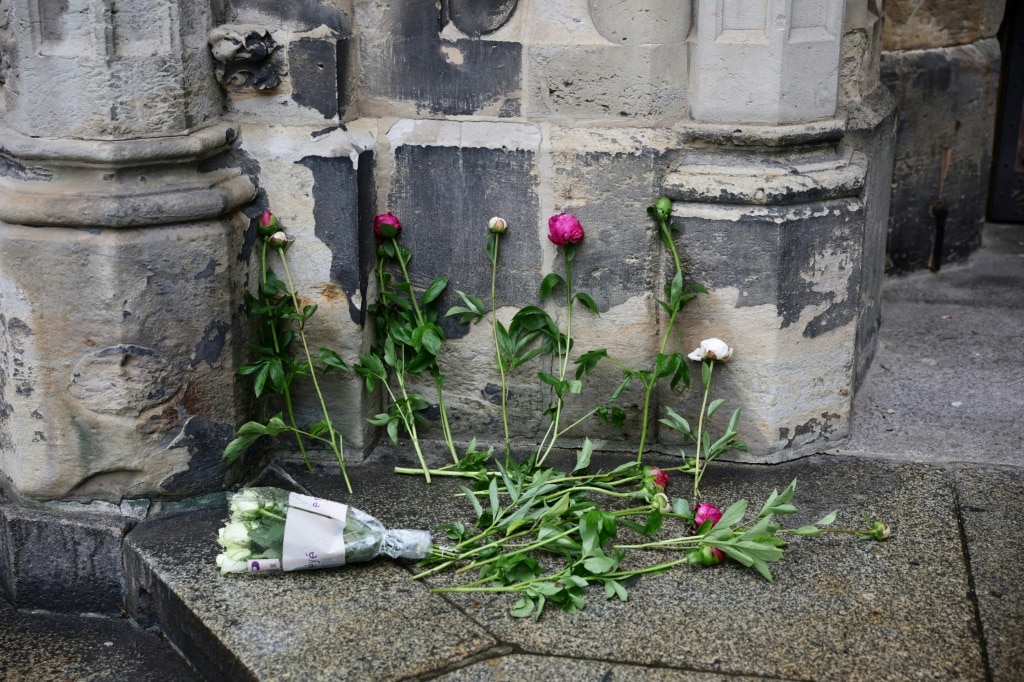
    On Tuesday, the day after the attack, the affected street remained cordoned off as law enforcement carried out forensic searches to collect evidence. Members of the local and regional community have already begun gathering to mourn the victims and express solidarity: 32-year-old Heidi Rheinsdorf traveled from a neighboring town to attend a gathering at a university campus church, telling AFP she was devastated by the news. “I was shocked when I heard about the car-ramming. I just don’t understand why the alleged perpetrator did it, I just feel so sorry for the people,” she said, wiping away tears during the gathering.

    The investigation into the attack is ongoing as authorities work to confirm the suspect’s background and clarify the circumstances of his release from the psychiatric facility.

  • Toddler in induced coma after inhaling dust while baking Bluey-themed birthday cake

    Toddler in induced coma after inhaling dust while baking Bluey-themed birthday cake

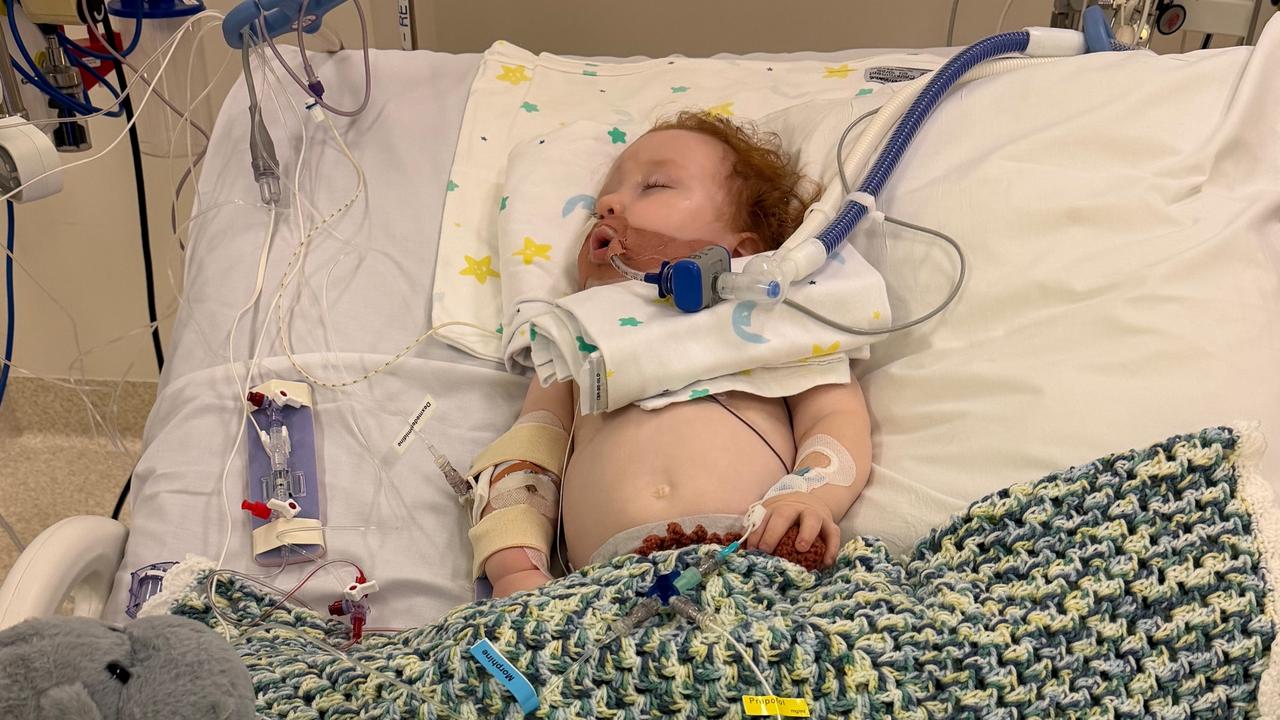
    A routine day of baking a children’s television-themed first birthday cake for a friend has turned into a devastating family emergency on Australia’s Gold Coast, after 2-year-old Dusty Robinson inhaled edible decorative gold dust that rapidly blocked his airways and left him unresponsive. According to details shared on a community-funded GoFundMe page set up by family friend Rochelle Evrard, Dusty’s mother Katie Robinson was preparing a Bluey-themed cake for her friend’s son when the accident occurred. The toddler got into the decorative baking ingredient, inhaling a substantial amount of the fine powder before any adult could intervene. Once the fine gold dust mixes with the moisture naturally present in the lungs and respiratory tract, it thickens into a dense paste, creating an immediate and dangerous blockage of Dusty’s lung tissue that left the boy quickly unresponsive. Panicked, Katie Robinson immediately placed an emergency call to local triple-0 services, and Dusty was rushed to emergency care for urgent treatment. Since the incident, Dusty has already undergone one surgical procedure to clear as much of the paste blockage from his lungs as possible. He remains in an induced coma and is still unable to breathe independently, requiring intubation and life support. A second procedure is planned to reposition Dusty’s breathing tube from his mouth to his nose, while clinicians will also conduct a full reassessment of the condition of his lungs to guide further treatment. Dusty’s parents are both sole traders, meaning they have no paid leave or employer-sponsored benefits to cover extended time off work to care for their son. They have also had to relocate temporarily from their home on the Gold Coast to Brisbane, where Dusty is receiving specialized pediatric care at a major children’s hospital, incurring unplanned accommodation and living costs amid the crisis. To support the family through this unexpected medical emergency, Evrard launched the crowdfunding campaign, which has already raised more than AU$11,000 from community donors to help cover the family’s ongoing costs as they stay by their son’s side awaiting his recovery.