分类: society

  • Yunnan rose named after uncle ‘who looks like a flower’

    Yunnan rose named after uncle ‘who looks like a flower’

    In an unexpected turn of events during an online naming competition, a newly cultivated Chinese rose variety from the Yunnan Academy of Agricultural Sciences has been officially named after a Shandong province resident’s maternal uncle. The flower, characterized by its distinctive white petals with pinkish-purple edges, will be marketed as the ‘Baohua Chinese Rose’ in recognition of Liu Baohua, whom the nominating netizen described as resembling a flower.

    The Yunnan Academy had initially organized the digital naming initiative, receiving numerous poetic suggestions including ‘Jinghong,’ ‘Water Sleeves,’ and ‘Silk.’ However, the humorous proposal from the Shandong-based internet user unexpectedly captured public imagination, sparking widespread support across social media platforms.

    Research Fellow Cai Yanfei from the academy’s flower research institute confirmed to xinhuanet that despite initial reservations about the unconventional naming suggestion, the ‘Liu Baohua Chinese Rose’ secured a decisive victory during the final voting phase. The academic institution had initially questioned the appropriateness of naming a flower after a private individual but ultimately respected the democratic process and public sentiment.

    The newly christened horticultural product is scheduled to enter commercial distribution in multiple formats—including seedlings, fresh cuts, and preserved specimens—with anticipated market availability beginning August 2025. This incident demonstrates how digital public participation can influence scientific nomenclature while adding a human-interest dimension to botanical development.

  • From Downtown to JBR: How Dubai will roll out NYE traffic controls to manage rush

    From Downtown to JBR: How Dubai will roll out NYE traffic controls to manage rush

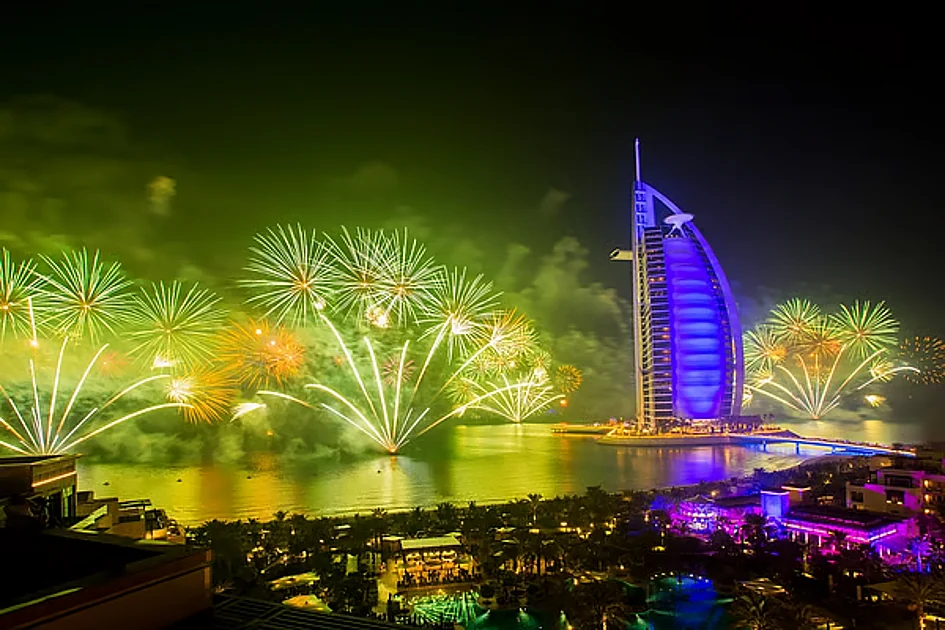
    Dubai’s transportation authorities have unveiled an extensive, multi-location traffic management blueprint for New Year’s Eve celebrations, with Jumeirah Beach Residence (JBR) joining Downtown as a primary focus area. The comprehensive strategy involves phased road closures, enhanced public transport deployment, and strict pedestrian management to accommodate massive crowds while ensuring public safety.

    According to Salahaldeen Al Marzooqi, Director of Intelligent Traffic Systems at Dubai’s Roads and Transport Authority (RTA), JBR has emerged as the city’s second most popular NYE destination, necessitating specialized traffic coordination with event organizers, security teams, and property developers. The area will undergo gradual access restrictions beginning at 4pm with pedestrian walkway closures along the beachfront, progressing to full road closures by 11pm that will transform the vicinity into an extensive pedestrian zone.

    Simultaneously, Downtown Dubai will experience phased arterial road closures starting at 4pm, affecting key thoroughfares including Al Asayel Street, Sheikh Mohammed bin Rashid Boulevard, and Burj Khalifa Street. Additional segments will close incrementally throughout the evening, with Sheikh Zayed Road undergoing gradual closure between Al Meydaan intersection and Commercial Centre roundabout from 11pm onward.

    The RTA has implemented exceptional public transport measures to support the strategy, deploying 700-1,000 dedicated taxis specifically for JBR alongside 360 buses for crowd movement and park-and-ride operations across the emirate. Metro and tram services will operate continuously for approximately 43 hours to facilitate movement. Taxi ranks will operate throughout the night with enhanced signage directing visitors to transport hubs.

    Authorities have issued strict warnings against illegal parking, particularly on high-speed roads surrounding event areas, emphasizing that roads within JBR will prohibit stopping or parking entirely. Residents, hotel guests, and restaurant patrons received advance notification of closures through developers to enable early movement planning.

    Al Marzooqi emphasized that public transport represents the safest and most efficient option for high-density celebrations, stating: ‘Our priority is people’s safety and comfort. With proper planning and cooperation from the public, JBR celebrations will be enjoyable and well managed.’ The coordinated approach aims to balance accessibility with safety as Dubai prepares to welcome hundreds of thousands of revelers.

  • Snap bans on candy, soda to start in five US states

    Snap bans on candy, soda to start in five US states

    A significant policy shift affecting millions of low-income Americans begins January 1st, 2026, as multiple U.S. states implement new restrictions on what can be purchased with government food assistance benefits. West Virginia, Utah, Indiana, Iowa, and Nebraska are leading this initiative that prohibits the purchase of sugar-sweetened beverages and candy through the Supplemental Nutrition Assistance Program (SNAP).

    The movement, championed by Health Secretary Robert F. Kennedy Jr. and Agriculture Secretary Brooke Rollins, represents a fundamental rethinking of how taxpayer-funded nutrition programs operate. “For years, SNAP has used taxpayer dollars to fund soda and candy – products that fuel America’s diabetes and chronic disease epidemics,” Kennedy stated, highlighting the public health rationale behind the restrictions.

    While SNAP historically allowed beneficiaries to purchase most grocery items except hot foods, tobacco, alcoholic beverages, and supplements, the new regulations create substantially tighter constraints. The implementation varies by state: West Virginia and Utah will ban sodas; Nebraska will prohibit both sodas and energy drinks; Indiana will restrict sodas and candy; while Iowa adopts the most comprehensive approach by banning soda, candy, and other pre-packaged foods subject to state sales tax, including chocolate-coated nuts and sweet popcorn.

    This initial wave of restrictions marks just the beginning of a broader national trend. Eighteen states have submitted waiver requests to implement similar limitations, with Florida and Texas scheduled to begin restrictions in April, South Carolina in August, and Missouri in October.

    The policy changes impact approximately 42 million Americans—roughly 12% of the population—who rely on SNAP benefits for nutritional support. Critics argue that these restrictions will create operational challenges for both retailers and recipients. Crystal FitzSimons, president of the Food Research & Action Center, warned that “SNAP restrictions will create more harm, confusion, and chaos for program participants who are still reeling from the government shutdown that unnecessarily delayed the delivery of benefits.”

    The debate continues as public health objectives confront practical implementation concerns, potentially reshaping food assistance programs across the United States throughout 2026.

  • Abu Dhabi announces free parking and toll fees for New Year holiday

    Abu Dhabi announces free parking and toll fees for New Year holiday

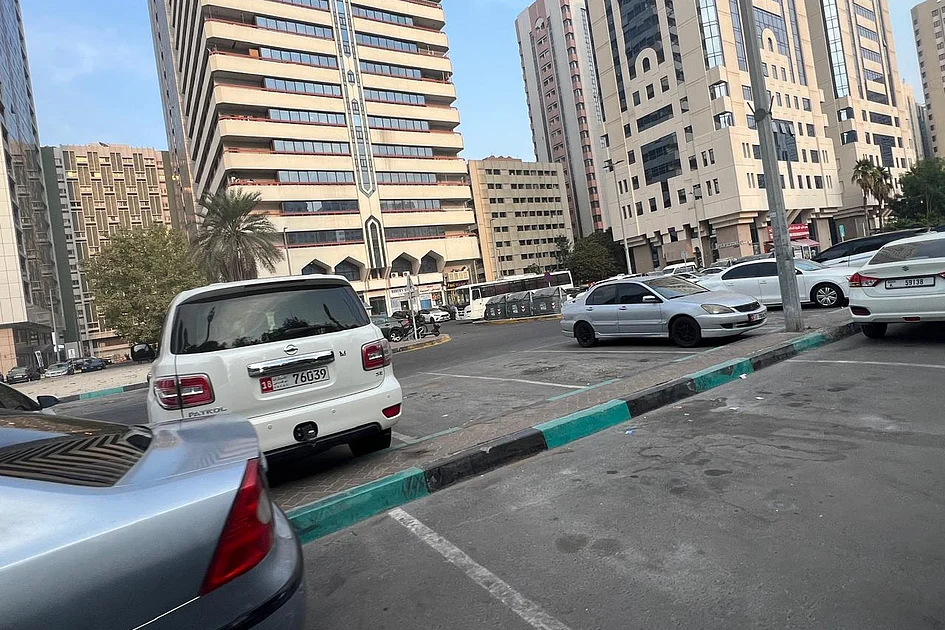
    In a move to facilitate seamless New Year celebrations, Abu Dhabi authorities have declared complimentary access to all public parking facilities and toll roads on January 1st, 2026. The initiative suspends charges for both the Mawaqif parking system and Darb toll gates throughout the holiday, with regular payment requirements resuming on January 2nd.

    This transportation benefit forms part of Abu Dhabi’s broader strategy to enhance urban mobility during festive periods, allowing residents and visitors to navigate the city without financial constraints. The emirate has simultaneously announced operational adjustments for government service centers. All customer happiness centers alongside vehicle licensing facilities in Abu Dhabi and Al Ain will remain closed on New Year’s Day, resuming standard operations on January 2nd.

    For continuous access to government services, authorities recommend utilizing digital platforms including the Q Mobility application, the Darb app, and the Tamm portal. Alternatively, assistance remains available through the government support hotline at 800 3009.

    During normal operations, the Mawaqif parking system enforces a tiered pricing structure. Premium zones (white and turquoise) charge Dh3 hourly with a four-hour maximum stay between 8:00 AM and midnight. Standard zones (black and turquoise) maintain rates of Dh2 per hour or Dh15 for daily parking, permitting stays up to 24 hours within the same operational timeframe.

    With anticipated increased vehicular movement during celebrations, transportation officials emphasize adherence to traffic regulations and advise strategic journey planning. The announcement coincides with the federal declaration of January 1st as an official public holiday, followed by remote working arrangements for public sector employees on January 2nd.

  • UAE travel advisory: Dubai, Sharjah Airports brace for New Year’s Eve rush

    UAE travel advisory: Dubai, Sharjah Airports brace for New Year’s Eve rush

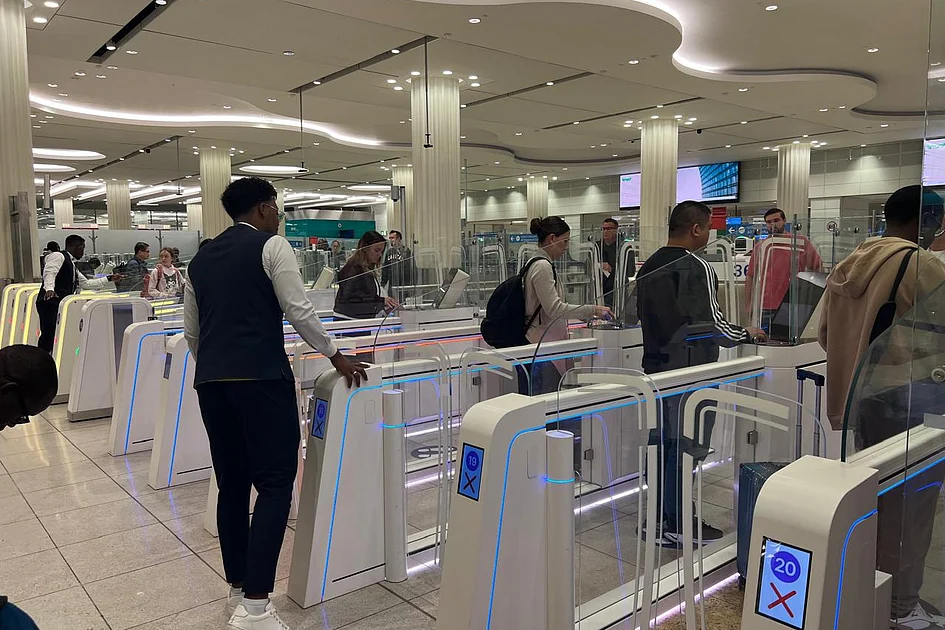
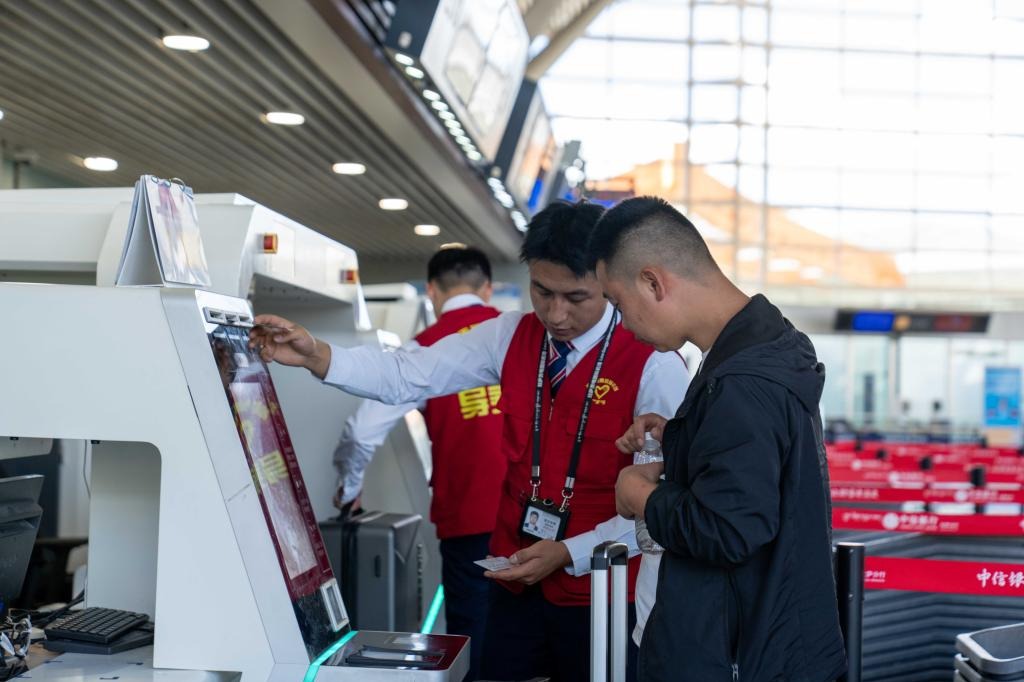
    Major UAE aviation hubs are implementing enhanced travel protocols to accommodate the anticipated surge in passenger traffic surrounding New Year 2026 celebrations. Dubai and Sharjah international airports have issued comprehensive advisories urging travelers to adjust their schedules and utilize alternative check-in options during this period of heightened activity.

    With January 1 declared an official public holiday and many organizations permitting remote work on December 31, aviation authorities project significant congestion from December 31 through January 5. Emirates Airlines has formally recommended that all departing passengers arrive at Dubai International Airport a full four hours before their scheduled flights, accounting for anticipated road congestion and limited parking availability.

    Sharjah Airport authorities have similarly advised travelers to arrive three hours before departure, while encouraging Air Arabia passengers to utilize urban check-in facilities. Both airports are promoting distributed check-in solutions to alleviate terminal congestion, including innovative city-center options.

    Emirates offers multiple remote check-in alternatives: The DIFC City Check-In facility at ICD Brookfield Place provides complimentary parking and baggage handling up to four hours pre-flight, with bonus Skywards Miles incentives through January 15. Ajman Central Bus Terminal hosts a 24-hour check-in service, while premium customers in Dubai and Sharjah can access complimentary home check-in services with baggage collection.

    Public transportation represents a key component of the congestion mitigation strategy. Dubai Metro’s Red Line provides direct Terminal 3 access with frequent service, offering reliable airport connectivity amid anticipated road traffic complications. Aviation officials emphasize that pre-selecting seats and verifying travel document validity remain crucial for efficient processing.

    Sharjah’s Matajer Al Mussala facility enables baggage drop-off up to 48 hours before flight time for a nominal fee, with additional city check-in locations operating at Al Barsha Mall, Safeer Mall, and Al Ain’s Morafiq complex with tiered pricing structures.

    The coordinated advisory reflects comprehensive planning by UAE aviation authorities to maintain operational efficiency during one of the region’s peak travel periods, balancing celebration-related congestion with maintaining the UAE’s reputation for aviation excellence.

  • Queen Camilla describes being assaulted by man as a teenager

    Queen Camilla describes being assaulted by man as a teenager

    In a deeply personal disclosure during a BBC interview addressing violence against women, Queen Camilla has broken her decades-long silence about surviving a physical assault during her teenage years. The 78-year-old royal recounted the traumatic incident that occurred aboard a train, marking the first time she has publicly confirmed the attack previously detailed in a September serialization of a royal biography in The Times.

    Reflecting on the harrowing experience, Her Majesty revealed: ‘I remember at the time being so angry. I was reading my book and you know this boy – man – attacked me, and I did fight back.’ The Queen emphasized the lasting emotional impact of the assault, noting how the memory ‘lurked for many years’ following the incident.

    The conversation emerged during a broader discussion about gender-based violence, a cause the Queen has championed through various charitable endeavors and advocacy work spanning many years. While Buckingham Palace had previously remained silent on the matter, Camilla’s decision to share her experience adds significant weight to ongoing national conversations about women’s safety and trauma recovery.

    According to the biographical account published earlier this year, the assault occurred when Camilla was approximately 16 or 17 years old aboard a train destined for London’s Paddington Station. The narrative described her courageous response—using her shoe to strike the assailant in self-defense—and subsequent identification of the attacker to railway officials, leading to his apprehension. Although the Queen did not explicitly confirm these specific details during her interview, her acknowledgment of the core incident validates the essential facts.

    The Queen’s disclosure comes at a time of increased scrutiny regarding violence against women in the United Kingdom, with her personal testimony offering both solidarity to survivors and highlighting the pervasive nature of such experiences across all segments of society. As the second wife of King Charles III, who ascended to the throne in 2022, Camilla has increasingly used her platform to advocate for vulnerable populations, particularly those affected by domestic and sexual violence.

  • Pope asks that Rome welcome foreigners as he closes out 2025

    Pope asks that Rome welcome foreigners as he closes out 2025

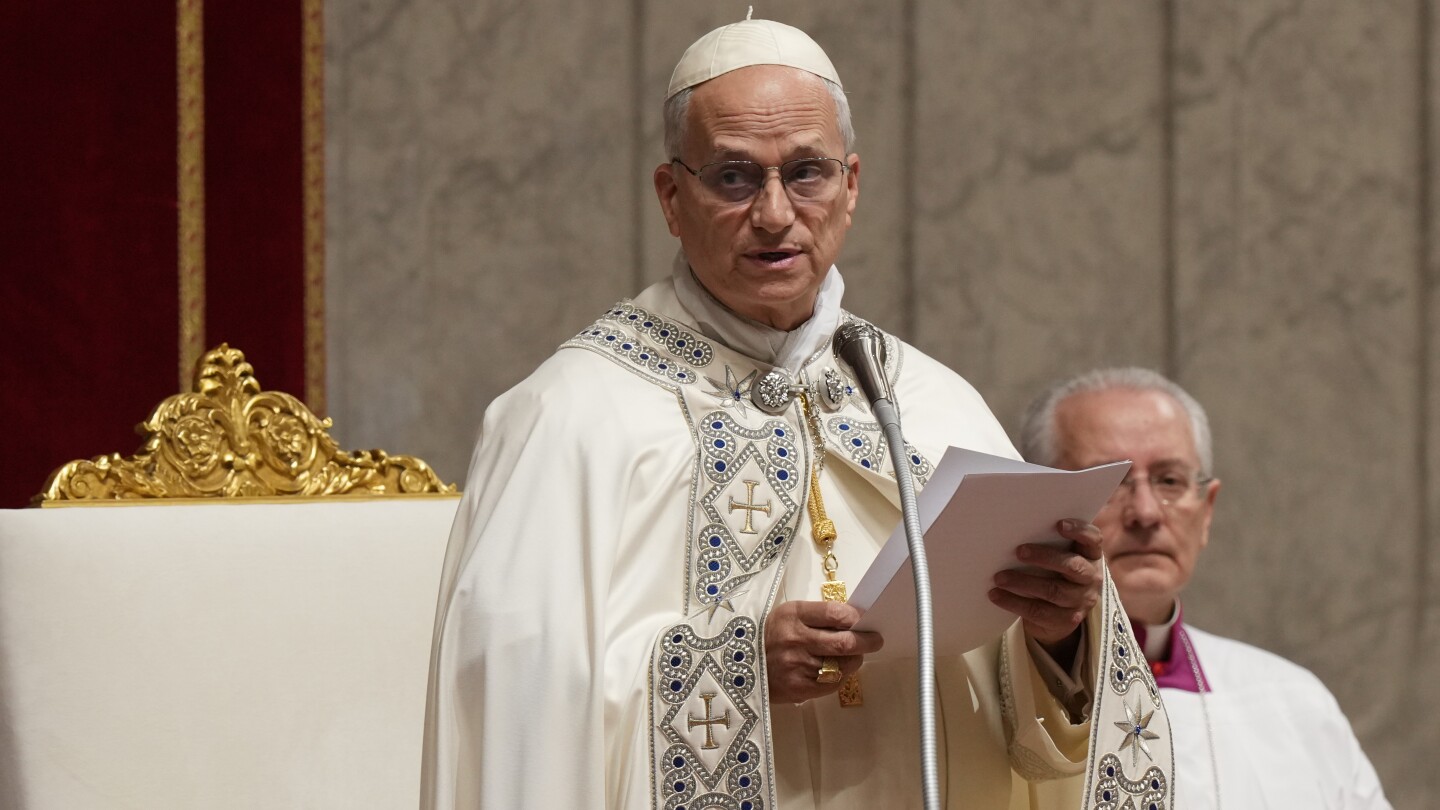
    VATICAN CITY — Pope Leo XIV culminated the 2025 Holy Year celebrations with a profound appeal for social inclusivity during New Year’s Eve vespers at St. Peter’s Basilica. The spiritual leader emphasized Rome’s historical role as a sanctuary for marginalized communities while addressing assembled dignitaries including Mayor Roberto Gualtieri.

    Reflecting on the monumental Jubilee year that attracted 3.2 million pilgrims according to newly released Vatican statistics, the Pontiff expressed gratitude to Roman citizens and volunteers who facilitated the massive influx of visitors. The celebrations marked both the quarter-century tradition of Holy Year observances and a significant papal transition following the passing of Pope Francis in April 2025.

    In his homily, Leo XIV reinforced his predecessor’s vision of enhanced hospitality, stating: “What can we wish for Rome? That it may be worthy of its little ones—children, lonely elderly, struggling families, and those seeking dignified lives after journeying from distant lands.” The American-born Pope, who assumed leadership in May following Francis’s demise, specifically highlighted the city’s responsibility toward fragile demographics.

    The Jubilee events witnessed notably subdued participation during early 2025 due to Francis’s extended hospitalization, with attendance dramatically surging after Leo’s election. The formal conclusion of Holy Year ceremonies is scheduled for January 6, 2026, though the December 31st service effectively symbolized the spiritual culmination of this extraordinary period for global Catholicism.

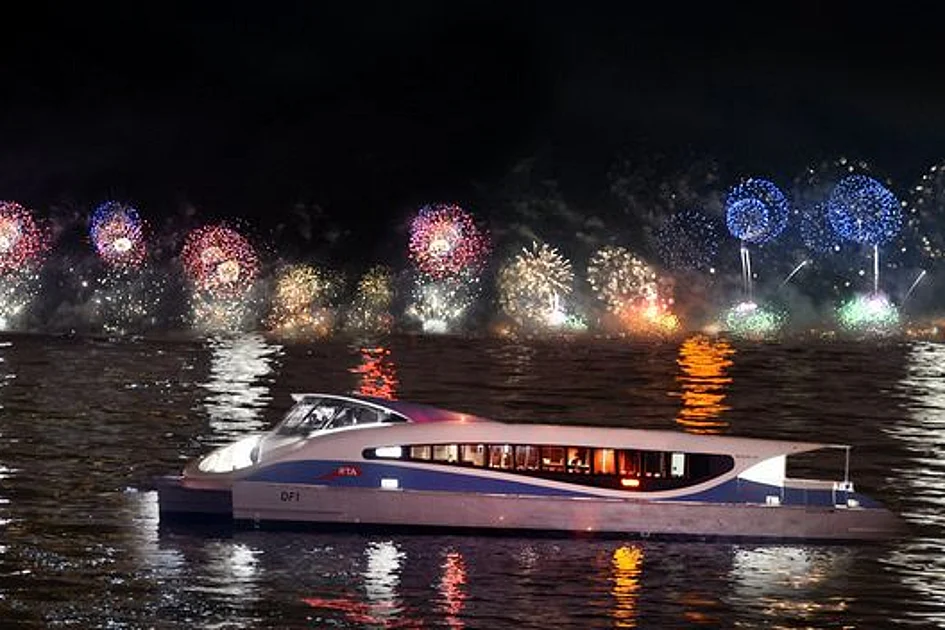
  • Dubai: New Year’s Eve yacht parties on schedule amid rough seas warning in UAE

    Dubai: New Year’s Eve yacht parties on schedule amid rough seas warning in UAE

    Dubai’s maritime celebrations for New Year’s Eve 2026 will proceed as scheduled despite weather warnings indicating potentially challenging sea conditions. The Dubai Maritime Authority has issued advisories urging all marine operators and passengers to exercise heightened vigilance and carefully monitor weather developments throughout the evening’s festivities.

    Multiple yacht charter companies confirmed to Khaleej Times that operations remain uninterrupted, with bookings continuing to be processed even on Wednesday afternoon. ERA Marines, Mirash Yacht, and Sir Ansari Yacht all indicated they are maintaining their scheduled programs while implementing comprehensive safety protocols. Company representatives noted that weather conditions, while currently windy, are expected to stabilize by late afternoon and evening hours.

    The maritime authority has activated special traffic management measures to ensure safety during the high-density celebration period. These include implementing one-way navigation systems, temporary suspension of marine traffic during peak fireworks displays, and closure of waterways beneath Palm Jumeirah bridges between 10 PM and 2 AM.

    Despite the weather concerns and additional regulations, yacht-based celebrations remain highly popular among residents seeking alternative viewpoints for the extensive fireworks displays. The aquatic perspective offers reduced crowding and enhanced visibility compared to land-based viewing areas, which typically experience significant congestion.

    Premium pricing continues for yacht charters in prime locations near Palm Jumeirah, Dubai Marina, and Burj Al Arab, where multiple fireworks shows are visible from the water. All operators emphasize strict compliance with safety instructions and marine regulations while advising passengers to remain flexible for potential last-minute adjustments based on weather conditions and captain assessments.

  • Year-ender: Revisiting the shared memories of 2025

    Year-ender: Revisiting the shared memories of 2025

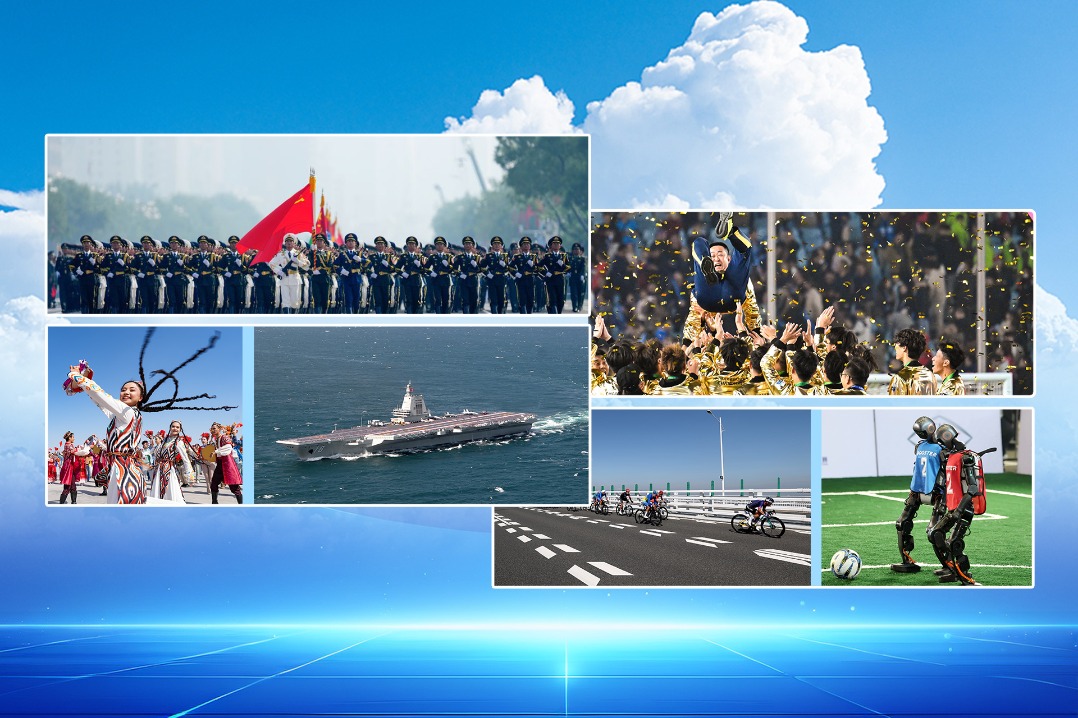
    As 2025 draws to a close, China reflects on a transformative year marked by groundbreaking achievements across multiple sectors. The year witnessed the inauguration of revolutionary infrastructure projects, including a state-of-the-art bridge in Henan province celebrated as an engineering marvel that redefines architectural possibilities.

    Technological advancement took center stage throughout 2025, with China launching sophisticated satellites to enhance its space capabilities while making significant strides in robotics development. The year marked what experts are calling the ‘coming-of-age’ period for humanoid robots, transitioning from laboratory concepts to practical applications that promise to reshape daily life.

    Energy infrastructure reached new heights as Shandong province successfully connected a massive 1,000 MW offshore solar project to the national grid, demonstrating China’s commitment to renewable energy expansion. This project represents one of the world’s largest offshore solar installations and signals the nation’s dedication to sustainable development.

    The year also saw strengthened legal protections for migrant workers through landmark judicial cases, while cultural celebrations across the country highlighted China’s rich traditions and modern vitality. From civil aviation advancements in Xizang to the naming of an asteroid in honor of renowned Chinese botanist Kuang Tingyun, 2025 showcased China’s growing influence in both scientific and cultural spheres.

    As preparations begin for the 15th Five-Year Plan period, the achievements of 2025 provide a strong foundation for continued national development and global engagement.

  • In six decades, Xizang’s civil aviation soars to new heights

    In six decades, Xizang’s civil aviation soars to new heights

    LHASA — Marking a historic milestone in its transportation development, Southwest China’s Xizang Autonomous Region has recorded an unprecedented annual passenger throughput exceeding 8 million in 2025. This achievement represents the culmination of six decades of aviation progress on the Tibetan Plateau, where air travel has evolved from a rare spectacle to an integral part of regional connectivity.

    The regional civil aviation authorities project approximately 71,000 flight operations for the year, reflecting a 6 percent increase from previous records. Passenger transport volume has grown by 5.7 percent, while cargo and mail handling has surged by 7.7 percent, demonstrating robust expansion across all aviation sectors.

    This exponential growth stands in stark contrast to March 1965, when the region’s inaugural civil aviation flight touched down at Damxung airport. The Soviet-made Il-18 aircraft, having departed Beijing with a stopover in Chengdu, initiated what would become a transformative chapter in Tibetan transportation history.

    Damxung airport, situated at 4,230 meters above sea level, pioneered high-altitude aviation as China’s first airport operating above 4,000 meters. However, operational challenges stemming from extreme weather conditions and considerable distance from Lhasa prompted the development of Lhasa Konggar International Airport (LKIA) in 1966. Located in the more accessible Yarlung Zangbo River valley at approximately 3,500 meters elevation, LKIA has since evolved into the region’s primary aviation hub.

    Early aviation operations faced significant logistical challenges. Hu Jinfa, a retired official from the regional Civil Aviation Administration, recounted how staff and passengers would collectively clear snow and ice from runways using basic tools to maintain flight schedules during harsh winter months.

    Initially serving government officials, medical patients, and pregnant women who couldn’t endure overland journeys, air transport also facilitated the delivery of essential goods previously scarce on the plateau. Today, the region’s aviation network has expanded dramatically to encompass 193 routes connecting 81 cities through eight civil airports.

    The transformation extends beyond passenger services to cargo operations. Inbound shipments now include perishable goods, temperature-sensitive pharmaceuticals, and high-value products, while outbound flights carry an increasing volume of Tibetan specialties such as cordyceps sinensis, yak meat, barley products, traditional medicines, and handicrafts.

    Customs official Zhang Wei noted the strategic role of Xizang’s aviation infrastructure: “Not only are unique Tibetan products reaching markets across China, but quality goods from across the country are also reaching South Asian markets through Xizang’s flights.”

    The tourism sector has been a primary beneficiary of improved aviation access. Ngari Prefecture, among the region’s most remote areas, welcomed 2.5 million domestic and international visitors in 2024—a 40-fold increase since the opening of Ngari Gunsa Airport in 2010.

    Simultaneously, air travel has enabled growing numbers of Tibetan residents to explore educational, employment, and tourism opportunities elsewhere in China. At LKIA’s departure hall, 68-year-old Padma Dondrup embodied this new mobility as she prepared to accompany her granddaughter to university in Shanghai, fulfilling her lifelong dream of witnessing the iconic Bund waterfront firsthand.