分类: society

  • Paris court to rule in case involving alleged cyberbullying of Brigitte Macron

    Paris court to rule in case involving alleged cyberbullying of Brigitte Macron

    A Parisian court is poised to deliver a pivotal verdict on Monday in a high-profile cyber harassment trial involving ten individuals accused of systematically targeting France’s First Lady, Brigitte Macron. The defendants, comprising eight men and two women ranging from 41 to 60 years old, face charges of orchestrating a malicious digital campaign filled with defamatory content regarding Madame Macron’s gender identity and personal life.

    The prosecution alleges these individuals disseminated extensively shared falsehoods claiming the President’s wife was assigned male at birth—a completely fabricated assertion—while simultaneously attempting to weaponize the 24-year age difference between the Macrons by making baseless associations with criminal behavior. This coordinated online harassment generated tens of thousands of engagements across social platforms.

    Although absent from the October proceedings, Brigitte Macron’s voice resonated through her daughter Tiphaine Auzière’s emotional testimony. Auzière detailed the profound psychological and physical toll the relentless cyberbullying inflicted on her mother, describing a noticeable deterioration in her wellbeing and emphasizing how the entire family unit, including young grandchildren, suffered collateral damage from the vicious rumors.

    Among the accused stands Delphine Jegousse, a 51-year-old known professionally as Amandine Roy, who prosecutors identify as a central figure in amplifying the conspiracy theory following her 2021 four-hour YouTube exposition. Another defendant, Aurélien Poirson-Atlan (operating online as Zoé Sagan), faced platform removal in 2024 after multiple judicial citations.

    The defendant pool includes surprising figures such as an elected official, an educator, and a technology professional. Several argued in court that their posts constituted satire or humor, expressing bewilderment at criminal prosecution. If convicted, they confront potential two-year prison sentences.

    This case represents the judicial culmination of years of persistent conspiracy theories falsely identifying Brigitte Macron as “Jean-Michel Trogneux”—actually her brother’s name. Simultaneously, the Macron family pursues international legal recourse through a defamation lawsuit in United States courts against conservative commentator Candace Owens.

    The Macrons’ relationship began conventionally at a French secondary school where Emmanuel was a student and Brigitte his teacher. Then Brigitte Auzière—a married mother of three—would eventually become France’s First Lady following their 2007 marriage, with Emmanuel assuming presidential duties a decade later.


  • Online lover willed $2.5 million by Australian man doesn’t exist, court rules

    Online lover willed $2.5 million by Australian man doesn’t exist, court rules

    In an extraordinary ruling that exposes the perils of digital deception, the Supreme Court of Victoria has determined that a purported online romantic partner set to inherit a multi-million dollar estate was, in fact, a complete fabrication. The case emerged from the 2022 passing of William Southey, whose will designated a man named Kyle Stuart Jackson as both the executor and primary beneficiary of his substantial $2.5 million estate. Judicial investigations, however, conclusively proved that no such person exists. Associate Justice Caroline Goulden delivered the landmark judgment last month, stating that the identity of ‘Kyle Stuart Jackson’ was a fictional construct used by an unknown party or parties to engage with the deceased. The court heard that Mr. Southey, after the death of his long-term partner Phillip Seymour in 2017, pursued several successive online relationships. His final connection was with the entity known as ‘Jackson,’ whom he never met in person but nonetheless intended to marry. Following Southey’s death, an individual claiming to be Jackson initially contacted lawyers to renounce the inheritance, stating, ‘I don’t want it, I don’t deserve it.’ Months later, the same correspondent reversed their position, requesting a 15% share of the estate while sentimentally describing their ‘special’ relationship with Southey. Suspicion arose when the claimant repeatedly refused video calls. A submitted passport photo was later exposed as fraudulent, and a provided address in Pennsylvania was verified by locals to have no resident by that name. The engagement of a U.S.-based private investigator confirmed the ultimate revelation: there was no official record of Kyle Stuart Jackson’s birth or existence. Justice Goulden ruled that the intended beneficiary was a phantom, rendering the bequest void. Consequently, the entirety of Mr. Southey’s estate will now be distributed to his ex-wife, with whom he maintained a close friendship following their divorce in 1989 after a 13-year marriage.

  • ‘Not about condoms’: Chinese shrug off contraceptive tax

    ‘Not about condoms’: Chinese shrug off contraceptive tax

    In a controversial policy shift, China has eliminated tax exemptions for contraceptives, imposing a 13% value-added tax on products including condoms effective January 1st. The move represents Beijing’s latest attempt to reverse the nation’s persistently declining birth rates amid growing concerns about demographic collapse.

    While childcare and marriage brokerage services retain their tax-exempt status, the contraception taxation policy has drawn widespread skepticism from both citizens and demographic experts. Multiple Beijing residents interviewed expressed doubt that increased contraceptive costs would meaningfully influence family planning decisions, citing far more substantial barriers to childrearing.

    ‘The overwhelming pressures confronting China’s youth—from employment instability to daily living expenses—bear absolutely no connection to condom pricing,’ remarked Jessica, a thirty-something resident who requested anonymity. She highlighted deepening class divisions and widespread future uncertainty as primary factors discouraging family formation.

    Demographic data underscores the urgency: China’s population has declined for three consecutive years, with UN projections suggesting a potential plummet to 633 million by 2100 from the current 1.4 billion. President Xi Jinping’s administration has pledged to tackle these demographic challenges, including through December policy meetings that advocated ‘positive views on marriage and childbearing.’

    However, Associate Professor Alfred Wu of Singapore’s Lee Kuan Yew School of Public Policy notes that the contraceptive tax is negligible compared to China’s extraordinarily high childrearing costs. ‘Couples aren’t debating contraceptive affordability—they’re questioning whether they can financially support a child altogether amid economic volatility,’ Wu explained.

    Structural obstacles include a weakened job market, prohibitively expensive housing, intense work culture, and persistent workplace discrimination against women. These concrete economic realities, according to those affected, render the contraceptive tax largely irrelevant to demographic goals.

    As 19-year-old student Ms. Du summarized, genuine change requires systemic reforms: ‘Unless smaller enterprises guarantee fundamental benefits like marriage and maternity leave, convincing young couples to pursue parenthood will remain profoundly challenging.’

  • Driving instructors teach students to dodge danger on Zimbabwe roads

    Driving instructors teach students to dodge danger on Zimbabwe roads

    HARARE, Zimbabwe — Sixteen years ago, Tafara Muvhevhi’s driving instruction focused on technical precision and exam preparation. Today, the Zimbabwean instructor prioritizes a more fundamental objective: keeping his students alive on some of the world’s most dangerous roads.

    Zimbabwe faces a severe road safety crisis, with crashes occurring every 15 minutes and claiming approximately five lives daily while injuring 38 others, according to national traffic authorities. Road accidents rank among the country’s leading causes of death, with fatality rates among Africa’s worst.

    The transformation from Zimbabwe’s once-orderly road system to its current state of traffic chaos traces back to the 2000s. Economic decline crippled road maintenance, informal public transportation expanded rapidly, and enforcement mechanisms weakened significantly. Despite recent repair initiatives and policing efforts, dangerous driving practices remain deeply embedded in the transportation culture.

    Muvhevhi describes the contemporary challenges: “Other drivers display no patience with learners—they honk aggressively, execute illegal overtakes, and create immense pressure. Our students must adapt to this environment while navigating streets where both motorists and pedestrians routinely disregard regulations.”

    For novice drivers like 19-year-old accounting student Winfrida Chipashu, Harare’s roads present greater intimidation than complex financial calculations. “Accounting follows established concepts,” Chipashu explains. “Driving here feels like navigating a jungle where others don’t follow rules.”

    National statistics reveal that human error causes 94% of accidents in this nation of 15 million. Cellphone distractions among drivers and pedestrians contribute to approximately 10% of fatalities, according to Munesu Munodawafa, head of Zimbabwe’s Traffic Safety Council, who describes these figures as “frightening” and “alarming.”

    This crisis reflects broader continental trends. Africa experiences approximately 300,000 road deaths annually—about one-quarter of global fatalities—despite accounting for only 3% of the world’s vehicle population. The continent’s fatality rate of 26.6 deaths per 100,000 people significantly exceeds the global average of 18.

    The World Health Organization attributes Africa’s rising traffic deaths—which increased 17% between 2010-2021—to inadequate safety laws, insufficient enforcement, reckless driving, and rapid urbanization. Vehicle registrations nearly tripled between 2013-2021, fueled by imported used vehicles and surging motorcycle numbers. Vulnerable road users including pedestrians, cyclists, and motorcycle riders comprise half of all fatalities.

    Zimbabwean authorities are implementing countermeasures including police body cameras, breathalyzers, and proposed licensing reforms featuring penalty points and enhanced training programs. As Police spokesperson Paul Nyathi emphasizes: “Drivers are licensed to practice road safety and safeguard lives—not to become killers.”

    For instructors like Muvhevhi, the pedagogical philosophy has fundamentally shifted: “We no longer teach merely for license acquisition. We teach survival strategies despite other road users’ dangerous behaviors.”

  • Wild photos after plane crashed at airport in Adelaide’s north

    Wild photos after plane crashed at airport in Adelaide’s north

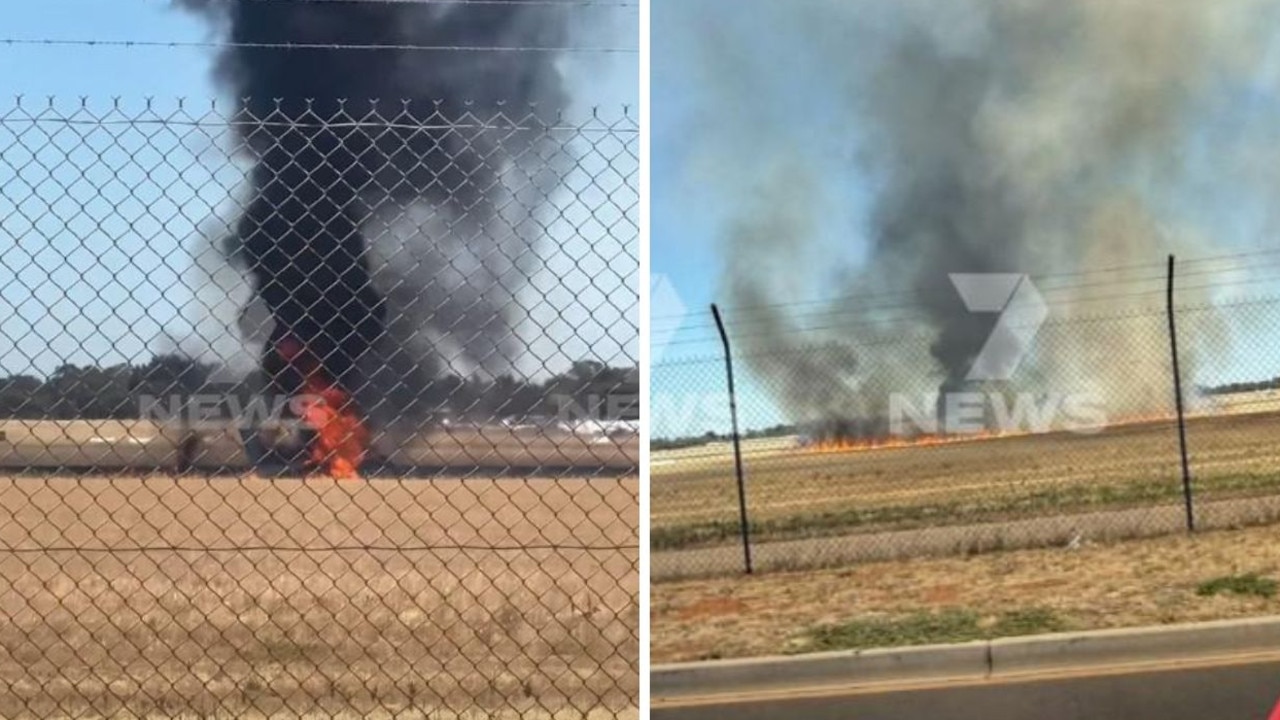
    Emergency services swiftly responded to a significant aviation incident at Parafield Airport in northern Adelaide on Monday afternoon. At approximately 12:30 PM local time, reports emerged of a light aircraft experiencing a problematic landing that resulted in a collision and subsequent fire.

    Dramatic footage captured by local media outlets showed thick black smoke billowing from the accident site as flames engulfed the aircraft wreckage. According to an official statement from South Australia Police, preliminary investigations indicate the aircraft “landed heavily” upon approach, causing the plane to catch fire immediately following impact.

    The resulting blaze extended beyond the aircraft to adjacent grassland areas, though firefighters successfully contained and extinguished all flames. Remarkably, the pilot—who was the sole occupant of the aircraft—emerged completely uninjured from the dramatic incident. Aviation authorities confirmed no other aircraft were involved in the occurrence.

    The Australian Transport Safety Bureau (ATSB), the nation’s primary agency for transportation accident investigation, has been notified of the incident. Officials from the bureau have initiated standard procedures for gathering comprehensive information about the event, though no formal investigation has been announced at this preliminary stage.

  • UAE: 3 Indian siblings, maid die in Abu Dhabi car crash

    UAE: 3 Indian siblings, maid die in Abu Dhabi car crash

    A devastating vehicular accident near Shahama on the Abu Dhabi-Dubai roadway has resulted in the tragic deaths of three Indian siblings and their family maid, according to statements from UAE-based social workers. The catastrophic collision occurred on Saturday morning while the family was returning to their Ras Al Khaimah residence after attending a cultural festival in the capital city.

    The victims, originally from the southern Indian state of Kerala, were traveling together when their vehicle was involved in the serious accident. Abu Dhabi authorities have been contacted for detailed information regarding the circumstances surrounding the crash.

    Medical officials confirm that both parents and their 14-year-old child survived the collision but sustained serious injuries requiring immediate hospitalization in Abu Dhabi. The family’s domestic helper, who was traveling with the children, unfortunately perished in the incident alongside the three siblings.

    In accordance with UAE burial regulations for expatriates, which typically require interment in the emirate where the deceased held residency visas, the extended family has requested special permission for burial in Abu Dhabi where the tragedy occurred. Social workers are currently assisting the grieving family in navigating the necessary bureaucratic procedures for this exceptional circumstance.

  • Grim warning for northern Queensland as floodwaters rise

    Grim warning for northern Queensland as floodwaters rise

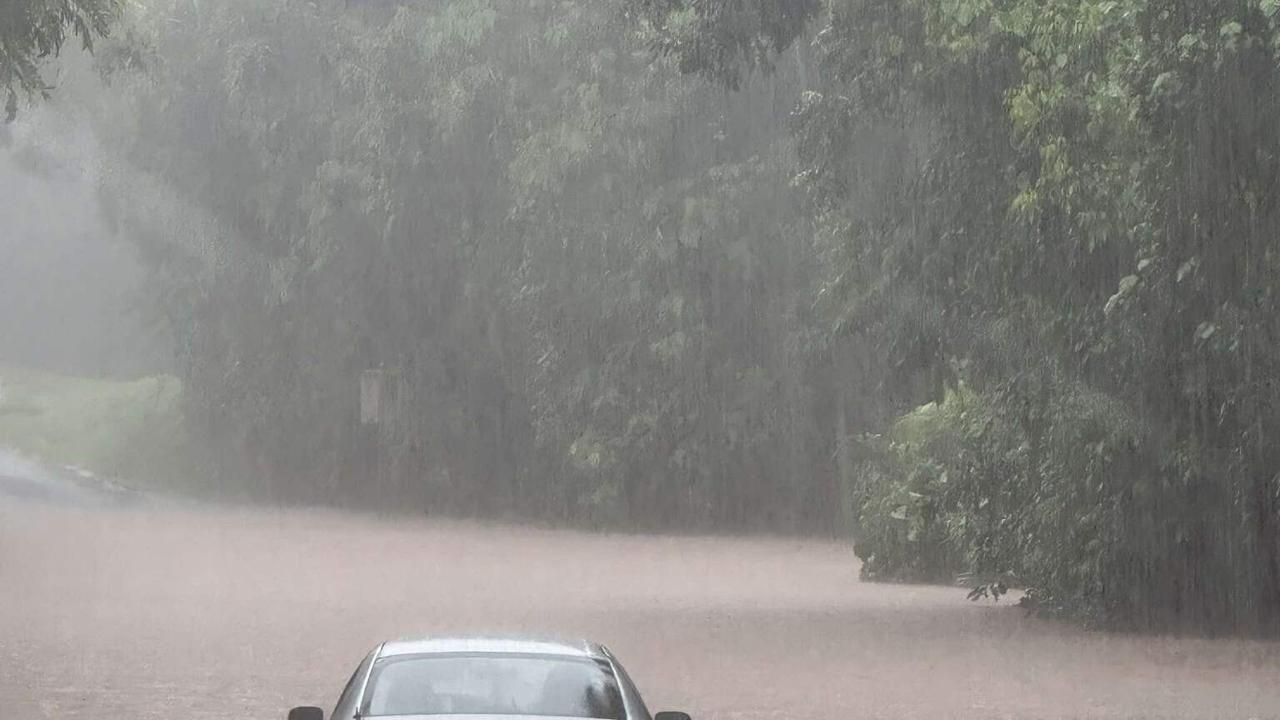
    Northern Queensland communities are confronting a severe weather crisis as unprecedented rainfall triggers major flooding while meteorologists monitor a developing weather system that could potentially intensify into a tropical cyclone. The region has experienced what officials describe as “catastrophically above average” precipitation levels, with the coastal city of Townsville recording 381mm of rainfall within just five days—surpassing its entire December total of 330mm.

    The Bureau of Meteorology indicates that while inland flood-affected areas may experience temporary relief as the heaviest rainfall shifts coastward, the situation remains critical. Senior meteorologist Livio Regano explained that a trough currently positioned near Townsville is expected to evolve into a monsoon trough later this week, potentially developing into a cyclonic system over the Coral Sea.

    Despite concerns about cyclone formation, Regano noted that the system’s movement could paradoxically benefit flooded regions by drawing heavy rainfall away from the mainland. However, forecasts suggest the low-pressure system might return toward the coast by weekend, bringing renewed heavy rainfall regardless of whether it achieves cyclonic status.

    Current flood emergencies persist along the Western and Flinders Rivers, where waters continue rising with the Flinders River at Walkers Bend reaching 15.93 meters. Authorities have issued stern warnings against entering floodwaters and anticipate multiple flood peaks across river systems in coming days as additional rainfall is expected later in the week.

  • The French university where spies go for training

    The French university where spies go for training

    At the Sciences Po Saint-Germain campus on the outskirts of Paris, an unconventional academic program operates behind intimidating metal gates and dour 20th-century buildings. Here, Professor Xavier Crettiez conducts classes where many students use pseudonyms—because they are active French intelligence agents undergoing training alongside traditional university students.

    The unique Diploma of Intelligence and Global Threats (Diplôme sur le Renseignement et les Menaces Globales) represents a collaborative effort between the prestigious university and France’s intelligence training arm, Académie du Renseignement. Established a decade ago following a government request that gained urgency after the 2015 Paris terrorist attacks, the program serves dual purposes: training potential new spies while providing continuous professional development for current agents.

    The four-month intensive course comprises 120 hours of instruction covering critical topics including organized crime economics, Islamic jihadism, business intelligence gathering, and political violence. With tuition set at approximately €5,000 for external participants, the program attracts both government agents typically aged 35-50 and conventional students in their early 20s.

    Professor Crettiez notes the significant expansion of French intelligence services, now numbering approximately 20,000 agents across major agencies including the DGSE (overseas intelligence, equivalent to MI6/CIA) and DGSI (domestic security, equivalent to MI5/FBI). Beyond counterterrorism, the curriculum addresses growing concerns about financial crimes, with Tracfin—France’s money laundering intelligence agency—playing an increasingly important role against surging mafia activity in southern France.

    The program’s practical relevance has attracted substantial corporate interest. Major French companies including mobile operator Orange, defense giant Thales, and luxury conglomerate LVMH actively recruit graduates to combat escalating cybersecurity threats, corporate espionage, and sabotage attempts. Even energy titan EDF contributes instructional expertise.

    Current enrollment stands at 28 students, including six intelligence professionals who maintain noticeable discretion during breaks. These agents describe the program as a potential fast-track to promotion from office work to field operations. Meanwhile, younger students like 21-year-old Alexandre Hubert seek understanding of economic tensions between Europe and China, while Valentine Guillot draws inspiration from French spy television dramas.

    Notably, nearly half the students are women—a significant shift according to technology-in-espionage specialist Sebastien-Yves Laurent. “Women’s interest in intelligence gathering is new,” he observes, noting their motivation to “provide for a better world” and a renewed patriotism among young applicants.

    Despite this openness, security remains paramount. French citizenship is essentially required (though some dual citizens are accepted), and applications from suspiciously qualified Russian or Israeli candidates are immediately rejected. The program’s discreet nature was evident in a recent class photo where several students—presumably active agents—chose to stand with their backs to the camera.

    Professor Crettiez emphasizes that despite the athletic appearance of many participants, most intelligence careers remain desk-bound, contradicting popular James Bond fantasies. The reality of modern espionage involves meticulous risk analysis rather than cinematic adventure, preparing graduates for the complex security challenges of the contemporary world.

  • Filipinos in UAE can renew driving licences, access key Philippine services on January 11

    Filipinos in UAE can renew driving licences, access key Philippine services on January 11

    The Philippine government has announced the return of its OFW Serbisyo Caravan initiative to Dubai, offering crucial administrative services to overseas Filipino workers without requiring international travel. On January 11th, the Land Transportation Office (LTO) will establish temporary operations at Conrad Hotel Dubai, providing license renewal capabilities and personal record updates directly within the UAE.

    This third edition of the service caravan enables Filipino expatriates to maintain current driving credentials and update critical personal information including address changes and marital status modifications. The initiative represents a significant convenience enhancement for the substantial Filipino community residing in the Emirates.

    Documentation requirements for license renewal include a completed Application for Renewal Form (APL Form), current or expired license card, medical certificate from an LTO-accredited clinic, and Comprehensive Driver’s Education certificate submitted through the LTO portal. The base renewal fee stands at Php585 (approximately Dh36.53), with graduated penalties applied based on expiration duration:

    – Php75 (Dh4.68) for licenses expired 10 days to 1 year
    – Php150 (Dh9.37) for 1–2 years expiration
    – Php225 (Dh14) plus Php100 application fee for licenses expired over 2 years

    Address modifications require proof of residency documentation, while marital status updates necessitate submission of a Philippine Statistics Authority marriage certificate, each incurring an additional Php100 processing fee. Multiple payment options including GCash, Visa Debit, and Mastercard will be accepted through the LTO’s official portal.

    While limited walk-in availability may be accommodated, advance online registration via https://tinyurl.com/SerbisyoCaravan3 is strongly recommended to guarantee service access. The event will additionally feature support services from multiple Philippine government agencies including the Department of Migrant Workers, Social Security System, Pag-IBIG Fund, and Philippine Health Insurance Corporation, providing comprehensive administrative support to the overseas workforce.

  • New Year holiday sees 595 million cross-regional trips

    New Year holiday sees 595 million cross-regional trips

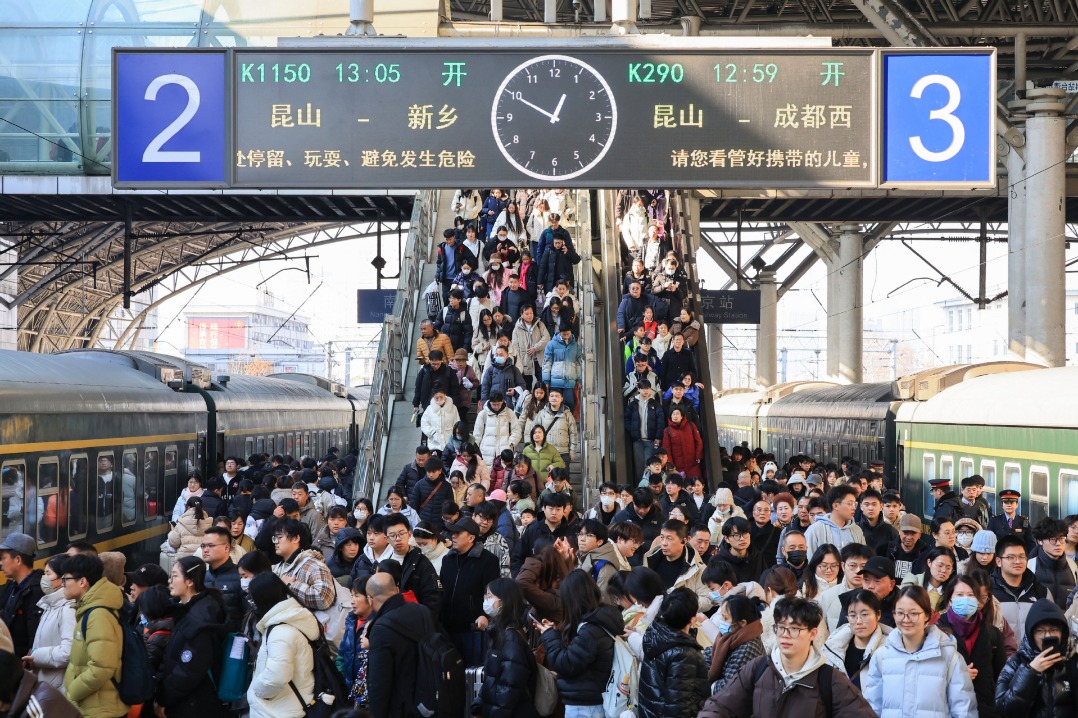
    China witnessed an extraordinary surge in domestic travel during the three-day New Year holiday period from January 1-3, 2026, with official data revealing approximately 595 million cross-regional journeys nationwide. This remarkable figure represents a substantial 19.62 percent increase compared to the same period in 2025 and a 5.74 percent rise over the 2024 New Year holiday travel volume.

    The transportation sector experienced particularly robust growth across all modes of travel. Railway networks emerged as the standout performer, handling 48.09 million passenger trips throughout the holiday period. With daily rail passenger volume averaging 16.03 million, this segment demonstrated an impressive 52.66 percent year-on-year growth compared to 2025, indicating a pronounced resurgence in long-distance travel demand among Chinese citizens.

    Road transport maintained its position as the dominant travel mode, accounting for the overwhelming majority of journeys at 539 million trips. This translated to approximately 1.8 million daily road trips, marking a 15.7 percent increase from the previous year. Within this category, private passenger vehicles facilitated 442 million trips, while commercial road passenger services handled 98 million journeys.

    Complementing the land transportation figures, waterway transport recorded 2.25 million passenger trips, and civil aviation carriers transported 5.88 million passengers during the three-day holiday period. These statistics collectively paint a picture of a nation increasingly mobile and confident in travel following periods of restriction, with the diversified transportation infrastructure effectively accommodating the pent-up demand for holiday movement and family reunions.