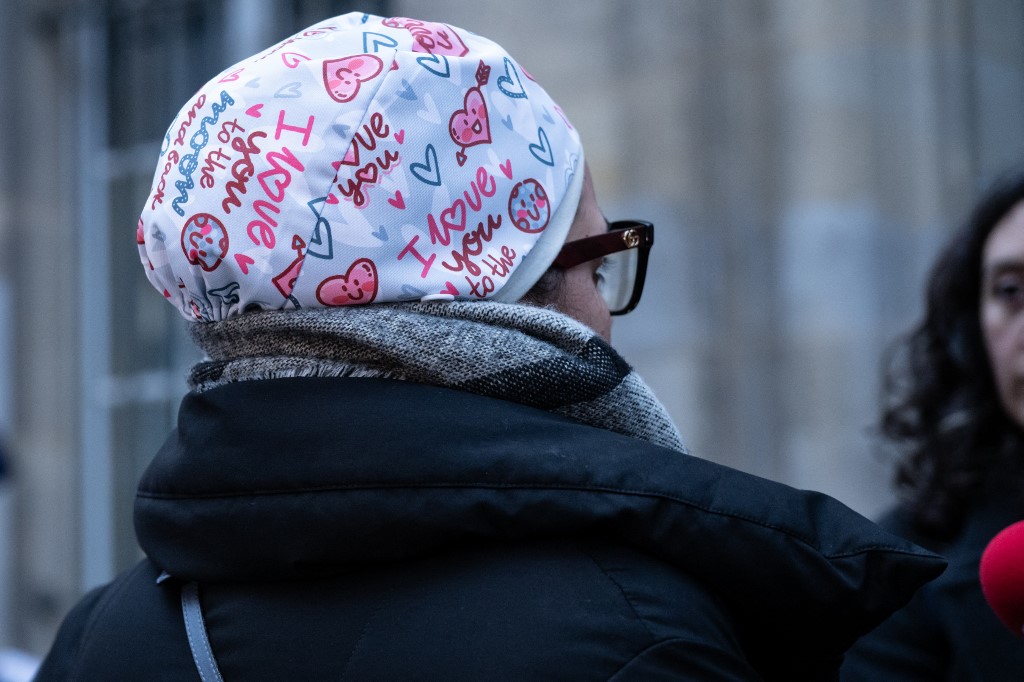
Across professional sectors in France, a pressing question lingers: do education, professional status and institutional integration shield veiled Muslim women from rising Islamophobia? For Paris Court of Appeal lawyer Slim Ben Achour, a leading expert in equality and anti-discrimination law, the answer is a firm no. Ben Achour, who has represented dozens of Muslim women targeted for workplace discrimination over their headscarves, argues that higher education and greater public visibility actually make educated, professional veiled women more vulnerable to racist targeting.
分类: society
-
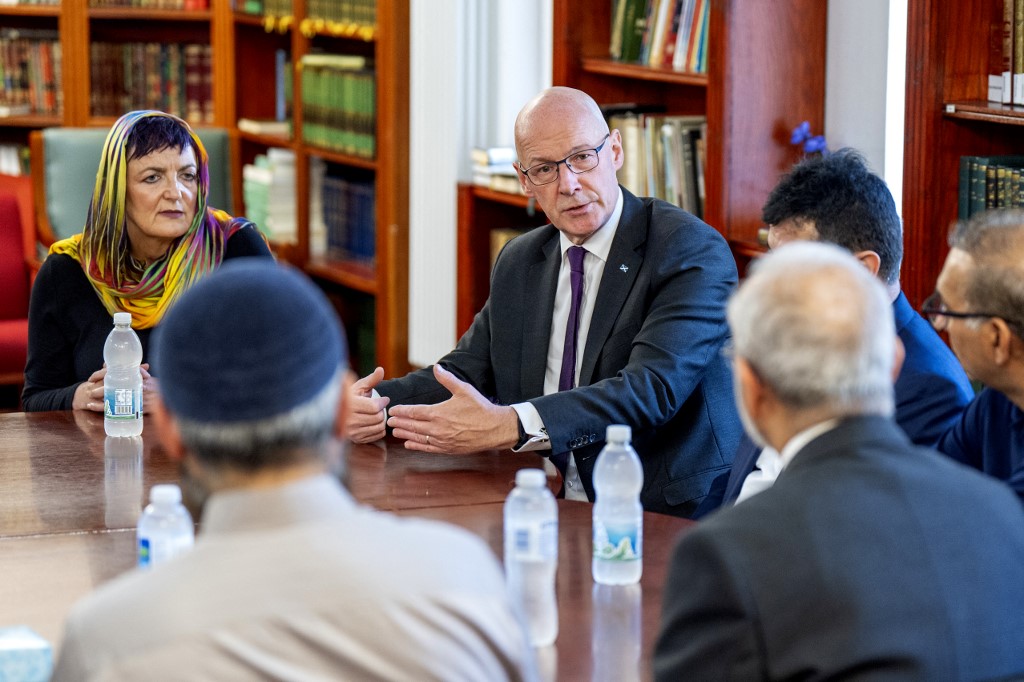
Scottish counter-terrorism police investigating ‘anti-Muslim’ Edinburgh attacks
EDINBURGH — Scottish counter-terrorism policing units have launched a formal investigation into a string of coordinated violent attacks that left five Muslim men injured across the city Friday, in assaults that top UK officials have confirmed were driven by overt anti-Muslim bigotry.
Five men between the ages of 22 and 36, all targeted because of their Muslim identity, were hurt in the linked incidents, authorities confirmed. Three of the victims were taken to local hospitals for treatment of injuries that are not considered life-threatening.
Shortly after the attacks, police took a 36-year-old white Scottish man into custody. He faces multiple charges including making threats, committing robbery, and vandalism related to the violent incidents. Witnesses and arresting officers allege that during his detainment, the suspect shouted explicit anti-Muslim slurs, claiming he was “protecting” the country from what he falsely framed as a threat to children from Muslim communities. Unconfirmed social media footage circulating after the arrest also appears to show the suspect carrying a weapon during the attacks.
UK Prime Minister Keir Starmer publicly condemned the violence in a post on the social platform X, calling the attacks “absolutely appalling.” Starmer emphasized that the suspected hate motive was clear, stating, “I will not tolerate this — he will face the full force of the law.” Scotland’s First Minister John Swinney echoed the condemnation, saying he was “deeply concerned” by the incidents, adding that “there is no place for violence, racism or intolerance in our country.”
Muslim advocacy groups across the UK have gone further, calling for authorities to explicitly classify the attacks as far-right Islamistophobic terrorism, arguing that the suspect’s publicly stated motive leaves no room for ambiguity. The Muslim Council of Britain (MCB) said the attacks were not an isolated incident, tracing them to a broader culture of divisive political rhetoric that demonizes entire Muslim communities. The organization noted the attacks came just weeks after targeted anti-minity violence in Belfast, warning that escalating bigotry is directly enabled by dehumanizing political discourse.
A spokesperson for UK-based non-profit Muslim Engagement and Development stressed that authorities must acknowledge the clear hate motive behind the attacks. “To investigate these attacks while ignoring a motive shouted aloud at the point of arrest would tell every Muslim in Scotland that the law does not see the hatred aimed at them,” the group said.
The Edinburgh attacks align with a documented recent surge in anti-Muslim hate crime across the UK, newly released data shows. Metropolitan Police statistics published in early June reveal that Islamophobic hate offenses jumped 33 percent between April and May this year, rising from 135 reported cases to 179 — the highest monthly count recorded since August 2024. The sharp upward trend followed a period of decline in late 2025 and early 2026, but began spiking in March shortly after the UK government implemented a revised official definition of anti-Muslim hostility, a change that advocacy groups say has emboldened bigots.
-
Tight security as Indian students resit medical exam after alleged paper leak
Millions of aspiring medical students across India sat for a high-stakes do-over entrance exam on Sunday, with authorities rolling out sweeping, unprecedented security measures to prevent a repeat of the paper leak scandal that forced the cancellation of the original test in May.
The National Eligibility cum Entrance Test (Undergraduate), better known as NEET-UG, is the mandatory gateway for admission to all government and private medical colleges across India. For the millions of test-takers that compete annually, only a tiny fraction earn one of the extremely coveted spots at top institutions. The notoriously tough exam requires months, and often years, of intensive preparation, making the May cancellation a devastating blow for the 2.28 million candidates who had already sat the initial test.
Allegations that the original exam paper had been illegally leaked and sold to test-takers sparked mass public protests across the country, with widespread calls for Indian Education Minister Dharmendra Pradhan to step down. Pradhan rejected the demands and addressed candidates ahead of Sunday’s retest, urging them: “Sit fearlessly, without worry, and you will definitely do well.”
This time around, authorities left no room for security gaps, deploying a multi-layered defense against cheating across 5,440 test centers nationwide, which contain more than 95,000 individual exam rooms. To eliminate the risk of tampering during transit, the Indian Air Force was tasked with flying new question papers to remote and high-risk regions. Uniformed police and paramilitary personnel were posted at every center, with drone patrols and specialized canine squads scanning perimeters for unauthorized activity.
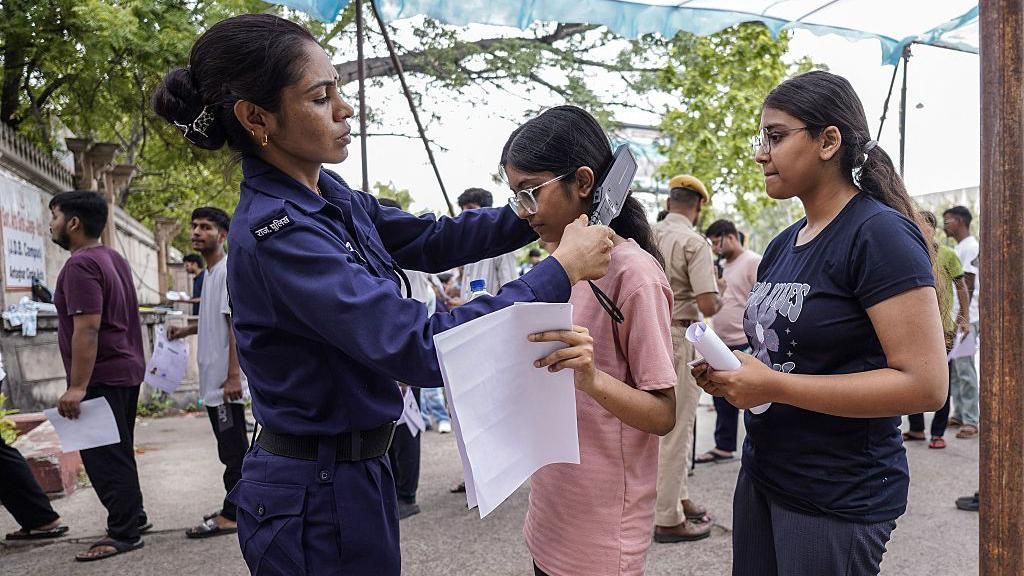
Upon arrival, every candidate underwent biometric identity verification, full body frisking, and searches by security personnel that included inspections of hair, jewelry, and clothing. In a controversial policy, strict dress codes were enforced: enclosed shoes were banned, and many women candidates were required to remove nose pins, earrings, and traditional sacred wrist threads to avoid any risk of hiding electronic cheating devices. A total of nearly 39,000 screening staff were hired nationwide, with 40 to 50 security personnel stationed at each individual center.
Inside exam rooms, every space was covered by closed-circuit television, adding up to more than 1.3 million security cameras across the country. 51,311 signal jammers were activated at all centers to block mobile phone signals and prevent electronic interference that could aid cheating. As an additional precaution, the popular messaging platform Telegram was temporarily blocked nationwide through Monday, over concerns that the app had been used to coordinate illegal paper sharing in the May leak. Officials also warned candidates to ignore false paper leak rumors circulating on social media, which they said were designed to cause unnecessary stress and mislead test-takers.
Despite the unprecedented security deployment, many candidates remained anxious about the repeat exam, recalling that this is not India’s first high-profile exam cheating scandal. One student, Diksha, told reporters: “There is fear because the exam paper has leaked once already. This is not a one-off thing, it happens every year. This time the authorities got to know about it and are holding the exam again, which is in a way a good thing because the students who worked hard should get fair results. But to study and prepare again in one month… to stay consistent is difficult.”
NEET-UG is a 3-hour-and-15-minute multiple-choice exam covering physics, chemistry, and biology, with intense competition that pushes many candidates to pay for expensive private tutoring to boost their chances. The high stakes have created a profitable black market for organized crime networks that run exam fraud schemes, selling leaked question papers to well-funded candidates for large sums.
The investigation into the May paper leak has been handed over to India’s top federal law enforcement agency, the Central Bureau of Investigation (CBI). This incident also comes amid a string of recent testing controversies in the country: in 2024, NEET-UG was already roiled by allegations of paper leaks, fraud, and irregularities in grace mark awarding that sparked nationwide protests after thousands of candidates received unusually high scores. Earlier this year, thousands of 12th-grade students – the equivalent of UK A-level candidates – raised complaints of widespread marking errors after the rollout of a new digital grading system.
-

A COVID lockdown led this woman to plant a vineyard at her parents’ home. Now a dream is realized
When COVID-19 swept across the globe in 2020 and forced billions of people into unprecedented stay-at-home orders, many struggled to cope with the monotony and disruption of locked-down life. For Natasha Jacka, a 27-year-old who had just left a career in restaurants to pursue her passion for winemaking, the pandemic would become an unexpected catalyst to turn her long-held dream into reality years earlier than planned.
Jacka had recently enrolled in viticulture studies at an agricultural college in Stellenbosch, South Africa’s iconic winemaking region just outside Cape Town, when lockdown closed campus and confined her to her parents’ sea-facing home in the Cape Town suburb of Noordhoek. Tired of the restlessness that came with being stuck at home, a moment of inspiration struck while she gazed out over her family’s sprawling yard: what if she turned that unused space into her own personal vineyard?
What began as a passing “small spark” of an idea quickly turned into a full-scale labor of love. After winning buy-in from her family, Jacka set to work transforming the plot of land, which had once been part of a smallholding. She cleared the ground, sourced 1,400 grapevines split between two blocks (one for a white blend, one for a syrah red varietal), and planted each vine by hand alongside a supporting wooden stake. Even her parents joined the effort — though her mother Sonia was eventually sidelined from planting after accidentally putting one vine in upside down.
The project came with unexpected hurdles beyond manual labor. Curious neighbors questioned the unusual backyard project, and Spirit, the family’s miniature horse, developed a taste for young vine shoots, costing Jacka one or two plants before she could secure the plot. For context, Jacka’s 1,400 vines are a tiny fraction of the more than 50,000 vines that cover the average commercial wine farm, making the endeavor a long shot from the start.
Unlike many fast-paced modern industries, winemaking rewards patience. Four long years passed before Jacka was able to harvest her first vintage from the vines she had nurtured from tiny cuttings. She carried out every step of the process herself, from harvesting the grapes to crushing them by foot on her parents’ property. When the finished wines debuted, they earned glowing praise from leading South African wine critics — a relief far more meaningful than any potential profit for Jacka.
“I wasn’t looking at it like, oh this is going to make a fortune or anything like that. This is a labor of love,” Jacka explained, adding that she could not imagine the disappointment if years of work had amounted to nothing.
Christian Eedes, editor of South Africa’s leading online wine publication winemag.co.za, who gave Jacka her first positive review, called the project “a triumph of hope over good sense.” Eedes notes that producing high-quality wine and turning a profit from such a small operation is notoriously difficult, but Jacka’s handcrafted, small-batch wine fills a unique niche in a market dominated by mass-produced brands.
“There’s plenty of space in the world for craft and handmade,” Eedes said. “It’s the opposite of mass produced. It’s made with thought and care and typically hard to come by.” He remains fascinated by the project that grew out of lockdown boredom, adding, “She managed to not be bored, like we all were. It’s really just an extraordinary undertaking.”
Now 32, Jacka has turned her lockdown passion project into a full winemaking career. Her Alinea wine line now includes five additional vintages made from grapes sourced across the greater Cape Town region, which boasts centuries of rich winemaking heritage. Still, she remains deeply connected to her original Noordhoek micro-vineyard, where she continues to handle every role from harvest and stomping to labeling, sales, accounting and delivery. She says she is already eagerly looking forward to her next backyard harvest.
-
How a New Jersey town has struggled to embrace Morocco’s World Cup team
The 2026 FIFA World Cup, hosted in part across the United States, has brought two of global football’s most dynamic teams to an unexpected corner of the country: the quiet, affluent suburban town of Basking Ridge, New Jersey. For lifelong residents like 22-year-old Rutgers graduate Caroline Corley, the arrival of Brazil and Morocco changed everything – including her longstanding disinterest in the beautiful game.
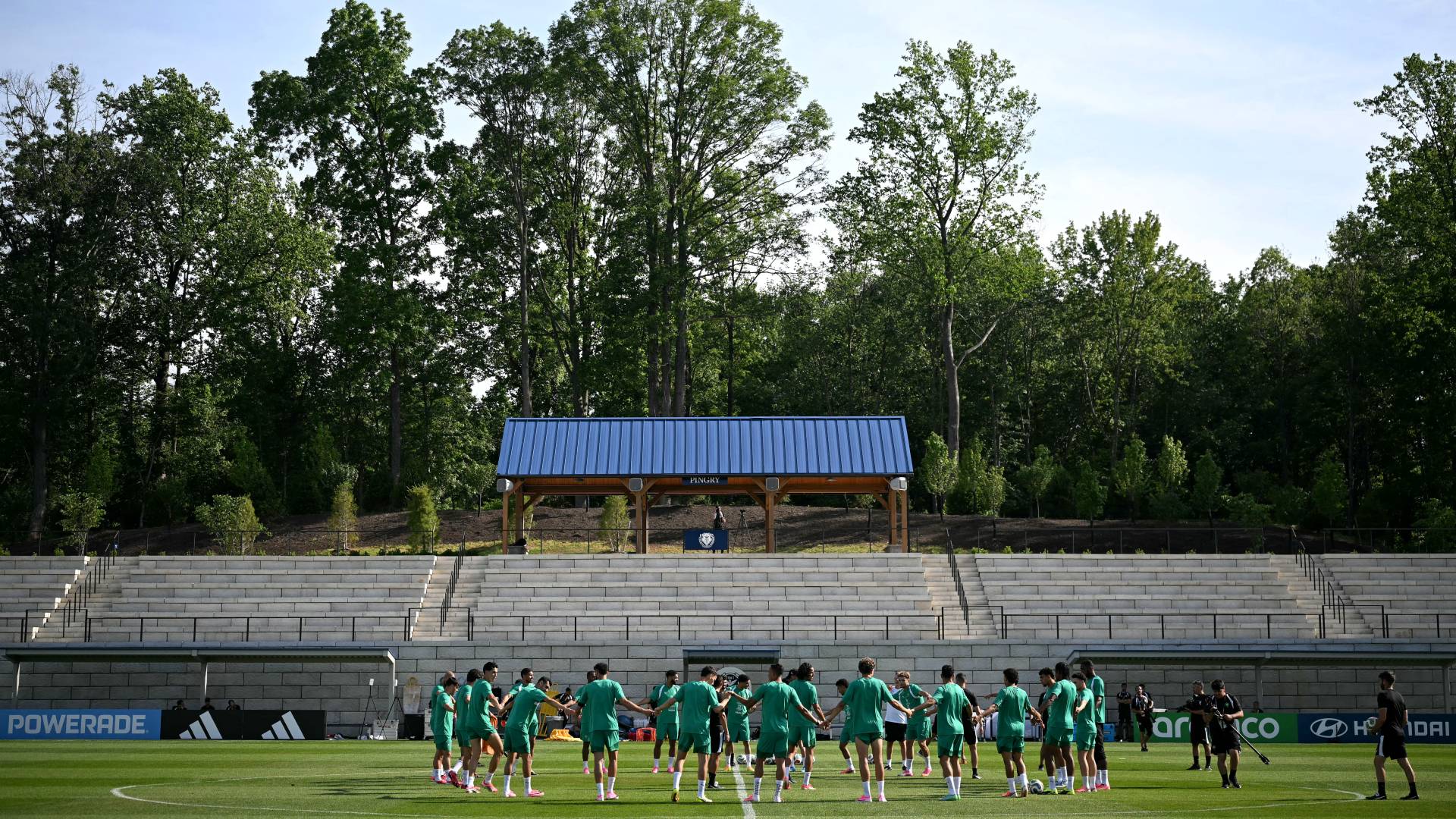
Corley never watched a full football match before the tournament kicked off in mid-June, but her curiosity sparked when she learned the two squads had selected her small hometown as their first-round base camp. Located just under an hour outside New York City, the community – population roughly 10,000 – was an intentional pick for its strategic location: it offers easy travel to regional tournament stadiums, and sits within reach of large Brazilian and Moroccan diaspora communities across the New York-New Jersey-Connecticut tri-state area. The sixth-ranked Moroccan national team, known as the Atlas Lions and the top-ranked side in Africa, has taken up residence at the Somerset Hotel and trains daily at the local Pingree School. Five-time World Cup champions Brazil are staying at The Ridge Hotel and using the Columbia Park Training Facility in nearby Morristown for practices.
For many young local residents, the presence of the two global powerhouses has been a thrilling once-in-a-lifetime experience. Corley, along with Basking Ridge natives Anya and Fiona Cebulski, say watching the Moroccan team parade through town with a police escort, and spotting fans lingering near training grounds or local restaurants hoping for a glimpse of star players, has injected unexpected energy into their normally quiet daily routines. “Growing up in what you think of as just a small town, having something this huge come to your home is really shocking,” Corley told Middle East Eye. After attending the USA-Paraguay friendly and the Brazil-Morocco group stage match, she’s now a full football convert.
But beneath the quiet excitement of local fans, a sharp divide has emerged over how the town has welcomed its high-profile guests. During a visit ahead of Morocco’s group stage match against Scotland, Middle East Eye found little visible fanfare across Basking Ridge: only one cafe displayed tiny national flags in outdoor potted plants, a single aging banner hung over a main street to mark the earlier Brazil-Morocco fixture, and just one welcome sign stood outside the Moroccan team’s hotel. The overall atmosphere was far more subdued than many residents expected, especially after seeing how other host communities like the Algerian team’s base in Missouri rolled out a warm public welcome.
Young local activists and residents say the muted welcome is no accident – it reflects deep-seated divisions within Basking Ridge, rooted in local politics, demographics and a long history of exclusion that locals refer to as the “Basking Ridge bubble.” Largely white, affluent and known for its tree-lined historic streets, corporate headquarters for giants like Verizon and Barnes & Noble, and sprawling country estates, Basking Ridge sits within Bernards Township, a long-conservative area that only flipped to Democratic control in 2025 for the first time in 90 years. Even after the leadership change, the 2024 presidential election saw former President Donald Trump carry 47 percent of the local vote, leaving the town deeply politically split. Older, more conservative residents tend to lean away from open engagement with diverse communities, young residents say, creating a culture that avoids discussion of contentious social and political issues.
Anya Cebulski notes that this culture of silence extends to some of the most divisive issues splitting modern America, from debates over racial justice to the ongoing war in Gaza. Local history backs up this claim: in 2023, the town’s Board of Education made national headlines when it rejected two proposed sociology textbooks for Ridge High School over claims they were too ideologically extreme on topics of race and police brutality. The fight to build Basking Ridge’s first and only mosque was met with years of virulent opposition, marked by anti-Muslim rhetoric that invoked 9/11 and terrorism; the town ultimately paid a $3.25 million legal settlement to the Islamic Society of Basking Ridge after the group filed a discrimination lawsuit.
“When you grow up here, you see that conversations about race or difference are just shoved under the rug,” Anya explained. “People here haven’t had to think about what it feels like to be an outsider, so they don’t know how to reach out and welcome outsiders.”
Bernards Township Mayor Ana Duarte McCarthy pushes back against this characterization, arguing the town has embraced the opportunity to host the two teams with open arms. She told Middle East Eye the local government organized a range of public events during the tournament’s opening week, including a community watch party for the Brazil-Morocco match and a youth soccer tournament that drew 2,500 players and their family members to the area. “Our local community has many soccer enthusiasts,” McCarthy said. “It has been a once-in-a-lifetime opportunity to play host to Morocco. Personally my husband and I saw Morocco vs Saudi Arabia in 1994, so it’s extraordinary to be in our community, at this time, 30-plus years later, as mayor, and being part of the efforts made to welcome the team to Basking Ridge.” Hundreds of local fans have also attended open training sessions for the Moroccan team at Pingree School, she added.
Beyond debates over inclusion, the economic promise of hosting two World Cup teams has yet to materialize for many local businesses, with outcomes split across the town. A cafe employee on main street reported a clear uptick in footfall from visiting fans, while another small business owner nearby said he had seen no significant increase in customers. Near the Somerset Hotel, a restaurant hostess said young fans have frequently stopped by asking if the Moroccan team plans to dine at the restaurant, creating a quiet buzz that hasn’t translated to major revenue gains. Even so, many young residents say the mere presence of the teams is a historic moment for their small town. Two local high school students told Middle East Eye it felt “cool” to host a global event, even if football is not their sport of choice.
As Morocco stands on the cusp of qualifying for the knockout stage – with a chance to top the group if they outperform Brazil in their final group match – young local residents say the moment represented a missed opportunity to break Basking Ridge out of its longstanding bubble. Corley argues that hosting the two teams could have been a rare chance to build cross-community dialogue at a time of deep national division, especially for fans who faced prohibitive travel costs and visa hurdles to attend the tournament in person. Anya agrees that the team’s arrival could have served as a catalyst for greater openness, but worries that the town’s history of closed-mindedness will keep that potential from being realized.
“I hope it does turn into that, but I feel like there might just be too much closed-mindedness for it to take full form,” Anya said.
-
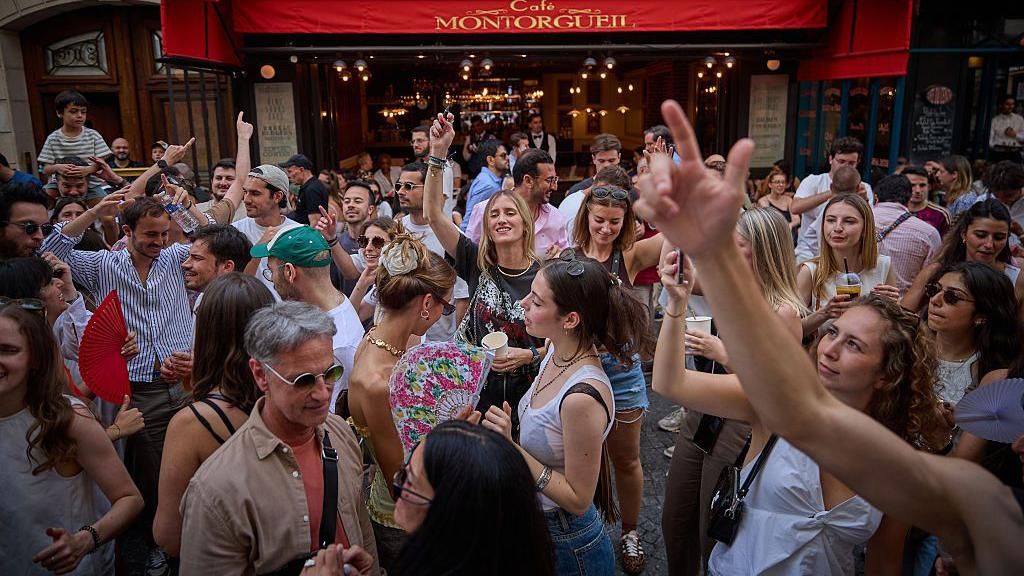
France bans alcohol consumption at music festival events under red headwave alert
As Europe grapples with an extraordinary early-season heatwave that has sent temperatures soaring far above normal seasonal averages, French authorities have implemented a targeted alcohol ban for select events at the country’s iconic annual Fête de la Musique, a move designed to reduce strain on overstretched medical services amid dangerous heat conditions.
Held every year on the summer solstice, Fête de la Musique is one of France’s most beloved public celebrations, drawing millions of attendees out onto streets and public spaces across the country to enjoy free live performances. In 2025 alone, nearly two million people participated in events within Paris, making crowd and public health management a top priority for officials even under normal weather conditions. This year, however, the celebration coincides with one of the most intense early heatwaves in recent memory, prompting urgent public safety interventions.
Thirty-five of France’s administrative departments are currently under the highest-level red heatwave alert, a classification that triggers strict public safety protocols. Prime Minister Sébastien Lecornu’s office confirmed that all state-organized events and their affiliated partners have received formal instructions to halt alcohol service to attendees. The government’s official guidance frames the ban as a critical measure to “preserve emergency and healthcare services and allow medical staff to focus on caring for the most vulnerable” who are at greatest risk of heat-related illness.
Meteorological forecasts paint a stark picture of the coming days: on Sunday, temperatures between 39°C and 40°C are projected to stretch across a wide swathe of the country, from the southwestern regions through the Paris basin and into Burgundy, with isolated pockets potentially hitting 41°C. The heatwave, which has already built across much of Western Europe, is delivering temperatures 10°C to 15°C higher than the long-term average for this time of year. Temperatures are expected to peak on Monday, with Météo-France warning that readings could match or exceed historic national records.
The extreme heat has already disrupted daily life across France for days. Dozens of train services have been canceled due to safety risks associated with high temperatures warping rail tracks, and schools across affected regions have suspended in-person classes to protect students and staff. Roughly three-quarters of France’s total population is currently living under heatwave conditions, but Météo-France says it remains uncertain how long the extreme weather event will persist.
To help residents and visitors cope with the oppressive heat, Paris authorities have taken the unusual step of keeping all municipal parks and gardens open throughout the night, giving people a cool, open-air space to escape overheated indoor environments. As the country prepares for the peak of the heatwave, the alcohol ban at Fête de la Musique stands as one of the most visible adjustments to a beloved national tradition, highlighting the growing impact of extreme heat events on large public gatherings in Europe.
-
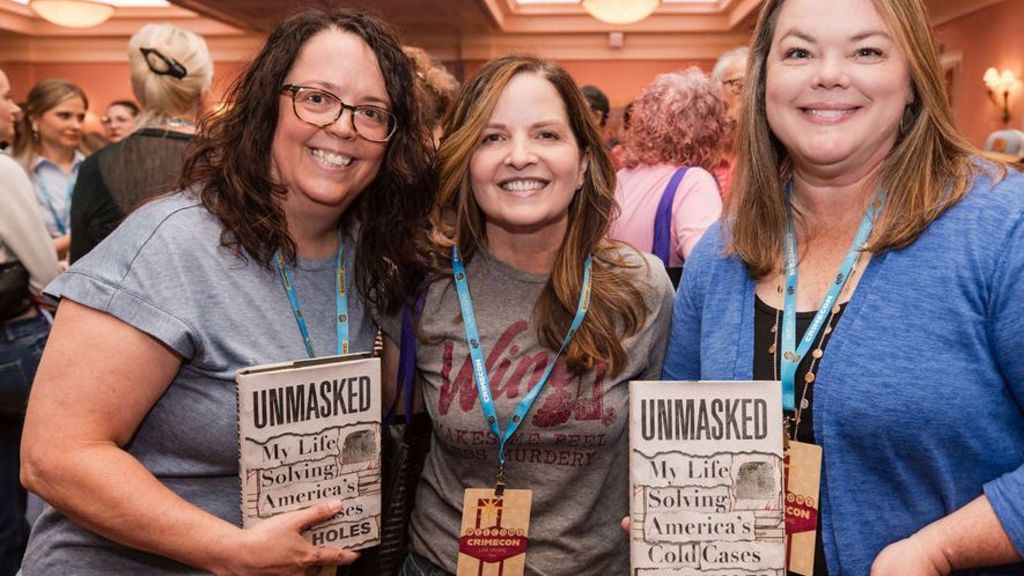
At CrimeCon true crime obsessives come face-to-face with real loss
Beneath the hum of thousands of conversations inside a sprawling Las Vegas convention center, CrimeCon 2026 brings together a one-of-a-kind crowd: true-crime podcasters rubbing elbows with veteran prosecutors, casual fans in playful themed apparel, and grieving family members who have traveled thousands of miles to keep their loved ones’ cases in the public eye. Attendees wander the exhibit floor carrying branded conference bags printed with the provocative slogan “unsolved crime is a choice,” many wearing custom T-shirts that range from tongue-in-cheek quips like “True Crime And Wine” and “I’m Only Here For An Alibi” to solemn tributes to missing and murdered loved ones. The annual gathering, now owned by Fox News following its 2025 acquisition of organizer Red Seat Ventures, has grown dramatically alongside America’s decade-long obsession with true-crime media, but it continues to navigate a tense, fine line between commercial popularity and respectful advocacy for victims.
For many participants, attendance is far more than a recreational outing—it is a deeply personal mission to keep cold cases from fading into obscurity. Dr. Maggie Zingman, a trauma psychologist whose daughter Brittany Phillips was murdered in an unsolved 2004 killing, has spent years crisscrossing the country in a pink-and-purple wrapped vehicle to draw attention to her daughter’s case, and CrimeCon has become a key stop on her advocacy journey. Standing stoically behind a booth lined with photos of Brittany, Zingman acknowledges the inherent contradictions of a for-profit event built around real-life tragedy. “It’s a balance,” she says. “I wouldn’t get 8,000 people learning about my story if it wasn’t here.”
The rise of CrimeCon tracks directly with the explosion of mainstream true-crime culture that transformed the genre from a niche interest to a global pop-culture phenomenon. Industry observers trace the current craze to groundbreaking early hits: 2014’s breakout podcast *Serial*, followed by 2015’s hit docuseries *The Jinx* and *Making a Murderer*, which turned true crime into a watercooler topic and mainstream entertainment. Since its 2017 debut, which drew just 800 attendees, CrimeCon has expanded exponentially: attendance jumped to 2,400 in 2018, and this year’s Las Vegas iteration drew 6,500 guests, with some paying upwards of $1,600 for premium VIP access.
As the genre has grown, so has criticism that many true-crime platforms center perpetrators over victims, profiting from the pain and loss of grieving families. But long-time participants and event organizers argue CrimeCon has intentionally shaped its space to center victims and advocacy. Numerous victim-rights and missing-person organizations operate booths on the exhibit floor, including the foundation founded by the parents of Gabby Petito, the young travel blogger whose 2021 murder by her boyfriend sparked a national manhunt. Wearing T-shirts that read “Victim exploitation does not equal victim advocacy,” Joe and Nichole Petito have attended since 2023, and Joe notes the event has evolved steadily to prioritize advocacy over sensationalism. The convention hosts major national groups including the National Center for Missing and Exploited Children and the Black and Missing Foundation, giving them space to connect with audiences and raise awareness for their work. “It does a really good job of toeing the line… for pushing the advocacy side and not the exploitative side of victims and their families and loved ones,” Joe Petito says.
Event co-founder Kevin Balfe explains that organizers have intentionally curated the event to weed out visitors drawn only by sensationalized fascination with serial killers. “Over the years, we’ve had people who show up expecting this to be serial-killer this and that, and they just realise quickly this event’s not for them,” he says. “And we ultimately have curated an audience of people who, I think, really care.”
That said, the unmistakeable energy of a pop-culture convention permeates the space. Steps from an entry arch welcoming guests to CrimeCon 2026, a wall is covered in missing-person posters and a guide to “8 Simple Rules for Being an ETHICAL True Crime Fanatic,” but just five minutes away, a branded merchandise store sells everything from CrimeCon shot glasses to $80 event sweatshirts, with staff roaming the hallways promoting next year’s event and the premium CrimeCon Cruise experience. Some attendees fully embrace the playful side of the theme: one guest wears form-fitting leggings printed with crime-scene tape, while two best friends show off homemade handbags lined with blood-spatter fabric. The crowd is overwhelmingly female, with many fans lining up for selfies with high-profile true-crime personalities like Nancy Grace, who is presenting new theories on the unsolved disappearance of Nancy Guthrie, and for meet-and-greets with Steve and Kristi Goncalves, parents of University of Idaho murder victim Kaylee Goncalves. This year’s annual Clue Awards, which honor outstanding true-crime content, named three Jeffrey Epstein survivors and their non-profit as Crimefighters of the Year.
For many repeat attendees, the draw goes far beyond curiosity about unsolved mysteries. Ruth-Ann Labrecque, 52, traveled from Maine for her sixth CrimeCon alongside her 67-year-old aunt Roberta Randall, and each has spent roughly $3,000 on the trip. Brandi Barrett Elkins, a 53-year-old from Idaho who first developed an interest in true crime as a child, says many fans are drawn to the genre out of a desire to learn how to stay safe. “You want to learn what happened so you’ll know how to recognize it,” she explains. “I know for a fact if somebody came up to me with a broken arm and asked me to help them load a sailboat, aka Ted Bundy, I would be like: ‘Mmmm, sorry dude.’” Amy Dixon, an Illinois teacher and mother of three who created a CSI summer camp for her students, agrees, noting that learning about crime helps people prepare for unexpected danger. “It can happen anywhere,” she says. This is Dixon’s third CrimeCon, and she has upgraded her ticket each year, purchasing a $1,200 platinum badge for this year’s event.
Even the small number of male attendees often find themselves won over by the event’s mission. Jim McConnell, 71, a Texan who accompanied his wife Susan, a youth pastor, to the convention, says he never expected to enjoy the experience but has been impressed by the community’s commitment to advocacy. Susan McConnell has wanted to attend CrimeCon for years, and came hoping to connect with podcasters to raise awareness for the local unsolved 2021 murder of Missy Bevers, who was killed in a Texas church near her home. A photo of Bevers is printed on her T-shirt, and she says just getting the case more exposure makes the trip worthwhile.
For first-time attendee Greg Wallace, an Indiana father whose 23-year-old daughter disappeared nearly eight years ago, the convention is both emotionally exhausting and deeply hopeful. Struggling with PTSD from his daughter’s disappearance, the large crowd and loud noise pushed him to his emotional limits on the first day, but he says the opportunity to share his daughter’s story with a global audience makes the discomfort worth it. “But I’m really glad I did it, because, you know, I’ve got her name out there globally now, and that just gives me more hope,” he says.
Zingman, who has attended multiple CrimeCons, acknowledges the event still has growing pains, and has experienced firsthand the hierarchy that places more attention on families of high-profile victims. During a 2018 Nashville event, she says she felt uncomfortable watching attendees pass her booth to reach families of more well-known victims, overhearing visitors whisper “Who is that?” as they walked by. “And I was like: I don’t know if I can handle this, because it is very commercial,” she recalls. Over time, however, she has learned to separate the commercial aspects of the event from the valuable platform it provides, and says she has watched CrimeCon evolve to prioritize victims and their families far more than it did in its early years.
The Goncalves, attending their first CrimeCon this year, have been overwhelmed by the support they have received from attendees, and are already planning to return next year with a booth for their Murder Has a Name foundation, which raises funds for DNA testing in cold cases. “You can’t beat the people that are here,” Kristi Goncalves says. “The media people that are here, the citizens that are here, the true crime families.”
Nicole Earnest-Payte, a first-time attendee, sexual assault survivor and speaker who waited 27 years for justice after being attacked by the NorCal rapist, says CrimeCon often gets an unfair reputation because of its name’s similarity to the pop-culture convention Comic Con. “They think, ‘Oh, this is just a bunch of people that are obsessed with murder that come there,’” the 56-year-old Californian says. “And I don’t think that’s what this is.” Instead, she sees the event as a space for education and connection, where attendees can leave with a better understanding of criminal behavior and investigative work. “It’s really important for fans to understand that these are real human beings, real lives, real parents, real children, real spouses whose lives have been completely destroyed,” she says. That understanding, she argues, is the key to keeping the event focused on respect, not exploitation.
-

A founder of Assassin’s Creed maker Ubisoft killed in a plane crash in western France
A tragic aviation accident has claimed the life of one of the founding fathers of the world-renowned video game developer Ubisoft, the studio behind blockbuster franchises including *Assassin’s Creed*. French authorities confirmed the news of Claude Guillemot’s death in a public update issued on Saturday.
Local Mayor Franck Louvrier shared details of the crash, which unfolded on Friday evening close to La Baule airport along France’s Atlantic coastline. The aircraft involved was a twin-engine Cessna 421, carrying both Guillemot and a certified flight instructor. According to Louvrier’s statement, both men were licensed pilots with extensive flying experience, yet neither survived the impact of the crash. An official investigation into the cause of the accident has already been launched, with authorities working to piece together what led to the crash.
A senior airport official, who requested anonymity as they were not granted permission to speak on the record to media, confirmed to the Associated Press that the aircraft went down in an open agricultural field while it was making its final approach to land at La Baule-Escoublac Airport.
Guillemot co-founded Ubisoft alongside his four brothers back in 1986, growing the small studio into one of the biggest names in the global gaming industry. Over the decades, the company has built a portfolio of some of the most popular and best-selling video game franchises in history. Beyond the cultural phenomenon that is the *Assassin’s Creed* series, Ubisoft is also responsible for hit properties including the rhythm game staple *Just Dance*, the iconic platformer series *Rayman*, and the tactical *Tom Clancy* franchise, which includes fan favorites like *Rainbow Six* and *Splinter Cell*.
Ubisoft issued a brief confirmation of Guillemot’s death following the accident, but declined to provide any additional comment as the company processes the loss.
-
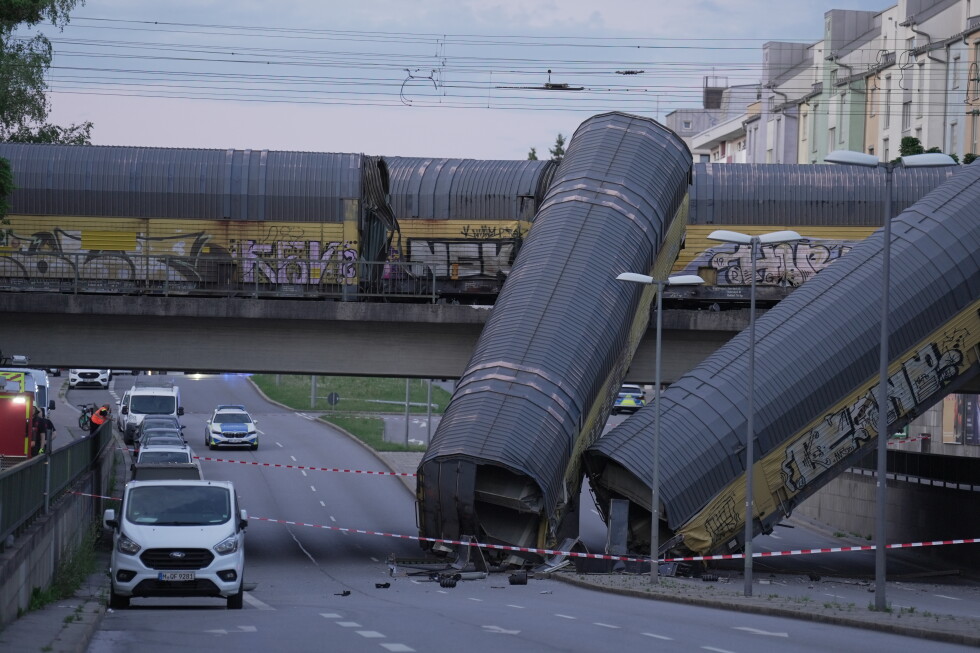
A freight trains’ collision in Germany sends 2 wagons plunging off a bridge. One person was killed
BERLIN – A fatal overnight collision between two freight trains on a German railway bridge left one person dead and two empty railcars tumbling onto a roadway 16 feet below the span, regional officials confirmed Saturday. The crash unfolded in the southern German city of Munich, leaving investigators with no immediate answers about what led to the impact, according to Germany’s national news agency dpa.
Dpa reports that the two derailed wagons fell roughly five meters from the elevated track structure to the street beneath. Authorities from the Munich Police Department have implemented a full closure of the affected roadway, and have issued public warnings asking motorists to reroute away from the area as recovery and cleanup crews work to clear the scene.
In a key update to reassure local residents, dpa confirmed that the fallen railcars were not carrying hazardous materials or any commercial cargo at the time of the crash, meaning there is no ongoing threat to public safety from the incident. Beyond the single confirmed fatality, no additional injuries have been reported by responding officials as of Saturday’s announcements. The victim’s identity has not been released to the public pending next-of-kin notification.
-
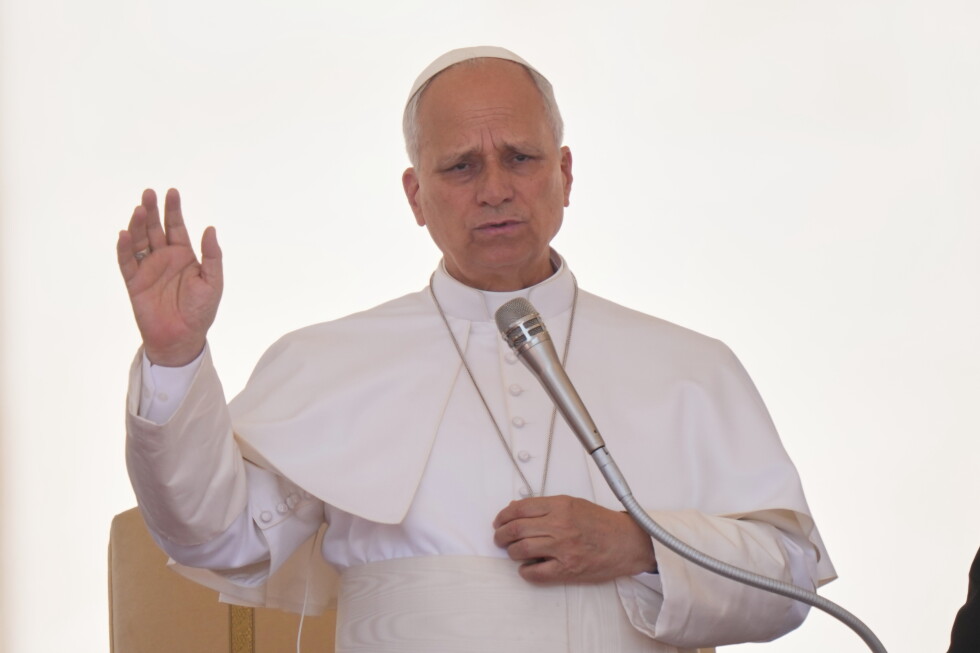
Pope Leo XIV heads to northern Italy to honor St. Augustine and migrant saint Cabrini
VATICAN CITY, ROME – History’s first American-born pope, Pope Leo XIV, will embark on a one-day pilgrimage to northern Italy this Saturday, honoring two towering figures of Christian faith whose legacies have deeply shaped both his personal vocation and public papal priorities. The journey marks the halfway mark of Leo’s 2026 summer national tour of Italy, a series of weekly Saturday day trips across the Italian peninsula and its surrounding islands designed to let the new pope connect directly with the faithful under his pastoral care.
The pope’s first stop will be the northern Lombardy city of Pavia, where he will offer prayers at the tomb of St. Augustine, the 5th-century theological giant of early Christianity whose teachings centuries later gave rise to the Augustinian religious order that Leo has belonged to for his entire ministry. From the moment of his election to the papacy, Leo has openly identified himself as a “son of St. Augustine”, repeatedly citing the saint’s writings and principles in his first year in office and positioning Augustine as the core guiding inspiration for his entire pontificate.
Though Augustine was born in 354 CE in what is now modern-day Algeria, he spent five years living in the region around Milan, where he ultimately underwent his conversion to Christianity. He later went on to serve as a bishop, established a foundational rule for monastic life, and authored some of the most influential works in Western intellectual history, including the spiritual autobiography *Confessions* and the landmark political theological text *The City of God*. Earlier this year, in April, Leo traveled to Annaba, Algeria – the site of ancient Hippo, where Augustine lived, preached, and passed away – to make a private pilgrimage to the saint’s native territory.
After wrapping up his visit to Pavia, Leo will travel a short distance to Sant’Angelo Lodigiano, the birthplace of Mother Frances Cabrini, the patron saint of migrants and the first canonized American saint. Cabrini, who dedicated her life to supporting Italian immigrants arriving in the United States at the turn of the 20th century, remains a beloved figure among American Catholic communities. A naturalized U.S. citizen, she died in Chicago – Pope Leo’s hometown – in 1917. She was beatified years later, and in 1946 Pope Pius XII canonized her, publicly calling her a “heroine of modern times” in a radio address marking the occasion. Just one year ago, Leo’s alma mater, Villanova University located outside of Philadelphia, opened a new campus bearing Cabrini’s name, alongside a specialized Institute on Immigration founded to honor her lifelong service to migrant communities.
Following in the footsteps of his predecessor Pope Francis, Leo has made the Catholic Church’s biblical call to “welcome the stranger” a central pillar of his papal ministry on migration. Only last week, the pope spent two days in Spain’s Canary Islands, a primary entry point for migrants traveling from West Africa, where he delivered a prominent call for greater global solidarity in welcoming and integrating people fleeing conflict and economic hardship. Up next for Leo is another high-profile pilgrimage on July 4, when he will travel to Lampedusa, the small Sicilian island that has long been the main arrival point for migrants crossing the Mediterranean from North Africa to reach Italy. The date carries heavy symbolic weight: the first U.S.-born pope has openly clashed with the Trump administration over its harsh anti-migrant policies and mass deportation program, and his choice to spend U.S. Independence Day on the frontline of the Mediterranean migration crisis underscores his ongoing commitment to challenging restrictive migration policies.
This Associated Press religion coverage is produced through a collaboration with The Conversation US, with funding provided by Lilly Endowment Inc. The AP retains sole responsibility for all content.