分类: society

  • Avalanche kills British skier in French Alps

    Avalanche kills British skier in French Alps

    A tragic incident in the French Alps has claimed the life of a British skier during off-piste activities at the renowned La Plagne resort. The victim, reportedly in his fifties, was engulfed by an avalanche while skiing without essential safety equipment or professional guidance.

    Emergency responders received the alert at 13:57 local time (12:57 GMT) on Sunday, immediately deploying a comprehensive rescue operation. The search team, comprising over 50 specialized personnel including medical experts, ski instructors, and a helicopter-assisted canine unit, located the buried skier after an intensive 50-minute operation. He was discovered beneath 2.5 meters (8 feet) of compacted snow.

    Critical investigation revealed the skier had ventured into unpatrolled terrain without an avalanche transceiver—a standard safety device that emits signals to rescuers—and without accompaniment by certified mountain professionals. La Plagne resort management expressed profound condolences to the victim’s family while emphasizing the inherent dangers of backcountry skiing.

    The resort’s official safety protocols explicitly advise visitors engaging in off-piste activities to consult daily Avalanche Risk Bulletins and carry avalanche detection equipment. This incident occurs during the Northern Hemisphere’s peak avalanche season, which typically runs from December through February, when snowpack instability increases dramatically.

    This tragedy echoes similar recent mountain accidents across European ski destinations, including last month’s fatal avalanche in Italy’s Dolomite mountains that claimed five German climbers, among them a teenage girl and her father.

  • Australia’s population one million larger than official figures, group warns

    Australia’s population one million larger than official figures, group warns

    Australia faces a significant demographic measurement discrepancy that may indicate an uncounted population exceeding one million residents, according to Sustainable Population Australia (SPA). This statistical anomaly stems from methodological gaps in how official population figures are calculated, potentially masking substantial pressure on national infrastructure and housing resources.

    The core measurement issue revolves around residency definitions utilized by the Australian Bureau of Statistics. Current methodology only incorporates individuals who have remained in Australia for 12 months within the preceding 16-month period. This framework systematically excludes substantial demographic segments including international students, backpackers on working holidays, and skilled temporary workers who frequently rotate through Australia’s migration system.

    SPA National President Peter Strachan criticized the outdated statistical approach, noting that “Australia has a measurement problem when it comes to population.” He illustrated the conceptual flaw by comparing it to Las Vegas planners ignoring the infrastructure demands of 42 million annual visitors despite having a permanent population of just 642,000 residents.

    The population accounting controversy emerges alongside newly released projections from The Centre for Population indicating Australia will surpass 28 million residents within six months. These official figures show a declining growth rate of 1.3% – a record low attributed to reduced migration and fertility rates. Offsetting these trends is increasing life expectancy, with projections indicating women will live to 87.1 years and men to 83.4 years by 2035-2036.

    SPA spokesperson Erin Rolandsen asserted that “after accounting for visa duration and residency definitions, there are over one million people who are physically present but not captured” in official statistics. She directly linked measurement deficiencies to practical consequences: “Housing shortages, infrastructure bottlenecks and hospital congestion are not simply due to a failure to forecast demand. They are the result of measurement problems that have failed to consider the impact of those who are already here.”

    Treasurer Jim Chalmers acknowledged Australia’s changing demographics while defending government efforts, stating the Centre for Population helps “inform decisions that would build a stronger economy and lift living standards.” He referenced progress in housing construction, migration system reforms, skills investment, and cost-of-living measures while conceding “the job is far from over.”

  • Victoria Police ‘likely’ to reimpose stop and search powers ahead of Invasion Day rally on Australia Day

    Victoria Police ‘likely’ to reimpose stop and search powers ahead of Invasion Day rally on Australia Day

    Victoria Police is expected to reinstate sweeping stop-and-search powers in Melbourne’s central business district, just days after revoking the contentious authority. This development emerged during a Federal Court hearing on Monday regarding a legal challenge against the previously revoked designation.

    The police force had initially declared a designated area covering much of Melbourne’s CBD in November 2023, granting officers unprecedented authority to conduct random searches without warrants or reasonable suspicion. The powers included wanding or pat-down searches of individuals, vehicle inspections, and the authority to compel removal of face coverings or order people to leave the area.

    While Victoria Police justified the measures as necessary to combat knife crime, human rights organizations and legal advocates condemned them as excessive overreach. The designation was unexpectedly revoked four months early on January 9, 2026, without official explanation.

    The Federal Court challenge, brought by Invasion Day rally organizers Tarneen Onus Browne and Benny Zable alongside the Human Rights Law Centre, argues that the powers violate human rights and impede political communication freedoms. Despite the revocation, court proceedings revealed that police correspondence indicates a ‘likely’ reinstatement of similar powers in the ‘very near future’—potentially affecting planned Australia Day protests on January 26.

    The case continues with Justice Elizabeth Bennett maintaining the original trial schedule, requiring Victoria Police to submit evidence by Wednesday. Both parties acknowledge the complex legal questions surrounding the compatibility of such police powers with fundamental human rights and democratic freedoms.

  • Sharjah power outage: Watch how delivery riders guide cars as traffic lights fail

    Sharjah power outage: Watch how delivery riders guide cars as traffic lights fail

    A sudden power failure struck multiple districts of Sharjah on Sunday afternoon, plunging key residential and commercial zones into temporary darkness and disrupting urban infrastructure. The outage, originating around noon local time, impacted the neighborhoods of Al Majaz and Al Taawun, with Jamal Abdul Nasser Street identified as a major affected artery.

    While technical crews from local authorities moved swiftly to diagnose and rectify what was described as a localized emergency fault in the power network, the most significant immediate consequence was the failure of traffic signal systems across intersections. This created potential hazards for motorists and pedestrians during a busy afternoon period.

    In a remarkable display of civic responsibility and quick thinking, delivery riders from prominent services including Smile, Noon, and Keeta spontaneously coordinated to manage the flow of vehicles at a critical junction. Videos captured these riders, easily identifiable in their company uniforms, directing traffic from all directions of the intersection. Their improvised efforts ensured the safe passage of various vehicles, including school buses and taxis, preventing congestion and mitigating the risk of accidents in the absence of functional traffic lights.

    This incident echoes a previous event in 2024 where a delivery operative from Talabat was formally recognized for proactively securing a hazardous, dangling traffic signal on a Dubai street. The Sharjah outage, though brief and fully resolved thanks to automated grid protection systems, underscores the community’s reliance on robust public infrastructure. It also highlights how individuals from essential service industries often step into roles far beyond their formal duties to ensure public safety and order during unforeseen emergencies.

  • Meta blocks 550,000 accounts under Australia’s social media ban

    Meta blocks 550,000 accounts under Australia’s social media ban

    Australia has implemented the world’s most stringent social media restrictions for minors, drawing international scrutiny as governments worldwide grapple with youth online safety. The groundbreaking legislation, enacted in December, mandates that major platforms including Instagram, Facebook, and Threads prohibit Australians under 16 from creating accounts—without parental consent exemptions that exist in other jurisdictions.

    During the initial implementation phase, Meta reported blocking approximately 550,000 accounts across its platforms: 330,639 on Instagram, 173,497 on Facebook, and 39,916 on Threads. The company, while acknowledging the need for enhanced youth protection measures, continues advocating for alternative approaches through app store-level age verification systems. Meta argues this method would create more consistent industry-wide standards while avoiding what it describes as a ‘whack-a-mole effect’ of teens migrating to new platforms.

    The policy has garnered substantial parental support and international interest, with the UK Conservative Party recently pledging similar measures if elected. However, concerns persist regarding implementation effectiveness. Digital safety experts note that determined minors can circumvent age verification systems through technological workarounds, potentially driving them toward less regulated online spaces.

    Additionally, mental health advocates and youth representatives highlight unintended consequences, particularly for vulnerable communities including LGBTQ+, neurodivergent, and rural youth who often rely on digital platforms for social connection and support systems. Critics argue the blanket approach may leave adolescents less prepared to navigate online environments responsibly.

    As the European Union and various U.S. states experiment with their own youth protection frameworks, Australia’s uncompromising stance provides a real-world laboratory for assessing the balance between safety concerns and digital access rights for younger generations.

  • ‘Complete crisis’: Ex-director’s dire warning after Palestinian author axed from Adelaide festival

    ‘Complete crisis’: Ex-director’s dire warning after Palestinian author axed from Adelaide festival

    The Adelaide Writers’ Week, a cornerstone of Australia’s literary calendar, is confronting severe organizational turmoil following the controversial removal of Palestinian-Australian author Dr. Randa Abdel-Fattah from its 2026 program. The decision has triggered a chain reaction of resignations and participant withdrawals that threatens the festival’s viability.

    Former festival director Jo Dyer characterized the situation as “complete crisis,” revealing that nearly 100 authors have withdrawn from the event. The mass exodus includes prominent figures such as National Museum of Australia chair Clare Wright and Miles Franklin Award winners Michelle de Krester and Melissa Lucashenko.

    The crisis deepened with the resignation of board chair Tracey Whiting, who announced her departure via social media on Sunday. Her exit followed three earlier board resignations from journalist Daniela Ritorto, businesswoman Donny Walford, and lawyer Nicholas Linke OAM. These departures have left the board without quorum, with only three voting members remaining.

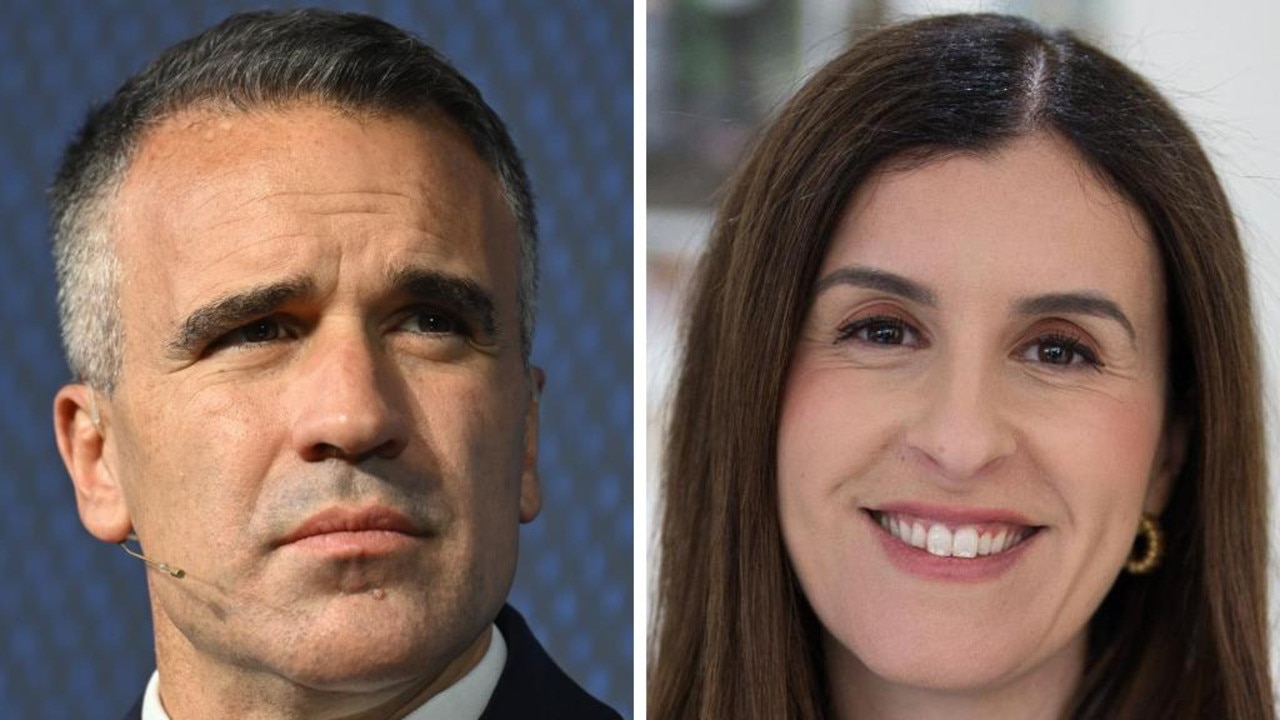
    South Australian Premier Peter Malinauskas has become embroiled in the controversy, with critics accusing him of applying political pressure regarding Dr. Abdel-Fattah’s participation. While denying direct intervention, the Premier acknowledged expressing concerns about the author’s inclusion following recent tragic events at Bondi Beach. He stated that his government “did not support her inclusion” in the program, citing sensitivity toward the Jewish community while maintaining he respected the board’s legal independence.

    The festival board defended its decision, stating the removal came after weeks of internal review and reflected consideration of “cultural sensitivity” following national tragedies. However, Dr. Abdel-Fattah condemned the action as “a blatant and shameless act of anti-Palestinian racism and censorship,” rejecting any association with the Bondi incident.

    The author has engaged legal representation, with Marque Legal lawyer Michael Bradley issuing a preservation notice for all documents related to the decision. The controversy echoes previous tensions at the festival, which faced similar challenges in 2023 when Palestinian authors’ inclusion prompted sponsor withdrawals and calls for leadership changes.

  • Swiss author Erich von Daeniken dies at 90

    Swiss author Erich von Daeniken dies at 90

    Erich von Däniken, the Swiss author whose revolutionary theories about extraterrestrial influences on human civilization captivated millions worldwide, has died at age 90. His passing was confirmed through multiple Swiss media outlets including national broadcaster SRF, with his official website noting the event occurred on Saturday.

    Von Däniken achieved global recognition with his groundbreaking 1968 publication “Chariots of the Gods?” which presented the provocative hypothesis that ancient monuments including Egypt’s pyramids, Britain’s Stonehenge, and Peru’s Nazca lines demonstrated architectural sophistication beyond contemporary human capabilities. The author maintained that while humans physically constructed these marvels, they received technical guidance and knowledge from advanced extraterrestrial visitors.

    Throughout his career, von Däniken faced substantial criticism from academic circles including historians, scientists, and fellow authors who dismissed his theories as pseudoscientific. Despite this scholarly opposition, his works achieved remarkable commercial success, with SRF reporting nearly 70 million books sold across more than 30 languages worldwide. His subsequent publications, including “The Gods Were Astronauts,” further developed his central premise that ancient religious texts, mythological narratives, and artistic representations documented early human encounters with technologically advanced beings misinterpreted as deities.

    Von Däniken’s cultural impact extended beyond literature into multimedia platforms, where he actively promoted his vision of human history through his YouTube channel and numerous television appearances. He consistently predicted that these extraterrestrial pioneers would eventually return to Earth, maintaining this belief throughout his decades-long career that fundamentally reshaped public discourse about humanity’s ancient past and potential cosmic connections.

  • UAE: Dh5-million fund announced for social media creators focused on family content

    UAE: Dh5-million fund announced for social media creators focused on family content

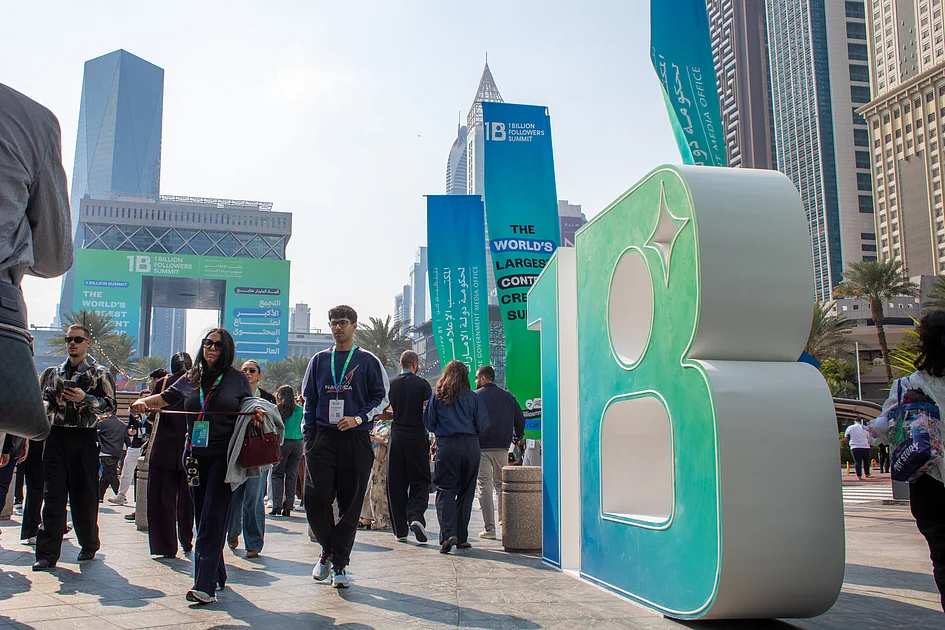
    The United Arab Emirates has unveiled a substantial Dh5 million (approximately $1.36 million) funding initiative specifically designed for social media content creators who specialize in family-oriented programming. The announcement was made during the ongoing 1 Billion Followers Summit in Dubai, marking a strategic move to position the UAE as a global hub for positive digital content creation.

    The innovative fund, a collaborative venture between Creators HQ and Alfan, arrives as the UAE government designates 2026 as the ‘Year of the Family.’ This thematic focus emphasizes the crucial role of family cohesion as the fundamental pillar for building a strong and prosperous society. The initiative directly supports this national priority by incentivizing content that strengthens family values and promotes healthy social dynamics.

    Comprehensive support packages will include advanced education and training programs, cutting-edge filming equipment, access to state-of-the-art production facilities, and strategic social media platform support. Additionally, the program will facilitate valuable brand partnership opportunities for participating creators.

    The primary objective extends beyond financial support, aiming to attract international creative talent to relocate to the UAE. By providing these substantial resources, the initiative seeks to cultivate a sustainable ecosystem for creators who produce meaningful content that aligns with the nation’s social values and cultural vision.

  • Fury over alleged Islamophobic attack on Muslim religious leader

    Fury over alleged Islamophobic attack on Muslim religious leader

    A prominent Muslim religious leader and his wife became targets of a vicious alleged hate crime in Victoria on Saturday evening, sparking widespread condemnation from community and government officials. Imam Ismet Purdic, leader of the Bosnia-Herzegovina Islamic Society’s Noble Park Mosque, was traveling with his wife along South Gippsland Highway toward Dandenong approximately at 7:40 PM when occupants of another vehicle initiated a racially motivated confrontation.

    According to Victoria Police reports, the assailants engaged in racial abuse before strategically blocking the victims’ vehicle, compelling them to divert to a nearby service station. The situation escalated dramatically when Imam Purdic exited his car, at which point he sustained a physical assault including being punched in the face while simultaneously receiving threats toward his wife. Bystanders eventually intervened to prevent further violence and damage to the vehicle.

    The Australian National Imams Council (ANIC) issued a forceful statement characterizing the incident as a ‘cowardly attack’ that highlights escalating dangers facing visibly Muslim Australians. The organization specifically noted the attackers employed tactics consistent with white-supremacist ideology and dangerous driving maneuvers to intimidate their targets.

    Victorian Multicultural Affairs Minister Ingrid Stitt denounced the incident as ‘violent, racist, Islamophobic and misogynistic,’ emphasizing that no Victorian should fear for their safety while simply driving. She particularly highlighted the threat against Muslim women, stating none should fear having their hijab forcibly removed.

    Law enforcement authorities have taken decisive action, arresting three individuals in connection with the attack. A 23-year-old Cranbourne North man faces criminal damage and common law assault charges and remains in custody awaiting court proceedings. A 22-year-old Cranbourne East man received bail and will appear in court on May 22, while an 18-year-old Dandenong South woman was released pending summons.

    ANIC further contextualized this incident within a broader pattern of rising Islamophobia, reporting a staggering 200% increase in anti-Muslim hate incidents since mid-December. The organization attributed this alarming trend to divisive political rhetoric and irresponsible media commentary that falsely equates peaceful pro-Palestinian advocacy with extremist violence.

    Imam Purdic, who has served as a religious leader and interfaith advocate for over twelve years through the Interfaith Network Dandenong, expressed gratitude that his children were not present during the traumatic event. He has subsequently called for national unity in combating such hatred and violence.

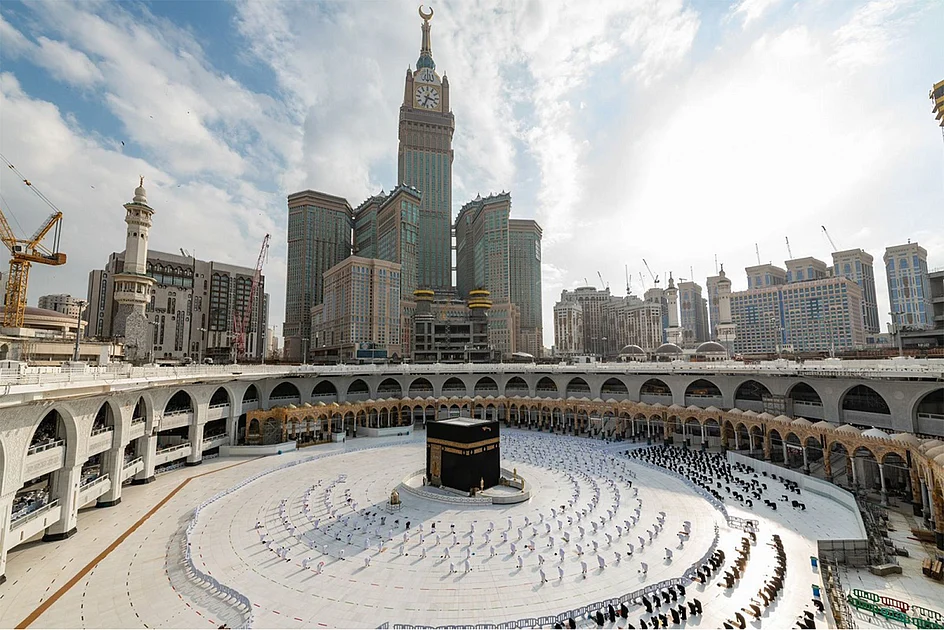
  • From application to Arafat: Inclusiveness and equality in India’s assistance to Hajj pilgrims

    From application to Arafat: Inclusiveness and equality in India’s assistance to Hajj pilgrims

    India’s administration of the annual Hajj pilgrimage has emerged as a noteworthy model of equitable governance and inclusive public service. Each year, the Indian government facilitates the spiritual journey for thousands of Muslim citizens through a system prioritizing transparency, diversity, and non-intrusive support.

    The foundation of this approach lies in a thoroughly digitized application process managed through state Hajj committees. The transition to online applications, digital lotteries, and time-bound documentation has effectively eliminated discretionary practices and intermediary interference. This standardized procedure ensures identical treatment for applicants from metropolitan centers and remote districts alike, establishing equality from the initial registration phase.

    A significant reform occurred in 2018 with the abolition of the longstanding Hajj subsidy. Rather than representing withdrawal of support, this policy shift enabled more responsible facilitation through improved cost negotiations with airlines and Saudi authorities. The redirected funds now support educational and community welfare initiatives, creating a more sustainable system that maintains pilgrimage accessibility without artificial financial prop-ups.

    India’s Hajj delegations demonstrate remarkable diversity in their composition. Teams include officials, medical professionals, paramedical staff, sanitation workers, translators, and volunteers representing various regions and linguistic backgrounds. Medical missions provide complimentary healthcare services, with Indian doctors earning international recognition for their round-the-clock clinics in Mecca and Medina.

    Gender inclusivity marks another progressive aspect of India’s Hajj management. Aligning with updated Saudi regulations, India permits women to travel without male guardians, enabling participation by widows, single women, and elderly pilgrims previously constrained by social or logistical barriers.

    The program operates with exceptional cultural and linguistic sensitivity. Support services function in multiple Indian languages, ensuring pilgrims from Kerala, Kashmir, Uttar Pradesh, Telangana, and the Northeast receive guidance in their native tongues. Training sessions, manuals, helplines, and orientation camps are all tailored to address regional requirements.

    Logistical coordination with Saudi authorities encompasses accommodation, transportation, food services, and crowd management strategies. During the physically demanding Arafat congregation, where all pilgrims stand equal in traditional white ihram garments, administrative efficiency becomes crucial for maintaining order and safety.

    This facilitation occurs within India’s broader constitutional framework guaranteeing equality and religious freedom. The state extends similar logistical support to various religious pilgrimages including the Kumbh Mela, Amarnath Yatra, and Buddhist journeys abroad, demonstrating consistent application of secular principles without hierarchical preferences.

    For pilgrims who often save for decades to undertake this journey, government support provides practical reassurance through medical assistance, linguistic comfort in foreign lands, and available consular aid during distress situations. The state maintains a presence that enables religious practice without imposing upon it.

    India’s Hajj management model offers valuable insights into governance approaches that honor religious diversity through impartial service delivery rather than symbolic gestures. This framework demonstrates how administrative efficiency and inclusive policies can effectively support spiritual practices within a diverse democratic society.