分类: society

  • Iconic landmark of Uzbek culture rises up in Tashkent

    Iconic landmark of Uzbek culture rises up in Tashkent

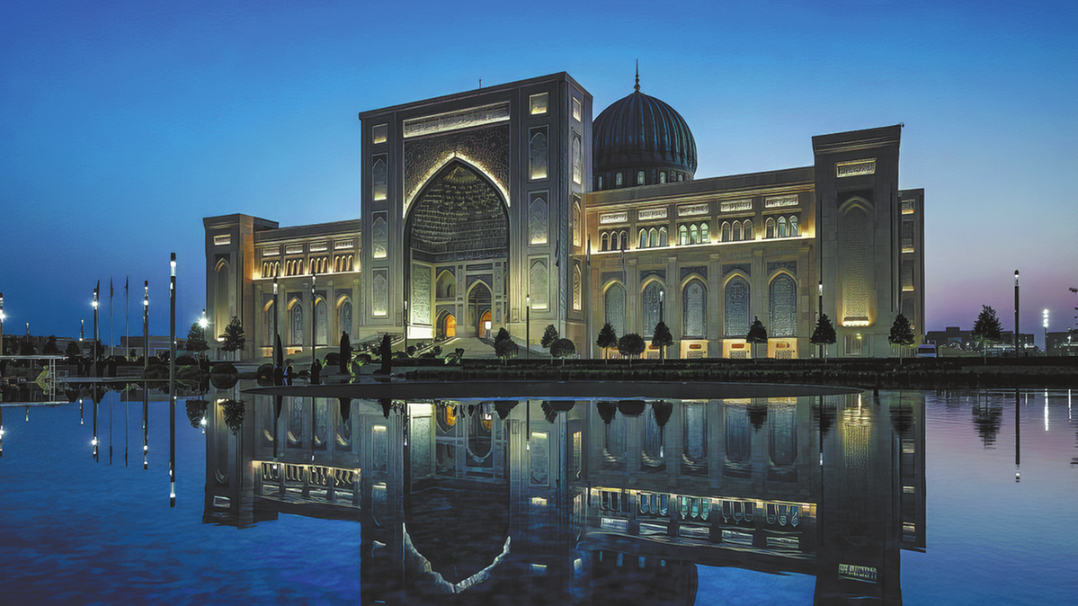
    Tashkent has unveiled a transformative cultural institution that seamlessly blends historical preservation with cutting-edge technology. The Center for Islamic Civilization, inaugurated in March 2026, represents Uzbekistan’s most ambitious cultural undertaking in decades, earning recognition from CNN as a premier tourist destination and architectural marvel.

    Designed with meticulous attention to Timurid-era architectural traditions, the 10-hectare complex features a striking 65-meter azure dome and four golden gates symbolizing national unity. The structure incorporates calligraphic inscriptions from the Quran while integrating modern technological solutions that create an immersive visitor experience.

    The center revolutionizes traditional museum concepts through innovative exhibits like the Wall of Civilizations—a massive multimedia installation demonstrating humanity’s continuous intellectual progress. Advanced technologies including virtual reality, artificial intelligence, and holograms bring ninth-century manuscripts and ancient observatories to life. The facility also houses the Time Capsule interactive project, allowing visitors to leave messages for future generations, and the 1001 Inventions Laboratory designed to spark children’s interest in engineering and natural sciences.

    The institution functions as both research hub and public educational space, featuring an extensive second-floor library containing over one million volumes. The surrounding grounds adhere to contemporary urban planning and environmental sustainability standards, creating an accessible cultural zone for residents and international visitors alike.

    President Shavkat Mirziyoyev initiated the project in 2017, personally overseeing its development and recommending the incorporation of scientific projects from more than 2,000 researchers. The center has attracted international acclaim, including placement on the Prix Versailles list of ‘world’s most beautiful museums of 2026’ and praise from UNESCO Director-General Khaled El-Enany, who recognized it as a ‘unique civilizational complex’ integrating next-generation museum technology with advanced research infrastructure.

    The center has also facilitated strengthened cultural diplomacy, hosting presidents from five Central Asian countries and supporting the repatriation of Uzbekistan’s cultural heritage scattered abroad. Its opening coincides with deepening Uzbekistan-China relations, particularly in tourism, with visitor numbers tripling following the 2025 visa-free policy implementation and Uzbekistan Tourism Year celebrations.

  • Shanghai island hosts sleep-in-forest competition

    Shanghai island hosts sleep-in-forest competition

    In an innovative celebration of World Sleep Day, Shanghai’s Chongming Island launched a unique sleep competition within the lush confines of Dongping National Forest Park. The inaugural event welcomed 50 participants who immersed themselves in the park’s pristine environment, competing for cash rewards through the simple act of sleeping.

    The competition, scheduled to run on Saturdays through April 26 plus May 2-3 from 9:00 AM to 7:20 PM, employs sophisticated sleep monitoring technology to objectively evaluate participants’ sleep quality. Professional devices track multiple sleep metrics including sleep latency, total sleep duration, deep sleep percentage, and sleep continuity to determine winners.

    Organizers have implemented a comprehensive monitoring system that collects real-time physiological data including heart rates and sleep patterns, with results displayed simultaneously on large screens at the venue. The competition structure offers a 3,000 yuan ($435) prize for the highest sleep score and 2,000 yuan for the fastest to fall asleep. Additionally, all rule-compliant participants who complete the challenge share a 10,000 yuan prize pool.

    Designed to provide urban residents respite from their hectic lifestyles, the event welcomes healthy individuals aged 18-50. Notably, actual sleep isn’t mandatory—participants may simply rest with eyes closed while remaining still. All competitors must remain lying on provided standard mattresses throughout the event, with body movements restricted to prevent more than one-third of the body extending beyond the mattress surface. Significant movements including sitting up, standing, or leaving the bed immediately terminate the challenge.

    Strict rules prohibit conversation, disruptive behavior, and consumption of any food or beverages except water. Electronic devices including phones and tablets, along with other entertainment equipment, are expressly forbidden during the competition.

    The novel concept has generated substantial public interest with active registration and significant social media attention. Embracing the theme of ‘lung cleansing and quality sleep,’ organizers aim to leverage Chongming Island’s exceptional natural resources to provide participants with profound physical and mental relaxation. As China’s third-largest island, Chongming represents Shanghai’s ecological crown jewel—boasting the municipality’s optimal air quality, most extensive green spaces, richest biodiversity, and approximately 28% of the city’s forest resources.

  • From pungent to popular: Luosifen wins over global taste buds

    From pungent to popular: Luosifen wins over global taste buds

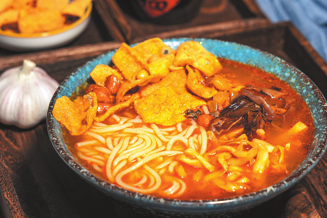
    Once confined to the streets of Liuzhou in China’s Guangxi region, luosifen—a pungent rice noodle dish featuring river snail broth and fermented bamboo shoots—is now captivating international palates. This distinctive culinary export challenges Western perceptions of Chinese cuisine while demonstrating how strategic adaptation can bridge cultural divides.

    Global appreciation for luosifen represents a significant shift in international food culture. Unlike traditional Western introductions to Chinese food through dishes like lemon chicken and spring rolls, luosifen offers an authentic, complex flavor profile that initially tests unfamiliar diners with its strong aroma before winning them over with its rich, layered taste.

    New Zealander Shawn Christopher’s experience typifies this transition. Despite warnings about the dish’s intense odor, the Christchurch resident discovered a sophisticated balance of pork bone richness, spicy heat, and silky noodles that absorbed the complex broth. His endorsement of the deep-fried egg accompaniment as ‘absolute magic’ reflects growing international acceptance.

    The transformation from local specialty to global phenomenon resulted from deliberate strategy. Since 2016, Liuzhou authorities implemented over 40 targeted policies supporting international expansion. Manufacturers like Guangxi Luobawang Food Technology developed export-friendly versions—less sour, milder spice, faster cooking—while preserving the dish’s essential character.

    This culinary diplomacy has generated substantial economic returns, with nearly $20 million in exports across 30+ countries. Social media platforms like Xiaohongshu document the trend through viral ‘foreigners trying luosifen’ content, particularly among younger demographics embracing authentic international experiences.

    The dish’s standard configuration includes pickled bamboo shoots, fried tofu skin, peanuts, and wood ear mushrooms, with customizable spice levels and premium additions like braised pork trotters or duck feet. Both soup and dry noodle variations have found international appeal, demonstrating how regional specialties can achieve global recognition through thoughtful adaptation without compromising authenticity.

  • Online accommodation registration piloted for foreigners

    Online accommodation registration piloted for foreigners

    China has initiated a groundbreaking pilot program enabling foreign nationals to complete mandatory accommodation registration through digital platforms, significantly streamlining a process that previously required physical visits to local police stations. The National Immigration Administration announced the service became operational on March 20, 2026, across seven provincial-level regions: Hebei, Liaoning, Zhejiang, Hubei, Guangxi, Chongqing, and Sichuan.

    This digital transformation addresses a practical requirement under China’s Exit and Entry Administration Law, which mandates that foreigners staying in non-hotel accommodations—including private residences, guesthouses, inns, or temporary dwellings—must register their location within 24 hours of arrival. The newly implemented online system carries identical legal validity to traditional in-person filings.

    Foreign visitors and their hosts can now submit registration through multiple digital channels: the NIA Government Service Platform website, the dedicated NIA 12367 mobile application, or via mini-programs embedded within WeChat and Alipay. The policy specifies that hosts should assist first-time registrants due to their familiarity with local procedures, while foreigners may self-register if returning to a previously documented residence or staying in their own Chinese property.

    The framework incorporates sensible exemptions to eliminate redundant paperwork. Foreign nationals returning to their self-owned Chinese homes after domestic or international travel, along with holders of valid residence permits or permanent residence cards returning to their habitual residence, are exempt from repeated registrations. The administration defines self-owned residences as properties legally owned by the foreigner or their spouse, while habitual residences indicate locations where the individual resides or intends to reside for超过 180 days.

    While digital registration represents the primary advancement, traditional offline channels remain available at local police stations. The NIA has supplemented the new system with comprehensive online guides and its 12367 service hotline for user assistance.

    International residents have welcomed the modernization initiative. Jenny Zhang, a 23-year-old US citizen of Chinese origin, noted that previous offline procedures consumed substantial time due to travel and waiting requirements. “The most significant difference is the level of convenience,” Zhang observed. “The online system enables remote completion, eliminating logistical challenges.”

    Nadine Trirana Khong, a 19-year-old Indonesian national, highlighted additional benefits for newcomers, explaining that successful accommodation registration facilitates subsequent administrative tasks including bank account establishment, SIM card acquisition, and visa-related procedures.

    The digital registration system constitutes part of China’s broader strategy to enhance government services for international residents. The NIA reminded that failure to comply with accommodation registration requirements may result in warnings or financial penalties under Chinese law, emphasizing that technological convenience does not diminish legal obligations.

  • 10 killed, 59 injured in South Korea’s auto parts factory fire

    10 killed, 59 injured in South Korea’s auto parts factory fire

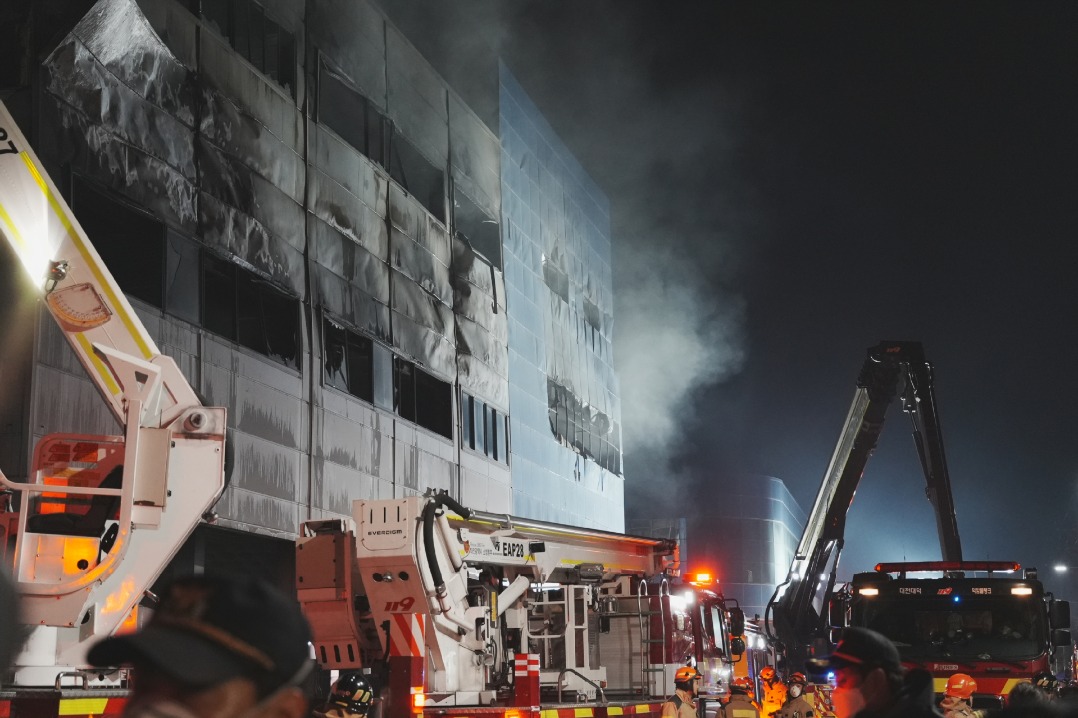
    A devastating industrial fire has torn through an automotive components manufacturing facility in Daejeon, South Korea, resulting in a tragic loss of life and numerous casualties. Emergency services confirmed Saturday that the blaze has claimed 10 lives, injured 59 individuals, and left four workers unaccounted for.

    The catastrophe ignited at approximately 1:17 PM local time on Friday while approximately 170 employees were present within the industrial complex. Firefighting authorities reported that the first fatality was discovered in cardiac arrest on the second production level and was subsequently pronounced deceased. Nine additional victims were later located on the third floor of the manufacturing plant.

    Rescue operations faced significant delays due to structural safety concerns, with emergency crews only gaining access to the building late Friday evening after safety engineers determined the compromised facility was sufficiently stable for search and recovery missions. Firefighters continue their meticulous search for the four missing personnel amid the charred remains of the industrial site.

    The factory, which produces components for South Korea’s extensive automotive industry, represents the latest in a series of industrial safety incidents to challenge the nation’s manufacturing sector. The scale of casualties marks this as one of the most severe industrial accidents in recent South Korean history, raising immediate questions about workplace safety protocols and emergency response measures in industrial settings.

  • Watch: Thick smoke billows from South Korea car parts plant in deadly fire

    Watch: Thick smoke billows from South Korea car parts plant in deadly fire

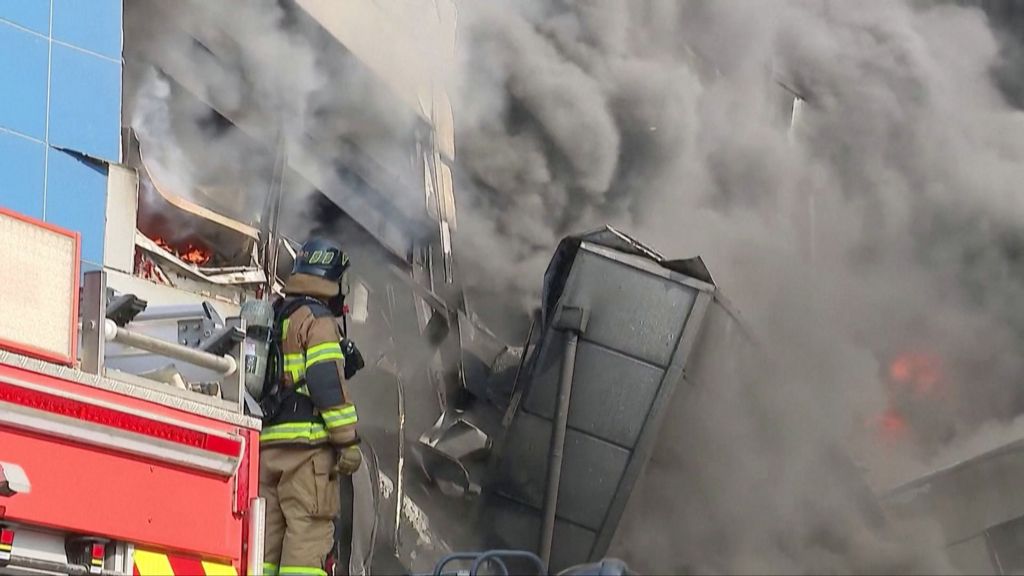
    A catastrophic industrial fire tore through a major automotive components manufacturing facility in Daejeon, South Korea, on Wednesday, resulting in a devastating loss of life and numerous casualties. Emergency responders confirmed at least 10 fatalities with dozens more sustaining injuries as thick, black smoke billowed from the rapidly spreading blaze.

    The fire erupted without warning at the industrial complex specializing in automobile part production, quickly consuming large sections of the manufacturing plant. Dramatic footage captured by witnesses showed massive plumes of toxic smoke rising hundreds of feet into the air, visible from across the metropolitan area of Daejeon, South Korea’s fifth-largest city.

    Firefighting units from multiple districts rushed to the scene, encountering intense heat and challenging conditions that hampered rescue operations. The facility’s structural integrity became an immediate concern as flames spread through sections containing flammable materials used in automotive manufacturing.

    Survivors described chaotic scenes as workers attempted to evacuate through smoke-filled corridors. Emergency medical teams established triage areas near the site to treat those suffering from smoke inhalation and burn injuries, with numerous ambulances transporting the wounded to regional hospitals.

    South Korean President Yoon Suk Yeol issued an immediate directive for all available resources to be deployed, emphasizing the priority of rescue operations and promising a thorough investigation into the fire’s origins. The Ministry of Employment and Labor simultaneously announced plans for comprehensive safety inspections at similar industrial facilities nationwide.

    The tragedy represents one of South Korea’s deadliest industrial accidents in recent years, raising serious questions about workplace safety protocols in the country’s manufacturing sector, which supplies components to major global automakers.

  • A drug transformed my life. Now it’s derailed my Australian dream

    A drug transformed my life. Now it’s derailed my Australian dream

    A groundbreaking medical treatment has created an unexpected immigration dilemma for a young British woman with cystic fibrosis. Regan Sparks, 23, from Benfleet, Essex, has seen her health transformed by the drug Trikafta (also known as Kaftrio) since it became available through the NHS in 2020. The medication has enabled her to pursue activities previously unimaginable for someone with her condition—securing employment, establishing relationships, and even training for marathons.

    However, when Sparks applied for an Australian working holiday visa in 2023, her medical success story became an administrative obstacle. Australia’s immigration health requirements impose a cost threshold of A$86,000 (£45,700) for potential medical expenses during a visa period. With Trikafta costing A$250,000 (£133,000) annually, her application was denied despite her improved health status and ability to function normally.

    The rejection came as a profound disappointment to Sparks, who had previously completed a three-month solo backpacking trip through Southeast Asia without visa complications. ‘I’ve never let my CF stop me from doing anything,’ she stated. ‘The fact that just on paper you’re denying me for something completely out of my control feels like a kick in the teeth.’

    Sparks has proposed that Australia implement alternative measures for such cases, including allowing applicants to sign health waivers or fully fund their own treatment. The Australian Department of Home Affairs maintains that all applications are assessed individually, with health conditions not automatically leading to rejection. The department is currently reviewing its migration health requirements, including the significant cost threshold, with findings to be published later.

  • Russia’s school propaganda was  highlighted by Oscar-winning film – but does it work?

    Russia’s school propaganda was highlighted by Oscar-winning film – but does it work?

    In contemporary Russia, a silent struggle unfolds within households as parents attempt to counter state-mandated patriotic education programs permeating school curricula. The Oscar-winning BBC documentary ‘Mr Nobody Against Putin’ illuminates this phenomenon through footage captured by Pavel Talankin, a former school events coordinator from Karabash in the Ural Mountains.

    The film reveals how children are systematically exposed to militaristic narratives following Russia’s 2022 invasion of Ukraine. Classrooms now incorporate flag-raising ceremonies, revised history textbooks labeling the conflict as a ‘special military operation,’ and compulsory lessons promoting state-approved Russian values. The education ministry recently announced plans to introduce government-vetted toys and games to nurseries to further reinforce traditional values.

    Parents like Nina from Moscow face difficult dilemmas when their children enthusiastically participate in these activities. ‘She likes her teacher, she likes her classmates – she likes being a part of it,’ Nina explains, having changed her name for safety concerns. When she once kept her daughter home to avoid a patriotic event, the child felt excluded from her peer group.

    Psychological experts note the particular vulnerability of young children to authority figures’ messages. ‘If you tell a young child that the war is good, they will accept it,’ says psychotherapist Anastasia Rubtsova. Researchers like Emily Willoughby from the University of Minnesota suggest that while childhood provides a critical window for attitude formation, parental influence typically prevails when families actively counter institutional messaging.

    However, in Russia’s tightly controlled information environment, outcomes become less predictable. Implementation varies significantly across schools, with some educators enthusiastically embracing the guidelines while others subtly resist or dilute the messaging.

    The documentary captures telling scenes: children receiving Russian flags during assemblies, classrooms where students are warned about enemy propaganda, and the creation of a new youth organization reminiscent of Soviet-era Pioneer groups. Despite these efforts, many students like 14-year-old Maia from St. Petersburg find the ‘Conversations about Important Things’ sessions boring and perfunctory.

    As Professor Paul Goode of Carleton University notes, compelling public performances of patriotism serves to reinforce the regime’s power perception—a message amplified through state media and controlled elections. Meanwhile, authorities have streamlined military recruitment for school-leavers, using financial incentives and patriotic appeals to bolster troop numbers.

    This educational transformation represents a profound societal shift where childhood development becomes intertwined with state political objectives, leaving families to navigate the delicate balance between institutional compliance and personal values.

  • The forgotten Indian woman trailblazer in British medicine

    The forgotten Indian woman trailblazer in British medicine

    In an era when medicine remained an overwhelmingly male-dominated field and European institutions systematically excluded women, Dr. Jamini Sen shattered one of healthcare’s most formidable barriers. The Bengali physician made history in 1912 by becoming the first woman admitted as a Fellow of the Royal College of Physicians and Surgeons of Glasgow—an institution founded in 1599 that had long maintained gender-based restrictions.

    Born in 1871 in Barisal within the Bengal Presidency, Sen emerged from a progressive family as one of seven siblings. Her educational journey began at Calcutta’s Bethune College, culminating in her qualification from Calcutta Medical College in 1897. This achievement marked her entry into a profession characterized by rigid racial hierarchies and gender exclusion.

    Sen’s early career took an extraordinary turn when she accepted a position as house physician to Nepal’s royal household and head of Kathmandu Zenana Hospital. For nearly a decade, she practiced high-level medicine within deeply traditional settings, earning the confidence of King Prithvi Bir Bikram Shah while introducing modern clinical methods. Her tenure coincided with palace unrest and suspected political intrigue, eventually prompting her departure from the country.

    Driven by professional ambition, Sen traveled to Britain in 1911 with support from the Lady Dufferin Fund. She obtained a medical license in Dublin, studied at the London School of Hygiene and Tropical Medicine, and ultimately challenged the Glasgow fellowship examinations. The Royal College had only recently opened its exams to women, and Sen’s successful completion in 1912 represented a watershed moment—though the institution restricted her privileges compared to male counterparts.

    Her intellectual curiosity led her to Berlin in 1912, where she advanced her knowledge of tropical diseases at a time when continental Europe led this medical specialty. Throughout her career, Sen maintained a profound sense of responsibility toward her “sisters in my country,” as documented in the Glasgow College archives.

    Returning to India, Sen joined the Women’s Medical Service, working in Agra, Shimla, and Puri. Her presence proved particularly crucial in Agra during periods of unrest directed at British doctors, as patients specifically sought out the Indian woman physician. Affectionately known as “saree-wali daktarin sahib” (the sari-clad lady doctor), Sen earned trust through her medical expertise and cultural understanding.

    She confronted significant healthcare challenges, including post-childbirth sepsis epidemics that affected countless young mothers. “The greatest improvement has taken place in maternal cases,” she recorded in her journal with professional pride. Even her practical attire—a pinned sari with full-sleeved blouse and lace collar—signaled a quiet modernity suited to hospital wards rather than drawing rooms.

    Sen’s personal life reflected both her independence and the era’s constraints. While in Nepal, she adopted a baby girl named Bhutu after the child’s mother died in childbirth. As a single mother in traditional Bengali society, Sen balanced professional rigor with private responsibility, though she later experienced the devastating loss of her daughter to illness.

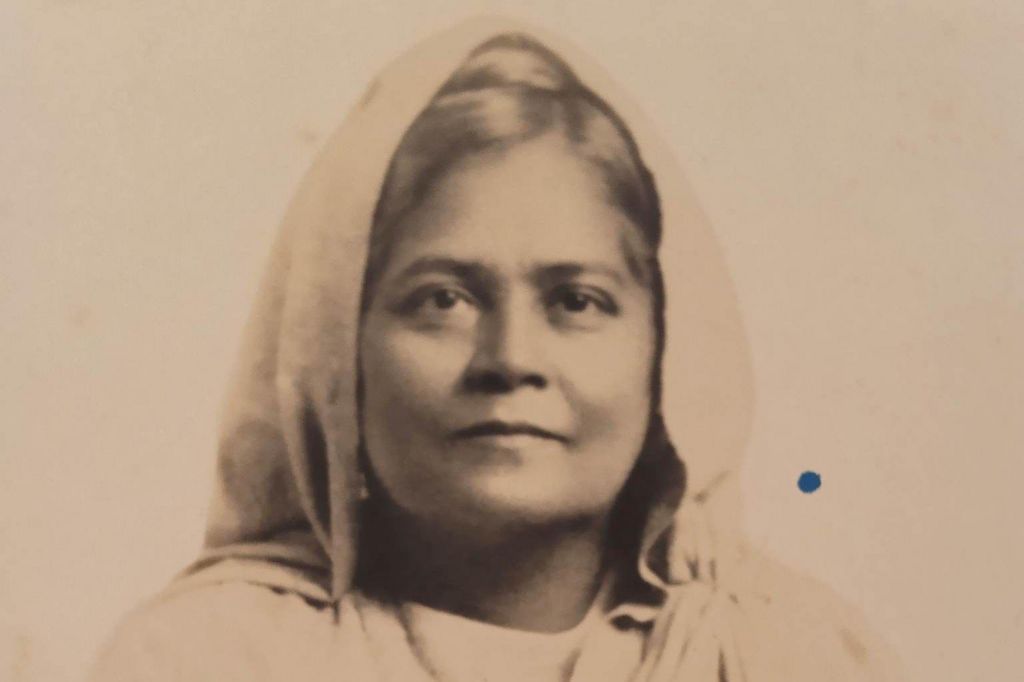
    Today, few physical artifacts survive from Sen’s remarkable life: a gold watch gifted by Nepal’s king (which she wore pinned to her sari), a Tibetan tsog spoon recognizing her medical service, a delicate blue-wing brooch purchased in London, and two grainy photographs preserved in the Glasgow College archives.

    More than a century after her historic achievement, Sen’s portrait was finally unveiled at the Royal College in 2024—a symbolic restoration of a legacy that had faded into obscurity. Her story, meticulously reconstructed by great-niece Deepta Roy Chakraverti in the biography “Daktarin Jamini Sen,” reveals a woman of fierce intellect and radical resolve who confronted both racism in pre-independence India and sexism in British medical institutions.

    Dr. Sen’s journey demonstrates that the making of modern medicine was never exclusively European nor male, but was also shaped in palace wards, epidemic outposts, and examination halls where a determined Bengali woman refused to step aside.

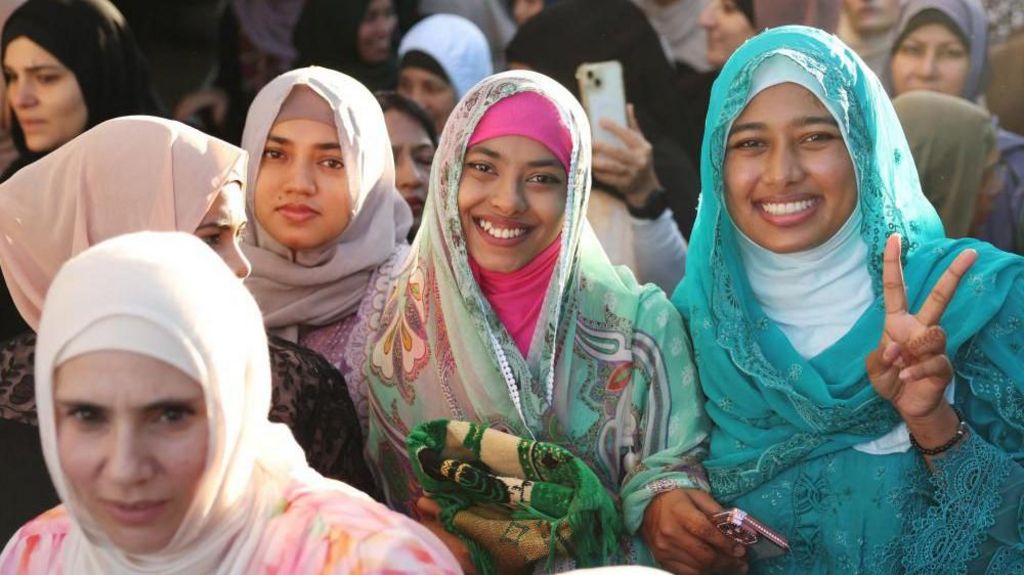
  • As Islamophobia rises, Australia’s Muslims celebrate Eid

    As Islamophobia rises, Australia’s Muslims celebrate Eid

    In the heart of Sydney’s Lakemba district, thousands gathered at the Imam Ali bin Abi Taleb Mosque for a community Iftar celebration marking Ramadan’s end. Beneath the surface of this harmonious gathering, however, loomed an unsettling reality: a police surveillance trailer with 360-degree cameras stood watch—a necessary precaution following numerous threats against the Muslim community.

    Australia is experiencing an unprecedented surge in anti-Islamic sentiment, with reported incidents skyrocketing by 636% since Hamas’ October 7 attack on Israel. According to the Islamophobia Register Australia, weekly cases have exploded from an average of 2.5 to 18—a figure experts warn represents merely ‘the tip of the iceberg’ as many victims avoid reporting.

    The recent Bondi Beach massacre, which police attributed to ‘Islamic state ideology,’ further intensified religious tensions. In its aftermath, Islamophobic incidents surged by 201%, compounding existing fears within Muslim communities. Simultaneously, antisemitic incidents have multiplied nearly fivefold according to the Executive Council of Australian Jewry, creating parallel crises of religious intolerance.

    This deterioration in social cohesion was starkly visible when Prime Minister Anthony Albanese and Home Affairs Minister Tony Burke faced heckling and accusations of supporting genocide during their Lakemba mosque visit. Worshipers expressed profound frustration over Australia’s stance on the Middle East conflict and perceived governmental inaction against rising Islamophobia.

    Lakemba—where 61% of residents identify as Muslim—has evolved from its Lebanese migrant roots in the 1960s to become Sydney’s multicultural Muslim hub, now including communities from South Asia and beyond. While it offers a safe haven for many, residents report increasing anxiety when venturing beyond their ‘comfort zones.’

    Dr. Moshiuzzaman Shakil, a Bangladeshi public health student, recounted losing his job supporting disabled clients post-Bondi: ‘They asked me: are you a Muslim? After the attack, some people thought Muslims were terrorists.’

    The current crisis echoes Australia’s troubled history with immigration, from the White Australia policy that limited non-European migration until 1973 to the 2005 Cronulla race riots—still remembered as a traumatic watershed moment. Gamel Kheir, secretary of the Lebanese Muslim Association, noted: ‘This community has been in trauma since Cronulla. Every time an episode happens now, we curl into the fetal position thinking, please don’t be a Muslim person.’

    Political discourse has exacerbated tensions. Pauline Hanson, leader of the anti-immigration One Nation Party, wore a burka in parliament to advocate for its banning and recently questioned whether ‘good’ Muslims exist—rhetoric that community leaders say legitimizes racism. Kheir observes: ‘Our Facebook posts now get a thousand-plus bigoted comments instead of five to ten. People feel empowered because politicians have enabled this racism to become rampant.’

    Special Envoy to Combat Islamophobia Aftab Malik warns of cumulative damage: ‘Each attack reinforces that Muslim identity isn’t welcome in Australia’s social fabric, reducing institutional legitimacy and fraying social cohesion.’

    Despite the challenges, community organizers like Kheir continue advocating for unity. ‘The fair go for all was Australia’s motto,’ he reflects. ‘Sadly, we’re following other Western nations into identity crisis, where the predominant race reasserts itself at minorities’ expense.’

    As Dr. Zouhir Gabsi, author of ‘Muslim Perspectives on Islamophobia,’ bluntly summarizes: ‘Multiculturalism is a politician’s word. It works when sharing a meal, but when applying for jobs, you remain a migrant.’