分类: science

  • New finding to help probe dark matter

    New finding to help probe dark matter

    In a historic breakthrough bridging decades of theoretical physics, Chinese researchers have achieved the first experimental confirmation of the Migdal effect—a discovery with transformative implications for detecting dark matter, the invisible substance constituting approximately 85% of the universe’s mass.

    The landmark findings, published in Nature, validate a 1939 prediction by Soviet physicist Arkady Migdal, who theorized that a nuclear recoil event—such as a collision with a dark matter particle—could produce a rapid shift in the atom’s electric field, ejecting an orbiting electron. For nearly 90 years, this phenomenon remained experimentally unverified due to its minuscule scale and susceptibility to background interference from cosmic radiation.

    To overcome these challenges, a multidisciplinary team led by the University of Chinese Academy of Sciences engineered a specialized high-precision gas detector integrated with custom microchip technology—essentially an “atomic camera” capable of tracking individual atomic trajectories and electron emissions.

    After bombarding gas molecules with neutrons and analyzing over 800,000 candidate events, researchers identified six unambiguous signals exhibiting the Migdal effect’s distinctive signature: dual particle tracks emanating from identical points—one from the recoiling nucleus and another from the ejected electron. The results achieved five-sigma statistical confidence, particle physics’ gold standard for discovery.

    Professor Yu Haibo of UC Riverside noted: “Direct observation of the Migdal effect has been a longstanding experimental challenge. Multiple international teams attempted detection without success. This breakthrough is genuinely exciting.”

    The discovery arrives as physicists pivot from searching for heavy dark matter particles (WIMPs) toward lighter alternatives. Traditional detectors struggle to register faint nuclear recoils from lightweight particles, but the Migdal effect effectively converts these imperceptible events into measurable electronic signals.

    “By capturing the ejected electron’s full energy, our detector theoretically achieves 100% efficiency,” explained co-leader Professor Zheng Yangheng. “This work solidifies the Migdal effect’s theoretical foundation and provides crucial experimental validation.”

    Looking ahead, the team plans to optimize detector performance and study the effect across different materials. Professor Liu Qian revealed: “Extending observations to other elements will provide essential data for detecting even lighter dark matter particles.” Professor Liu Jianglai, lead scientist of China’s PandaX experiment, emphasized this represents “a crucial first step” toward practical dark matter detection applications.

  • Zhou Liang sees hope for Yangtze sturgeon after decades of conservation work

    Zhou Liang sees hope for Yangtze sturgeon after decades of conservation work

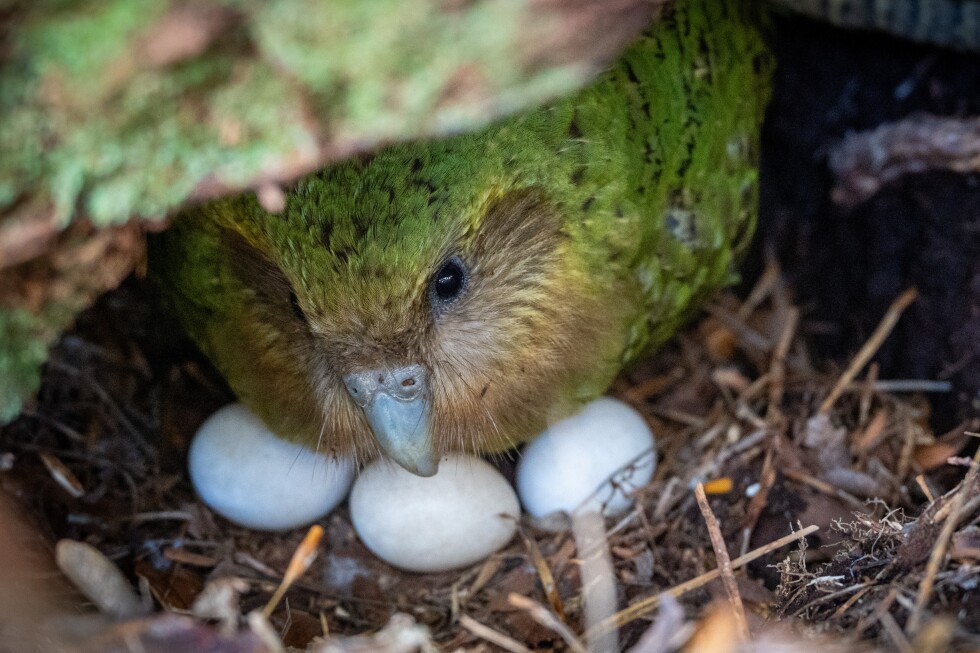
    After 35 years of relentless dedication, Zhou Liang, director of the Yibin Institute of Rare Aquatic Animals, is witnessing transformative progress in restoring the wild population of the critically endangered Yangtze sturgeon. The 53-year-old conservationist has pursued this mission as both a professional commitment and a personal legacy, continuing the work initiated by his late father, Zhou Shiwu.

    The Yibin Institute, recognized as China’s first private research organization focused on preserving rare aquatic species in the Yangtze River, represents a remarkable family endeavor. Rather than pursuing urban career opportunities after university, Zhou Liang returned to his hometown in Sichuan Province to establish this pioneering conservation facility during a period of severe ecological crisis.

    By the turn of millennium, the Yangtze sturgeon faced existential threats from multiple fronts: intensive overfishing, extensive dredging operations, and widespread dam construction had decimated natural breeding populations. Scientific surveys confirmed the alarming absence of naturally spawned juvenile sturgeons throughout the entire river system by approximately 2000.

    The conservation breakthrough emerged in 2004 when Zhou’s team mastered large-scale artificial breeding techniques. This scientific achievement resulted in the successful hatching of tens of thousands of Yangtze sturgeon fry at the institute’s breeding facilities, marking a critical milestone in species preservation.

    Current observations indicate promising signs of population recovery, suggesting that decades of coordinated efforts between research institutions, government agencies, and local communities are finally yielding measurable ecological restoration. Zhou’s work demonstrates how sustained scientific commitment can reverse even the most severe biodiversity declines, offering valuable insights for global conservation initiatives.

  • Nasa astronauts splash down on Earth after first-ever medical evacuation from ISS

    Nasa astronauts splash down on Earth after first-ever medical evacuation from ISS

    In an unprecedented operation marking the first medical evacuation from the International Space Station, four astronauts successfully returned to Earth aboard a SpaceX capsule that splashed down in the Pacific Ocean near San Diego at 12:41 AM local time (0841 GMT) on Thursday. The Crew-11 mission members—American astronauts Mike Fincke and Zena Cardman, Russian cosmonaut Oleg Platonov, and Japanese astronaut Kimiya Yui—cut their five-month mission short due to an undisclosed medical condition affecting one crewmember.

    NASA officials maintained that the situation did not constitute an emergency evacuation but rather a precautionary measure. “The affected crewmember was and continues to be in stable condition,” stated NASA spokesperson Rob Navias. Astronaut Fincke emphasized via social media that all crew members were “stable, safe, and well cared for,” describing the decision as “deliberate” to allow proper medical evaluation on Earth where comprehensive diagnostic capabilities exist.

    The mission, originally scheduled to continue until mid-February, was shortened following medical consultations. NASA’s chief health and medical officer, James Polk, cited “lingering risk” and diagnostic uncertainties as factors in the decision. The evacuated astronauts had received extensive training for medical emergencies, with senior NASA official Amit Kshatriya praising their professional handling of the situation.

    Three crewmembers—American astronaut Chris Williams and Russian cosmonauts Sergey Kud-Sverchkov and Sergei Mikaev—remain aboard the ISS, which continues normal operations. The station, a symbol of international cooperation continuously inhabited since 2000, serves as a critical testing ground for deep space exploration technologies. NASA and Roscosmos maintain their collaborative operation of the orbital laboratory, one of the few enduring areas of U.S.-Russia cooperation.

    The ISS, orbiting approximately 400 kilometers above Earth, is scheduled for decommissioning after 2030, with plans to gradually lower its orbit until it breaks up in the atmosphere over the remote Pacific region known as Point Nemo.

  • China’s Antarctic survey telescope AST3-2 completes winter observations

    China’s Antarctic survey telescope AST3-2 completes winter observations

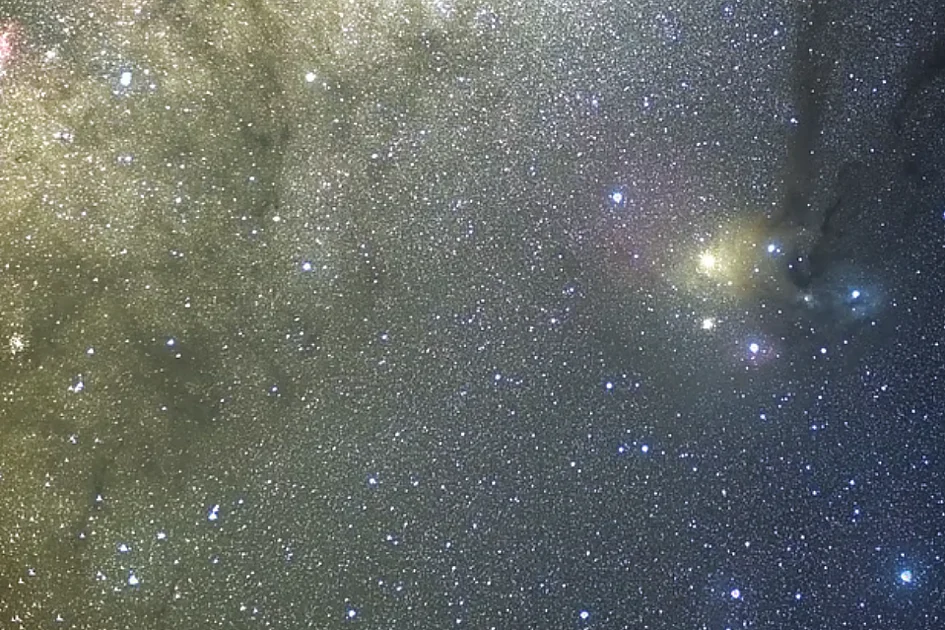
    China’s cutting-edge Antarctic survey telescope AST3-2 has successfully concluded its 2025 winter observation mission at Dome A, the highest point of the Antarctic plateau. The Chinese Academy of Sciences announced this significant achievement on Tuesday, marking another milestone in polar astronomical research.

    The AST3-2 telescope, currently the largest-aperture optical instrument operating in Antarctica’s interior, has now completed three consecutive years of winter operations despite extreme environmental challenges. Remarkably, the telescope has been continuously operational at Dome A for an impressive 12-year period, demonstrating exceptional engineering resilience.

    According to the Nanjing Institute of Astronomical Optics & Technology, which developed the advanced instrument, the telescope resumed normal operations following brief maintenance in early 2024, despite three consecutive years without on-site technical personnel reaching the remote inland station.

    The 2025 observation season yielded substantial scientific returns, with the telescope remotely acquiring 3.5 terabytes of valuable astronomical data during approximately 1,000 hours of effective observation time. The comprehensive dataset encompasses multiple research domains, including applied studies on high-inclination asteroids and space objects, alongside critical scientific information regarding exoplanet research and photometric observations of supermassive black holes.

    The AST3-2 represents China’s second-generation Antarctic telescope technology, incorporating innovative optical systems specifically designed for polar conditions. The instrument features groundbreaking anti-snow sealing technology and specialized low-temperature anti-frost systems developed to withstand Antarctica’s harsh environment, where temperatures can plummet to -80°C during the winter months.

    The successful conclusion of the observation season was formally marked on August 25, 2025, when the solar battery system achieved its initial recharge following the Antarctic polar night, signaling the return of sunlight to the research station.

  • Watch: Astronauts return to Earth after medical evacuation

    Watch: Astronauts return to Earth after medical evacuation

    A NASA astronaut and three crewmates have made an unscheduled return to Earth after cutting their International Space Station mission short by approximately one month due to an onboard medical emergency. The spacecraft carrying the four astronauts successfully splashed down on Thursday, concluding what was originally planned as a longer duration orbital mission.

    The early departure was triggered when one crew member required urgent medical attention that could not be adequately addressed within the Space Station’s medical facilities. While NASA has not disclosed specific details regarding the nature of the illness due to privacy considerations, the agency confirmed that the situation warranted immediate return to Earth for proper medical treatment.

    This incident marks one of the rare medical evacuations from the orbiting laboratory, highlighting the inherent challenges of managing health emergencies in space. The return procedure involved meticulous planning between NASA mission control, international space partners, and medical teams on the ground to ensure safe re-entry and subsequent medical care.

    The successful return demonstrates the robustness of emergency protocols developed for space missions, though it also raises questions about medical preparedness for longer deep-space missions planned for the future. Space agencies worldwide will likely analyze this event to improve medical support systems for astronauts aboard the International Space Station and beyond.

  • Bamboo slips tell stories of ancient eras

    Bamboo slips tell stories of ancient eras

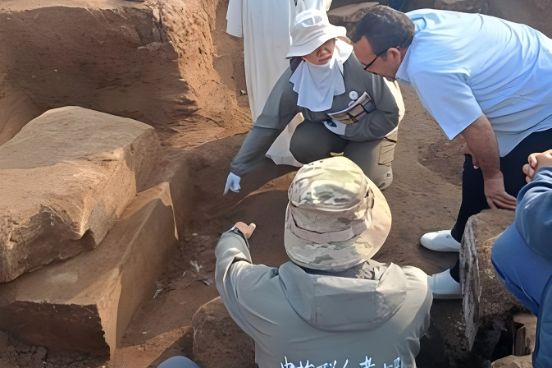
    In a remarkable fusion of archaeology and chemistry, experts at China’s Jingzhou Cultural Relics Protection Center have pioneered groundbreaking techniques to resurrect ancient bamboo and wooden slips from their water-damaged states. These fragile artifacts, which served as primary writing materials in China before the widespread use of paper, emerge from tombs as darkened, mushy fragments after millennia submerged in groundwater.

    The center has developed two revolutionary conservation methods: sodium dithionite decolorization and cetyl alcohol filling dehydration. The first technique chemically restores the slips’ original pale yellow coloration while making inscribed characters clearly visible. The second method replaces water within the cellular structure of the bamboo with stabilizing compounds, transforming the soft, deteriorated material into flexible, preserved artifacts.

    Over three decades, these innovations have enabled the recovery of approximately 180,000 historical fragments nationwide, including extraordinary finds such as the earliest known Nine-Nine Multiplication Table, a previously lost version of The Analects of Confucius, and ancient medical texts detailing treatments for heart conditions, abdominal disorders, and external injuries.

    Jingzhou’s significance in this field stems from its history as the ancient capital of the Chu state during the Warring States Period (475-221 BC), where social elites followed customs of burying written records with the deceased. The region has yielded approximately 30,000 slips dating from the Warring States Period through the Han Dynasty (206 BC-AD 220).

    According to Zhao Yang, director of the center’s cultural relics protection department, these texts represent ‘social media posts and notebooks of ancient people,’ offering unparalleled insights into classical literature, medical practices, musical scores, divination, and sacrificial rituals across centuries.

    The conservation technologies, honored with Hubei Provincial Science and Technology Progress Award recognition, now handle over 80% of China’s waterlogged bamboo slip restoration. Each batch requires two to three years of meticulous work before the preserved artifacts can be studied or exhibited, safeguarding what experts describe as ‘the seed of Chinese culture and evidence of its continuity.’

  • ISS astronauts splash down on Earth after first-ever medical evacuation

    ISS astronauts splash down on Earth after first-ever medical evacuation

    In an unprecedented event for space exploration, four International Space Station crew members made an early return to Earth on Thursday following a medical situation requiring evacuation. The SpaceX Crew-11 capsule, carrying American astronauts Mike Fincke and Zena Cardman, Russian cosmonaut Oleg Platonov, and Japanese astronaut Kimiya Yui, successfully splashed down in the Pacific Ocean near San Diego at 12:41 am local time (0841 GMT).

    The evacuation marks the first medical-related early return in the 24-year operational history of the orbiting laboratory. While NASA officials have maintained confidentiality regarding the specific medical condition, they confirmed the affected crew member remained in stable condition throughout the return process. The agency emphasized this was a precautionary measure rather than an emergency response.

    NASA’s chief health and medical officer, James Polk, explained the decision resulted from unidentified ‘lingering risk’ and diagnostic uncertainties that necessitated comprehensive medical evaluation capabilities only available on Earth. The Crew-11 team had been approximately halfway through their scheduled six-month mission, having arrived at the station in early August with a planned departure in mid-February.

    Astronaut Mike Fincke described the situation as ‘bittersweet’ in a social media statement, confirming all crew members were ‘stable, safe, and well cared for.’ He emphasized the decision represented prudent medical judgment given the advanced diagnostic resources available terrestrially.

    The evacuation highlights the continuing international cooperation aboard the ISS, with American and Russian space agencies maintaining their transportation agreement despite geopolitical tensions. Three crew members—American astronaut Chris Williams and Russian cosmonauts Sergey Kud-Sverchkov and Sergei Mikaev—remain aboard the station following the evacuation.

    NASA officials noted the evacuated astronauts had received extensive training for medical contingencies, with senior official Amit Kshatriya praising their professional handling of the situation. The incident demonstrates the evolving protocols for health management in space as agencies prepare for deeper exploration missions to the Moon and eventually Mars.

  • Ailing astronaut returns to Earth early in NASA’s first medical evacuation

    Ailing astronaut returns to Earth early in NASA’s first medical evacuation

    CAPE CANAVERAL, Fla. — NASA executed its inaugural medical evacuation from the International Space Station on Thursday, returning four astronauts to Earth over a month ahead of schedule. The SpaceX Crew Dragon capsule completed a precision splashdown in the Pacific Ocean near San Diego during nighttime hours, concluding an 11-hour journey from the orbiting laboratory.

    NASA astronauts Zena Cardman and Mike Fincke, alongside Japan’s Kimiya Yui and Russia’s Oleg Platonov, safely returned to Earth following the unprecedented medical decision. While officials maintained medical privacy regarding the affected crew member’s identity and condition, they confirmed the astronaut remained stable throughout the mission but required Earth-based medical evaluation and care.

    The early return created an unusual staffing situation aboard the ISS, leaving just one American and two Russian astronauts to maintain operations. NASA and SpaceX announced accelerated plans for the next crew launch, currently targeted for mid-February, which will include two Americans, one French, and one Russian astronaut.

    Notably, NASA emphasized this did not constitute an emergency situation despite being the agency’s first medical-related mission truncation. The health concern emerged on January 7, prompting cancellation of a scheduled spacewalk and ultimately leading to the decision for early return. Historical precedent exists with Russia having conducted similar medical evacuations decades earlier.

    The reduced three-person crew will maintain essential station operations but cannot perform spacewalks, even for emergency repairs, until the arrival of the replacement crew. Recovery operations proceeded normally with standard medical support available, though transfer timelines to the astronauts’ home bases in Houston and Moscow remained undetermined immediately after splashdown.

  • Space schedule opens with two launches

    Space schedule opens with two launches

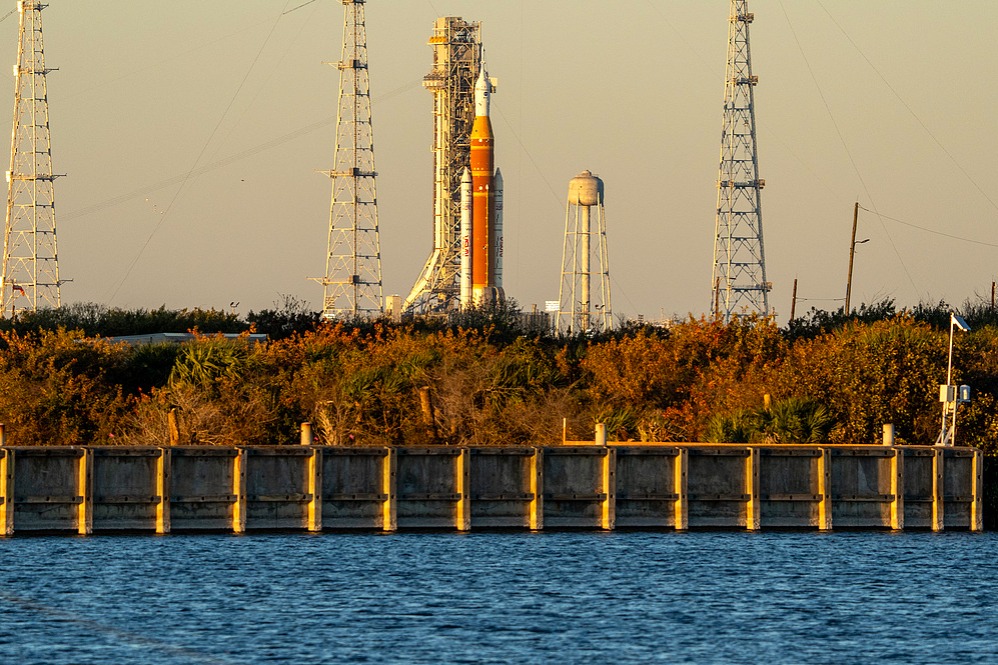
    China inaugurated its 2026 space exploration agenda with two successful rocket launches on Tuesday, marking the commencement of an ambitious year that will feature lunar landings and manned spaceflights. The dual launches demonstrate China’s accelerating capabilities in space technology and satellite deployment.

    The space operations initiated at 10:16 pm with a Long March 6A rocket ascending from the Taiyuan Satellite Launch Center in Shanxi province. The vehicle successfully deployed the Yaogan 50A remote-sensing satellite into predetermined orbit. Developed by the Shanghai Academy of Spaceflight Technology, this advanced satellite will gather critical data to support land resource surveys, agricultural productivity forecasting, and disaster prevention initiatives. The Yaogan satellite series represents China’s primary remote-sensing spacecraft network, with collected data extensively utilized across governmental, public service, and commercial sectors.

    Engineered by the Shanghai academy, the Long March 6A is a medium-lift launch vehicle featuring a 50-meter liquid-propelled core booster augmented by four solid-fuel side boosters. With a substantial liftoff weight of 530 metric tons, this versatile rocket can transport satellites to diverse orbits including sun-synchronous, low-Earth, and intermediate circular trajectories. This mission constituted China’s inaugural space launch of 2026 and the 624th overall flight of the Long March rocket family.

    At 11:25 pm, a second launch featured a Long March 8A carrier rocket lifting off from the Hainan International Commercial Aerospace Launch Center. This coastal spaceport mission successfully deployed the eighteenth cluster of low-orbit satellites for China’s state-operated satellite internet constellation. These satellites, designed and developed by the China Academy of Space Technology, expand the national mega internet satellite network to over 140 operational satellites in low Earth orbit.

    The China Academy of Launch Vehicle Technology-developed Long March 8A stands 50.5 meters tall, incorporating a core booster with two side boosters. Weighing 371 tons at liftoff with approximately 480 tons of thrust, this vehicle primarily delivers satellites to sun-synchronous orbits, capable of transporting payloads up to 7 tons to a typical 700-kilometer altitude sun-synchronous orbit. This mission represented the seventh deployment of low-orbit internet satellites by a Long March 8A rocket.

    Following a record-breaking 2025 with 93 space missions, observers anticipate another busy year for China’s space industry. The upcoming schedule includes multiple launches before January concludes, with the Chang’e 7 lunar mission representing a cornerstone of China’s fourth-phase lunar exploration program. According to the China National Space Administration, this robotic probe will target the moon’s south pole to conduct surface environment surveys, search for ice and volatile components in lunar soil, and perform high-precision analysis of lunar terrain, composition, and structure.

    The Chang’e 7 spacecraft will comprise an orbiter, lander, rover, and an innovative flying probe capable of accessing lunar pits to investigate potential ice deposits. Additionally, 2026 will witness two manned missions—Shenzhou XXIII and Shenzhou XXIV—conducting crew rotations aboard the Tiangong space station. Notably, one Shenzhou XXIII crew member will attempt a year-long orbital residence, establishing a new duration record for Chinese astronauts. Industry sources indicate strong probability for a Pakistani astronaut to participate in a Tiangong mission this year, potentially becoming the first international crew member aboard the Chinese space station.

  • Watch: Moment Nasa astronauts undock from space station

    Watch: Moment Nasa astronauts undock from space station

    In an unprecedented event in the history of space exploration, NASA astronauts executed an emergency undocking procedure from the International Space Station (ISS) due to an undisclosed medical complication. The incident, which prompted the first unscheduled return mission from the orbital laboratory, marks a significant moment in the two-decade-plus operational history of the ISS since its 1998 deployment into Earth’s orbit.

    Video documentation captured the critical moment as crew members initiated emergency protocols, separating their spacecraft from the station under circumstances that space authorities have described as ‘medically necessary’. While specific details regarding the nature of the health concern remain confidential due to privacy considerations, mission controllers emphasized that all safety protocols were successfully implemented.

    The emergency maneuver demonstrates the evolving contingency capabilities of space agencies to address health crises in the extreme environment of space. Medical experts and aerospace engineers had long prepared for such scenarios through rigorous simulation training, though this event represents the first real-world application of these emergency procedures.

    Space health specialists note that the microgravity environment presents unique medical challenges, from altered pharmaceutical effectiveness to fluid distribution changes in the human body. The successful execution of this emergency return provides valuable data for future long-duration missions, particularly those envisioning travel to Mars and beyond, where rapid return to Earth would be impossible.

    The ISS, a collaborative project among multiple space agencies, has maintained continuous human presence since November 2000, serving as both a research laboratory and testbed for technologies enabling future space exploration.