分类: science

  • A photographer finds thousands of dinosaur footprints near Italian Winter Olympic venue

    A photographer finds thousands of dinosaur footprints near Italian Winter Olympic venue

    Italian officials revealed on Tuesday that a wildlife photographer has unearthed one of the most extensive known collections of dinosaur footprints, dating back approximately 210 million years to the Triassic Period. The remarkable discovery occurred in Stelvio National Park, adjacent to Bormio—the designated Alpine skiing venue for the 2026 Milan Cortina Winter Olympics.

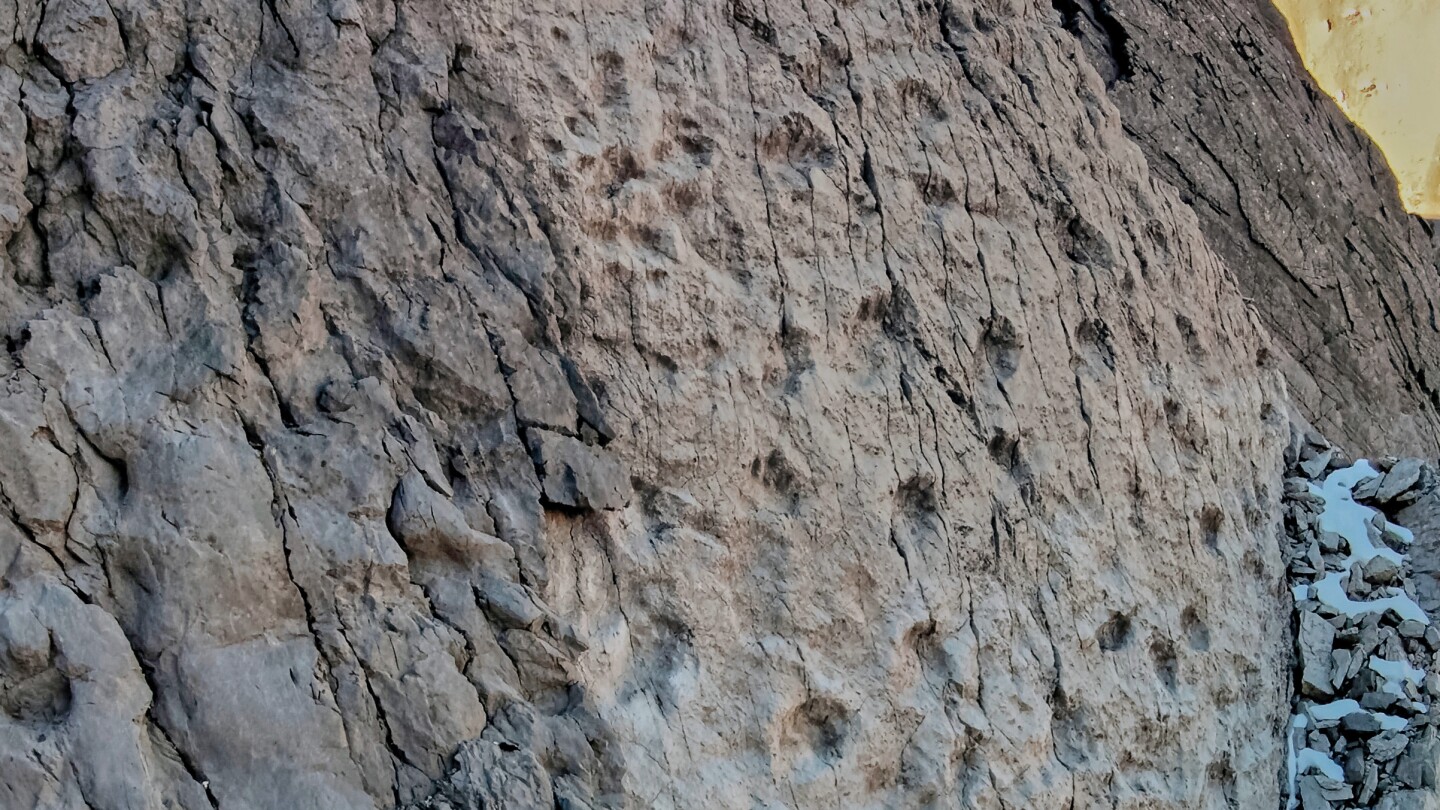
    Experts expressed astonishment at both the quantity and location of the findings. The trackway spans roughly five kilometers (three miles) along the Swiss border region, containing an estimated 20,000 individual footprints in an area previously unknown for dinosaur evidence. This prehistoric coastal zone has now revealed unprecedented paleontological treasures.

    Cristiano Dal Sasso, paleontologist at Milan’s Natural History Museum, described the discovery as surpassing fantasy. Wildlife photographer Elio Della Ferrera initially contacted Dal Sasso after identifying the formations during a September expedition aimed at capturing deer and vultures.

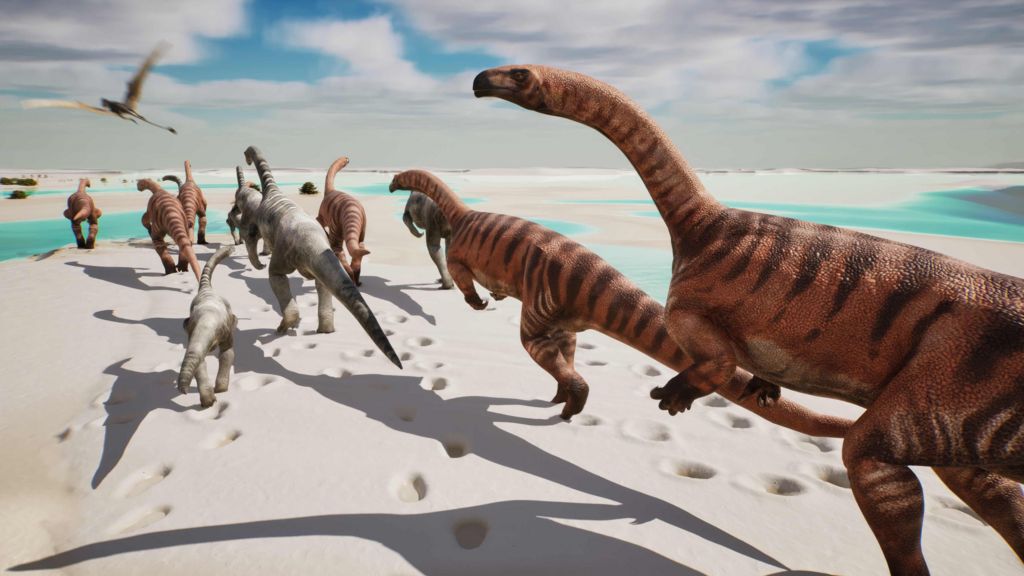
    The impressions were created by long-necked bipedal herbivores measuring up to 10 meters (33 feet) in length and weighing approximately four tons—characteristics comparable to Plateosaurus specimens. Numerous tracks display 40-centimeter widths with clearly visible claw marks.

    Analysis of the patterns indicates social herd behavior, with dinosaurs moving collectively at deliberate paces without evidence of panic or rushing. Circular formations suggest periodic stopping points, potentially serving protective functions against predators.

    The remote discovery site poses significant accessibility challenges, situated 2,400-2,800 meters above sea level on a north-facing rock wall mostly shaded from sunlight. Della Ferrera noted the prints remained inconspicuous without powerful photographic equipment, requiring him to scale a vertical rock face for closer examination.

    Lombardy Regional Governor Attilio Fontana celebrated the find as an unexpected Olympic gift, though winter accessibility remains impractical. No immediate plans for public viewing have been established due to the extreme elevation and rugged terrain surrounding the prehistoric trackway.

  • Thousands of dinosaur footprints found on Italian mountain

    Thousands of dinosaur footprints found on Italian mountain

    A breathtaking paleontological discovery has emerged from Italy’s Stelvio National Park, where researchers have uncovered thousands of dinosaur footprints preserved for 210 million years. The extraordinary find, initially spotted by a photographer on a vertical mountain wall, reveals parallel rows of tracks up to 40 centimeters in diameter with remarkably preserved details of toes and claws.

    Scientific analysis indicates these impressions belong to prosauropods – long-necked herbivores that inhabited the region during the Triassic period when the area functioned as a tidal flat. This prehistoric landscape eventually became incorporated into the Alpine chain through geological processes. The trackway stretches hundreds of meters and presents one of the most complete records of dinosaur movement patterns from this era.

    Milan-based paleontologist Cristiano Dal Sasso expressed astonishment at the discovery, stating, ‘I never would have imagined encountering such a spectacular find in my own region. This location was teeming with dinosaurs; it represents an immense scientific treasure.’ The footprints demonstrate coordinated herd movement with evidence of complex social behaviors, including circular formations that potentially indicate defensive positioning.

    Notably, the discovery includes both bipedal locomotion patterns and occasional handprints, suggesting moments when the creatures paused to rest their forelimbs on the ground. The presence of smaller footprints indicates these herds included juvenile specimens, providing crucial insights into dinosaur family structures and development.

    The remote location, inaccessible by conventional paths, will require drone technology and remote sensing for comprehensive documentation. The Italian Ministry of Culture has emphasized the significance of this discovery occurring near the upcoming Winter Olympics venue, describing it as ‘history paying homage to the greatest global sporting event through a symbolic passing of the baton between nature and sport.’

    Photographer Elio Della Ferrera, who first documented the footprints, highlighted the philosophical implications: ‘This discovery should spark reflection about how little we truly understand the places we inhabit – our home, our planet.’ The findings promise to reshape scientific understanding of dinosaur migration patterns, social behavior, and Triassic ecosystem dynamics in what is now the Alpine region.

  • Scientists alter mast cells to fight cancerous tumors

    Scientists alter mast cells to fight cancerous tumors

    In a revolutionary approach to cancer treatment, researchers at Zhejiang University have successfully transformed mast cells—typically known for triggering allergic responses—into precision weapons against cancerous tumors. This innovative strategy merges targeted immune system activation with advanced drug delivery mechanisms.

    The research, published in the prestigious journal Cell, represents a collaboration between Professors Gu Zhen and Yu Jicheng of Zhejiang University and Professor Liu Fujian of China Medical University. Their work focuses on repurposing mast cells, a type of white blood cell traditionally associated with allergic reactions such as hay fever or food sensitivities, into specialized carriers for oncolytic viruses designed to eliminate cancer cells.

    The scientific breakthrough involves equipping mast cells with immunoglobulin E (IgE) antibodies specifically engineered to recognize unique protein markers on tumor cells. This biological reprogramming effectively converts these cells into precision-guided vehicles that seek out and infiltrate cancerous growths.

    Once these modified mast cells reach their target, they unleash their therapeutic payload through a controlled release mechanism reminiscent of an allergic reaction. This process delivers a concentrated dose of cancer-killing viruses directly to the tumor site while simultaneously activating additional immune defenses, including CD8+ T cells, to join the attack.

    In preclinical studies involving mouse models of melanoma, breast cancer, and metastatic lung cancer, the approach demonstrated significant tumor growth suppression and improved survival rates. Notably, in experiments using patient-derived tumor models with elevated HER2 protein levels (common in certain breast cancers), the treatment triggered robust immune responses and substantial tumor reduction.

    The platform’s adaptability allows for personalized cancer treatment by tailoring IgE antibodies to target patient-specific tumor proteins. Researchers suggest this mast cell technology could also be adapted to deliver other therapeutic agents, including small-molecule drugs or antibodies.

    The research team is currently advancing the technology toward clinical applications, focusing on optimizing production processes, selecting patient-specific IgE antibodies, and exploring combination therapies with existing immunotherapies.

  • La Nina conditions may hit rain, lead to drought

    La Nina conditions may hit rain, lead to drought

    Meteorological authorities warn that eastern and southern regions of China face heightened drought risks throughout winter and into spring 2026 due to persistent La Nina conditions in the equatorial Pacific. While climate experts confirm the unlikely development of a full-scale La Nina event, the existing oceanic cooling pattern continues to disrupt normal precipitation distribution across affected regions.

    The National Climate Center’s monitoring data indicates that La Nina conditions became established in October 2025, characterized by unusually cool sea surface temperatures across the central and eastern equatorial Pacific. According to Zhang Daquan, Deputy Director of the center’s climate prediction division, meteorologists utilize the Nino 3.4 index as the standard measurement for such phenomena, with values dropping below -0.5°C indicating La Nina conditions.

    Climate scientists emphasize the critical distinction between La Nina conditions and official La Nina events. The latter requires the Nino 3.4 index to remain below the -0.5°C threshold for five consecutive months—a duration not expected in the current scenario. Forecast models project the cooling pattern will persist for two to three months before transitioning toward neutral conditions around February or March 2026.

    The meteorological mechanism involves La Nina generating cyclonic circulation anomalies over the western North Pacific and South China Sea. This atmospheric configuration produces prevailing northeasterly winds that impede moisture transport from tropical regions—China’s primary winter vapor source. Consequently, precipitation deficits are anticipated across eastern and southern provinces.

    Contrary to public assumptions linking La Nina with severe winter cold, temperature projections indicate near-average or slightly above-average winter temperatures nationwide. Zhang clarified that multiple factors beyond La Nina—including Arctic sea ice coverage, Eurasian snow accumulation, and natural atmospheric variability—collectively influence China’s seasonal climate patterns.

    The National Climate Center anticipates increased temperature volatility throughout winter, featuring more pronounced alternations between cold spells and warm periods. This variability occurs alongside the predicted precipitation reduction, creating complex weather challenges for agricultural and water resource management sectors.

  • ‘Came straight from the airport’: How 300 UAE residents flocked to desert to spot meteors

    ‘Came straight from the airport’: How 300 UAE residents flocked to desert to spot meteors

    Under the vast expanse of the Al Qudra desert sky, more than 300 UAE residents experienced a celestial marvel on Saturday night as the Geminids meteor shower painted the darkness with thousands of shooting stars. Organized by the Dubai Astronomy Group, the event transformed the dunes into an open-air planetarium where generations gathered until 2am to witness one of nature’s most dazzling astronomical displays.

    The meteor watching brought together enthusiasts from diverse backgrounds, all united by cosmic wonder. Natalia, a Russian expat who relocated to the UAE in 2022, arrived directly from Dubai Airport with her family after flying from London. ‘My granddad was an astronomer, so the stars were always an important part of growing up,’ she shared, emphasizing her desire to pass this astronomical heritage to her children.

    For many families, the event became an educational pilgrimage. Indian-French siblings Riya and Rithi attended with their parents, who previously visited Al Qudra independently for meteor viewing. Their mother, Supriya Aggarwal, explained the philosophical dimension: ‘I want the kids to gain interest in astronomy so they realize our problems are small compared to the universe’s vastness.’ The children handled an actual million-year-old meteorite provided by DAG, valued at thousands of dirhams.

    Chinese expat Ivan, a veteran amateur astronomer with decade-long experience organizing space events in China, found the Dubai gathering particularly impressive. ‘I have never done something like this so far from the city,’ he remarked, noting how the meteors served as timeless travelers from distant cosmic realms.

    The event’s success relied heavily on dedicated volunteers like 12-year-old Safiya, who has assisted DAG for four years, and 16-year-old David, an astrophysics student specializing in telescopic equipment and astrophotography. David described the reward of watching first-time observers: ‘When I see them looking at the sky for the first time, it reminds me of my initial telescope experience.’

    Despite challenges like long queues and occasional clouds, participants captured celestial images through specialized techniques, including smartphone photography through observational telescopes requiring 30-second exposures with night mode enabled. The Geminids shower not only offered visual splendor but also reinforced humanity’s humble place in the cosmos through scientific education and intergenerational storytelling.

  • Study finds Earth’s deep water reservoirs

    Study finds Earth’s deep water reservoirs

    A groundbreaking scientific study has revealed the existence of massive primordial water reservoirs located thousands of kilometers beneath the Earth’s surface, fundamentally reshaping our understanding of the planet’s evolutionary journey. Published in the prestigious journal Science, this research provides unprecedented insights into how water became permanently embedded within the Earth’s geological structure during its formative years.

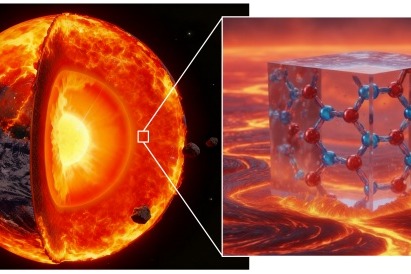
    The international research team, led by Professor Du Zhixue from the Guangzhou Institute of Geochemistry, conducted sophisticated simulations replicating the extreme conditions found 660 kilometers underground. Their experiments demonstrated that bridgmanite—the Earth’s most abundant mantle mineral—possesses remarkable water-retention capabilities even at temperatures reaching 4,100°C, far exceeding previous estimates.

    This discovery challenges conventional scientific wisdom regarding water distribution deep within our planet. The research indicates that early-retained water played a crucial role in transforming Earth from a molten inferno into the habitable world we know today. During the planet’s fiery youth 4.6 billion years ago, when frequent celestial impacts maintained surface temperatures too extreme for liquid water, substantial amounts of water became captured deep within the mantle as molten rock cooled and crystallized.

    The team employed innovative methodologies including laser-generated heat simulations, high-temperature imaging, and atom probe tomography—techniques comparable to providing the microscopic world with ultra high-resolution chemical CT scans. These advanced approaches enabled researchers to visualize water distribution within tiny mineral samples and confirm that water molecules were indeed carried within bridgmanite’s crystalline structure.

    According to the findings, the amount of water retained in the early solid mantle may have reached volumes equivalent to 0.08 to 1 times that of all modern oceans combined. This deeply sequestered water acts not as a static reservoir but as a geological lubricant, reducing the melting point and viscosity of molten rock to promote the slow circulation that drives tectonic plate movement and sustains the planet’s evolutionary vitality.

    Over immense geological timescales, this deeply embedded water gradually migrated back to the surface through magma movement, contributing to the formation of primordial atmosphere and oceans. The research received support from multiple Chinese scientific institutions including the Chinese Academy of Sciences, the National Natural Science Foundation of China, and the Ministry of Science and Technology.

  • Geminid meteor shower seen across China

    Geminid meteor shower seen across China

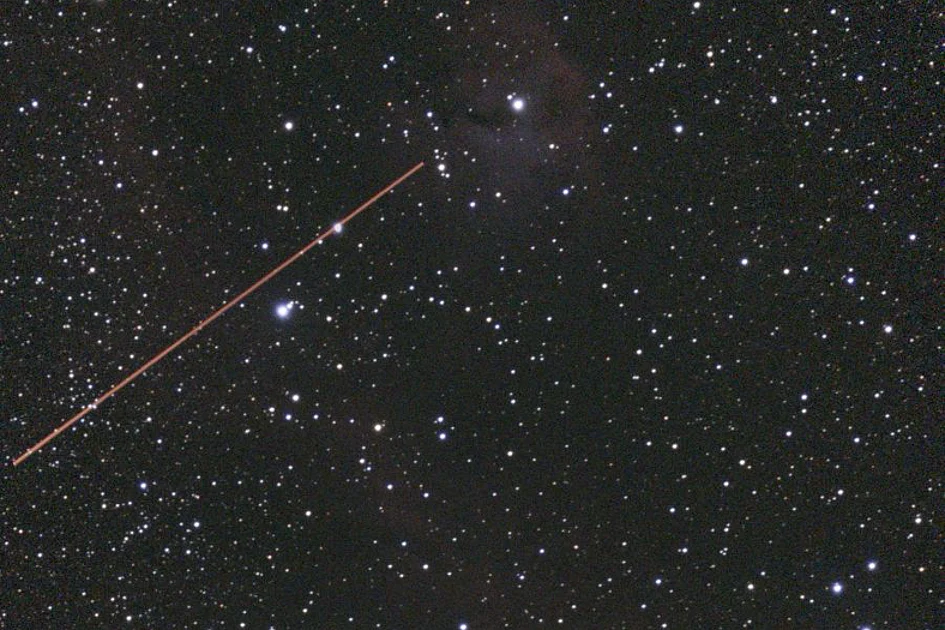
    Stargazers across China were treated to one of nature’s most dazzling celestial displays on Sunday, December 14, 2025, as the annual Geminid meteor shower reached its spectacular peak. The astronomical phenomenon, renowned for its brightness and frequency, painted night skies with streaks of light from the northeastern province of Heilongjiang to various observation points nationwide.

    In Yabuli town of Shangzhi city, Heilongjiang province, photographers captured stunning images of the meteor shower against a crisp winter backdrop. The clear atmospheric conditions in many regions provided optimal viewing opportunities for both amateur astronomers and professional observers alike.

    The Geminids, unique among meteor showers for originating from asteroid 3200 Phaethon rather than a comet, typically produce up to 120 meteors per hour during peak activity. This year’s display maintained its reputation as one of the most reliable and visually impressive meteor showers of the annual astronomical calendar.

    Chinese astronomy enthusiasts and night sky photographers had been anticipating the event for weeks, with many traveling to dark-sky locations away from urban light pollution to witness the phenomenon in its full glory. Social media platforms across China filled with user-shared photographs and videos documenting the celestial spectacle.

    The meteor shower’s visibility across much of China demonstrates the country’s growing public interest in astronomical events and the increasing accessibility of stargazing as a popular recreational activity. Local astronomy clubs and educational institutions had organized viewing events to capitalize on the scientific and educational opportunity presented by the natural light show.

  • Sustainable agriculture in focus at Hainan forum

    Sustainable agriculture in focus at Hainan forum

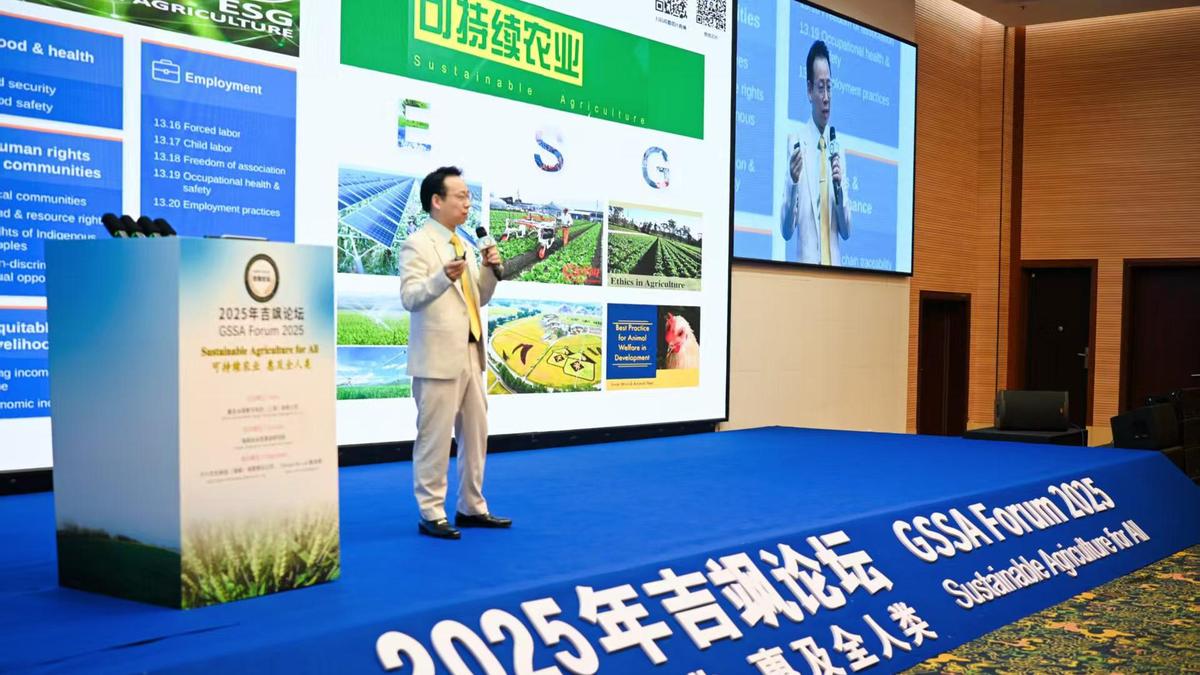
    The 2025 Global Sustainable Agriculture (GSSA) Forum concluded successfully in Haikou, Hainan Province, establishing a comprehensive framework for international cooperation in climate-smart farming practices. Held December 5-6 under the theme “Sustainable Agriculture for All,” the gathering brought together approximately 150 participants including international organization representatives, agricultural diplomats from over ten nations, researchers, entrepreneurs, and farming practitioners.

    The forum’s programming addressed critical challenges including global food security mechanisms, environmental-social-governance (ESG) standards in agriculture, technological innovation deployment, and investment strategies for sustainable development. Sun Xi, founder and secretary-general of the GSSA Forum, emphasized the event’s role in creating practical platforms for global agricultural cooperation while supporting Hainan Free Trade Port’s expanding international functions.

    Distinguished speakers included former UN Under-Secretary-General Noeleen Heyzer, who highlighted the urgent need for empowering small-scale and women farmers through technology-enabled efficiency gains and transformed consumption patterns. “Building fair and resilient food markets requires systemic change toward climate-smart agricultural methods,” Heyzer stated during the plenary session.

    China Institute for Reform and Development President Chi Fulin presented groundbreaking recommendations for urban-rural integration strategies, proposing increased property income for farmers, industrial integration for modernization, and enhanced rural public services. For Hainan’s specific development, Chi advocated for elevated land valuation, collaborative tropical agricultural bases with Guangdong targeting ASEAN markets, and establishing Hainan as a pivotal marine economy hub in China-ASEAN relations.

    The forum officially launched the multidimensional “GSA Ecosystem” comprising five interconnected platforms: forum, club, academy, fund, and alliance. Organizers announced the 2026 forum will convene in April in Hefei, Anhui Province, alongside the International Rural Development Innovation Expo. The event also featured specialized farmer dialogue sessions and four roundtable discussions, followed by December 6 study visits to the Huayang Ocean Research Center and National Institute for South China Sea Studies for exchanges on blue economy governance.

  • Scholars, industry insiders call for a responsible, scientific, credible think tank research system

    Scholars, industry insiders call for a responsible, scientific, credible think tank research system

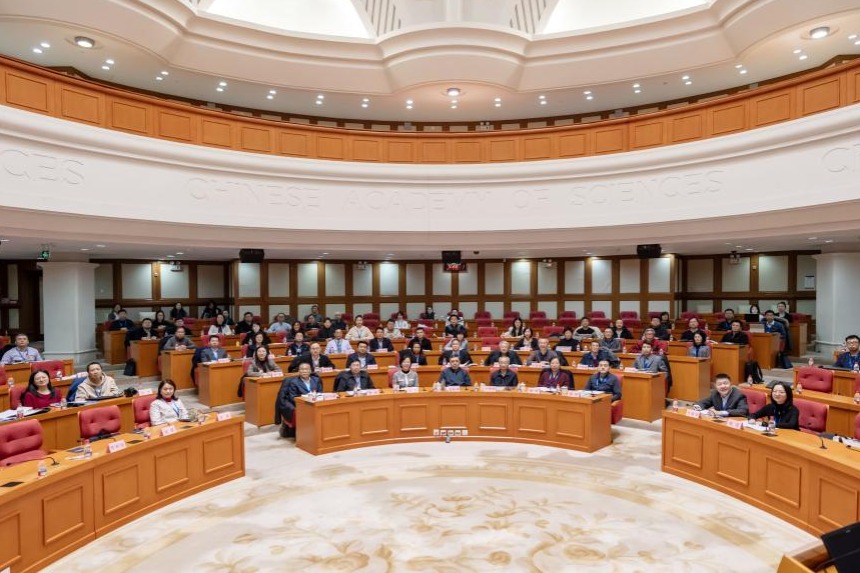
    Academic leaders and research specialists convened in Beijing this weekend to establish comprehensive guidelines for responsible think tank operations in the digital era, with particular emphasis on balancing artificial intelligence capabilities with human intellectual oversight.

    At the forefront of this initiative, the Chinese Academy of Sciences (CAS) has outlined an ambitious roadmap to develop a national high-level scientific think tank by 2030. Professor Pan Jiaofeng, President of the CAS Institutes of Science and Development, emphasized the critical timing of this effort: “As China advances through its modernization journey amid rapid technological transformation, we face increasingly complex decision-making environments that demand unprecedented research quality and accountability.”

    The proposed framework distinguishes think tank research from conventional academic work by prioritizing practical applicability and real-world implementation. Professor Pan noted that responsible research must align with national development objectives while respecting scientific principles and guiding societal expectations toward improved public welfare.

    Health policy expert Chen Jiapeng from the China Population and Development Research Center reinforced the human-centered approach, advocating for inclusive methodologies that ensure representation from even the most remote communities. “While comprehensive coverage requires substantial investment and may initially demonstrate lower efficiency, this approach remains fundamental to achieving equitable development outcomes,” Chen explained, highlighting the necessity of phased implementation and cross-departmental collaboration.

    Operational standards emerged as another critical focus area. Wang Zhenyu of CAS’s Integrated Research Support Centers revealed that the academy’s newly released proposal addresses longstanding challenges including duplicate reporting, authorship confusion, and appropriate AI utilization. The guidelines incorporate both domestic experience and international best practices to standardize research values and output management.

    Petroleum industry economist Wei Xinqiang articulated specific technical requirements, calling for standardized protocols covering quality control, procedural transparency, and data security. While acknowledging AI’s transformative potential in data processing and information gathering, Wei cautioned against over-reliance on technology for strategic formulation. “Insight generation and strategic planning must remain fundamentally human-driven capabilities,” he asserted, pointing to verification challenges with open-source data that necessitate multi-source validation and expert consultation.

  • China’s Kuaizhou-11 Y8 rocket launches space experimental spacecraft into space

    China’s Kuaizhou-11 Y8 rocket launches space experimental spacecraft into space

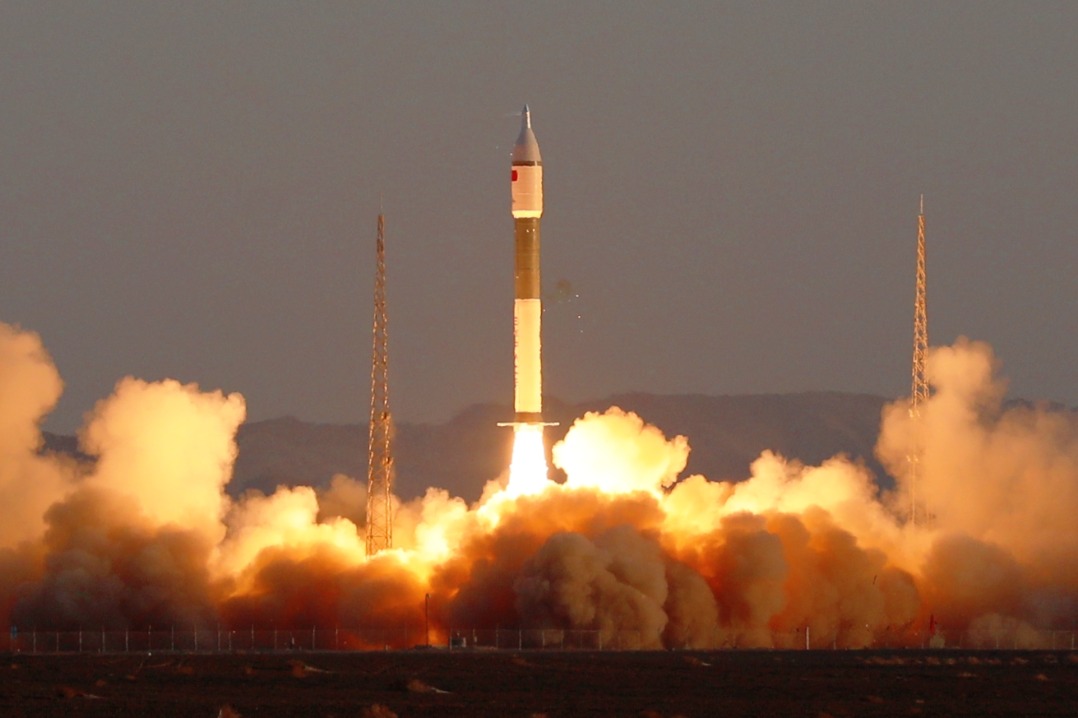
    China’s aerospace program achieved another milestone on Saturday morning with the successful launch of the Kuaizhou-11 Y8 carrier rocket from the Jiuquan Satellite Launch Center in northwest China. The mission, which commenced precisely at 9:08 am Beijing Time, successfully delivered an experimental spacecraft into its predetermined orbit, marking another significant advancement in China’s space capabilities.

    The launch represents the latest achievement in China’s rapidly expanding space program, demonstrating the country’s growing proficiency in satellite deployment and space technology. The Kuaizhou series, known for its quick response capabilities and reliability, continues to serve as a workhorse vehicle for China’s space missions, with this latest launch further solidifying its operational track record.

    While specific details about the experimental spacecraft’s purpose remain undisclosed, the successful deployment underscores China’s commitment to advancing its space research and technological development. The mission adds to an increasingly crowded schedule of Chinese space activities that include satellite deployments, space station operations, and lunar exploration initiatives.

    The Jiuquan Satellite Launch Center, situated in the Gobi Desert, has served as the starting point for numerous Chinese space missions since its establishment in 1958. As China continues to expand its presence in space, these successful launches contribute valuable data and experience that support the country’s broader ambitions in space exploration and technology development.