分类: science

  • Relic dates Jinan founding to around 4,200 years ago

    Relic dates Jinan founding to around 4,200 years ago

    Archaeological excavations in Jinan have fundamentally rewritten the historical timeline of Shandong’s provincial capital, revealing evidence of urban settlement dating back approximately 4,200 years—some 1,500 years earlier than previously established by conventional scholarship.

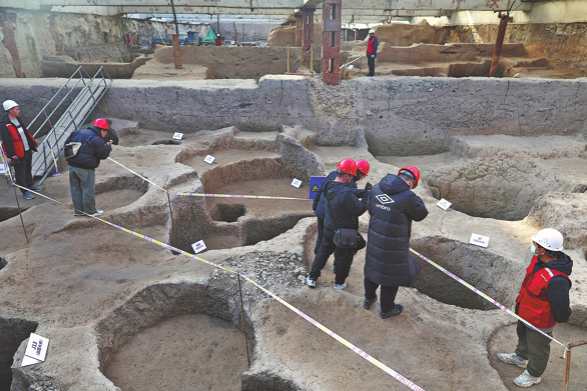
    The groundbreaking discovery emerged during preliminary surveys for a subway project in April 2024, leading to the identification of the Daming Lake Southwest Site. After extensive excavation, archaeologists uncovered a remarkably preserved ancient wall from the Longshan culture period, alongside 206 structural features including defensive fortifications, moats, platforms, and residential foundations.

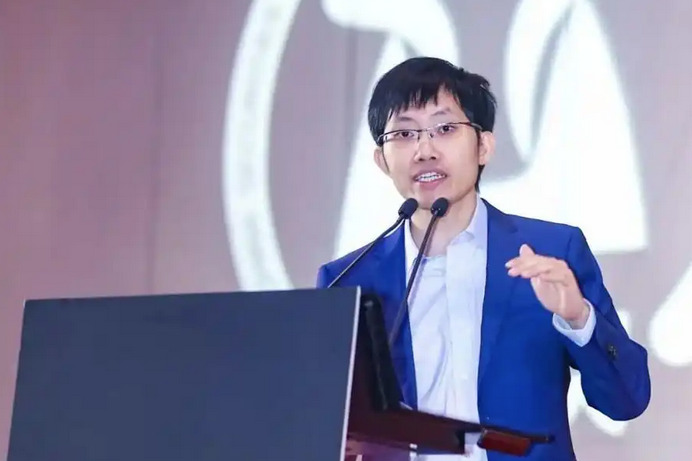
    Professor Luan Fengshi of Shandong University’s School of Archaeology announced during a site press conference: “Carbon-14 dating conclusively places the construction of this Longshan culture city wall around 4,200 years before present, dramatically altering our understanding of Jinan’s origins which was traditionally dated to merely 2,700 years ago.”

    The archaeological team has recovered over 460 artifacts crafted from diverse materials including pottery, porcelain, iron, copper, bone, stone, and wood, supplemented by more than 130 historical coins. Particularly significant are polished black pottery shards, including an exquisitely decorated eggshell-thin piece representing the pinnacle of Longshan craftsmanship.

    A collection exceeding 1,000 boxes of ceramic fragments spans multiple dynasties, from the Dawenkou culture (approximately 5,000 years ago) through the Shang, Han, Tang, and Qing dynasties, providing unprecedented continuity of historical evidence.

    The site features a human-modified moat to the west of the wall, originally a natural river channel measuring over 50 meters wide and nearly 10 meters deep. According to Guo Junfeng, director of Jinan’s archaeology institute, “The stratified silt layers—with Dawenkou pottery at lower levels and Longshan ceramics above—enable us to trace the site’s evolution through millennia.”

    East of the wall, cultural layers indicate sustained urban activity not only during the Longshan period but continuing through the Warring States Period and subsequent dynasties. Additional significant findings include the foundation of a Song Dynasty Buddhist temple, providing physical evidence for researching religious development, temple architecture, and social beliefs of the era.

    The site has undergone comprehensive 3D scanning and digital documentation, with a cross-section of the ancient wall removed for detailed study. Authorities plan to construct an on-site exhibition space to showcase these 4,000-year-old remains and share this revolutionary discovery with the public, according to Ren Xiaorui, deputy director of Jinan’s culture and tourism bureau.
  • Chinese scientists discover how Earth’s deep mantle water made planet habitable

    Chinese scientists discover how Earth’s deep mantle water made planet habitable

    A groundbreaking study conducted by Chinese scientists has fundamentally altered our understanding of how Earth transformed from a primordial magma ocean into a habitable blue planet. Researchers from the Guangzhou Institute of Geochemistry, Chinese Academy of Sciences, have experimentally demonstrated that the planet’s deep mantle served as a massive water reservoir during its formative stages approximately four billion years ago.

    The research, published in the prestigious journal Science on December 12, 2025, addresses a long-standing geological mystery: what happened to Earth’s water during the crystallization of its early magma oceans. The scientific community had previously struggled to explain where this crucial water was stored during the planet’s infancy.

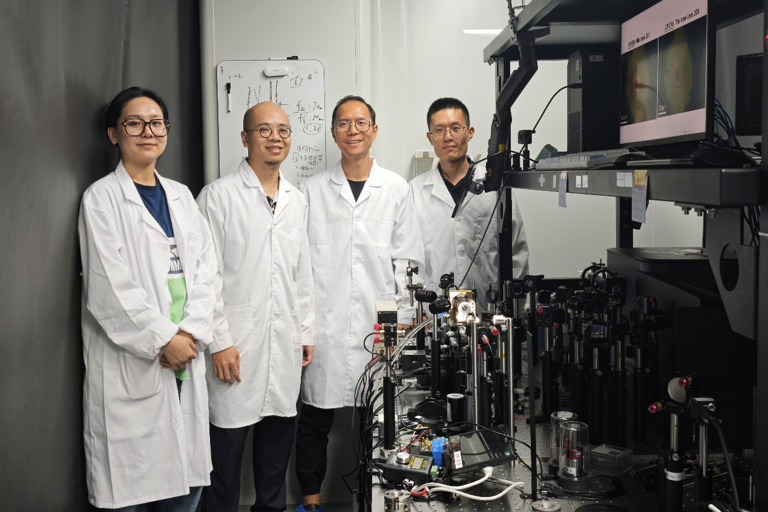
    The key discovery centers on bridgmanite, the predominant mineral in Earth’s lower mantle. Contrary to established scientific belief that this mineral had limited water storage capacity, the Chinese research team discovered that bridgmanite possesses a remarkable temperature-dependent ability to trap water molecules. Using advanced diamond anvil cell technology combined with laser heating systems, the scientists replicated the extreme conditions of the lower mantle—achieving pressures equivalent to depths of 660-2,900 kilometers and temperatures reaching approximately 4,100 degrees Celsius.

    The experiments revealed a surprising paradox: the hotter the environment, the more efficiently bridgmanite captures and retains water during its formation from cooling magma. This temperature-sensitive storage mechanism suggests that during Earth’s early history, when the planet was substantially hotter, bridgmanite could have sequestered enormous volumes of water equivalent to between 0.08 and 1.0 times the volume of all modern oceans combined.

    This primordial water reservoir, locked within the solid mantle for eons, has been gradually cycling back to the surface through volcanic activities over geological timescales. This gradual release played a crucial role in creating Earth’s oceans and establishing the hydrological conditions necessary for life to emerge and flourish. The research provides a comprehensive explanation for Earth’s transformation from a fiery, inhospitable world to the life-sustaining planet we know today.

  • Moment of truth

    Moment of truth

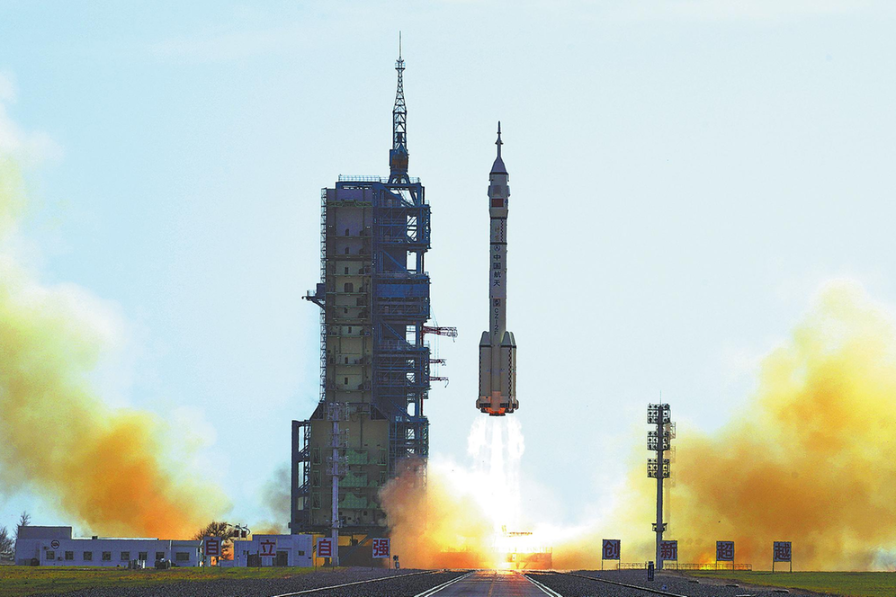
    In an unprecedented display of spaceflight agility, China successfully conducted its first emergency orbital rescue mission with the rapid deployment of the Shenzhou XXII spacecraft on November 25. The remarkable operation commenced at 12:11 pm Beijing time when a Long March 2F Y22 rocket launched from the Jiuquan Satellite Launch Center in Northwest China, carrying the replacement spacecraft to address a critical situation in orbit.

    The emergency response was triggered on November 5 when the Shenzhou XX spacecraft, originally scheduled to return to Earth, sustained damage from suspected space debris impact. Mission controllers detected minute fissures on the return capsule’s viewport window, rendering the vehicle unsuitable for safe re-entry operations.

    Facing this orbital emergency, China’s space program demonstrated extraordinary coordination and technical prowess. Mission command centers immediately activated contingency protocols, mobilizing engineers and scientists across the spaceflight program. The team worked with exceptional efficiency and composure, completing a comprehensive risk assessment and implementing a solution within an astonishing 20-day timeframe.

    The operation involved complex logistical coordination of personnel and equipment, culminating in the successful transfer of crew members from the compromised Shenzhou XX to the newly launched Shenzhou XXII spacecraft. The replacement vehicle successfully separated from its carrier rocket approximately ten minutes after launch, achieving its designated orbit and marking a historic achievement in China’s manned spaceflight capabilities.

    This emergency deployment represents a significant advancement in space mission responsiveness and underscores China’s growing proficiency in handling complex orbital scenarios. The successful execution of such a rapid launch sequence demonstrates remarkable progress in space infrastructure readiness and emergency preparedness, setting a new benchmark for rapid response capabilities in human spaceflight operations.

  • Novel system tracks sandstorms precisely

    Novel system tracks sandstorms precisely

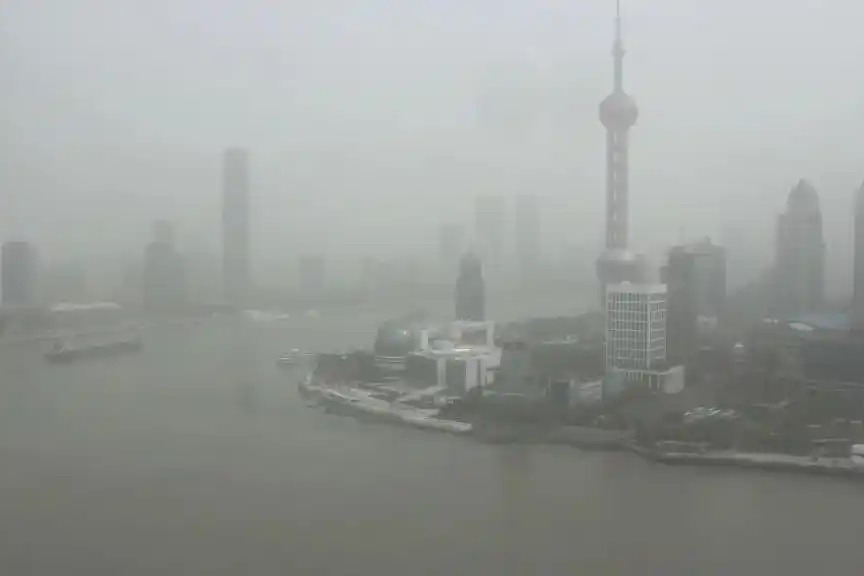
    China has initiated trial operations for an innovative artificial intelligence system that dramatically enhances sand and dust storm forecasting capabilities. Developed by researchers at the Chinese Academy of Meteorological Sciences’ Lanzhou Institute of Arid Meteorology, the advanced model commenced testing in Gansu province during late November 2025.

    The groundbreaking system represents a quantum leap in meteorological technology, improving spatial resolution from 50 kilometers to just 5 kilometers through sophisticated downscaling techniques. This enhancement addresses critical limitations in previous AI models that, while effective for large-scale regional tracking, lacked the precision necessary for localized forecasting and public safety applications in Northwest China’s vulnerable regions.

    Beyond precision, the system delivers unprecedented processing speed. Unlike traditional physics-based models that require supercomputers and extensive processing times, this AI-powered solution operates on standard GPU hardware, generating comprehensive global five-day predictions in under sixty seconds. With eight daily updates, meteorologists now possess significantly more opportunities to monitor and respond to developing storm events.

    Dr. Che Huizheng, a researcher at the academy, emphasized the transformative nature of this development: “This represents a paradigm shift not merely in velocity but in accessibility. We can now execute sophisticated dust forecasts using conventional desktop computing equipment.”

    The system’s capabilities were demonstrated during a late November dust event originating in the southern Xinjiang basin. The AI model successfully detected warning signals two to three days in advance and provided near real-time updates on November 22nd that closely correlated with ground observations as the plume expanded across Ningxia Hui Autonomous Region, Qinghai, Gansu, and other northern territories.

    According to researcher Yue Ping, spring remains the most active period for sandstorm formation due to exposed soil conditions and frequent cold-air activity. Summer and autumn events, primarily driven by long-range transport, present continued forecasting challenges that the new system aims to address through higher-resolution optical data, mass concentration metrics for multiple aerosol types, and dozens of continuously refreshed environmental indicators.

    Meteorological experts suggest the technology could establish a template for international cooperation in regions where dust storms regularly cross national boundaries. The reduced hardware requirements may enable meteorological agencies across Central Asia, North Africa, and the Middle East to implement similar early-warning systems, potentially transforming regional environmental monitoring capabilities.

  • New method devised to save Xizang’s poplar trees from canker

    New method devised to save Xizang’s poplar trees from canker

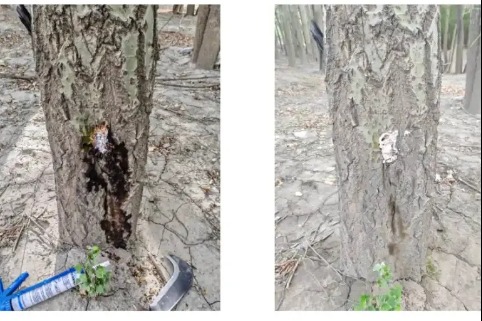
    Scientists from the Chinese Academy of Sciences have pioneered an innovative ecological defense system to protect the Qinghai-Tibet Plateau’s crucial poplar populations from devastating canker disease. Their integrated biocontrol strategy has demonstrated remarkable effectiveness, achieving sustained disease suppression rates exceeding 80% in year-long field trials across Tibet Autonomous Region.

    The research initiative, spanning three years and approximately 35 hectares of poplar plantations, addressed a critical threat to the region’s ecological restoration efforts. Poplars constitute 45% of Tibet’s planted forest area and serve as fundamental components in sand stabilization and carbon sequestration programs. Research confirms these plantations along the Yarlung Zangbo River capture 20-30 metric tons of carbon per hectare, matching national averages despite extreme high-altitude conditions.

    Professor Zhang Gengxin of the Institute of Tibetan Plateau Research explained the environmental challenges: “The combination of low temperatures, drought conditions and intense ultraviolet radiation creates exceptional vulnerability to fungal pathogens that cause bark necrosis, branch failure and complete tree mortality.”

    The scientific breakthrough emerged from meticulous study of diseased tree bark, where researchers isolated antagonistic bacteria with both disease-resistant properties and growth-promoting capabilities. This biological control agent proved highly effective in laboratory and field inoculation experiments. The team discovered optimal results emerged when combining the biocontrol treatment with physical interventions including trunk whitewashing using calcium carbonate and strategic pruning of infected sections.

    Professor Zhang Sheng of Sichuan University’s College of Life Sciences emphasized the importance of ecological diversity: “Mixed-species stands create more diverse soil microbiomes that enhance nitrogen and phosphorus availability through resource complementarity and niche differentiation.”

    Project leader Liang Eryuan highlighted the solution’s environmental advantages: “Our biocontrol agent is not only cost-effective compared to chemical alternatives but poses minimal risk to the plateau’s fragile ecosystems. The methodologies developed provide sustainable models for green plantation management that could benefit forest health globally.”

    The technology’s impending industrialization promises significant enhancements to plantation forest development, potentially strengthening ecological resilience and carbon sink capacity throughout high-altitude regions.

  • Infrared cameras and drones record Tarim red deer in Xinjiang

    Infrared cameras and drones record Tarim red deer in Xinjiang

    In a significant ecological breakthrough, advanced monitoring technology has documented a rare gathering of five Tarim red deer (Cervus elaphus yarkandensis) along the Tarim River banks in Alaer city, Xinjiang Uygur Autonomous Region. This marks the first confirmed sighting of this endangered species group using combined infrared camera and drone surveillance systems.

    The Tarim red deer represents a remarkable desert-adapted subspecies endemic to Xinjiang, distinguished as the world’s exclusive population of red deer capable of surviving in arid environments. These resilient creatures demonstrate extraordinary biological adaptations, enduring extreme temperatures, prolonged drought conditions, and highly saline-alkaline terrain. Their survival capabilities include consuming heavily mineralized water sources and maintaining a diverse dietary range, establishing them as critical indicator species for assessing overall ecosystem health within the Tarim River Basin.

    Professor Wang Zhichao of Tarim University’s School of Life Sciences and Technology emphasized the sighting’s conservation significance, attributing this success to comprehensive ecological management initiatives throughout the river basin. The expansion of ecological barriers along the adjacent Taklimakan Desert has further contributed to creating favorable habitats for wildlife rehabilitation.

    Current ecological surveys indicate the basin now supports 249 distinct wildlife species, with populations demonstrating sustained growth patterns. Among these, 50 species enjoy national protected status, reflecting China’s strengthened commitment to biodiversity conservation and habitat restoration efforts in ecologically sensitive regions.

  • Huge undersea wall dating from 5000 BC found in France

    Huge undersea wall dating from 5000 BC found in France

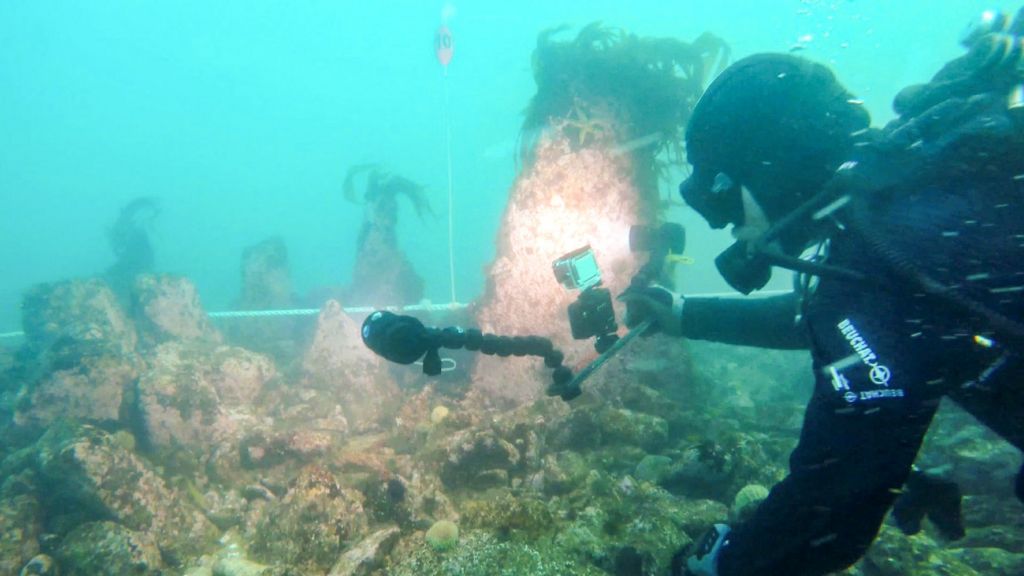
    French marine archaeologists have uncovered a monumental submerged structure off the coast of Brittany, revealing sophisticated engineering from a prehistoric society that vanished beneath rising seas approximately 7,000 years ago. The massive 120-meter (394-foot) wall, constructed around 5,000 BC, represents the largest underwater construction ever discovered in France and may provide the historical basis for ancient Breton legends of sunken cities.

    The structure, located off the Ile de Sein at Brittany’s western extremity, now rests under nine meters of water but originally stood at the shoreline between high and low tide marks. With an average width of 20 meters and height of 2 meters, the wall features an impressive construction technique involving large granite standing stones arranged in two parallel lines that protrude above the main structure. These monoliths were strategically placed on bedrock before being surrounded by carefully arranged slabs and smaller stones, creating a durable design that has withstood millennia of marine conditions.

    Archaeologists propose two primary theories for the wall’s function: an elaborate fish-trapping system or a protective dyke against rising sea levels. If used for fishing, the protruding monoliths would have supported a network of sticks and branches that captured fish as tides receded. The sheer scale of the construction—weighing approximately 3,300 tonnes—indicates it was built by a substantial, organized community with advanced technical capabilities for its time.

    The discovery emerged after local geologist Yves Fouquet identified anomalous features on underwater depth charts created with advanced radar technology. Subsequent archaeological investigations in 2022 confirmed the artificial nature of the structure, though researchers had to wait until winter when seaweed coverage diminished to properly map the site.

    Notably, the wall’s construction predates the famous Neolithic menhirs that dot the Brittany landscape, suggesting possible knowledge transfer between older Mesolithic hunter-gatherers and incoming Neolithic agricultural populations. According to archaeologist Yvan Pailler, this finding challenges previous assumptions about the technological capabilities of prehistoric societies.

    In a paper published in the International Journal of Nautical Archaeology, researchers speculate that such submerged sites may have inspired local legends of sunken cities, particularly the myth of Ys believed to lie in the nearby Bay of Douarnenez. The rapid sea level rise that submerged this developed territory likely left a profound cultural memory that persisted through generations, eventually evolving into the mythological narratives that endure in Breton folklore today.

  • Photo of Qinglong Mountain egg fossil featured in top chemistry publication for groundbreaking dating research

    Photo of Qinglong Mountain egg fossil featured in top chemistry publication for groundbreaking dating research

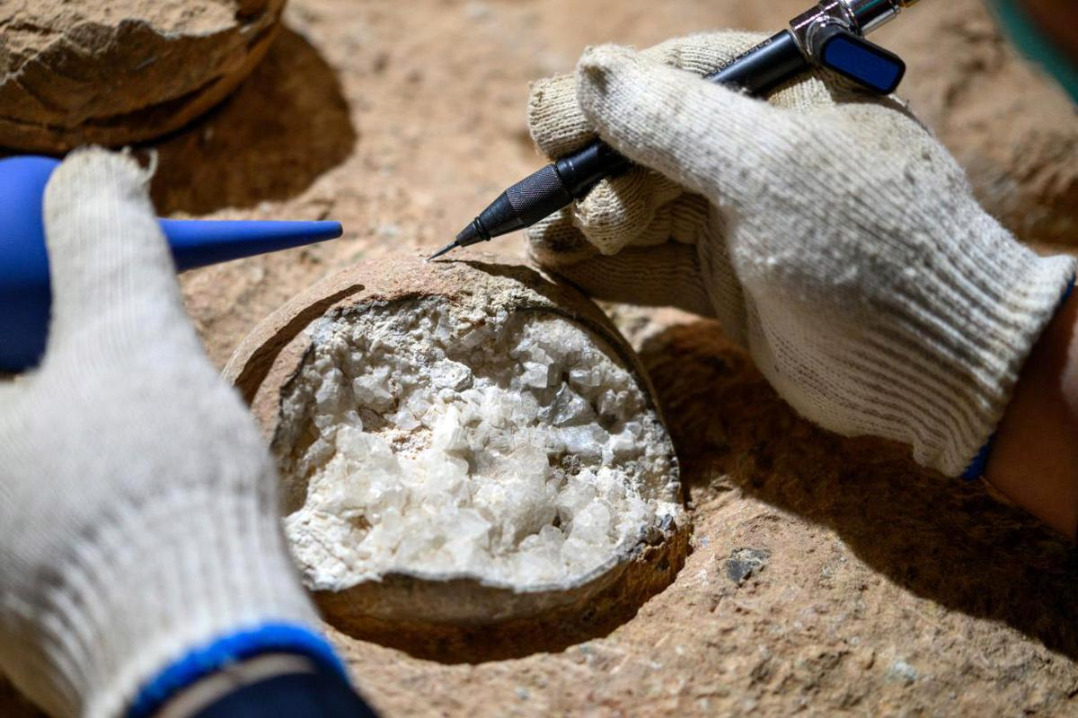
    A groundbreaking scientific achievement from China’s Qinglong Mountain has received international acclaim in the field of chemistry. The prestigious publication Chemical & Engineering News has featured a crystalline dinosaur egg fossil discovery from Shiyan, Hubei province, in its annual “The Year in Chemistry Through Pictures” collection, recognizing it as exemplary of how chemistry enhances our understanding of the natural world.

    The selection, announced on December 2, 2025, highlights the most influential chemical developments globally. The recognition stems from pioneering research led by Zhao Bi, a senior engineer at the Hubei Institute of Geosciences in Wuhan, who emphasized the study’s significant innovation in geochronological methodology.

    This research represents the first successful application of isotopic geochronology to biogenic eggshell minerals, establishing a novel approach for dating dinosaur fossils. The breakthrough provides unprecedented capabilities for refining our understanding of Cretaceous environments and evolutionary timelines. The technique offers new perspectives on dinosaur ecology and extinction causes, potentially revolutionizing paleontological dating methods.

    The fossil’s inclusion among the year’s most notable chemical achievements underscores China’s growing contribution to advanced scientific research and international scientific collaboration, demonstrating how chemical analysis can unlock mysteries of prehistoric life.

  • Progress grows on seed vault project in Xiong’an

    Progress grows on seed vault project in Xiong’an

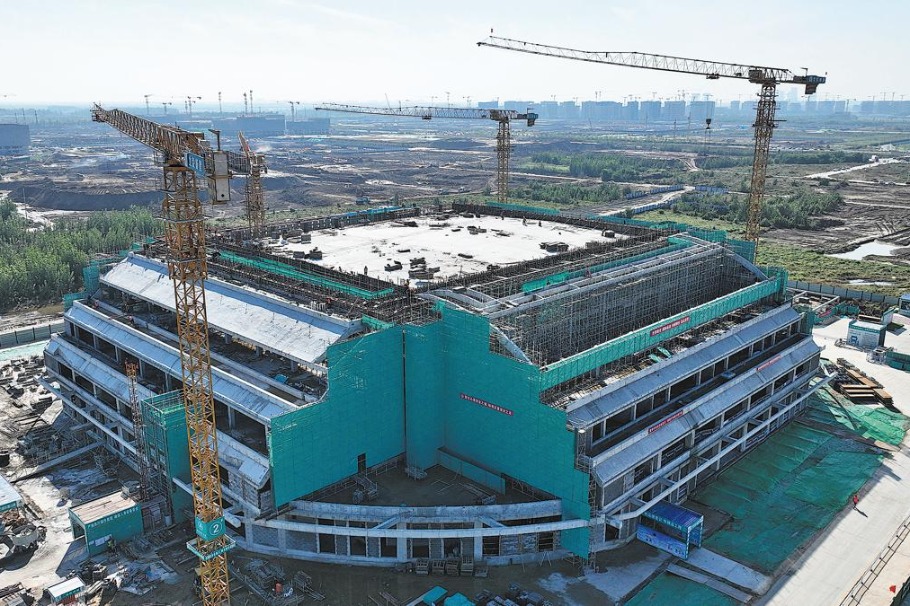
    A significant advancement in China’s ecological conservation infrastructure has been achieved with the structural completion of the National Facility Preservation Bank for Forestry and Grassland Germplasm Resources in Xiong’an New Area. This state-of-the-art facility, projected to become operational by 2028, represents a groundbreaking initiative in preserving the nation’s botanical biodiversity against escalating environmental threats.

    Professor Wang Jun, deputy director of the facility’s operation center at Beijing Forestry University, characterizes the project as a comprehensive biological insurance system. “This facility functions as a secure repository for forest and grass genetic materials,” Wang explained. “When plant species face extinction from climate change, pathogens, or other ecological disasters, we maintain the capability to restore them using preserved germplasm resources.”

    The Xiong’an preservation bank serves as the central node within a national network comprising one primary facility and six subsidiary banks. Jointly developed by the National Forestry and Grassland Administration and the Ministry of Education, with operational management delegated to Beijing Forestry University, the institution will coordinate nationwide conservation efforts for critical plant genetic materials.

    Engineering the facility presented extraordinary technical challenges due to the immense diversity of plant biological characteristics. “Preservation requirements vary tremendously across species,” Wang noted. “Genetic materials range from seed specimens comparable to sports balls in size to those resembling fine sand particles. Certain species produce no seeds whatsoever, necessitating alternative preservation methods including dormant buds, DNA archives, and in-vitro plant cultures.”

    Innovative architectural solutions address these complexities through specialized functional zones equipped with advanced preservation technologies. The facility incorporates cryogenic storage units, DNA banking systems, and intelligent greenhouse environments capable of maintaining optimal conditions for diverse plant species.

    The Xiong’an bank pioneers systematic germplasm collection based on geographical variations within species—a critical innovation given China’s complex ecosystems. “Long-term evolutionary adaptation has created distinct genetic variations across different regions,” Wang emphasized. “A southern seed variety may lack drought resistance necessary for northern climates, while high-altitude plants could perish in low-altitude environments. Our collection strategy captures this essential genetic diversity through comprehensive geographical sampling.”

    Advanced technologies including big data analytics and artificial intelligence will enhance the facility’s operations, enabling field researchers to accurately identify species and their unique variants. Upon completion, the institution will implement intelligent sensing and automated preservation systems, establishing complete informational management throughout the germplasm collection, preservation, and distribution processes.

    This national biodiversity safeguard system will ultimately provide resilient ecological restoration capabilities across China’s varied landscapes, ensuring appropriate genetic resources are available for ecosystem rehabilitation anywhere in the country.

  • 2 Chinese pioneers honored by Nature

    2 Chinese pioneers honored by Nature

    Two Chinese scientists have earned prestigious recognition from Nature magazine, securing positions on the publication’s annual list of ten individuals who have significantly influenced scientific progress in 2025. The honorees include AI innovator Liang Wenfeng and geoscientist Du Mengran, representing breakthroughs in artificial intelligence and deep-sea exploration respectively.

    Liang Wenfeng, founder of DeepSeek and described by Nature as a ‘tech disruptor,’ revolutionized the artificial intelligence landscape through his development of an exceptionally powerful yet cost-effective large language model. His groundbreaking approach demonstrated that the United States’ lead in AI technology was not as substantial as previously believed. In an unprecedented move, Liang made his model’s weights openly accessible—the first major AI developer to do so—enabling researchers worldwide to freely download, study, and build upon his work.

    This open-access philosophy has proven transformative, accelerating global AI development as competing companies felt compelled to release their own open models. According to research published by Liang in Nature this September, his model exhibits exceptional problem-solving capabilities as a reasoning model while maintaining remarkably low training costs. The entire development process for the basic model required just $6 million, substantially less than comparable projects from rival organizations.

    Meanwhile, Du Mengran, a geoscientist from the Institute of Deep-sea Science and Engineering at the Chinese Academy of Sciences, earned her designation as a ‘deep diver’ through pioneering work in the hadal zone—the ocean’s deepest layer extending beyond 6,000 meters. Currently leading a new expedition, Du emphasized that deep-sea exploration presents challenges even more formidable than space exploration.

    Du’s recognition stems from her discovery of Earth’s deepest known chemosynthetic ecosystems during last year’s expedition using China’s advanced Fendouzhe submersible. Through 24 dives averaging six hours each, Du and her colleagues documented survival mechanisms that could revolutionize life sciences research and enhance understanding of the global carbon cycle.

    She credited China’s strategic foresight in deep-sea research over the past decade, including the development of specialized diving equipment, creation of novel materials, and leadership in global trench exploration programs. ‘This honor belongs not to me alone but to the entire hadal exploration team,’ Du stated, emphasizing the collaborative nature of scientific discovery. Her ongoing expedition continues the principle that understanding the unknown requires direct observation and experience.