分类: science

  • Japan’s new flagship H3 rocket fails to put geolocation satellite into orbit

    Japan’s new flagship H3 rocket fails to put geolocation satellite into orbit

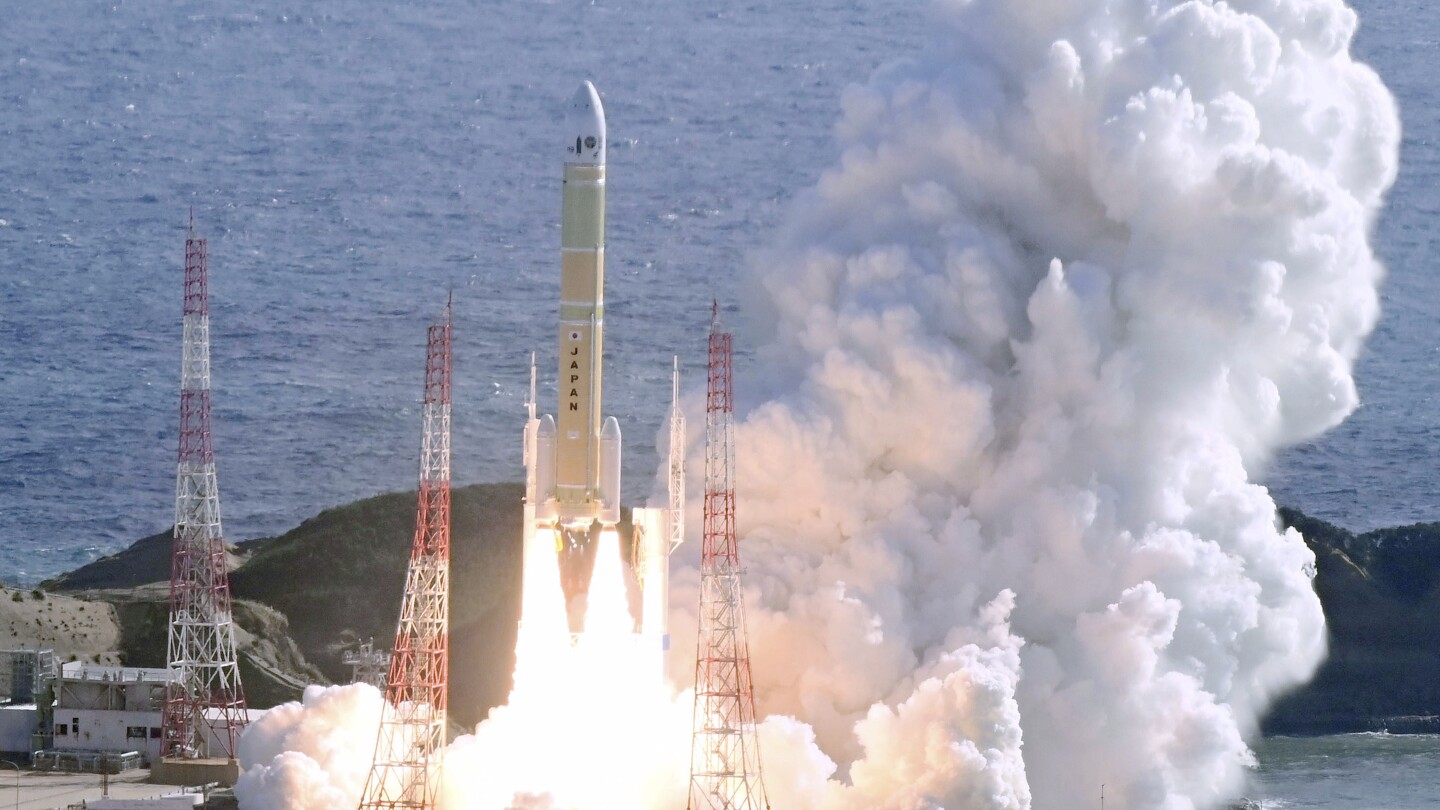
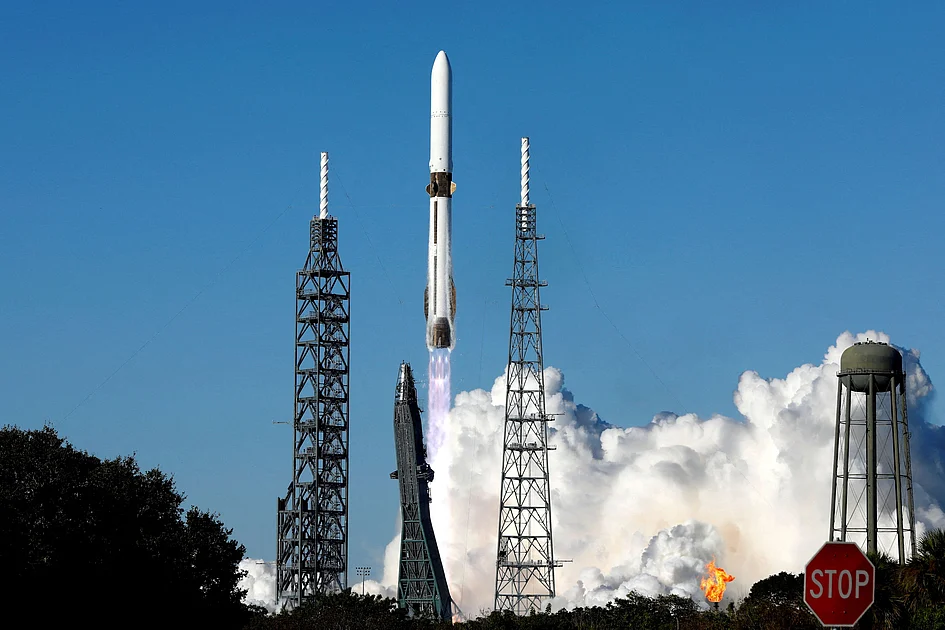
    Japan’s ambitious space program suffered a significant setback Monday when its flagship H3 rocket failed to deliver a crucial navigation satellite into orbit. The Japan Aerospace Exploration Agency (JAXA) confirmed the mission failure after the rocket’s second-stage engine experienced an unexpected premature cutoff during its flight from the Tanegashima Space Center.

    The H3 rocket, carrying the advanced Michibiki 5 satellite intended to enhance Japan’s independent positioning capabilities, encountered critical technical issues moments after launch. JAXA officials revealed that the satellite separation could not be confirmed, leaving the payload’s whereabouts unknown. This marks the second failure for Japan’s next-generation launch vehicle following its problematic debut flight in March 2023.

    Masashi Okada, JAXA’s launch director, stated that investigators are analyzing flight data to determine the exact cause of the engine malfunction. The failure represents more than just a technical setback—it delays Japan’s strategic plans to establish a fully independent satellite positioning system that would reduce reliance on America’s GPS network for critical applications including smartphone navigation, maritime operations, and drone technology.

    The Japanese government responded immediately to the incident, with Science Ministry official Jun Kondo calling the failure “extremely regrettable” and establishing a special task force to investigate the cause and implement corrective measures. The H3 rocket, designed to replace Japan’s highly reliable H-2A launcher, represents a cornerstone of the country’s strategy to become more competitive in the global space market while enhancing national security capabilities.

    Despite this setback, JAXA’s H3 project manager Makoto Arita emphasized the rocket’s potential for global competitiveness, vowing to thoroughly investigate the failure and return the program to operational status. The incident occurred just five days after JAXA aborted a previous launch attempt due to ground equipment abnormalities, highlighting the challenges facing Japan’s space ambitions.
  • Researcher reveals secrets of early life on Earth

    Researcher reveals secrets of early life on Earth

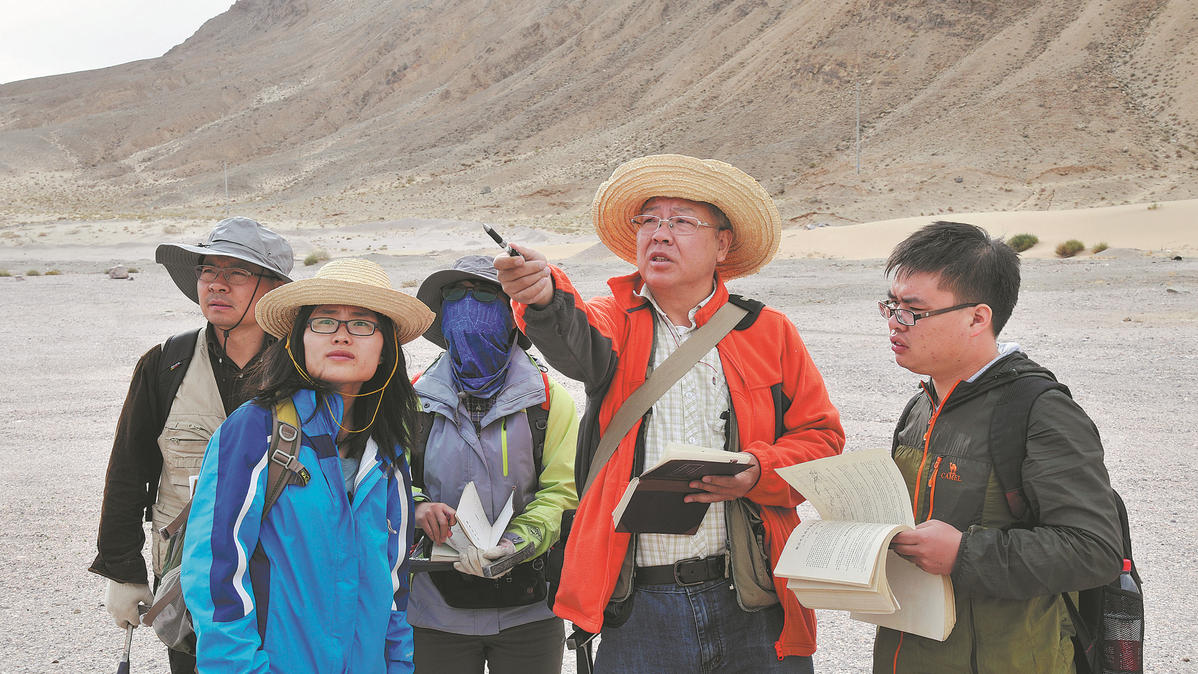
    In a remarkable scientific journey that began with childhood mountain dreams, Professor Zhu Maoyan has revolutionized our understanding of early life on Earth, culminating in his recent election as an academician of the Chinese Academy of Sciences—China’s highest scientific honor. The world-renowned paleontologist, whose work recently earned a spot in Science magazine’s 2024 Top 10 Scientific Breakthroughs, has dedicated his career to unraveling the mysteries of multicellular life that predate the Cambrian explosion.

    Zhu’s extraordinary path to paleontological prominence started in Wangjiang county, Anhui province, where a high school classmate’s casual remark about geologists climbing mountains daily sparked his imagination. This simple fascination led him to Changchun College of Geology in the 1980s, where he specialized in paleontology due to its connection to biology. His academic pursuit continued at the Nanjing Institute of Geology and Paleontology, where he began his professional research career studying the internationally significant Chengjiang fossils—518-million-year-old specimens that provide unprecedented insight into ancient marine ecosystems.

    Fieldwork presented early challenges that tested Zhu’s determination. During his first expedition to Yunnan’s remote fossil sites, he endured arduous travel conditions and treacherous mountain terrain, once climbing a steep slope during a rainstorm with such intense focus that he used both hands and feet to secure his position while searching for fossils.

    After advanced research in Germany as a visiting scholar at the Technical University of Berlin from 1997-1999, Zhu returned to China through the Chinese Academy of Sciences’ talent program. He established his own research team at the Nanjing Institute, where decades of systematic investigation have yielded transformative discoveries.

    The team’s most significant breakthrough came when Zhu guided doctoral student Miao Lanyun in discovering over 200 multicellular eukaryote fossil specimens in North China’s Yanshan Mountain region. These 1.63-billion-year-old fossils pushed back the appearance of complex multicellular life by 70 million years, fundamentally altering scientific understanding of evolutionary timelines. This finding demonstrates that eukaryotes developed multicellularity much earlier than previously believed, challenging the assumption that they remained single-celled for approximately one billion years.

    Zhu emphasizes that paleontology satisfies humanity’s fundamental curiosity about origins while encouraging international collaboration. ‘Our perspective is global,’ he notes, highlighting that each continent possesses unique fossil resources that require multinational cooperation to fully utilize.

    Now 61, Zhu continues to lead research exploring three primary areas: extending the study of complex life to earlier periods, investigating life’s origins and potential extraterrestrial life, and deepening understanding of the Cambrian explosion. He encourages young scientists to follow their passions rather than external pressures, stating: ‘When you believe something is worth doing and have the interest to support it, you won’t feel it is arduous.’

    With China’s increased investment in paleontological research and expanding museum infrastructure, Zhu anticipates continued growth in the field, inspiring new generations to pursue scientific curiosity about life’s deepest mysteries.

  • Sky’s no limit: Wheelchair user flies to space for the first time

    Sky’s no limit: Wheelchair user flies to space for the first time

    In a groundbreaking achievement for space accessibility, German engineer Michaela Benthaus became the first wheelchair user to journey beyond Earth’s atmosphere aboard Blue Origin’s New Shepard spacecraft on Saturday, December 20, 2025. The historic 10-minute suborbital flight, launching from Texas at 8:15 AM local time (1415 GMT), successfully crossed the Kármán line—the internationally recognized boundary of space.

    Benthaus, an aerospace and mechatronics engineer with the European Space Agency who uses a wheelchair following a spinal cord injury from a mountain biking accident, emphasized the symbolic importance of her mission. ‘After my accident, I truly comprehended how inaccessible our world remains for people with disabilities,’ she stated in a pre-flight recording. ‘If we aspire to build an inclusive society, we must embrace inclusivity in every domain—not merely in selected areas we prefer.’

    The fully automated mission represents Blue Origin’s 16th crewed flight in its space tourism program, though ticket pricing remains undisclosed to the public. The New Shepard rocket ascended vertically before its passenger capsule detached at altitude and descended gracefully via parachute systems to the Texas desert.

    This milestone flight occurs amid intensifying competition among private space enterprises, with Blue Origin simultaneously advancing its orbital capabilities using the more powerful New Glenn rocket, which has completed two uncrewed orbital tests this year. The company has previously transported notable figures including pop icon Katy Perry and actor William Shatner, leveraging high-profile participants to sustain public engagement with commercial space travel.

  • Engineer becomes first wheelchair user to go to space

    Engineer becomes first wheelchair user to go to space

    In a groundbreaking achievement for space accessibility, German engineer Michaela Benthaus has become the first wheelchair user to journey beyond Earth’s atmosphere. The historic milestone occurred aboard Blue Origin’s New Shepard spacecraft on Saturday, marking a significant step toward inclusive space exploration.

    Seven years after a mountain biking accident resulted in a spinal cord injury, Benthaus—an employee at the European Space Agency—refused to abandon her astronaut dreams. She initiated contact with retired SpaceX manager Hans Koenigsmann through digital channels, posing a fundamental question: Could someone with her physical circumstances still venture into space?

    This inquiry sparked an extraordinary collaboration that culminated in a meticulously planned 10-minute suborbital flight. The mission launched from Blue Origin’s Texas facility at 14:15 GMT, carrying Benthaus and five fellow passengers beyond the Kármán line, the internationally recognized boundary of space.

    Blue Origin implemented specialized ground support equipment to facilitate Benthaus’ autonomous transition from her wheelchair to the capsule via an extended bench mechanism. Koenigsmann occupied adjacent seating throughout the journey, prepared to provide assistance if necessary though his intervention proved unrequired.

    ‘It was the coolest experience!’ Benthaus exclaimed following the successful landing. ‘I didn’t only appreciate the breathtaking view and weightlessness, but also the ascent itself—every stage proved incredibly thrilling.’

    The mission represents Blue Origin’s 16th suborbital tourism launch, though the financial arrangements remain undisclosed. Phil Joyce, senior vice-president of New Shepard, emphasized the flight’s symbolic importance: ‘Michi’s journey carries profound significance, demonstrating that space accessibility should encompass everyone. We take immense pride in facilitating her dream.’

    This landmark flight occurs amid intensifying competition among private aerospace firms striving for dominance in the emerging space tourism sector. Benthaus’ accomplishment establishes a new precedent for inclusivity beyond Earth’s atmosphere, challenging conventional perceptions of astronaut qualifications and expanding possibilities for disabled individuals in space exploration.

  • China’s top specimen event lands in Shanghai

    China’s top specimen event lands in Shanghai

    Shanghai is currently hosting the nation’s most prestigious biological specimen exhibition, showcasing exceptional works from across China. The 6th China Animal Specimen Competition officially opened its doors on December 20, 2025, at the China-Israel (Shanghai) Innovation Hub in Putuo District.

    The event features 738 carefully selected entries, with the exhibition running through March 2026, offering free public access to these remarkable scientific artworks. Among the standout contributions is a project by a seventh-grade student from Tianjin, who created a detailed specimen from a crucian carp rescued from a local vegetable market. This young participant’s work demonstrates how practical specimen preservation serves as both scientific practice and conservation advocacy.

    Experts at the event emphasized the broader significance of specimen preservation, noting that each preserved specimen represents a conserved natural resource. The competition not only highlights technical excellence in taxidermy and preservation techniques but also fosters public awareness about biodiversity conservation and environmental stewardship.

    The exhibition provides a unique platform for scientists, educators, students, and the general public to engage with natural history preservation. By bringing together works from professional institutions and amateur enthusiasts alike, the event bridges the gap between academic research and public education in the biological sciences.

  • Chinese researchers reveal how urban heat sources intensify extreme heat events

    Chinese researchers reveal how urban heat sources intensify extreme heat events

    A groundbreaking study from Chinese scientists has elucidated the critical role of urban surface heat sources in amplifying extreme heat phenomena within major metropolitan clusters. Researchers at the Northwest Institute of Eco-Environment and Resources (NIEER), operating under the Chinese Academy of Sciences, have systematically analyzed how urbanization patterns interact with atmospheric energy dynamics to exacerbate compound high-temperature events.

    The investigation focused on China’s four primary urban agglomerations: the Beijing-Tianjin-Hebei region, Pearl River Delta, Yangtze River Delta, and Chengdu-Chongqing economic zone. Through comprehensive statistical analysis, the research team documented distinct seasonal and spatial patterns in surface heat distribution, revealing a consistent “strong in summer, weak in winter” cyclical pattern across all regions.

    Notably, the study identified significant regional variations in heat distribution. The Beijing-Tianjin-Hebei region demonstrates stronger southern heat sources with northern areas occasionally transforming into thermal sinks during winter months. Conversely, the Yangtze River Delta exhibits concentrated heat sources along river networks, while major cities surprisingly manifest lower surface heat levels than surrounding areas.

    Research lead Gao Xiaoqing emphasized that these thermal patterns result from complex interactions between topography, climatic conditions, and urbanization intensity. The findings demonstrate that while surface heat sources substantially influence the frequency of compound extreme heat events, their effect on event intensity remains comparatively limited.

    Published in the prestigious journal Science China Earth Sciences, this research provides crucial insights for urban planning and climate resilience strategies. The identification of specific heat distribution mechanisms enables more targeted approaches to mitigating urban heat island effects and protecting public health during extreme temperature events.

  • China’s clean power shift hailed as scientific breakthrough, spotlighting global leadership

    China’s clean power shift hailed as scientific breakthrough, spotlighting global leadership

    China’s unprecedented transformation toward renewable energy has received prestigious international recognition, with leading scientific journals Science and Nature both highlighting the nation’s clean power transition as one of 2025’s most significant scientific milestones. According to their recent publications, China’s massive renewable expansion has effectively stalled the growth of greenhouse emissions domestically while accelerating the possibility of a global carbon peak.

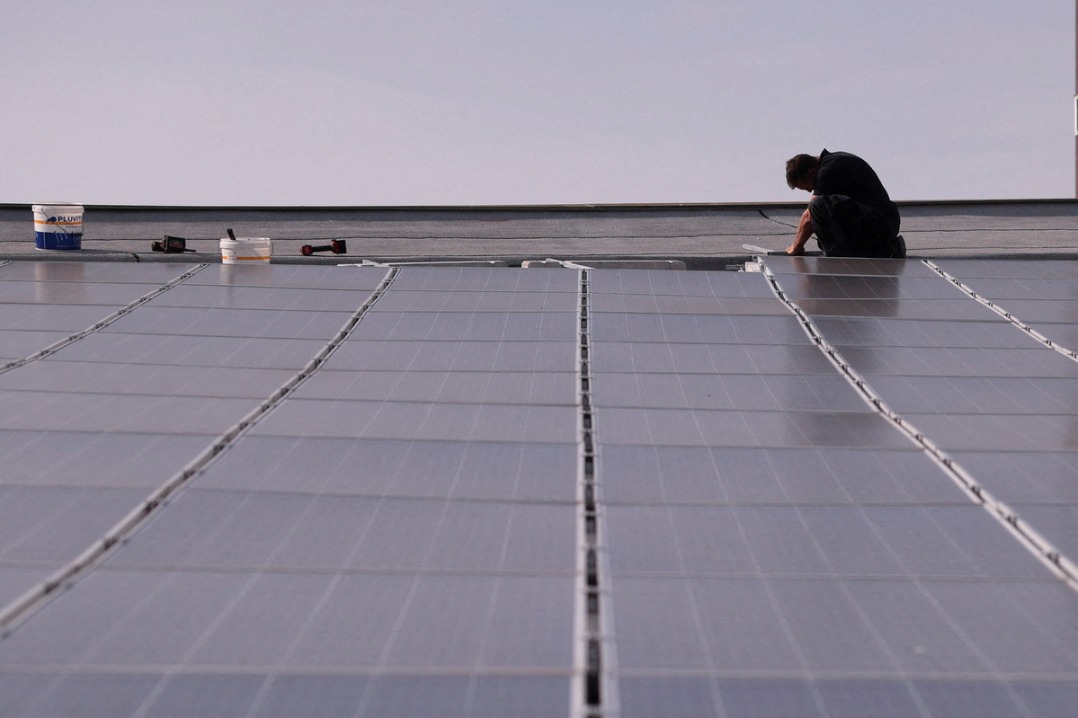
    Science magazine specifically designated China’s renewable energy surge as the 2025 Breakthrough of the Year, attributing this achievement to the country’s formidable industrial capacity. The journal reported that China currently manufactures 80% of global solar cells, 70% of wind turbines, and 70% of lithium batteries at unmatched competitive prices.

    Supporting this assessment, Nature magazine featured China’s clean energy accomplishments among its ‘feel-good science stories to restore faith in 2025,’ noting that renewables have overtaken coal as the world’s primary energy source for the first time. This shift was propelled by China’s remarkable achievement of surpassing 1 terawatt of installed solar capacity in May 2025. During the first half of the year alone, China installed new solar systems with twice the capacity of the rest of the world combined.

    The statistics demonstrate extraordinary growth: China’s wind and solar capacity exceeded thermal power for the first time in history by March, reaching 1.67 billion kilowatts by June—13.6% higher than thermal power capacity. Over the past five years, China has developed the world’s largest and fastest-growing renewable energy system, increasing renewables’ share in installed power capacity from approximately 40% to 60%.

    Concurrently, China has implemented the world’s most extensive carbon market, regulating over 60% of national carbon dioxide emissions through effective permit systems. The country has also announced ambitious new Nationally Determined Contributions for 2035, including reducing economy-wide net greenhouse gas emissions by 7-10% from peak levels—marking China’s first absolute emissions reduction target covering all greenhouse gases across the entire economy.

    Beyond domestic transformation, China’s renewable expansion has generated substantial global impact. According to National Energy Administration data, China’s wind and solar exports have helped avoid approximately 4.1 billion tonnes of global carbon emissions over five years. The country has collaborated with over 100 nations on green energy projects, reducing worldwide wind and photovoltaic power generation costs by 60% and 80% respectively. Since 2016, China has provided more than $25 billion in climate funding to developing countries.

    As Science editors concluded: ‘China’s burgeoning exports of green tech are transforming the rest of the world too—producing clean energy technologies better, vastly cheaper, and in staggering quantities for global consumption.’

  • Renewable energy surge named Science journal’s 2025 Breakthrough of the Year

    Renewable energy surge named Science journal’s 2025 Breakthrough of the Year

    In a landmark recognition of global energy transformation, the prestigious journal Science has designated the renewable energy surge as its 2025 Breakthrough of the Year. This announcement highlights a pivotal shift in worldwide energy dynamics, with China emerging as the dominant force driving this transition.

    The publication notes that humanity has historically depended on ancient solar energy stored in fossil fuels since the Industrial Revolution. However, 2025 marked a critical turning point as renewable sources—primarily solar and wind power—began surpassing conventional energy across multiple metrics. Renewable generation expanded sufficiently to meet the entire increase in global electricity demand during the first half of the year and overtook coal as the primary electricity source worldwide.

    China’s industrial prowess has been instrumental in this transformation. Through years of strategic subsidies and sector development, China now commands unprecedented dominance in renewable technology manufacturing. The nation produces 80% of global solar cells, 70% of wind turbines, and 70% of lithium batteries, achieving price points that remain unmatched by competitors.

    This technological accessibility has sparked remarkable adoption across developing regions. African and South Asian markets have experienced soaring imports of solar panels as communities recognize the cost-effective potential of rooftop solar for powering essential devices. The journal suggests that renewable growth now appears unstoppable, with China’s green technology exports reshaping global energy landscapes.

    Europe continues as a established market for Chinese renewable technology, while Global South nations are increasingly embracing these solutions, motivated by both market economics and aspirations for energy independence. Notably, renewable expansion has contributed to stagnating greenhouse gas emissions in China and brought a global carbon peak within conceivable reach.

    Science emphasized that while these developments represent crucial progress, they should be viewed as foundational steps toward more substantial emissions reductions. The announcement also recognized other significant scientific achievements including advanced gene editing techniques, novel gonorrhea treatments, revolutionary telescope technology, scientific applications of large language models, and development of heat-resistant rice varieties.

  • Guangxi’s new mineral named Jinxiuite

    Guangxi’s new mineral named Jinxiuite

    Chinese geologists have achieved a significant scientific breakthrough with the International Mineralogical Association’s official recognition of Jinxiuite, a newly discovered mineral from Guangxi’s Jinxiu Yao Autonomous County. The mineral was identified in June by researchers from the Chinese Academy of Geological Sciences working in the Longhua nickel-cobalt deposit.

    Senior Engineer Tang Hejun, who led the discovery team, revealed that Jinxiuite contains several strategically important metals including nickel, cobalt, and bismuth. “Determining extraction feasibility is crucial,” Tang emphasized, “as it will directly impact both recovery rates and the economic viability of fully utilizing this mineral deposit in future operations.”

    The discovery carries particular significance for China’s industrial sector, given the country’s substantial reliance on imported cobalt and limited domestic resources. Nickel and cobalt are essential components in aerospace technology, chemical manufacturing, and advanced battery production due to their exceptional resistance to high temperatures and corrosion, combined with remarkable structural strength.

    Yan Jiayong, Director of the Academy’s Deep Mineral Exploration Theory and Technology Research Division, characterized the finding as a landmark achievement that extends beyond mere resource identification. “This discovery expands our fundamental understanding of the material world and provides a natural blueprint for materials science,” Yan explained. “Such natural formations frequently inspire the synthesis of novel materials with unique properties and capabilities.”

    Geoscientists note that new minerals like Jinxiuite serve as historical records of Earth’s geological evolution, offering insights into elemental behavior under extreme conditions. By analyzing mineral associations within deposits, researchers can meticulously reconstruct the complete evolutionary history of these formations from initial development to final maturation.

    The Jinxiu region has emerged as a particularly promising area for mineral exploration, with recent nickel-cobalt discoveries establishing it as a vital zone for nonferrous metal production and resource development within Guangxi Zhuang Autonomous Region.

  • China targets world-class Earth system forecasting network by 2035

    China targets world-class Earth system forecasting network by 2035

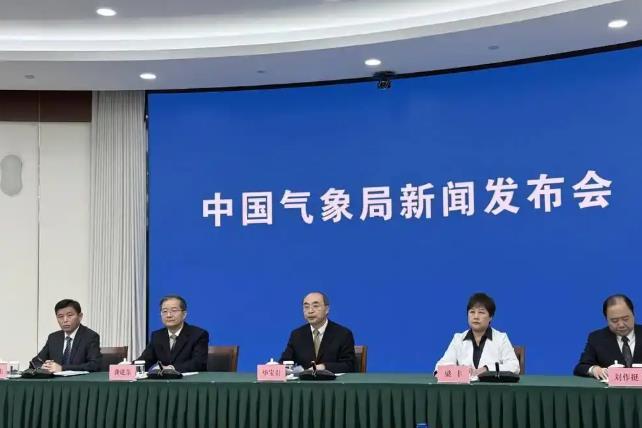
    China has launched an ambitious decade-long strategic initiative to develop a globally advanced Earth system forecasting network by 2035. The comprehensive Earth System Forecasting Development Strategy (2025-2035), recently published by the China Meteorological Administration, establishes a detailed roadmap to significantly enhance extreme weather early warning systems and strengthen public safety protections through sophisticated analysis of complex atmospheric, oceanic, and terrestrial interactions.

    According to Bi Baogui, Deputy Administrator of the China Meteorological Administration, the strategy incorporates a dual-technical approach that merges the precision of traditional numerical prediction—utilizing supercomputers to simulate physical laws across Earth’s systems—with the computational speed and pattern recognition capabilities of artificial intelligence. “We will continue to advance numerical prediction grounded in physical principles while simultaneously harnessing AI’s potential to extract forecasting patterns from massive meteorological datasets,” Bi stated.

    This integration aims to establish a forecasting system that achieves both scientific rigor and operational efficiency. Gong Jiandong, Director of the Earth System Modeling and Prediction Center, confirmed that China’s core forecasting capabilities are projected to reach world-class standards within the designated timeframe.

    Key technological benchmarks include achieving kilometer-level global Earth system modeling and hundred-meter-level local modeling, enabling seamless forecasting products ranging from minute-by-minute updates to decade-long climate projections. These advanced capabilities are expected to support disaster prevention and mitigation efforts, particularly for nations participating in the Belt and Road Initiative.

    The initiative promises substantial benefits for daily life and national development through significantly improved forecast accuracy and reliability. Liang Feng, Head of the Department of Forecasting and Prediction, emphasized that enhanced weather predictions will dramatically improve convenience and safety for citizens. Through high-resolution modeling and AI integration, the administration aims to refine predictions for typhoons, thunderstorms, hail, and cold waves, providing longer lead times for warnings of flash floods and landslides while enabling more effective evacuation planning and resource allocation.

    Additionally, deeper research into extreme weather mechanisms will support China’s carbon peaking and carbon neutrality goals by optimizing emission reduction pathways. The Earth system forecasting network is also anticipated to guide climate-resilient urban planning, helping cities develop enhanced defenses against waterlogging and heat waves.