分类: science

  • Blue Moon in UAE skies? What 2026 has in store for residents

    Blue Moon in UAE skies? What 2026 has in store for residents

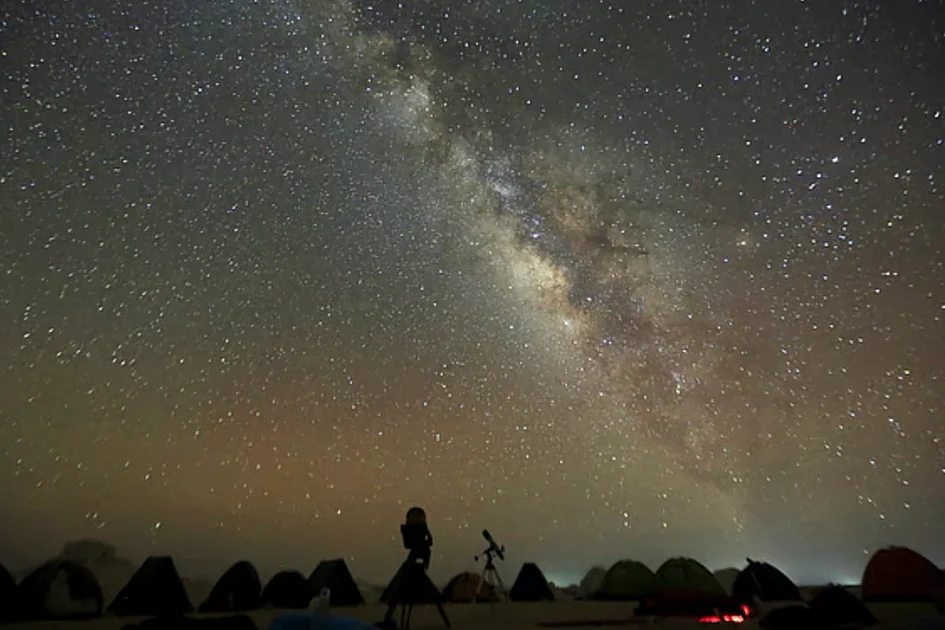
    The United Arab Emirates is poised for an extraordinary year of astronomical events throughout 2026, with multiple supermoons and prolific meteor showers set to grace the night skies. This celestial spectacle offers both amateur stargazers and professional astronomers unprecedented opportunities for cosmic observation.

    The year commences with the Wolf Supermoon on January 3rd, coinciding strategically with the peak of the Quadrantids meteor shower. This dual phenomenon creates a remarkable viewing opportunity, though the supermoon’s brightness may partially obscure the meteor display.

    A particularly noteworthy event occurs on May 31st with the appearance of a Blue Micromoon. Contrary to its nomenclature, this phenomenon doesn’t manifest with blue coloration but represents the second full moon within a single calendar month. This micromoon will appear marginally smaller and less luminous than typical full moons due to its orbital positioning at apogee—the farthest point from Earth in its elliptical path.

    The lunar exhibitions continue with the Beaver Supermoon emerging after a ten-month interval, followed by the Cold Supermoon in December. The latter event holds special significance as it will be the closest lunar approach to Earth since 2019, resulting in the year’s most brilliant full moon presentation.

    The meteor shower calendar features several highlight events:

    The Quadrantids (January 3-4) initiate the celestial schedule with an impressive rate of 120 meteors hourly, best observed during pre-dawn hours.

    The Lyrids (April 22-23) offer a more modest display of 15-20 meteors hourly but occasionally produce spectacular fireballs surpassing Venus in luminosity.

    The Perseids (August 12-13) provide one of the most reliable and popular meteor displays with approximately 100 meteors hourly during summer nights.

    The Geminids (December 13-14) conclude the annual meteor schedule with the most intense performance, generating 120-150 multicolored meteors hourly and frequently producing brilliant fireballs.

    Additional meteor showers including the Orionids (October 21-22) and Leonids (November 17-18) will further enhance the year’s astronomical offerings, ensuring consistent celestial entertainment for UAE residents and visitors alike.


  • New discovery may challenge theory Vikings built first Irish towns – researcher

    New discovery may challenge theory Vikings built first Irish towns – researcher

    A groundbreaking archaeological discovery at Brusselstown Ring in Ireland’s Wicklow Mountains is fundamentally reshaping our understanding of ancient settlement patterns in prehistoric Britain and Ireland. Research led by Dr. Dirk Brandherm from Queen’s University Belfast has revealed what appears to be the largest nucleated settlement ever documented from prehistoric times in the region, dating back approximately 3,200 years to the Late Bronze Age.

    The extensive survey work, utilizing advanced aerial photogrammetry and mapping techniques, has identified more than 600 suspected house platforms within the massive hilltop enclosure. This settlement complex spans multiple hilltops—a rare feature among European hillforts—with defensive ramparts encircling both Brusselstown’s summit and the adjacent Spinas Hill. The distribution shows 98 structures within the inner enclosure and over 500 located between the dual defensive walls.

    Recent test excavations conducted between August and September 2024 by a team including PhD researcher Cherie Edwards and Dr. Linda Boutoille have provided critical insights into the settlement’s chronology and complexity. The evidence indicates primary occupation during the Late Bronze Age, with some structures showing continued use into the Early Iron Age. The discovery of a sophisticated stone-lined, boat-shaped chamber—potentially a water cistern fed by an uphill stream—adds another layer of architectural sophistication to the site.

    The scale and density of Brusselstown Ring challenge previous archaeological assumptions that Bronze Age settlements consisted primarily of small hamlets with one to five dwellings. This discovery dwarfs the previously largest known settlement at Corrstown, Northern Ireland, which contained approximately 74 roundhouses. The presence of structures of varying sizes (4-12 meters in diameter) suggests possible social or economic stratification, though further analysis is required to confirm this hypothesis.

    Published in the peer-reviewed journal Antiquity, these findings potentially rewrite the urban history of Ireland, suggesting the existence of proto-urban settlements some 2,000 years before Viking influence in the region. Future research will focus on confirming the cistern’s function and dating, detailed analysis of roundhouse structures, and establishing a comprehensive chronology of the enclosure elements.

  • Watch: Stunning celestial events that lit up the skies in 2025

    Watch: Stunning celestial events that lit up the skies in 2025

    The year 2025 has proven to be an extraordinary period for astronomical enthusiasts worldwide, featuring a succession of breathtaking celestial phenomena that transformed night skies into cosmic theaters. This remarkable series of events provided both amateur stargazers and professional astronomers with unprecedented opportunities to witness the universe’s grandeur.

    Among the most anticipated events were the periodic meteor showers, which delivered particularly intense displays this year. The Perseids in August and Geminids in December exceeded expectations with meteor rates reaching up to 120 visible streaks per hour under optimal conditions. These cosmic light shows resulted from Earth’s orbit intersecting with debris trails left by comets Swift-Tuttle and 3200 Phaethon respectively.

    The lunar calendar similarly impressed with multiple supermoons occurring throughout the year. These occurrences, when the full moon coincides with perigee (the moon’s closest approach to Earth), created spectacular visual displays with the lunar disk appearing approximately 14% larger and 30% brighter than typical full moons. The September supermoon was particularly notable for its coincidence with lunar perigee, making it the most dramatic lunar display of the year.

    Additional phenomena included planetary conjunctions where Venus, Mars, and Jupiter appeared to cluster in unusual celestial formations, providing exceptional photographic opportunities. The year also featured a partial solar eclipse visible across North America and a penumbral lunar eclipse observable from Europe and Africa.

    Astronomical organizations worldwide reported increased public engagement with night sky observation, with many communities hosting special viewing events. The accessibility of these events—requiring no special equipment beyond the naked eye—contributed to their widespread appeal, fostering greater public appreciation for astronomical science and the natural wonders of our universe.

  • China places geological survey satellite in orbit

    China places geological survey satellite in orbit

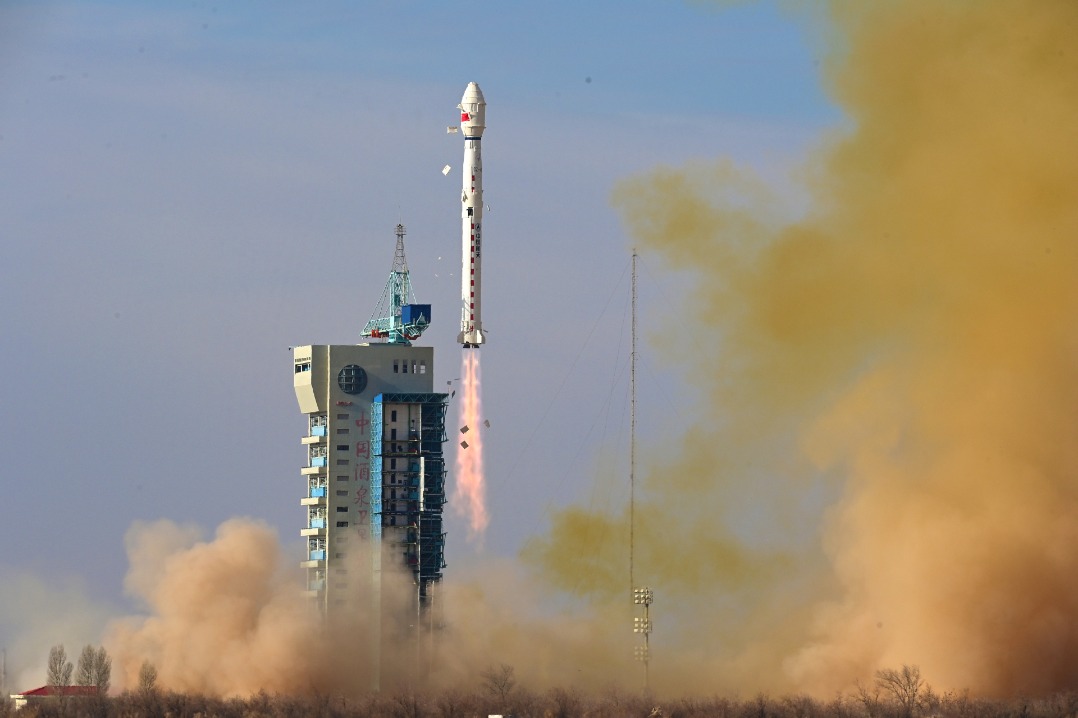
    China has advanced its Earth observation capabilities with the successful orbital deployment of the Tianhui 7 satellite on Tuesday afternoon. The sophisticated spacecraft was propelled into space aboard a Long March 4B rocket that launched precisely at 12:12 pm from the Jiuquan Satellite Launch Center located in Inner Mongolia Autonomous Region.

    According to the China Aerospace Science and Technology Corporation (CASC), the state-owned enterprise overseeing China’s space program, the newly deployed satellite represents a significant advancement in remote sensing technology. Manufactured by the China Academy of Space Technology, Tianhui 7 is specifically engineered to conduct comprehensive geological surveys, detailed land resource investigations, and a series of scientific experiments that will contribute to environmental monitoring and resource management.

    The launch vehicle, developed by the Shanghai Academy of Spaceflight Technology, demonstrated its reliable payload capacity by delivering the satellite to its intended sun-synchronous orbit approximately 700 kilometers above Earth. The Long March 4B model is capable of transporting multiple satellites with a combined mass of up to 2.5 metric tons to this commonly used Earth observation altitude.

    This mission marks a notable milestone in China’s space exploration endeavors, representing the nation’s 92nd space mission and the 622nd flight overall for the Long March rocket series. The successful deployment continues China’s expanding presence in space-based Earth observation and scientific research, enhancing the country’s capabilities in natural resource management and environmental monitoring.

  • China’s latest giant panda base opens to public, blending tech with conservation

    China’s latest giant panda base opens to public, blending tech with conservation

    Mianyang, Sichuan Province – China’s cutting-edge giant panda conservation facility officially commenced public operations on December 29, 2025, marking a significant advancement in wildlife preservation technology. The Mianyang base, spanning approximately 120 hectares, represents the fifth establishment under the China Conservation and Research Center for the Giant Panda (CCRCGP) network.

    The facility debuted with remarkable public interest, welcoming approximately 6,300 visitors during its inaugural opening day. Currently housing 20 giant pandas across various age groups—from subadults to senior individuals—the base reports all specimens have successfully adapted to their new environment and maintain excellent physical condition.

    Engineered to replicate natural habitats, the complex features mountainous terrain and valley landscapes enhanced by sophisticated artificial infrastructure. The design incorporates 54 specialized enclosures serving distinct purposes including breeding programs, cub rearing facilities, adult display areas, and dedicated disease control units.

    Technological innovation stands as a cornerstone of the new base, with integrated smart systems featuring intelligent safety monitoring, precision climate control, automated humidity regulation, and advanced light-based disinfection mechanisms designed to enhance animal immunity.

    Sichuan Province, recognized as the primary habitat for giant pandas, hosts over 70% of China’s wild panda population. Mianyang specifically maintains the highest concentration among all prefecture-level cities nationwide. This conservation achievement reflects China’s broader ecological civilization initiatives, which have yielded significant success—the International Union for Conservation of Nature reclassified giant pandas from ‘endangered’ to ‘vulnerable’ status in 2016. Current estimates indicate approximately 1,900 giant pandas now thrive in China’s wilderness.

  • UAE scientists discover cause of extreme summer heat in Arabian Gulf

    UAE scientists discover cause of extreme summer heat in Arabian Gulf

    Scientists at NYU Abu Dhabi’s Mubadala ACCESS Center have made a groundbreaking discovery identifying the precise climatic mechanisms responsible for extreme summer temperatures in the Arabian Gulf. Their research, published in late December 2025, reveals how specific atmospheric conditions combine to create dangerous marine heatwaves that threaten the region’s fragile ecosystems.

    The study demonstrates that marine heatwaves occur when two major wind systems undergo simultaneous shifts: the weakening of northwesterly Shamal winds coincides with the strengthening of the Indian summer monsoon. This atmospheric combination increases humidity over the Gulf, creating conditions that trap heat at the ocean surface and elevate sea temperatures to critical levels.

    Unlike other ocean systems where marine heatwaves typically form under clear skies and intense sunlight, the Arabian Gulf’s extreme temperatures develop under humid, hazy conditions. The research further establishes connections between Gulf warming and large-scale climate patterns, particularly noting that extreme warming is more probable during La Niña events—when the tropical Pacific Ocean cools—and when the North Atlantic Oscillation enters a weakened phase.

    Dr. Zouhair Lachkar, senior scientist at NYU Abu Dhabi and lead study author, emphasized the unexpected nature of their findings: ‘Our research reveals surprising mechanisms driving marine heatwaves in this region, challenging conventional understanding of oceanic heating patterns.’

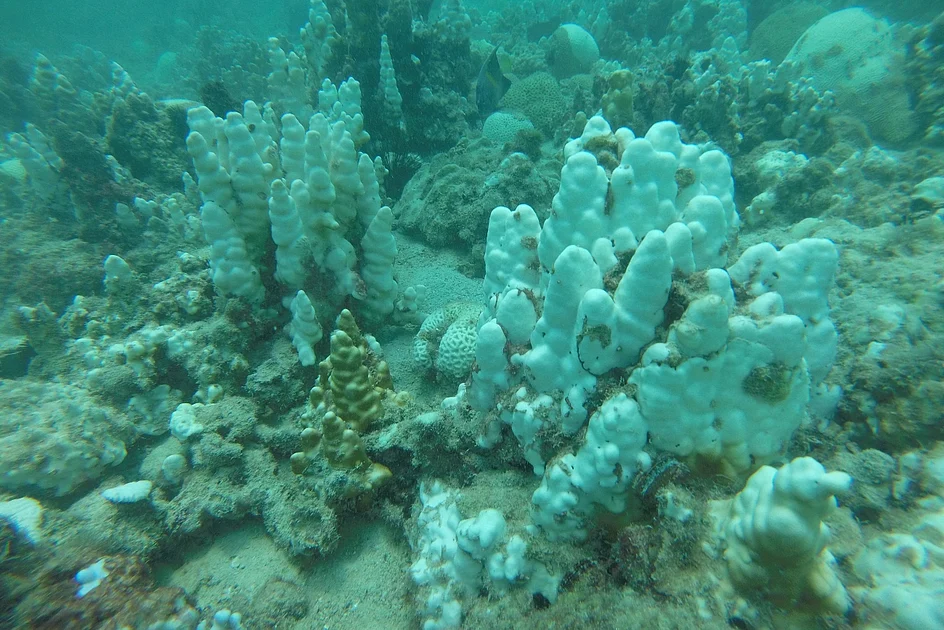
    The practical implications are substantial, as this discovery enables forecasting of extreme conditions two to three months in advance. This advanced warning system provides crucial time for authorities to implement protective measures for vulnerable marine ecosystems, including coral reefs and fisheries that face catastrophic bleaching and disruption during temperature extremes.

    Dr. John Burt, co-director of the Mubadala ACCESS Center and senior study author, highlighted the research’s significance: ‘These predictive capabilities allow marine managers and policymakers to proactively monitor and safeguard vulnerable ecosystems, aligning with our mission to produce regionally relevant research with global impact.’

    As climate change intensifies the frequency and severity of extreme weather events, this research represents a critical advancement in developing localized, data-driven forecasting tools to protect biodiversity, fisheries, and coastal communities throughout the Arabian Gulf region.

  • China’s beautiful biotech chaos vs West’s elegant paralysis

    China’s beautiful biotech chaos vs West’s elegant paralysis

    China has achieved pharmaceutical parity with the United States through a remarkable transformation in drug discovery output, escalating from approximately 30 new medicines in 2013 to over 400 annually within a decade. This extraordinary growth represents not merely an economic milestone but a compelling natural experiment in contrasting innovation methodologies.

    Western pharmaceutical development has traditionally operated on an engineering-based premise: identify biological targets, design precision molecules, and refine through methodical iteration. While scientifically rigorous, this approach has demonstrated significant limitations—only about 5% of drugs successful in animal trials ultimately achieve regulatory approval, according to pharmacologist Jack Scannell and other researchers.

    China’s biotech sector has embraced a fundamentally different philosophy. Fueled by substantial government subsidies and a cultural emphasis on rapid execution, the country has adopted what might be termed ‘serendipity maximization’—the strategic approach of increasing experimental volume to enhance the probability of unexpected breakthroughs. Chinese state-owned enterprises alone now contribute approximately 200 new experimental medicines annually, comparable to the combined output of all European public and private entities.

    This divergence in approaches presents both opportunities and risks. China’s velocity-focused model carries evident safety concerns, exemplified by past incidents like the melamine scandal in infant formula. Much of China’s current output concentrates on biosimilars and well-established therapeutic classes rather than genuinely novel mechanisms, raising questions about quality versus quantity.

    Conversely, Western pharmaceutical innovation faces structural challenges including protracted regulatory timelines, declining federal research support, and a venture capital ecosystem favoring billion-dollar bets over abundant experimentation.

    The most productive perspective transcends nationalist framing. The COVID-19 pandemic demonstrated that distributed global health innovation—combining American mRNA platforms, Chinese inactivated virus approaches, and Indian manufacturing scale—collectively served humanity more effectively than any single-source solution. Similarly, pharmaceutical innovation may benefit from complementary approaches: China’s serendipity-based model potentially uncovering unexpected therapeutic mechanisms while Western precision-targeting produces refined follow-on therapies.

    The critical question isn’t which nation ‘wins’ but whether the global system can produce medicines faster, cheaper, and for a broader range of diseases—including neglected conditions that neither purely market-driven nor state-directed systems adequately address. The healthiest outcome involves productive competition that forces both systems to improve, coupled with collaboration that neither ideology comfortably permits.

    Drug discovery has always been evolutionary: trial, error, and adaptation. The current moment simply accelerates that evolution with two distinct selection pressures operating simultaneously. History suggests that when medicine becomes primarily a vehicle for national prestige rather than patient benefit, everyone loses.

  • Mouse births pups after space mission, paving way for future research

    Mouse births pups after space mission, paving way for future research

    In a groundbreaking achievement for space biology, Chinese scientists have announced the successful birth of healthy mouse pups following a mammalian reproduction experiment aboard China’s space station. The breakthrough results from a carefully orchestrated mission involving four mice launched aboard the Shenzhou-21 crewed spacecraft on October 31.

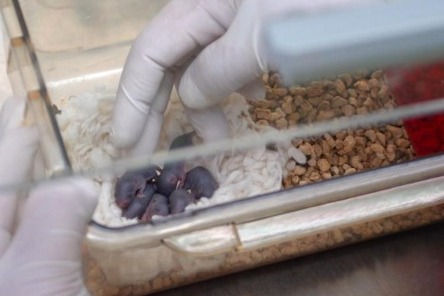
    The rodents spent approximately two weeks in orbit within a specialized habitat module on China’s Tiangong space station before returning to Earth on November 14. Remarkably, one female mouse conceived after her return to terrestrial conditions and delivered nine offspring on December 10. Six of the newborns have survived—a survival rate researchers consider normal for laboratory conditions—with both mother and pups exhibiting healthy development and normal nursing behavior.

    Dr. Wang Hongmei, a researcher at the Institute of Zoology of the Chinese Academy of Sciences, emphasized the significance of these findings: ‘This mission demonstrated that short-term space travel does not impair the reproductive capability of mice. It provides invaluable biological samples for investigating how the space environment influences early developmental stages in mammals.’

    The mission encountered unexpected challenges when schedule changes for the Shenzhou-20 spacecraft created a critical food shortage for the orbital rodents. Ground teams implemented emergency protocols, with astronauts aboard the space station providing water through dedicated habitat ports. After evaluating various alternatives from the astronauts’ food supplies, scientists determined soybean milk could serve as a nutritionally adequate temporary substitute following ground-based verification tests.

    Throughout the mission, an artificial intelligence monitoring system continuously tracked the mice’s behavioral patterns—including movement, feeding, and sleep cycles—providing essential data to support real-time decision-making during the contingency operation.

    This achievement represents China’s first complete mammalian space experiment cycle, encompassing pre-launch preparations, in-orbit operations, and successful sample recovery. The pioneering research establishes a crucial foundation for more complex biological studies in space, potentially informing future human reproduction considerations for long-duration spaceflight and extraterrestrial colonization.

    Scientists will continue monitoring the postnatal development of the space-travel-derived mouse pups, observing their growth patterns and physiological changes. Subsequent research may investigate whether these offspring can reproduce normally, potentially revealing multigenerational effects of space exposure on mammalian biology.

  • Public chooses names for China’s space-traveled mice

    Public chooses names for China’s space-traveled mice

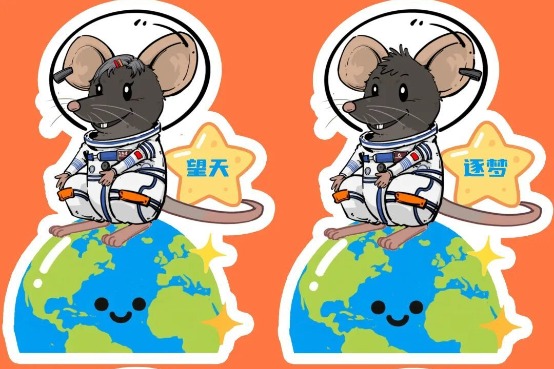
    In a remarkable fusion of public engagement and space science, China has officially named four pioneering mice that recently completed an orbital mission aboard the nation’s space station. The Chinese Academy of Sciences revealed the selected names—Wangtian (gaze at the sky), Lanyue (reach for the moon), Zhuiyun (chase the clouds), and Zhumeng (follow the dream)—during a special public science event on Saturday.

    The naming initiative formed part of an innovative public outreach campaign orchestrated by Xinhua News Agency, which invited citizens to propose and vote on names for the rodent astronauts. The four selected mice, originally identified as numbers 6, 98, 154, and 186, were chosen from a pool of 48 candidates for their historic space voyage.

    Launched aboard the Shenzhou XXI crewed spacecraft on October 31, the mice spent approximately two weeks in microgravity conditions before returning safely to Earth with the Shenzhou XX crew on November 14. The mission represents China’s continuing advancement in space biological research, particularly in understanding how space environments affect mammalian physiology.

    Dr. Li Tianda, an expert at the Institute of Zoology of the Chinese Academy of Sciences, explained the scientific significance: ‘We have initiated comprehensive studies on these mice following their return to Earth. Our research aims to uncover how the space environment affects mammalian physiology and behavior, with particular focus on stress response mechanisms and adaptation processes.’

    To celebrate this achievement and engage the public further, a special month-long ‘Flying Mice’ exhibition has been inaugurated at the National Zoological Museum of China. The event, jointly organized by the Technology and Engineering Center for Space Utilization and the Institute of Zoology, features detailed information about the mission, cartoon illustrations of the named mice, and insights into the cutting-edge biological experiments being conducted as part of China’s space program.

  • Watch: Meteor lights up sky over Japan’s Mount Fuji

    Watch: Meteor lights up sky over Japan’s Mount Fuji

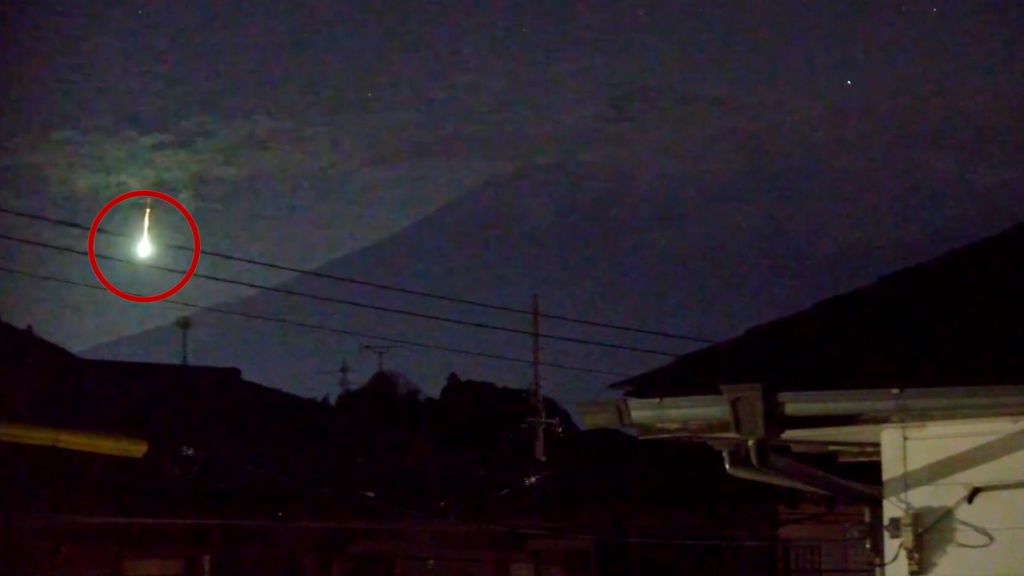
    A breathtaking astronomical event captivated observers across Japan as a brilliantly luminous meteor streaked across the night sky, creating a stunning visual display against the iconic silhouette of Mount Fuji. The extraordinary phenomenon, captured by numerous eyewitnesses and surveillance systems, occurred during optimal nighttime viewing conditions, transforming the region into a temporary theater for celestial observation.

    According to astronomical experts, this particular meteor belongs to the category of exceptionally bright fireballs, characterized by its intense luminosity and prolonged visibility. The spectacular display lasted several seconds as the space rock descended through Earth’s atmosphere, undergoing rapid disintegration while generating tremendous heat and light through atmospheric compression.

    Japan’s geographical position and typically clear atmospheric conditions make such sightings relatively frequent compared to other regions, though the proximity to the nation’s most recognizable natural landmark created particularly dramatic viewing circumstances. The meteor’s trajectory appeared to originate from the asteroid belt between Mars and Jupiter, though precise orbital calculations remain ongoing by scientific organizations.

    The event has generated significant interest within the scientific community, with researchers emphasizing the importance of such occurrences for studying the composition of interplanetary material. Simultaneously, the visual documentation provides valuable data for refining meteor trajectory prediction models and understanding atmospheric entry dynamics of extraterrestrial objects.