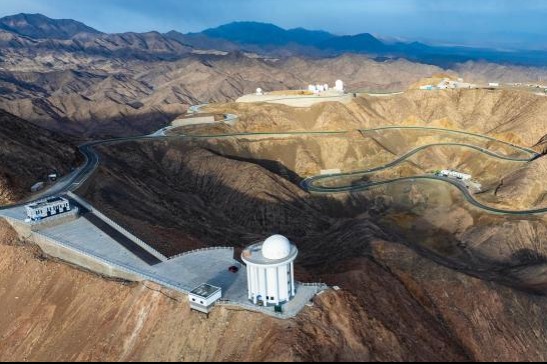
China has officially commissioned the world’s first mid-infrared solar magnetic-field telescope, marking a significant leap in astronomical research. The Accurate Infrared Magnetic Field Measurements of the Sun (AIMS), developed by the National Astronomical Observatories of the Chinese Academy of Sciences (NAOC), has successfully passed its final acceptance review. Located in Lenghu township, Qinghai province, at an altitude of 4,000 meters, the telescope benefits from optimal viewing conditions despite the harsh environment. AIMS addresses a critical gap in mid-infrared solar magnetic-field observations, transitioning from indirect inference to direct detection, thereby enhancing measurement precision. The telescope’s domestically designed components, including the infrared spectrograph and imaging camera, have improved the accuracy of direct solar magnetic-field measurements to over 10 gauss. During its trial phase, AIMS captured mid-infrared flare data across multiple bands, offering new insights into solar eruptions and magnetic energy dynamics. Now operational, AIMS is poised to support advanced solar-physics research in China, bolstering the nation’s capabilities in solar-activity monitoring and space-weather forecasting.
分类: science
-
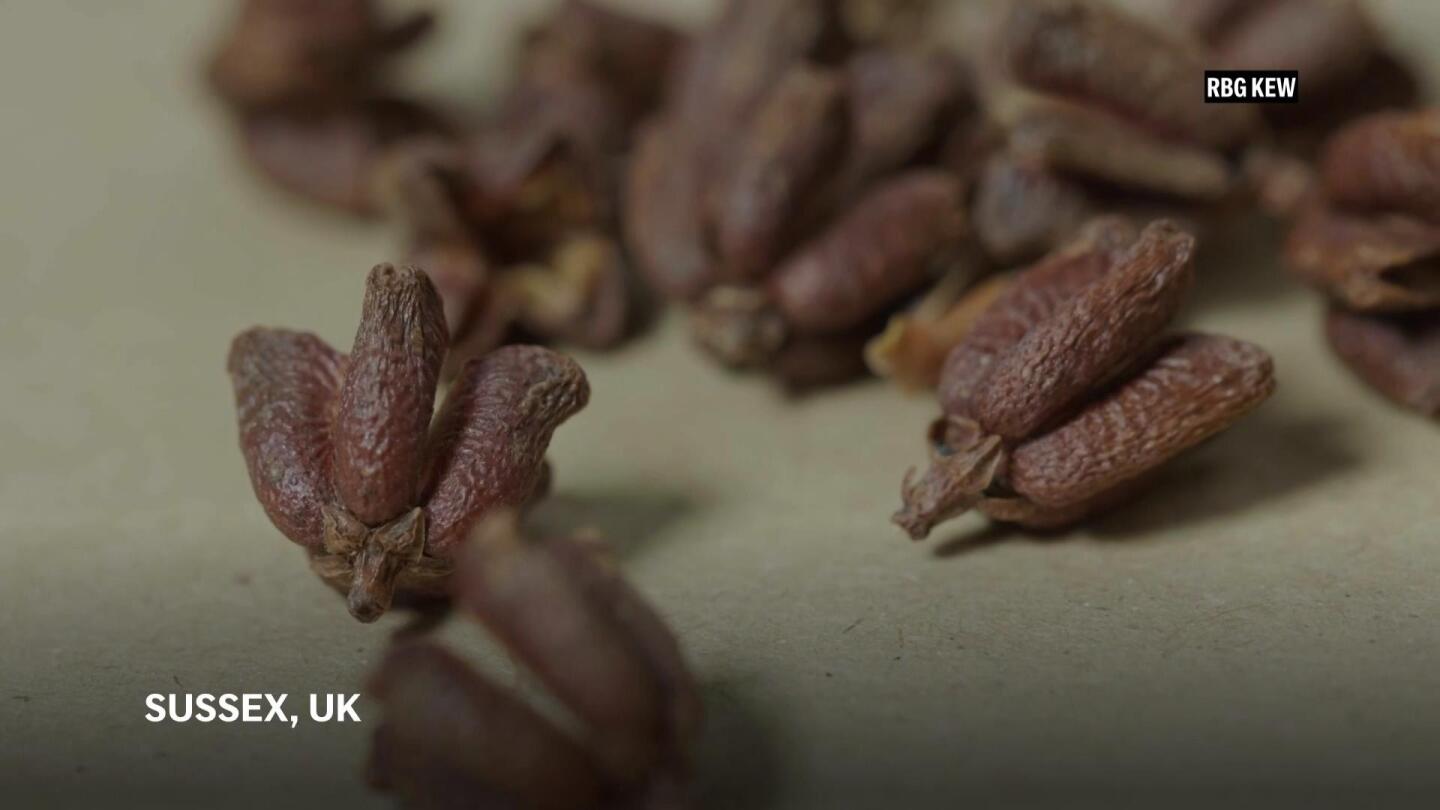
A seed bank in England marks 25 years of preserving the world’s plant diversity
Nestled deep beneath the Sussex countryside in southern England lies the Millennium Seed Bank, a state-of-the-art facility designed to withstand disasters and preserve the world’s plant diversity. Operated by the Royal Botanic Gardens Kew, this underground vault houses over 2.5 billion seeds from approximately 40,000 wild plant species. Stored in sealed glass jars and foil packets at a chilling minus 20 degrees Celsius, these seeds are safeguarded against extinction and climate change. Opened in 2000 by King Charles III, then the Prince of Wales, the facility recently celebrated its 25th anniversary, marking a quarter-century of global conservation efforts. The seed bank’s mission extends beyond preservation; it aims to restore ecosystems worldwide, combat biodiversity loss, and support agricultural resilience in the face of a growing global population. The process begins with field collectors gathering seeds from diverse regions, including Madagascar, Thailand, and Arctic Sweden. These seeds undergo meticulous drying, cleaning, and germination testing to ensure viability before being stored. Kew’s researchers are also pioneering cryopreservation techniques for tropical plants that cannot survive freezing. The Millennium Seed Bank has become a global hub, partnering with 279 organizations in over 100 countries and training more than 3,000 scientists. With nearly half of all flowering plants at risk of extinction, the seed bank serves as a vital insurance policy for global biodiversity, offering hope for a sustainable future.
-
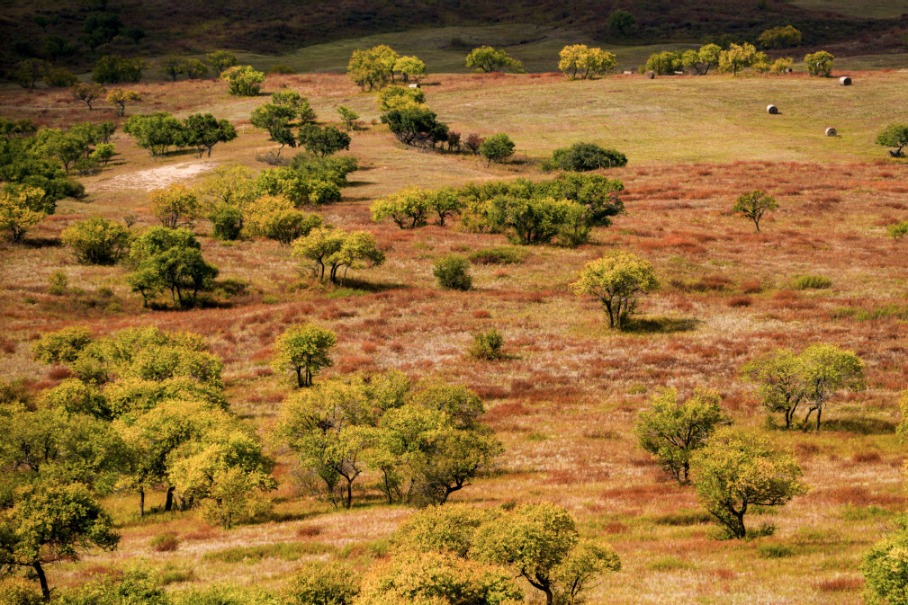
Global study shows intensifying drought may wreck grasslands
A groundbreaking international study led by Chinese researchers has unveiled alarming evidence that prolonged and intensified droughts are pushing global grassland ecosystems toward collapse. Published in the prestigious journal Science, the research involved collaboration among scientists from Beijing Forestry University and over 120 institutions, including Colorado State University in the United States. The study meticulously tracked plant growth across 74 grasslands and shrublands spanning six continents during periods of drought. The findings reveal that the combined impact of drought intensity and duration significantly exacerbates productivity losses in these ecosystems. Notably, after four consecutive years of extreme drought, productivity losses surged by approximately 2.5 times compared to the initial year. This suggests that ecosystems may transition from a state of low yield to a rapid and irreversible decline if climate change continues to worsen drought conditions. The study underscores the growing concern that future climate extremes will increasingly disrupt ecosystems in unprecedented and troubling ways. According to Bianca Lopez, an editor at Science, the research provides a critical benchmark for understanding the relationship between drought severity, duration, and ecosystem health. The study’s peer reviewers also emphasized its importance in establishing a foundation for future investigations into the impacts of climate change on global ecosystems.
-

Revolutionary Chinese chip to pioneer search for dark matter, black holes
A groundbreaking spectroscopic imaging chip, RAFAEL, developed by a research team from Tsinghua University in China, has been unveiled, promising to transform humanity’s approach to observing the universe. Published in the prestigious journal Nature, this innovation resolves the long-standing challenge of balancing spectral resolution and throughput, enabling high-performance snapshot spectroscopy. Spectroscopy, a critical tool for analyzing the physical and chemical properties of matter, has traditionally struggled to achieve both ultra-high resolution and high efficiency simultaneously. RAFAEL, also known by its Chinese name “Yuheng,” overcomes this limitation through advanced lithium-niobate photonics, allowing each pixel in the sensor to capture complete spectral data with exceptional optical transmittance. The chip boasts a 10-megapixel spatial resolution and a spectral precision of 0.05 nanometers across visible to near-infrared wavelengths. In a recent demonstration, RAFAEL captured spectra of up to 5,600 stars in a single exposure, marking a hundredfold improvement in observational efficiency compared to leading astronomical spectrometers. Compact yet powerful, RAFAEL is poised to unlock new insights into cosmic phenomena such as dark matter and black holes, while advancing research in fields ranging from materials science to astrophysics. Professor Fang Lu, the corresponding author of the study, highlighted the chip’s potential to establish a new benchmark for astronomical observation. The name “Yuheng,” derived from the fifth star of the Big Dipper, symbolizes precision and balance, reflecting the chip’s mission to enhance humanity’s understanding of the universe.
-
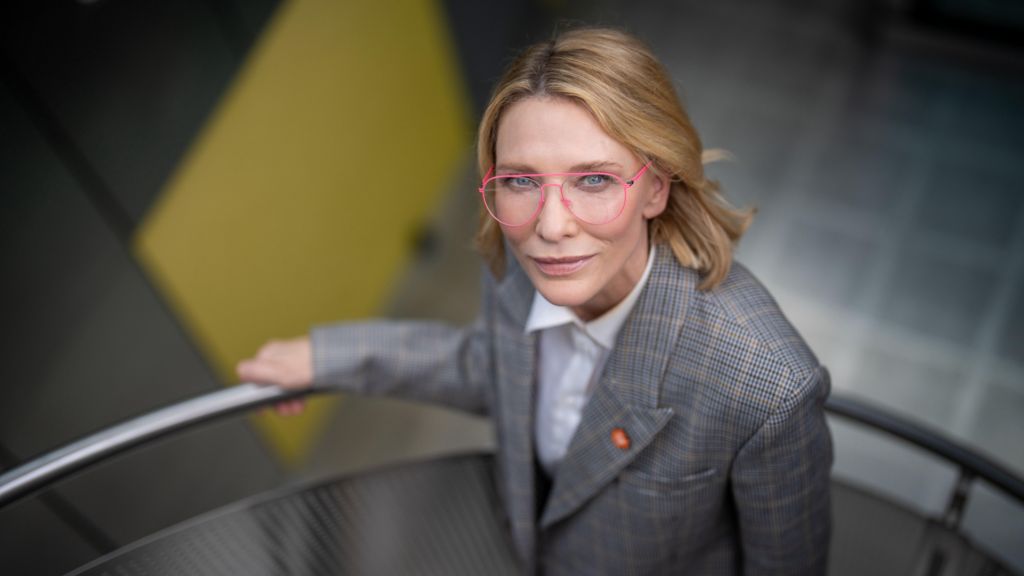
From Hollywood to horticulture: Cate Blanchett on a mission to save seeds
Academy Award-winning actress Cate Blanchett has taken a surprising detour from her Hollywood career to immerse herself in the world of botanical conservation. Partnering with Kew’s Millennium Seed Bank (MSB) at Wakehurst Botanic Garden in Sussex, Blanchett has become an ambassador for the project, which is celebrating its 25th anniversary. The MSB, home to over 2.5 billion seeds from 40,000 wild plant species worldwide, serves as a critical safeguard against biodiversity loss. Blanchett, who lives locally, expressed her awe at the seed bank’s mission, describing it as ‘inspiring’ and ‘uplifting.’
The seed bank, initially conceived as a ‘doomsday vault’ to protect plant species from extinction, has evolved into a hub for ecological restoration. Seeds are meticulously processed, dried, and stored at -20°C, ready to be reintroduced into threatened habitats. Dr. Elinor Breman of the MSB emphasized the importance of returning seeds to their natural environments, citing ongoing projects like the restoration of rare chalk grasslands on the South Downs in Sussex.
Blanchett, who hails from Australia, highlighted the significance of the MSB’s work in the wake of devastating wildfires that swept across her homeland in 2019. With nearly 9,000 Australian plant species stored at the MSB, she finds solace in knowing that these seeds serve as an ‘insurance policy’ against future ecological disasters. The actress has also embraced hands-on involvement, joking about her efforts to ‘turn her brown thumbs green’ and improve her seed management skills.
In a special episode of Kew’s podcast, ‘Unearthed: The Need for Seeds,’ Blanchett joined The King (formerly the Prince of Wales) to discuss the urgency of plant conservation. The King voiced concerns about rainforest destruction and species extinction, underscoring the critical role of initiatives like the MSB. Blanchett, meanwhile, described the seed bank as the UK’s ‘best-kept secret’ and expressed optimism about its growing importance in the face of global environmental challenges.
As the MSB looks to the future, its mission remains clear: to restore and protect the planet’s biodiversity. Blanchett’s involvement not only amplifies the project’s visibility but also serves as a reminder that positive change is possible. ‘You come here, you visit the seed bank, you walk through such a biodiverse landscape, and you leave uplifted,’ she said. ‘You know change is possible, and it’s happening.’
-
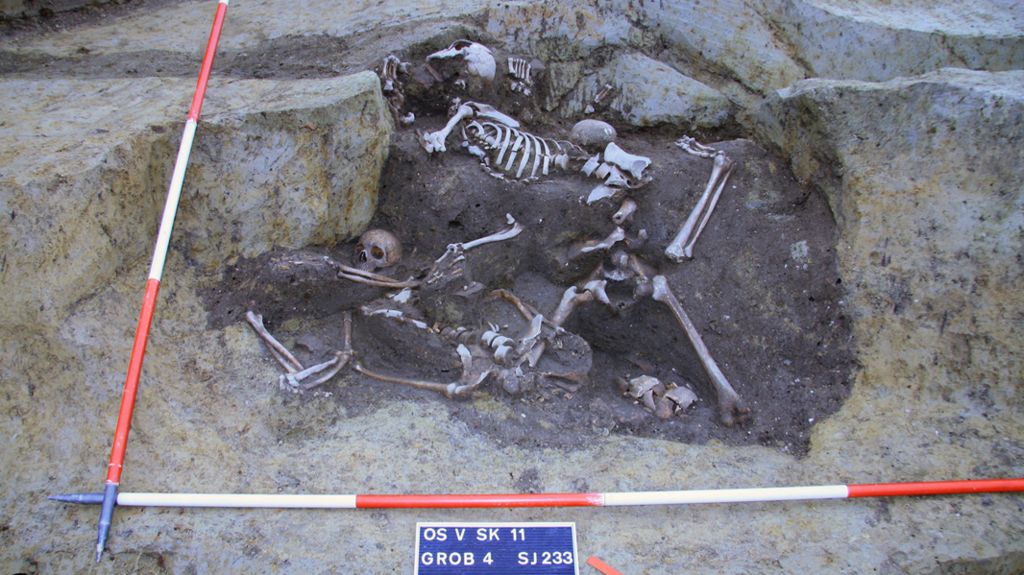
Skeletons found in mass grave are ancient Roman soldiers, study finds
A groundbreaking archaeological discovery in Croatia has shed light on the lives and deaths of seven Roman soldiers who lived approximately 1,700 years ago. The remarkably well-preserved skeletons, unearthed in 2011 at the site of the ancient Roman city of Mursa (modern-day Osijek), were found in a mass grave that researchers believe was originally a water-well. The findings, detailed in a new research paper, suggest these men were likely victims of the tumultuous ‘Crisis of the Third Century,’ particularly the Battle of Mursa in 260 CE, a period marked by violent conflicts over imperial succession. The skeletons, belonging to men aged between 36 and 50, exhibited signs of robust physicality and a primarily vegetarian diet, though some had consumed meat and seafood. All bore evidence of both healed and unhealed injuries, including blunt force trauma and puncture wounds likely caused by arrows or spears. Additionally, DNA analysis revealed a diverse ancestry, indicating none were local to the region. The researchers noted that mass burials were uncommon in the Roman Empire, typically reserved for extreme circumstances such as large-scale battles. The discovery underscores Mursa’s historical significance as a hub of trade, craft, and conflict during the Roman era.
-
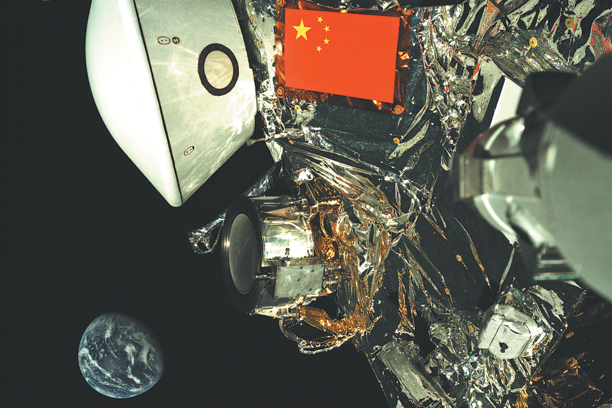
China Focus: China achieves numerous breakthroughs in space exploration quest
China has made significant strides in space exploration during the 14th Five-Year Plan period (2021-2025), achieving numerous breakthroughs that have contributed to humanity’s understanding of space and technological advancements. The completion of China’s space station, the first-ever sampling of soil from the far side of the moon, and the exploration of Mars are among the key milestones. The space station, which became operational with the launch of the Tianhe core module in April 2021, now hosts a variety of scientific experiments and international collaborations. The Chang’e 6 mission successfully returned lunar samples from the moon’s far side, providing valuable insights into lunar geology. Additionally, the Tianwen 1 mission has expanded our knowledge of Mars, with the rover discovering evidence of an ancient ocean. Looking ahead, China plans to continue its space exploration efforts with missions like Chang’e 7, Chang’e 8, and Tianwen 3, aiming to further scientific research and international cooperation.
-
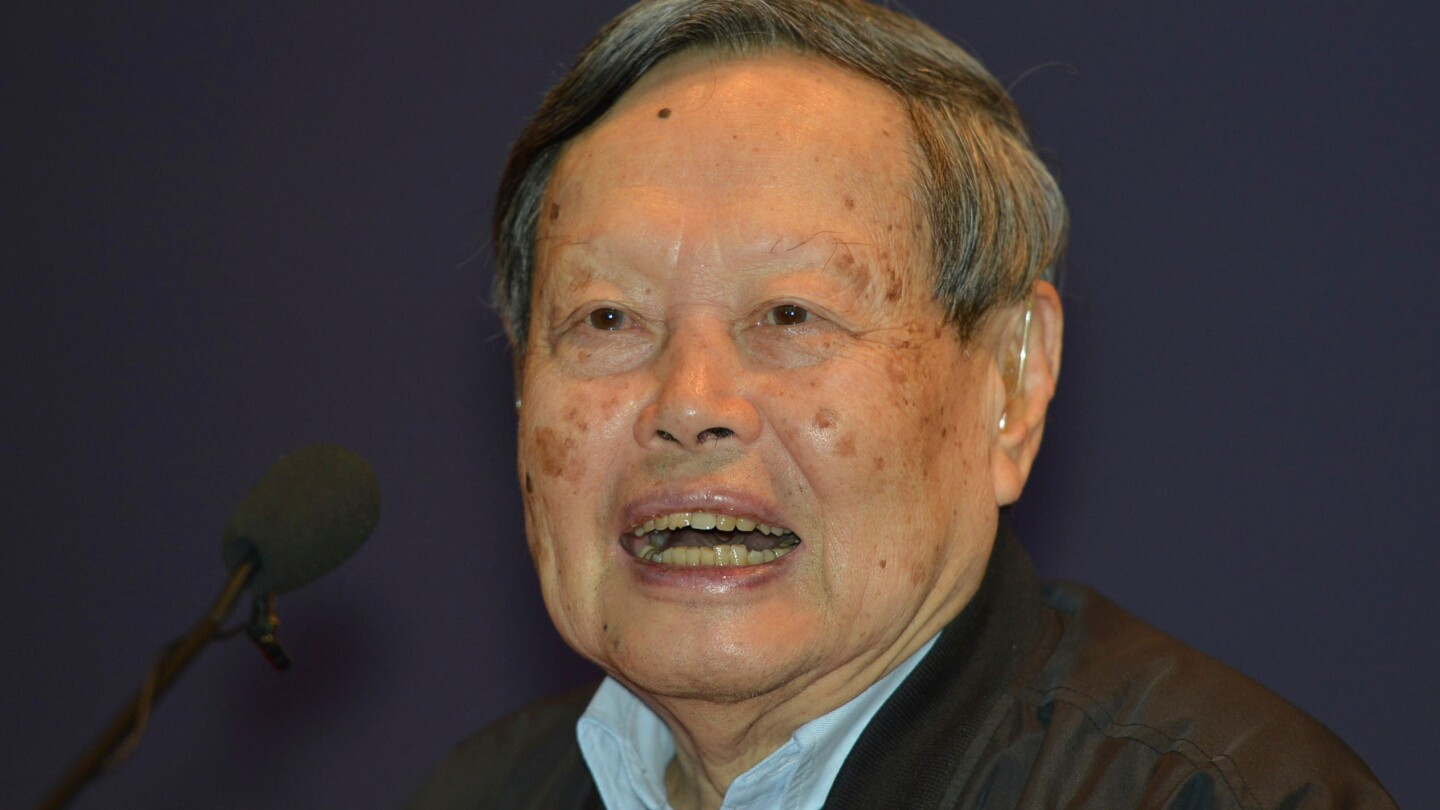
Chinese Nobel Prize-winning physicist Chen Ning Yang dies at 103
Renowned physicist Chen Ning Yang, a Nobel Prize laureate and one of the most influential figures in modern physics, passed away in Beijing on Saturday at the age of 103. Tsinghua University, where Yang both studied and taught, confirmed his death in a statement, attributing it to an unspecified illness. The university hailed Yang as one of the greatest physicists of the 20th century, emphasizing his groundbreaking contributions to the field of physics and his significant role in advancing China’s scientific and educational landscape. Yang, along with Tsung-Dao Lee, was awarded the Nobel Prize in Physics in 1957 for their groundbreaking work on parity laws, which led to pivotal discoveries in elementary particle physics. This achievement marked them as the first Chinese-born physicists to receive the prestigious award. In his Nobel Banquet speech, Yang reflected on his dual heritage, expressing pride in his Chinese roots while acknowledging his deep connection to Western scientific traditions. He famously stated, ‘I am heavy with an awareness of the fact that I am in more than one sense a product of both the Chinese and Western cultures, in harmony and in conflict.’ Yang’s legacy also includes the development of the Yang–Mills theory, a cornerstone of modern physics, which he co-authored with American physicist Robert Mills. Born in 1922 on the Tsinghua University campus, where his father was a mathematics professor, Yang pursued his undergraduate and master’s degrees at Tsinghua before earning his doctorate at the University of Chicago in 1946. He was profoundly influenced by Italian-American physicist Enrico Fermi, a fellow Nobel laureate. Yang’s academic career spanned prestigious institutions, including the Institute for Advanced Study in Princeton and the Chinese University of Hong Kong, where he served as a distinguished Professor-at-large and made generous donations, including his Nobel Prize. In 2015, Yang renounced his U.S. citizenship, a decision he described as difficult but necessary, reflecting on the opportunities the country had provided him. He is survived by three children.
-
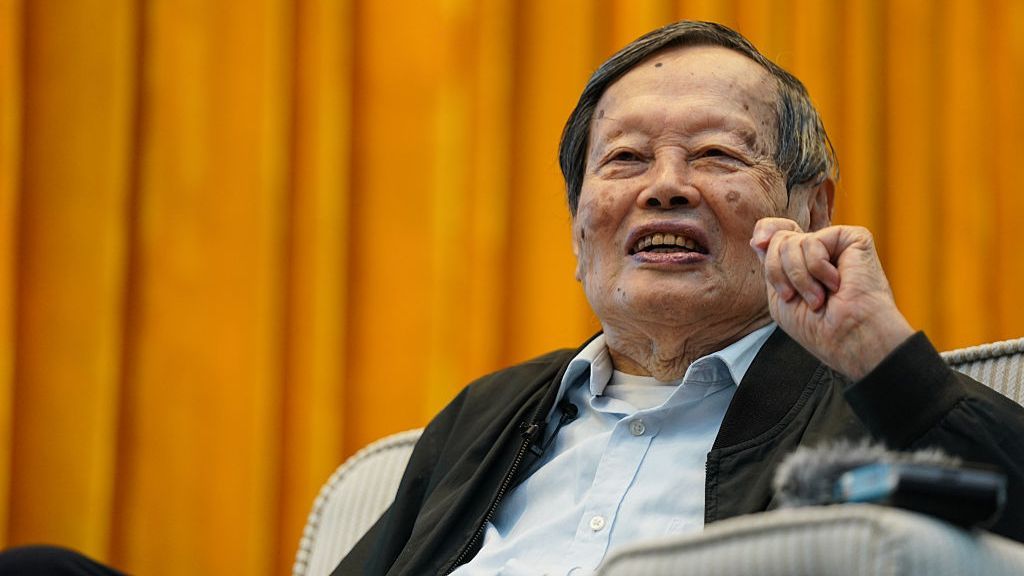
Chinese Nobel laureate and physicist Chen Ning Yang dies aged 103
Chen Ning Yang, a towering figure in the world of physics and a Nobel Prize laureate, has passed away at the age of 103, as reported by Chinese state media. The cause of death was cited as illness in an obituary released by CCTV. Yang, alongside fellow physicist Lee Tsung-Dao, was awarded the Nobel Prize in Physics in 1957 for their groundbreaking work on parity laws, which significantly advanced the understanding of elementary particles, the fundamental components of matter. Born in 1922 in Anhui province, China, Yang grew up on the campus of Tsinghua University, where his father was a mathematics professor. From a young age, Yang harbored ambitions of winning the Nobel Prize, a dream he realized at the age of 35. His academic journey took him from National Southwest Associated University in Kunming, where he earned his science degree in 1942, to Tsinghua University for his master’s, and eventually to the University of Chicago on a fellowship. There, he studied under Enrico Fermi, the inventor of the world’s first nuclear reactor. Yang’s career spanned various areas of physics, with a particular focus on statistical mechanics and symmetry principles. His contributions to the field were recognized with numerous accolades, including the Albert Einstein Commemorative Award in 1957 and an honorary doctorate from Princeton University in 1958. Yang’s personal life saw him marry twice, first to Chih Li Tu, with whom he had three children, and later to Weng Fan, whom he described as his ‘final blessing from God.’
-
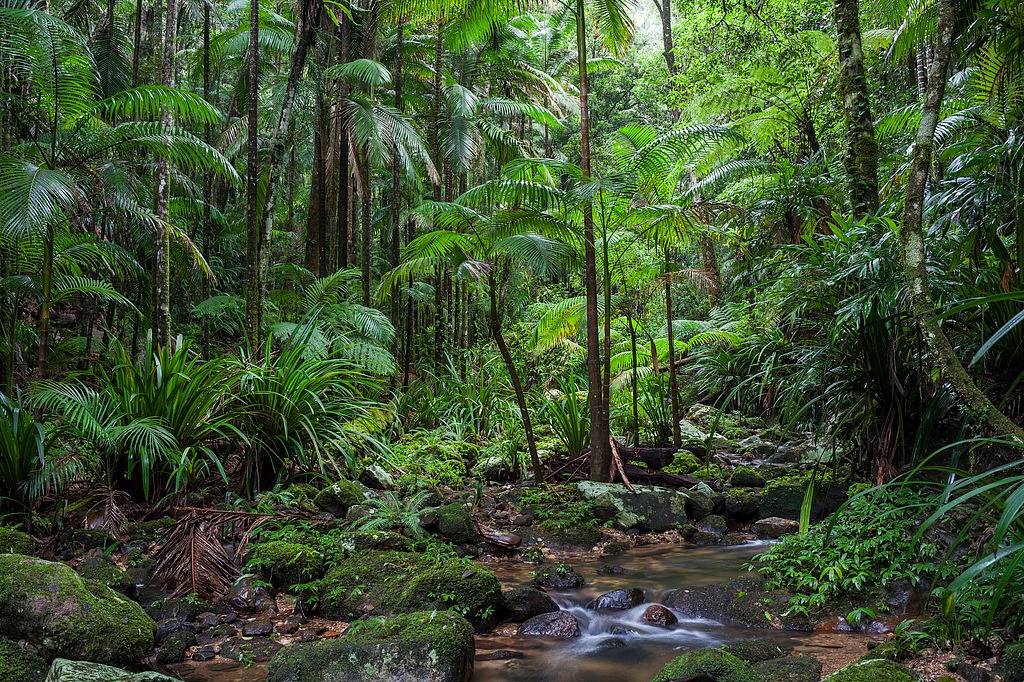
Australian rainforests no longer a carbon sink: study
A groundbreaking study published in Nature has revealed that Australia’s tropical rainforests are now emitting more carbon dioxide than they absorb, marking a significant shift in their ecological role. This alarming trend, linked directly to climate change, positions these rainforests as the first of their kind globally to transition from carbon sinks to net carbon emitters. The research, led by Hannah Carle of Western Sydney University’s Hawkesbury Institute for the Environment, underscores the escalating vulnerability of these ecosystems to extreme temperatures, atmospheric dryness, and prolonged droughts. The study, which analyzed nearly five decades of data from Queensland’s rainforests, found that increased tree mortality has outpaced growth, resulting in a net release of carbon into the atmosphere. This contradicts the expected response of enhanced plant growth under higher carbon dioxide levels. The findings have profound implications for global emissions reduction strategies, which rely heavily on the carbon-absorbing capacity of forests. Carle warned that current climate models may overestimate the ability of tropical forests to offset fossil fuel emissions, especially as cyclones, exacerbated by climate change, further diminish their carbon sink potential. The study calls for urgent global monitoring of other tropical forests to assess similar risks. Despite its ecological challenges, Australia remains a leading exporter of gas and thermal coal, with per capita carbon emissions among the highest worldwide. The research highlights the pressing need for accelerated climate action to meet the Paris Agreement’s goals of limiting global warming to safer levels.