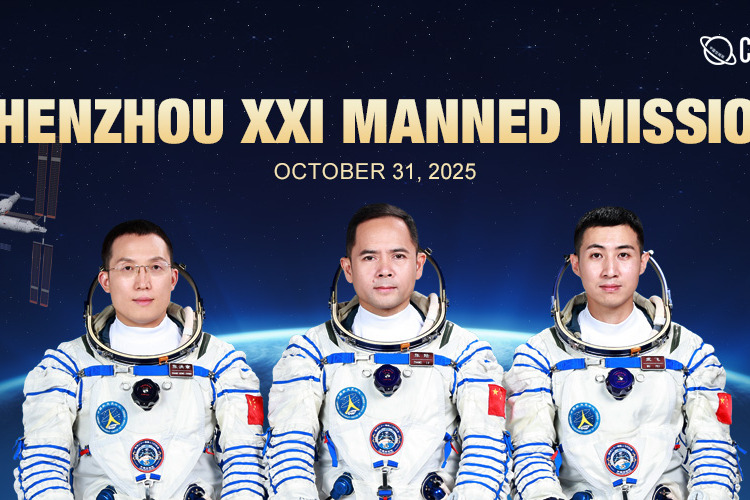
China is poised to take another significant step in its space exploration endeavors with the upcoming launch of the Shenzhou XXI mission. The China Manned Space Agency has announced that astronauts Zhang Lu, Wu Fei, and Zhang Hongzhang will embark on this historic journey. The mission is scheduled to lift off at 11:44 pm on Friday, Beijing Time, from the Jiuquan Satellite Launch Center in Northwest China. This mission underscores China’s growing capabilities in space technology and its commitment to advancing human spaceflight. The Shenzhou XXI mission is expected to contribute valuable data and experience to China’s broader space exploration goals, including potential future missions to the Moon and beyond.
分类: science
-
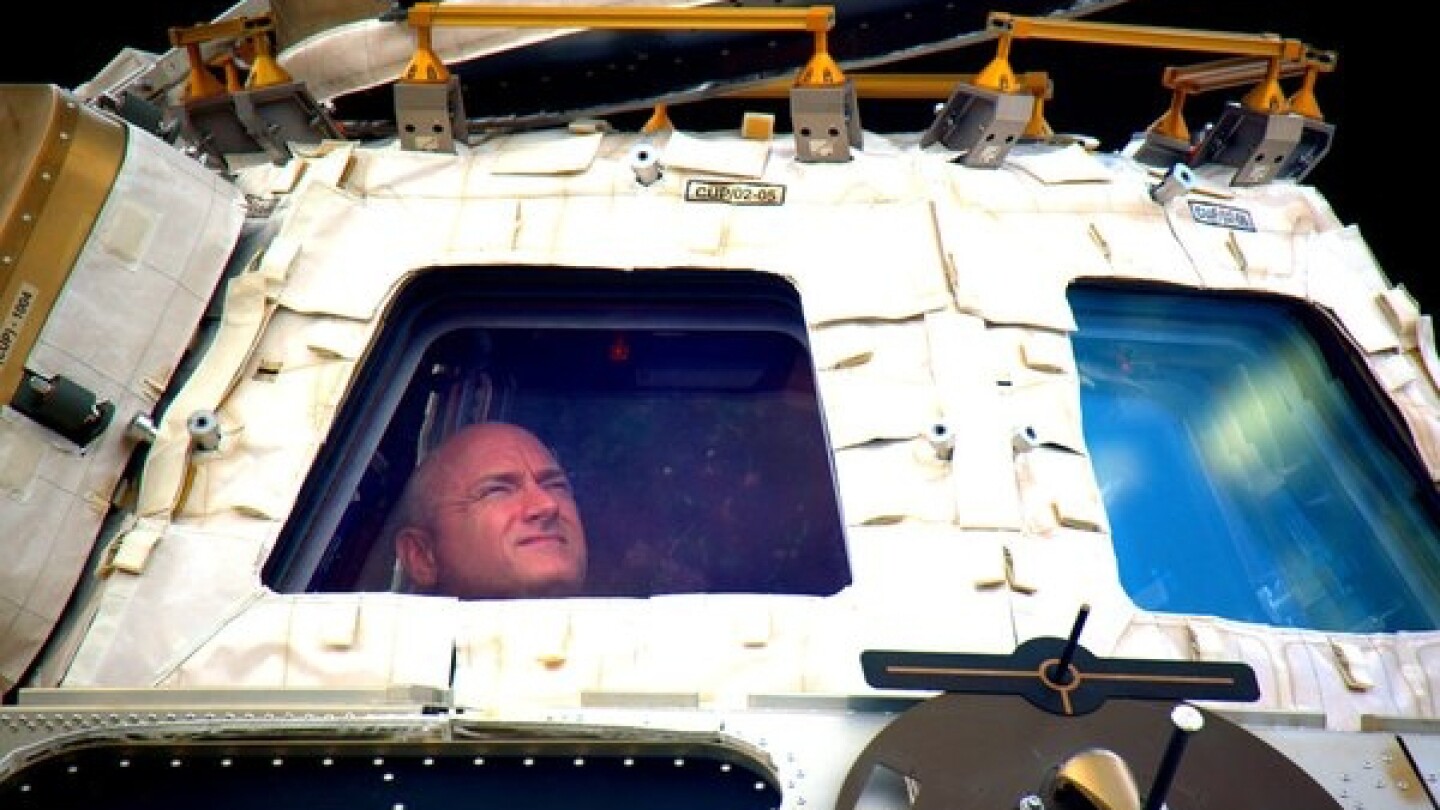
The International Space Station marks 25 years of nonstop human presence in orbit
CAPE CANAVERAL, Fla. — This weekend marks a monumental milestone in space exploration: 25 years of uninterrupted human habitation aboard the International Space Station (ISS). Since its first crew arrived on November 2, 2000, the ISS has hosted nearly 300 individuals from 26 countries, including professional astronauts, space tourists, and even a movie director. The pioneering trio of NASA’s Bill Shepherd and Russia’s Sergei Krikalev and Yuri Gidzenko laid the foundation for this extraordinary achievement, transforming the station into a functional and hospitable environment. Despite geopolitical tensions between the U.S. and Russia, collaboration in space remains strong, a testament to the unifying power of space exploration. Over the years, the ISS has evolved from a rudimentary outpost to a state-of-the-art facility, complete with advanced labs, an internet phone, and a glassed-in cupola offering breathtaking views of Earth. Astronauts have conducted thousands of experiments, including groundbreaking medical research and the famous twins study involving Scott and Mark Kelly. However, life aboard the ISS is not without challenges. Astronauts have faced close calls, such as a near-drowning incident, persistent air leaks, and the growing threat of space debris. As the ISS approaches its planned decommissioning in 2031, NASA is working with private companies like SpaceX and Axiom Space to ensure a seamless transition to future orbital stations. SpaceX has been tasked with safely deorbiting the ISS, while Axiom plans to repurpose its module into a new space station. NASA’s goal is to maintain a continuous human presence in orbit, ensuring that the legacy of the ISS endures.
-
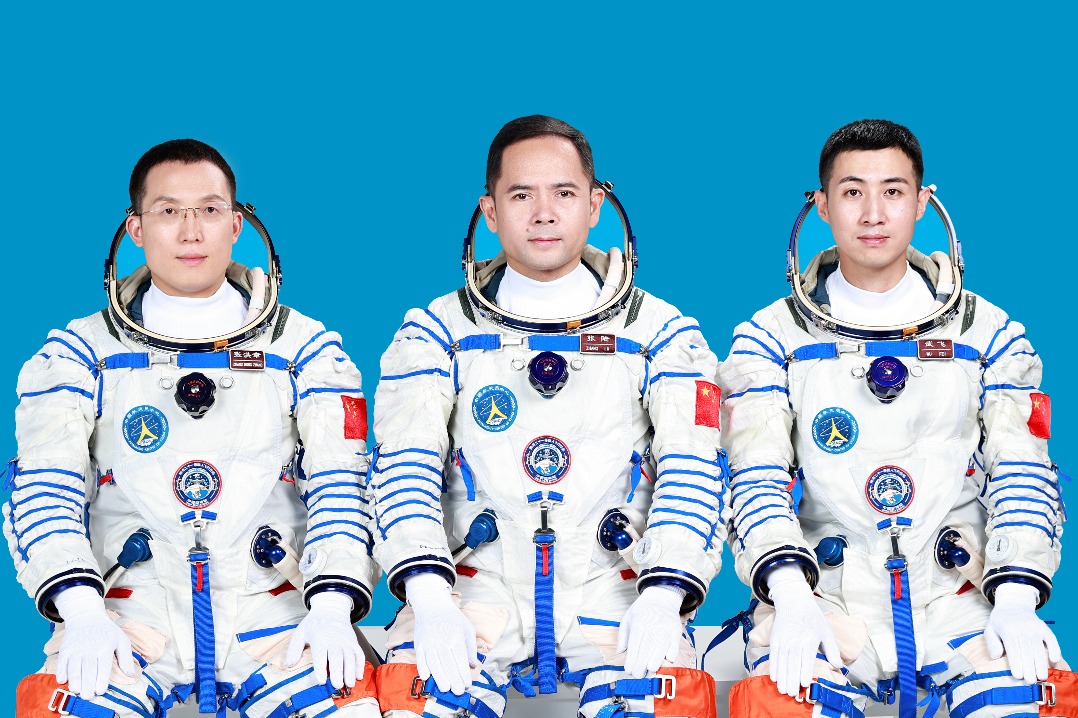
Bios of Shenzhou XXI mission crew
Senior Colonel Zhang Lu, a distinguished astronaut and commander of the upcoming Shenzhou XXI mission, has been selected to lead China’s latest space endeavor to the Tiangong space station. The 49-year-old native of Hunan province, who joined the PLA Air Force in 1996, brings a wealth of experience to this critical mission. Zhang, who holds a master’s degree, began his career as an elite fighter jet pilot before being chosen as one of the seven second-generation astronauts in May 2010. His previous spaceflight experience includes the six-month Shenzhou XV mission, which commenced in November 2022. For his exceptional performance during that mission, Zhang was awarded the honorary title of ‘Heroic Astronaut’ and a Third-grade Space Service Medal. Currently, he serves as a first-grade astronaut in the PLA Astronaut Division. The Shenzhou XXI mission, set to launch on Friday, marks another significant milestone in China’s ambitious space exploration program, which includes plans for a manned moon landing by 2030.
-
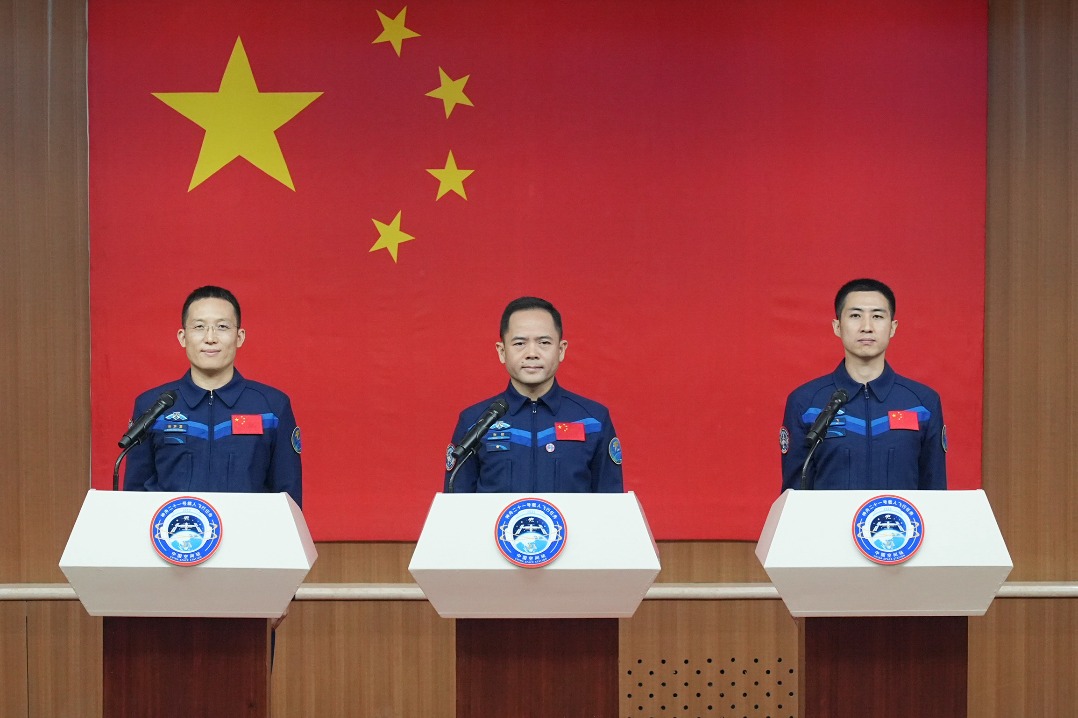
Astronauts of China’s Shenzhou XXI mission meet press
The astronauts of China’s Shenzhou XXI mission, Zhang Lu, Wu Fei, and Zhang Hongzhang, addressed the media on October 30, 2025, ahead of their scheduled launch. The mission, set to depart from the Jiuquan Satellite Launch Center in Northwest China, marks another significant step in China’s ambitious space exploration program. The launch is scheduled for 11:44 pm on Friday, Beijing Time, as announced by the China Manned Space Agency during a press conference. The Shenzhou XXI mission is part of China’s ongoing efforts to expand its presence in space, particularly with the Tiangong space station. This mission underscores China’s commitment to advancing its space capabilities and contributing to global space exploration. The astronauts’ press appearance highlights the meticulous preparation and national pride associated with this endeavor.
-
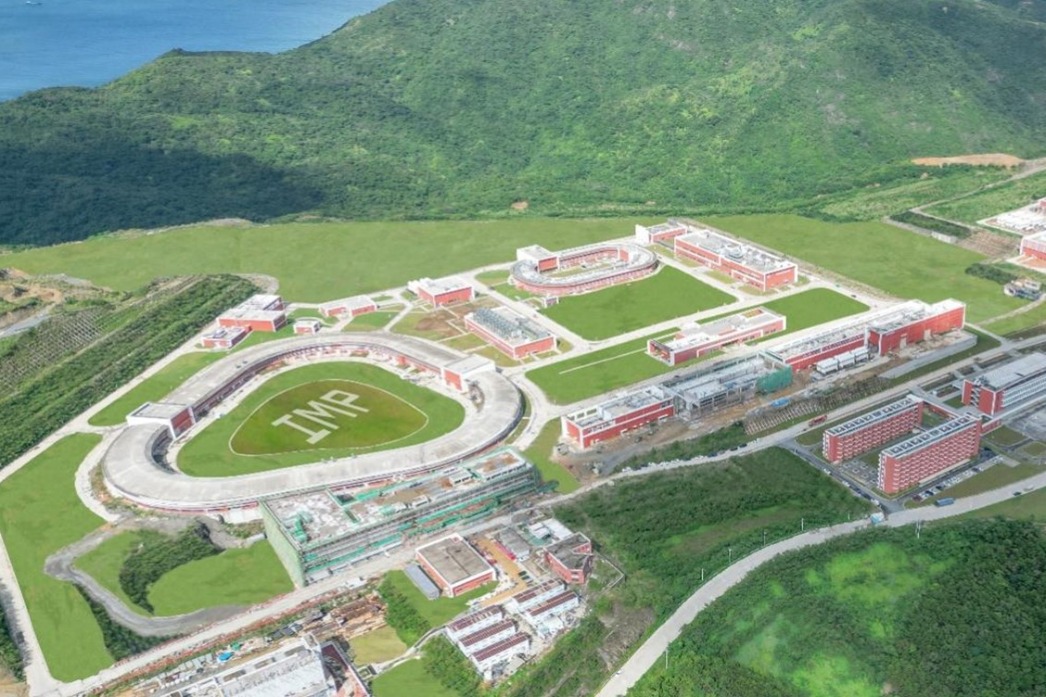
Advanced heavy-ion accelerator successfully tested in South China
In a groundbreaking achievement for scientific research, the High Intensity Heavy-Ion Accelerator Facility (HIAF), the world’s largest full ion accelerator, has successfully completed its beam commissioning phase. The milestone was announced by the Institute of Modern Physics (IMP) under the Chinese Academy of Sciences on Tuesday in Huizhou, Guangdong province. The HIAF, a flagship national science and technology project, began construction in December 2018 and features over 6,000 large-scale equipment units, nearly 5 million component parts, and a pipeline network exceeding 1 million meters in length. The project utilized digital twin technology, significantly reducing installation time from the typical two to three years to just eight months. The HIAF is set to conduct beam performance tests and is expected to initiate its first scientific experiment by the end of 2025. Once fully operational, it will provide the world’s highest pulse intensity heavy ion beams and the most precise multi-functional nuclear mass spectrometer. This facility will serve as a global hub for cutting-edge research in atomic nuclei exploration, nuclear astrophysics, nuclear energy development, and multidisciplinary applications. Additionally, the HIAF will offer a shared platform for facilities, services, data, and talent, fostering international collaboration among top scientists and research teams.
-

Shenzhou XXI launch to Tiangong space station set for Friday
China is set to launch the Shenzhou XXI spacecraft on Friday night, marking a significant milestone in its space exploration program. The mission, led by Senior Colonel Zhang Lu, will transport three astronauts to the Tiangong space station for a six-month stay. The launch is scheduled for 11:44 pm from the Jiuquan Satellite Launch Center in Inner Mongolia, utilizing a Long March 2F carrier rocket. The crew includes Major Wu Fei, the spaceflight engineer, and mission payload specialist Zhang Hongzhang, both of whom are embarking on their first space mission. The Shenzhou XXI spacecraft will employ a rapid autonomous rendezvous-docking mode to connect with the Tianhe core module of the Tiangong space station, a process expected to take approximately three and a half hours. This mission will facilitate the crew exchange with the current occupants, Senior Colonel Chen Dong, Colonel Chen Zhongrui, and Colonel Wang Jie, who have been aboard the station since late April. The Tiangong space station, completed in late 2022, remains the only independently operated space station in orbit, positioned approximately 400 kilometers above Earth. This launch underscores China’s growing capabilities in space technology and its commitment to maintaining a continuous human presence in space.
-
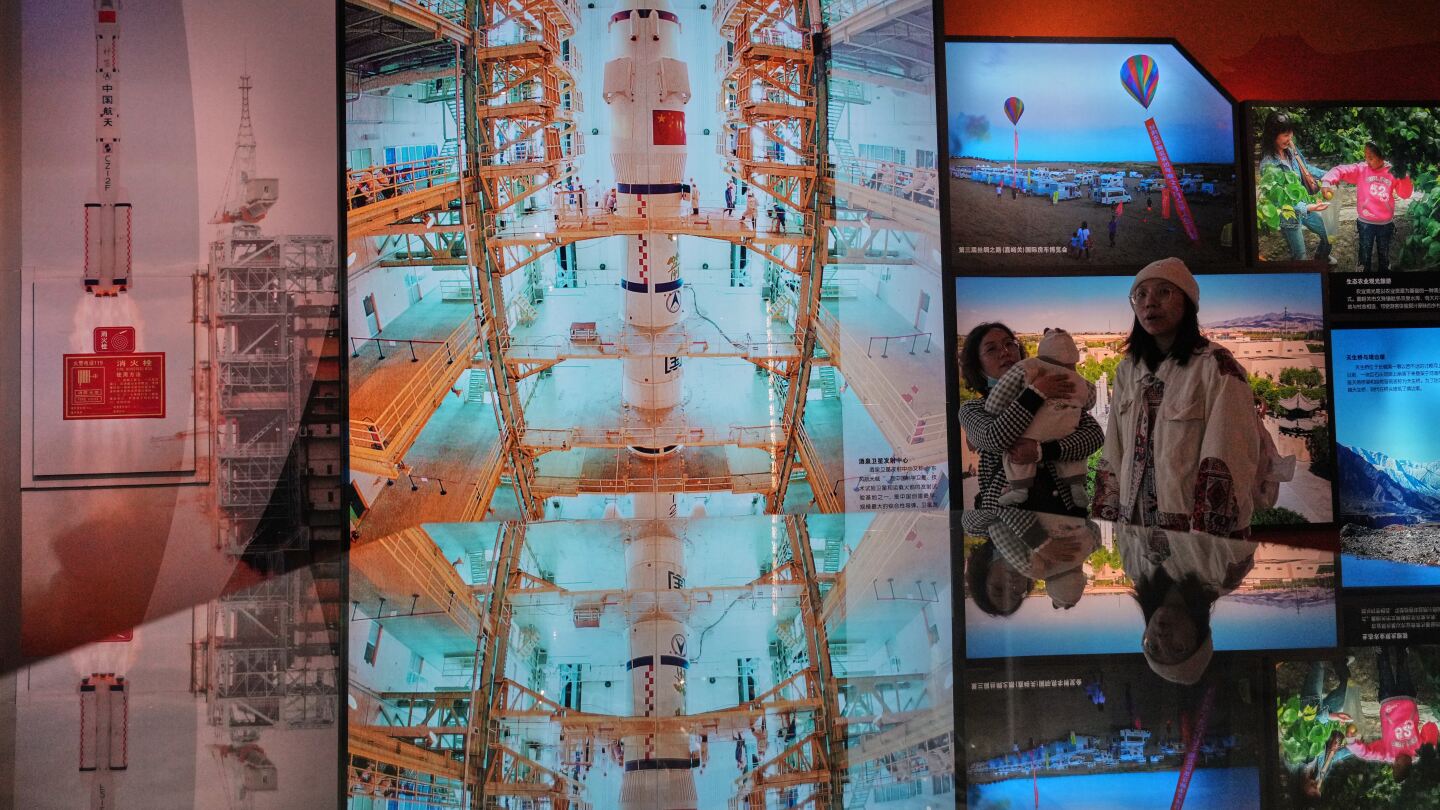
China says it’s on track to land astronauts on the moon by 2030 ahead of space station mission
China has reaffirmed its commitment to landing astronauts on the moon by 2030, marking a significant milestone in its ambitious space exploration agenda. Zhang Jingbo, spokesperson for the China Manned Space Program, announced on Thursday that all preparatory efforts, including the development of the Long March 10 rocket, lunar landing suits, and exploration vehicles, are progressing smoothly. ‘Our goal of achieving a manned moon landing by 2030 remains steadfast,’ Zhang emphasized. This announcement underscores China’s determination to establish itself as a global leader in space exploration. In parallel, China is preparing to launch its latest crew to the Tiangong space station, a critical component of its broader space strategy. The new crew, consisting of Zhang Lu, Wu Fei, and Zhang Hongzhang, is scheduled to depart from the Jiuquan launch center on Friday at 11:44 p.m. local time. While Zhang Lu has prior experience from the Shenzhou 15 mission, Wu Fei and Zhang Hongzhang will be venturing into space for the first time. The astronauts will also conduct experiments on four mice—two male and two female—to study the effects of weightlessness and confinement. The Tiangong space station, meaning ‘Heavenly Palace,’ was developed after China was excluded from the International Space Station due to U.S. national security concerns, highlighting the country’s independent advancements in space technology.
-

Scientists: Dinosaur resurrection highly possible
The ‘China Dinosaurs: International Symposium on China’s Dinosaurs,’ a four-day event, commenced in Shanghai on October 28, bringing together over 20 leading paleontologists from across the globe. The symposium aimed to delve into the future of paleontology, with a particular focus on the potential resurrection of dinosaurs. Scientists at the event expressed optimism, stating that advancements in protein research, artificial intelligence, and gene editing technologies could make the revival of dinosaurs a reality within the next 100 to 200 years. However, they emphasized that ethical considerations and the respect for life pose more significant challenges than the technological hurdles. The discussions highlighted the delicate balance between scientific progress and moral responsibility, underscoring the need for careful deliberation as humanity edges closer to the possibility of bringing extinct species back to life.
-

Bedrock bears marks of ancient glacial activity
In Pingtang County, Guizhou Province, the remnants of ancient glacial activity are vividly preserved in the form of deep, circular pits etched into the bedrock. These geological formations, often referred to as ‘giant’s kettles,’ were sculpted by the relentless force of melting glaciers, rushing water, and abrasive sand over millennia. Scattered along mountain streams, these potholes have since filled with water, creating clusters of serene, shimmering pools. Today, these natural wonders captivate hikers and campers, especially when sunlight dances on the water’s surface, transforming the basins into a sparkling spectacle. This unique landscape serves as a testament to the powerful forces of nature that once shaped the region.
-
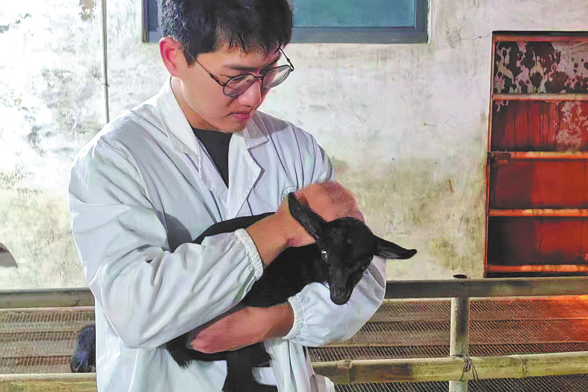
World’s first gene-edited black goat fit for hot days
In a groundbreaking scientific achievement, Chinese researchers at Guangdong Ocean University have successfully created the world’s first gene-edited black goat, designed to withstand high temperatures and humidity. Named ‘Hai Yang’ (Ocean Goat), this innovative breed was born on August 25, 2025, in Zhanjiang, Guangdong province, and marks a significant step forward in addressing the challenges posed by climate change on livestock production. The goat, which underwent editing of the PRLR (prolactin receptor) gene, has demonstrated remarkable resilience to heat stress, maintaining a robust appetite and faster weight gain compared to non-edited counterparts. According to Gan Shangquan, the chief scientist leading the project, Hai Yang has grown to weigh nearly 4,300 grams, outperforming the control group by 300 grams. This development is particularly crucial for southern China and other tropical coastal regions, where heat stress has historically caused significant economic losses in the livestock industry. The research team, which began its work in November 2022, plans to expand the program with additional batches of gene-edited goats expected later this year. The project not only highlights China’s leadership in livestock biological breeding but also offers a sustainable solution to ensure food security in the face of global warming.