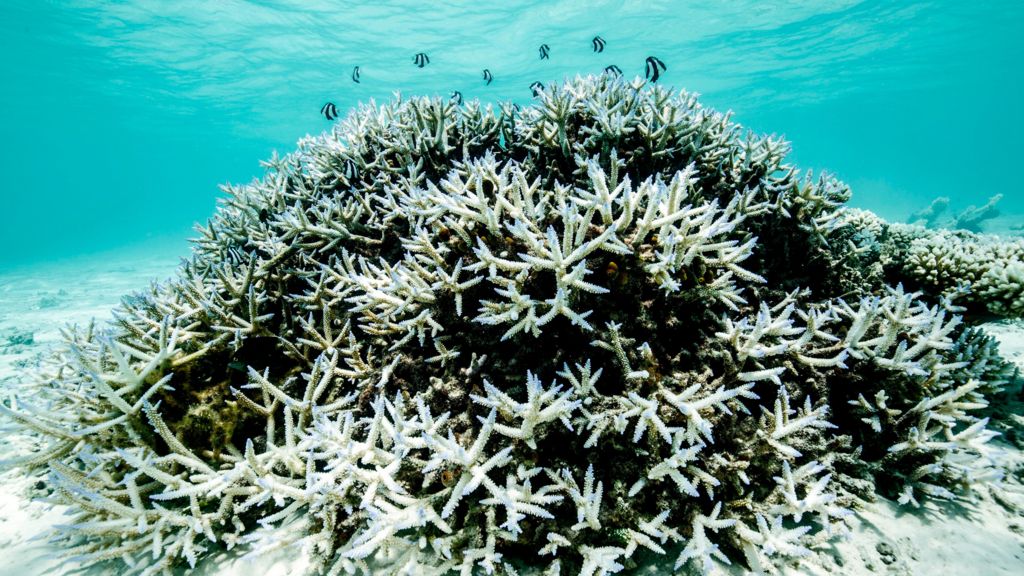
The Great Barrier Reef, one of the world’s most biodiverse ecosystems, is on track for a ‘grim future’ with a ‘rapid coral decline’ projected by 2050, according to a new study by researchers at the University of Queensland (UQ). However, the research offers a glimmer of hope, suggesting that parts of the reef may recover if global warming is kept below 2°C. The study utilized advanced modeling to simulate the lifecycles of various coral species, revealing that some corals are better equipped to adapt to warmer ocean temperatures, potentially aiding in the growth of new coral. Reefs situated near cooler-water currents were also found to be more resilient. The research underscores the critical importance of reducing carbon emissions to prevent a ‘near collapse’ of the reef. Dr. Yves-Marie Bozec, the lead researcher, emphasized that the study examined the ‘eco-evolutionary dynamics’ of over 3,800 individual reefs, including how corals interact and respond to warmer waters. ‘We forecast a rapid coral decline before the middle of this century regardless of the emissions scenario,’ he stated. The Great Barrier Reef, spanning over 2,300 km off Australia’s northeast coast, has endured four significant marine heatwaves between 2016 and 2022, leading to widespread coral bleaching—a process where corals expel the algae that provide them with life and color, often resulting in death. A recent report highlighted that parts of the reef experienced the largest annual decline in coral cover in nearly 40 years. Dr. Bozec noted that some reef areas ‘may partially recover after 2050, but only if ocean warming is sufficiently slow to allow natural adaptation to keep pace with temperature changes.’ He stressed that global action to reduce carbon emissions is essential to limit warming to below 2°C by 2100. Professor Peter Mumby, a co-author of the study, added that many reefs could persist under the Paris Agreement target of 2°C warming, but higher emissions would likely drive most reefs to near collapse. The study also identified more resilient areas of the reef network, suggesting that conservation efforts should focus on these strategic parts of the ecosystem.
分类: science
-
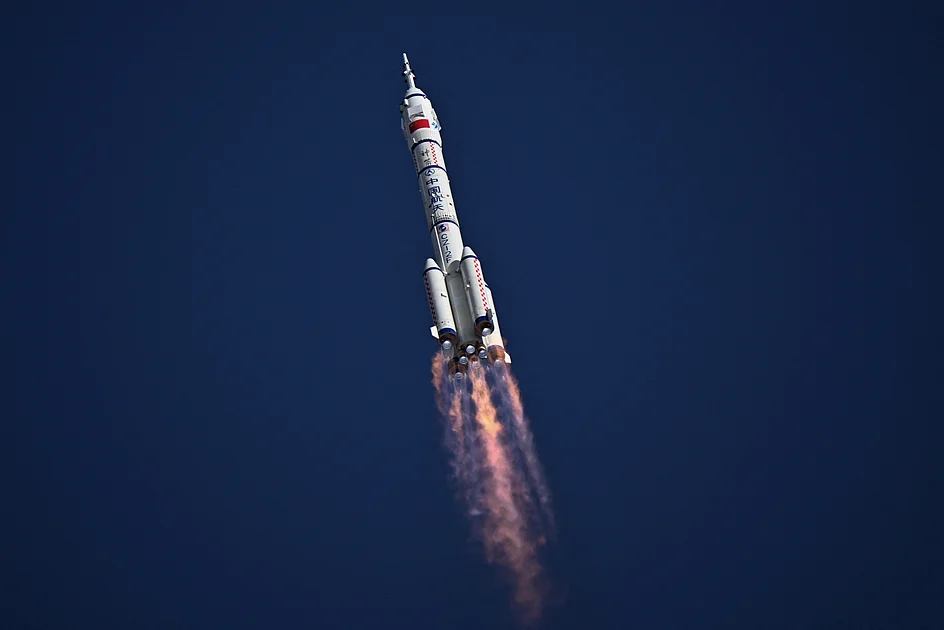
Suspected debris strike delays Chinese spaceship’s return
The return of China’s Shenzhou-20 spacecraft and its three astronauts, initially scheduled for Wednesday, has been postponed due to a suspected collision with tiny space debris. The China Manned Space Agency (CMSA) announced the delay, emphasizing that the decision was made to prioritize the safety of the crew. Astronauts Chen Dong, Chen Zhongrui, and Wang Jie were expected to land at the Dongfeng site in Inner Mongolia, but a new return date has yet to be confirmed. The CMSA is currently conducting an impact analysis and risk assessment to evaluate the situation. Meanwhile, a relief crew arrived at the Tiangong space station last week aboard the Shenzhou-21 spacecraft. Tiangong, a cornerstone of China’s ambitious space program, hosts rotating crews of three astronauts every six months. The station represents China’s significant investment in space exploration, aiming to rival the achievements of the United States and Russia. Chinese state media recently shared a video of astronauts from both crews enjoying ‘barbecued’ chicken wings aboard the station. China’s space ambitions extend beyond Tiangong, with plans to send a crewed mission to the Moon by 2030 and establish a lunar base in the future.
-
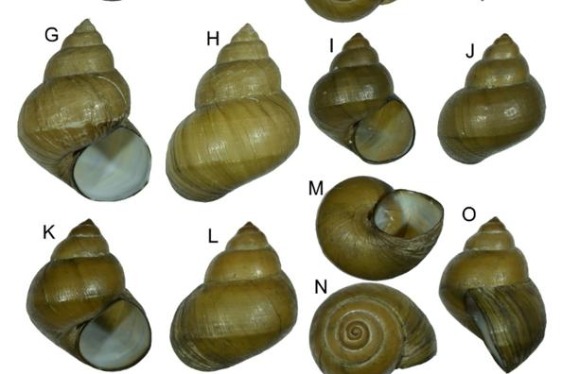
Chinese researchers find freshwater snail species missing for nearly a century
In a groundbreaking discovery, Chinese researchers have identified a living population of the freshwater snail species Yawangia leei, which had been presumed extinct for nearly a century. The finding, made in Guilin, Guangxi Zhuang Autonomous Region, marks a significant milestone in biodiversity research. The study, led by a team from the Kunming Institute of Zoology under the Chinese Academy of Sciences, utilized meticulous morphological and phylogenetic analyses to confirm the species’ identity. Yawangia leei is closely related to Dalipaludina, a group of snails native to the high-altitude still-water environments of Yunnan Province. Zhang Lejia, the study’s lead author and an assistant researcher at the institute, explained that the species was previously known only from fossilized shells discovered in Quaternary deposits within Guilin’s caves. The recent discovery of a small living population in a river near downtown Guilin has provided fresh insights into the species’ survival and evolution. The shells of the living specimens align perfectly with the fossilized type specimens, including all previously documented morphological variations. The findings, published on October 23 in the international journal Zoologica Scripta, underscore the importance of continued biodiversity research and conservation efforts.
-

Shenzhou XX crew’s return trip delayed due to space debris risk
The scheduled return of the Shenzhou XX crew from the Tiangong space station has been postponed due to potential risks posed by space debris, as announced by the China Manned Space Agency. Originally planned for Wednesday, the decision to delay the return was made after assessments revealed that the Shenzhou XX spacecraft, responsible for transporting the three astronauts back to Earth, faced a heightened risk of collision with small debris particles. The agency emphasized that the safety of the crew and the success of the mission remain the top priorities, though a new return date has yet to be disclosed. The Shenzhou XX team, consisting of mission commander Senior Colonel Chen Dong and crew members Colonel Chen Zhongrui and Colonel Wang Jie, has been stationed at the Tiangong space station since April 25, marking over six months in orbit. This mission represents China’s 15th manned spaceflight and the ninth group of residents aboard the Tiangong, which stands as the only independently operated space station globally. Meanwhile, the Shenzhou XXI mission, which arrived at the station on Saturday, has assumed control of operations, ensuring a seamless transition. The delay underscores the growing challenges posed by space debris, a critical issue for space agencies worldwide.
-
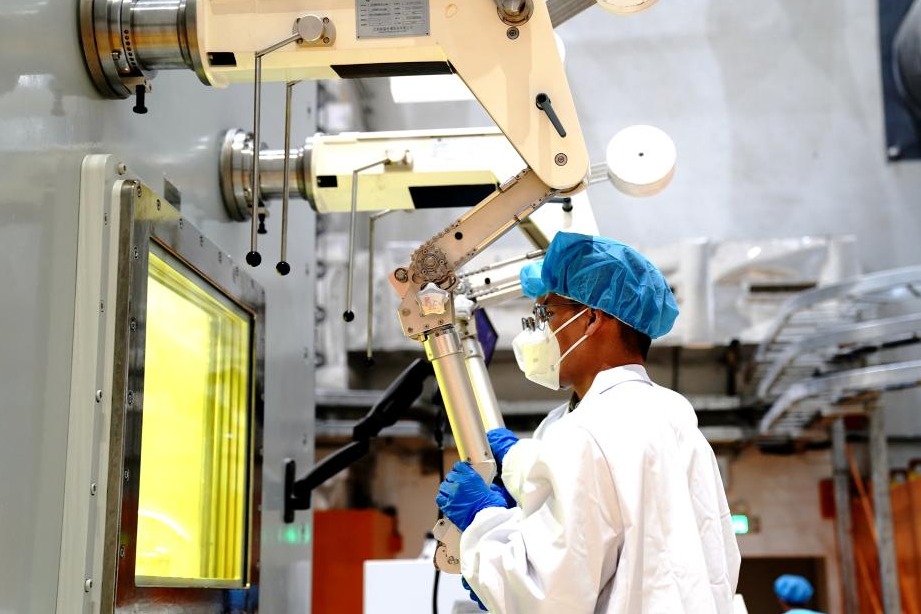
China becomes first to transmute thorium into uranium for nuclear fission
China has achieved a groundbreaking milestone in nuclear energy by becoming the first country to successfully transmute thorium into uranium for nuclear fission. This historic feat was accomplished at the experimental Thorium Molten Salt Reactor (TMSR) located in Wuwei, Gansu province, under the leadership of the Shanghai Institute of Applied Physics, Chinese Academy of Sciences. The reactor confirmed the successful conversion of thorium-232 to uranium-233, marking a significant step in the thorium fuel cycle’s technical feasibility. This achievement not only solidifies China’s leadership in molten salt reactor research but also addresses the nation’s reliance on imported uranium, offering a sustainable alternative. Thorium, abundant in China, boasts advantages such as a negative temperature coefficient of reactivity, reducing radioactive release risks, and producing less hazardous waste. The TMSR, a fourth-generation reactor, integrates seamlessly with renewable energy sectors and industrial applications. Initiated in 2011, the project has seen rapid progress, with full-power operation achieved in 2024 and the first thorium loading completed in October 2025. The program, involving nearly 100 institutions and companies, has established a fully localized supply chain, paving the way for commercial-scale thorium-based energy by 2035.
-
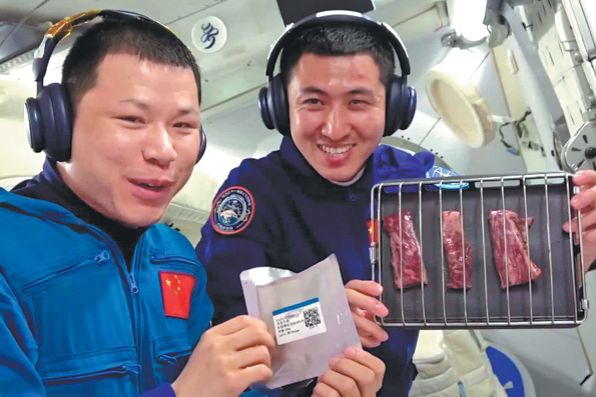
Astronauts savor grilled chicken and beef in space
In a groundbreaking culinary achievement, Chinese astronauts aboard the Tiangong space station have become the first humans to grill and consume chicken and beef in outer space. This historic event, facilitated by a specially designed oven delivered by the Shenzhou XXI spacecraft, marks a significant milestone in space exploration and living conditions for astronauts. The Shenzhou XXI crew, including mission commander Senior Colonel Zhang Lu and spaceflight engineer Major Wu Fei, collaborated with the Shenzhou XX team to prepare and enjoy grilled chicken wings and black pepper beef steaks. The process was captured in a video broadcasted from the space station, showcasing the astronauts’ excitement and satisfaction with their space-cooked meals. According to Liu Weibo, an engineer at the Astronaut Center of China, the oven was developed to enhance the dining experience and living quality of astronauts by allowing them to cook a variety of foods, including cakes and roasted peanuts, in microgravity. Wang Yanan, chief editor of Aerospace Knowledge magazine, highlighted the technical challenges of creating an oven for space use, emphasizing the need for innovative solutions to manage heat and cooking fumes in the absence of convection. This achievement not only underscores China’s advancements in space technology but also sets a new standard for future space missions, offering a glimpse into the potential for more diverse and enjoyable culinary experiences in space.
-
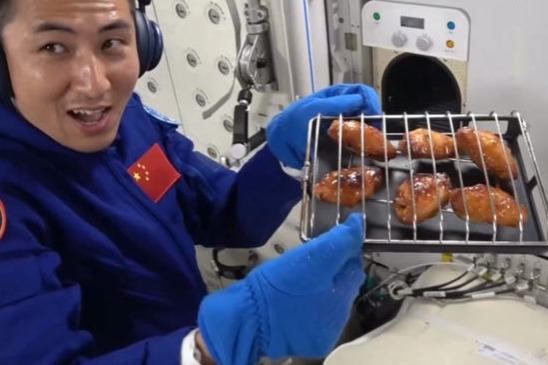
Astronauts barbecue chicken wings, steaks in China’s space station
In a groundbreaking culinary feat aboard China’s space station, astronauts have successfully prepared and enjoyed freshly cooked chicken wings and steaks using a state-of-the-art space oven delivered by the Shenzhou XXI spacecraft. A viral video captured the moment when crew member Wu Fei, a space engineer, marinated chicken wings, skewered them, and baked them to perfection in the specially designed oven. The result? A plate of sizzling New Orleans-style chicken wings, a first in space gastronomy. Alongside this, Wang Jie, another astronaut from the Shenzhou XX crew, collaborated with Wu to prepare black pepper steaks, showcasing their Inner Mongolian heritage, renowned for its high-quality beef. The six astronauts shared the meal, their faces radiating joy and satisfaction. The Shenzhou XXI mission, launched recently, has introduced significant advancements in the space station’s life support systems. The upgraded oven features precise temperature control, residue collection, high-temperature catalysis, and multi-layer filtration, ensuring smoke-free baking and compliance with the station’s emission standards. Rigorous testing has confirmed its reliability for up to 500 cycles. This innovation is part of a broader effort to enhance the astronauts’ dietary experience, with the mission expanding the food variety to over 190 items and extending the menu cycle to 10 days. Fresh vegetables, nuts, cakes, and meats are now part of the orbital menu. Liu Weibo from the China Astronaut Research and Training Center emphasized the psychological benefits of such culinary activities, noting that enjoying aromatic meals can significantly boost the astronauts’ morale during their months-long stay in the confined space station. Additionally, the space station’s vegetable garden has seen remarkable progress, with 10 batches of seven plant species, including lettuce and cherry tomatoes, successfully cultivated, providing 4.5 kg of fresh produce. This achievement marks a significant step in sustainable space agriculture, ensuring a steady supply of fresh fruits and vegetables for the crew. The Shenzhou XX crew is scheduled to return to Earth soon, concluding their mission with a taste of home-cooked space cuisine.
-
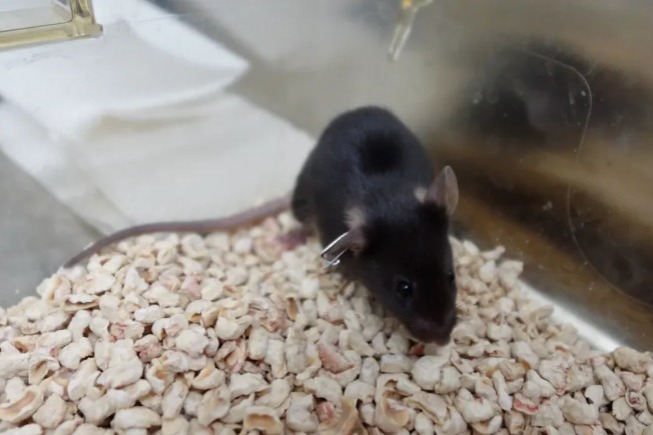
China’s ‘mice astronauts’ and their challenging journey to space
In a pioneering venture into space life sciences, China has successfully launched four mice into orbit aboard its space station, marking a significant milestone in the study of biological responses to microgravity. The rodents, affectionately dubbed ‘mice astronauts,’ are part of an experiment designed to explore the physiological and behavioral adaptations of living organisms in space.
-

Academic journal promotes Hongshan culture
A significant milestone in the study of ancient Chinese civilization was marked with the launch of the academic journal ‘Research on Hongshan Culture’ in Shenyang, Liaoning province. This quarterly publication aims to provide a systematic platform for academic exchange, featuring articles on new archaeological discoveries, material culture research, social and cultural studies, comparative civilization research, and international perspectives. The journal is chaired by Gu Yucai, president of the Chinese Society of Cultural Relics, with Bai Baoyu, director of the Liaoning Provincial Institute of Cultural Relics and Archaeology, serving as editor-in-chief. The editorial board includes renowned archaeological experts from China and abroad, such as Jia Xiaobing, Pauline Sebillaud of France, and Christian E. Peterson of Canada. Hongshan culture, dating back to the late Neolithic period, is a crucial component of Chinese civilization, known for its exquisite jade artifacts, large-scale stone tombs, and goddess temples. These findings have pushed the origins of Chinese civilization further back in history, providing essential physical evidence for exploring its development. The journal’s establishment aims to centralize scattered research findings, foster international academic exchange, and showcase the long history and achievements of Chinese civilization. At the first International Communication Conference on Hongshan Culture, scholars like Christian E. Peterson and Elizabeth Childs-Johnson highlighted the unique aspects of Hongshan society, emphasizing its ritual organization and significant contributions to the origins of Chinese civilization. The journal is expected to deepen cross-regional and cross-disciplinary research cooperation, allowing Hongshan civilization to shine anew in the modern era.
-
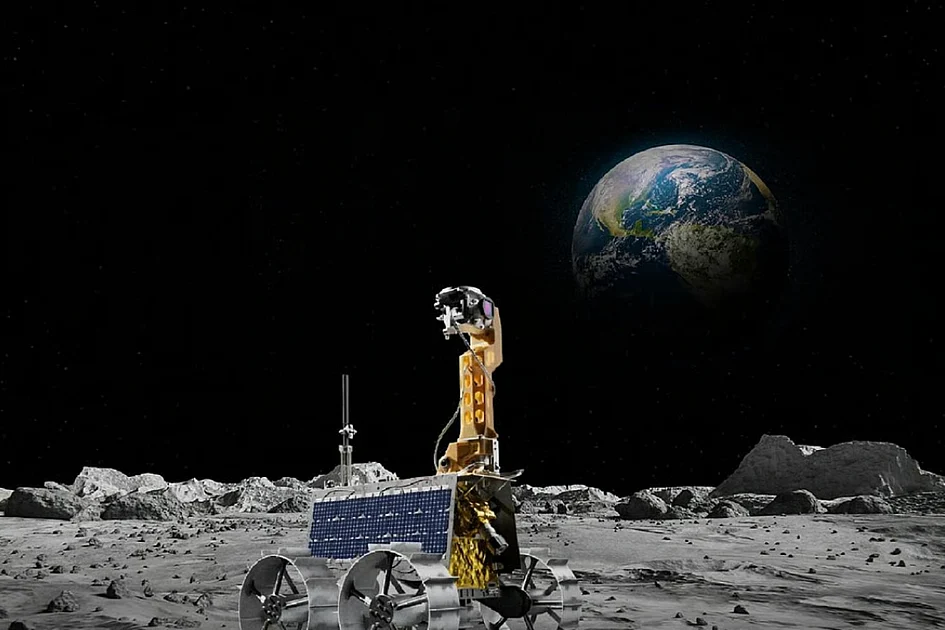
UAE nears historic Moon mission as Rashid Rover 2 heads to US for launch preparations
The United Arab Emirates (UAE) is on the brink of a groundbreaking lunar exploration mission as the Mohammed Bin Rashid Space Centre (MBRSC) announces the completion of the Rashid Rover 2’s development phase. The rover, a key component of the Emirates Lunar Mission, has been dispatched to the United States for final launch preparations in collaboration with Firefly Aerospace. This mission aims to explore the far side of the Moon, a region that remains largely uncharted. The rover underwent rigorous testing in the UAE, including Thermal Vacuum testing in collaboration with the French space agency CNES, as well as solar panel performance tests, antenna and robotic arm deployment simulations, and vibration tests to ensure its readiness for the harsh lunar environment. Hamad Obaid AlMansoori, chairman of MBRSC, emphasized that this milestone reflects the UAE’s growing expertise in space science and technology. The mission, set for 2026, marks a significant step in the UAE’s ambitions to expand its presence in space exploration.