分类: science

  • New study reveals snow-ground thermal coupling on Qinghai-Tibet Plateau

    New study reveals snow-ground thermal coupling on Qinghai-Tibet Plateau

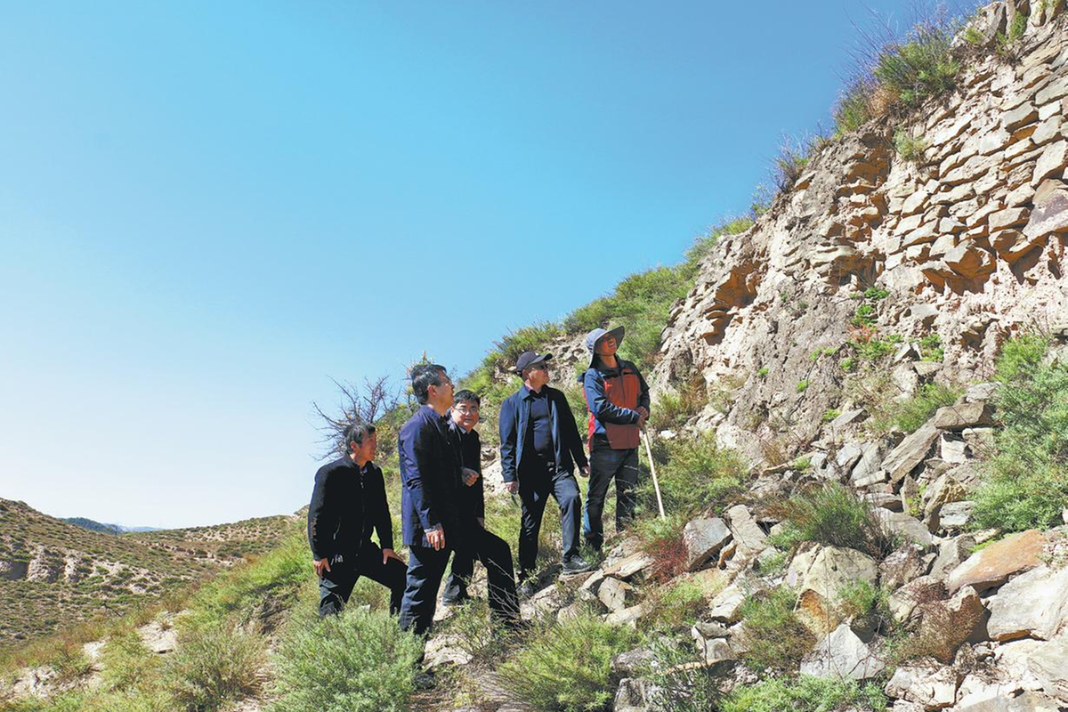
    A pioneering study conducted by Chinese scientists has uncovered the intricate coupling effects between snow cover and ground thermal dynamics on the Qinghai-Tibet Plateau. Published in the journal *Agricultural and Forest Meteorology*, the research was jointly carried out by the Northwest Institute of Eco-Environment and Resources (NIEER) under the Chinese Academy of Sciences and the Nanjing University of Information Science and Technology (NUIST). The study integrates snow cover processes into land surface and climate models for cold regions, significantly enhancing the accuracy of permafrost evolution predictions and extreme event risk assessments. The Qinghai-Tibet Plateau, home to the world’s largest high-altitude permafrost zone, has experienced accelerated warming due to global climate change. Unlike the Arctic, the plateau’s snow cover is typically thin and short-lived, yet it plays a critical role in influencing ground thermal regimes and surface energy fluxes. Researchers conducted years of in-situ observations at two alpine permafrost sites, located at 5,100 meters and 4,538 meters above sea level, respectively. They analyzed snow cover characteristics, ground surface temperature responses, and energy flux dynamics. The team also proposed a ‘four-interval mechanism framework’ to describe the evolutionary stages of snow-ground coupling. According to Hu Guojie, a researcher at NIEER, this framework provides operational criteria and parametric insights for shallow snow-dominated areas. Professor Zhao Lin from NUIST emphasized that the study quantified the nonlinear thermal effects of shallow snow cover on alpine permafrost, offering observational evidence and conceptual benchmarks for developing threshold-sensitive snow-ground coupling schemes in climate models.

  • The evolution of relic preservation

    The evolution of relic preservation

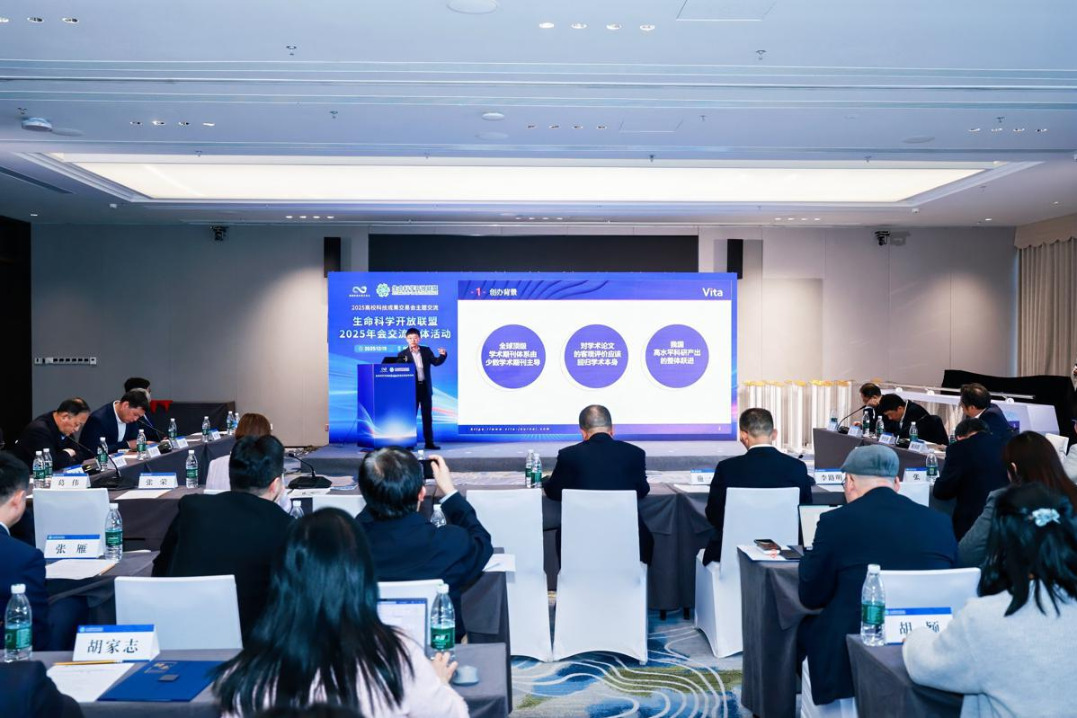
    China is leveraging state-of-the-art scientific and technological innovations to safeguard and study its extensive cultural heritage. This initiative was highlighted during a conference organized by the National Cultural Heritage Administration in Xi’an, Shaanxi province, in October. The event brought together administrators and scientists from key technology and research bases to review achievements and outline future strategies. The conference underscored that the field of cultural relics is at a pivotal stage, with significant scientific questions and key technologies on the verge of revolutionary breakthroughs. Officials announced plans to establish innovation systems encompassing basic research, technology development, and achievement transformation during the 15th Five-Year Plan (2026-30). Since 2004, the administration has established 40 key research bases, forming a comprehensive scientific network that supports high-quality development in the cultural relics sector. These bases have made strides in technological research, talent cultivation, achievement promotion, and international exchange. Advanced technologies such as satellite remote sensing, drone patrols, and real-time perception through the internet of things are being widely used to build intelligent firewalls for relics. In the field of risk prevention and control, these bases serve as guardians of cultural relics. For instance, the key research base for the seismic protection of cultural relics has developed a discrete body mechanics theoretical model for predicting damage to brick-and-stone heritage structures and new stability enhancement measures. This technology has been applied in the protection and display of heavy stone inscriptions such as Kaicheng Shijing in the Xi’an Beilin Museum. Additionally, the complete set of technical equipment for seismic protection of museum collections developed by the base is in use in more than 20 museums across the country and has withstood the test of multiple earthquakes measuring magnitude 6.2 or higher. In the field of conservation and restoration, these research bases are extending the life span of cultural relics. The key research base for conservation of ancient murals at the Dunhuang Academy has built the world’s first multi-field coupling laboratory for cultural relics, continuously deepening the understanding of relic diseases. Innovations such as microbial treatment materials for tomb murals and weathering prevention technologies for sandstone grotto temples have been applied in more than 200 projects across 16 provinces and regions and are being promoted to countries involved in the Belt and Road Initiative, such as Kyrgyzstan, Nepal, and Myanmar. In the field of archaeological interpretation, these research bases act as decoders of civilization. The deep integration of technology has expanded archaeology beyond traditional tools like hand shovels and excavation units. The integrated innovation of spatial science, molecular biology, nuclear technology, and other methods has provided a more solid basis for revealing the origins, formation, and development path of Chinese civilization. The key research base for human evolution and genetics at the Institute of Vertebrate Paleontology and Paleoanthropology of the Chinese Academy of Sciences has achieved remarkable results over the past years. Its ancient DNA team has used key ancient DNA and ancient protein evidence to confirm that the Harbin cranium is linked to the early Denisovan lineage from Siberia, who were widely distributed in Asia. The team has published papers in international journals such as Cell, Nature, and Science, proposing new hypotheses about the diverse ancestral populations and migration evolution patterns in East Asia, and constructing a China-Southeast Asia gene flow network. Similarly, the key research base for metal and metallurgical heritage at the University of Science and Technology Beijing has clarified the origins of Chinese metallurgy. These research bases serve as envoys of cultural dissemination, bringing cultural relics to life and into households. In collaboration with the research institute of the Yungang Grottoes, the key research base for digital protection of grotto temple relics at Zhejiang University has created a 1:1 full-scale replication of Cave 3 of Yungang, allowing the magnificent grotto art to ‘travel’ the world. At the core of technological competition lies talent. Since their establishment, the research bases have made talent cultivation their key mission. After years of development, a professional team of scientific and technological talent has formed, becoming a valuable resource driving the high-quality development of the cultural relics sector. As of last year, among the 1,436 permanent staff members in 40 research bases, 58 percent hold senior professional titles and 71 percent have master’s degrees or higher, indicating a steady improvement in the talent hierarchy. Internationally, China’s voice is becoming increasingly prominent. Various research bases have established stable academic cooperation with more than 20 countries, including the United States, Russia, the United Kingdom, France, and Japan. The key research base for conservation of textile cultural relics at the China National Silk Museum has initiated the World Silk Interactive Map project, attracting about 40 institutions from 13 countries to participate, constructing the world’s first silk heritage database.

  • Chinese cities dominate global science hub rankings

    Chinese cities dominate global science hub rankings

    In a significant development for global scientific research, Chinese cities have emerged as dominant players in the latest Nature Index supplement, securing more than half of the top 10 spots in the 2025 rankings. Beijing continues to reign as the world’s leading science city, a position it has maintained since 2016. Shanghai follows closely in second place, while Nanjing, Guangzhou, Wuhan, and Hangzhou also feature prominently in the top 10. The United States is represented by the New York, Boston, San Francisco Bay, and Baltimore-Washington metropolitan areas. The rankings, compiled by an organization linked to Springer Nature, are based on contributions to 145 high-quality natural and health science journals tracked by the Nature Index database. Chinese cities excel in chemistry, physical sciences, and Earth and environmental sciences, with Beijing leading in all three categories. In biological sciences, Western cities dominate, with New York and Boston taking the top spots, while Beijing ranks third. Health sciences see US cities claiming half of the top 10 positions, with Beijing securing sixth place. Hangzhou, home to tech giants like Alibaba and DeepSeek, has made significant strides, advancing three spots to enter the top 10. The city has established robust support mechanisms for basic research, including a joint fund with the National Natural Science Foundation of China. Wuhan, another rising star, has climbed to eighth place, driven by its thriving high-tech sector and substantial investment in research and development. Chinese Minister of Science and Technology Yin Hejun emphasized the pivotal role of sci-tech innovation in catalyzing new industries and growth drivers. Experts highlight that China’s growing influence in global innovation is reshaping the landscape, with cities like Beijing, Shanghai, and Guangzhou becoming critical nodes in the global innovation network.

  • From obscurity to orbit: Space law gains momentum in UAE as sector expands

    From obscurity to orbit: Space law gains momentum in UAE as sector expands

    The United Arab Emirates (UAE) is witnessing a transformative shift in its approach to space exploration, with space law emerging as a critical discipline in the nation’s rapidly expanding space sector. Once an obscure academic field, space law is now gaining significant traction, driven by the UAE’s ambitious lunar missions and a growing interest among its youth and educational institutions. This development was highlighted during a session titled ‘Forging New Frontiers Through Global Partnerships’ at the Dubai Airshow 2025. Salem Butti Al Qubaisi, Director General of the UAE Space Agency, emphasized that the rise of space law reflects the country’s broader space ambitions and the need for robust legal frameworks to guide political, commercial, and international cooperation. As the UAE prepares for its next steps in space exploration, including lunar missions, experts underscored the importance of space law in navigating the complexities of the global space economy. The UAE’s expanding space sector has also spurred a ripple effect across higher education institutions, with universities introducing specialized programs to meet industry demands. For the first time, space law is being taught as a degree program in the UAE, marking a significant milestone in the region’s academic landscape. Mike Gold, President of Civil and International Space at Redwire Space, noted that while engineers handle the technical aspects, lawyers face the challenging task of addressing the political and commercial dimensions of space exploration. The growing visibility of astronauts has also played a pivotal role in inspiring the next generation. Initiatives that allow students to engage with astronauts have had a profound impact on youth, fostering a sense of responsibility and ambition. This has led to a surge in demand for skills beyond engineering, including governance, regulation, policy, and legal expertise. Chris White-Horne, Deputy CEO of the UK Space Agency, highlighted that space has transitioned from being a luxury or a novelty to a critical component of modern society. He emphasized the shared responsibility of the global community in addressing the challenges and opportunities presented by space exploration. The UAE’s focus on space law and education is shaping career aspirations across the region, positioning the country as a leader in the global space economy.

  • UAE unveils plans for Antarctica research base, mulls acquiring ice-breaker

    UAE unveils plans for Antarctica research base, mulls acquiring ice-breaker

    The United Arab Emirates (UAE) has unveiled groundbreaking plans to establish a permanent research base in Antarctica, marking a significant expansion of its scientific endeavors. This announcement was made during the Dubai Future Forum, where Dr. Abdulla Al Mandous, Director General of the National Centre of Meteorology, emphasized the UAE’s commitment to advancing global climate science and fostering international cooperation. The initiative, part of the UAE Polar Programme, aims to inspire a new generation of Emirati researchers and contribute to understanding the polar regions’ impact on global weather patterns. A key component of this project is the construction of a state-of-the-art research facility capable of accommodating over 50 researchers. Additionally, the UAE is considering acquiring an ice-breaker vessel to facilitate the transportation of personnel and equipment to Antarctica. This move follows the UAE’s accession as the 58th member of the Antarctic Treaty in 2024, which allows the nation to conduct research on the continent dedicated to peace and science. The UAE is already collaborating with several countries, including Bulgaria, New Zealand, India, Argentina, and Turkey, to enhance polar research efforts. Furthermore, the programme is focused on building local expertise by partnering with institutions like the National Centre of Meteorology, Khalifa University, and Abu Dhabi Polytechnic to train and send students and researchers to the poles.

  • Nobel laureate delves into whether life exists elsewhere at Fudan University

    Nobel laureate delves into whether life exists elsewhere at Fudan University

    The 13th Shanghai Master Forum on Science, hosted at Fudan University, featured an enthralling lecture by Nobel Prize-winning physicist Didier Queloz. The Swiss scientist, renowned for his co-discovery of the first exoplanet in 1995, took the audience on a journey through the mysteries of astrophysics and the search for life beyond Earth. Queloz, who made the groundbreaking discovery alongside his advisor Michel Mayor, emphasized that the exploration of exoplanets is not about finding an alternative home for humanity but rather about deepening our understanding of the universe. ‘Earth is our shared home, and the goal of this research is to live peacefully here,’ he stated. The forum highlighted the transformative impact of Queloz’s work on astronomy and the ongoing quest to uncover whether life exists elsewhere in the cosmos.

  • Science helps ‘dead land’ bloom

    Science helps ‘dead land’ bloom

    In the arid deserts of Dunhuang, Gansu province, a remarkable transformation is underway. Once barren and saline-alkali soil, deemed unsuitable for agriculture, now yields bountiful cotton crops, thanks to decades of scientific innovation. Local technician He Shengbing proudly refers to the 1,000-kilogram cotton bales as ‘golden eggs laid by what was once dead land.’

    For years, nearly 95% of Dunhuang’s 25,000 hectares of farmland suffered from high salinity, low organic matter, and extreme alkalinity, making it nearly impossible for crops to thrive. However, through the efforts of researchers from China Agricultural University and local agronomists, the region has seen a dramatic turnaround.

    Since May, Dunhuang has served as a pilot base for saline-alkali land management. Professor Hu Shuwen’s team developed a comprehensive soil improvement plan, combining organic fertilizers, biobased soil conditioners, microbial agents, and pH regulators. These are delivered through a precise drip irrigation system, which not only conserves water but also reduces soil salinity.

    ‘We’re not changing the cotton. We’re changing the earth it grows in,’ explained Yang Xu, a graduate student on Hu’s team. The drip irrigation system, with its tiny holes spaced every 30 centimeters, delivers water and nutrients directly to the roots, creating a ‘wet bulb’ effect that protects plants from salt buildup.

    The results are undeniable. The organic content of the topsoil has increased to 1.35%, salt concentration has dropped to 0.12%, and cotton yields have risen by up to 20%. Additionally, the region saves 20% of its agricultural water annually.

    Dunhuang’s success has garnered international recognition. Its ‘Five-in-One’ model, which unites the United Nations Food and Agriculture Organization, research institutes, local governments, enterprises, and farmers’ cooperatives, was highlighted at the Global Conference on Scientific Utilization and Development of Saline Soil as a replicable example of sustainable land management in arid regions.

    With plans to invest 17 million yuan ($2.4 million) in 2025 to expand the program, Dunhuang is proving that even the harshest land can flourish with the right care. ‘Every drop counts here,’ Yang said. ‘We’re proving that even the harshest land can bloom with the right care.’

  • Mystery of ‘knee’ formation solved

    Mystery of ‘knee’ formation solved

    A groundbreaking discovery by Chinese and international scientists has shed light on the enigmatic ‘knee’ structure in the energy spectrum of cosmic rays. This phenomenon, characterized by a sharp decline in particle numbers at higher energies, has puzzled researchers for over seven decades. The breakthrough came through data from China’s Large High Altitude Air Shower Observatory (LHAASO), which identified powerful jets from black holes as the source of ultra-high-energy gamma rays in five ‘microquasar’ systems. These findings, published in the journals National Science Review and Science Bulletin, reveal that cosmic rays from these sources can reach energies exceeding 10 peta-electronvolts, surpassing the ‘knee’ threshold. The research, conducted by teams from the Institute of High Energy Physics of the Chinese Academy of Sciences, Nanjing University, the University of Science and Technology of China, and Italy’s Sapienza University of Rome, marks a significant advancement in understanding cosmic ray origins. LHAASO’s multi-parameter measurement capabilities enabled the collection of high-purity proton samples, allowing for unprecedented precision in mapping the proton energy spectrum. The discovery of a distinct ‘high-energy component’ suggests the existence of multiple cosmic accelerators in the Milky Way, each with unique energy limits. Cao Zhen, LHAASO’s chief scientist, emphasized the importance of continued observations to identify more sources and study the energy spectra of different cosmic-ray nuclei. This research not only deepens our understanding of black hole systems as natural accelerators but also holds potential for improving the design of future man-made particle accelerators. Located in Daocheng county, Sichuan province, LHAASO has become a global leader in cosmic ray research since its operation began in July 2019, reshaping scientific understanding of extreme cosmic processes.

  • New video shows stunning Aurora Borealis over South Dakota

    New video shows stunning Aurora Borealis over South Dakota

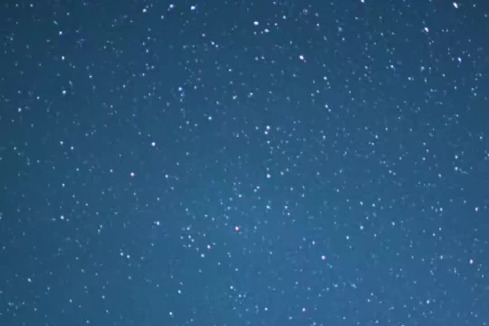
    A breathtaking display of the Aurora Borealis recently illuminated the night skies over South Dakota, captivating onlookers with its vibrant hues and ethereal beauty. This rare phenomenon, typically confined to polar regions, has ventured further south due to heightened solar activity. According to NASA, the sun is currently at the peak of its 11-year solar cycle, referred to as the “solar maximum.” This phase is characterized by increased sunspots and solar flares, which can trigger more intense geomagnetic storms. These storms, in turn, enhance the visibility of the Northern Lights, allowing them to be observed in regions where they are seldom seen. The recent event in South Dakota serves as a vivid reminder of the sun’s profound influence on Earth’s atmospheric conditions. Scientists anticipate that such occurrences may become more frequent in the coming months as the solar maximum continues to unfold.

  • The deadly fungus Chinese scientists smuggled into the US

    The deadly fungus Chinese scientists smuggled into the US

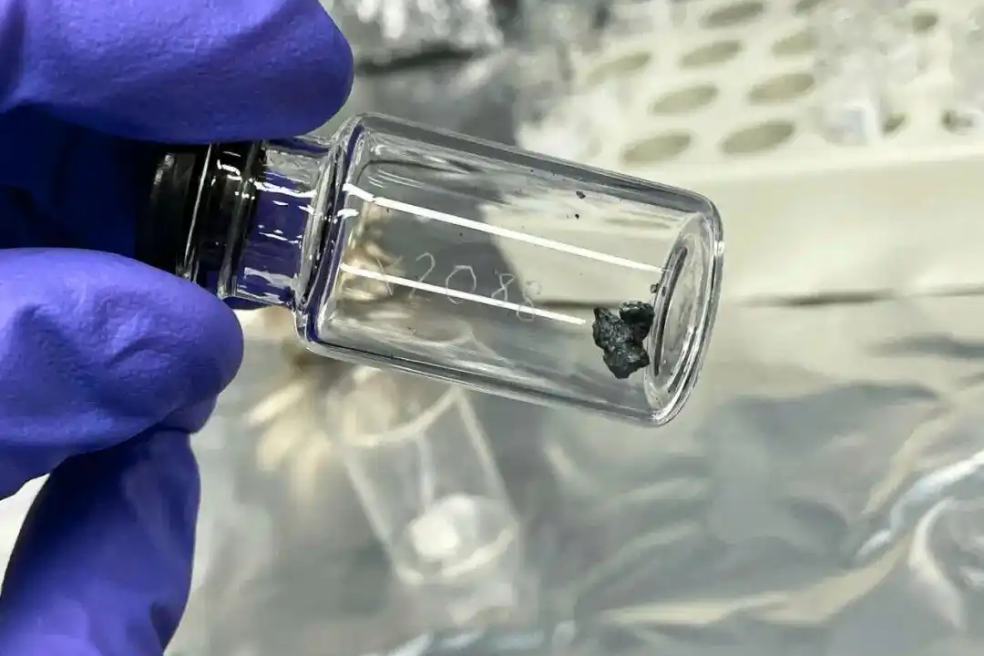
    In a high-profile case that has drawn significant attention, Yunqing Jian, a 33-year-old Chinese plant scientist at the University of Michigan, pleaded guilty on November 12, 2025, to charges of smuggling and making false statements to the FBI. Jian, who was arrested in June 2025 along with another Chinese scientist, was accused of smuggling Fusarium graminearum, a crop-damaging fungus, into the United States. Under her plea agreement, Jian was sentenced to time served and is expected to be deported. In a statement to the court, she claimed her research was aimed at protecting crops from disease.

    Fusarium graminearum, a well-known pathogen, poses significant risks to crops such as wheat, corn, and barley, causing Fusarium head blight, or scab. This disease can reduce crop yields by up to 45% in severe cases and has been responsible for substantial economic losses in the U.S., estimated at over $1 billion annually. The fungus also produces mycotoxins, which can harm both humans and livestock, leading to gastrointestinal damage, immune system issues, and nervous system inflammation.

    The case has highlighted the strict regulations surrounding the import and movement of plant pathogens in the U.S., governed by the Plant Protection Act of 2000. Scientists must obtain permits from the USDA’s Animal and Plant Health Inspection Service (APHIS) to transport such pathogens, a process that can take up to six months. The goal is to prevent the introduction of new genetic material that could exacerbate crop damage.

    Farmers combat Fusarium graminearum through integrated management strategies, including the use of fungicides, crop rotation, and planting resistant crop varieties. Researchers are also developing predictive models to forecast scab outbreaks, helping farmers apply fungicides at optimal times to minimize damage.

    Jian’s case underscores the delicate balance between scientific research and biosecurity, raising questions about the ethical and legal responsibilities of scientists working with potentially harmful pathogens.