分类: politics

  • Trump says US freeze on asylum decisions will last ‘a long time’

    Trump says US freeze on asylum decisions will last ‘a long time’

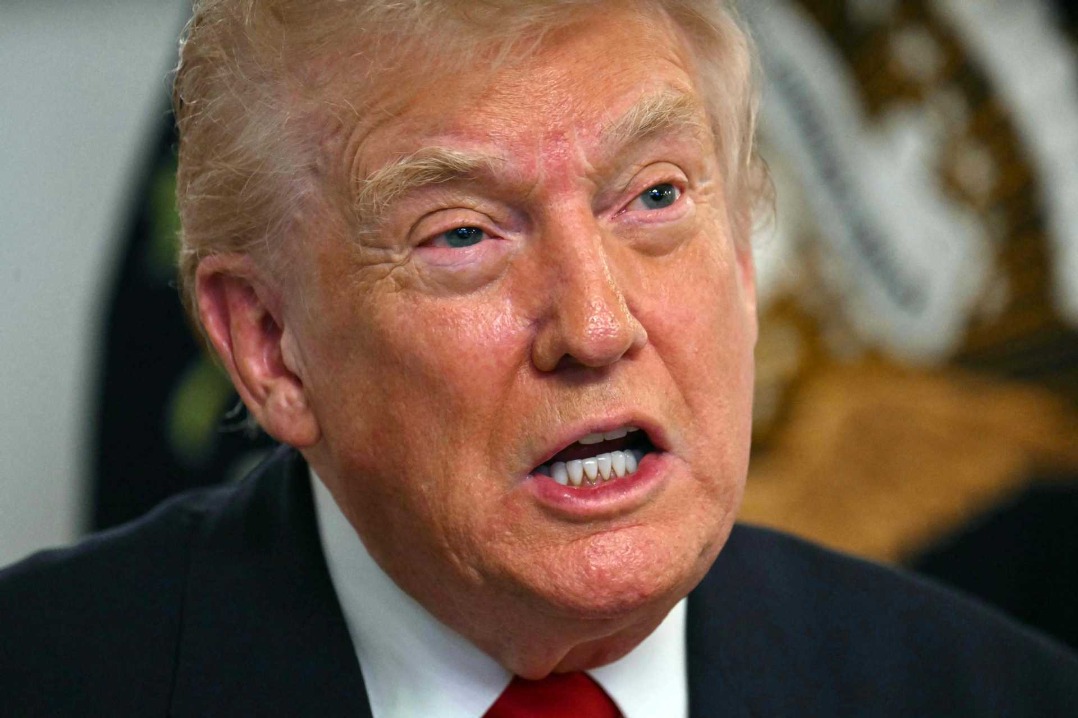
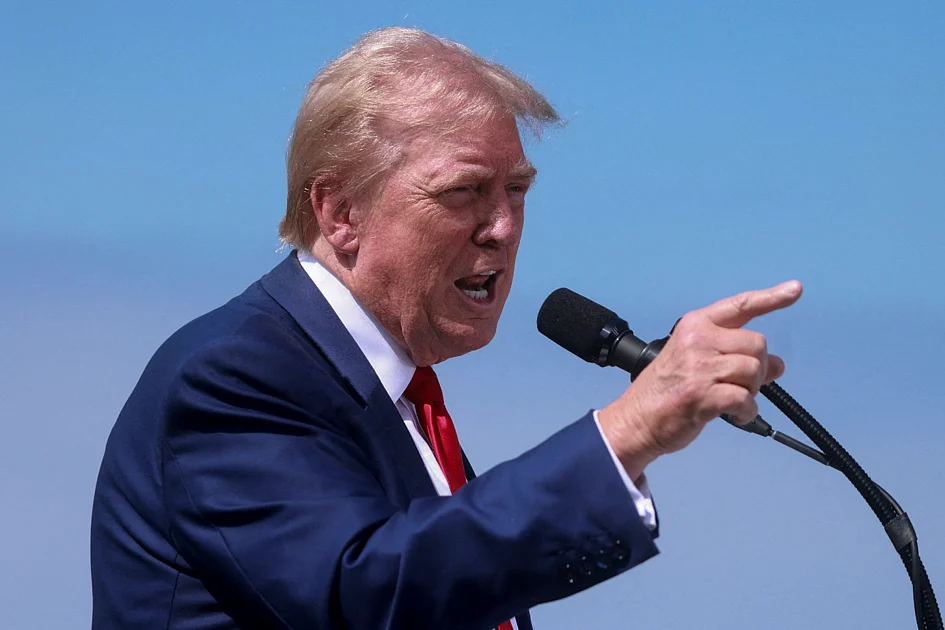
    President Donald Trump has declared an open-ended suspension of asylum admissions following a fatal shooting incident near the White House that resulted in the death of a National Guard member. The administration’s immigration pause, initially implemented after the November 26th attack, now appears set to continue indefinitely according to the President’s Sunday statements.

    The policy specifically targets nationals from 19 countries already subject to existing U.S. travel restrictions, including Afghanistan, Cuba, Haiti, Iran, and Myanmar. When pressed about the duration of this measure, Trump explicitly stated he had ‘no time limit’ in mind for maintaining the asylum freeze.

    The shooting incident involved Rahmanullah Lakanwal, a 29-year-old Afghan national who entered the United States through a resettlement program following the 2021 military withdrawal from Afghanistan. Despite being granted asylum under the current administration in April 2025, Lakanwal has been charged with first-degree murder in connection with the attack that killed 20-year-old Sarah Beckstrom and critically wounded another guardsman.

    Trump attributed the tragedy to what his administration characterizes as insufficient vetting procedures during the previous Biden administration’s handling of the Afghan evacuation. The Department of Homeland Security has directly linked the asylum pause to the list of countries already facing travel restrictions since June.

    The President reinforced his position with strong rhetoric, stating ‘We don’t want those people’ and asserting that ‘many have been no good, and they shouldn’t be in our country.’ This policy shift represents a significant hardening of the administration’s immigration stance following the security incident.
  • ICC president vows to resist US and Russian pressure despite sanctions and threats

    ICC president vows to resist US and Russian pressure despite sanctions and threats

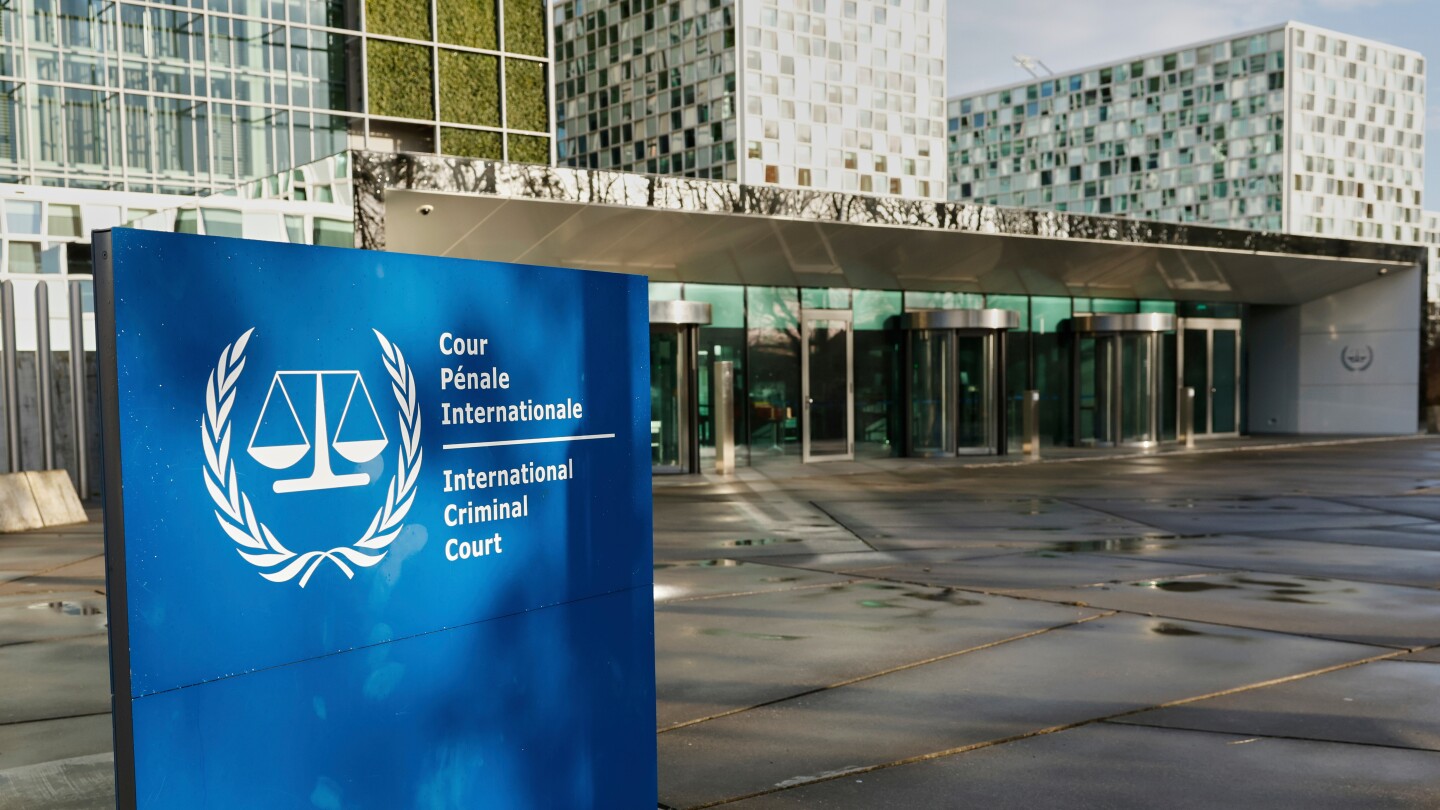
    THE HAGUE, Netherlands — In a defiant address at its annual assembly, the International Criminal Court (ICC) declared it would resist mounting external pressures from global powers. Court President Judge Tomoko Akane asserted the institution’s independence before delegations from 125 member states, emphasizing, “We never accept any kind of pressure.”

    The declaration comes amid significant challenges: nine ICC officials, including six judges and Chief Prosecutor Karim Khan, face sanctions from the Trump administration. These measures were imposed in response to investigations targeting U.S. and Israeli officials. Simultaneously, Moscow has issued warrants against court staff following the ICC’s arrest warrant for Russian President Vladimir Putin concerning Ukraine conflict allegations.

    These sanctions have substantially impacted the court’s operational capacity across multiple investigations, straining resources as demand for its services grows. The current administration under President Joe Biden has not reversed these sanctions, maintaining the stance established in 2020 when Trump targeted Prosecutor Khan over probes involving Israel.

    In a major development, the court has issued arrest warrants for Israeli Prime Minister Benjamin Netanyahu and former Defense Minister Yoav Gallant regarding alleged war crimes during Israel’s military operations in Gaza following Hamas’ October 2023 attacks.

    The ICC, established in 2002 as the permanent global court for prosecuting severe international crimes including genocide and war crimes, operates when national jurisdictions fail to act. Notably, the United States, Israel, Russia, and China remain non-member states. The court lacks its own enforcement capabilities and depends on member cooperation to execute warrants.

    Adding to these external pressures, Prosecutor Khan has temporarily stepped down pending an investigation into allegations of sexual misconduct, which he denies. Assembly of States Parties President Päivi Kaukoranta acknowledged frustrations with the prolonged investigation timeline, though no completion date has been set.

    The weeklong meeting will address critical operational matters, including budget approvals, against this backdrop of international pressure and internal challenges.

  • Zelenskyy meets with Macron in Paris as U.S.-led peace negotiations advance

    Zelenskyy meets with Macron in Paris as U.S.-led peace negotiations advance

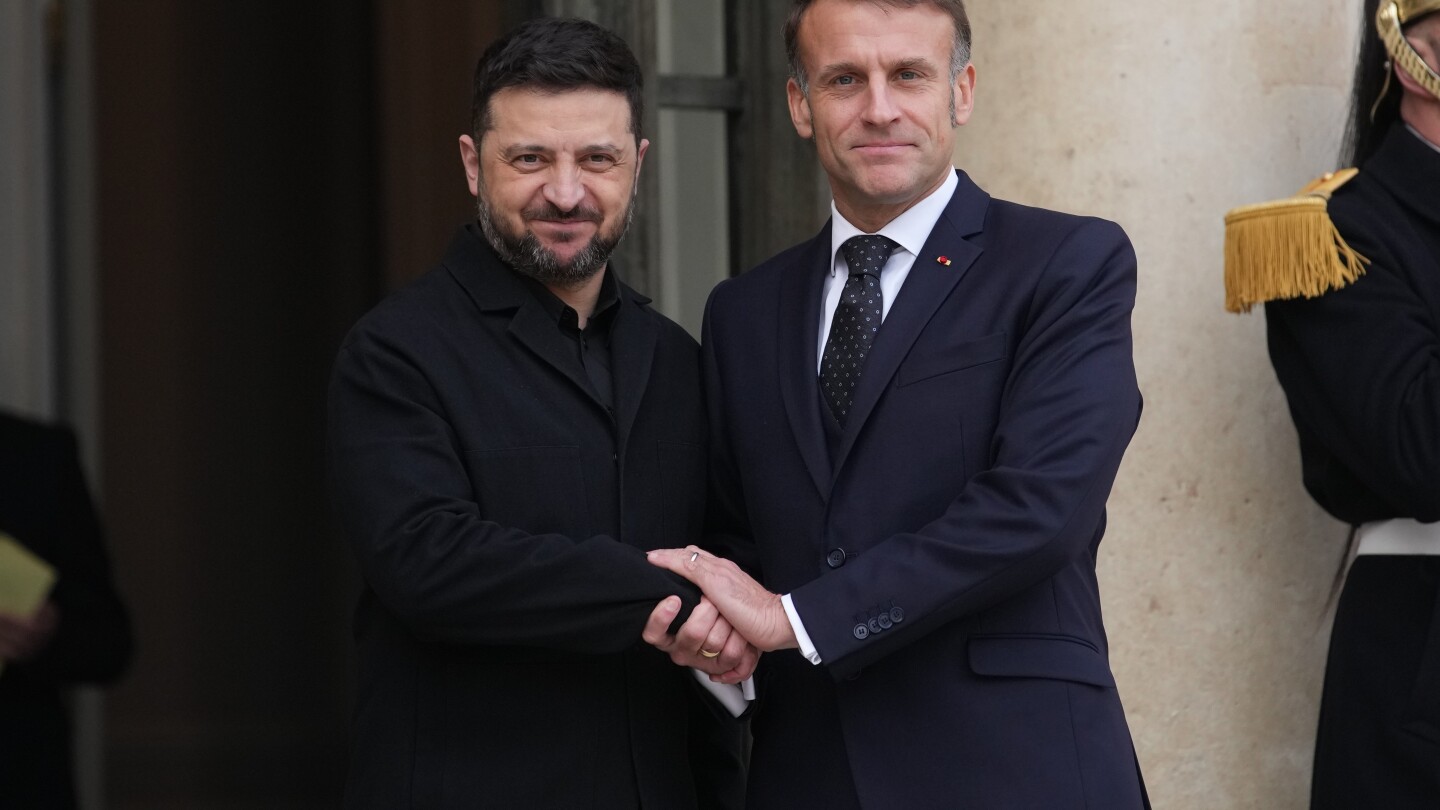
    PARIS — A significant diplomatic push unfolded Monday as Ukrainian President Volodymyr Zelenskyy convened with French counterpart Emmanuel Macron at the Élysée Palace, marking the latest high-level engagement in complex negotiations toward a potential ceasefire in the protracted Ukraine conflict. This Paris meeting followed Sunday’s discussions between Ukrainian and U.S. officials in Florida, which Secretary of State Marco Rubio characterized as productive despite substantial outstanding issues.

    The diplomatic efforts center on revising a U.S.-authored peace proposal that has drawn criticism from European allies for perceived excessive concessions to Russian interests. The initial 28-point framework—which would restrict Ukraine’s military capacity, bar NATO membership, and require territorial concessions—has been downplayed by U.S. President Donald Trump as merely a conceptual starting point requiring refinement.

    Macron’s office stated the leaders would deliberate conditions for a “fair and lasting peace,” with the French president emerging as a key counterbalance to elements favoring Russian positions. Last week, Macron urged Western allies to provide “rock-solid” security guarantees to Ukraine, including potential deployment of a multinational “reassurance force” across land, sea, and air domains to ensure the nation’s defense.

    Parallel diplomatic channels saw Kremlin confirmation that Russian President Vladimir Putin would meet Tuesday with U.S. presidential envoy Steve Witkoff, whose role faced scrutiny following reports he coached Russian officials on presenting the peace plan to Trump. Both Moscow and Washington minimized these revelations’ significance.

    Meanwhile, military tensions escalated as Kremlin spokesperson Dmitry Peskov condemned Ukrainian strikes on Russian energy infrastructure, including an attack on the Caspian Pipeline Consortium terminal that forced operational halts and another targeting tankers in Turkish waters. Ukraine confirmed conducting these operations, which Peskov labeled “outrageous” due to targeting international facilities.

    Russia’s Defense Ministry reported destroying 32 Ukrainian drones overnight across 11 regions and the Sea of Azov, with regional officials noting damage to residential structures in Dagestan—over 1,000 kilometers from frontline combat zones.

  • UK leader Keir Starmer backs his Treasury chief over claims she misled the public about the economy

    UK leader Keir Starmer backs his Treasury chief over claims she misled the public about the economy

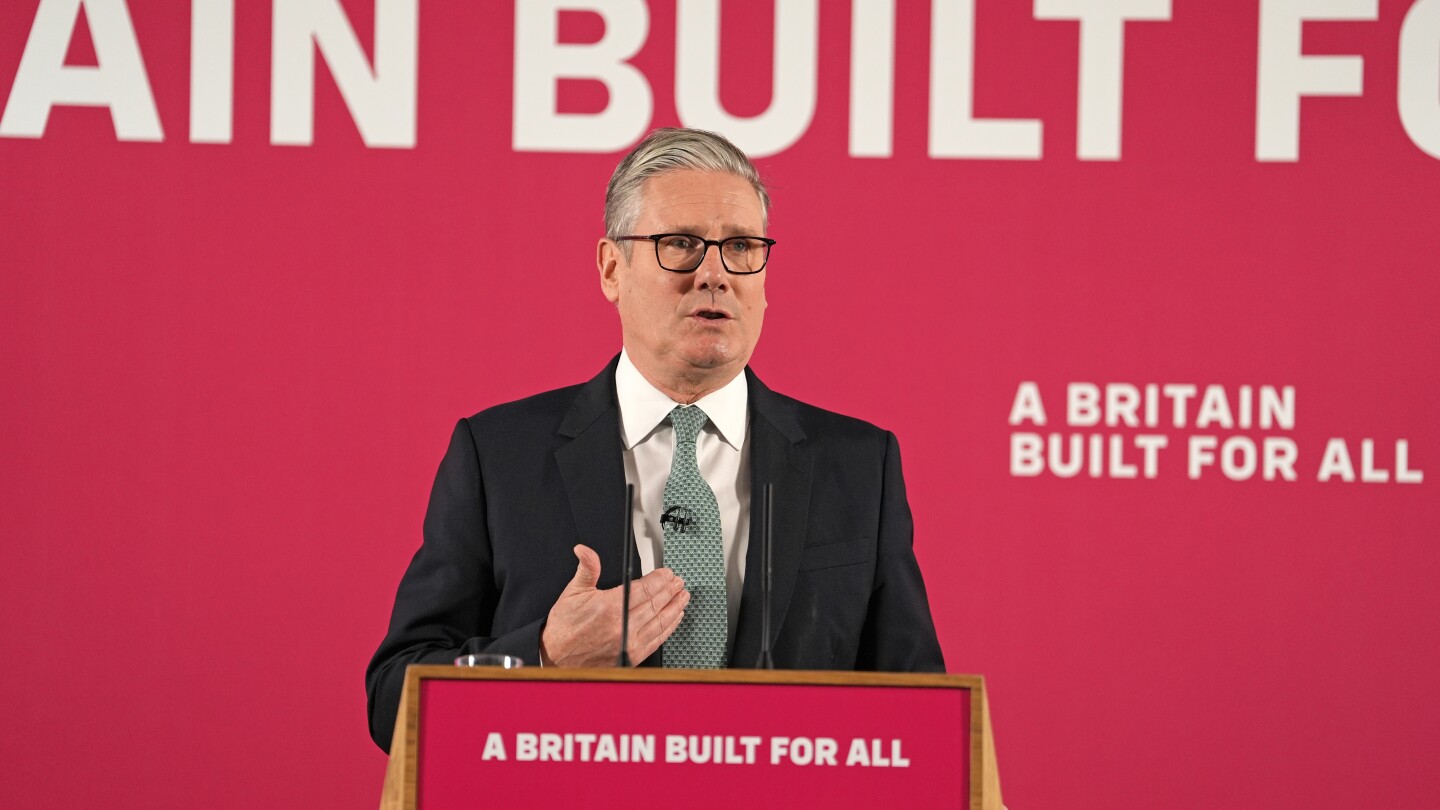
    LONDON — British Prime Minister Keir Starmer has publicly supported his Treasury chief amid mounting opposition accusations regarding the government’s handling of pre-budget financial communications. The controversy centers on Chancellor of the Exchequer Rachel Reeves’ statements preceding last week’s fiscal announcement, which opposition parties claim misrepresented the nation’s economic outlook.

    Three weeks prior to unveiling her budget, Reeves indicated potential income tax increases that would have contradicted a key Labour election pledge. However, following resistance from within her own party and more favorable-than-anticipated public finance reports, the Chancellor altered course, implementing smaller revenue-generation measures instead.

    Conservative and Scottish National Party politicians have formally requested the Financial Conduct Authority to examine Reeves’ pre-budget remarks and media disclosures. Their allegations suggest the Chancellor possessed advance knowledge of the Office for Budget Responsibility’s improved fiscal forecast while publicly discussing economic challenges. Reform U.K. leader Nigel Farage has additionally urged the government’s standards advisor to investigate the matter.

    Reeves maintains her complete transparency, explaining that the OBR had initially projected a £16 billion ($21 billion) revenue shortfall due to downgraded productivity forecasts—a significantly smaller deficit than previously reported. The Chancellor emphasized she accurately communicated that the OBR assessment would necessitate additional public contributions.

    The current administration, which achieved a decisive electoral victory in July 2024 after campaigning on a platform of no income tax increases for working citizens, has implemented £26 billion ($34 billion) in tax measures primarily to establish financial buffers against potential economic volatility.

    Prime Minister Starmer, speaking at a London community center, defended these decisions by highlighting the “total crisis” in public finances and services inherited after fourteen years of Conservative governance. He framed the tax adjustments, minimum wage increases, and public service investments as necessary steps to alleviate child poverty and redirect the nation from economic decline.

    The government now advances two potentially contentious initiatives: reducing Britain’s expanding welfare expenditure and pursuing closer ties with the European Union. The former risks alienating Labour constituents, while the latter may provoke pro-Brexit Conservative and Reform politicians. Starmer acknowledged that the existing EU exit agreement has “significantly hurt our economy,” asserting that closer European relations remain essential for Britain’s economic future.

  • US state secretary says ‘more work to be done’ after talks with Ukraine over revised peace plan

    US state secretary says ‘more work to be done’ after talks with Ukraine over revised peace plan

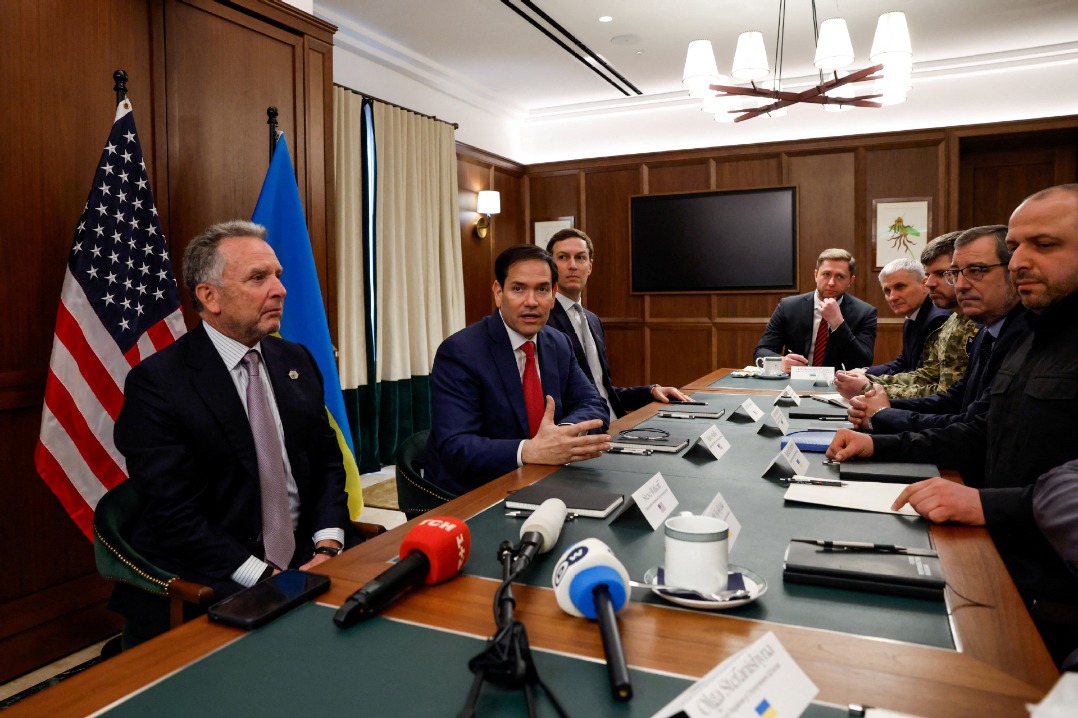
    Following an intensive four-hour diplomatic session in Hallandale Beach, Florida, United States Secretary of State Marco Rubio characterized recent negotiations with Ukrainian officials as making “additional” progress toward a revised blueprint for peace in Eastern Europe. The high-level discussions, held on November 30, 2025, brought together key figures from both nations but concluded without a finalized agreement.

    Secretary Rubio addressed journalists after the meeting, emphasizing the complex nature of the negotiations. “This is delicate, it’s complicated,” he stated. “There are a lot of moving parts, and obviously there’s another party involved here that will have to be a part of the equation” – an apparent reference to Russian interests in any comprehensive settlement.

    The American diplomatic contingent featured not only Secretary Rubio but also Special Envoy Steve Witkoff and Jared Kushner, son-in-law to former President Donald Trump. Their Ukrainian counterparts were led by Rustem Umerov, Secretary of Ukraine’s National Security and Defence Council, who described the dialogue as “difficult but productive” in a social media update.

    Umerov further noted that the parties had achieved “tangible progress toward establishing a just peace” while acknowledging significant work remains before a conclusive agreement can be reached. Both delegations have committed to ongoing consultations and coordination regarding subsequent measures.

    According to reports from The Wall Street Journal, the American diplomatic team is scheduled to travel to Moscow for follow-up discussions, indicating the multilateral dimension of these peace efforts. Neither Rubio nor Umerov fielded questions from the press following the conclusion of Sunday’s negotiations.

  • Trump confirms phone call with Venezuelan president: report

    Trump confirms phone call with Venezuelan president: report

    WASHINGTON — U.S. President Donald Trump has officially acknowledged a direct telephone conversation with Venezuelan President Nicolás Maduro, marking a significant development in bilateral relations between the two nations. The confirmation came during a press briefing aboard Air Force One on Sunday, though the American leader remained notably guarded about substantive details of the exchange.

    When pressed by journalists for commentary on the nature of the discussion, Trump responded, “I don’t want to comment on it; the answer is yes.” He characterized the call in neutral terms, stating, “I wouldn’t say it went well or badly. It was a phone call,” effectively sidestepping deeper elaboration on diplomatic particulars.

    The revelation follows Trump’s social media activity from Saturday, wherein he issued a stark warning regarding Venezuelan airspace. In his post, the President declared that the airspace above and surrounding Venezuela “should be considered to be closed in its entirety.” This statement prompted immediate speculation about potential military escalation.

    However, Trump moved to downplay interpretations of imminent offensive action. “Don’t read anything into it,” he advised, clarifying that the alert was issued “because we consider Venezuela to be not a very friendly country.” This framing suggests the move was more a symbolic gesture of diplomatic pressure rather than a precursor to airstrikes. The exchange and subsequent statements represent a complex interplay of diplomacy and public posturing amid ongoing tensions between the United States and the Venezuelan government.

  • South Africa to be fully engaged in G20 despite tensions with Washington: president

    South Africa to be fully engaged in G20 despite tensions with Washington: president

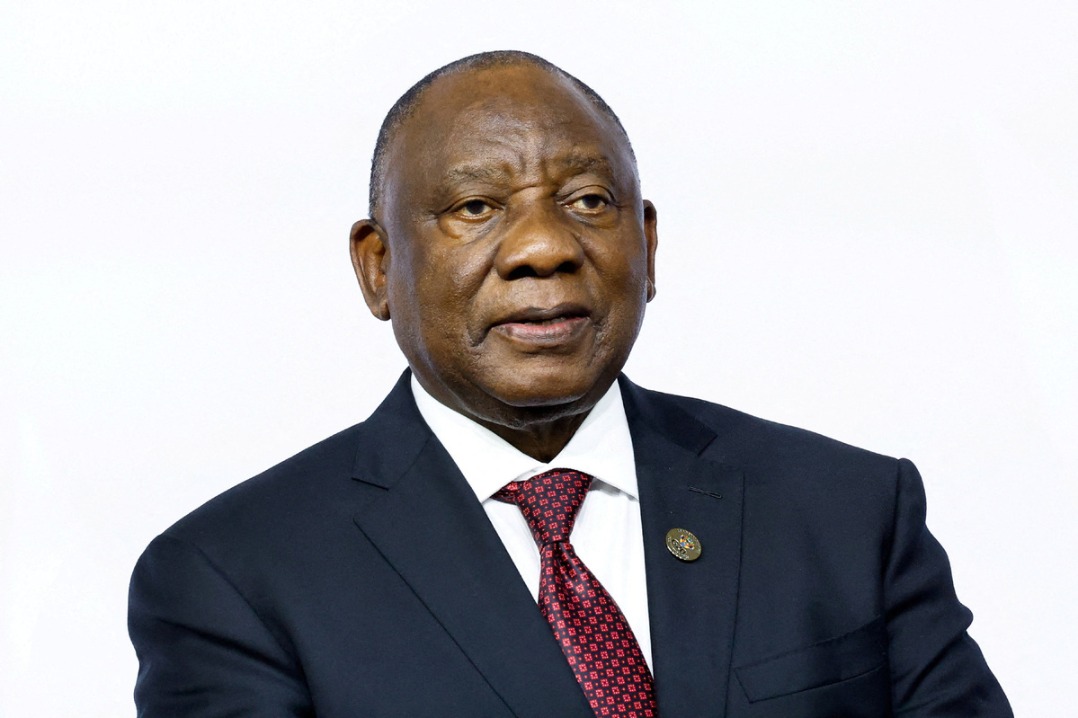
    South African President Cyril Ramaphosa has emphatically declared his nation’s commitment to full participation in G20 affairs, notwithstanding escalating diplomatic tensions with the United States. The announcement came during a national address following Johannesburg’s hosting of the G20 Leaders’ Summit, which notably proceeded without American representation.

    President Ramaphosa underscored South Africa’s foundational role within the G20 framework, asserting the nation’s inherent right to participation. “We must make it clear that South Africa is one of the founding members of the G20 and therefore a member in its own name and right,” stated Ramaphosa. “We will continue to participate as a full, active and constructive member.”

    The diplomatic strain emerged after US President Donald Trump announced intentions to exclude South Africa from next year’s G20 meetings, citing alleged human rights concerns. Trump had previously boycotted the Johannesburg summit based on claims of “white genocide” in South Africa—assertions that Ramaphosa vehemently denounced as “blatant misinformation” and “baseless and false allegations.”

    Despite these tensions, Ramaphosa confirmed the formal transition of G20 presidency to the United States this week, emphasizing South Africa’s continued valuation of bilateral relations with Washington. The African leader expressed regret over the US absence from the recent summit, characterizing the situation as rooted in misinformation while reaffirming commitment to diplomatic dialogue.

    The United States is scheduled to formally assume G20 leadership on December 1, setting the stage for potentially complex multilateral negotiations amid ongoing bilateral disagreements.

  • Ukraine, US to hold peace talks

    Ukraine, US to hold peace talks

    Diplomatic efforts to resolve the ongoing conflict in Ukraine are accelerating as high-level negotiations between Ukrainian and US officials commence in Florida. The Ukrainian delegation, led by National Security Chief Rustem Umerov, traveled to the United States on Sunday to engage in substantive discussions aimed at developing a concrete framework for peace.

    The talks come amid significant political developments within Ukraine, including the resignation of President Zelensky’s chief of staff Andriy Yermak, who previously served as the country’s lead negotiator with the US. Yermak’s departure follows anti-corruption searches at his residence conducted by Ukrainian authorities, though specific details regarding the investigation remain undisclosed.

    US diplomatic representation includes Secretary of State Marco Rubio, Special Envoy Steve Witkoff, and Jared Kushner, son-in-law of former President Donald Trump. The discussions focus on refining a revised 19-point peace proposal, substantially condensed from the original 28-point plan introduced by the United States last month.

    Parallel diplomatic movements are underway, with a US delegation expected to travel to Moscow later this week for direct talks with Russian President Vladimir Putin. Kremlin spokesman Dmitry Peskov confirmed that Moscow has received the adjusted parameters of the peace plan and anticipates detailed discussions.

    Meanwhile, European coordination continues as French President Emmanuel Macron prepares to host Zelensky in Paris on Monday. The French presidency stated the leaders will deliberate on conditions for “a just and lasting peace” in alignment with Geneva discussions and the US proposal.

    Despite these diplomatic initiatives, military confrontations persist unabated. Recent Russian drone and missile attacks in the Kyiv region resulted in multiple casualties, including three fatalities on Saturday and additional casualties in overnight strikes. Ukraine has demonstrated continued capability to strike strategic targets within Russia, damaging a critical oil terminal near Novorossiysk through unmanned naval vessels—an operation officially confirmed by Ukrainian authorities.

    Russian Foreign Ministry spokeswoman Maria Zakharova characterized Ukraine’s actions as threatening global security, promising to notify international platforms about the attack. The simultaneous escalation of diplomatic efforts and military operations underscores the complex dynamics shaping the conflict’s potential resolution.

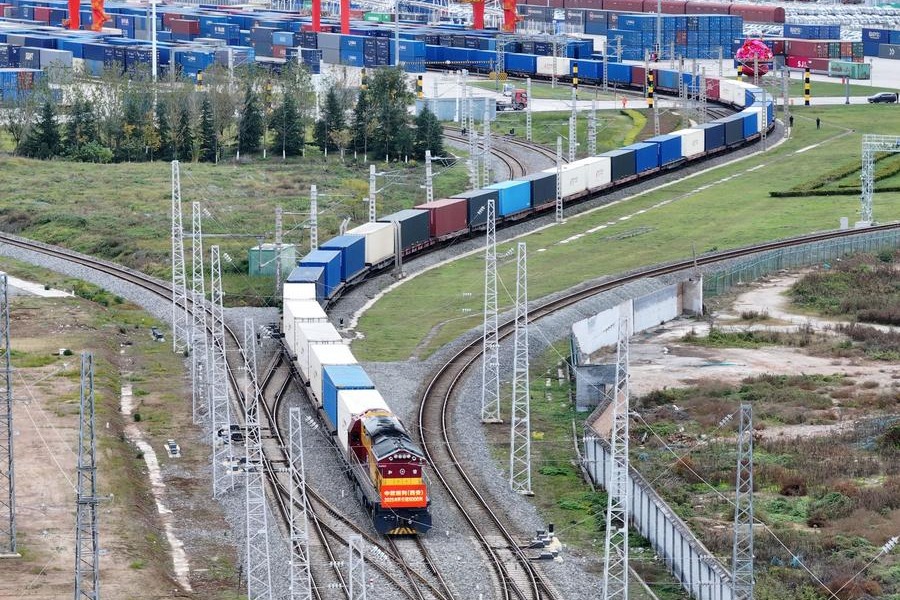
  • Experts advocate increasing scope of BRI to include soft power sectors

    Experts advocate increasing scope of BRI to include soft power sectors

    SHANGHAI—The Belt and Road Initiative is poised for a strategic evolution beyond physical infrastructure as leading international experts call for greater emphasis on soft power sectors during a major academic forum. The ninth International Academic Forum on the Belt and Road and Global Governance, co-hosted by Fudan University and the Silk Road Think Tank Association, became a platform for redefining the initiative’s future direction.

    With global governance systems undergoing rapid transformation, participants emphasized that BRI must expand into science, culture, heritage preservation, sports, education, and health collaborations to effectively address worldwide challenges. This shift comes as the initiative enters what experts describe as a critical phase in global governance development.

    Erik Solheim, Co-Chair of the Europe-Asia Center and former UN Undersecretary-General, commended China’s leadership in steering BRI toward green transition while advocating for what he termed ‘small and beautiful projects’ in soft sectors. ‘China has demonstrated remarkable capability in hard infrastructure—railroads, roads, and environmental projects—but can achieve even greater impact through global health and education initiatives,’ Solheim stated.

    The digital dimension emerged as another priority area, with Solheim highlighting how BRI could help developing nations bridge technological gaps through digital infrastructure and access to artificial intelligence technologies. This perspective draws from his observations of China’s transformation since first visiting Shanghai in 1984.

    Liu Zhiqin, Senior Fellow at Renmin University’s Chongyang Institute for Financial Studies, stressed the importance of connecting BRI outcomes directly to citizens’ daily lives through education, health, and technology cooperation. ‘Amid globalization challenges, BRI should build consensus through shared benefits mechanisms, enhancing its role as both international public good and collaboration platform,’ Liu noted.

    Artificial intelligence’s potential in educational cooperation received particular attention from Yuan Zhenguo, Chief Expert of the Shanghai Innovation Institute-ECNU Joint Laboratory of AI for Education. He detailed how large models in intelligent education could revolutionize cross-cultural exchanges while maintaining alignment with shared values of peace, equality, and development.

    The forum occurred against the backdrop of growing political and economic influence from Global South nations, whose cooperation mechanisms have reached new maturity levels. These countries are increasingly promoting comprehensive collaboration across political, economic, trade, technological, and cultural fields, contributing positively to international stability.

  • Bangladesh’s ex-leader Hasina and niece, British lawmaker Tulip Siddiq, found guilty of corruption

    Bangladesh’s ex-leader Hasina and niece, British lawmaker Tulip Siddiq, found guilty of corruption

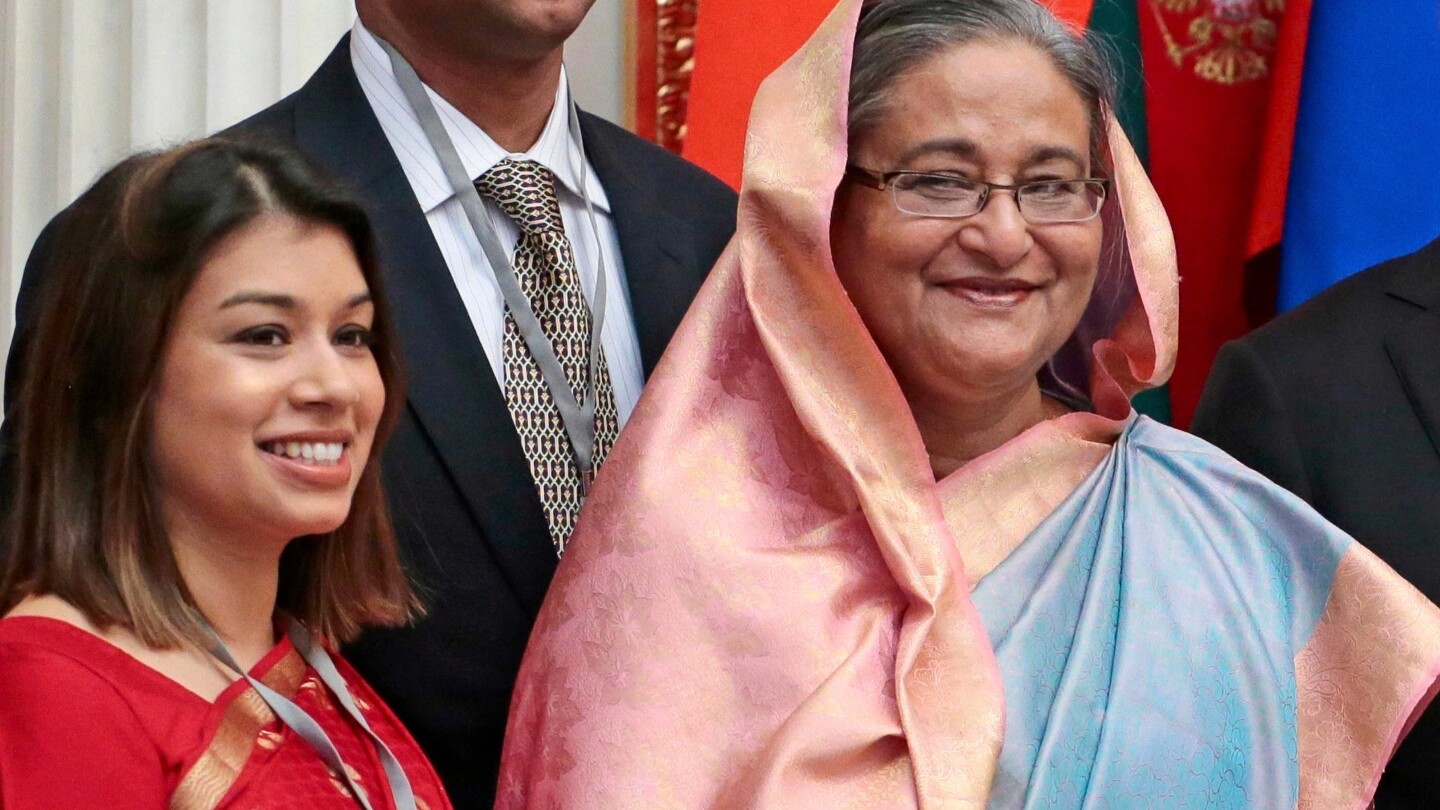
    A Dhaka special court has delivered prison sentences to ousted Prime Minister Sheikh Hasina and her family members in a high-profile corruption case involving a government land allocation scheme. The verdict, issued Monday, sentenced Hasina to five years imprisonment while her niece Tulip Siddiq—a sitting British Labour Party parliamentarian—received a two-year term.

    Presiding Judge Rabiul Alam found Hasina guilty of abusing her prime ministerial authority to facilitate illicit land acquisitions for family members. The court identified Sheikh Rehana, Hasina’s sister and Siddiq’s mother, as the primary beneficiary of the scheme, handing her a seven-year prison term—the most severe sentence among the defendants.

    All three convicted individuals were fined 70,000 taka (approximately $813) and ordered to forfeit the controversially acquired property. Fourteen additional suspects remain implicated in the case.

    Corruption prosecutor Khan Mohammed Mainul Hasan expressed disappointment with the sentencing, revealing that prosecutors had sought life imprisonment for the principal defendants. “We will consult with the commission for our next course of action,” Hasan stated following the verdict.

    The trial proceeded without defense representation, as none of the accused appointed legal counsel. All convicted parties currently reside outside Bangladesh—Hasina in exile in India, while Rehana and Siddiq’s siblings remain abroad facing separate charges related to last year’s political uprising.

    Siddiq, who represents London’s Hampstead and Highgate constituencies, previously denounced the proceedings as “a farce built on fabricated accusations and driven by a clear political vendetta.” She resigned from her ministerial position in January amid mounting pressure regarding her familial connections.

    This verdict adds to Hasina’s legal troubles, following her November death sentence for crimes against humanity during the crackdown that ended her fifteen-year administration. In a related case involving the same township project, another court previously sentenced Hasina to twenty-one years imprisonment, with her children receiving five-year terms.

    The interim government under Nobel Peace laureate Muhammad Yunus continues to oversee Bangladesh’s political transition, having announced parliamentary elections for February.