分类: politics

  • Bangladesh court sentences former PM’s sister and UK lawmaker

    Bangladesh court sentences former PM’s sister and UK lawmaker

    A Bangladeshi court has delivered significant prison sentences to prominent political figures in a high-profile corruption case involving illicit land acquisition in Dhaka. Sheikh Rehana, sister of former Prime Minister Sheikh Hasina, received a seven-year imprisonment term, while her daughter Tulip Siddiq, who serves as a British Member of Parliament, was sentenced to two years in the same proceedings.

    The verdict, announced Monday by Judge Rabiul Alam, concludes a contentious legal battle that has drawn international attention. Court prosecutor Khan Mainul Hasan presented evidence demonstrating Siddiq’s direct involvement in the plot allocation scheme, including encrypted communications and personal meetings with Salahuddin Ahmed, then principal secretary to the prime minister.

    “Documented correspondence reveals that Siddiq persistently pressured her aunt Sheikh Hasina to allocate valuable urban plots for family members, while securing three parcels for herself and her children,” Hasan stated following the verdict.

    The case unfolds against a backdrop of dramatic political transformation in Bangladesh. Former PM Hasina, who received a death sentence last month for crimes against humanity, has sought political asylum in India following her removal from power during widespread student protests last year. Rehana’s current whereabouts remain undisclosed.

    Judge Alam emphasized the court’s jurisdictional authority, noting that “the judiciary maintains full power to prosecute any Bangladeshi national, regardless of their physical presence within the country.” Prosecutors confirmed they would formally notify British authorities of the verdict against Siddiq, who resigned as Britain’s anti-corruption minister in January when allegations first surfaced.

    The British parliamentarian has consistently denied wrongdoing, characterizing the proceedings as “political persecution and judicial farce” in media interviews. Siddiq recently told The Guardian she represents “collateral damage” in the ongoing power struggle between interim leader Muhammad Yunus and her aunt’s political legacy.
  • Japanese PM urged to uphold pacifist Constitution

    Japanese PM urged to uphold pacifist Constitution

    Robert Barwick, National Chairman of the Australian Citizens Party, has issued a compelling appeal for Japan to maintain its longstanding commitment to pacifism amid concerning political developments. Barwick highlighted that successive Japanese prime ministers, including current leader Sanae Takaichi, have consistently visited the controversial Yasukuni Shrine—a site that commemorates 14 convicted Class-A war criminals from World War II and symbolizes Japan’s historical military aggression.

    The Australian official further noted Japan’s gradual departure from its pacifist principles through significant security legislation changes. Particularly noteworthy was the 2015 security legislation that authorized overseas military deployments even when Japan itself is not under direct attack—a substantial shift from previous defense policies.

    Central to Barwick’s argument is Article 9 of Japan’s Constitution, which formally renounces war and prohibits the use of armed force to settle international disputes. He emphasized that this constitutional pacifism has been the cornerstone of Japan’s remarkable post-war development and has contributed significantly to regional stability throughout the past eight decades. The appeal comes amid growing international concern about Japan’s evolving security posture in the Asia-Pacific region.

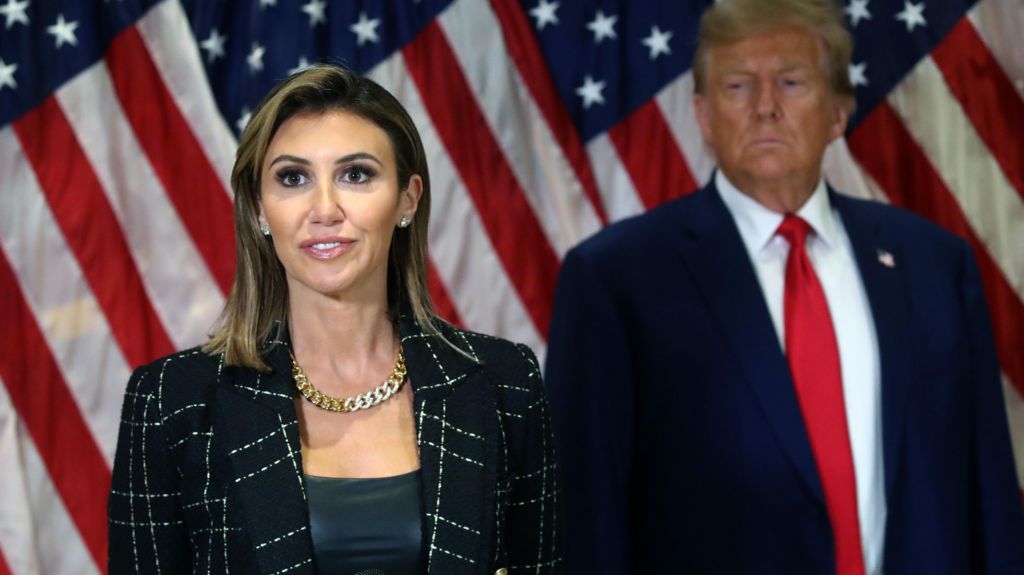
  • Appeals court disqualifies ex-Trump lawyer Alina Habba as New Jersey prosecutor

    Appeals court disqualifies ex-Trump lawyer Alina Habba as New Jersey prosecutor

    A significant judicial decision has upended the leadership of New Jersey’s federal prosecutor’s office. The U.S. Court of Appeals for the Third Circuit ruled on Monday that Alina Habba, personally selected by former President Donald Trump for the role, has been serving unlawfully as the U.S. Attorney for New Jersey. This verdict casts doubt on the legitimacy of numerous criminal proceedings she has overseen.

    The controversy stems from the administration’s circumvention of the standard nomination process. After a district court initially rejected Habba’s formal nomination earlier this year, the Trump administration appointed her using a procedural mechanism that allowed her to serve in an ‘acting’ capacity, thereby avoiding the requisite Senate confirmation. The appellate court determined this maneuver to be a direct violation of the Federal Vacancies Reform Act, legislation designed to check executive overreach in appointments.

    This case represents the second instance in recent weeks where a Trump-appointed prosecutor has been disqualified on similar grounds. The ruling emerged from a legal challenge filed by three defendants facing criminal charges in New Jersey, who contested the legality of Habba’s authority to prosecute them. Writing for the court, Judge Michael Fisher noted, ‘It is apparent that the current administration has been frustrated by some of the legal and political barriers to getting its appointees in place.’

    The Department of Justice must now swiftly appoint a lawfully confirmed prosecutor to assume supervision of all federal criminal cases in the district. This development follows a related ruling last week in Virginia, where cases against former FBI Director James Comey and New York Attorney General Letitia James were dismissed because the interim prosecutor, Lindsey Halligan, was also deemed unlawfully appointed.

  • The rot eating at China’s war machine

    The rot eating at China’s war machine

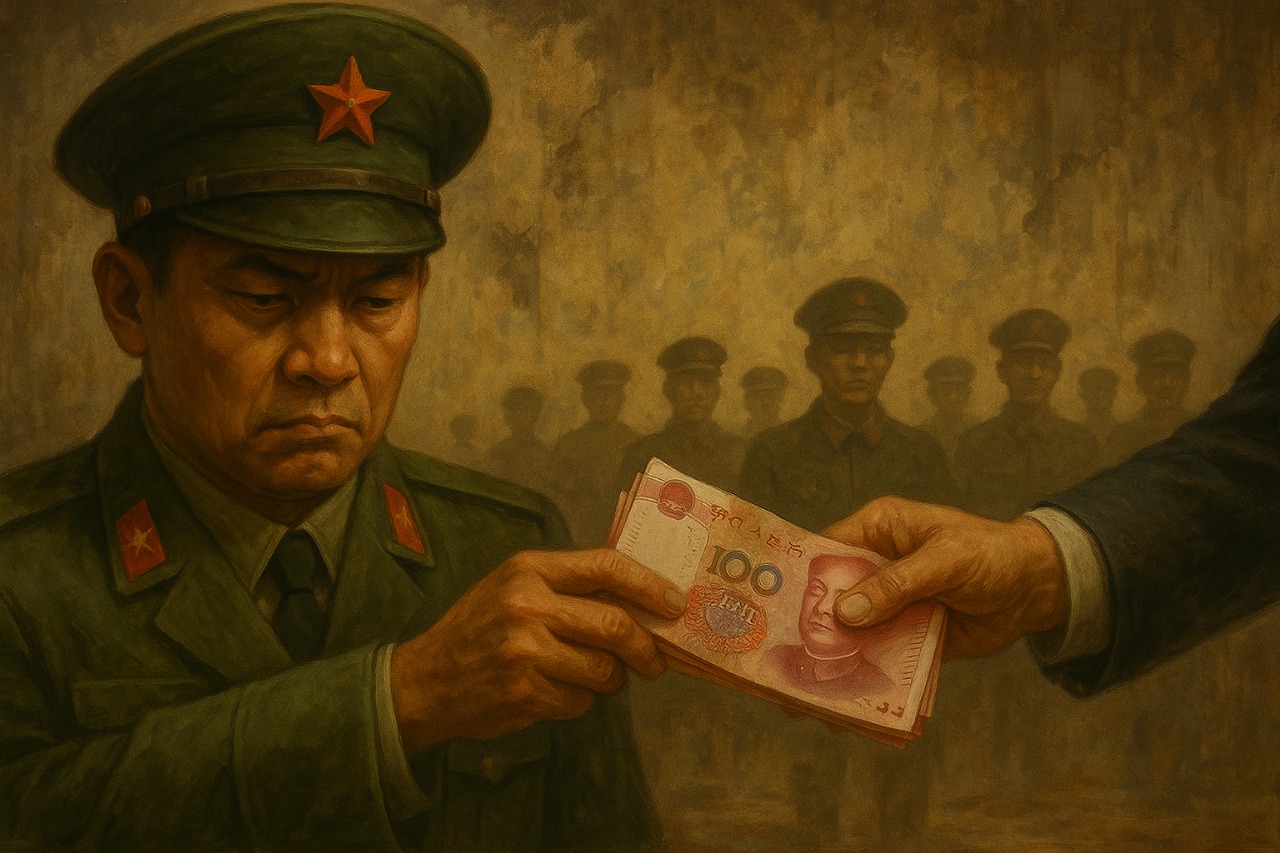
    China’s ambitious military modernization program faces severe structural challenges as widespread corruption scandals and political purges disrupt defense production and operational readiness. According to the Stockholm International Peace Research Institute (SIPRI), China’s major state-owned defense enterprises experienced the most significant decline among global arms producers in 2024, with combined revenues dropping 10% to $88.3 billion.

    The report highlights specific cases: China North Industries Group Corporation Limited (NORINCO) reported a 31% sales plunge following the removal of its chairman over corruption allegations, while China Aerospace Science and Technology Corporation (CASC) saw a 16% revenue decrease as satellite and launch-vehicle programs were postponed. Even Aviation Industry Corporation of China (AVIC), China’s largest defense producer, experienced a 1.3% revenue decline due to slowed aircraft deliveries.

    Analysts suggest these industrial setbacks reveal deeper systemic issues within China’s military apparatus. President Xi Jinping’s extensive anti-corruption campaign, which included purging nine senior PLA generals including Rocket Force Commander Wang Houbin, appears increasingly focused on consolidating political control rather than addressing structural deficiencies. This centralization of authority has created a culture where political loyalty outweighs professional competence, potentially undermining military effectiveness.

    Research from multiple international institutes indicates that corruption remains embedded in procurement systems, weapons development, and promotion structures despite years of anti-graft efforts. The situation draws concerning parallels to Russia’s pre-invasion military, where systemic corruption created hollowed-out forces that performed poorly in actual combat conditions.

    The U.S. Department of Defense’s 2024 China Military Power Report notes that these disruptions have affected critical modernization programs, including missile systems essential for potential Taiwan contingencies. Additionally, experts observe that the PLA’s organizational culture discourages decentralized decision-making and mission command principles necessary for modern warfare.

    These developments suggest that unless China addresses the fundamental incentives privileging political alignment over merit, its military modernization may continue to be hampered by the same structural weaknesses that have compromised other authoritarian militaries.

  • Tulip Siddiq says Bangladesh jail term is ‘unfair’

    Tulip Siddiq says Bangladesh jail term is ‘unfair’

    British Labour MP Tulip Siddiq has vehemently denounced her recent conviction by a Bangladeshi court as a “deeply unfair” example of “trial by media” after receiving a two-year prison sentence in absentia on corruption allegations. The ruling, delivered in Dhaka, found the London-based parliamentarian guilty of improperly influencing her aunt, ousted Prime Minister Sheikh Hasina, to acquire land privileges for family members near the capital—charges Siddiq consistently denies.

    The sentencing marks another escalation in Bangladesh’s legal pursuit of Hasina’s associates since her government was overthrown in July 2024. Siddiq characterized the judicial process as “flawed and farcical,” revealing she learned of her conviction through media reports rather than official channels. “I’ve had no contact whatsoever from Bangladeshi authorities despite these malicious allegations,” stated the MP, who maintains she has never been formally served with charges or summons.

    Legal professionals in both Britain and Bangladesh have challenged the proceedings’ legitimacy. A coalition of prominent UK legal figures—including former Justice Secretary Robert Buckland and Cherie Blair—formally expressed concerns to Bangladesh’s UK representative about Siddiq’s inability to secure proper legal representation. They described the trial as “artificial and contrived,” while Labour Party officials stated they “cannot recognize” the judgment’s validity.

    The case intersects with broader geopolitical tensions. Siddiq’s legal team disputes the court’s jurisdiction, arguing she holds no Bangladeshi citizenship despite prosecutors claiming possession of her identification documents. The UK’s lack of an extradition treaty with Bangladesh further complicates enforcement of the sentence, which includes an 821 USD fine and potential additional six-month imprisonment for non-payment.

    This conviction follows the dramatic death sentence handed to Hasina two weeks earlier over alleged crimes against humanity during her administration’s final days. The Awami League, Hasina’s political party, dismissed both verdicts as politically motivated, accusing Bangladesh’s interim government—led by opponent Muhammad Yunus—of manipulating judicial outcomes.

    Siddiq resigned her ministerial position in Britain’s Treasury earlier this year amid controversy regarding her familial connections, though an ethics investigation found no evidence of personal impropriety. She continues to face additional outstanding charges in Bangladesh while maintaining her parliamentary status and party membership in the UK.

  • Trump releases fraudster executive days into prison sentence

    Trump releases fraudster executive days into prison sentence

    In a significant executive action, former U.S. President Donald Trump has commuted the prison sentence of David Gentile, the former CEO and founder of GPB Capital Holdings, who had recently begun serving a seven-year term for financial fraud. Federal prison records confirm Gentile’s release on Wednesday, merely days after his incarceration commenced.

    The case stems from a landmark 2023 conviction where federal prosecutors demonstrated that Gentile orchestrated a sophisticated multi-year scheme that defrauded over 10,000 investors. The operation involved systematically misrepresenting the performance of private equity funds, ultimately accumulating approximately $1.6 billion in investor capital. Prosecutors revealed that the firm utilized new investor funds to pay returns to existing investors, a characteristic they labeled as a Ponzi-style operation.

    This clemency decision continues a pattern of Trump intervening in high-profile white-collar criminal cases. Unlike a full presidential pardon, the commutation solely relieves Gentile from serving his prison sentence but does not expunge his criminal record or nullify other potential financial penalties and restitution requirements.

    The White House issued a statement defending the action, alleging prosecutorial misconduct during the Biden administration’s Department of Justice handling of the case. Officials claimed investors were explicitly informed their capital might be allocated to cover other investors’ dividends, fundamentally undermining the prosecution’s characterization of the operation as fraudulent. The statement further cited concerns about allegedly falsified testimony obtained by prosecutors.

    Notably, Gentile’s co-defendant, Jeffry Schneider, who received a six-year sentence on identical charges, remains incarcerated. The contrasting outcomes highlight the extraordinary nature of presidential clemency power in the American justice system.

  • A South African radio presenter is arrested on suspicion of recruiting fighters for Russia

    A South African radio presenter is arrested on suspicion of recruiting fighters for Russia

    A prominent South African radio personality has been formally charged with illegally recruiting citizens for Russia’s military operations in Ukraine, marking a significant development in the country’s growing foreign recruitment crisis. Nonkululeko Mantula, a 39-year-old presenter with state broadcaster SAFM, appeared in court Monday alongside four co-accused following their arrest based on intelligence reports.

    Authorities confirmed that three suspects were intercepted at a major international airport while attempting to travel to Russia via the United Arab Emirates. Investigators believe at least one individual successfully reached Russian territory under Mantula’s alleged coordination. South African law strictly prohibits citizens from enlisting in foreign militaries without explicit government authorization.

    This case emerges alongside a separate high-profile investigation involving Duduzile Zuma-Sambudla, daughter of former President Jacob Zuma. She recently resigned from her parliamentary position in the MK Party following allegations of deceiving 17 South African men into combat roles with Russian mercenary units. Victims reportedly traveled under false pretenses of receiving security training for employment opportunities.

    The South African government has initiated formal repatriation efforts through international law enforcement channels after receiving distress calls from citizens trapped in eastern Ukraine. According to official reports, these individuals had their passports destroyed and communication devices confiscated upon arrival in Russia.

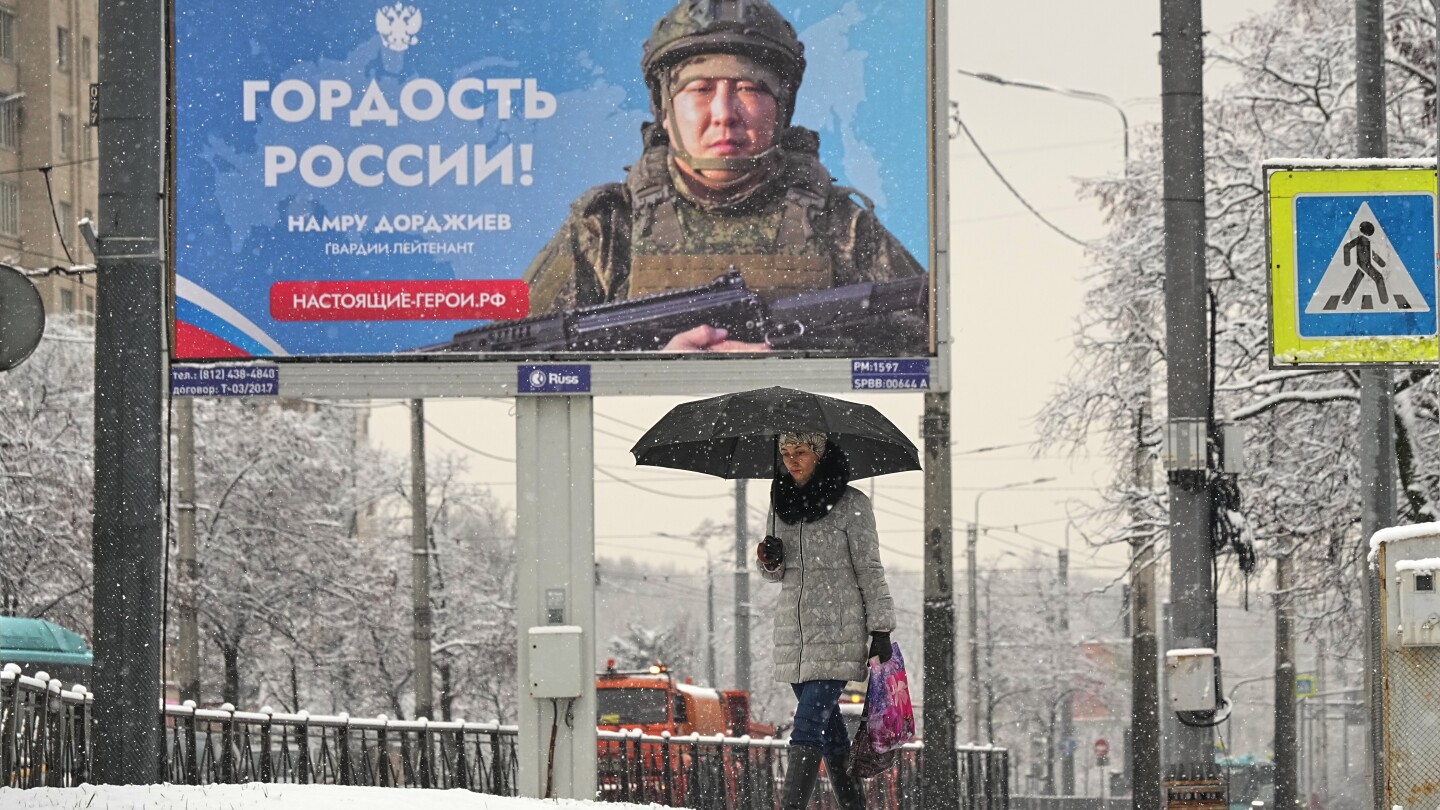
    Russian recruitment tactics have increasingly targeted developing nations through social media campaigns promising employment in various sectors. Recent intelligence indicates these operations have expanded to include deceptive recruitment of African women for drone manufacturing facilities under the guise of hospitality industry jobs.

    South African authorities have issued nationwide warnings about social media influencers promoting Russian employment and educational opportunities, emphasizing the grave risks associated with these allegedly fraudulent schemes.

  • Shock in Cameroon as 74-year-old opposition firebrand dies in detention

    Shock in Cameroon as 74-year-old opposition firebrand dies in detention

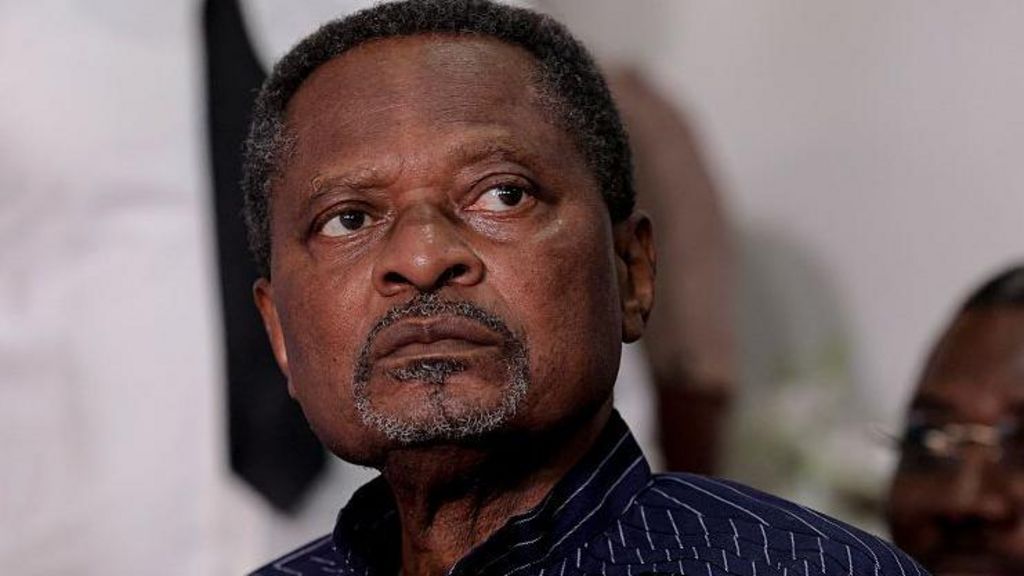
    Cameroon’s political landscape has been shaken by the death of prominent left-wing opposition figure Anicet Ekane, who passed away while detained at a military medical facility. The 74-year-old leader of the African Movement for New Independence and Democracy (MANIDEM) had been held for five weeks without formal charges following his October 24 arrest.

    Ekane’s sudden demise has sparked outrage among opposition supporters and raised serious questions about treatment of government critics. According to his legal representatives, the politician was never formally charged or presented before a judicial authority despite accusations of “hostility against the state, incitement to revolt, and calls for insurrection.”

    The circumstances surrounding his death remain shrouded in mystery. Family members received minimal explanation, with Ekane’s wife being abruptly presented with her husband’s corpse without prior notification of his deteriorating condition. Defense Ministry spokesman Captain Cyrille Serge Atonfack attributed the death to “various chronic pathologies” but provided no specific details about the medical circumstances.

    This incident occurs against a backdrop of heightened political tensions following October’s presidential election, which saw 92-year-old incumbent Paul Biya officially declared winner. Ekane had been a key figure in the Union for Change Coalition that backed former government spokesman Issa Tchiroma Bakary, who subsequently fled to The Gambia after disputing the election results.

    The opposition leader’s death has triggered widespread grief and anger, with supporters gathering at party headquarters in Douala while others expressed fury through online channels. Security forces have reportedly surrounded MANIDEM’s premises as authorities announce an investigation into the exact circumstances of Ekane’s death.

  • West African bloc delegation arrives in Guinea-Bissau for talks with military coup leaders

    West African bloc delegation arrives in Guinea-Bissau for talks with military coup leaders

    A high-level delegation from the Economic Community of West African States (ECOWAS) arrived in Guinea-Bissau’s capital Bissau on Monday to initiate critical mediation talks with military leaders who seized power in last week’s coup. The mission, headed by ECOWAS Chairman and Sierra Leonean President Julius Maada Bio, aims to negotiate the complete restoration of constitutional order following the overthrow of democratically elected institutions.

    The military government, which assumed control last Wednesday amid post-electoral turmoil, has implemented stringent security measures prohibiting all demonstrations, strikes, and activities deemed threatening to national stability. In an official statement released Sunday evening, the junta additionally mandated the reopening of public institutions and ministries.

    This political crisis erupted just three days after a tightly contested presidential election where both primary contenders declared victory. During the military takeover, ousted President Umaro Sissoco Embaló confirmed his deposition and arrest via telephone communication with French media before subsequently fleeing to Brazzaville, capital of the Republic of Congo.

    The armed forces have installed former army chief of staff General Horta Inta-a to lead a transitional military government overseeing a projected one-year political transition. On Saturday, Inta-a appointed a new 28-member administration predominantly composed of allies from the deposed president’s circle.

    In a significant development, Nigeria granted protective asylum to Guinea-Bissau opposition candidate Fernando Dias da Costa citing imminent threats to his life. Nigeria’s Minister of Foreign Affairs formally requested ECOWAS troop protection for da Costa, currently sheltering at the Nigerian embassy in Bissau.

    ECOWAS had previously suspended Guinea-Bissau from its decision-making bodies pending full constitutional restoration. United Nations Secretary-General Antonio Guterres condemned the military takeover as an unacceptable violation of democratic principles, particularly following the November 23 general elections. He demanded immediate unconditional restoration of constitutional order and release of all detained officials including electoral authorities and political leaders.

    Guinea-Bissau’s history remains marred by political instability since gaining independence from Portugal over five decades ago, with this representing the latest in numerous coups and attempted power seizures. The nation of 2.2 million people, among the world’s poorest, has become a notorious hub for narcotics trafficking between Latin America and Europe—a factor experts identify as exacerbating its chronic political crises.

    ECOWAS, the 15-nation bloc established in 1975 as West Africa’s primary political and economic authority, continues grappling with regional democratic backsliding despite its mandate to promote stability and integration. The organization faces mounting challenges reversing military takeovers in member states where citizens increasingly protest inequitable distribution of natural resource wealth.

  • National Guard shooting suspect radicalised after he came to US, homeland secretary says

    National Guard shooting suspect radicalised after he came to US, homeland secretary says

    U.S. Homeland Security Secretary Kristi Noem revealed on Sunday that the Afghan immigrant accused of ambushing National Guard members in Washington, D.C. underwent radicalization after entering the United States, not before his arrival. The suspect, identified as 29-year-old Rahmanullah Lakanwal, allegedly carried out Wednesday’s shooting just blocks from the White House, resulting in one National Guard member killed and another critically wounded.

    Speaking across multiple national news programs including NBC’s ‘Meet the Press’ and ABC’s ‘This Week,’ Secretary Noem indicated investigators believe Lakanwal became radicalized while residing in Washington state. ‘We believe he was radicalized since he’s been here in this country,’ Noem stated, adding that authorities suspect the process occurred ‘through connections in his home community and state.’

    The case has ignited political tensions regarding U.S. immigration policy. While President Trump’s administration has criticized the vetting processes during the Biden administration, records show Lakanwal was actually granted asylum in April under the current Trump administration. The suspect entered the United States in 2021 as part of the mass evacuation of Afghans who assisted U.S. forces during the Afghanistan conflict.

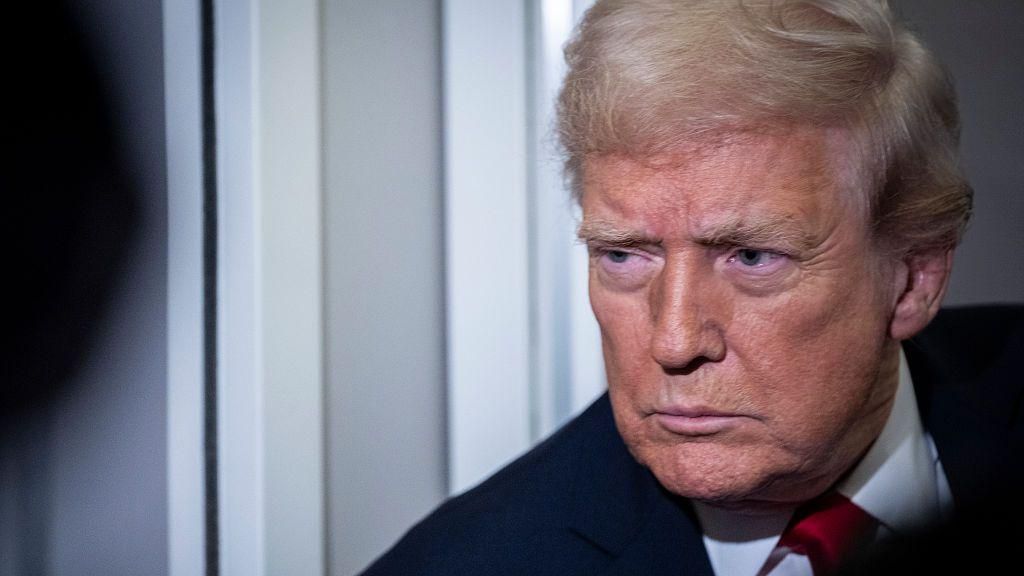
    In response to the attack, the Trump administration has implemented significant immigration policy changes, including a comprehensive freeze on processing all asylum applications. President Trump told reporters aboard Air Force One that his administration could ‘pause asylum admissions into the US for an extended period’ with ‘no time limit.’

    Secretary Noem warned that immigration officials would now review every pending asylum claim and consider deportations where warranted. She also issued a stern warning to anyone connected to the shooting: ‘Anyone who has information on this needs to know that we will be coming after you, and we will bring you to justice.’

    Investigators continue to seek additional information from family members and associates of Lakanwal, who previously served in a CIA-backed unit in Afghanistan before seeking refuge in the United States.