分类: politics

  • Irish police investigating drone activity during Zelensky visit

    Irish police investigating drone activity during Zelensky visit

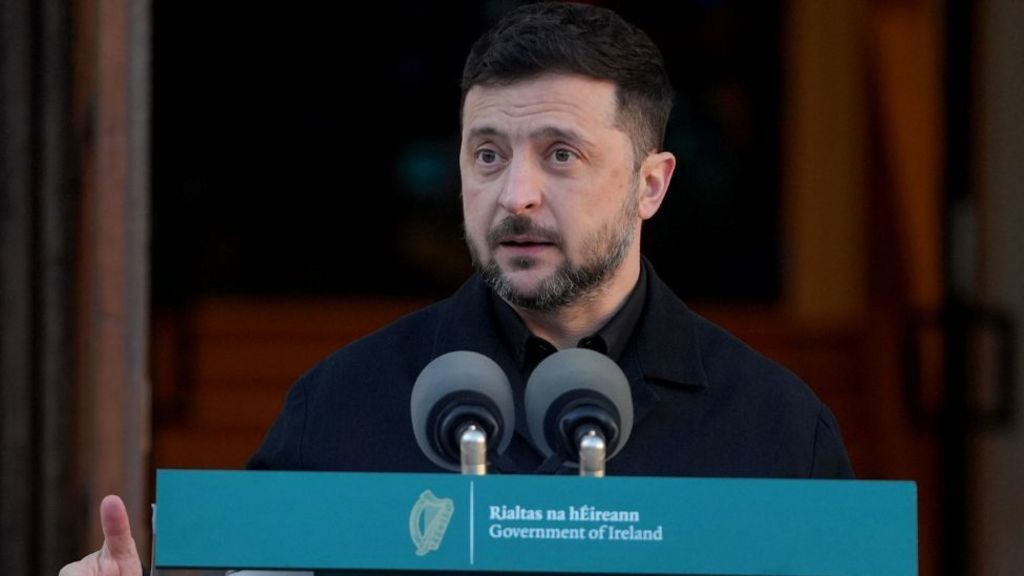
    Irish authorities have initiated a comprehensive security investigation following the detection of multiple unidentified drones in Irish airspace coinciding with Ukrainian President Volodymyr Zelensky’s official visit to Dublin. The incident occurred on Monday night as President Zelensky and First Lady Olena Zelenska arrived for their one-day diplomatic engagement.

    The Garda Síochána’s Special Detective Unit (SDU) has taken lead on the investigation, coordinating with Irish Defence Forces and international security partners. According to reports from Irish broadcaster RTÉ, naval personnel aboard the LÉ William Butler Yeats vessel observed several drones operating near Howth over the Irish Sea approximately simultaneous to the Ukrainian leader’s arrival at Dublin Airport.

    Taoiseach Micheál Martin confirmed that senior government officials have been briefed on the security matter, which will be formally addressed at an upcoming National Security Council meeting later this month. While praising the overall security operation during President Zelensky’s visit as particularly successful, Martin acknowledged the emerging challenge of drone incursions across European Union member states.

    Speaking at the British-Irish Council meeting in Cardiff, the Taoiseach noted that drone-related security concerns have become increasingly prevalent throughout Europe since the onset of the Ukraine conflict. ‘There’s been heightened activity on the cyber security front, in terms of maritime issues and in terms of drones,’ Martin stated, while declining to speculate about potential Russian involvement until the completion of a full security review.

    The Irish Defence Forces maintained their standard protocol of not commenting on specific operational incidents, emphasizing their ongoing coordination with gardaí in addressing national security matters. The investigation represents Ireland’s latest response to evolving security challenges in the current geopolitical landscape.
  • Look: Putin receives ceremonial welcome in Delhi, pays tribute at Gandhi memorial

    Look: Putin receives ceremonial welcome in Delhi, pays tribute at Gandhi memorial

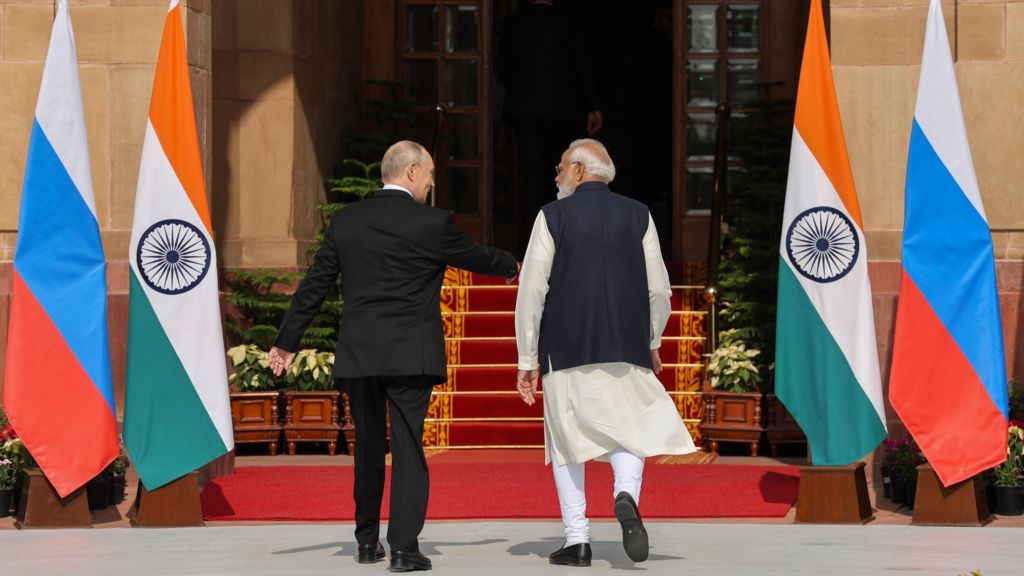
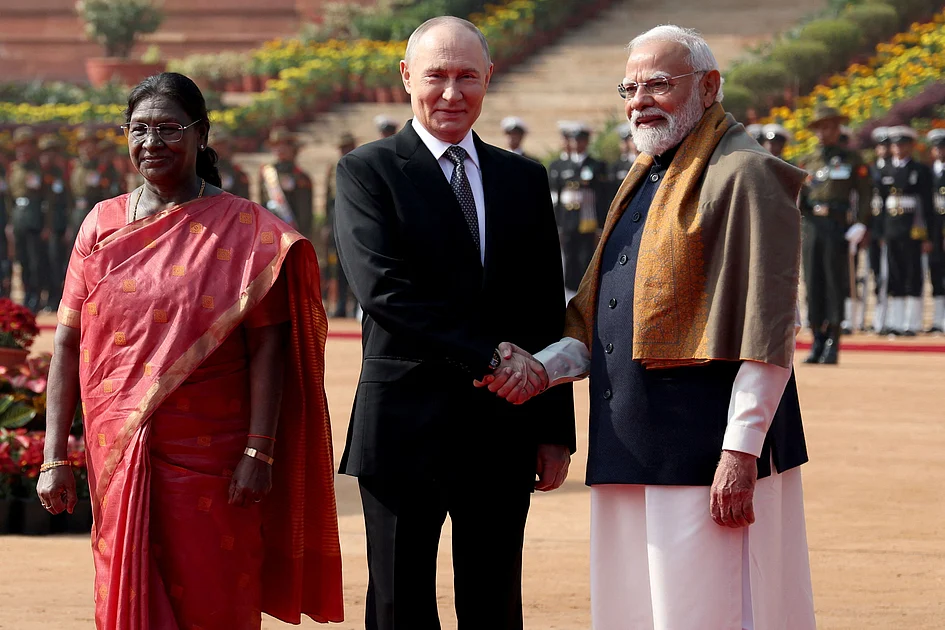
    Russian President Vladimir Putin commenced his two-day state visit to India with a ceremonial reception of the highest order on Friday. Indian President Droupadi Murmu and Prime Minister Narendra Modi personally welcomed Putin at the forecourt of Rashtrapati Bhavan, where he was honored with a tri-services guard of honor inspection.

    The arrival ceremony featured the playing of both Russian and Indian national anthems, symbolizing the enduring diplomatic relationship between the nations. President Murmu and Putin subsequently introduced their respective delegations, which included Russian Defense Minister Andrey Belousov and Kremlin aide Dmitry Peskov on the Russian side, while India was represented by External Affairs Minister S. Jaishankar and Chief of Defense Staff General Anil Chauhan.

    In a significant gesture of respect, President Putin visited Rajghat memorial to pay tribute to Mahatma Gandhi, laying a wreath at the iconic site. This visit marks Putin’s first trip to Indian soil in four years, since the leaders’ last in-person meeting in December 2021.

    The personal rapport between the leaders was evident when Prime Modi broke protocol to greet Putin on the tarmac upon his Thursday arrival, welcoming him with an embrace. Modi later expressed on social media platform X his delight in welcoming his ‘friend’ Putin back to India, emphasizing the ‘time-tested’ friendship between their nations.

    The agenda for the visit includes the 23rd India-Russia Annual Summit, where both leaders will engage in comprehensive bilateral discussions. Additional events include Putin’s participation in an India-Russia business forum, the launch of RT channel in India, and a state banquet hosted by President Murmu before his scheduled departure later today.

  • France intercepts illegal drone overflight at nuclear submarine base

    France intercepts illegal drone overflight at nuclear submarine base

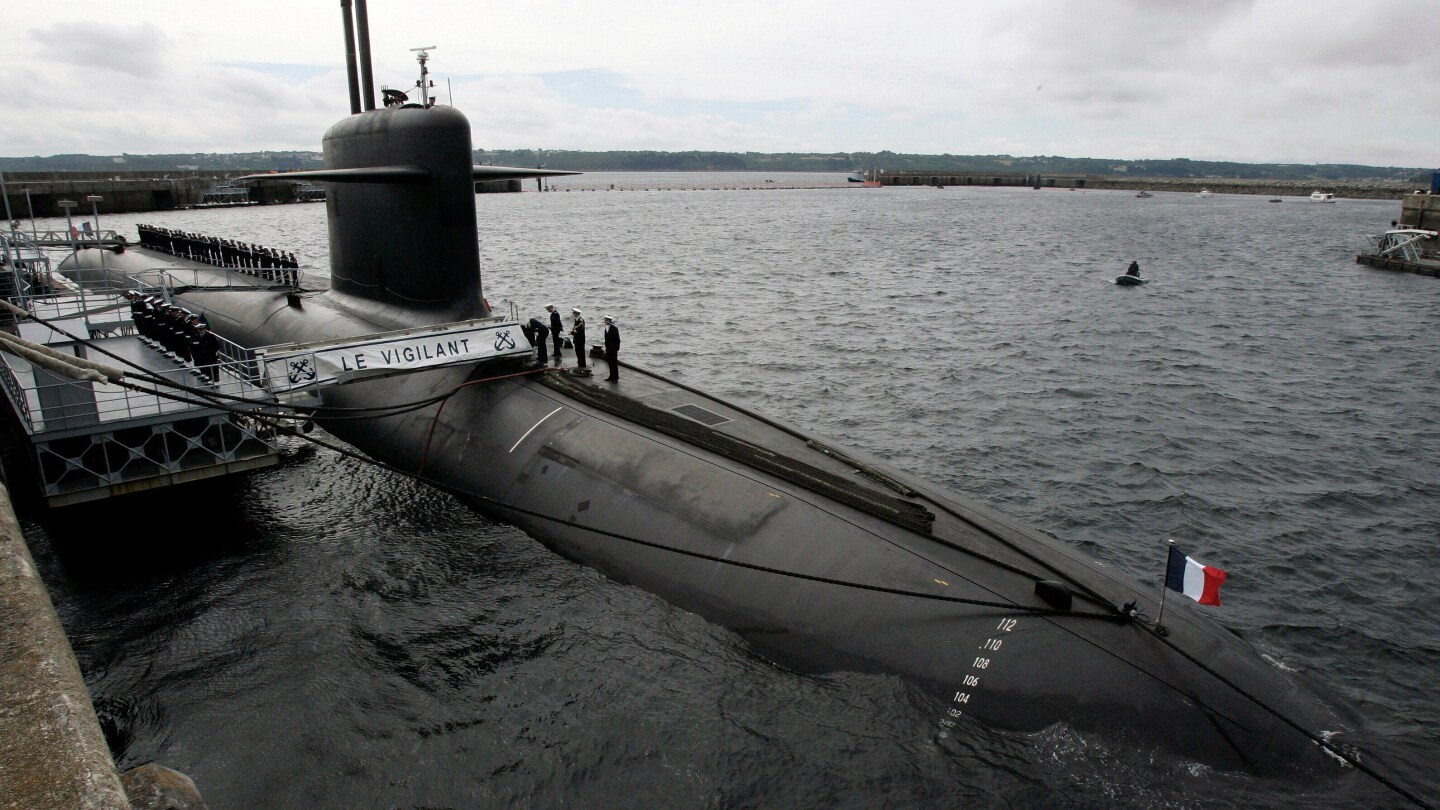
    French defense authorities have launched a formal investigation following the unauthorized drone penetration of a highly secure naval installation housing the nation’s nuclear deterrent forces. The incident occurred Thursday evening at the Île Longue strategic submarine base in Brittany, which serves as homeport for France’s four ballistic missile submarines: Le Triomphant, Le Téméraire, Le Vigilant and Le Terrible.

    Defense Minister Catherine Vautrin publicly confirmed that military personnel successfully intercepted the aerial intrusion, though specific countermeasure details remain classified. The minister declined to specify whether kinetic engagement, electronic warfare systems, or other defensive protocols were employed against the unidentified drones. Vautrin emphasized that “any overflight of a military site is prohibited in our country” while commending the base’s rapid response team.

    This security breach aligns with a concerning pattern across European airspace. Multiple NATO members have reported sophisticated drone operations near critical infrastructure throughout recent months. These incidents have included temporary airport closures disrupting civilian air traffic and numerous sightings above sensitive military installations.

    While no entity has claimed responsibility for the Île Longue violation, intelligence agencies have previously attributed similar airspace violations to Russian operations, particularly in Baltic states and Eastern European nations. The incident raises significant questions about the vulnerability of nuclear facilities to emerging aerial surveillance technologies and potential espionage activities.

  • China, France issue joint statements during Macron’s visit

    China, France issue joint statements during Macron’s visit

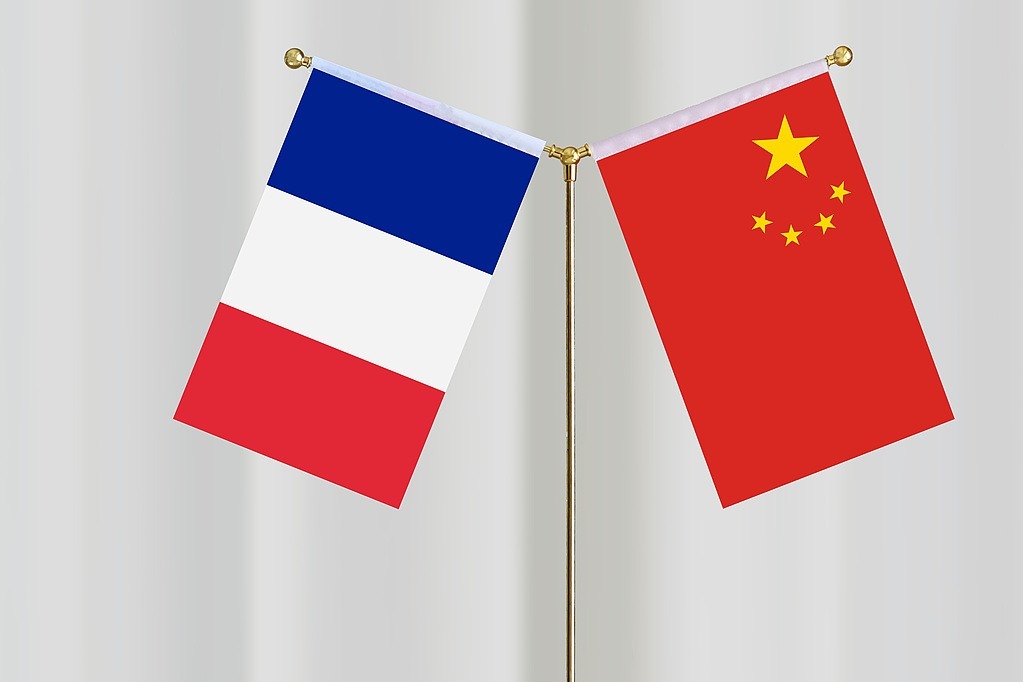
    During French President Emmanuel Macron’s state visit to Beijing, China and France unveiled a comprehensive series of joint statements signaling strengthened bilateral cooperation across multiple strategic domains. The diplomatic agreements, announced on December 5, 2025, encompassed enhanced collaboration on global governance frameworks, coordinated responses to climate and environmental challenges, and continued partnership in nuclear energy development.

    The two nations further committed to expanding agricultural and food security cooperation, while also addressing pressing international concerns regarding the situations in Ukraine and Palestine. These agreements emerged from high-level discussions between Macron and Chinese leadership, including an informal meeting held in Sichuan province that provided a more intimate setting for diplomatic exchange.

    This diplomatic engagement represents a significant consolidation of Sino-French relations, highlighting both countries’ commitment to multilateral solutions for global challenges. The joint statements particularly emphasized the urgency of coordinated climate action and environmental protection, positioning both nations as key players in international sustainability efforts.

    The nuclear energy cooperation component reaffirms longstanding technological exchange between the countries, while the agricultural agreements signal new avenues for economic collaboration. The inclusion of geopolitical issues demonstrates the comprehensive nature of the bilateral dialogue, addressing both economic cooperation and global security concerns.

  • Western countries press Tanzania to release bodies of post-election victims

    Western countries press Tanzania to release bodies of post-election victims

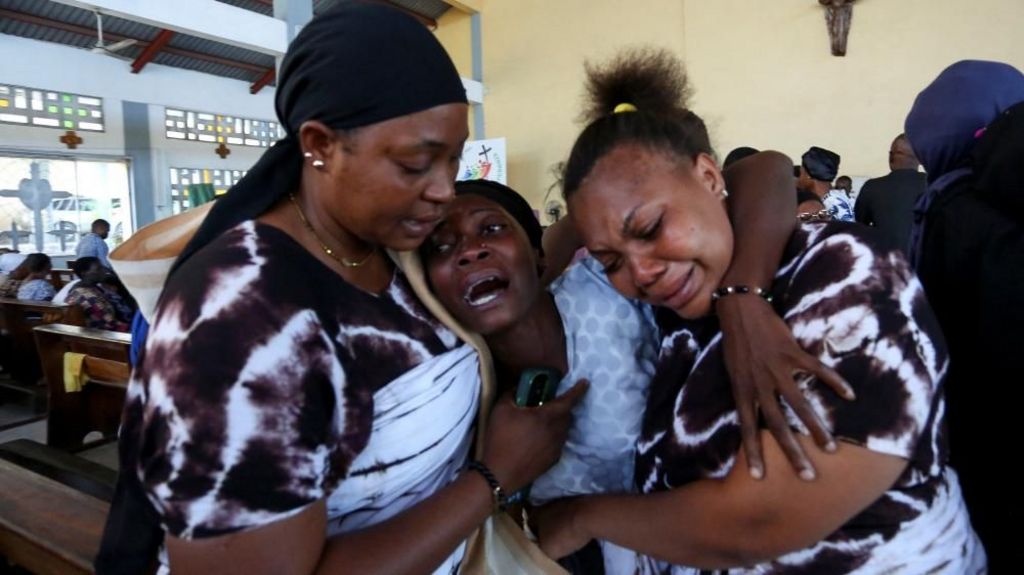
    A coalition of Western embassies has intensified diplomatic pressure on Tanzania, demanding the immediate release of bodies belonging to victims of October’s electoral violence and calling for the liberation of political prisoners. The joint statement from 17 diplomatic missions—including the UK, France, Canada, Norway, Switzerland, and multiple EU members—cited credible reports of extrajudicial killings, disappearances, arbitrary arrests, and systematic concealment of bodies by Tanzanian authorities during post-election unrest.

    The diplomatic intervention follows President Samia Suluhu Hassan’s recent condemnation of Western interference in Tanzania’s internal affairs. The government has not issued an official death toll, though hundreds are believed killed during violent crackdowns on demonstrations that erupted after the October 29 presidential election. President Samia was declared winner with nearly 98% of votes amid controversy surrounding the exclusion of her main rivals, which opposition groups denounced as a ‘mockery of democracy’.

    Authorities imposed an internet blackout and threatened individuals sharing protest imagery during the unrest. While at least 240 people faced treason charges initially, the president later urged prosecutors to demonstrate leniency, resulting in many releases. However, opposition leader Tundu Lissu remains imprisoned on treason charges filed in April.

    The Western coalition acknowledged the government’s commitment to investigate the violence but emphasized the necessity of an independent, transparent inquiry involving civil society organizations and political stakeholders. They further urged Tanzania to uphold its international commitments to protect fundamental freedoms and constitutional rights.

    United Nations Human Rights Office spokesman Seif Magango corroborated these concerns in Geneva, reporting intensified crackdowns against opponents since mid-November, with dozens of academics, civil society actors, and local political leaders detained—some allegedly by unidentified armed personnel. Magango estimated hundreds killed and over 2,000 detained following post-election demonstrations.

    The U.S. State Department announced it is reconsidering bilateral relations with Tanzania following what it termed a ‘heavy-handed response’ against protesters, noting it ‘cannot overlook actions that jeopardize the safety of our citizens, or the security and stability of the region.’

    President Samia defended her government’s actions as necessary against protesters she claimed were ‘ready to overthrow the government,’ repeating unsubstantiated allegations that foreign actors colluded with opposition groups to force regime change. The president, who assumed office in 2021 following John Magufuli’s death, initially earned praise for easing political repression but has since presided over a narrowing political space.

  • Trump’s security strategy slams European allies and asserts US power in Western Hemisphere

    Trump’s security strategy slams European allies and asserts US power in Western Hemisphere

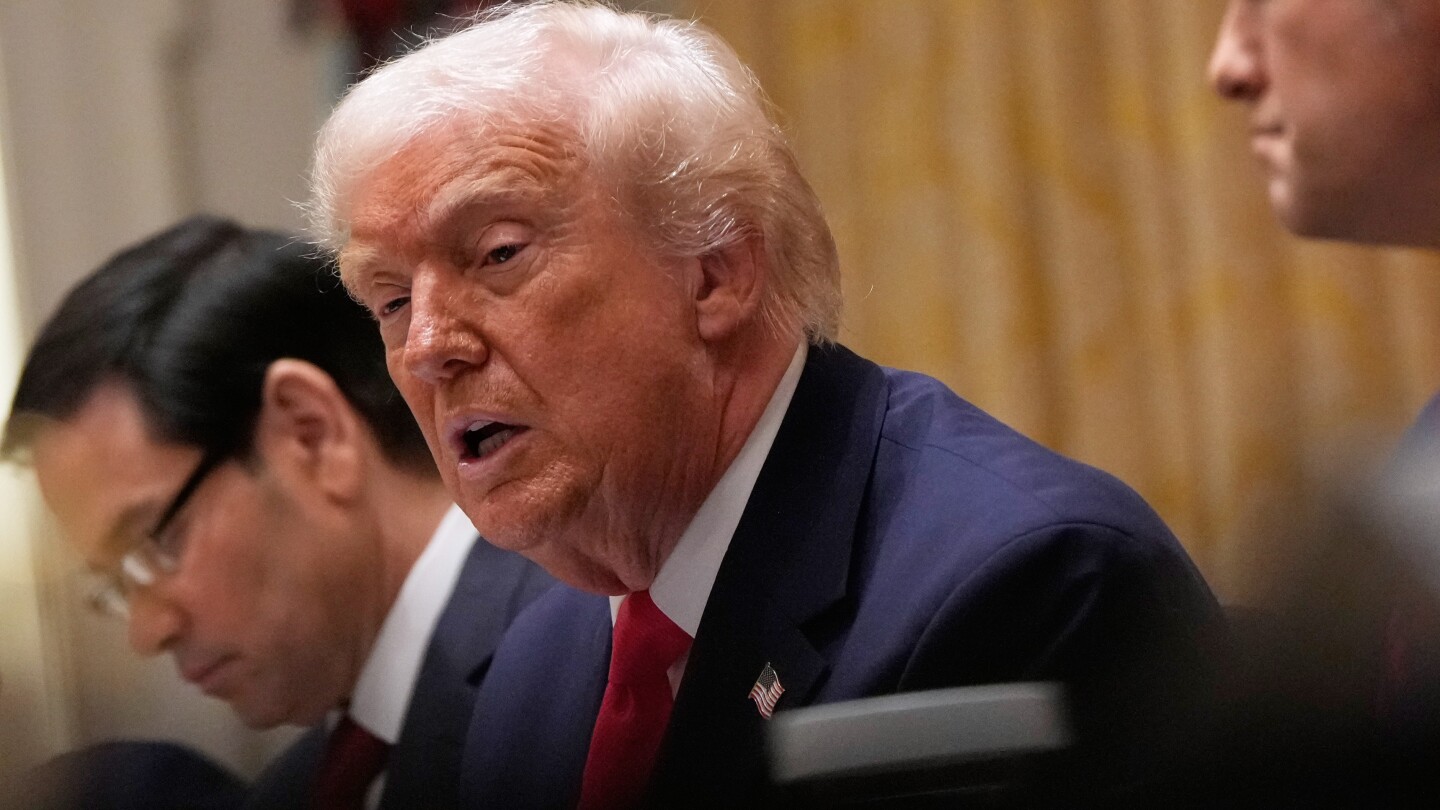
    The Trump administration has formally released its National Security Strategy, presenting a stark departure from previous foreign policy approaches by directly criticizing long-standing European allies while advocating for reinforced American dominance in the Western Hemisphere. The document, mandated by law and published Friday, characterizes European nations as facing potential “civilizational erasure” due to their immigration policies, declining birth rates, and restrictions on free speech.

    This strategic framework solidifies President Trump’s ‘America First’ doctrine, emphasizing non-interventionist foreign policy, reassessment of traditional alliances, and the unequivocal prioritization of American interests. The administration questions the long-term reliability of European partners, suggesting their current trajectory may render them unrecognizable within two decades and potentially incapable of maintaining robust economies or military capabilities.

    Despite its non-interventionist rhetoric, the strategy simultaneously outlines an expanded military approach in the Western Hemisphere, referencing a ‘Trump Corollary’ to the Monroe Doctrine. This includes targeted deployments and potential use of lethal force against cartels, alongside military strikes already conducted against alleged drug traffickers in Caribbean and Pacific waters.

    The document further acknowledges the administration’s intent to broker an end to the Russia-Ukraine conflict, identifying resolution of the nearly four-year war as vital to reestablishing strategic stability with Russia. This positioning marks a significant shift from the previous administration’s approach to Moscow, which treated Russia as a global pariah following its aggressive actions in Ukraine.

  • Why MAGA needs you to hate one group or another

    Why MAGA needs you to hate one group or another

    A profound ideological transformation has reshaped American political discourse regarding race and immigration. Throughout the 2010s, conservative voices increasingly embraced Martin Luther King Jr.’s vision of a colorblind society, particularly his famous aspiration that individuals “not be judged by the color of their skin but by the content of their character.” This marked a significant departure from historical patterns, where progressive advocates had traditionally championed King’s message.

    The landscape shifted as progressive movements increasingly rejected colorblindness as an adequate solution to systemic racial disparities. Instead, they advocated for race-conscious policies addressing income, wealth, and incarceration gaps through initiatives like Diversity, Equity, and Inclusion (DEI) programs. This approach manifested across American business, government, academia, and media spaces.

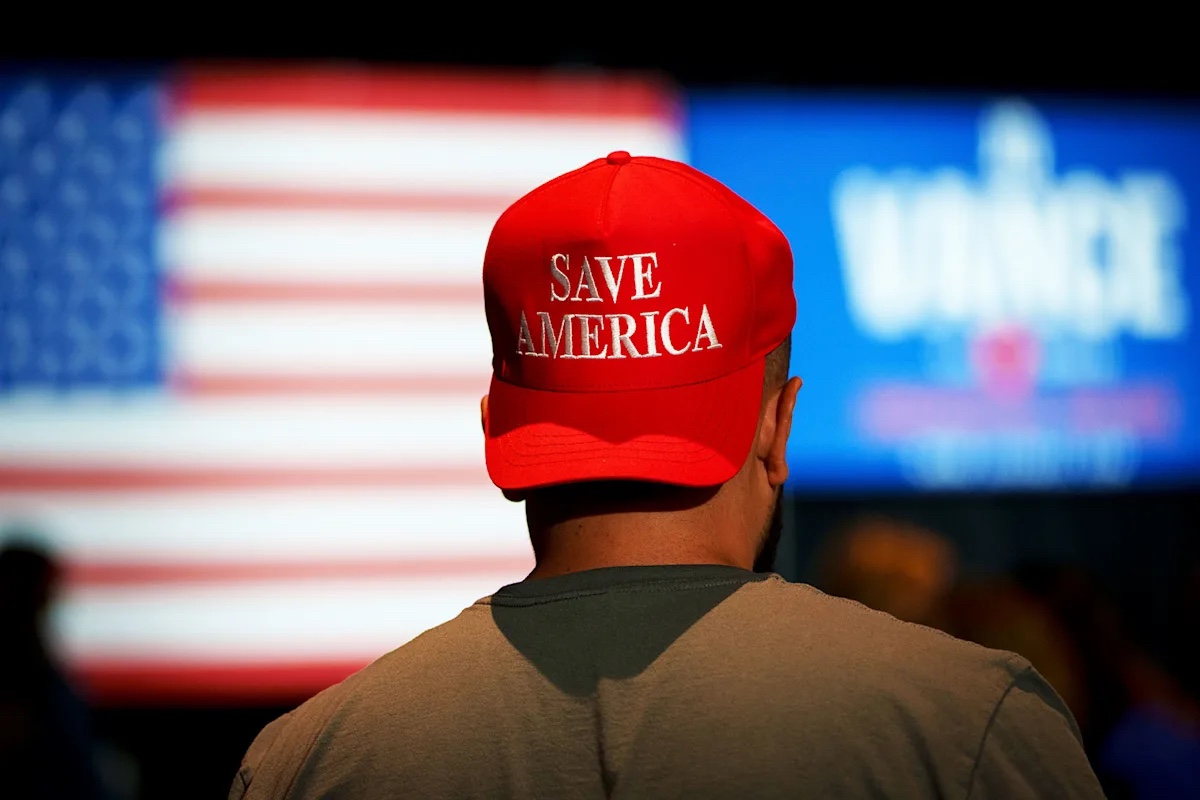
    Recently, however, a dramatic reversal has occurred within right-wing circles. Prominent MAGA figures including Donald Trump and former Homeland Security Advisor Stephen Miller have openly embraced racial collectivism—judging individuals based on their ethnic or national groups rather than personal character. This philosophy echoes early 20th-century immigration restrictionists who argued against admitting immigrants from “beaten races” and “underdeveloped nations.

    The current manifestation emerged through statements condemning entire ethnic groups based on individual actions or conditions in their countries of origin. Trump’s comments about Somali immigrants and Miller’s dismissal of individualism in favor of group-based assessment represent a fundamental philosophical shift from their previous embrace of King’s ideals.

    Historical parallels exist in the immigration debates of the late 19th and early 20th centuries, when restrictionists similarly argued that immigrants from Southern and Eastern Europe would degrade American society due to their countries’ relative underdevelopment.

    Empirical evidence contradicts the racial collectivist worldview. Indian immigrants, despite coming from a country with lower GDP per capita than El Salvador, have become one of America’s most successful demographic groups by household income, education levels, and entrepreneurial achievement. Similarly, El Paso—with its predominantly Mexican-American population—maintains dramatically lower violence rates than neighboring Juarez, demonstrating how American institutions transform outcomes regardless of ethnic composition.

    The MAGA movement’s emphasis on immigration restriction appears driven by this collectivist worldview rather than individual assessment. Recent attempts to portray immigrant groups negatively, such as false claims about Haitian immigrants in Ohio or highlighting welfare fraud among some Somalis in Minnesota, suggest strategic efforts to shift public discourse toward group-based judgment.

    This philosophical conflict ultimately represents a battle for America’s fundamental identity: whether the nation will maintain its traditional individualistic ethos or transition toward what historian John Higham termed “racism”—judging people according to collective racial accomplishments rather than individual merit.

    Recent polling indicates most Americans still support immigration and individual assessment principles, suggesting the collectivist approach may face significant public resistance despite its growing prominence in political rhetoric.

  • German parliament approves pension package after a rebellion in Merz’s party

    German parliament approves pension package after a rebellion in Merz’s party

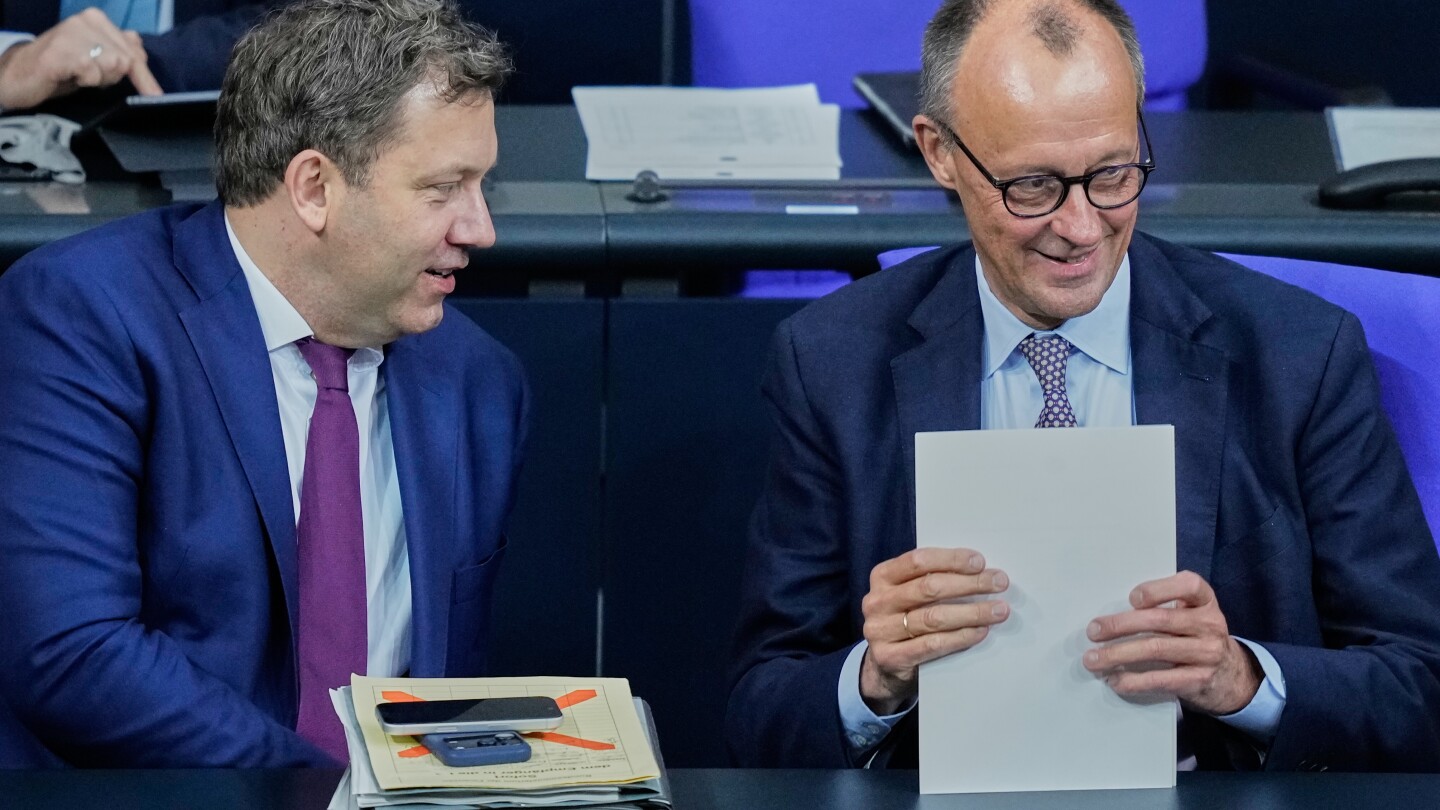
    BERLIN — Germany’s legislative body has formally endorsed a comprehensive pension reform package following weeks of internal dissent within Chancellor Friedrich Merz’s governing coalition. The legislation passed with 319 votes in favor, 225 against, and 53 abstentions in the Bundestag’s lower house on Friday.

    The approved measures include a landmark provision that will maintain state pension levels at 48% of average wages until 2031, addressing immediate concerns about retirement security. The reform package also incorporates tax incentives designed to facilitate continued employment for retirees, a concession to Merz’s conservative bloc.

    Significant opposition emerged from 18 young legislators within Merz’s center-right Union alliance, who expressed concerns about post-2031 provisions that would establish slightly higher pension levels than current law mandates. These dissenters projected potential annual costs reaching €15 billion ($17.5 billion), arguing that this financial burden would disproportionately affect younger generations.

    Coalition leaders have attempted to mollify critics by emphasizing that an independent commission will deliver proposals for more extensive pension system reforms by mid-2026. This initiative responds to Germany’s demographic challenges, particularly its aging population trend that mirrors patterns seen across many developed nations.

    The parliamentary victory comes during a politically turbulent period for Merz’s administration, which has faced multiple governance challenges since assuming power seven months ago. The chancellor has publicly acknowledged excessive public disagreements within his coalition government, which has prioritized economic revitalization and migration reduction since taking office.

  • Putin says Russia ready to supply ‘uninterrupted’ fuel to India

    Putin says Russia ready to supply ‘uninterrupted’ fuel to India

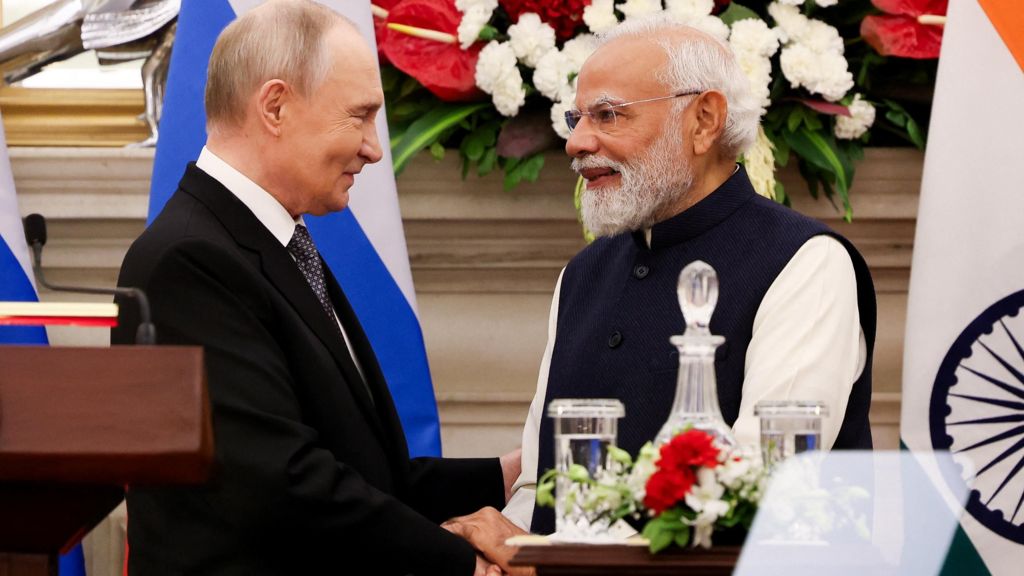
    During a high-profile meeting in Delhi, Russian President Vladimir Putin assured India of Moscow’s commitment to providing “uninterrupted shipments” of fuel, directly challenging U.S. pressure on New Delhi to cease purchasing Russian oil. The bilateral talks between Putin and Indian Prime Minister Narendra Modi highlighted growing geopolitical tensions as the United States imposes significant tariffs on Indian products in response to India’s continued energy trade with Russia.

    Putin pointedly questioned the logic behind U.S. sanctions, noting that America itself continues to purchase nuclear fuel from Russia. “The United States itself still buys nuclear fuel from us for its own nuclear power plants. If the US has the right to buy our fuel, why shouldn’t India have the same privilege?” he asked during an interview with India Today.

    The meeting occurred against the backdrop of deteriorating India-U.S. relations, which have reached an all-time low due to unresolved tariff disputes. The U.S. has imposed 50% tariffs on most Indian products, citing India’s oil purchases as indirectly funding Russia’s war in Ukraine—an accusation India firmly denies.

    While addressing the Ukraine conflict, Putin presented an ultimatum: “Either we liberate these territories by force, or Ukrainian troops will leave these territories.” Meanwhile, Modi reiterated India’s position of supporting peace and seeking a lasting solution to the conflict, without explicitly endorsing either side.

    The leaders announced several bilateral agreements, including new visa schemes for Russian tourists, the opening of Indian consulates in Russia, and the launch of Russia Today in India. They also signed memorandums covering trade, agriculture, shipbuilding, civil nuclear energy, and critical minerals. Notably, both countries agreed on an economic program extending through 2030, with ambitions to increase bilateral trade from $60 billion to $100 billion.

    Energy security emerged as a cornerstone of the partnership, though Modi avoided specific mention of oil. India, the world’s third-largest crude consumer, has significantly increased Russian oil imports since 2022 but recently begun reducing them to comply with U.S. sanctions.

    The joint statement emphasized a strategic reorientation toward joint research, development, and production of advanced defense platforms. Both leaders also highlighted their cooperation within BRICS, positioning the alliance as promoting a “more just” and “multi-polar” world order.

  • What Putin and Modi got out of Delhi meeting

    What Putin and Modi got out of Delhi meeting

    Russian President Vladimir Putin concluded a highly symbolic visit to New Delhi, marking his first trip to India since the commencement of the Ukraine conflict in 2022. The carefully orchestrated event featured full ceremonial honors, including a military guard reception and a presidential banquet, signaling India’s continued diplomatic engagement despite Western pressure.

    During the intensive one-day itinerary, President Putin engaged in substantive discussions with Prime Minister Narendra Modi, participated in a bilateral business forum, and officially launched the India operations of RT (Russia Today), the Kremlin-funded media network. The visit’s ceremonial aspects—particularly Prime Modi’s unusual airport reception—demonstrated the enduring strength of Russo-Indian relations amid global geopolitical tensions.

    The bilateral meetings yielded several significant agreements, though falling short of anticipated major defense contracts. Both nations announced enhanced cooperation through a new economic partnership program covering critical minerals and pharmaceutical manufacturing, with plans to establish a Russian-Indian pharmaceutical facility in Russia’s Kaluga region. The leaders also advanced discussions on a potential free trade agreement between India and the Eurasian Economic Union.

    Energy security emerged as a central theme, with President Putin reaffirming Russia’s commitment to maintaining “uninterrupted oil shipments” to India. This pledge comes amid substantial pressure from the Trump administration, which has imposed heavy tariffs on Indian goods to discourage continued energy purchases from sanctioned Russian entities. Current bilateral trade has surged to $68.72 billion from $8.1 billion in 2020, primarily driven by India’s procurement of discounted Russian crude.

    Notably absent were expected announcements regarding major defense acquisitions, including advanced fighter jets and air defense systems. This omission reflects India’s delicate balancing act between its historical defense partnership with Moscow and its strategic relationship with Washington. However, officials emphasized that Russia remains India’s primary defense partner, with ongoing negotiations regarding delayed deliveries of the S-400 air defense systems and potential future acquisitions.

    The visit established an ambitious five-year framework aiming to achieve $100 billion in bilateral trade, emphasizing diversification beyond energy into sectors including shipbuilding, polar navigation training, civil nuclear energy, and visa-free travel arrangements.