分类: politics

  • Marwan Barghouti brutally assaulted in Israeli prison, family told

    Marwan Barghouti brutally assaulted in Israeli prison, family told

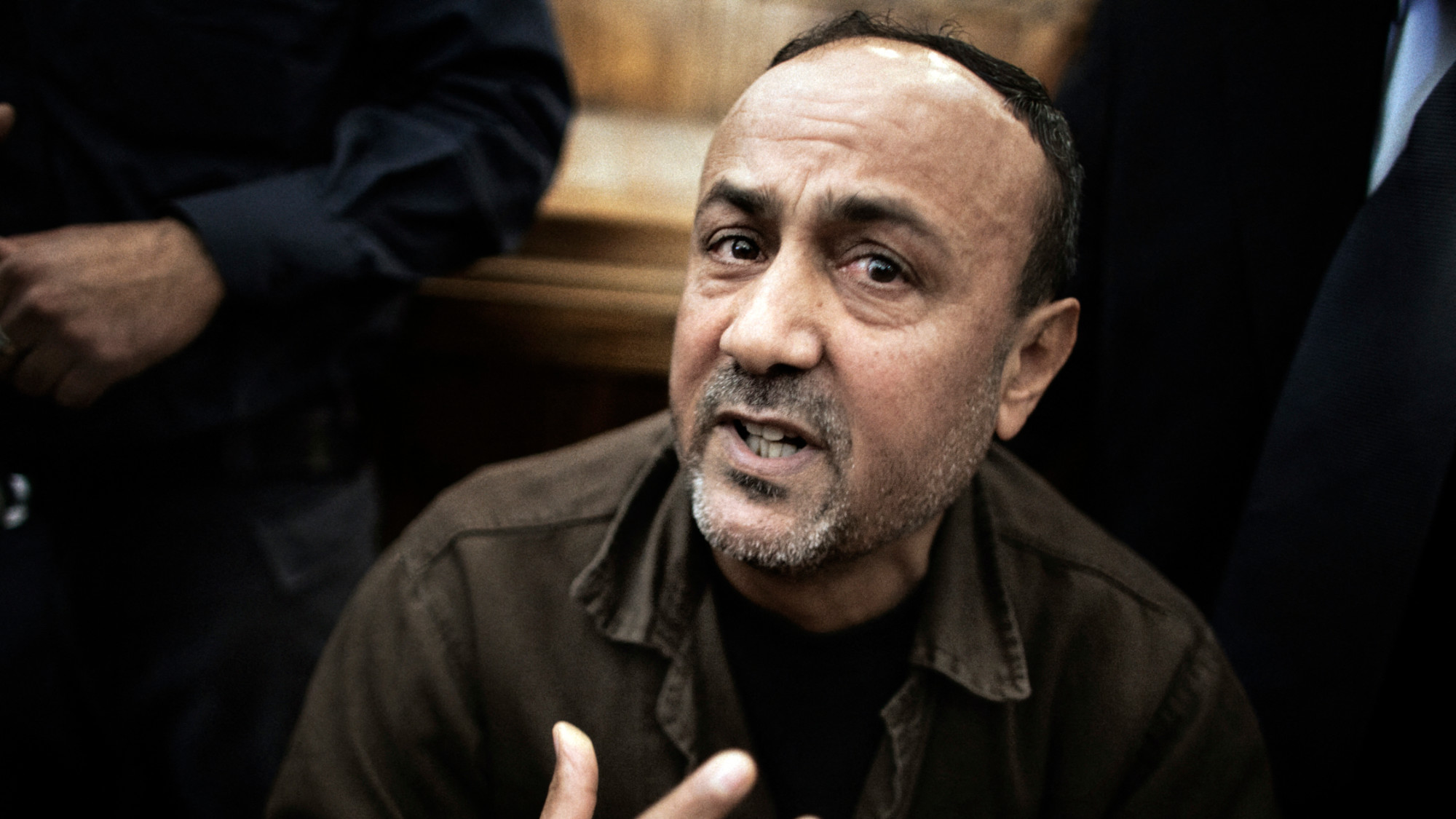
    Marwan Barghouti, a senior Palestinian political figure imprisoned by Israel, has reportedly suffered a brutal assault by prison authorities, with his family receiving alarming details about his condition. According to accounts relayed through a recently released prisoner, Barghouti sustained severe injuries including a partially severed ear, broken ribs, fractured fingers, and dental damage during multiple beating sessions. His son, Arab Barghouti, described the conveyed information as indicating an “extremely difficult and very dangerous” state.

    This incident is not isolated. A confidential source close to the Barghouti family revealed that the Fatah leader has been physically assaulted at least five times over the past two years, characterizing these actions as “a slow, gradual assassination attempt.” The attacks coincide with increasing threats from senior Israeli officials, including National Security Minister Itamar Ben Gvir, who was filmed visiting Barghouti’s cell in August while warning Israel would “obliterate” its opponents.

    Barghouti, who has been incarcerated since 2004 and is serving five life sentences plus 40 years for his role in attacks that killed five Israelis during the Second Intifada, has long been held in solitary confinement. His treatment has intensified alongside other prominent Palestinian detainees since October 2023. Despite his imprisonment, opinion polls consistently show Barghouti would likely win the Palestinian presidency by a significant margin if elections were held.

    The Palestinian Authority’s Commission of Detainees’ Affairs has gathered information corroborating the assault reports, yet according to sources, neither the PA nor Fatah leadership has taken meaningful action to intervene. This perceived abandonment has left the family in “complete shock and desperation,” with one source questioning how a senior Fatah official could be “left to face his fate alone.”

    This case unfolds against the backdrop of a massive detention campaign across the West Bank following the Gaza conflict initiation in October 2023. Current estimates indicate at least 9,250 Palestinians are held in Israeli prisons, with nearly half detained without charge or trial under administrative detention orders. Documentation shows record levels of systemic abuse and torture in Israeli custody, with at least 100 prisoner deaths reported under these conditions.

    International efforts to secure Barghouti’s release, including attempted negotiations by Egypt, Qatar, and Hamas as part of Gaza ceasefire discussions, have thus far been unsuccessful, with Israel subsequently removing his name from prisoner exchange lists.

  • India announces free e-visa for Russian citizens, set to begin soon

    India announces free e-visa for Russian citizens, set to begin soon

    In a significant diplomatic move, Indian Prime Minister Narendra Modi announced the imminent launch of a complimentary e-visa program for Russian citizens during a joint press conference with Russian President Vladimir Putin on Friday. The landmark initiative, set to commence operations shortly, will eliminate all processing fees for both individual travelers and tourist groups seeking to visit India.

    The newly established electronic visa system promises expedited processing within a 30-day timeframe, substantially streamlining entry procedures for Russian nationals. This hospitality enhancement coincides with President Putin’s first state visit to New Delhi since Russia’s military engagement in Ukraine commenced in 2022, signaling strengthened bilateral relations despite international pressures.

    Both nations concurrently agreed to diversify their economic engagement beyond traditional sectors of oil and defense equipment. The announcement comes amid ongoing trade negotiations between India and the United States regarding punitive tariffs imposed during the Trump administration, partially motivated by New Delhi’s continued energy purchases from Moscow.

    Russia has expressed ambitions to rectify trade imbalances by increasing imports of Indian goods, targeting bilateral trade volumes reaching $100 billion by 2030. India remains the world’s largest purchaser of Russian seaborne oil and military equipment, demonstrating resilient economic ties that have persisted through geopolitical tensions. The visa facilitation program represents a strategic effort to deepen people-to-people connections while reinforcing diplomatic and economic cooperation between these historically allied nations.

  • Mainland says Taiwan’s Lai a ‘peace breaker’ and ‘troublemaker’

    Mainland says Taiwan’s Lai a ‘peace breaker’ and ‘troublemaker’

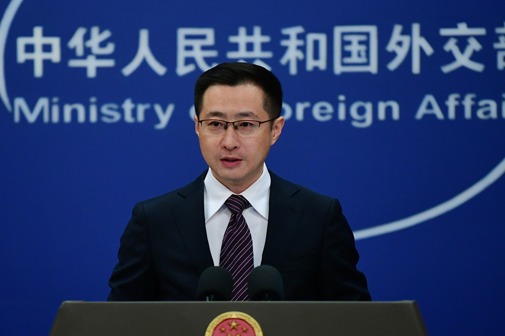
    The Chinese Foreign Ministry has formally characterized Taiwan’s leader Lai Ching-te as a ‘peace breaker’ and ‘troublemaker’ during a press briefing on Friday. Spokesperson Lin Jian issued the stern condemnation following Lai’s participation in The New York Times DealBook Summit, where he delivered pre-recorded remarks addressing the Taiwan Strait situation.

    Lin asserted that certain US media platforms have facilitated the dissemination of what he described as false ‘Taiwan independence’ narratives by providing a stage for Taiwanese authorities. This action, according to the ministry, constitutes a serious violation of both the one-China principle and the three foundational China-US joint communiques that have historically governed Sino-American relations.

    The spokesperson emphasized that such platforming sends dangerously misleading signals to separatist factions within Taiwan. Lin reiterated China’s firm opposition to these developments, characterizing Lai’s statements and actions as revealing his fundamental nature as an advocate for ‘Taiwan independence’ and his strategic attempts to pursue separation through American support.

    ‘Regardless of Lai’s rhetoric or maneuvers, these efforts represent futile attempts destined for failure,’ Lin stated categorically. The Foreign Ministry simultaneously called upon Washington to comprehensively honor commitments previously made by US leadership regarding the Taiwan question, highlighting the extremely sensitive nature of what China considers an internal matter.

  • What to know as lawmakers disclose vivid new details of US boat strikes

    What to know as lawmakers disclose vivid new details of US boat strikes

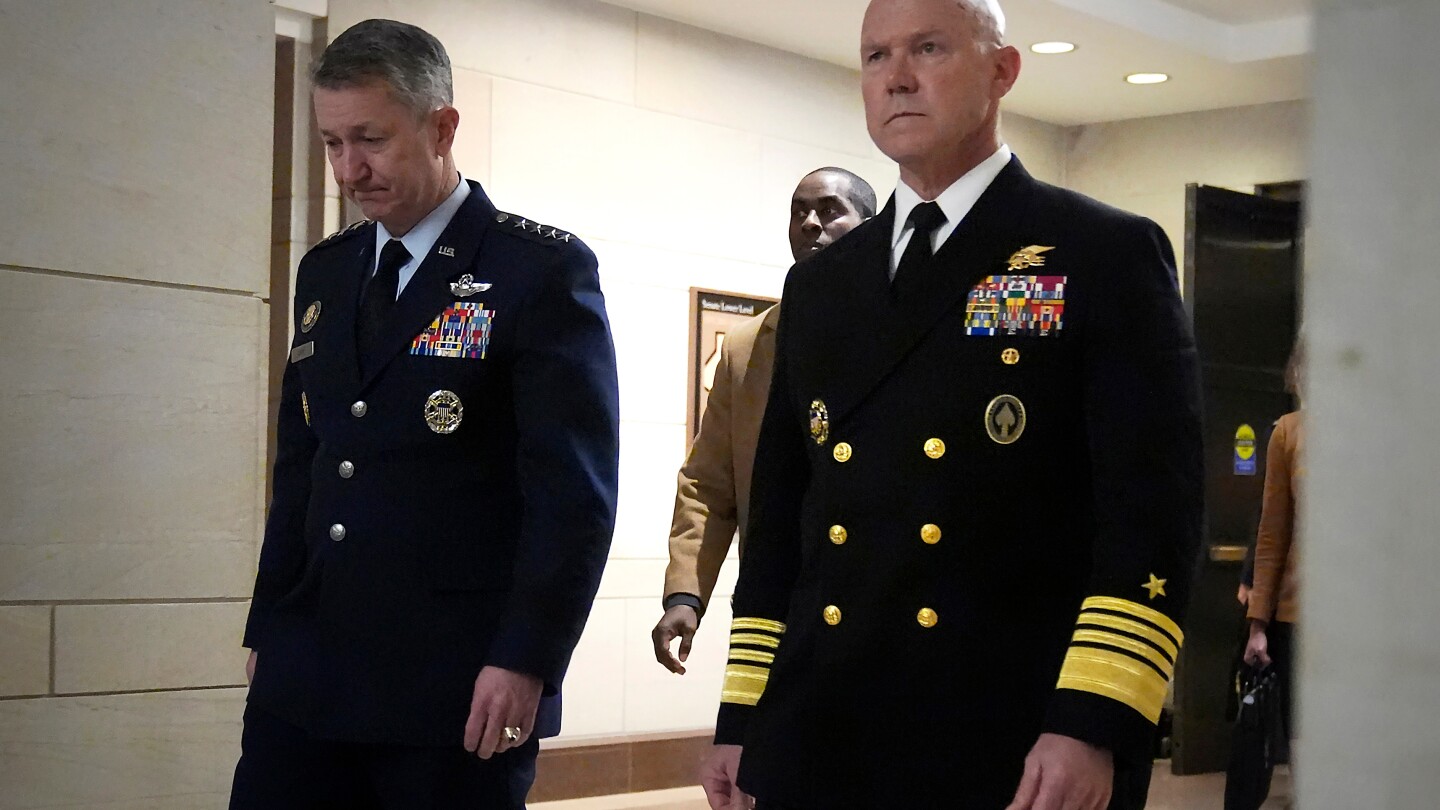
    A controversial U.S. military operation targeting drug smugglers in international waters near Venezuela has ignited intense congressional scrutiny and raised profound legal questions about the Trump administration’s expansion of military authority. According to classified briefings obtained by congressional oversight committees, American forces conducted a secondary missile strike on September 2nd that killed two survivors clinging to wreckage of a vessel allegedly carrying cocaine.

    The operation, which represents the military’s first foray into destroying drug-running vessels, has resulted in approximately 87 fatalities across 22 separate engagements. Navy Admiral Frank ‘Mitch’ Bradley, who authorized the controversial follow-up strike, testified that the action aimed to prevent recovery of narcotics rather than target survivors. However, Democratic lawmakers described the incident as ‘deeply concerning,’ with Representative Adam Smith characterizing the victims as ‘drifting in the water until the missiles come and kill them.’

    At the heart of the constitutional debate lies a 40-page legal opinion from the Justice Department’s Office of Legal Counsel, dated September 5th—three days after the initial attack. This document reclassifies drug traffickers as terrorist threats, applying counterterrorism rules of engagement to narcotics interdiction operations. The administration has classified this legal justification, withholding it from most military lawyers until mid-November.

    The operation’s legal foundation remains particularly contentious as Congress never explicitly authorized military action against drug cartels. Democratic senators have demanded full disclosure of the legal argument and operational orders, with Senator Jack Reed calling the briefing ‘his worst fears confirmed.’ Meanwhile, Republican Senator Tom Cotton defended the strikes, suggesting survivors attempting to right the vessel remained legitimate targets.

    Defense Secretary Pete Hegseth’s absence during the critical decision-making phase and the premature retirement of Admiral Alvin Holsey, commander of U.S. forces in Central and South America, have further intensified congressional investigation. The administration continues to defend the operations, announcing another successful drug vessel interception immediately following congressional briefings.

  • A timeline of the US military’s buildup near Venezuela and attacks on alleged drug boats

    A timeline of the US military’s buildup near Venezuela and attacks on alleged drug boats

    A significant U.S. military mobilization is underway in the Caribbean, marking the largest American naval presence in Latin America in decades. The Trump administration has deployed a formidable fleet, including the advanced USS Gerald R. Ford aircraft carrier and multiple guided-missile destroyers, amassing approximately 12,000 personnel in the region under ‘Operation Southern Spear.’

    The official justification for this deployment is an intensified campaign against narcotics trafficking. Since early September, U.S. forces have conducted at least 22 lethal strikes on vessels suspected of smuggling operations, resulting in 87 fatalities. President Trump has characterized these actions as a necessary escalation in an ‘armed conflict’ against drug cartels, asserting that these groups have been formally designated as foreign terrorist organizations.

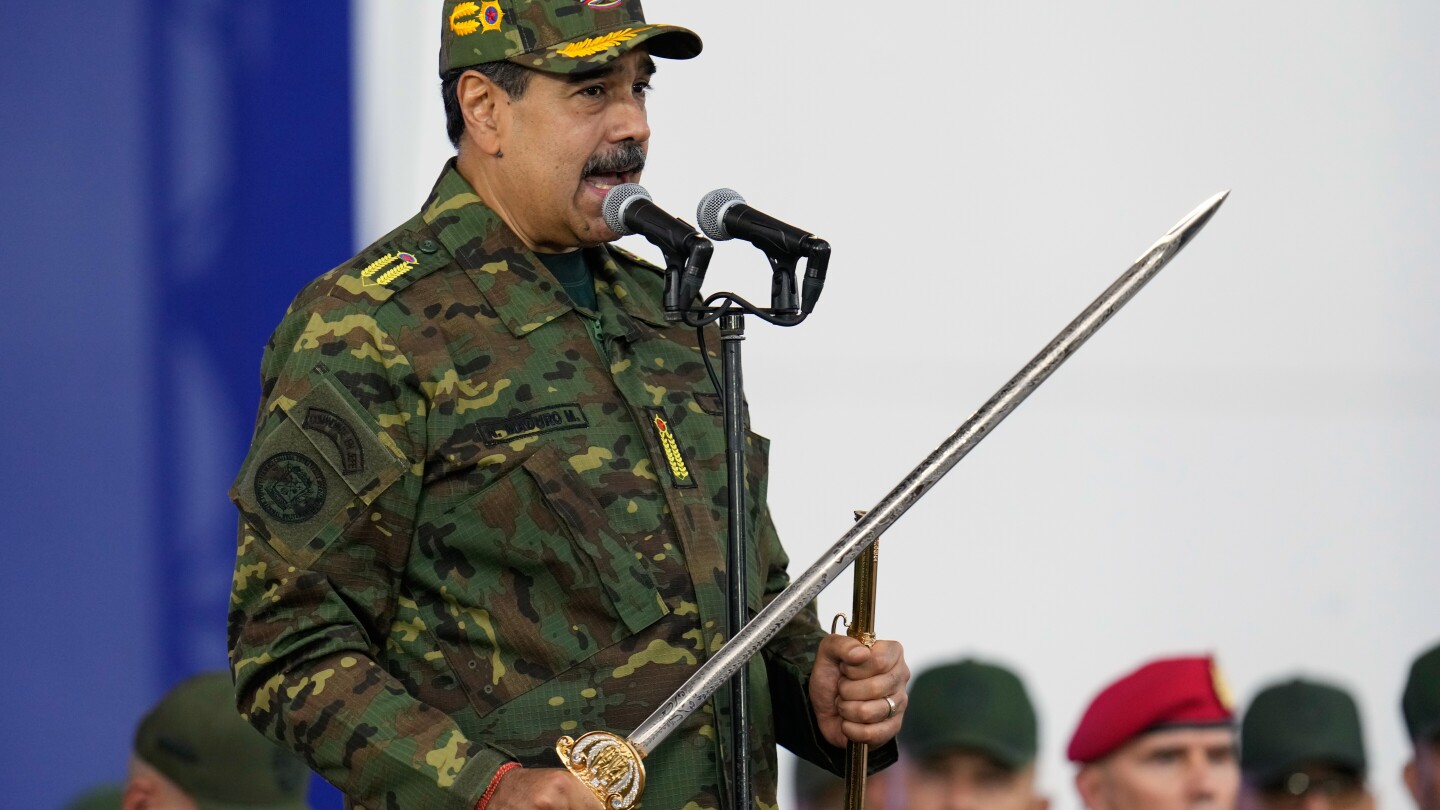
    However, the campaign has drawn substantial criticism and scrutiny. Venezuelan President Nicolás Maduro condemns the operations as a direct threat to his administration and a pretext for forced regime change. Internally, the strategy faces mounting legal challenges from U.S. lawmakers. Senior Democrats, including Senator Jack Reed, have challenged the legal basis for the strikes, arguing the military lacks authority to ‘hunt down suspected criminals and kill them without trial.’

    The controversy intensified following reports that the initial strike in September involved a follow-on attack targeting survivors. This prompted a Congressional investigation, leading to classified briefings with Navy Admiral Frank ‘Mitch’ Bradley, who oversaw the operations. Simultaneously, international bodies have expressed concern, with the UN human rights chief calling for an investigation and condemning the actions as potential extrajudicial killings.

    Amidst the tension, President Trump has confirmed authorizing CIA covert operations within Venezuela and has hinted at potential land operations, while also suggesting openness to diplomatic discussions with Maduro. The situation remains a volatile nexus of military action, international law debates, and heightened geopolitical tensions in the Western Hemisphere.

  • US Supreme Court agrees to hear case challenging birthright citizenship

    US Supreme Court agrees to hear case challenging birthright citizenship

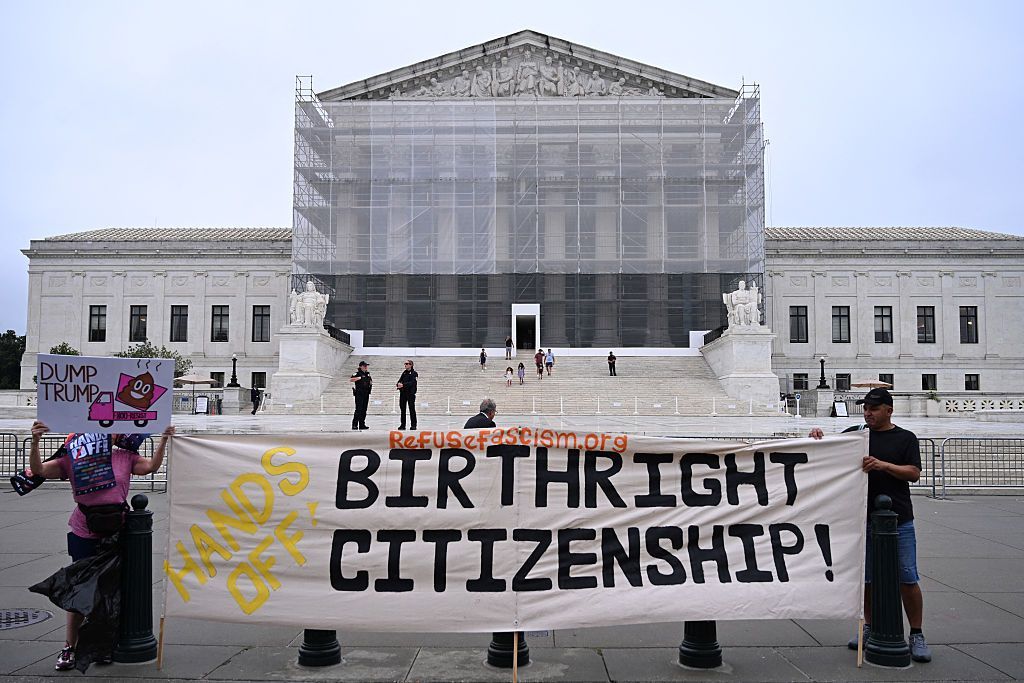
    The United States Supreme Court has agreed to adjudicate a landmark case that will determine the future of birthright citizenship, a constitutional principle established for over 150 years. This judicial review directly confronts a controversial executive order issued by former President Donald Trump on his inaugural day in January, which sought to terminate automatic citizenship for children born to undocumented immigrants and temporary visa holders. Lower federal courts previously blocked the order, citing potential constitutional violations.

    The core of the legal battle hinges on the interpretation of the 14th Amendment of the U.S. Constitution. Ratified in 1868 in the aftermath of the Civil War, its Citizenship Clause explicitly states: ‘All persons born or naturalized in the United States, and subject to the jurisdiction thereof, are citizens of the United States.’ This provision was originally intended to guarantee citizenship for emancipated slaves and has since been applied universally, with narrow exceptions for children of foreign diplomats and enemy forces.

    The nation’s highest court is now poised to deliver a definitive ruling that will either uphold the longstanding practice of jus soli (right of the soil) or empower the government to significantly curtail it. The plaintiffs in the case include immigrant parents and their U.S.-born children, who are challenging the legality of the proposed executive action. Following its decision to hear the appeal, the Court will schedule oral arguments where both the government and the plaintiffs will present their cases.

    This legal endeavor places the United States, one of approximately 30 nations worldwide that grant automatic birthright citizenship—primarily in the Americas—at a constitutional crossroads. The Supreme Court’s eventual judgment will resolve a critical question of national identity and have profound implications for immigration policy and the lives of hundreds of thousands of individuals.

  • Bolsonaro’s eldest son says he’ll run for Brazil presidency in 2026

    Bolsonaro’s eldest son says he’ll run for Brazil presidency in 2026

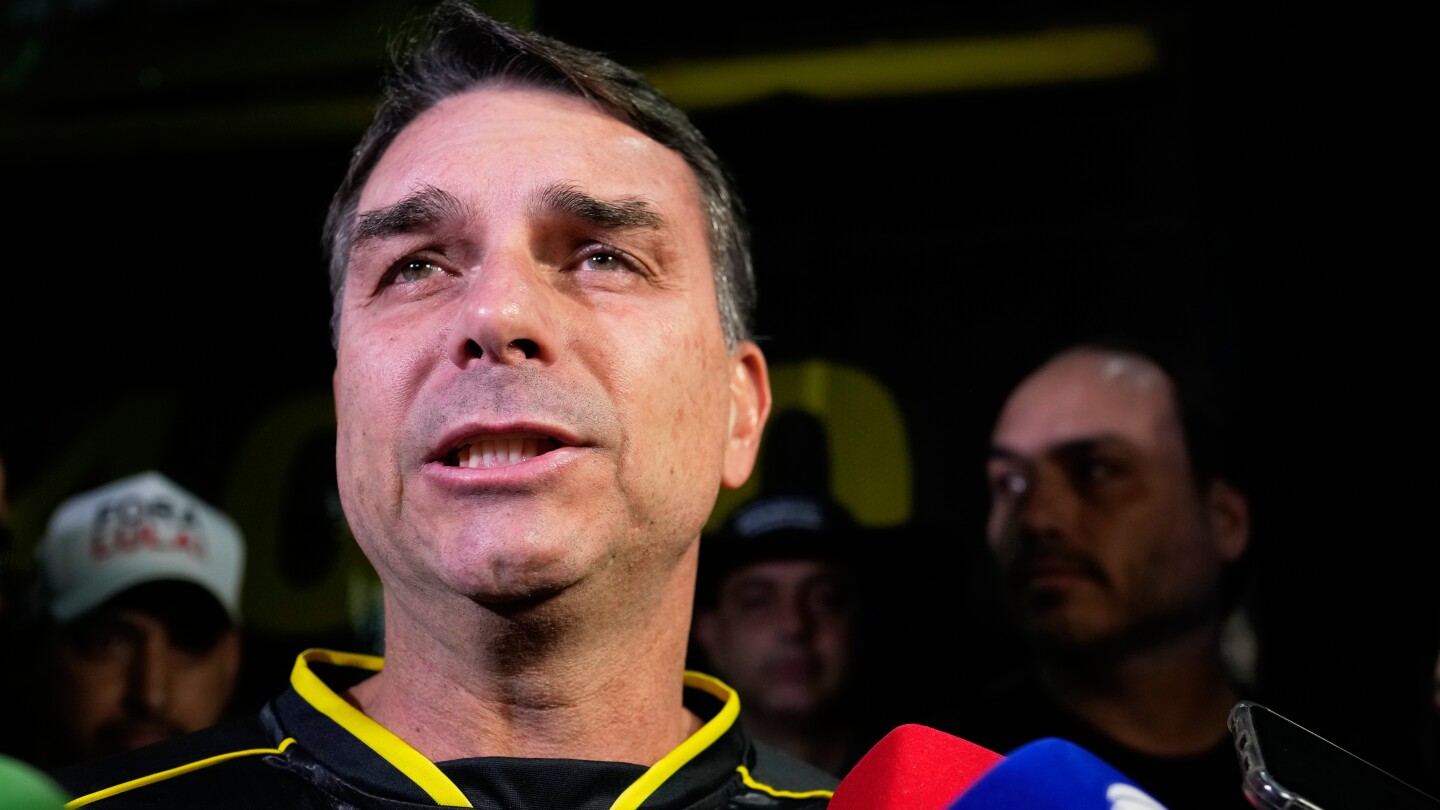
    SAO PAULO — In a significant development within Brazil’s political landscape, Senator Flávio Bolsonaro has declared his intention to contest the 2026 presidential election as the designated representative of his father’s political faction. This announcement comes amidst the ongoing incarceration of former President Jair Bolsonaro, who is currently serving a 27-year prison sentence following convictions related to attempted coup activities.

    The younger Bolsonaro confirmed his political mandate through a social media statement, quoting his father’s decision to entrust him with “continuing our national project.” His office subsequently verified to The Associated Press that he will formally challenge incumbent President Luiz Inácio Lula da Silva, who seeks an unprecedented fourth nonconsecutive term. This confirmation followed Flávio Bolsonaro’s recent prison visitation with his father earlier this week.

    The political succession within Bolsonaro’s Liberal Party had previously been subject to internal debate, with São Paulo Governor Tarcísio de Freitas—a former cabinet member—initially perceived as the natural successor. However, resistance from Bolsonaro’s inner circle ultimately favored the former president’s eldest son as their presidential standard-bearer.

    Despite his imprisonment and electoral disqualification until 2030, Jair Bolsonaro remains a pivotal figure in Brazil’s deeply polarized political environment. Political analysts emphasize that any viable opposition candidate must secure both the substantial electoral base and explicit endorsement of the far-right leader to mount a competitive challenge against President Lula.

    Flávio Bolsonaro, elected senator in 2018 following his tenure as a Rio de Janeiro state legislator, brings his own controversial political history to the campaign. Although previously implicated in embezzlement allegations involving public funds—charges which were ultimately dismissed by courts and which he continues to deny—his presidential bid now positions him at the forefront of Brazil’s ongoing political realignment.

  • US judge orders unsealing of court records from abandoned Jeffrey Epstein case

    US judge orders unsealing of court records from abandoned Jeffrey Epstein case

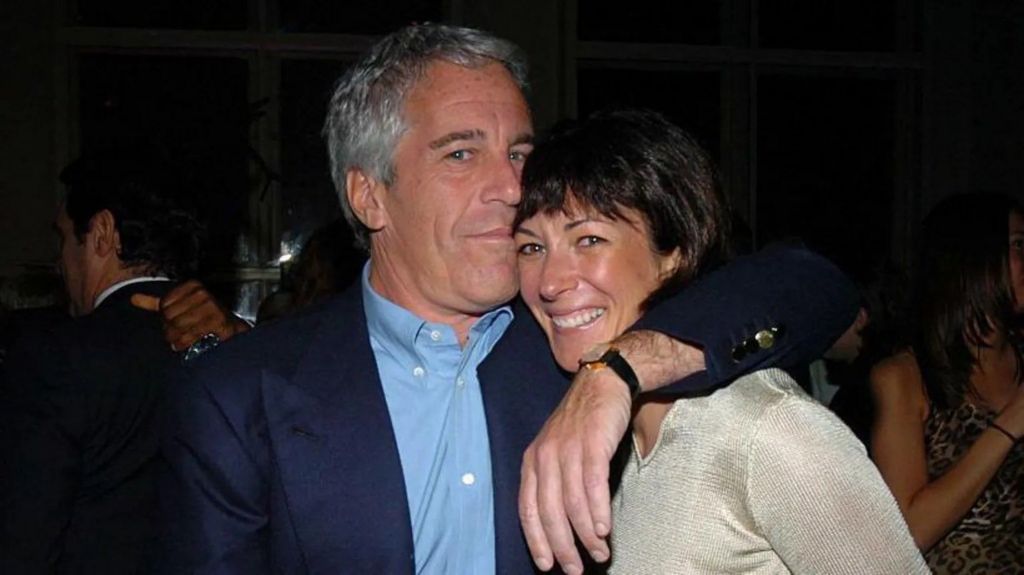
    A significant judicial development has emerged in the long-running Jeffrey Epstein case as a Florida federal judge has mandated the disclosure of previously sealed grand jury transcripts. The ruling by U.S. District Judge Rodney Smith responds to a Justice Department petition filed after Congress enacted legislation last month specifically requiring the release of all documents pertaining to the convicted sex offender and his accomplice Ghislaine Maxwell.

    The court order, which the BBC has reviewed, states that the newly signed law “applies to unclassified records, documents, communications, and investigative materials” connected to Epstein and Maxwell. This legislative action effectively overrides previous federal restrictions that had prevented disclosure of grand jury materials, which had led to the rejection of a similar Justice Department request in August.

    Judge Smith’s Friday order explicitly notes that “the later-enacted and specific language of the Act trumps prohibition on disclosure,” granting the government’s expedited motion to unseal the transcripts from the 2005 and 2007 investigations. The ruling also modifies protective orders that had previously barred the release of these materials.

    Concurrently, the Justice Department is pursuing additional disclosures in New York, seeking the unsealing of documents from Epstein’s 2019 sex trafficking case and Maxwell’s 2021 sex trafficking conviction. This comprehensive effort represents the most significant movement toward transparency in a case that has drawn intense public scrutiny and speculation about the scope of Epstein’s network and activities.

    The release of these materials is expected to provide unprecedented insight into the investigations that initially targeted Epstein, potentially revealing details about the handling of his case and the extent of his criminal operations that spanned over a decade before his eventual arrest and death in custody.

  • What we know about suspected pipe bomber on eve of 2021 US Capitol riot

    What we know about suspected pipe bomber on eve of 2021 US Capitol riot

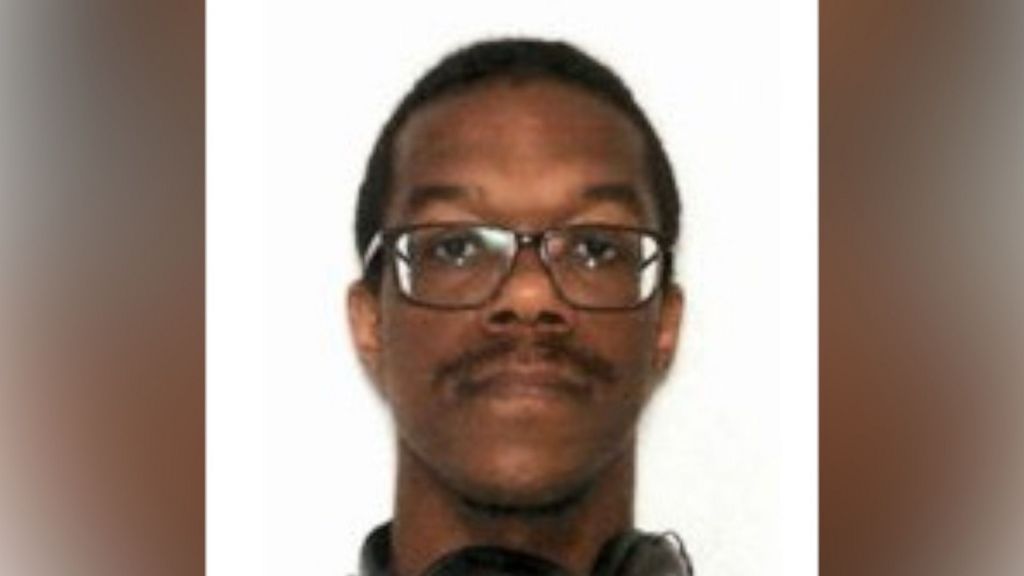
    After a nearly five-year investigation, federal authorities have apprehended Brian Cole Jr., a 30-year-old from Virginia, in connection with the placement of two pipe bombs outside the Democratic and Republican National Committee headquarters on January 5, 2021. The arrest, executed without incident at his family home in Woodbridge, Virginia, marks a significant breakthrough in one of the most persistent investigations following the Capitol riot.

    Cole faces federal charges including the use of an explosive device and attempted malicious destruction of property with explosives. Although the devices did not detonate, their discovery prompted the evacuation of then-Vice President-elect Kamala Harris from the DNC headquarters and occurred on the eve of the congressional certification of the 2020 presidential election.

    According to court documents and media reports, the investigation was a mammoth undertaking. The FBI pursued over 6,000 leads, conducted extensive interviews, and sifted through vast amounts of digital and physical evidence. Key evidence included mobile phone data placing Cole near the bomb sites between 7:39 PM and 8:24 PM on January 5th, and a license plate reader capturing his 2017 Nissan Sentra near the area. Investigators also traced the specific type of end caps used in the bombs, of which 233,000 had been sold, and identified the suspect’s footwear as Nike Air Max Speed Turfs, necessitating a review of thousands of pairs sold through numerous retailers.

    Neighbors and family members described Cole as a ‘quiet’ and ‘naive’ individual who frequently walked a Chihuahua in his suburban neighborhood. His grandmother, Loretta Cole, told media he was ‘almost autistic-like’ and ‘would not hurt a fly.’ However, CNN reported that during FBI interviews, Cole expressed the belief that the 2020 election was ‘rigged,’ echoing the false claims perpetuated by former President Donald Trump.

    Authorities have not yet formally detailed a motive for the alleged actions. Cole is scheduled for a court appearance where he will be formally read the charges and enter a plea.

  • Iranian press review: Rouhani calls for regional bloc against Israeli air power

    Iranian press review: Rouhani calls for regional bloc against Israeli air power

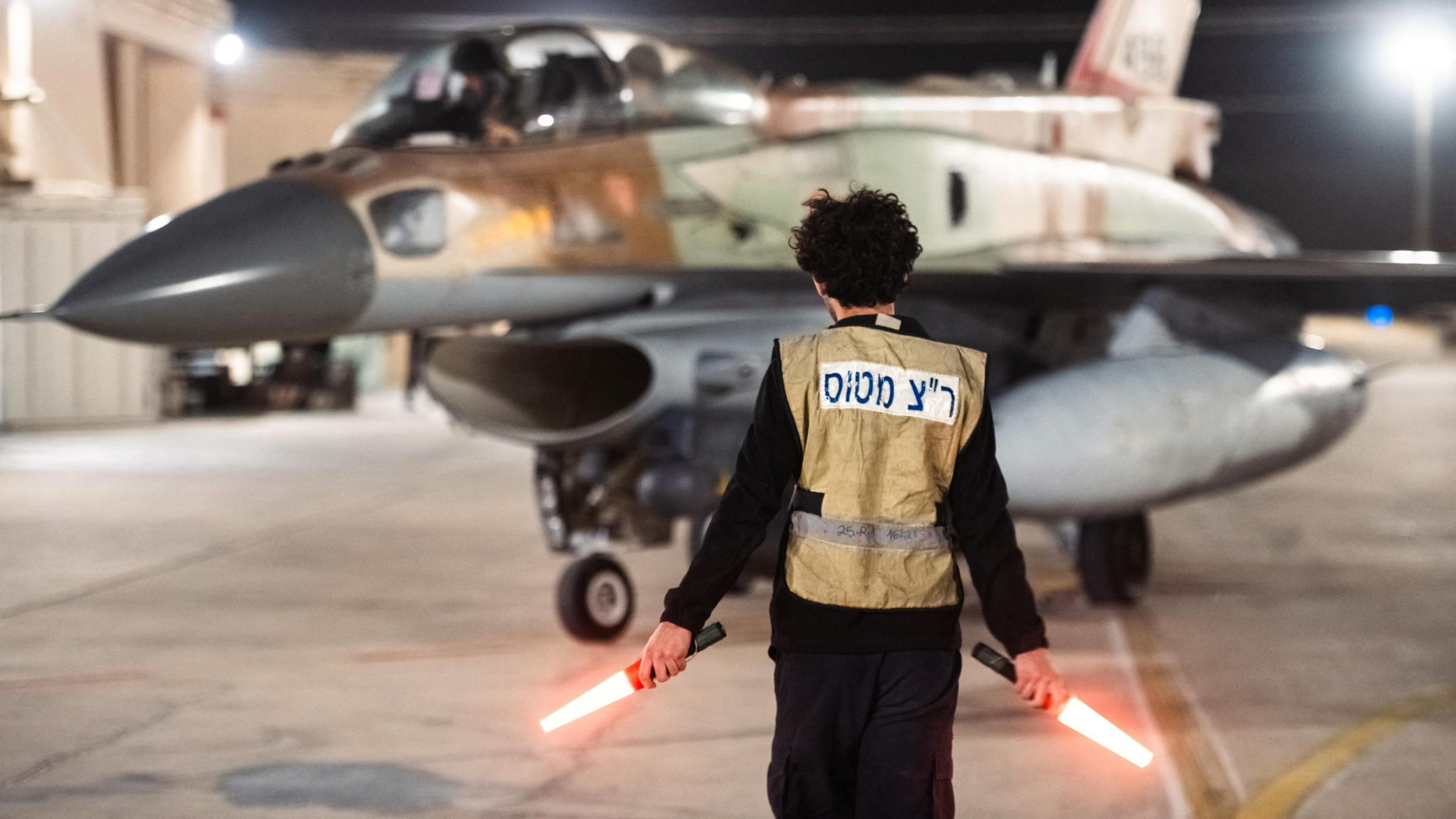
    Former Iranian President Hassan Rouhani has issued a stark warning regarding Iran’s national security vulnerabilities, emphasizing that the nation’s airspace has become dangerously exposed following recent regional conflicts. With sixteen years of experience as secretary of the Supreme National Security Council, Rouhani criticized current administration officials for underestimating Iran’s defense shortcomings, particularly highlighting how easily Israeli aircraft can penetrate Iranian airspace.

    Rouhani asserted that Iran’s neighboring countries—including Iraq, Syria, Lebanon, and Jordan—have airspace effectively controlled by the United States and Israel, leaving Iran without genuine deterrence capabilities. He advocated for strengthened regional alliances, stating that helping neighboring nations achieve independence ultimately benefits Iran’s security interests through shared risks and common objectives.

    This security alert emerges alongside significant domestic controversies. Iranian police recently conducted a raid on a private villa in Lavasan, north of Tehran, detaining over twenty individuals including seven prominent actors. Charges included illegal assembly, public indecency, and alcohol-related offenses. Legal experts have condemned the operation as violating both Iranian law and religious principles, with media outlets comparing the incident to the restrictive early post-revolution years.

    Simultaneously, the Masoud Pezeshkian administration has implemented a controversial fuel price increase policy, triggering concerns about potential social unrest. Effective December 12, the new policy maintains a government allocation of 60 liters at 15,000 rials and 100 liters at 30,000 rials monthly, with additional fuel priced at 50,000 rials per liter. While energy experts acknowledge the economic necessity of aligning prices with market rates, the move remains sensitive given that the 2019 fuel protests resulted in hundreds of casualties.

    Regionally, diplomatic activity has intensified with simultaneous visits by Saudi Deputy Foreign Minister Saud bin Mohammed al-Sati and Turkish Foreign Minister Hakan Fidan to Tehran. International relations analysts interpret these visits as reflecting growing regional concerns about Israel’s expanding influence. Experts suggest that despite historical rivalries, both Saudi Arabia and Turkey recognize the threat posed by Israel and may seek limited cooperation with Iran to establish regional balance and prevent further conflict escalation.