分类: politics

  • Bangladesh to hold national elections in February, the first since 2024 mass uprising

    Bangladesh to hold national elections in February, the first since 2024 mass uprising

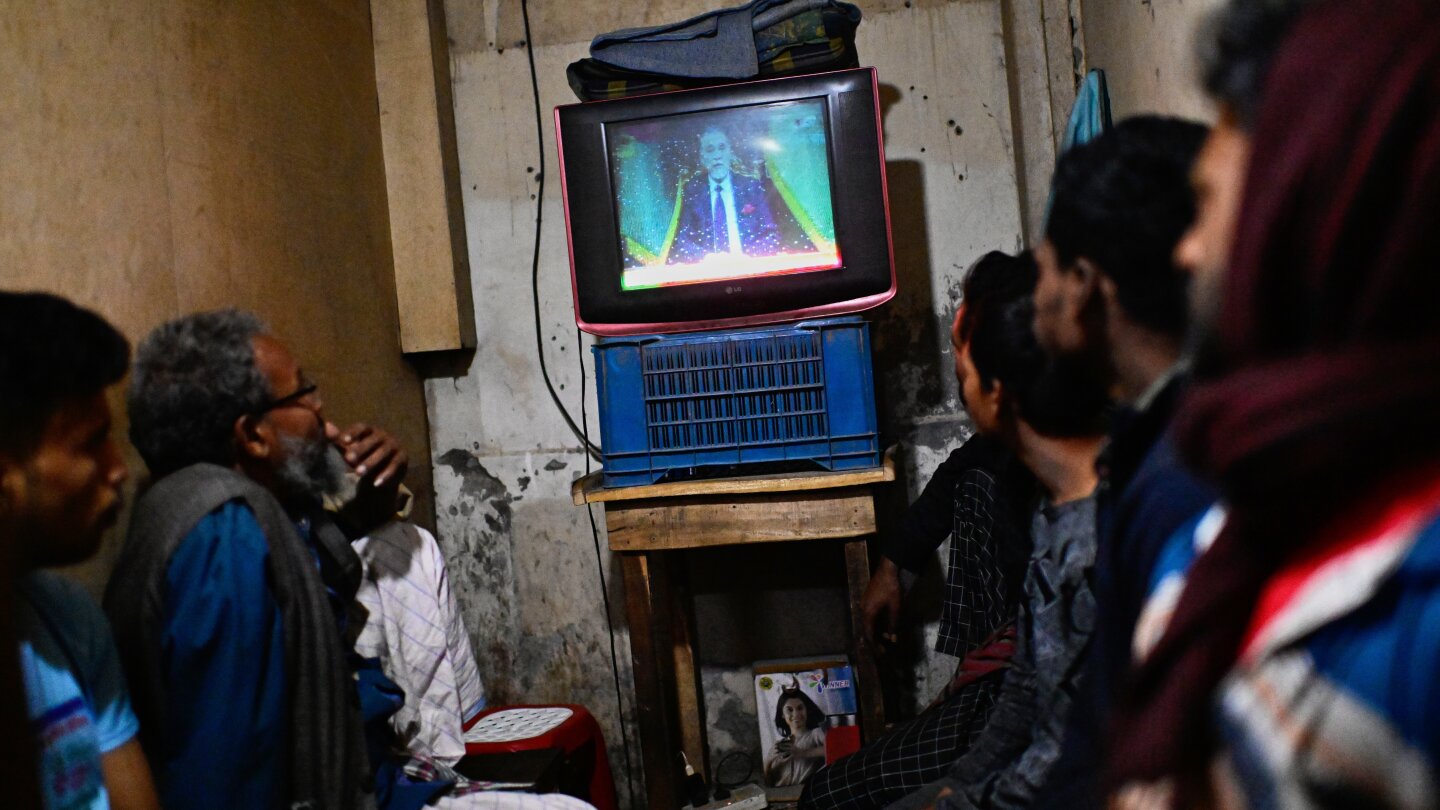
    Bangladesh’s Chief Election Commissioner A.M.M. Nasir Uddin announced Thursday that the nation’s next general elections will take place on February 12, marking a pivotal moment in the country’s political landscape eighteen months after the ousting of former Prime Minister Sheikh Hasina. The electoral timetable was formally disclosed during a nationally televised address, revealing that citizens will simultaneously participate in a referendum concerning proposed political reforms while electing 300 parliamentary representatives.

    The electoral process will commence with nomination filings from December 12-29, followed by a six-day review period. January 20 has been designated as the final date for candidate withdrawals. This election represents the thirteenth national vote since Bangladesh achieved independence from Pakistan in 1971 following a bloody liberation war.

    The political environment remains deeply fractured since the massive protests of July-August 2024 that precipitated Hasina’s removal from power. The former leader, now residing in exile in India, received a death sentence in November from a Bangladeshi court for crimes against humanity related to the unrest. Since August 8, 2024, an interim government led by Nobel Peace Prize laureate Muhammad Yunus has governed the nation, implementing a ban on all activities of Hasina’s Awami League party that effectively excludes the former ruling party from electoral participation.

    Reactions to the election announcement have revealed stark political divisions. The Bangladesh Nationalist Party (BNP), along with Islamist party Jamaat-e-Islami and the newly formed National Citizen Party, welcomed the electoral timeline. BNP Secretary General Mirza Fakhrul Islam Alamgir characterized the announcement as ‘a day of joy,’ expressing confidence that the election commission and government were committed to implementing the people’s democratic rights.

    Conversely, Hasina’s Awami League condemned the election as illegitimate, asserting that excluding the party that led Bangladesh’s independence movement would plunge the nation into profound crisis. The interim government under Yunus congratulated the election commission, describing the upcoming vote as consolidating Bangladesh’s ‘new trajectory’ following last year’s historic uprising.

    International human rights organizations have raised concerns about Bangladesh’s democratic transition, with Human Rights Watch and Amnesty International questioning the rule of law under the interim government and the fairness of Hasina’s trial. The nation remains polarized as it attempts to break from the dominance of two dynastic political camps—Hasina’s Awami League and the BNP led by ailing former Prime Minister Khaleda Zia—while addressing concerns about rising Islamist influence.

    The concurrent referendum addresses demands by political parties to legitimize the ‘July National Charter’ of political reforms, which currently lacks binding legal status. In Bangladesh’s parliamentary democracy of 170 million people, only parliament can amend the constitution, making the referendum’s outcome potentially significant for the country’s governance framework. Over 127.6 million registered voters are eligible to participate in both the electoral and referendum processes.
  • Former Bolivian President Luis Arce arrested in corruption probe

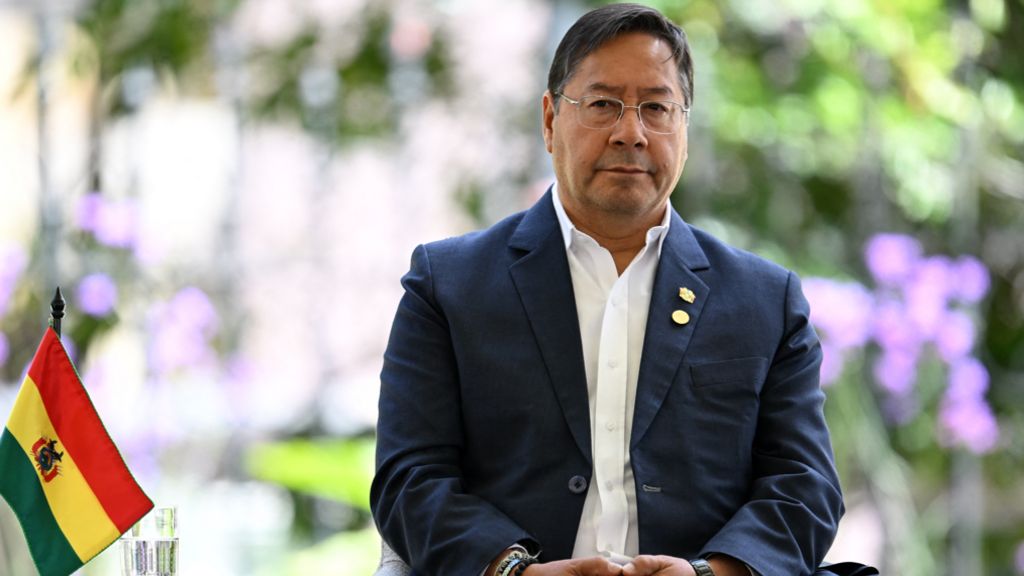
    Former Bolivian President Luis Arce arrested in corruption probe

    In a significant political development, former Bolivian President Luis Arce has been taken into custody by authorities in La Paz as part of an ongoing corruption investigation. The 62-year-old leader, who completed his presidential term last month, faces allegations related to his previous tenure as economy minister during Evo Morales’ administration (2006-2019).

    The arrest warrant issued by Bolivia’s Interior Ministry specifies charges of “breach of duty and uneconomical conduct,” centering on accusations that Arce authorized illicit transfers of public funds to personal accounts of political figures. The investigation connects to a long-running probe into the Indigenous Peoples Development Fund (Fondioc), where millions intended for community projects were allegedly diverted to non-existent or abandoned initiatives.

    Attorney General Roger Mariaca confirmed that Arce exercised his right to remain silent during police interrogation. The former president will remain in custody overnight before undergoing judicial proceedings to determine whether he will be detained pending trial. Mariaca explicitly denied allegations of political motivation behind the arrest.

    The case has drawn strong reactions from both sides of Bolivia’s political divide. María Nela Prada, Arce’s former colleague, denounced the detention as “a total abuse of power” and maintained his innocence. Conversely, current Vice-President Edmand Lara characterized the arrest as part of a broader anti-corruption initiative, declaring that “all those who have stolen from this country will return every last cent and will be held accountable before the law.”

    This development occurs within weeks of centrist candidate Rodrigo Paz’s electoral victory in October, which concluded nearly twenty years of dominance by the leftist MAS party that Arce represented. President Paz, upon assuming office last month, announced the discovery of extensive corruption within previous leftist governments. The new administration has already arrested six former executives of state oil company YPFB on similar charges, signaling a robust anti-graft campaign.

    Under Bolivian law, outgoing executive branch members are prohibited from leaving the country for 90 days following a government transition, facilitating the current investigation into Arce’s activities during his ministerial service.

  • Pakistan’s military sentences its former spy chief to 14 years in jail

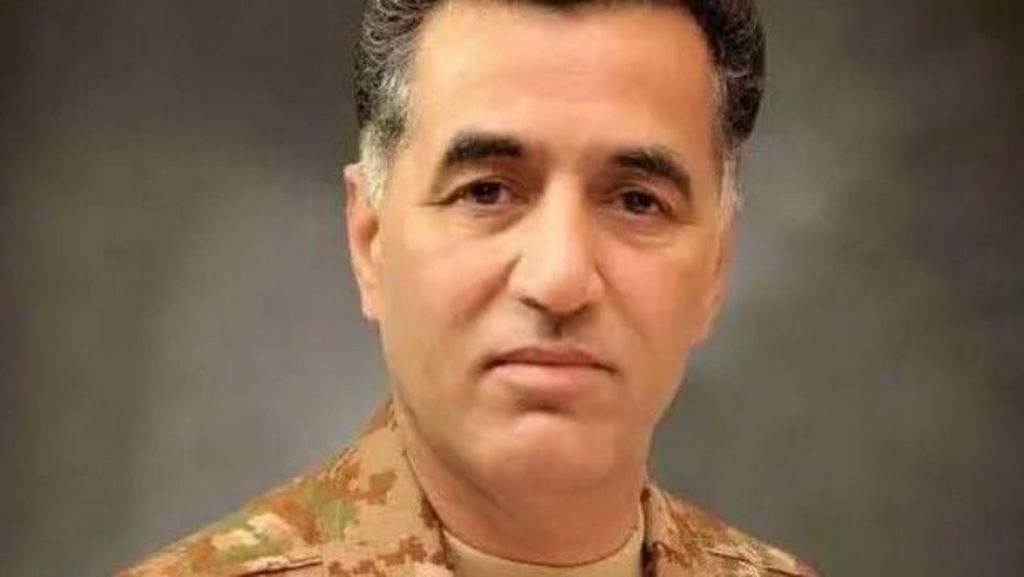
    Pakistan’s military sentences its former spy chief to 14 years in jail

    In an unprecedented judicial development within Pakistan’s military establishment, former Inter-Services Intelligence (ISI) director Faiz Hameed has been sentenced to 14 years imprisonment by a military tribunal. The verdict concludes a 15-month legal process that marks the first court martial of an ISI chief in the nation’s history.

    The military court convicted Hameed on multiple serious charges including violation of state secrets under the Official Secrets Act, unauthorized political interference, misuse of authority and government resources, and actions detrimental to citizens’ welfare. The proceedings, conducted behind closed doors beginning August 12, 2024, were administered under the Pakistan Army Act.

    Hameed, who helmed the country’s premier intelligence agency from 2019 to 2021 during former Prime Minister Imran Khan’s administration, was widely recognized as a steadfast Khan loyalist. He opted for early retirement shortly after Khan’s removal through a parliamentary no-confidence motion in 2022.

    The military’s public relations division (ISPR) confirmed in an official communiqué that the defendant was afforded legal representation of his choice throughout the judicial process. The statement further clarified that Hameed retains the right to challenge the verdict through an appeal to Pakistan’s Supreme Court.

    Separately, investigations continue regarding Hameed’s alleged involvement in instigating political unrest, particularly concerning protests triggered by Imran Khan’s arrest on May 9, 2023. This aspect of the case remains under exclusive military jurisdiction and will be addressed through subsequent legal channels.

    The sentencing of someone who held what is considered Pakistan’s second-most powerful military position signals significant institutional repercussions within the country’s political-military framework.

  • Ghana deports Israelis in retaliation for alleged mistreatment of Ghanaians

    Ghana deports Israelis in retaliation for alleged mistreatment of Ghanaians

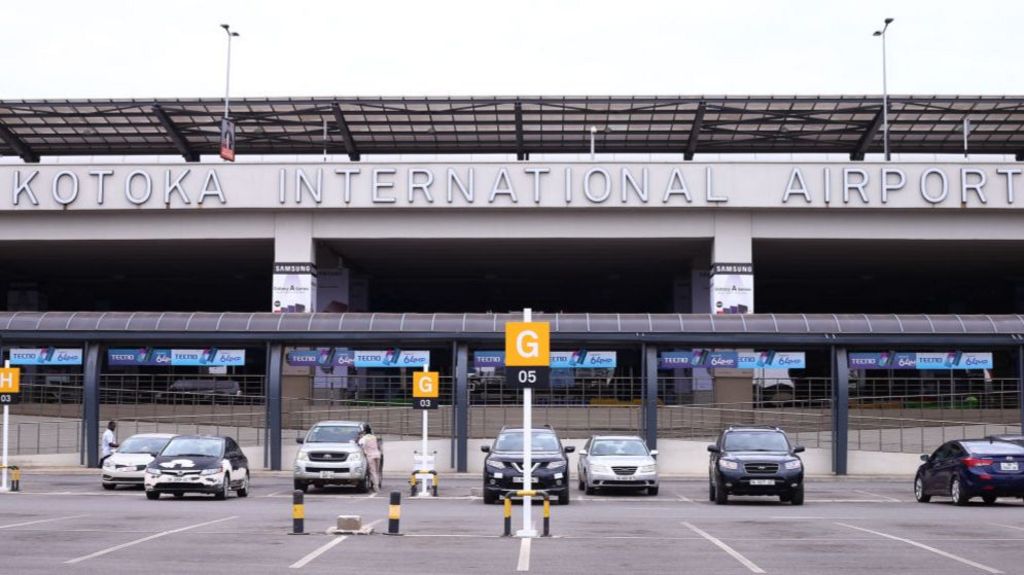
    Ghana has executed a decisive diplomatic response by deporting three Israeli citizens from Kotoka International Airport in Accra, following alleged mistreatment of Ghanaian nationals at Israel’s Ben Gurion International Airport. The move appears to be a direct reciprocal action in a growing bilateral dispute.

    The tension escalated after seven Ghanaian citizens, including four official delegates attending a cybersecurity conference in Tel Aviv, were reportedly detained without explanation by Israeli authorities. According to Ghanaian officials, four members of the delegation were released after five hours of detention, while three other Ghanaian travelers faced deportation.

    Ghana’s Foreign Ministry strongly condemned what it described as “humiliating treatment” of its citizens, summoning a senior Israeli diplomat in Accra to address the incident. Both nations have subsequently agreed to pursue amicable resolution measures despite the current strains.

    In an official statement, the Ghanaian government expressed concern that Israeli authorities were “unfairly targeting Ghanaian travellers” and emphasized expectations that Ghanaian citizens “be treated with dignity and respect in much the same way as other governments expect Ghana to treat their nationals.”

    The diplomatic friction may be connected to Ghana’s recent foreign policy positions regarding the Israel-Palestinian conflict. In September, Ghana condemned Israeli airstrikes near Qatar as “clear violation of international law,” and previously urged Israel to facilitate increased humanitarian aid to Gaza. President John Mahama further demonstrated solidarity by donating 40 tonnes of Ghanaian chocolate and cocoa products to Palestinians.

    Analysts suggest these actions may have contributed to current tensions, particularly if perceived by Israel as demonstrating bias. However, Ghana maintains that its embassy in Tel Aviv remains “responsive and compliant with international law,” countering Israeli claims of non-cooperation regarding deportation procedures.

    Despite the current dispute, both nations acknowledge decades of generally friendly relations, making the recent incidents particularly notable within their diplomatic history.

  • Venezuelan Nobel laureate credits Trump for pressuring Maduro with ‘decisive’ actions

    Venezuelan Nobel laureate credits Trump for pressuring Maduro with ‘decisive’ actions

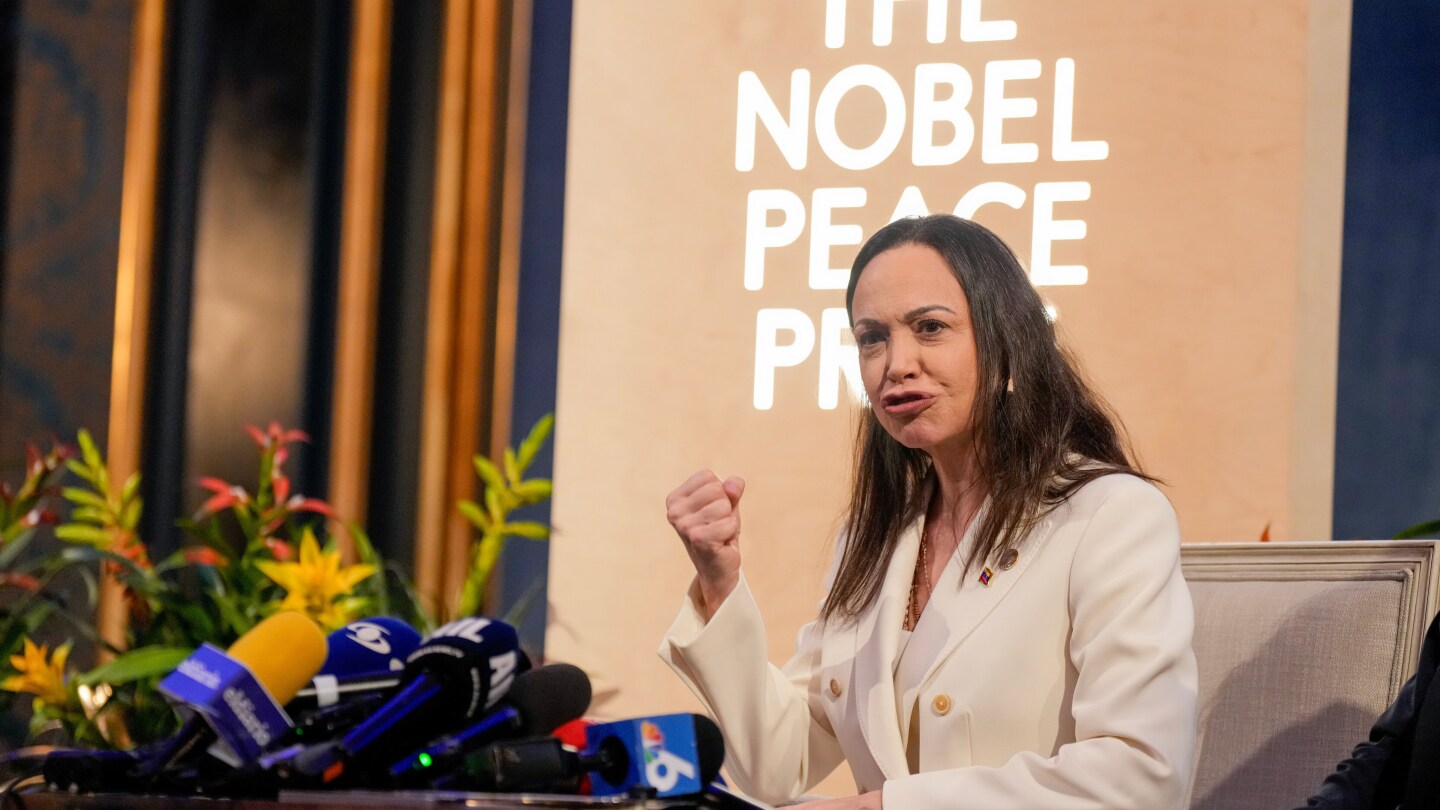
    OSLO, Norway – Venezuelan opposition figure María Corina Machado broke her eleven-month silence on Thursday, declaring President Nicolás Maduro’s administration has reached its most vulnerable state following decisive U.S. actions including the seizure of a Venezuelan oil tanker. The prominent dissident, speaking publicly for the first time since emerging from hiding, pledged to return to her homeland to continue the democratic struggle when security conditions permit.

    Machado’s reappearance coincided with her daughter accepting the Nobel Peace Prize on her behalf in Oslo on Wednesday. The opposition leader specifically credited the Trump administration’s recent measures for significantly weakening Maduro’s grip on power. “The regime previously operated with impunity,” Machado told international journalists. “Now they comprehend the seriousness of global scrutiny.”

    The political activist carefully avoided endorsing military intervention when questioned about potential U.S. action against Maduro’s government. She emphasized that her return timeline would be determined by security assessments rather than the regime’s status.

    Her dramatic public reemergence from a hotel balcony before emotional supporters followed months in hiding since her brief detention during Caracas protests in January. Machado’s international journey occurred against the backdrop of escalating U.S. military operations in the Caribbean that have resulted in numerous casualties, actions the White House claims target drug trafficking but which many interpret as pressure on Maduro’s government.

    The Nobel laureate called for concrete international support beyond diplomatic statements, urging governments to cut off resources derived from illegal activities that sustain repressive regimes. The 58-year-old opposition leader, who won a primary election but was barred from challenging Maduro in the 2024 presidential race, met with Norwegian Prime Minister Jonas Gahr Støre who committed support for building democratic institutions in Venezuela.

    Machado revealed little about her covert travel from Venezuela but acknowledged U.S. assistance in her journey, which flight data indicates originated from Bangor, Maine. Her political stand-in, retired diplomat Edmundo González, sought asylum in Spain following an arrest warrant, complicating the opposition’s leadership structure.

    The opposition leader concluded with a defiant message: “We decided to fight until the end and Venezuela will be free.” She indicated having contingency plans for underground operations should Maduro remain in power upon her return.

  • Analysts call for stronger Beijing-Jakarta relations

    Analysts call for stronger Beijing-Jakarta relations

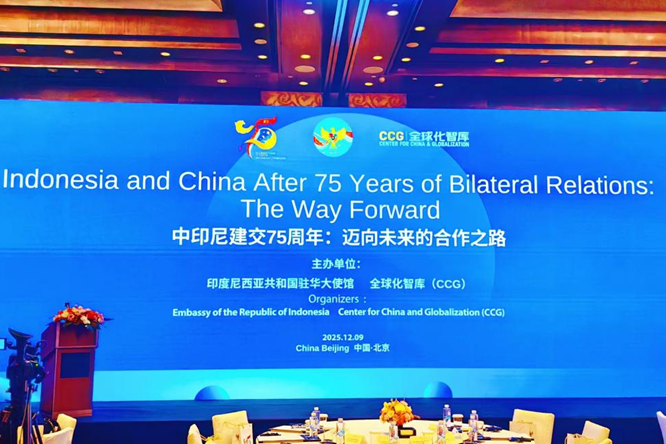
    Senior officials and policy experts convened in Beijing this week to chart the future course of Sino-Indonesian relations, marking 75 years of diplomatic engagement between the two nations. The forum, jointly organized by the Indonesian Embassy and the Center for China and Globalization, highlighted the substantial progress achieved through their comprehensive strategic partnership established in 2013.

    Indonesian Ambassador to China Djauhari Oratmangun emphasized the remarkable expansion of bilateral cooperation across five fundamental pillars: political coordination, economic collaboration, maritime partnership, cultural exchanges, and security cooperation. Trade relations have demonstrated particularly robust growth, surging from $79 billion in 2019 to $147 billion in the previous year, while China has consistently ranked among Indonesia’s top three investment sources throughout the past five years.

    The recent state visit by Indonesian President Prabowo Subianto, who selected China as his inaugural overseas destination following his inauguration, further underscores the strategic significance both nations attribute to their bilateral relationship. Ambassador Oratmangun noted that Indonesia’s recent accession to BRICS presents additional opportunities for enhanced cooperation within this multilateral framework, potentially advancing the collective interests of developing nations while promoting a more balanced global economic architecture.

    Academic perspectives from both countries highlighted the relationship’s resilience amid global uncertainties. Xue Song, a researcher at Fudan University’s Institute of International Studies, identified China’s evolving role as Indonesia’s principal partner not only in traditional infrastructure projects but increasingly in downstream industries and digital economy initiatives. The successful implementation of flagship projects like the Jakarta-Bandung High-Speed Railway was cited as evidence of tangible benefits delivered to local communities.

    Experts addressed the broader geopolitical context, with Rizal Sukma of Indonesia’s Centre for Strategic and International Studies advocating for continued commitment to inclusive regionalism. He emphasized that Southeast Asia and the wider Asia-Pacific should remain zones of peaceful cooperation rather than arenas for unilateralism or great-power competition.

    Xu Liping, Director of the Center for Southeast Asian Studies at the Chinese Academy of Social Sciences, emphasized the shared responsibility of both nations as major Global South countries to contribute to more equitable global governance frameworks. The consensus among participants pointed toward deepened political dialogue, expanded economic cooperation, and enhanced people-to-people exchanges as essential components for future bilateral progress.

  • South Korea’s ex-acting leader indicted over former president’s martial law imposition

    South Korea’s ex-acting leader indicted over former president’s martial law imposition

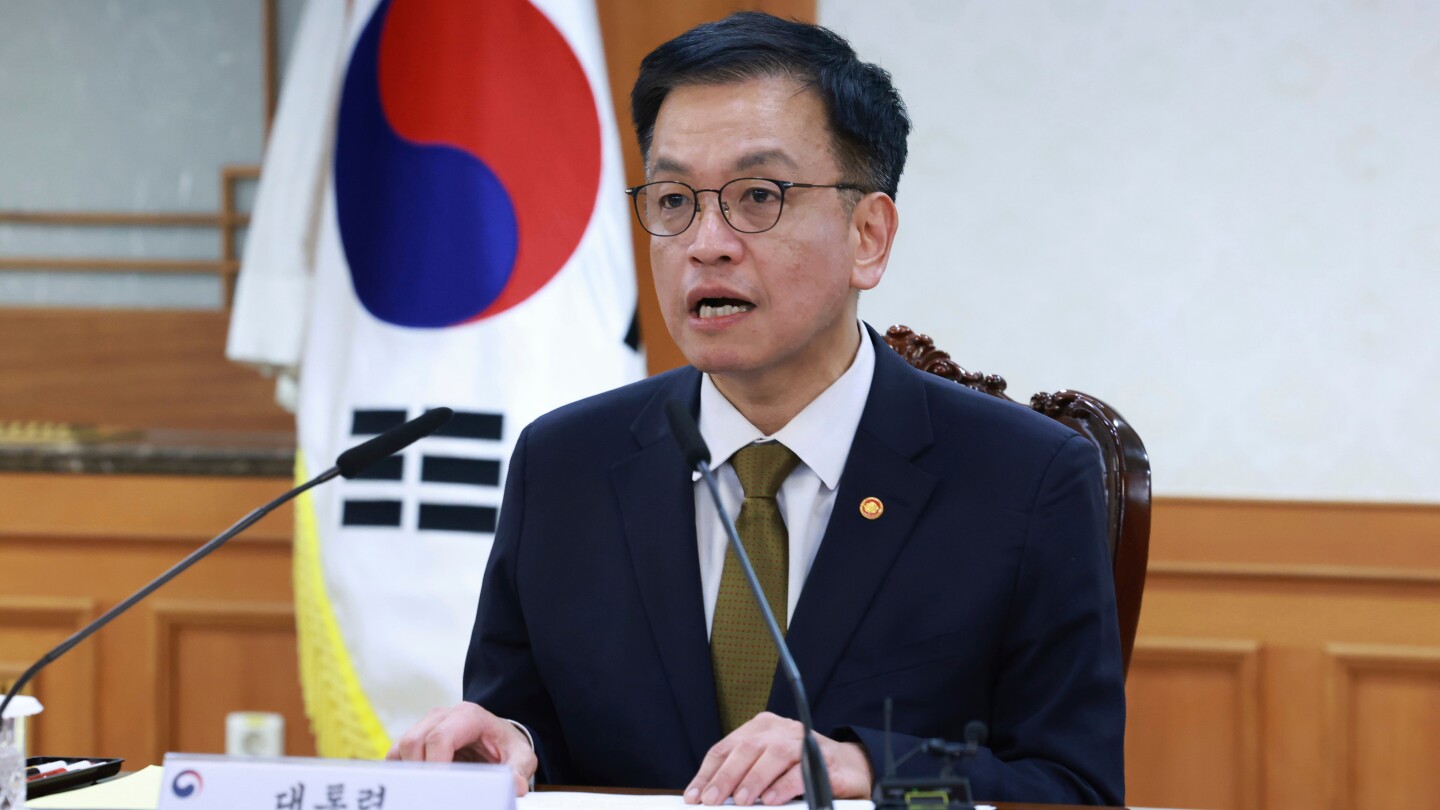
    South Korea’s political landscape continues to be shaken by the aftermath of former President Yoon Suk Yeol’s controversial martial law declaration in December 2024, with former acting leader Choi Sang-mok becoming the latest high-ranking official to face criminal indictment. The Seoul Central District Court unsealed charges Thursday against Choi for alleged dereliction of duty during his interim presidency.

    The indictment centers on Choi’s failure to fully restore the Constitutional Court’s nine-justice panel during the critical period when the court was deliberating Yoon’s impeachment. While Choi appointed two new justices, he left the ninth position vacant, citing lack of bipartisan consensus. This omission proved significant as the court subsequently delivered a unanimous decision to remove Yoon from office in April, requiring at least six justices’ support for the ruling.

    Choi, who previously served as Yoon’s deputy prime minister and finance minister, now faces additional perjury charges related to his testimony during the trial of another former acting leader, Han Duck-soo. Han, who served as Yoon’s prime minister, was indicted in August on more serious charges of facilitating Yoon’s martial law imposition. Prosecutors allege Han attempted to legitimize Yoon’s martial law decree through Cabinet Council procedures, though Han maintains he opposed the plan.

    The investigation team led by independent counsel Cho Eun-suk also indicted five other individuals Thursday, including Yoon’s justice minister, bringing the total number of officials implicated in the martial law crisis to dozens of high-level figures. Yoon himself remains incarcerated while facing rebellion charges.

    This case represents one of three independent counsel probes targeting Yoon, his associates, and family members approved by current President Lee Jae Myung, who assumed office following June’s special election. In a related development, Oceans Minister Chun Jae-soo offered his resignation Thursday amid bribery allegations connected to the Unification Church scandal that has ensnared Yoon’s wife, Kim Keon Hee, and church leader Hak Ja Han. President Lee has called for comprehensive investigations into all allegations involving politicians and religious organizations.

  • APEC Symposium and Informal Senior Officials’ Meeting held in Shenzhen

    APEC Symposium and Informal Senior Officials’ Meeting held in Shenzhen

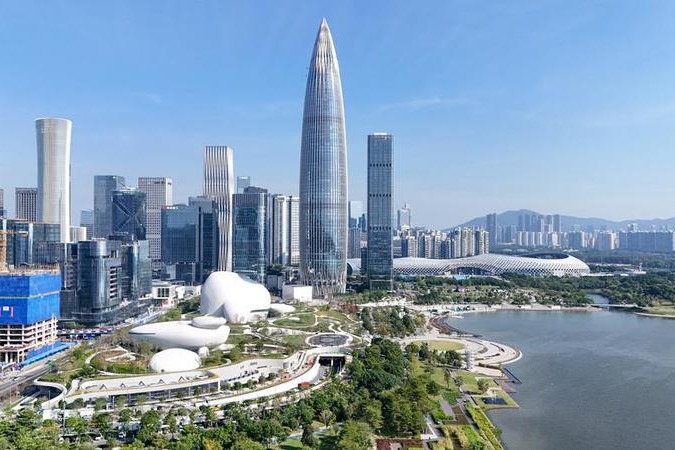
    Shenzhen inaugurated the Asia-Pacific Economic Cooperation (APEC) Symposium and Informal Senior Officials’ Meeting (ISOM) on Thursday, December 11, 2025, marking China’s formal commencement of its host responsibilities for the 2026 APEC Economic Leaders’ Meeting. The two-day gathering at Shenzhen Bay Culture Square represents the inaugural event of what officials are calling the APEC ‘China Year,’ setting the stage for China’s leadership role in shaping regional economic cooperation throughout the coming year.

    The symposium brings together senior officials from APEC’s 21 member economies to establish preliminary dialogues on key regional priorities. While specific agenda items remain undisclosed, the meeting is expected to lay groundwork for addressing pressing economic challenges, enhancing trade facilitation, and promoting sustainable development initiatives across the Asia-Pacific region.

    Shenzhen, China’s technology and innovation hub, provides a symbolic backdrop for discussions on digital transformation and economic modernization. The selection of this southern Chinese metropolis underscores China’s emphasis on technological advancement as a cornerstone of regional economic strategy. The proceedings will likely establish foundational frameworks for more substantive negotiations throughout China’s host year, culminating in the major Economic Leaders’ Meeting scheduled for 2026.

    This preliminary gathering serves as a crucial diplomatic platform for China to demonstrate its commitment to multilateral economic cooperation and establish priorities for its APEC presidency. The outcomes of these initial discussions will shape the agenda for subsequent ministerial meetings and working groups throughout the coming months.

  • US freedom ranking drops to ‘obstructed’ for 2025

    US freedom ranking drops to ‘obstructed’ for 2025

    The United States has experienced a significant decline in civic freedoms, according to the latest annual assessment by the Civicus Monitor. The Johannesburg-based research organization downgraded the nation’s rating to “obstructed” status, placing it alongside countries like Gabon, Mauritania, and Senegal in terms of civil liberties protection.

    The comprehensive People Power Under Attack report evaluates civic space conditions worldwide based on data gathered from civil society organizations and human rights groups. This year’s findings reveal a concerning trend of deteriorating democratic institutions in the US, particularly following the return of President Donald Trump to office.

    Key factors contributing to the downgrade include the suppression of Palestine solidarity activism, aggressive Immigration and Customs Enforcement (ICE) operations targeting immigrant communities, and increasing press censorship. The report documents a pattern of militarized responses to large-scale protests and systematic efforts to undermine democratic norms through executive actions.

    Notably, the assessment highlights widespread censorship measures, including the cancellation of major talk shows, funding reductions for independent media outlets, and restricted White House press access. Judicial harassment and political interference have created a challenging environment for free expression and assembly.

    Globally, fourteen other countries faced similar downgrades, with Argentina, France, Germany, Italy, and Israel among those moved to either “obstructed” or “repressed” categories. Switzerland declined from “open” to “narrowed,” while Burundi, Oman, and Sudan received the lowest possible classification as “closed” societies.

    The crackdown on Palestine solidarity efforts emerged as a particularly significant factor in the global rankings. The report details disproportionate measures against academic institutions, including disciplinary actions against students and faculty, funding freezes, and suspension of student organizations.

    Additionally, the assessment criticizes US sanctions against International Criminal Court officials, Palestinian human rights organizations, and UN Special Rapporteur Francesca Albanese. The report concludes with recommendations for governments worldwide to create enabling environments for civil society, recognize minority group needs, and investigate law enforcement excesses.

  • Trump administration issued ultimatum to ICC: Report

    Trump administration issued ultimatum to ICC: Report

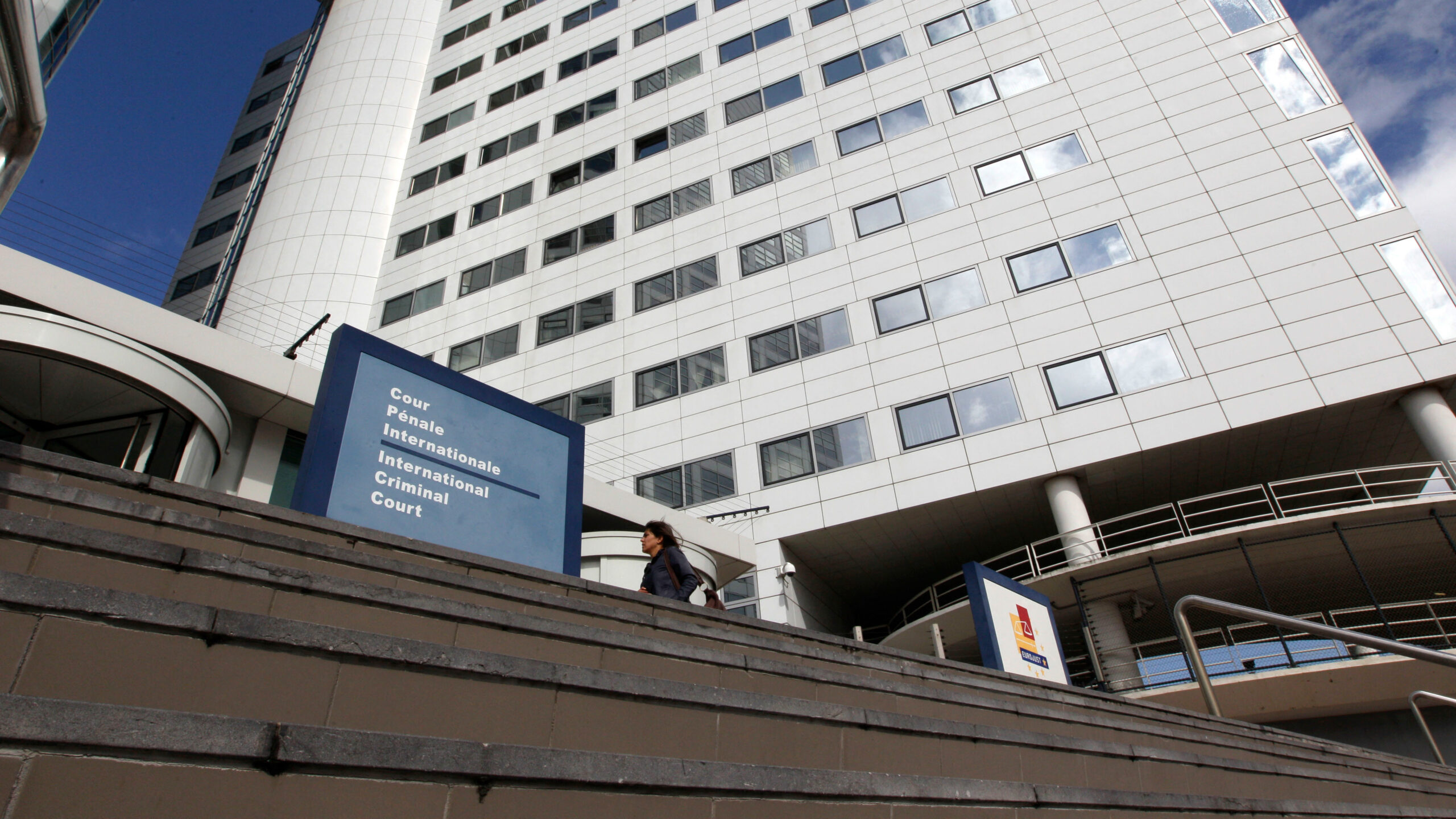
    The Trump administration has issued a stark ultimatum to the International Criminal Court, demanding fundamental changes to its founding treaty and the termination of specific investigations under threat of additional sanctions, according to multiple diplomatic sources.

    Recent reports indicate that U.S. officials have pressured the ICC to amend the Rome Statute to prevent investigations against President Donald Trump, senior administration members, and Israeli politicians. These demands specifically target ongoing probes into the Gaza conflict—recognized as genocide by UN experts and scholars—and potential war crimes by U.S. forces in Afghanistan.

    The pressure campaign has intensified through diplomatic channels, with the U.S. allegedly conditioning the lifting of existing sanctions on the ICC’s compliance with these demands. Additionally, Washington has called upon member states to support treaty amendments that would grant immunity to citizens of non-signatory nations, a move that would effectively shield American and Israeli officials from prosecution.

    This development occurs amidst unprecedented challenges to the ICC’s authority. The court currently faces multiple pressures, including Israeli legal challenges to its jurisdiction in Palestine and a separate complaint questioning the prosecutor’s impartiality. Meanwhile, ICC judges already face sanctions for their work on the Afghanistan investigation, which has notably shifted focus away from U.S. nationals since 2021.

    The Assembly of States Parties meeting last week became a focal point for these tensions, with diplomats confirming that U.S. representatives attempted to leverage sanctions relief to influence the court’s investigative priorities. The proposed treaty changes would also impact other investigations, including those concerning alleged Russian war crimes in Ukraine, as Russia is also a non-member state.

    ICC prosecutor Karim Khan, currently on voluntary leave pending a UN investigation into impartiality allegations, has been a specific target of U.S. sanctions since February, alongside deputy prosecutors, judges, and Palestinian organizations.