分类: politics

  • The US labels another Latin American cartel a terrorist group as the anti-drug war escalates

    The US labels another Latin American cartel a terrorist group as the anti-drug war escalates

    In a significant escalation of its counter-narcotics strategy, the Trump administration has formally designated Colombia’s Clan del Golfo as a foreign terrorist organization. This decisive move, announced by the U.S. State Department on Tuesday, targets one of Latin America’s most formidable drug cartels and represents a substantial shift in hemispheric policy approaches.

    The State Department characterization portrays Clan del Golfo as a ‘violent and powerful criminal organization’ that systematically employs cocaine trafficking revenues to finance its extensive operations. The designation specifically cites the group’s responsibility for ‘terrorist attacks against public officials, law enforcement and military personnel, and civilians in Colombia.’

    This development occurs against a backdrop of deteriorating U.S.-Colombian relations. The Trump administration recently returned Colombia to its list of nations failing to cooperate in anti-drug efforts—the first such designation in nearly three decades. This diplomatic reproach reflects both the documented surge in cocaine production and the increasingly strained relationship between the White House and Colombia’s leftist President Gustavo Petro.

    Further complicating bilateral relations, the United States imposed sanctions on President Petro in October based on allegations that his administration permitted drug cartels to ‘flourish’ and expand cocaine exports to American markets. Petro has vigorously contested these accusations, countering that Colombia has achieved record-level cocaine interceptions while avoiding lethal force against suspected smugglers.

    With approximately 9,000 combatants, Clan del Golfo (alternatively known by its Spanish acronym AGC) maintains a substantial presence across approximately one-third of Colombia’s municipalities according to the nation’s Human Rights Defender’s Office. The organization, which evolved from right-wing paramilitary units that previously combated Marxist guerrillas, stands accused of systematic extortion against local businesses and child recruitment practices.

    This terrorist designation introduces complex implications for ongoing peace negotiations between the Colombian government and AGC. Since September, both parties have engaged in discussions potentially leading to fighter disarmament in exchange for reduced sentences for leadership figures. A recent agreement signed in Qatar established designated zones where AGC members would receive protection from prosecution during peace talks, alongside suspensions of extradition proceedings against leaders.

    Elizabeth Dickinson, Colombia analyst at the International Crisis Group, suggests the designation may represent a symbolic message urging Colombian authorities to adopt a more stringent stance toward the armed group. Dickinson notes that ‘the tensions between Colombia and Washington are at historic levels,’ adding that the move could give ‘pause to Colombian authorities…going forward.’

    While the terrorist designation doesn’t automatically authorize military strikes, it significantly enhances the legal framework for potential offensive operations. The administration previously employed similar designations against Venezuelan criminal organizations Tren de Aragua and Cartel de los Soles before conducting maritime operations against alleged drug smuggling vessels—actions whose legality has been questioned by U.S. lawmakers.

    President Trump’s recent characterization of Petro as ‘fairly hostile’ to American interests, coupled with warnings of ‘big problems’ if policies don’t change, underscores the profound diplomatic challenges currently defining U.S.-Colombian relations.
  • Jim Gavin ‘asked about rental dispute three times before selection’

    Jim Gavin ‘asked about rental dispute three times before selection’

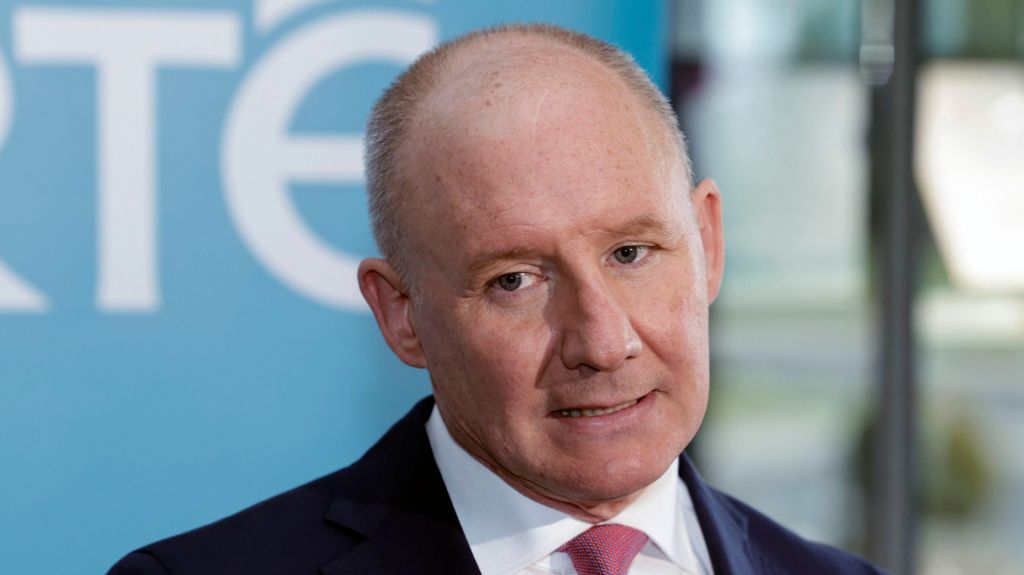
    An internal investigation into Fianna Fáil’s presidential campaign has revealed significant oversights in candidate vetting procedures, culminating in Jim Gavin’s abrupt withdrawal from the race. The review, conducted by senior counsel and obtained by BBC News NI, discloses that party officials received three separate warnings about financial discrepancies involving Gavin and a former tenant prior to his nomination.

    The fact-finding mission established that both media inquiries and internal communications raised concerns about a tenant-related financial matter on September 5 and 8. Irish Independent journalists initially queried the party about the issue, while backbench TD John Lahart simultaneously alerted Deputy Leader Jack Chambers via text message regarding ‘a potential issue with a tenant who was a journalist and the return of a deposit.’

    When confronted with these allegations, Gavin consistently maintained no recollection of any tenant disputes. Despite these red flags, he secured the presidential nomination on September 9 with 41 votes against Billy Kelleher’s 29 in a closely contested selection process.

    The situation escalated on October 4 when the Irish Independent published detailed allegations that Gavin had retained mistakenly overpaid rent from 2009. Although the party initially issued statements claiming Gavin had no records of such disputes, the former tenant subsequently provided documentary evidence to Fianna Fáil headquarters.

    Confronted with substantiated evidence, Gavin acknowledged receiving questionable payments and convened emergency meetings with party leadership on October 5. Following urgent consultations with Taoiseach Micheál Martin and Minister Chambers, Gavin concluded his campaign would create ’10 very difficult days’ for the party and withdrew that evening.

    The controversial campaign consumed approximately €350,000-€400,000 in party resources. The review further notes that many perceived Gavin as the Taoiseach’s preferred candidate, exacerbating internal tensions. Gavin did not participate in the investigation’s preparation, and the report explicitly states its conclusions don’t represent his perspective on events.

    As Fianna Fáil parliamentarians convene for a special meeting at Leinster House, Martin faces intensified scrutiny from backbenchers regarding leadership decisions and candidate validation processes. Despite his withdrawal, Gavin remained on the ballot and received 7.18% of first-preference votes in the October 24 presidential election.

  • Only some US lawmakers to see full video of controversial boat strike, Hegseth says

    Only some US lawmakers to see full video of controversial boat strike, Hegseth says

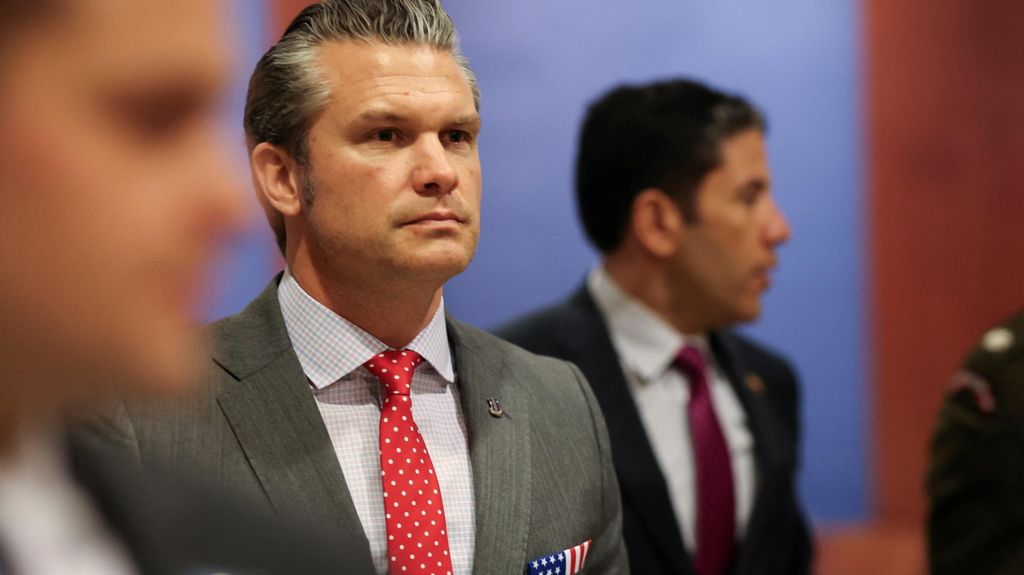
    U.S. Defense Secretary Pete Hegseth confirmed Tuesday that congressional committees will receive exclusive access to unedited footage of September’s contentious boat strike in the Caribbean, while maintaining the video will remain classified from public view. The announcement followed a classified Senate briefing attended by both Hegseth and Secretary of State Marco Rubio regarding the Trump administration’s ongoing military operations targeting alleged Venezuelan drug trafficking operations.

    The briefing revealed sharp partisan divisions, with Republicans largely endorsing the administration’s aggressive stance while Democrats raised substantial legal and ethical concerns. These concerns intensified following recent reports that two survivors of the initial September 2 attack were killed in a subsequent strike while clinging to their burning vessel.

    Hours before the Capitol Hill briefing, the military announced new strikes in the Pacific Ocean resulting in eight fatalities, bringing the total death toll to at least 90 since operations began. Hegseth specified that only members of the House and Senate armed services committees would view the full September footage, citing longstanding Department of Defense protocols regarding top-secret materials.

    This selective disclosure occurs amid legislative pressure through a defense spending bill that would mandate Pentagon transparency with armed services committees regarding strikes in the Southern Command region. The administration’s social media announcements of strikes typically feature grainy video clips without substantive evidence of drug trafficking or detailed vessel inventories.

    Republican lawmakers including Senators Thom Tillis (R-NC), Rick Scott (R-FL), and Lindsey Graham (R-SC) defended the operations as necessary for national security, with Graham explicitly framing them as part of a broader regime change objective against Venezuelan leader Nicolás Maduro.

    Conversely, Democratic leaders including Senate Minority Leader Chuck Schumer (D-NY) and Intelligence Committee Chairman Adam Schiff (D-CA) demanded full transparency, with Schiff preparing a formal request for congressional-wide video release. The operations have drawn diplomatic condemnation from Venezuela, with Maduro accusing the U.S. of regional destabilization and Attorney General Tarek William Saab characterizing Trump’s allegations as resource-driven envy.

    Navy Admiral Frank Bradley, who acknowledged ordering the controversial second strike, is scheduled to brief armed services committees Wednesday as legal questions persist regarding the legality of attacks in international waters.

  • Thousands protest Slovak leader Fico over whistleblower office closure and penal code changes

    Thousands protest Slovak leader Fico over whistleblower office closure and penal code changes

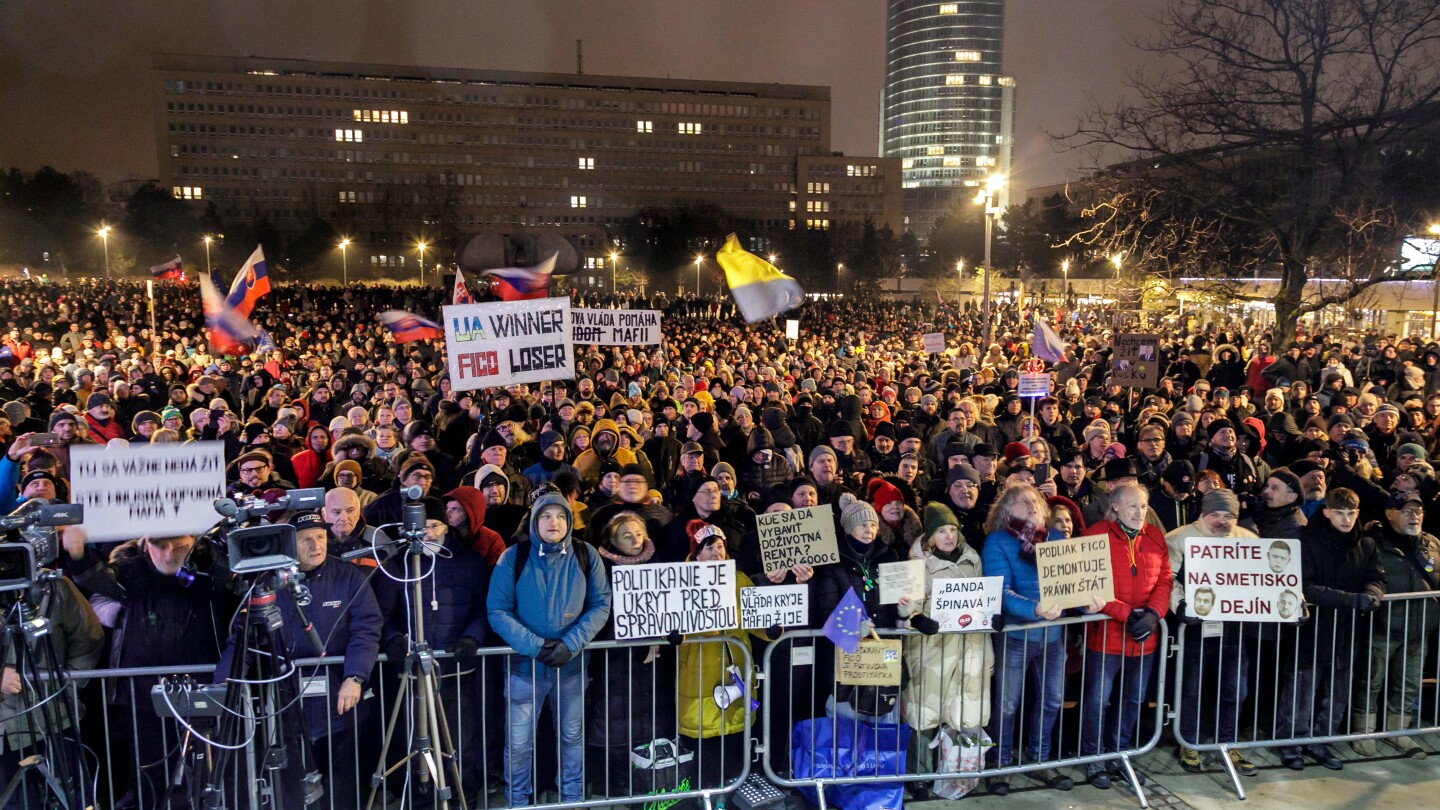
    BRATISLAVA, Slovakia — Massive demonstrations swept across Slovakia on Tuesday as thousands of citizens mobilized against Prime Minister Robert Fico’s controversial governmental measures targeting the nation’s anti-corruption infrastructure. Protesters gathered in ten municipalities including the capital, where crowds at Freedom Square voiced their demands with resounding chants of “Resign, resign” directed at the populist leader.

    The protests erupted following parliamentary approval of legislation that would dismantle the independent Whistleblower Protection Office—a move that has drawn sharp criticism both domestically and internationally. Simultaneously, lawmakers aligned with Fico’s coalition government endorsed penal code revisions that would prohibit evidence obtained through suspect cooperation with law enforcement, effectively eliminating mechanisms for reduced sentences in exchange for criminal intelligence.

    Opposition leader Michal Šimečka of the Progressive Slovakia party addressed the rally, declaring: “Slovakia stands alone as the only nation where governmental authorities enact legislation specifically designed to facilitate criminal and mafia activities.” Protesters displayed banners with the stark message: “Fico’s government helps mafia.”

    The reforms have raised particular concerns regarding their potential benefit to Tibor Gašpar, Deputy Speaker of Parliament and Fico ally, who faces impending trial for alleged establishment of a criminal organization. Demonstrators have appealed to President Peter Pellegrini, typically a government supporter, to exercise his veto power against the legislation.

    Notably, the protest marked the first participation of László Gubík, leader of the Hungarian Alliance representing Slovakia’s 450,000-strong Hungarian minority. Critics increasingly draw parallels between Fico’s policies and the democratic backsliding observed in Viktor Orbán’s Hungary, signaling growing international concern over Slovakia’s political trajectory.

  • US designates Colombian cocaine gang a terrorist group

    US designates Colombian cocaine gang a terrorist group

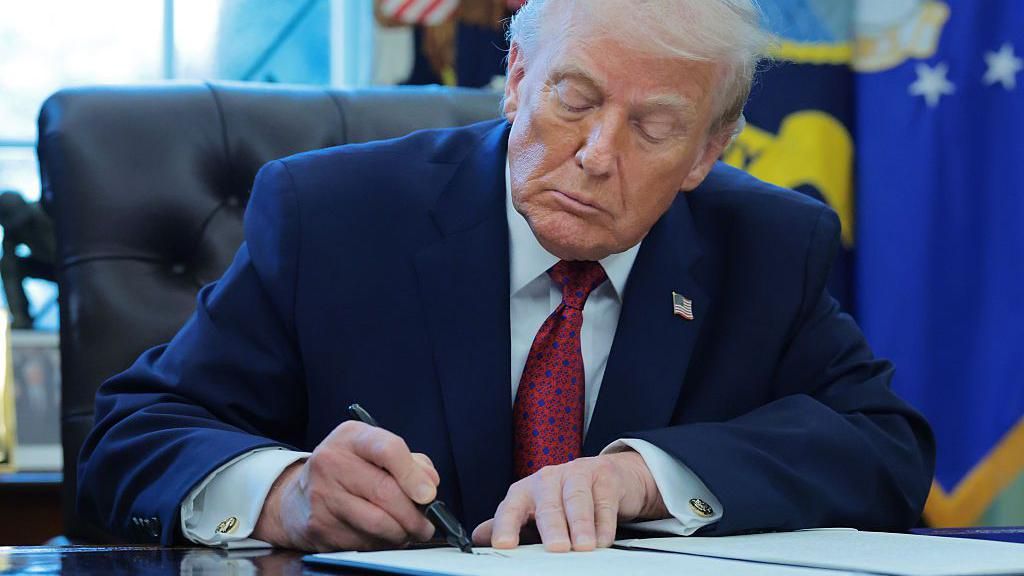
    In a significant escalation of America’s counter-narcotics campaign, the Trump administration has simultaneously designated fentanyl as a weapon of mass destruction and classified Colombia’s notorious Gulf Clan cartel as a Foreign Terrorist Organization. President Trump’s executive order reframing the synthetic opioid as a WMD represents an unprecedented approach to combating drug trafficking, granting federal agencies expanded authority to target production and distribution networks.

    The Treasury Department’s terrorist designation for the Clan del Golfo (Gulf Clan) marks the fourth Colombian armed group to receive this classification, joining the National Liberation Army (ELN) and two dissident factions of the former FARC rebels. This criminal empire, estimated to command thousands of members, dominates cocaine trafficking from Colombia’s northern Urabá region to markets in the United States and Europe while additionally controlling migrant smuggling routes through the treacherous Darién Gap jungle.

    This strategic move creates immediate diplomatic complications for Colombian President Gustavo Petro, who secured a landmark peace agreement with the Gulf Clan just two weeks prior. The accord, negotiated in Doha, promised steps toward disarmament in exchange for protection from extradition to the United Nations. Secretary of State Marco Rubio justified the terrorist designation by citing the group’s attacks against Colombian officials, security forces, and civilians.

    The administration’s hardened stance extends beyond designations. Over twenty lethal strikes against suspected drug vessels in the Caribbean and Pacific have resulted in approximately ninety fatalities, drawing condemnation from President Petro who characterized these operations as ‘murder.’ The relationship between the two administrations has grown increasingly acrimonious, with Rubio publicly labeling Petro a ‘lunatic’ while the Colombian leader denounces US interventionism.

    Trump has defended the aggressive tactics, asserting that each maritime strike ‘saves 25,000 American lives’ by preventing fentanyl from reaching US shores. This potent synthetic opioid contributed significantly to the nation’s overdose crisis, which claimed over 110,000 lives in 2023 before seeing a 25% reduction in fatalities during 2024. However, counternarcotics experts note that neither Colombia nor Venezuela produce fentanyl, questioning the geographical focus of enforcement efforts.

    The administration appears to be pursuing a dual-track strategy: continuing cocaine interdiction while expanding capabilities against fentanyl trafficking. Trump has hinted at further escalation, suggesting potential ‘strikes on land’ against ‘narco-terrorists’ in both Venezuela and Colombia, specifically mentioning alleged cocaine processing facilities within Colombian territory.

    Mexico’s President Claudia Sheinbaum has criticized the WMD classification, emphasizing the legitimate medical applications of fentanyl in pain management and advocating for addressing root causes of drug abuse rather than militarized responses. This development signals a profound transformation in how the United States conceptualizes and prosecutes its war on drugs, with potentially far-reaching implications for international relations, security policy, and public health approaches to substance abuse crises.

  • Wes Streeting slammed for linking intifada chant to ‘terrorist action’

    Wes Streeting slammed for linking intifada chant to ‘terrorist action’

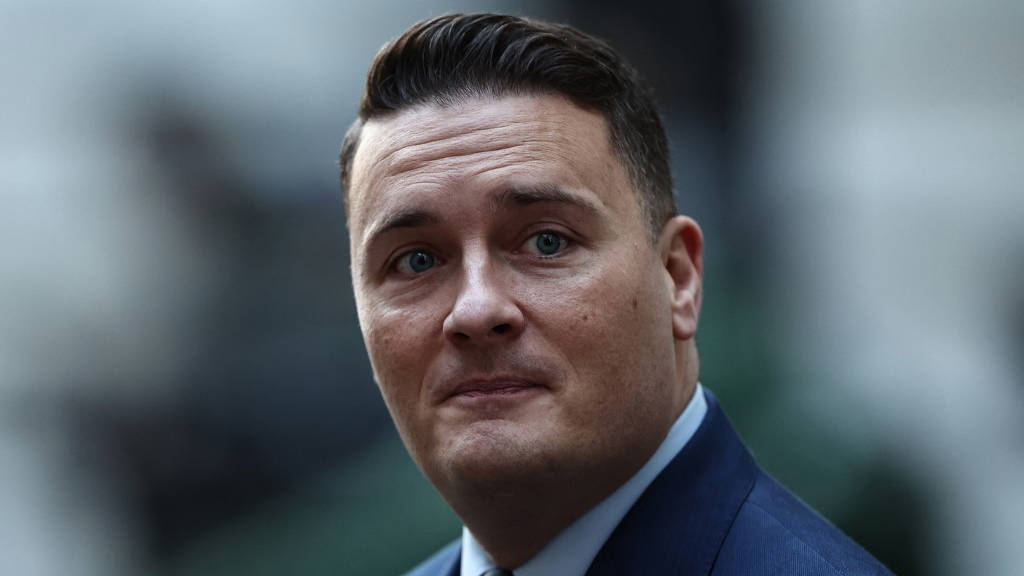
    A significant political controversy has erupted in the United Kingdom following remarks by Health Secretary Wes Streeting, who asserted that the pro-Palestine protest chant “globalise the intifada” is inherently linked to terrorism and antisemitic violence. His comments, made during a BBC interview on Monday, came in the immediate aftermath of a deadly antisemitic attack at Bondi Beach in Australia that killed 15 people and wounded 40.

    Streeting delivered a forceful condemnation of the phrase, stating, “What on earth do you think globalise the intifada means?… Can’t people see the link between that kind of rhetoric and attacks on Jewish people as Jewish people?” He characterized the slogan as being “received by and seen as support for terrorist action against Jewish people” and called for greater solidarity with the Jewish community.

    These claims have been met with fierce criticism from pro-Palestine campaigners and organizers. Ben Jamal, Director of the Palestine Solidarity Campaign (PSC), denounced the remarks as a “reprehensible” attempt to exploit a tragedy to further repress protests for Palestinian rights. Ismail Patel, Chair of Friends of Al-Aqsa, accused Streeting of cynically using the event to divert attention from the “ongoing genocide in Gaza” and silence peaceful solidarity. Both leaders clarified that within their movement, ‘intifada’—an Arabic word meaning ‘uprising’ or ‘to shake off’—is understood as a call for global solidarity to end the Israeli occupation through peaceful means, not as an incitement to violence.

    The debate occurs amidst a broader governmental push for new protest restrictions, which critics label as authoritarian and a threat to free expression, particularly concerning criticism of Israel. The opposing viewpoints highlight a deep societal fracture: one side sees certain slogans as direct incitements to hatred requiring stricter regulation, as echoed by British Chief Rabbi Ephraim Mirvis, while the other sees the conflation of such language with terrorism as a dangerous tool to criminalize legitimate dissent and justify the erosion of civil liberties.

  • ‘Lost Canadians’ citizenship bill now in place

    ‘Lost Canadians’ citizenship bill now in place

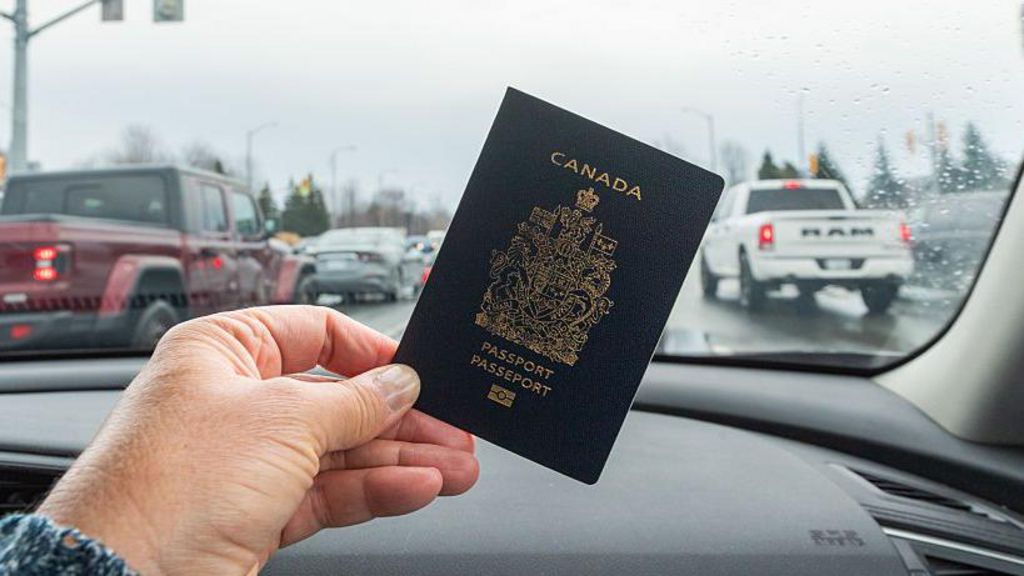
    Canada has implemented significant reforms to its citizenship laws, extending automatic citizenship eligibility to children born or adopted abroad to Canadian parents who were themselves born outside the country. The new provisions, effective immediately, address what the government acknowledges as “outdated provisions” that previously left many without citizenship status.

    The updated legislation requires Canadian parents to demonstrate a “substantial connection” to Canada by having resided in the country for at least three years prior to their child’s birth or adoption. This change stems from a landmark 2023 Ontario Superior Court of Justice decision that declared portions of the existing citizenship by descent laws unconstitutional.

    The court’s ruling addressed consequences of a 2009 law passed under former Conservative Prime Minister Stephen Harper’s government that eliminated automatic citizenship for descendants of Canadians born abroad. The current Liberal administration chose not to appeal the decision, acknowledging that the previous legislation produced “unacceptable outcomes” for children of expatriate Canadians.

    According to the Parliamentary Budget Officer’s 2024 assessment, approximately 115,000 individuals could benefit from these changes over the next five years. The reforms have not been without controversy, however. Conservative MP Michelle Rempel Garner, shadow minister for immigration, expressed concerns that the bill enables “unfettered citizenship by descent and create[s] untold citizens of convenience.”

    The Conservative party, with support from the Bloc Québécois, proposed amendments that would have imposed stricter requirements including language proficiency and security checks for adult applicants. These proposed measures failed to pass in the House of Commons.

    Among the immediate beneficiaries is Alfie Jones, a British-born football player recently recruited to represent Canada in the 2026 FIFA World Cup. Jones qualifies through his grandmother from Alberta, illustrating how the policy changes affect real-world cases.

  • Trump’s chief of staff Susie Wiles hits back at Vanity Fair ‘hit piece’

    Trump’s chief of staff Susie Wiles hits back at Vanity Fair ‘hit piece’

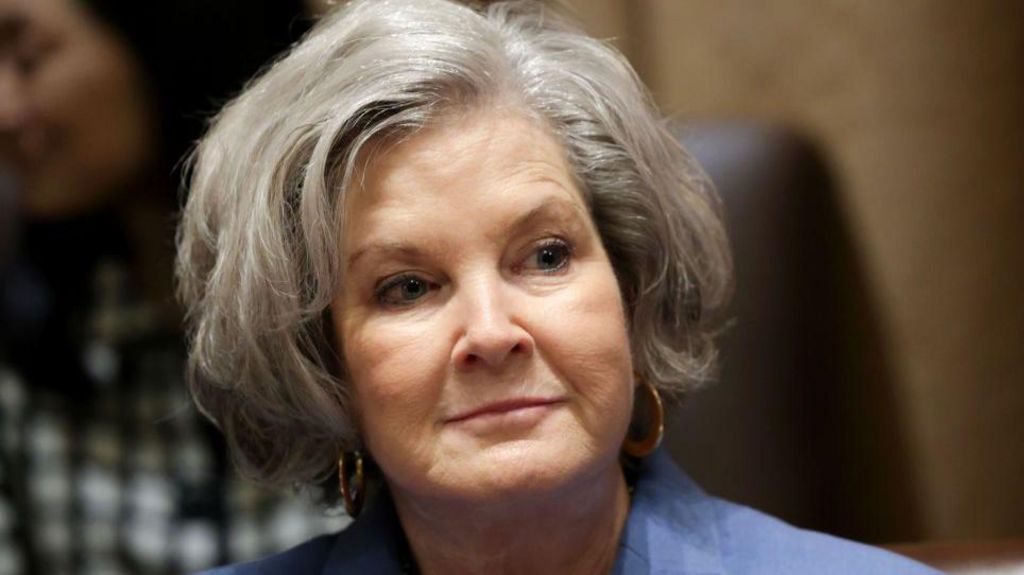
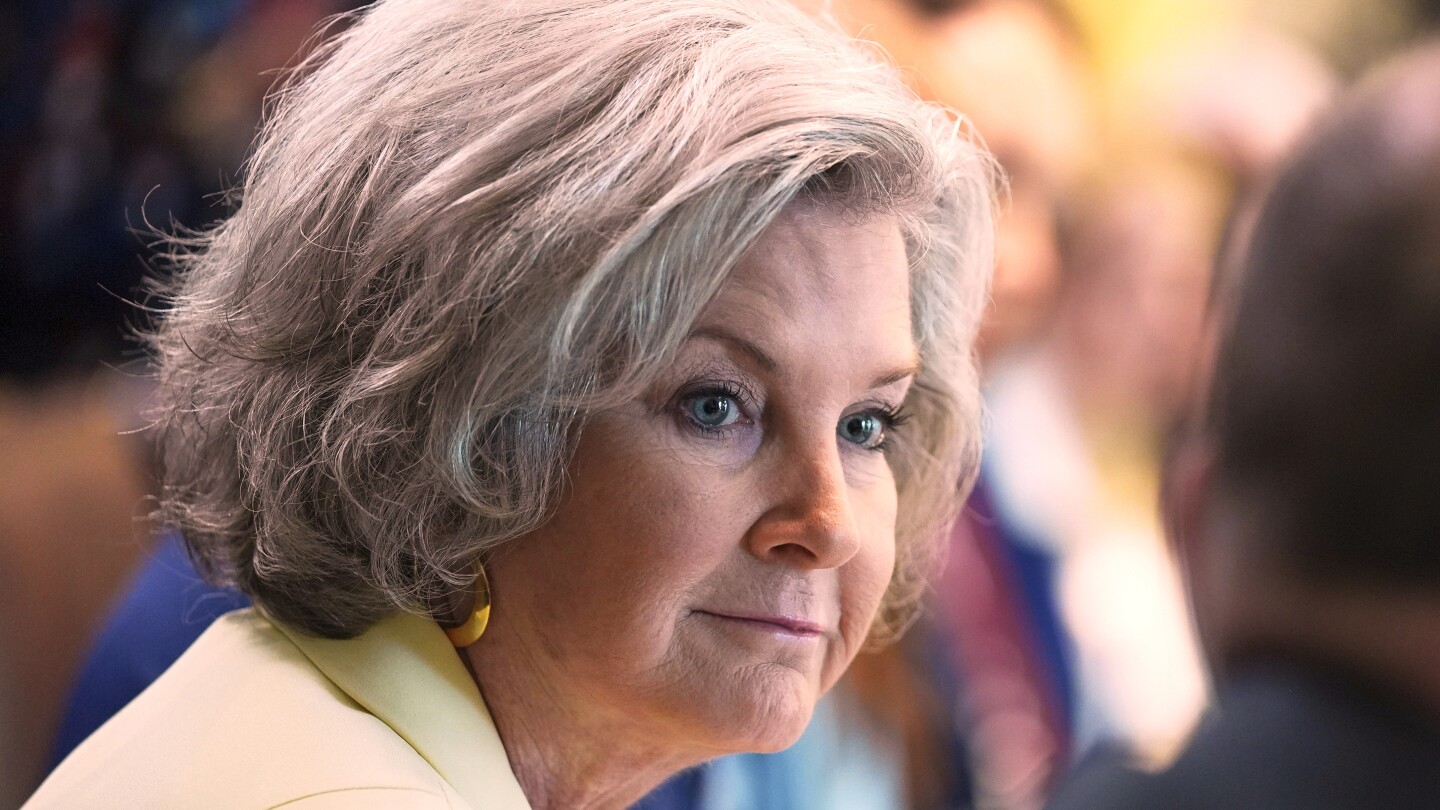
    White House Chief of Staff Susie Wiles has publicly challenged a Vanity Fair article that portrays the Trump administration in what she characterizes as a deliberately negative light. The 68-year-old political strategist, who made history as the first woman to hold the key West Wing position, took to social media platform X to accuse the publication of creating “an overwhelmingly chaotic and negative narrative” by omitting “significant context” from her extensive interviews.

    The controversial profile, based on nearly a dozen conversations with Wiles, contained startling character assessments of prominent administration figures. Wiles described former President Donald Trump as possessing “an alcoholic’s personality” despite his teetotalism, drawing parallels to her childhood experiences with an alcoholic father. She suggested this background made her particularly adept at handling strong personalities, noting Trump governs with the conviction that “there’s nothing he can’t do.”

    Regarding Vice President JD Vance, Wiles referenced his past as a “conspiracy theorist” for approximately a decade before his political transformation into a Trump ally. When questioned by reporters, Vance responded that he only believes in conspiracy theories that are “true,” citing reports about President Joe Biden’s health as an example.

    The most pointed criticisms were reserved for tech billionaire Elon Musk, who briefly led cost-cutting initiatives at the Department of Government Efficiency before departing in May. Wiles characterized Musk as an “avowed Ketamine [user]” who slept in a sleeping bag in the Executive Office Building and described him as an “odd, odd duck” whose approach to government restructuring was fundamentally flawed.

    She specifically criticized Musk’s efforts to dismantle the US Agency for International Development (USAID), stating she was “initially aghast” at the proposal. While acknowledging Musk’s drive for rapid execution, Wiles asserted that “no rational person could think the USAID process was a good one.”

    The White House has rallied behind Wiles following the article’s publication. Press Secretary Karoline Leavitt issued a statement praising Wiles for helping Trump achieve “the most successful first 11 months in office of any President in American history” and emphasizing that the entire administration stands “united fully behind her.” Neither Trump nor Musk has publicly commented on the Vanity Fair piece.

  • Susie Wiles, White House chief of staff, criticizes Bondi and opines on Trump in Vanity Fair

    Susie Wiles, White House chief of staff, criticizes Bondi and opines on Trump in Vanity Fair

    WASHINGTON — In a series of candid interviews with Vanity Fair published Tuesday, White House Chief of Staff Susie Wiles offered unprecedented insights into the inner workings of President Donald Trump’s second administration while leveling sharp criticism against Attorney General Pam Bondi’s management of the Jeffrey Epstein case.

    The influential yet typically reserved aide acknowledged underestimating the magnitude of the Epstein scandal involving the disgraced financier but delivered pointed remarks about Bondi’s approach to the sensitive matter. “I think she completely whiffed on appreciating that that was the very targeted group that cared about this,” Wiles stated, referencing Bondi’s distribution of binders containing no new information to social media influencers.

    Despite her extensive on-the-record conversations with the magazine, Wiles subsequently dismissed the published piece as a “disingenuously framed hit piece” that omitted significant context to portray the administration negatively. She did not, however, deny the accuracy of the attributed comments.

    The interviews revealed several provocative administration positions, including Trump’s desire to continue military strikes against suspected drug vessels off Venezuela’s coast until leader Nicolas Maduro “cries uncle”—a statement seemingly at odds with the official position that operations focus solely on narcotics interception.

    Wiles provided rare personal assessment of the president, comparing his personality traits to those of “high-functioning alcoholics” despite his teetotalism, noting his unwavering belief that “there’s nothing he can’t do.” She described her role as channeling Trump’s energy and policy objectives while occasionally tempering his impulses.

    Regarding the administration’s much-discussed retribution campaign, Wiles acknowledged a “loose agreement” that score-settling would conclude within the first 90 days, though operations continued beyond that timeframe. She alternatively framed these actions as removing individuals who “have done bad things” from government rather than pure vengeance, though conceded the prosecution of New York Attorney General Letitia James for mortgage fraud might qualify as retribution.

    The Justice Department faces impending deadlines to release Epstein-related documents following Trump’s signing of legislation mandating disclosure, despite initial objections from the administration.

  • UAE leaders congratulate King of Bahrain on National Day

    UAE leaders congratulate King of Bahrain on National Day

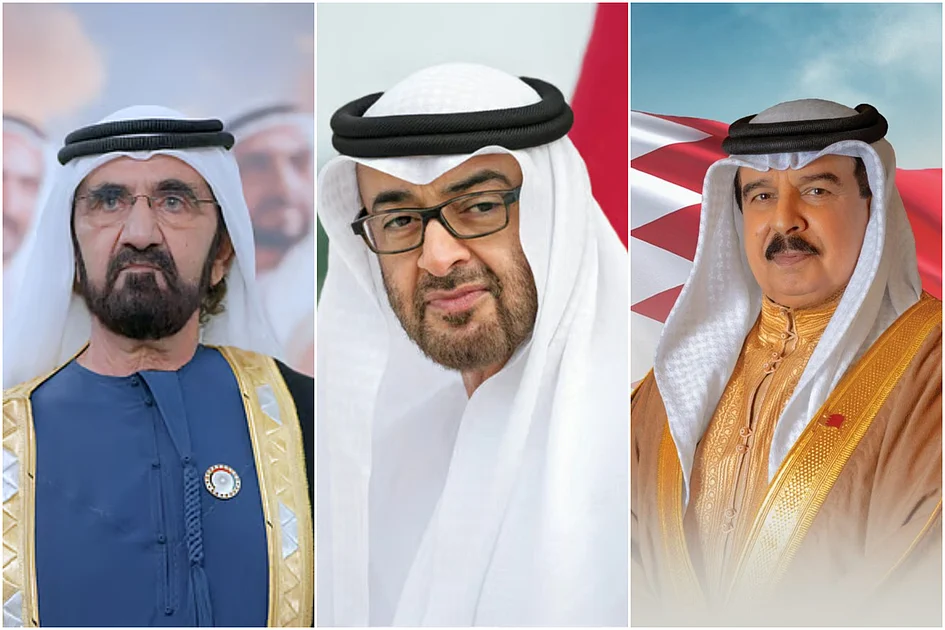
    In a demonstration of regional solidarity, the United Arab Emirates has formally extended congratulations to the Kingdom of Bahrain on the occasion of its National Day. UAE President Sheikh Mohamed bin Zayed Al Nahyan and Vice President Sheikh Mohammed bin Rashid Al Maktoum both conveyed warm wishes to King Hamad bin Isa Al Khalifa and the Bahraini people through official channels on Tuesday, December 16, 2025.

    President Sheikh Mohamed emphasized the “enduring bonds of friendship between the UAE and Bahrain” in a statement posted on social media platform X. He expressed optimism about future cooperation, stating both nations look forward to “strengthening our ties to promote ongoing progress and prosperity for our nations, our peoples, and the region.”

    Dubai Ruler Sheikh Mohammed bin Rashid echoed these sentiments, offering prayers for Bahrain’s continued “security, safety, and prosperity.” He poetically described Bahrain as “the heart and the eye—an enduring affection and a shared destiny,” highlighting the deep cultural and historical connections between the two Gulf nations.

    The UAE is participating directly in the celebrations by hosting special events and shows, reflecting the leadership’s commitment to shared festivities. This diplomatic gesture underscores the strategic partnership and fraternal bonds that characterize UAE-Bahrain relations.

    Concurrently, the Bahraini government has formally declared December 16-17, 2025 as public holidays throughout the kingdom. Crown Prince and Prime Minister Prince Salman bin Hamad Al Khalifa confirmed the closure of all ministries, government departments, and public institutions during this period. The holidays commemorate both Bahrain’s National Day and the Accession Day of King Hamad bin Isa Al Khalifa, with the announcement applying to all government agencies and public authorities across the nation.