分类: politics

  • Cross-Strait collaboration key to nation’s long-term well-being

    Cross-Strait collaboration key to nation’s long-term well-being

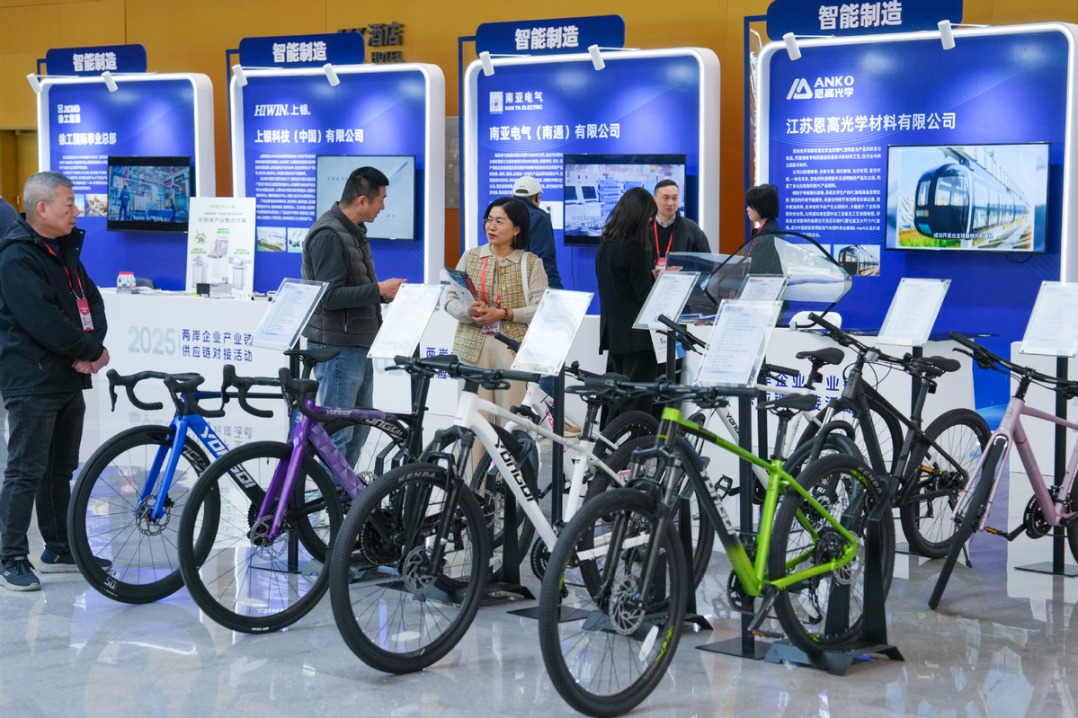
    NANJING—Senior Chinese official Wang Huning has emphasized that enhanced economic collaboration between mainland China and Taiwan is indispensable for national rejuvenation and common prosperity. Speaking at the 2025 Cross-Strait CEO Summit in Nanjing on December 16, the chairman of the Chinese People’s Political Consultative Conference National Committee articulated that businesses across the Strait must deepen cooperation to advance shared economic interests and fortify the Chinese nation’s future.

    Wang, a Standing Committee member of the CPC Central Committee Political Bureau, reinforced President Xi Jinping’s stance that China’s revitalization presents substantial opportunities for cross-Strait economic synergy. He asserted that compatriots on both sides are integral components of China’s national economy and would collectively benefit from a prosperous, powerful nation.

    The summit occurred amid strategic implementations following the CPC’s 20th Central Committee fourth plenum, which outlined developmental blueprints for the 15th Five-Year Plan (2026–2030). Wang characterized these designs as catalytic for cross-Strait relations, potentially injecting fresh momentum into economic cooperation and advancing peaceful reunification efforts.

    Taiwanese representatives echoed the sentiment. Liu Chao-hsuan, chairman of the summit’s Taiwan side, acknowledged the mainland’s enduring role as a critical production base and market for Taiwan businesses despite global economic volatility. He highlighted the summit’s adherence to the 1992 Consensus as a foundational principle for industrial collaboration.

    Corporate leaders provided ground-level perspectives. Fei Kuang-han, general manager of Kunshan Bonteck Precision Co, reported robust support for Taiwanese entrepreneurs in Jiangsu province, noting increasing long-term investments. Lee Cheng-hung, president of the Association of Taiwan Investment Enterprises on the Mainland, urged young Taiwanese to explore opportunities in e-commerce, digital economies, and artificial intelligence.

    Academic insights from Kao Chang, an honorary professor at Taiwan’s Dong Hwa University, underscored the inevitability of cross-Strait integration. He described Taiwan’s economy as inherently outward-looking and emphasized that mainland market forces would continue to drive collaborative growth despite international uncertainties.

    The event attracted approximately 800 participants, including entrepreneurs, scholars, and summit council members, all engaged in dialogues aimed at fostering industrial innovation and economic unity.
  • Japan’s move to mislead public firmly opposed

    Japan’s move to mislead public firmly opposed

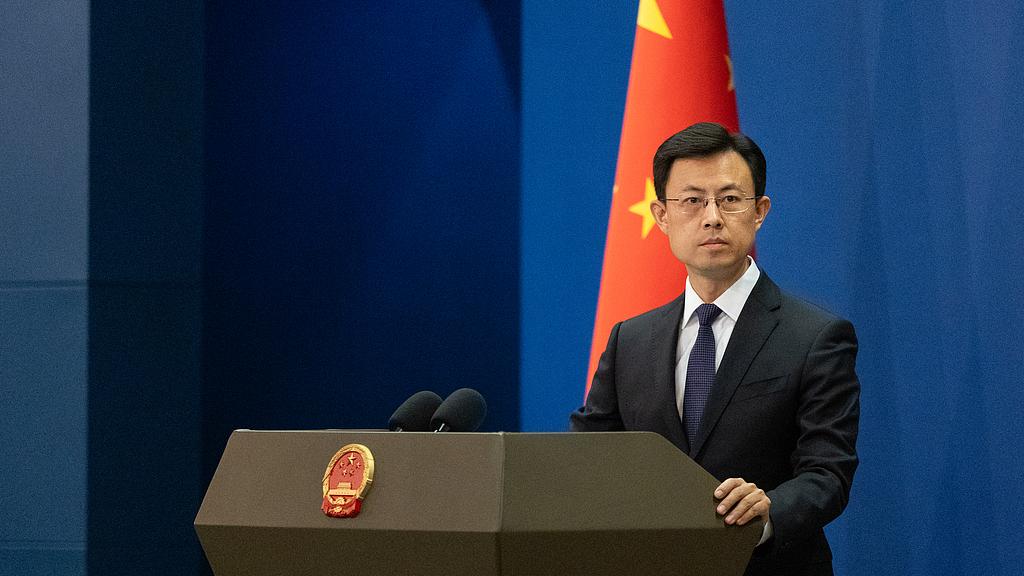
    In a firm diplomatic response, China has demanded Japan retract what it characterizes as erroneous statements concerning Taiwan while simultaneously rejecting critiques of its defense expenditure as unfounded. The confrontation emerged during a regular press briefing in Beijing, where Foreign Ministry spokesman Guo Jiakun addressed recent comments from Japanese officials.

    The diplomatic friction originates from November 7th remarks by Japanese Prime Minister Sanae Takaichi suggesting that potential Chinese military action toward Taiwan could constitute a ‘survival-threatening situation’ for Japan. This was followed by statements from Japanese Foreign Minister Toshimitsu Motegi who, while referencing historical agreements, notably omitted crucial language from the 1972 Sino-Japanese Joint Statement regarding China’s sovereignty over Taiwan.

    Guo highlighted Japan’s selective citation of historical documents, noting that when referencing the Cairo Declaration, Japanese officials deliberately avoided acknowledging that territories including Formosa (Taiwan) were ‘stolen from the Chinese.’ The spokesman further criticized Japan for juxtaposing the Sino-Japanese Joint Statement with the Treaty of San Francisco, which China considers a violation of Japan’s international commitments.

    The timing carries historical significance, marking the 80th anniversary of both victory in the Chinese People’s War of Resistance Against Japanese Aggression and the restoration of Taiwan. Guo emphasized Japan’s colonial history in Taiwan, stating that given this background, ‘Japan is in no position to make any interference’ in Taiwan matters.

    Separately, China rebuked Japanese Defense Minister Shinjiro Koizumi’s characterization of China’s defense spending increases. Guo defended China’s military expenditure as necessary for national security and international responsibilities, while noting that Japan’s own defense spending has surged approximately 60% over the past five years and continues rising for the thirteenth consecutive year.

    The spokesman concluded with a stark warning about Japan’s remilitarization efforts, urging ‘all peace-loving countries’ to remain vigilant against any revival of Japanese militarism and to uphold the outcomes of World War II victory.

  • Trump orders blockade of sanctioned oil tankers in and out of Venezuela

    Trump orders blockade of sanctioned oil tankers in and out of Venezuela

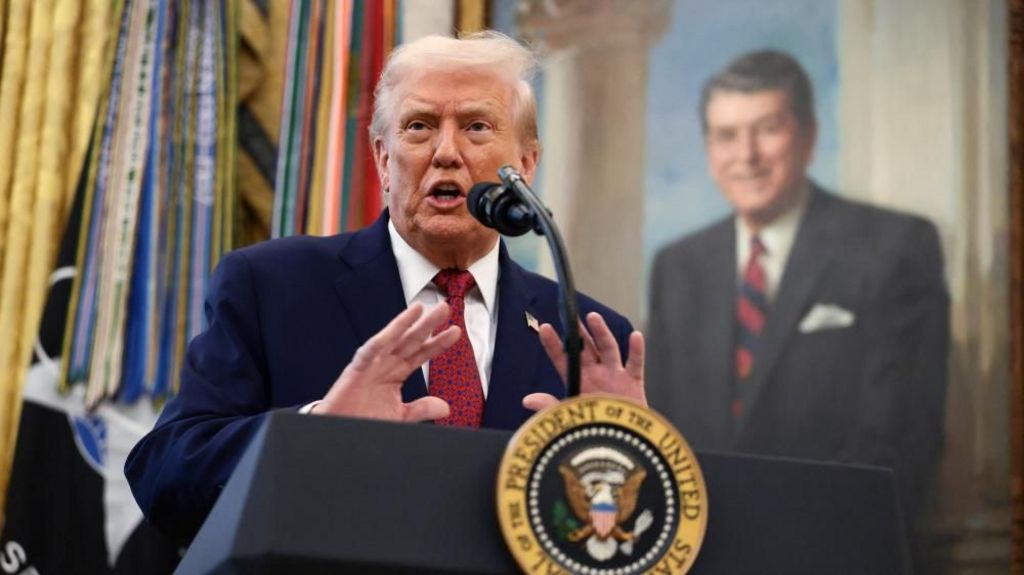
    In a dramatic escalation of tensions, former US President Donald Trump has announced a comprehensive naval blockade targeting all sanctioned oil tankers entering or departing Venezuelan waters. The declaration came via Trump’s Truth Social platform, where he formally designated Nicolás Maduro’s government as a foreign terrorist organization while leveling serious allegations of asset theft, drug smuggling, and human trafficking.

    This provocative move follows last week’s seizure of the oil tanker ‘Skipper’ by US forces off Venezuela’s coast, which Caracas condemned as an act of ‘kidnapping and theft.’ Trump asserted that Venezuela is now ‘completely surrounded by the largest Armada ever assembled in the South American region,’ promising the military presence would ‘only get bigger’ and exceed anything previously witnessed.

    The Trump administration has maintained consistent pressure against Maduro’s government, with the US military reporting approximately 90 casualties in recent anti-narcotics operations targeting vessels allegedly transporting fentanyl. Additional sanctions have been imposed on six more ships carrying Venezuelan oil, alongside measures targeting Maduro’s relatives and businesses associated with his administration.

    Venezuela, possessing among the world’s largest proven oil reserves, has repeatedly accused Washington of attempting to plunder its natural resources. The escalating situation has drawn serious concern from US lawmakers, with Congressman Joaquin Castro (D-Texas) characterizing the naval blockade as ‘unquestionably an act of war.’ The House of Representatives is scheduled to vote on a resolution directing the president to cease hostilities with Venezuela, highlighting domestic political divisions over the aggressive foreign policy approach.

  • Calls to expel Muslims spark backlash as US officials invoke Bondi Beach attack

    Calls to expel Muslims spark backlash as US officials invoke Bondi Beach attack

    A firestorm of controversy has engulfed American politics following calls from multiple Republican officials for the mass expulsion of Muslims from the United States. The inflammatory rhetoric emerged in response to a mass shooting at a Hanukkah celebration on Bondi Beach in Sydney, Australia, with lawmakers attempting to link the overseas incident to Muslim communities in America.

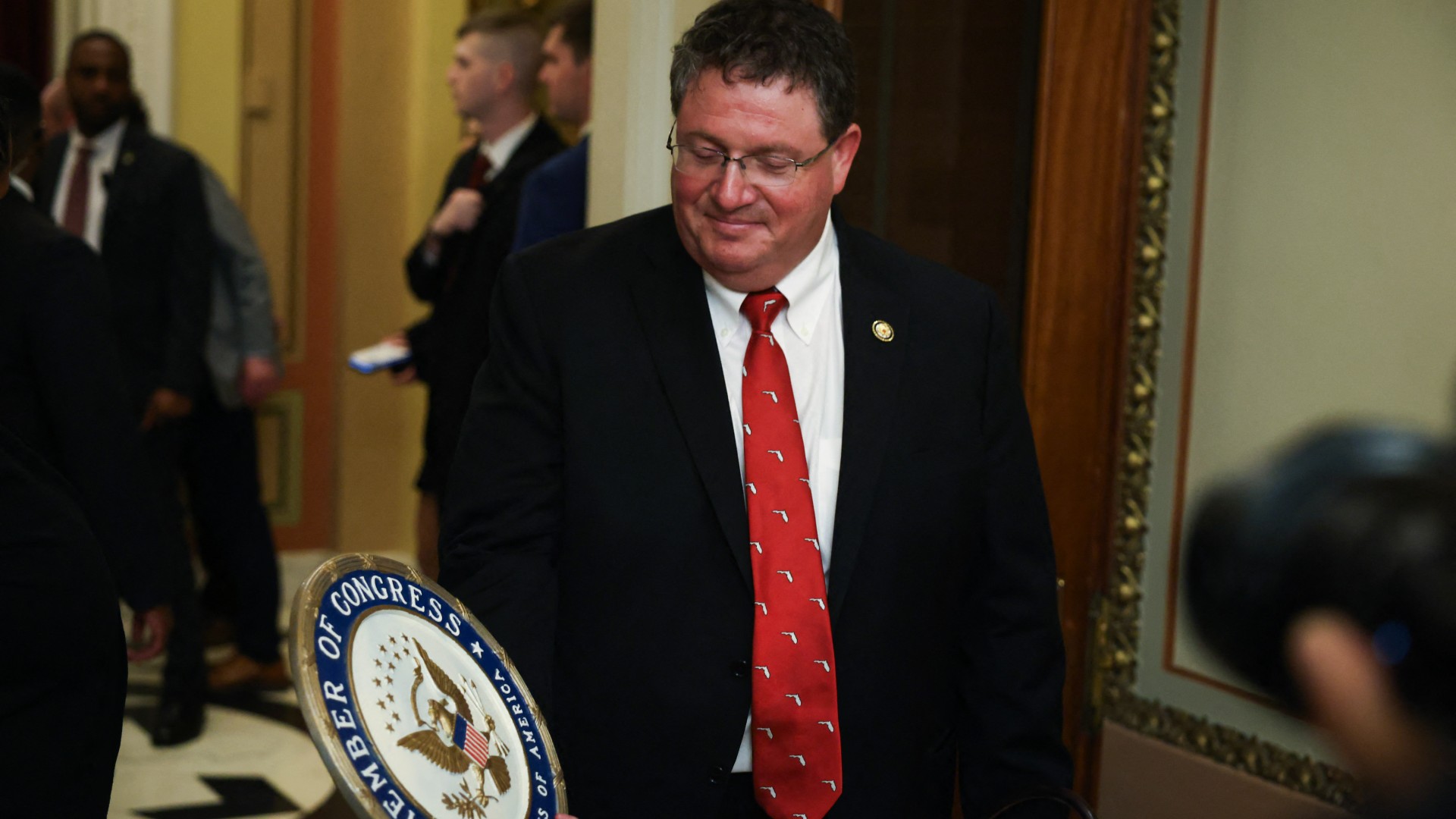
    Leading the charge, Florida Congressman Randy Fine declared on social media platform X that ‘mainstream Muslims have declared war on us’ and advocated for ‘radical deportations of all mainstream Muslim legal and illegal immigrants, and citizenship revocations wherever possible.’ His statements were echoed by Alabama Senator Tommy Tuberville, who controversially asserted that ‘Islam is not a religion’ but rather ‘a cult,’ adding that Muslims ‘aren’t here to assimilate. They’re here to conquer.’

    Texas Congressman Keith Self meanwhile claimed that Republican lawmakers possessed ‘critical pieces of legislation’ to protect the United States from what he described as the threat of Sharia law, which he alleged had ‘already taken over France and the UK.’ New York City Councilmember Vicki Paladino similarly called for Muslim expulsion in a since-deleted post, despite approximately one million Muslim residents constituting nearly a quarter of America’s Muslim population residing in her city.

    The remarks triggered immediate condemnation from officials across government levels. New York City Mayor-elect Zohran Mamdani, who is Muslim, directly addressed Paladino, stating: ‘We belong here, as does every other New Yorker. This is vile Islamophobia from the Councilwoman and it has no place in our city.’ Senator Chuck Schumer and Congresswoman Alexandria Ocasio-Cortez both emphasized that the antisemitic attack in Australia should not be weaponized to fuel Islamophobia.

    Legal experts and civil rights advocates sounded alarms about the normalization of such rhetoric. Jenin Younes, National Legal Director of the American-Arab Anti-Discrimination Committee, drew historical parallels, warning that the language echoes early Nazi rhetoric that preceded mass violence. Academic Yousef Munayyer noted that Muslim hatred enjoys unique normalization ‘at the highest levels of American government.’

    Critics highlighted the disparity in institutional response compared to previous disciplinary actions against Muslim lawmakers, accusing Congress of maintaining a ‘hierarchy’ in how speech is policed that leaves Muslim communities vulnerable to dehumanization without substantive protection.

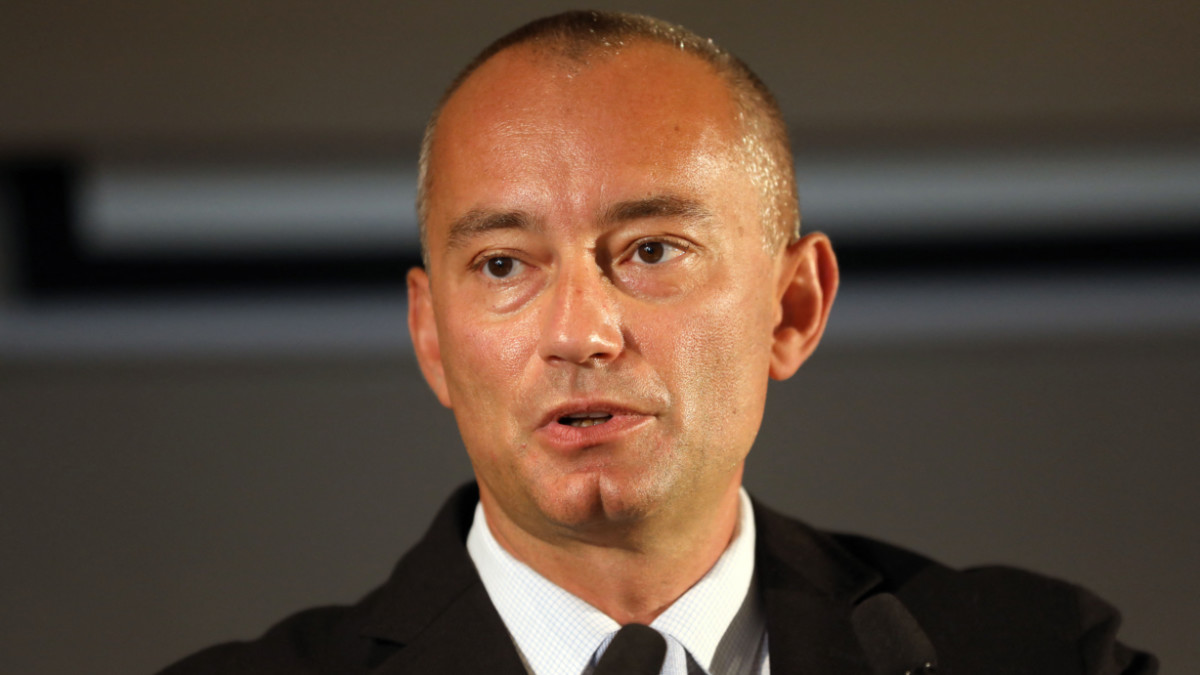
  • Nickolay Mladenov: The Balkan diplomat who could be UAE’s man in Gaza

    Nickolay Mladenov: The Balkan diplomat who could be UAE’s man in Gaza

    While Bulgaria grappled with anti-government protests over corruption and economic hardship in November, former Bulgarian Foreign Minister Nickolay Mladenov was simultaneously facilitating high-level economic negotiations between the European Union and the United Arab Emirates in Abu Dhabi. This contrast highlights Mladenov’s remarkable transition from European politics to becoming a central figure in Middle Eastern diplomacy.

    Mladenov has now emerged as a leading candidate to oversee Gaza’s postwar reconstruction efforts on behalf of former President Donald Trump’s proposed ‘Board of Peace.’ His nomination represents a significant shift from earlier considerations of former UK Prime Minister Tony Blair, whose potential appointment faced substantial opposition.

    The Bulgarian diplomat’s journey from his communist-era family background to Middle East peacemaker reflects an unconventional career path. Born in 1972 to a family with ties to Bulgaria’s communist regime—his father served in the country’s KGB equivalent—Mladenov initially advocated for EU integration before serving as Bulgaria’s defense minister (2009-2010) and foreign minister (2010-2013).

    His diplomatic credentials were solidified during his nearly six-year tenure as UN Special Coordinator for the Middle East Peace Process, where he earned rare praise from all conflicting parties, including both the Palestinian Authority and Hamas. Senior Hamas official Khalil al-Hayya notably expressed pride in having known him, while Palestinian politicians described him as ‘a hell of a lot better than the alternative.’

    Mladenov’s effectiveness stems partly from his Balkan background. As he explained in a 2021 New York Times interview: ‘I come from the Balkans. We’ve changed borders. We’ve fought over holy places, languages, churches. When you carry that baggage, it does help you see things a bit differently.’

    The diplomat’s current considerations for the Gaza role follow his successful collaboration with Jared Kushner on the 2020 Abraham Accords, which normalized relations between Israel and several Arab states. Kushner confirmed that the Trump administration ‘confided in’ Mladenov during negotiations and valued his ‘constructive feedback.’

    However, Mladenov’s potential appointment comes amid complex regional dynamics. The UAE has emerged as Gaza’s largest donor among Gulf states, while Saudi Arabia and Qatar have expressed reservations about funding reconstruction without political solutions. The UN Security Council’s mandate for an international stabilization force faces challenges as Arab nations hesitate to deploy between Hamas and Israeli forces.

    Critics note that Mladenov’s strong ties to the UAE and Israel could influence his approach, with one Western official noting that ‘whoever is picked is going to get it on the neck, but Mladenov is very influenced by the UAE, and by extension Israel.’

    The postwar planning itself, currently managed from Tel Aviv by Kushner associates, proposes dividing Gaza into halves with screened Palestinians in Israeli-occupied zones—a controversial framework that would require delicate diplomatic navigation from any appointed envoy.

  • Trump expands US travel ban to five more countries

    Trump expands US travel ban to five more countries

    The Trump administration has significantly expanded its controversial travel restrictions, adding five additional countries and Palestinian Authority document holders to the list of those facing entry prohibitions to the United States. Effective January 1st, the enhanced security measure will impose full entry restrictions on nationals from Burkina Faso, Mali, Niger, South Sudan, and Syria, alongside individuals traveling with Palestinian Authority-issued documentation.

    White House officials justified the expansion as a necessary precaution to safeguard national security, citing deficiencies in foreign screening systems, elevated visa overstay rates, unreliable civil documentation, corruption concerns, terrorist activities, and insufficient cooperation regarding deportation procedures. The policy revision follows recent security incidents, including the arrest of an Afghan national suspected of attacking National Guard personnel during the Thanksgiving weekend.

    This represents the third iteration of the travel ban since President Trump initially implemented the policy in 2017, which previously faced widespread protests and legal challenges before ultimately being upheld by the U.S. Supreme Court. The administration has now reclassified Laos and Sierra Leone from partial to full restrictions while implementing limited entry limitations for fifteen additional countries including Nigeria, Tanzania, and Zimbabwe.

    The restrictions will remain indefinitely until affected nations demonstrate measurable improvements in identity management protocols, information-sharing practices, and cooperation with U.S. immigration authorities. Exemptions apply for lawful permanent residents, current visa holders, diplomats, and athletes participating in major international sporting events, with case-by-case waivers available for travel deemed to serve national interests.

    Countries now facing full entry restrictions include Afghanistan, Burkina Faso, Burma, Chad, Equatorial Guinea, Eritrea, Haiti, Iran, Laos, Libya, Mali, Niger, Republic of the Congo, Sierra Leone, Somalia, South Sudan, Sudan, Syria, and Yemen, plus Palestinian Authority document holders. Partial restrictions apply to Angola, Antigua and Barbuda, Benin, Burundi, Côte d’Ivoire, Cuba, Dominica, Gabon, The Gambia, Malawi, Mauritania, Nigeria, Senegal, Tanzania, Togo, Tonga, Venezuela, Zambia, and Zimbabwe. Turkmenistan maintains restrictions for immigrants while having them lifted for non-immigrant visas.

  • Trump signs more orders in one year than his entire first term, a record since World War II

    Trump signs more orders in one year than his entire first term, a record since World War II

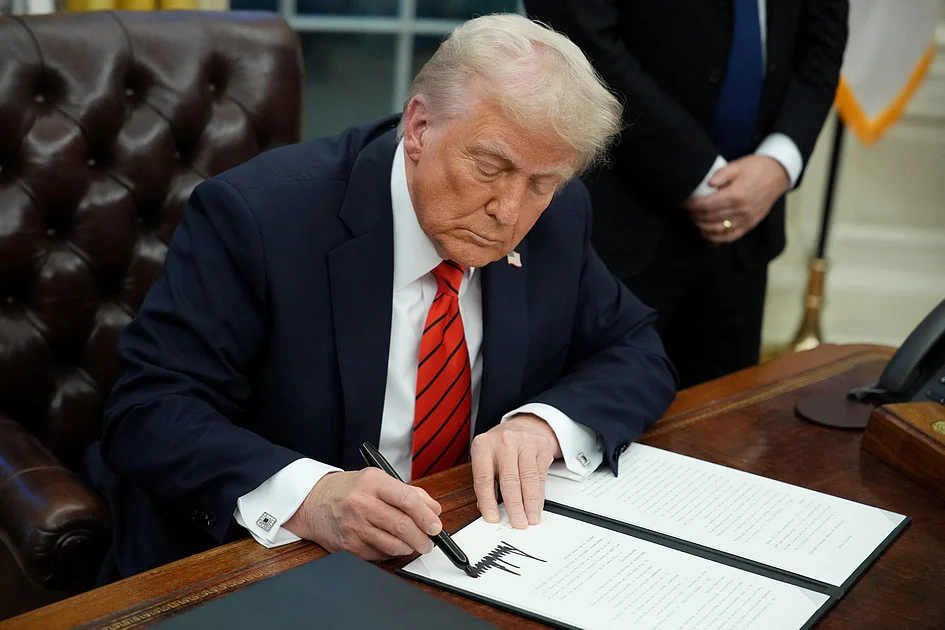
    President Donald Trump has redefined presidential power dynamics during his current term, issuing executive orders at a historical rate unmatched since World War II. Official records from the Federal Register reveal that Trump has signed 221 executive orders since his January 20 inauguration, surpassing the total from his entire previous term in just eleven months.

    The most recent order, signed Monday, designates fentanyl as a ‘weapon of mass destruction,’ continuing the administration’s pattern of bypassing Congressional approval mechanisms. This executive action frenzy represents one of the most substantial exercises of presidential authority in modern American history.

    Comparative analysis shows Trump’s three immediate predecessors—Joe Biden, Barack Obama, and George W. Bush—averaged between 30-40 executive orders annually. Only Franklin D. Roosevelt exceeded Trump’s current pace, issuing approximately 4,000 orders across four terms during the extraordinary circumstances of the Great Depression and World War II.

    According to AFP’s comprehensive analysis of official data, the orders span an exceptionally diverse range of policy areas. Domestic policy dominates at nearly 60%, while foreign affairs accounts for fewer than 10%. Social issues including culture, civil rights, education, and health constitute approximately 30% of all orders, outpacing economic and trade matters (20%) and government reform initiatives (18%).

    The administration’s most productive period occurred during the first four months, with over 30 orders issued monthly. However, the pace has notably slowed since early October, with only a dozen new orders appearing in the subsequent two and a half months. The orders have addressed topics ranging from artificial intelligence regulation and customs barriers to cultural policies and federal architecture standards.

  • Trump orders blockade of ‘sanctioned oil tankers’ into Venezuela, ramping up pressure on Maduro

    Trump orders blockade of ‘sanctioned oil tankers’ into Venezuela, ramping up pressure on Maduro

    WASHINGTON — In a significant escalation of economic pressure, President Donald Trump has declared a comprehensive naval blockade targeting all sanctioned oil tankers attempting to reach Venezuela. The announcement signals a dramatic intensification of the administration’s campaign against the government of Nicolás Maduro, aiming to sever Venezuela’s primary economic lifeline.

    The presidential directive follows recent U.S. military operations that included the seizure of an oil tanker near Venezuela’s coastline and the deployment of what Trump characterized as “the largest Armada ever assembled in the History of South America.” Through social media communications, the President asserted that Venezuela utilizes oil revenues to finance narcotics trafficking and other criminal enterprises, demanding the return of unspecified oil, land, and assets to the United States.

    This naval buildup has been accompanied by intensified military operations in international waters of the Caribbean and eastern Pacific regions. According to available data, these operations have resulted in at least 25 documented strikes on vessels, with approximately 95 casualties reported. While the administration defends these actions as necessary anti-narcotics measures, bipartisan congressional scrutiny has raised concerns about the legal boundaries of maritime warfare.

    The strategic implications are particularly severe for Venezuela, which possesses the world’s largest proven oil reserves but produces only about one million barrels daily. Since initial oil sanctions were imposed in 2017, Caracas has increasingly depended on unauthorized tanker fleets operating without national flags to maintain crude exports. The new blockade aims to eliminate this shadow supply chain, potentially crippling Venezuela’s already struggling economy.

  • No vote coming on extending healthcare subsidies, US House Speaker says

    No vote coming on extending healthcare subsidies, US House Speaker says

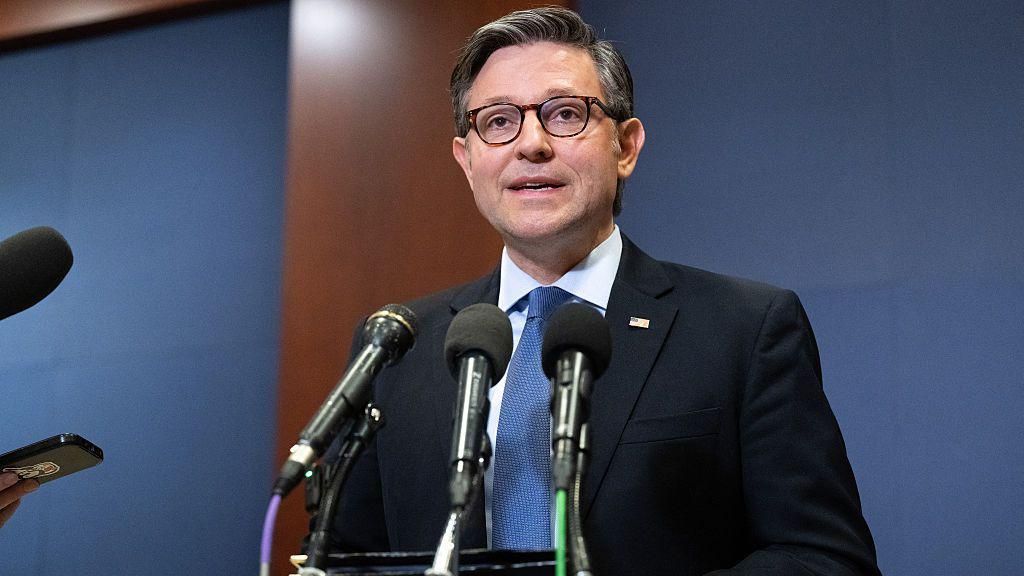
    WASHINGTON — House Speaker Mike Johnson has declared he will not permit a vote to extend pandemic-era healthcare subsidies scheduled to expire December 31st, virtually guaranteeing insurance premium increases for millions of low-income Americans. The decision culminates a protracted legislative battle that previously triggered a 40-day government shutdown this autumn.

    The subsidies, implemented as part of the Affordable Care Act (Obamacare) during the COVID-19 crisis, provide critical premium assistance to approximately 15 million Americans. Their expiration is projected to increase healthcare costs by an average of $1,200 annually per affected household.

    Johnson defended his position by characterizing the $35 billion annual subsidies as a temporary COVID relief measure rather than a permanent entitlement. ‘We looked for a way to try to allow for that pressure release valve, and it just was not to be,’ the Speaker told journalists, emphasizing that any extension would require equivalent spending cuts elsewhere.

    The political confrontation has exposed significant fractures within Republican ranks. Moderate House Republicans—particularly those facing competitive reelection bids in 2024—have voiced vehement opposition to the leadership’s stance. ‘I am pissed for the American people,’ declared Representative Mike Lawler (R-NY), noting that three-quarters of Obamacare recipients reside in states that voted for Donald Trump.

    In a dramatic legislative maneuver, a bipartisan coalition is exploring a discharge petition that would force a floor vote without leadership approval. Democrats require just four Republican signatures to advance a clean three-year extension proposal. However, with Congress preparing to adjourn for the holiday recess, any resolution appears delayed until January at the earliest—well after the subsidies’ expiration date.

    Even if the measure clears the House, it faces substantial obstacles in the Senate, where bipartisan support remains uncertain. The impasse occurs amid widespread public frustration over rising living costs, placing additional pressure on lawmakers to address healthcare affordability before midterm elections.

  • Erasmus scheme to return for UK students, BBC understands

    Erasmus scheme to return for UK students, BBC understands

    The United Kingdom is poised to reenter the European Union’s Erasmus+ exchange program following half a decade of absence, according to BBC reports. This strategic reversal comes after the UK terminated its participation in 2020 as part of its Brexit separation agreement with the EU.

    The Erasmus initiative, named after Dutch Renaissance scholar Desiderius Erasmus, facilitates educational and cultural exchanges by providing EU funding for students, trainees, and volunteers to spend up to one year in European partner nations. The UK had previously replaced this program with its domestically developed Turing scheme in 2021, which supports similar international placements across global destinations.

    Government officials have remained silent regarding ongoing negotiations, but an official announcement is anticipated from ministers this Wednesday. Prime Minister Sir Keir Starmer had previously indicated in May that a youth mobility arrangement could constitute part of a renegotiated relationship with the European Union. If confirmed, British students would regain access to Erasmus+ beginning January 2027.

    Alex Stanley of the National Union of Students welcomed the development, characterizing it as “fantastic that another generation of students will be able to be part of the Erasmus programme” and noting it would represent a “huge win for the student movement.” Student organizations have consistently advocated for reinstatement since the program’s termination.

    The original decision to abandon Erasmus was made by former Prime Minister Boris Johnson, who described it as a “tough decision” necessitated by the program’s “extremely expensive” nature. Historical data reveals that during its final year of participation in 2020, the UK received €144 million (£126 million) in EU funding supporting 55,700 participants in Erasmus projects. That year, Britain sent 9,900 students and trainees abroad while hosting 16,100 incoming participants.

    The Turing scheme, named after renowned British mathematician Alan Turing, has operated with £105 million in funding for the 2024/25 academic year, facilitating 43,200 placements across higher education, further education, and schools. Government ministers had promoted Turing as offering broader accessibility for disadvantaged backgrounds and enhanced travel cost support compared to its European counterpart. The future status of the Turing scheme remains uncertain following the potential reintroduction of Erasmus.

    Liberal Democrat universities spokesman Ian Sollom applauded the anticipated return to Erasmus, describing it as a “moment of real opportunity and a clear step towards repairing the disastrous Conservative Brexit deal.”