分类: politics

  • Bulgaria to become the 21st country to join the euro, deepening EU ties despite fears

    Bulgaria to become the 21st country to join the euro, deepening EU ties despite fears

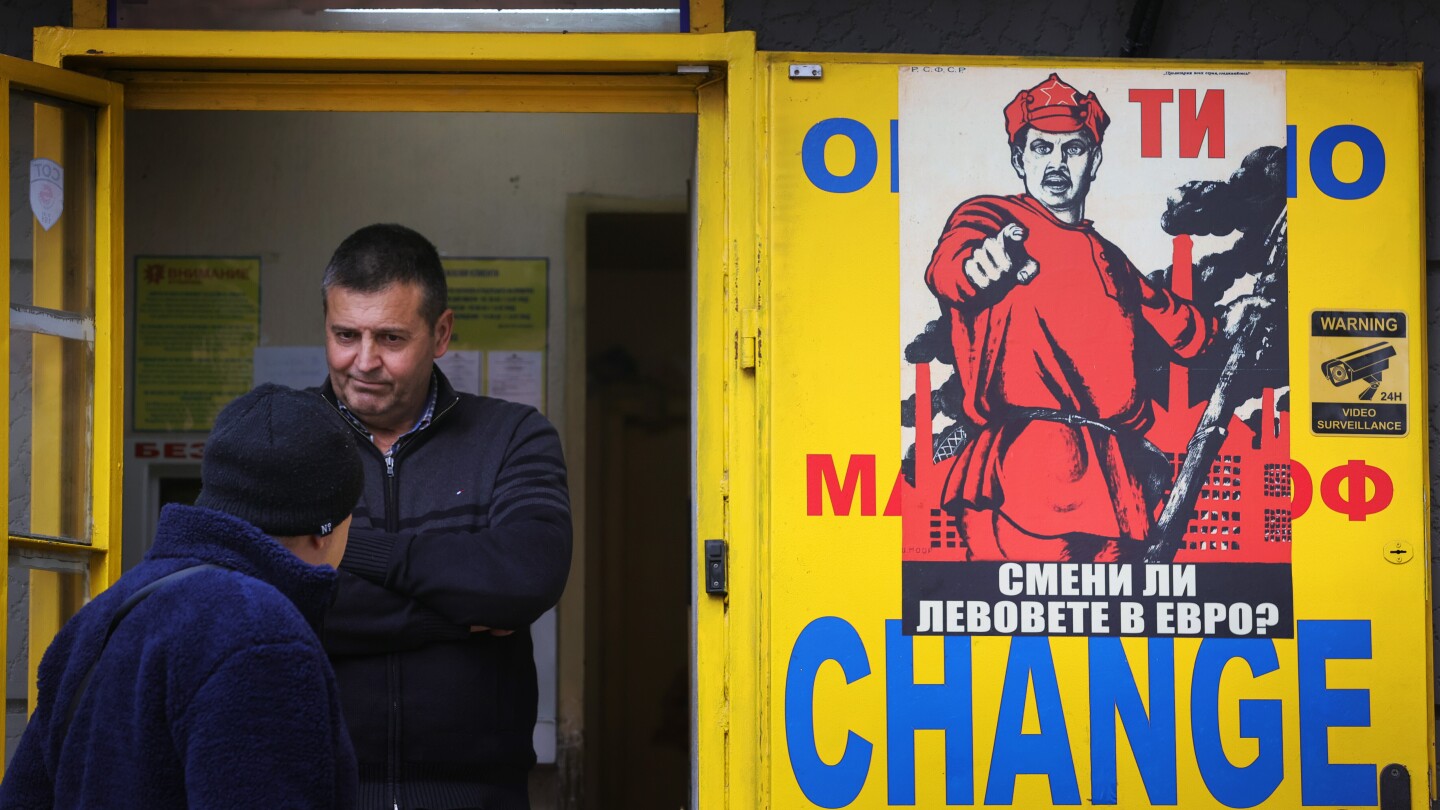
    SOFIA, Bulgaria (AP) — Bulgaria marked a significant milestone in its European integration journey by joining the eurozone on January 1, becoming the 21st member of the single currency union. This strategic move represents the country’s most substantial economic advancement since transitioning from a Soviet-style economy to democracy and free markets in 1989.

    Despite this historic achievement, the adoption occurs against a backdrop of political instability and widespread public apprehension. Recent nationwide anti-corruption protests precipitated the government’s resignation after less than a year in office, leaving the country without an approved budget for the upcoming year and hindering crucial structural reforms.

    Public opinion remains sharply divided. EU Eurobarometer surveys conducted throughout 2023 consistently revealed approximately half of Bulgarians oppose euro adoption, with only 42-45% supporting the move. This skepticism stems from concerns about potential price increases exacerbating existing inflation, which recently rebounded to 3.7%. Many citizens fear businesses might exploit the currency transition to implement hidden price hikes.

    The political landscape further complicates matters. Pro-Russian political factions, particularly the Vazrazhdane party, have actively disseminated disinformation suggesting euro adoption could lead to bank account confiscations and loss of national sovereignty. These groups have organized anti-euro rallies, capitalizing on economic anxieties among older demographics.

    Economists note that the practical economic impact may be limited since the Bulgarian lev has been pegged to the euro at a fixed rate since 1999. However, analysts emphasize the strategic importance of this move in strengthening Bulgaria’s Western orientation and reducing Russian influence in the region.

    As Bulgaria navigates this currency transition alongside its eighth election in five years expected next spring, the country faces the dual challenge of implementing the euro while addressing deep-rooted issues of political fragmentation and public trust.
  • Huge crowds join funeral prayers for former Prime Minister Khaleda Zia in Bangladesh

    Huge crowds join funeral prayers for former Prime Minister Khaleda Zia in Bangladesh

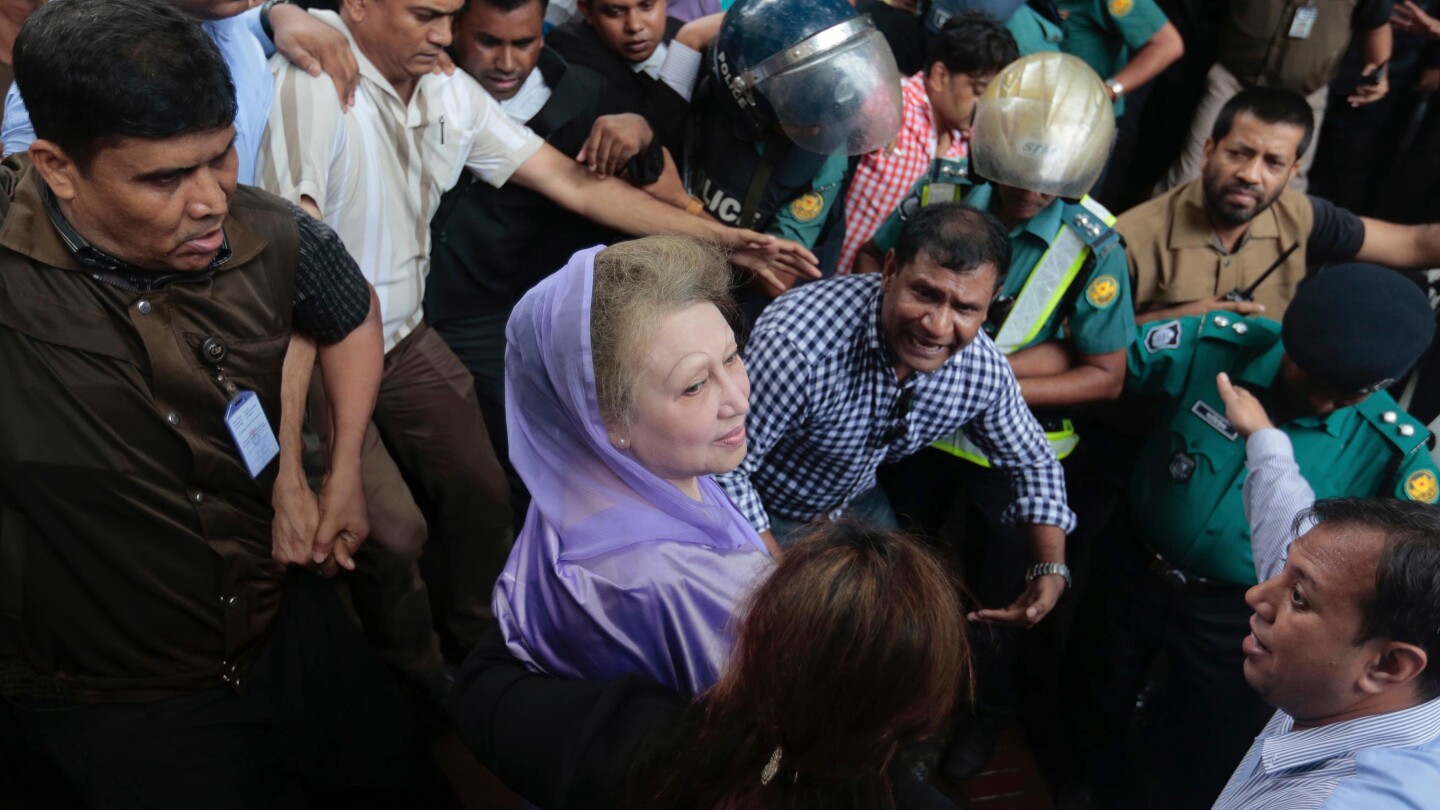
    DHAKA, Bangladesh — The capital city witnessed an unprecedented outpouring of grief Wednesday as immense crowds gathered outside the national parliament building to pay final respects to former Prime Minister Khaleda Zia, who passed away Tuesday at age 80 following extended health complications.

    From early morning, continuous streams of mourners from Dhaka and distant regions converged on Manik Mia Avenue, transforming the parliamentary precinct into a sea of solemnity. Emotional scenes unfolded as distraught supporters, many referring to Zia as ‘mother,’ traveled overnight from rural areas to participate in the funeral prayers. The collective mourning extended kilometers beyond the main venue, with major thoroughfares filling with citizens offering prayers simultaneously.

    The state funeral attracted international attention, with dignitaries from India, Pakistan, Sri Lanka, and Nepal joining representatives from 32 nations according to local media reports. Zia’s flag-draped coffin was transported via security-escorted vehicle from the hospital to her residence before reaching the funeral site, where approximately 10,000 security personnel including military forces maintained order.

    Interim authorities under Nobel laureate Muhammad Yunus declared a three-day national mourning period and a public holiday for Wednesday, with flags flying at half-mast nationwide. Zia will be laid to rest beside her husband, former President Ziaur Rahman, who was assassinated in the 1981 military coup.

    Zia’s political journey began following her husband’s assassination, culminating in her 1991 election as Bangladesh’s first female prime minister through a landslide democratic victory that established parliamentary governance. She led the Bangladesh Nationalist Party (BNP) until her death, maintaining a historic rivalry with former Prime Minister Sheikh Hasina of the Awami League.

    The political landscape remains charged as Zia’s eldest son, Tarique Rahman, currently leads BNP as the front-running party for February’s elections. Meanwhile, Hasina remains in exile in India since August 2024 after receiving a death sentence in November for crimes against humanity related to last year’s mass uprising.

  • Jailed HK tycoon’s ‘teeth rotting and fingernails falling off’, daughter tells BBC

    Jailed HK tycoon’s ‘teeth rotting and fingernails falling off’, daughter tells BBC

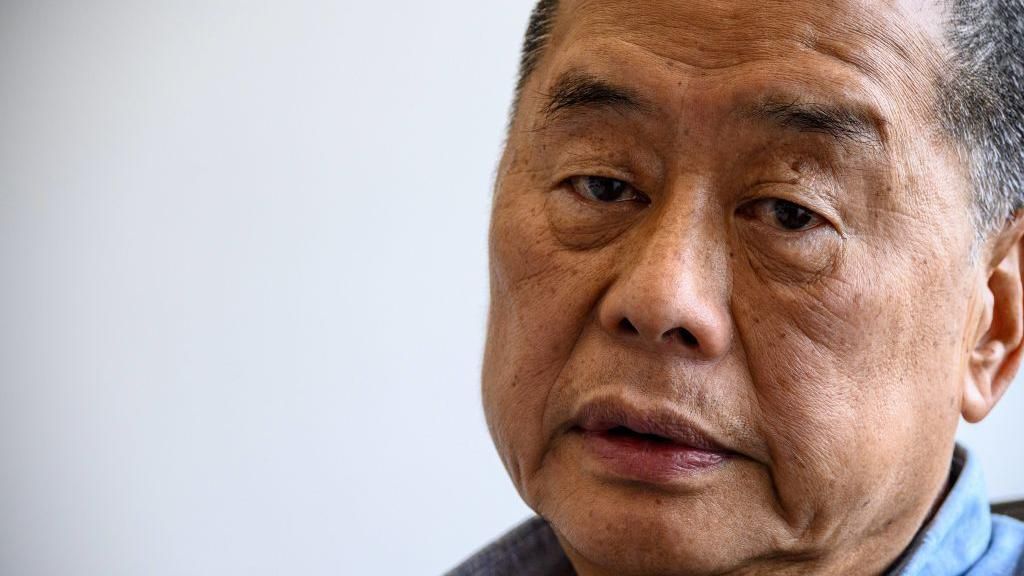
    The deteriorating health of imprisoned Hong Kong pro-democracy publisher Jimmy Lai has sparked international concern as his family intensifies efforts to secure his release. Lai, a 78-year-old British citizen detained since December 2020, faces life imprisonment following his recent conviction under Hong Kong’s national security legislation.

    According to his daughter Claire Lai, who resides in exile in London, her father’s physical condition has significantly declined during his incarceration. She reports concerning symptoms including substantial weight loss, deteriorating dental health, fingernails that “turn purplish grey and sometimes fall off,” and the development of previously nonexistent cardiac issues. The diabetic octogenarian also experiences severe back and waist pain that occasionally prevents him from standing or leaving his bed.

    These claims contradict official statements from Chinese authorities, whose Foreign Ministry spokesperson in Hong Kong maintains that Lai’s “lawful rights and interests have been fully protected, and he is in good health.” Officials assert that prison authorities provide “a safe, humane, appropriate, and healthy custodial environment in accordance with the law.”

    The case has emerged as a diplomatic flashpoint ahead of UK Prime Minister Keir Starmer’s scheduled meeting with Chinese President Xi Jinping in January 2026—the first such visit by a British leader since 2018. Lai’s family has personally appealed to Starmer to advocate for his release during the upcoming talks.

    Lai’s conviction earlier this month under the National Security Law (NSL) stemmed from allegations that he colluded with foreign forces by lobbying governments to impose sanctions on Hong Kong and China. He received additional convictions under colonial-era legislation for publishing seditious material in his now-defunct Apple Daily newspaper.

    The British government has condemned the prosecution as “politically motivated persecution,” asserting that Lai was “targeted for peacefully exercising his right to freedom of expression.” UK officials have repeatedly called for the NSL’s repeal and cessation of all related prosecutions.

    Chinese authorities have rebuked Western criticism, characterizing external pressure as attempts to “influence judicial verdicts through political pressure [that] blatantly trample on the spirit of the rule of law.” Beijing maintains that the NSL, implemented in 2020 following massive pro-democracy protests, is essential for maintaining stability in Hong Kong, though critics argue it effectively criminalizes dissent.

  • ROK leader’s visit to help boost bilateral ties

    ROK leader’s visit to help boost bilateral ties

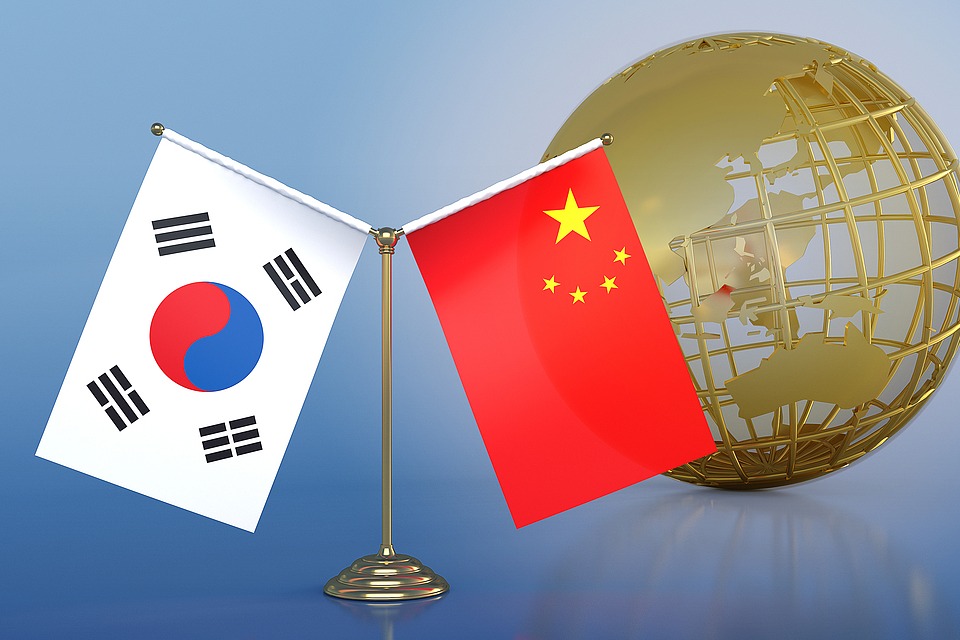
    In a significant diplomatic development, South Korean President Lee Jae-myung will commence a four-day state visit to China beginning Sunday, marking his first official trip to the country since assuming office in June 2025. This visit represents the first by a South Korean head of state since 2019, signaling a potential thaw in bilateral relations between the two Northeast Asian neighbors.

    The Chinese Foreign Ministry confirmed the visit through spokesman Lin Jian, who emphasized the strategic importance of the two nations as key regional partners. “Under the strategic guidance of both heads of state, this visit is anticipated to significantly advance the China-ROK strategic cooperative partnership,” Lin stated during a regular press briefing.

    Accompanying President Lee will be a substantial delegation of over 200 South Korean business leaders, including executives from corporate giants Samsung Electronics, SK Group, Hyundai Motor Group, and LG Group. This substantial commercial contingent underscores the economic dimension of the visit, with both nations preparing to discuss cooperation in multiple sectors including supply chain security, investment frameworks, digital economy initiatives, transnational crime prevention, and environmental protection measures.

    The timing of the visit coincides with the 10th anniversary of the China-ROK free trade agreement, with both parties having agreed to accelerate second-phase negotiations to deepen economic integration. Bilateral trade reached $328.08 billion in 2024, reflecting a 5.6% year-on-year increase despite global economic headwinds.

    Recent reciprocal visa facilitation measures have further strengthened people-to-people exchanges. China implemented visa-free entry for South Korean tourists and business visitors in November 2024, with South Korea reciprocating for Chinese group tourists in September 2025, resulting in a notable surge in cross-border travel.

    This visit builds upon the momentum generated by the meeting between President Lee and Chinese President Xi Jinping during the Asia-Pacific Economic Cooperation summit in Gyeongju, South Korea, last November. According to Professor Zhan Debin of Shanghai University of International Business and Economics, while President Xi’s previous visit to South Korea helped stabilize bilateral relations, President Lee’s upcoming visit aims to “explore ways to make further progress on the basis of that stability,” particularly through enhanced economic cooperation and cultural exchanges.

  • China drills feed info war targeting faith in Taiwan’s defenses

    China drills feed info war targeting faith in Taiwan’s defenses

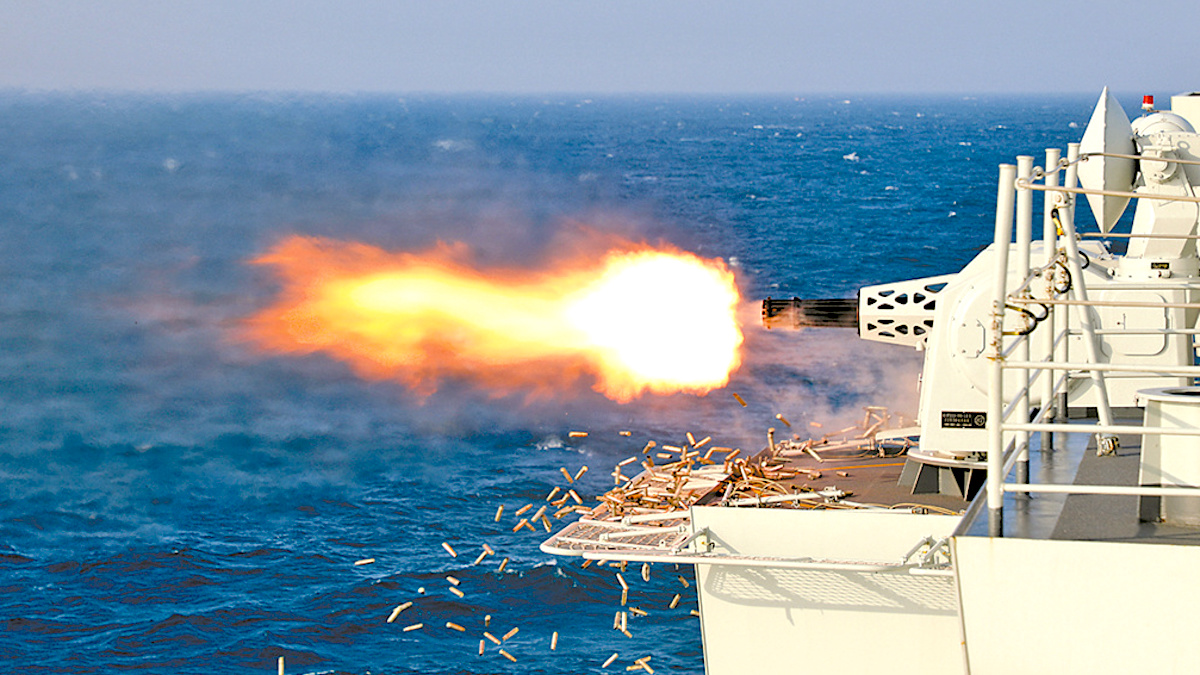
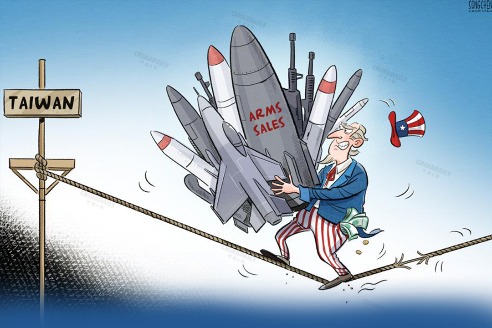
    The Chinese People’s Liberation Army has initiated a new series of comprehensive military exercises encircling Taiwan, marking a significant escalation in regional tensions following Washington’s approval of an $11 billion arms package to Taipei. These maneuvers, conducted by the PLA’s Eastern Theater Command, incorporate advanced joint operations featuring naval flotillas and aircraft conducting simulated strikes against maritime and terrestrial targets, air superiority missions, and anti-submarine warfare protocols.

    The military demonstrations coincide with sophisticated information warfare campaigns designed to undermine confidence in Taiwan’s defensive capabilities. According to analyses from overseas military commentators, Beijing’s strategy aims to convince international audiences that Taiwanese forces would be incapable of withstanding a concerted PLA assault.

    This recent surge in military posturing directly responds to the United States’ December 18 announcement of its largest-ever arms sale to Taiwan, including sophisticated rocket artillery systems, long-range missiles, self-propelled howitzers, and unmanned surveillance platforms.

    Chinese Foreign Minister Wang Yi condemned the weapons transfer as a provocative measure supporting what he termed ‘Taiwan independence’ elements. ‘The Taiwan question represents China’s internal affair and sits at the core of our national interests,’ Wang stated during the Symposium on the International Situation and China’s Foreign Relations. ‘Achieving complete national reunification constitutes both a lawful action to safeguard sovereignty and territorial integrity and a historical mission we must fulfill.’

    Academic analyses from institutions like Wuhan University’s Institute of Taiwan Studies characterize Taiwan’s leadership under Lai Ching-te as intensifying independence efforts through military enhancement and American alignment, describing this approach as ‘walking further down the wrong road of destroying Taiwan.’

    The Pentagon’s recent assessments outline four potential invasion scenarios Beijing might consider: coercive measures short of open warfare, joint firepower strike campaigns, sustained blockade operations, and comprehensive amphibious invasion. Concurrently, classified US military evaluations suggest American forces could face significant challenges in a Taiwan conflict scenario, citing China’s advanced hypersonic weapons inventory and counter-space capabilities.

    Information warfare tactics have evolved beyond traditional propaganda methods, with recent revelations exposing sophisticated influencer recruitment strategies. An Italian-based military commentator disclosed offers of substantial compensation to promote narratives questioning Taiwan’s defensive capabilities while maintaining apparent neutrality. These efforts align with broader psychological operations aimed at diminishing Taiwanese morale and resistance willingness before potential military action.

  • UAE President exchanges New Year greetings with Pakistan PM during meeting

    UAE President exchanges New Year greetings with Pakistan PM during meeting

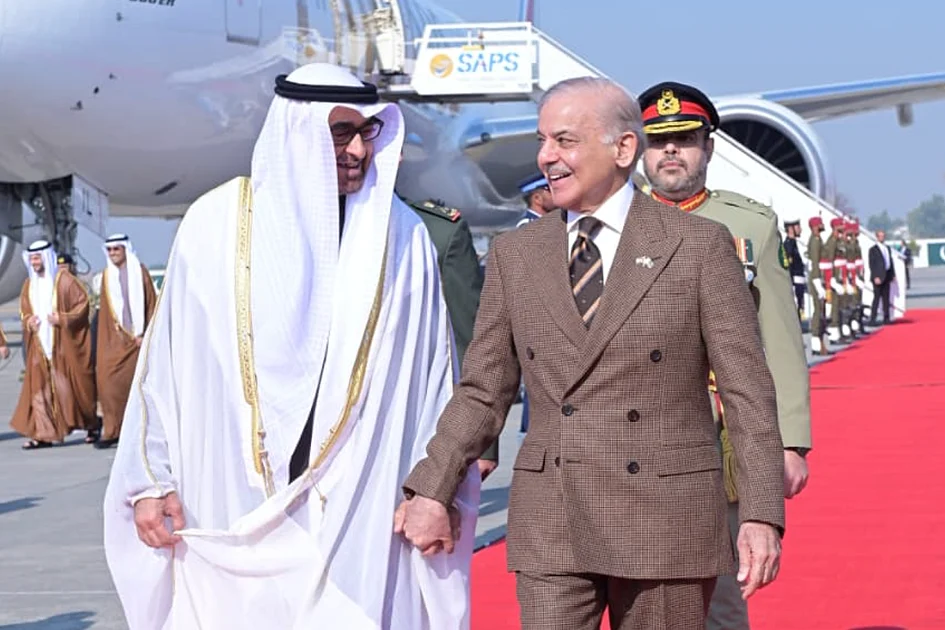
    In a significant diplomatic engagement, UAE President Sheikh Mohamed bin Zayed Al Nahyan and Pakistani Prime Minister Muhammad Shehbaz Sharif convened during the President’s private visit to Pakistan, marking a reinforcement of bilateral relations between the two nations. The high-level meeting, which occurred on December 26th, 2025, at Nur Khan Airbase, served as a platform for exchanging New Year greetings and discussing substantive cooperation frameworks.

    The leadership dialogue extended beyond ceremonial formalities to address comprehensive partnership enhancement across multiple sectors. Both leaders articulated mutual aspirations for continued progress and prosperity in their respective countries while emphasizing the importance of global security and stability. The discussions specifically focused on strengthening economic collaboration, trade expansion, and development initiatives aligned with both nations’ strategic priorities.

    Prime Minister Sharif expressed profound appreciation for the UAE’s consistent support in Pakistan’s development endeavors, particularly noting the significance of President Sheikh Mohamed’s recent official visit. The Pakistani leadership acknowledged the UAE’s substantial contributions to various development sectors within Pakistan.

    Notably, the UAE President’s arrival was marked by a ceremonial military jet escort upon entering Pakistani airspace, symbolizing the deep respect and warm relations between the two countries. The delegation accompanying Sheikh Mohamed included Sheikh Sultan bin Hamdan Al Nahyan and Sheikh Mohammed bin Hamad bin Tahnoun Al Nahyan, both Advisers to the UAE President, along with Salem Mohammed Al Zaabi, UAE Ambassador to Pakistan, and several ministers and senior officials.

    The bilateral talks also encompassed thorough reviews of regional and international matters of mutual concern, facilitating an exchange of perspectives on pressing global issues. This meeting represents the latest chapter in the longstanding diplomatic relationship between the UAE and Pakistan, characterized by consistent high-level engagement and cooperative initiatives.

  • Mali and Burkina Faso impose retaliatory travel ban on US nationals

    Mali and Burkina Faso impose retaliatory travel ban on US nationals

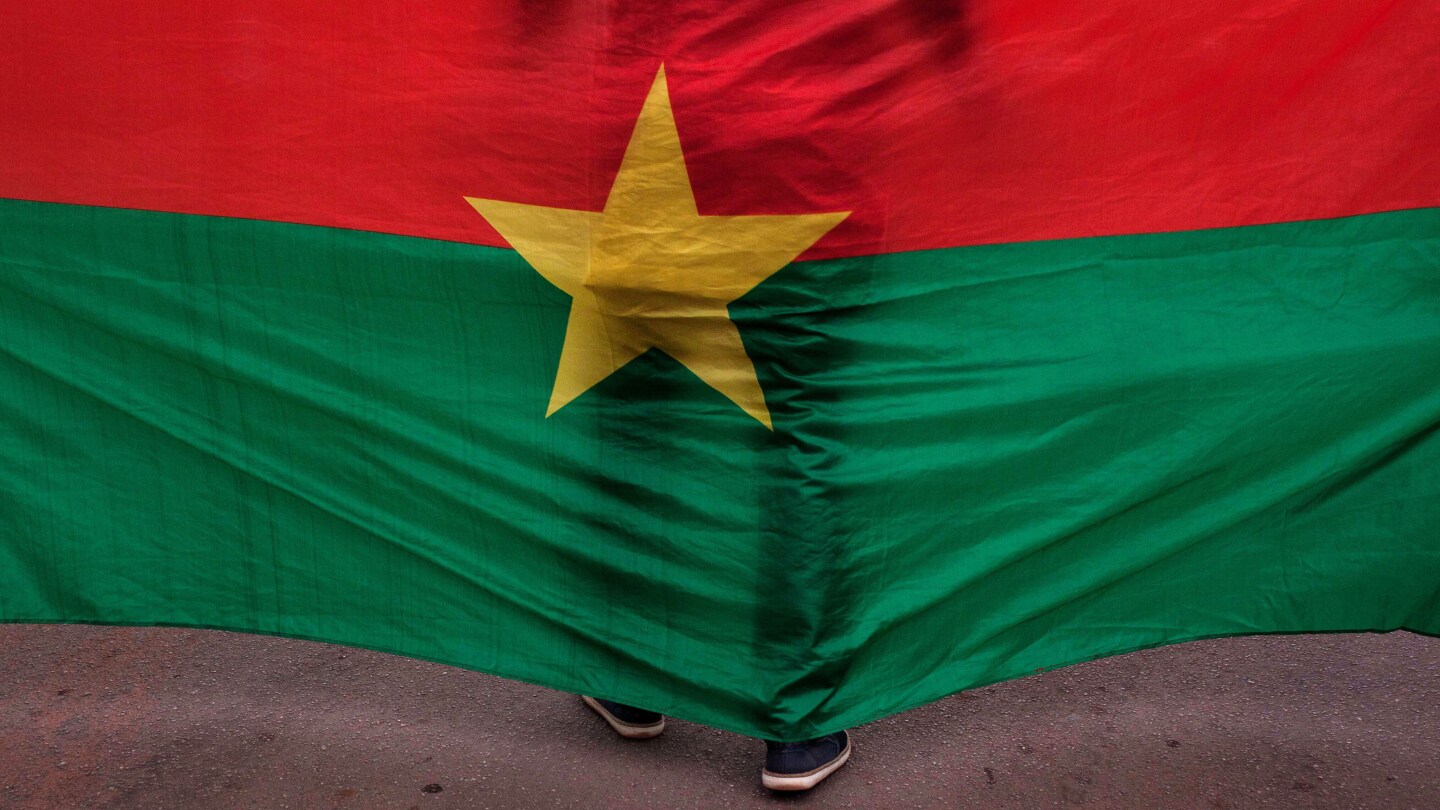
    BAMAKO, Mali — In a significant diplomatic escalation, the military governments of Mali and Burkina Faso have instituted immediate entry bans targeting United States citizens. This decisive action comes as a direct response to the Trump administration’s recent expansion of travel restrictions affecting citizens from both West African nations.

    The reciprocal measures were formally announced through separate declarations issued by the foreign ministries of both countries late Tuesday. Mali’s Ministry of Foreign Affairs and International Cooperation stated it would ‘apply the same conditions and requirements to US nationals as those imposed on Malian citizens’ based on the principle of reciprocity. Burkina Faso’s Foreign Minister Karamoko Jean-Marie Traoré similarly endorsed parallel restrictions citing identical justification.

    This development represents the latest deterioration in relations between the United States and West African nations currently governed by military juntas. The tension stems from President Trump’s December 16th executive order that extended existing travel limitations to encompass twenty additional countries, including Mali, Burkina Faso, and neighboring Niger.

    These three nations, all currently under military rule following coups that overthrew civilian governments, have recently formed a breakaway alliance distinct from the Economic Community of West African States (ECOWAS) regional bloc. The White House had previously cited persistent security challenges and armed group activities as primary motivations for implementing the original travel restrictions.

    Both Mali and Burkina Faso have faced significant struggles containing violent extremist organizations that have rapidly expanded their operational territories across the region. The current military administrations originally seized power promising enhanced security measures against these armed factions, though instability continues to affect large portions of the region.

  • Boeing to make up to 50 new F-15 fighter jets for Israel

    Boeing to make up to 50 new F-15 fighter jets for Israel

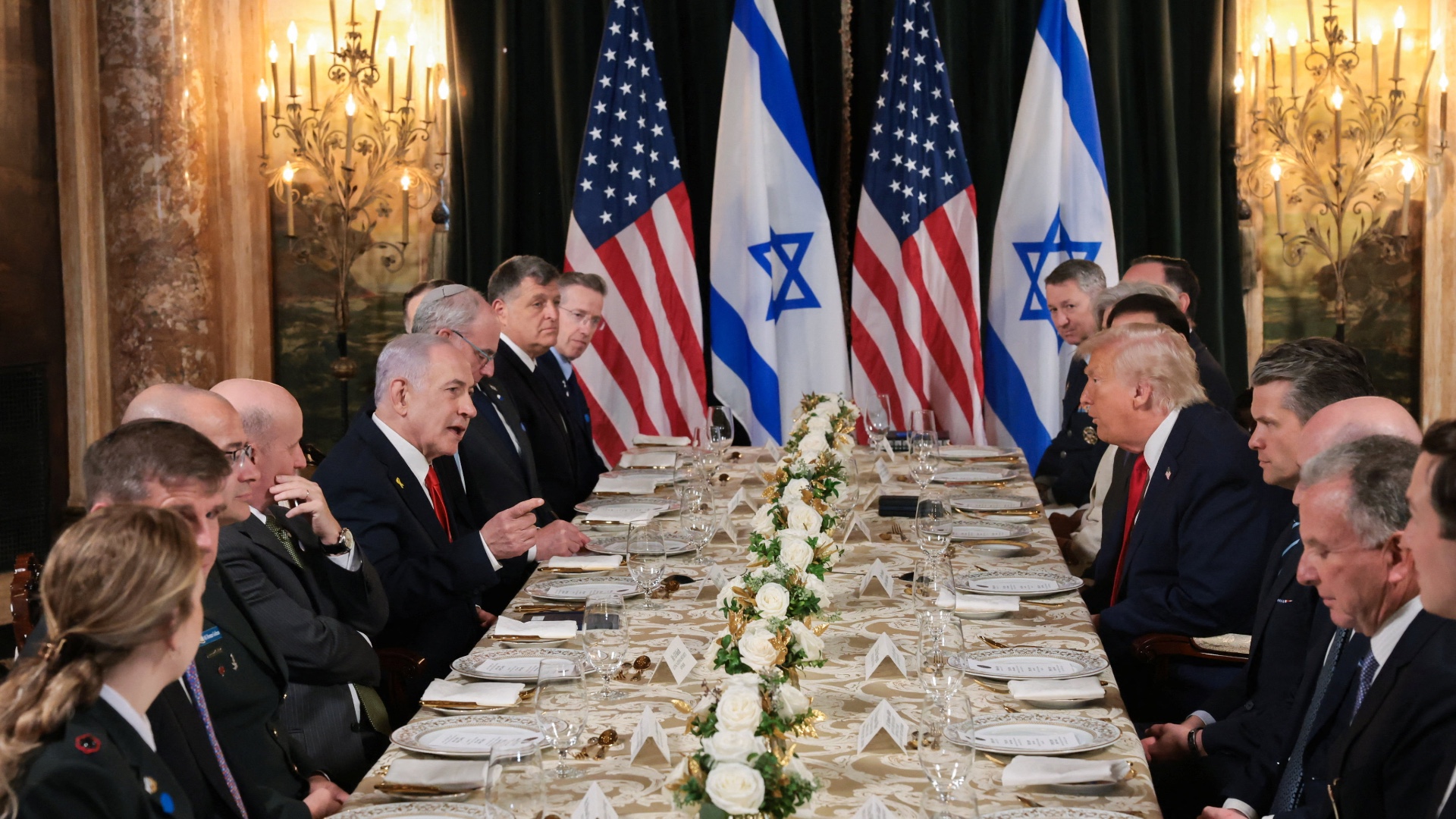
    In a significant defense procurement announcement, the US Department of War has granted Boeing an $8.6 billion contract to manufacture a fleet of F-15IA fighter jets specifically configured for the Israeli Air Force. The revelation came shortly after a joint press conference between US President Donald Trump and Israeli Prime Minister Benjamin Netanyahu in Palm Beach, Florida.

    The comprehensive agreement encompasses the design, integration, instrumentation, testing, production, and delivery of 25 new F-15IA aircraft, with a contractual provision for an additional 25 units. This follows a previous November 2024 agreement valued at $5.2 billion for an equivalent number of aircraft.

    The F-15IA represents a specialized variant of the classic F-15 platform, engineered to meet Israel’s unique operational requirements. This advanced aircraft is intended to replace Israel’s aging ‘Ra’am’ fleet. According to US Air Force specifications, the F-15IA is capable of maintaining air supremacy and outperforming any contemporary adversary aircraft.

    Technical specifications highlight its exceptional capabilities, including a high engine thrust-to-weight ratio and low wing-loading that provide superior maneuverability. The aircraft’s sophisticated radar and Identification Friend or Foe (IFF) system position it among the world’s most advanced fighter jets, with a maximum speed reaching 1,875 mph.

    Production will be conducted at Boeing’s St. Louis, Missouri facility, with deliveries projected for completion by 2035. The United States continues to dominate as the primary global supplier of tactical fighter jets, having previously customized F-15 variants for Japan, South Korea, Qatar, and Saudi Arabia.

    The contract announcement coincided with diplomatic discussions between Trump and Netanyahu regarding Gaza ceasefire negotiations. President Trump expressed unequivocal support for Israel’s leadership, describing Netanyahu as a ‘wartime prime minister at the highest level’ and emphasizing that ‘with most other leaders, Israel would not exist.’

    When questioned about Israel’s military actions in Gaza, where over 71,000 casualties have been reported since October 2023 using US-supplied aircraft and weaponry, Trump stated he had no concerns about Israel’s decisions, asserting that Israel had ‘lived up to the plan 100 percent.’

  • Expert: US actions, words don’t match

    Expert: US actions, words don’t match

    A prominent US-China relations expert has identified a fundamental inconsistency in American policy toward Taiwan, noting a significant divergence between official statements and concrete actions. David Firestein, President and CEO of the George H. W. Bush Foundation for US-China Relations, characterized recent US weapons transfers to Taiwan as demonstrating the most pronounced implementation gap in Washington’s approach to the island.

    Firestein observed that while US leadership maintains there has been no change in policy direction, tangible developments tell a contrasting story. ‘The United States has said that nothing has changed in terms of the US approach to Taiwan,’ Firestein noted in an interview. ‘We say that everything’s the way it was, that our policy remains unchanged, that we are still looking at it through the prism of the one-China principle.’

    However, the expert pointed to substantive policy shifts dating back to 2017, including legislative changes such as the Taiwan Travel Act and Taiwan Assurance Implementation Act, alongside modifications in official language and digital content. The most recent manifestation of this trend emerged on December 24 with an unprecedented $11.1 billion arms package proposal for Taiwan—the largest in US history—currently awaiting congressional approval.

    Firestein emphasized that former President Trump’s administration delivered more armaments to Taiwan than any previous presidency, contradicting official claims of policy continuity. ‘What we say—what the US says—and what we do don’t line up,’ he concluded, suggesting that America’s actual objective appears to be preventing cross-strait reunification despite public commitments to peaceful resolution.

    In response to these developments, Beijing has announced countermeasures targeting 20 US defense contractors and 10 senior executives involved in recent arms transfers to Taiwan. Simultaneously, China’s Eastern Theater Command conducted large-scale, multi-service military exercises around Taiwan, demonstrating heightened regional tensions.

    Public sentiment on social media platforms reflects growing concern about US involvement, with American citizens questioning the financial and strategic wisdom of Taiwan defense commitments amid domestic economic challenges.

  • Junta leader is declared the winner of Guinea’s presidential election

    Junta leader is declared the winner of Guinea’s presidential election

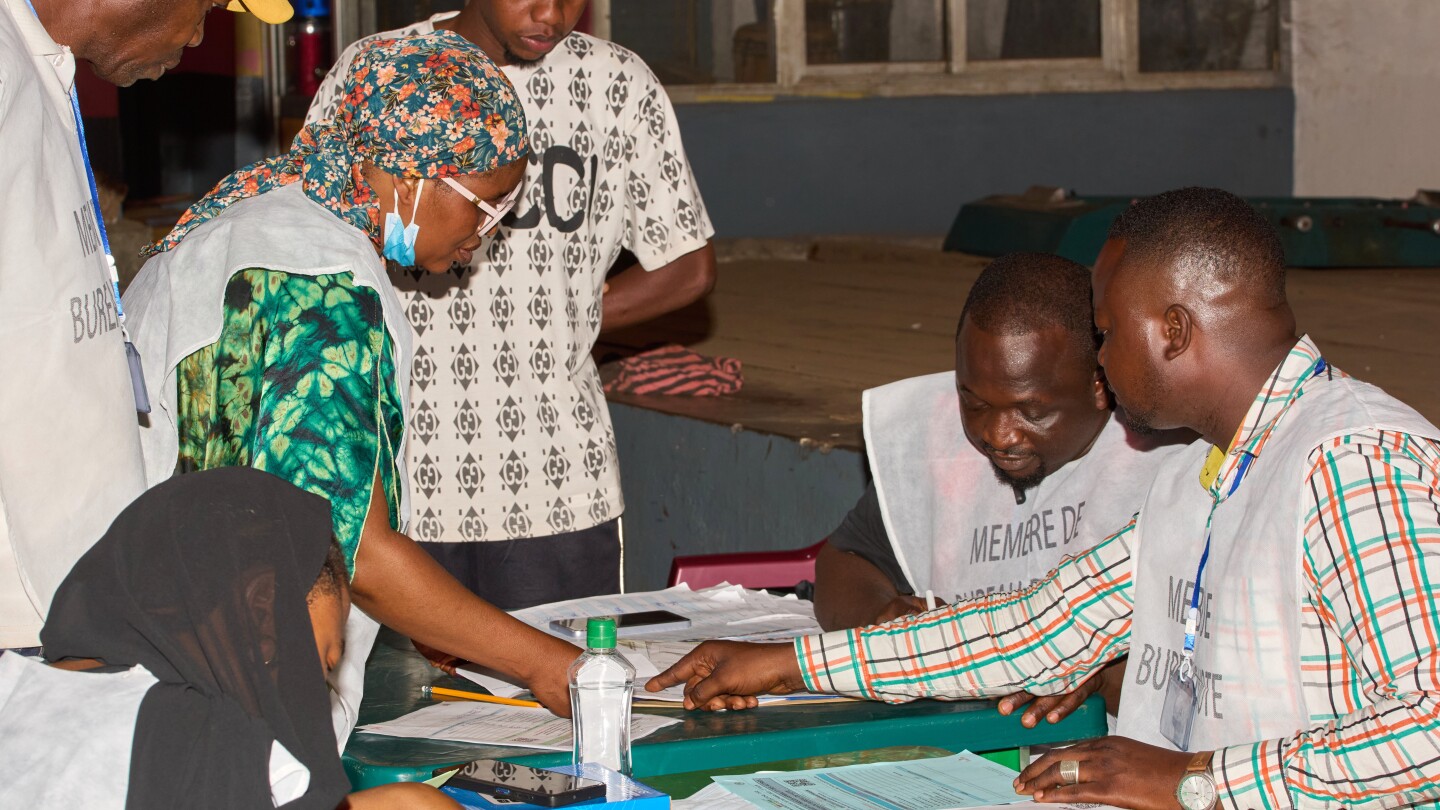
    CONAKRY, Guinea — General Mamdi Doumbouya, the military leader who seized power in a 2021 coup, has been proclaimed the winner of Guinea’s presidential election according to partial results released Tuesday evening. The electoral authority reported Doumbouya secured 86.72% of tallied votes in the nation’s first electoral process since the military takeover.

    The election, widely perceived as an effort to legitimize Doumbouya’s continued rule, culminated a four-year transition period following his ouster of President Alpha Condé. Pre-election analysis accurately predicted the junta leader’s victory amid a significantly weakened opposition landscape. Critics note the systematic suppression of dissent resulted in the dissolution of over 50 political organizations and the exclusion of major opposition figures through technical disqualifications or forced exile.

    Yéro Baldé, a former education minister under Condé’s administration, trailed distantly with 6.51% of votes. Electoral officials reported substantial voter participation, with 80.95% of the registered 6.7 million electorate casting ballots.

    Doumbouya’s candidacy marked a reversal of his initial post-coup commitment that military officers would abstain from electoral politics. A September referendum facilitated this political U-turn by permitting military participation and extending presidential terms from five to seven years.

    Despite Guinea’s substantial mineral wealth and 15-million population, approximately half of citizens endure poverty and record food insecurity according to World Food Program assessments. The junta has prioritized the Simandou iron ore project—a predominantly Chinese-owned mining initiative at the world’s largest iron deposit—as central to economic revitalization. After decades of delays, production commenced last month, with authorities anticipating thousands of jobs and expanded investments in education and healthcare.

    Guinea joins multiple West African nations experiencing coups or attempted power seizures since 2020, where military leaders have capitalized on public dissatisfaction with security deterioration, economic underperformance, and contested elections. The region witnessed additional military interventions in Guinea-Bissau and Benin since November.