分类: politics

  • The foreign intervention Iranians want is the lifting of sanctions, experts say

    The foreign intervention Iranians want is the lifting of sanctions, experts say

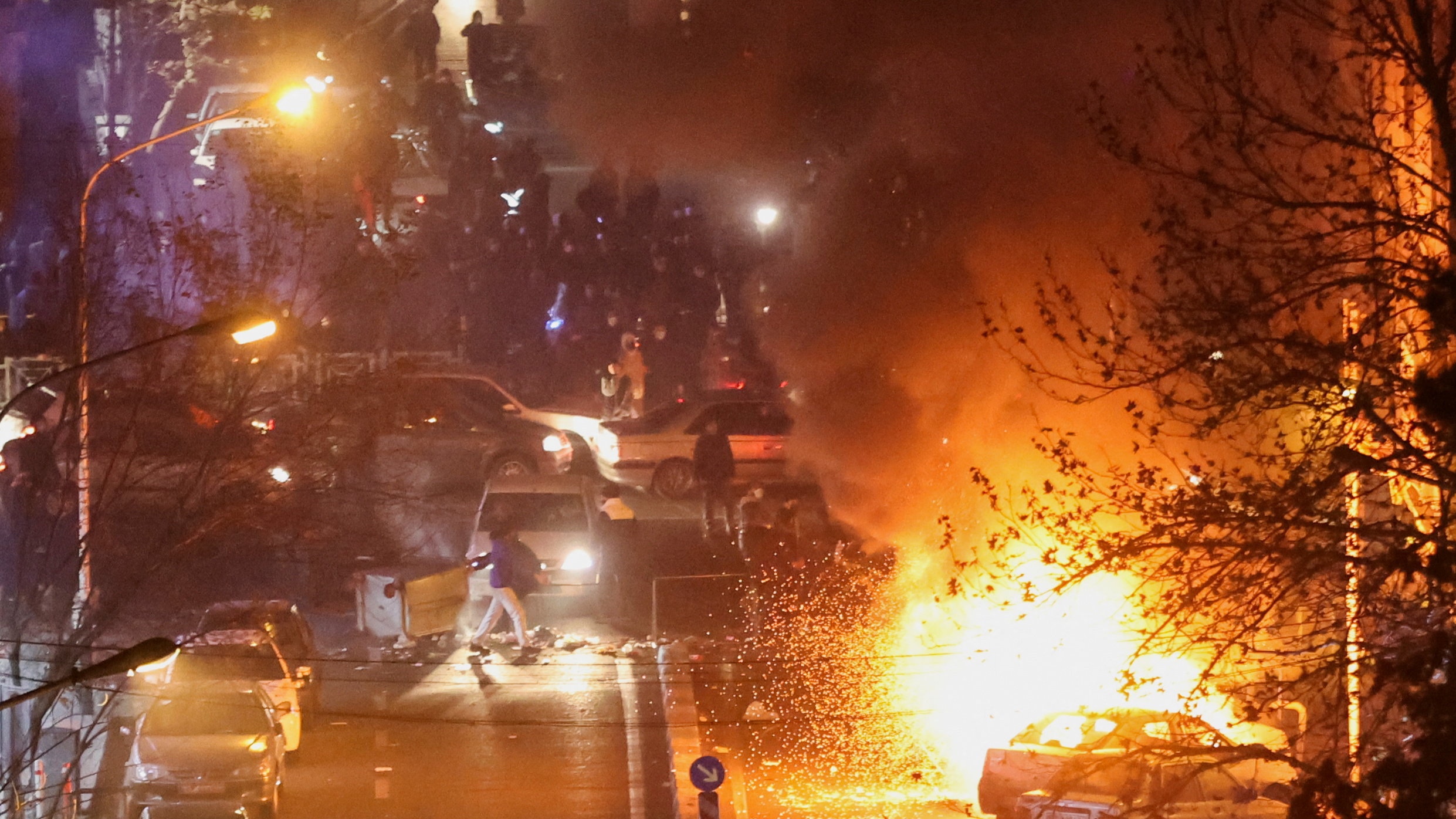
    A panel of Middle East scholars convened by the Quincy Institute for Responsible Statecraft has analyzed the ongoing protests in Iran, revealing complex dynamics that challenge Western perceptions. The demonstrations, now entering their third week with over 190 confirmed fatalities according to Iran Human Rights, stem primarily from domestic economic pressures rather than calls for foreign intervention.

    Mohammad Ali Shabani, editor of Amwaj newsmagazine, emphasized that most Iranians seek relief from crippling U.S. sanctions rather than regime change through external forces. “The vast majority of Iranians would welcome a deal that lifts the shadow of war and invites the removal of sanctions,” Shabani stated, noting that sanctions have paradoxically extended the Islamic Republic’s survival by hollowing out the middle class that could drive organic political change.

    European Council on Foreign Relations expert Ellie Geranmayeh highlighted the overlooked existence of Iran’s civil society, which has not advocated for foreign military strikes. She pointed to the government’s historical pattern of offering “gifts to the people” following major upheavals, such as subsidy maintenance after 2019 economic protests and social flexibility after the 2022 Women, Life, Freedom movement. However, Geranmayeh cautioned that current options appear more limited as “the system may have hit a ceiling under the current supreme leader.”

    Johns Hopkins professor Vali Nasr characterized the protests as a “genuine eruption of popular anger” but noted their lack of leadership and organization makes sustained momentum challenging. He dismissed claims that Reza Pahlavi, the exiled son of Iran’s deposed shah, directs the movement, stating he “came in late” without setting the agenda.

    The analysis revealed concerning external factors, with the Trump administration openly considering military options. Experts warned that such threats empower hardliners and trigger brutal crackdowns. Shabani noted the complex reality: while dismissing all unrest as foreign plots echoes regime rhetoric, ignoring explicit interventionist statements from U.S. and Israeli officials represents naivete.

    The situation has turned increasingly violent, with Iranian authorities reporting 25 mosques and 20 banks torched, plus approximately 100 security force deaths. This has created a two-way confrontation that risks alienating citizens who fear Syria-like collapse despite sharing protest grievances.

    As Iran entered its fourth day of a near-total internet blackout, UN Secretary General Antonio Guterres expressed concern about violence and excessive force, calling for restraint and internet restoration. The White House confirmed discussions with Elon Musk about Starlink access while maintaining that military options remain under consideration.
  • US may provide up to $2bn for Israeli tanks: Report

    US may provide up to $2bn for Israeli tanks: Report

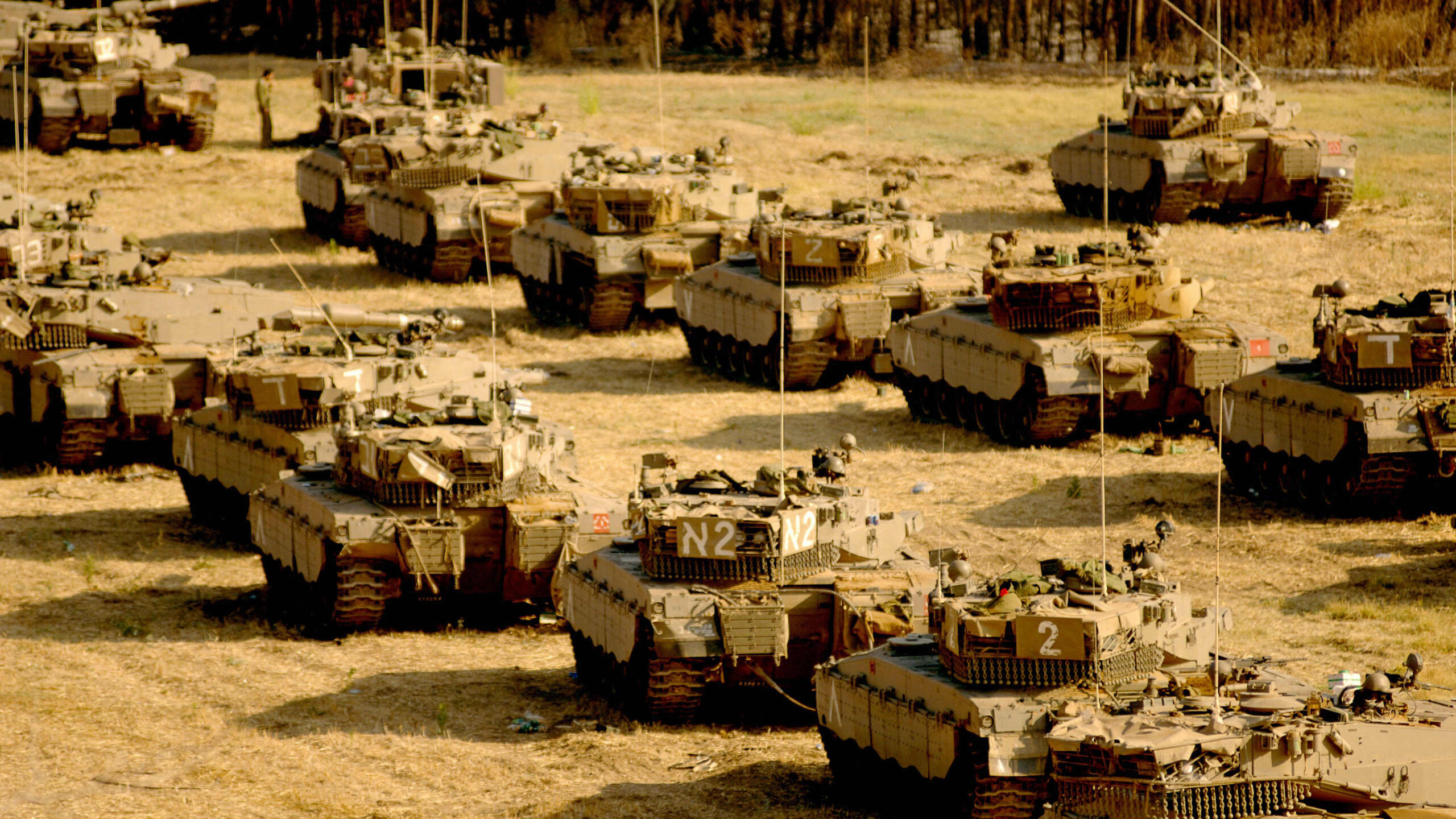
    Newly disclosed documents indicate the United States is considering a substantial $2 billion military assistance package to support Israel’s armored vehicle production capabilities. According to reports from Haaretz newspaper, this funding would facilitate the establishment of a new armored vehicle manufacturing plant within Israel, significantly enhancing the nation’s military industrial capacity.

    The proposed investment would supplement America’s existing annual military aid of $3.8 billion to Israel, which operates under a decade-long bilateral agreement. The initiative specifically targets Israel’s “Armored Vehicle Acceleration Project,” a comprehensive five-year plan designed to expand Israel’s inventory of armored vehicles while accelerating production rates of Merkava battle tanks and both Namer and Eitan armored personnel carriers—all domestically developed military platforms.

    US Army Corps of Engineers presentations from October and November reveal potential American involvement in financing, planning, design, and construction phases of this strategic project. One presentation referenced exploration of “a multibillion-dollar Joint Systems Manufacturing Center (JSMC) project” as a “pivotal next step” for the program.

    This development occurs against the backdrop of substantial additional military support provided to Israel following the October 2023 attacks. According to Quincy Institute data, the US has delivered $21.7 billion in direct military assistance during the subsequent two years, excluding tens of billions in committed arms sales for future delivery.

    The potential $2 billion allocation may generate political controversy among certain factions advocating “America First” policies. The US Army has stated it currently maintains no formal JSMC program with Israel, directing inquiries regarding potential defense ministry programs to Israeli authorities.

  • Mexico rules out US military intervention in Mexican territory

    Mexico rules out US military intervention in Mexican territory

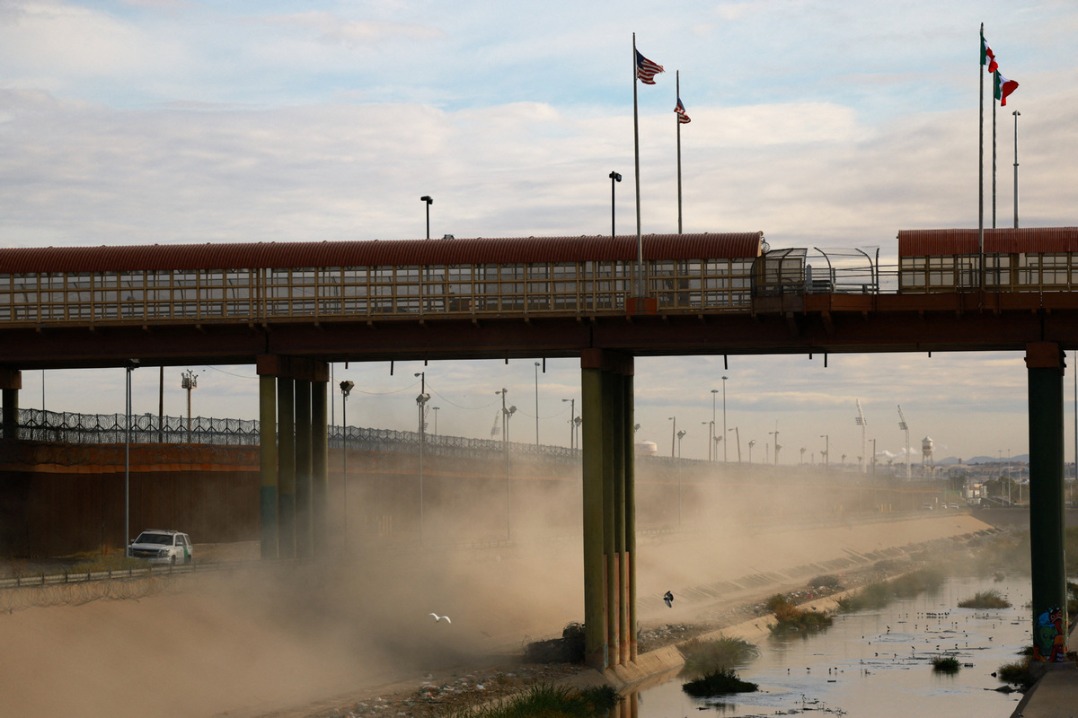
    In a definitive stance on national sovereignty, Mexican President Claudia Sheinbaum has explicitly ruled out any form of U.S. military intervention within Mexican territory following a telephone discussion with U.S. President Donald Trump. The Monday conversation occurred amidst escalating international tensions and recent U.S. military operations in Venezuela, which Washington justified as anti-drug trafficking measures.

    President Sheinbaum characterized the 15-minute exchange as ‘cordial’ while firmly declining Trump’s offer of military support against powerful drug cartels. ‘We communicated that our current strategies are proving effective and that such assistance is unnecessary,’ Sheinbaum stated during her regular morning press briefing. ‘Most importantly, we emphasized Mexico’s sovereignty and territorial integrity, which President Trump acknowledged.’

    The Mexican leader provided reporters with comprehensive details about her country’s security achievements, including the dismantling of clandestine drug laboratories, numerous arrests connected to organized crime networks, a 50% reduction in narcotics crossings into the United States, and a more than 40% decrease in drug-related fatalities.

    Regarding Venezuela, Sheinbaum reaffirmed Mexico’s constitutional principle of non-intervention in foreign affairs, directly communicating this position to the U.S. president. The diplomatic exchange will continue with a planned January 23rd meeting in Washington where Mexican cabinet members will discuss ongoing security coordination. Another presidential conversation addressing trade matters, including tariffs and the upcoming United States-Mexico-Canada Agreement review, is also scheduled.

    This high-level dialogue follows Sunday’s discussion between Mexican Foreign Minister Juan Ramon de la Fuente and U.S. Secretary of State Marco Rubio, where both parties committed to enhanced cooperation against illegal arms trafficking and organized crime while respecting Mexico’s sovereignty.

  • The Indian superstar taking a shot at political greatness

    The Indian superstar taking a shot at political greatness

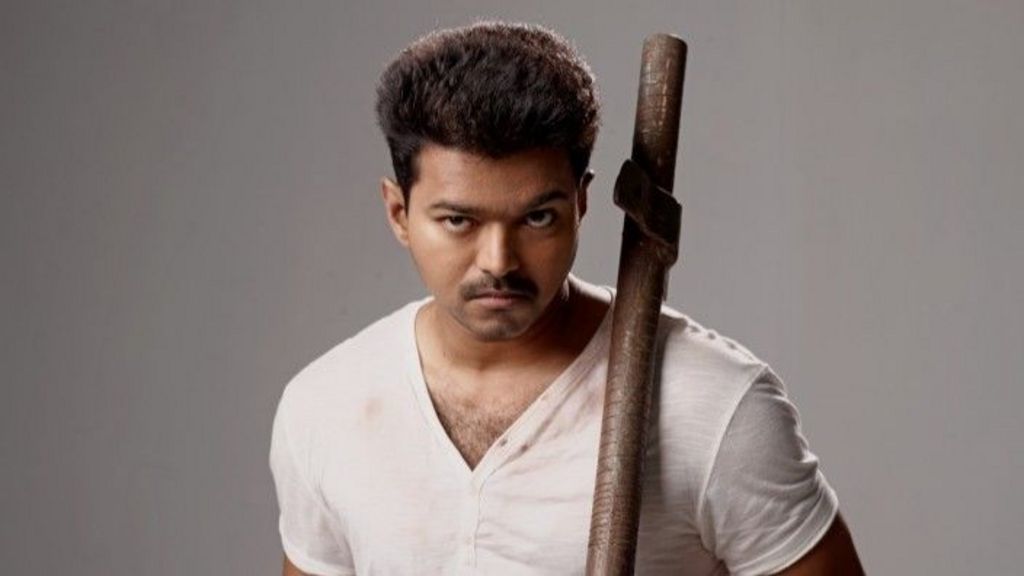
    In a significant cultural-political convergence, Tamil cinema superstar Joseph Vijay prepares for his final theatrical release with ‘Jana Nayagan’ (The People’s Hero) this month, marking his transition from entertainment to full-time politics. The film’s premiere across 5,000 theaters worldwide arrives as Vijay launches his political party, Tamilaga Vettri Kazhagam (TVK), positioning himself within Tamil Nadu’s unique tradition of screen icons transforming into political leaders.

    Tamil Nadu’s political landscape has historically embraced cinema personalities, with icons like MGR and Jayalalithaa achieving successful governmental leadership, while others including Rajinikanth and Kamal Haasan experienced mixed political results. Vijay explicitly acknowledges this legacy, stating that Tamil voters deserve complete dedication rather than partial political engagement.

    At 51, Vijay departs an extraordinarily successful film career spanning three decades and nearly 70 productions. Industry analysts note his carefully crafted evolution from romantic lead to social justice advocate in films addressing farmers’ distress (Kaththi), healthcare corruption (Mersal), women’s empowerment (Bigil), and electoral manipulation (Sarkar).

    ‘Jana Nayagan’ strategically blurs cinematic narrative and political intent through dialogue such as ‘I enter politics not to plunder, but to serve’ and enhanced action sequences. The film mirrors Vijay’s campaign rhetoric criticizing both the ruling DMK party and the federal BJP government while positioning himself as an alternative to established Dravidian politics.

    His political entry coincides with significant youth disillusionment in Tamil Nadu, where Gen Z voters will constitute nearly one-fifth of the electorate in upcoming April-May elections. However, serious challenges emerged when a September 2025 rally crowd crush resulted in 40 fatalities, raising questions about organizational preparedness and crisis management.

    Political analysts note that while Vijay commands massive crowds and emotional loyalty, his platform remains broadly thematic rather than policy-specific. The TVK party currently lacks detailed socio-economic programs, secondary leadership hierarchy, and clear alliance strategies beyond opposing both DMK and BJP while hinting at Congress affiliations.

    The cinematic farewell represents both culmination and commencement—ending a dominant film career while testing whether screen magnetism can translate into electoral success within Tamil Nadu’s demanding political environment.

  • Most of Uganda’s population is under 17 – will they give an 81-year-old another term?

    Most of Uganda’s population is under 17 – will they give an 81-year-old another term?

    Uganda stands at a political crossroads as its youthful population dominates election campaigns, creating a vibrant tapestry of contrasting ideologies ahead of Thursday’s pivotal presidential vote. The nation, with a median age of just 17, witnesses unprecedented political engagement from a generation that has known only one leader throughout their lives.

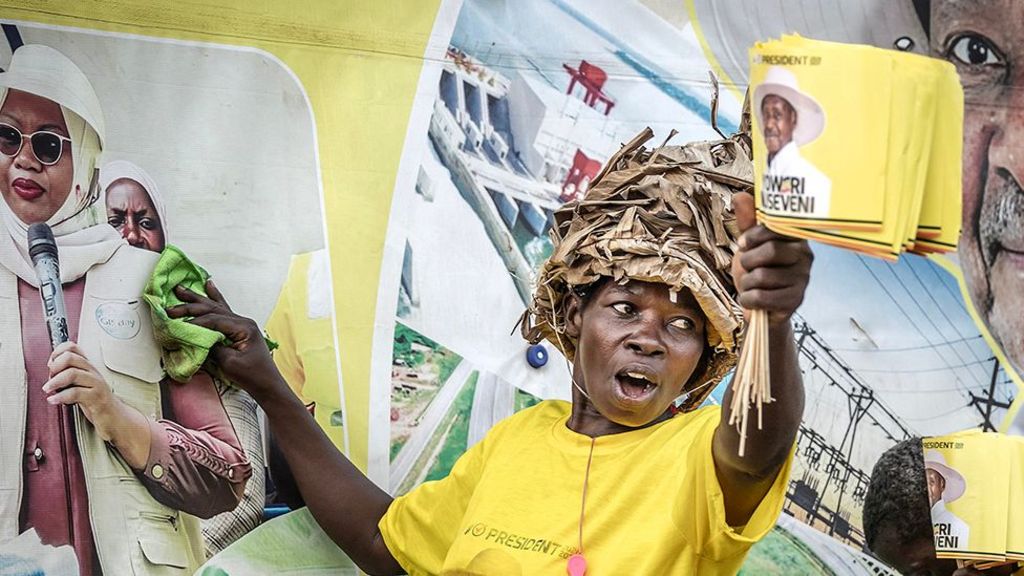
    President Yoweri Museveni, 81, seeks an extraordinary seventh term after four decades in power, campaigning under the ruling National Resistance Movement’s banner of ‘Protecting the Gains.’ His administration emphasizes stability and continuity, highlighting Uganda’s transformation from a refugee exporter to Africa’s largest refugee host. NRM spokesperson Emmanuel Lumala Dombo articulates this vision while defending the party’s record.

    Challenging the status quo is 43-year-old former pop star Bobi Wine (Robert Kyagulanyi), whose National Unity Platform mobilizes supporters with the urgent cry of ‘Protest Vote.’ He has emerged as the primary conduit for youth frustration, framing the election as a battle for liberation and freedom. Despite their opposing messages, both campaigns strategically target Uganda’s massive youth demographic.

    The political landscape reveals a profound paradox: one of the world’s youngest populations governed by aging elites who have consistently outmaneuvered constitutional limits. This tension reflects a broader African pattern where youthful societies remain under the control of long-established leadership.

    Uganda’s youth bulge represents both tremendous potential and significant risk. Hundreds of thousands enter the labor market annually, yet economic opportunities remain scarce. Political expression often meets with arrests, intimidation, and violence—responses that have deepened rather than suppressed public anger.

    Regional context amplifies these tensions. Youth-led protests in Kenya, emerging activism in Tanzania, violent unrest in Mozambique, and Madagascar’s military takeover after presidential flight demonstrate a continent-wide pattern of youthful political awakening. Ugandan authorities closely monitor these developments while implementing what many observers describe as a ‘managed security operation’ rather than a genuine legitimacy contest.

    Research fellow Fergus Kell of Chatham House notes the ‘heavily militarized’ nature of Ugandan politics, where state machinery suppresses alternative power centers. The UN human rights office reports widespread repression against opposition figures, journalists, and dissenting voices, while academic Kristof Titeca describes ‘rituals of democratic competition’ with ‘predetermined outcomes.’

    Beyond the two main contenders, traditional opposition parties like the Forum for Democratic Change and Democratic Party continue participating but struggle with internal divisions and limited appeal to younger voters seeking more confrontational approaches.

    The election raises fundamental questions about Uganda’s political future, particularly regarding succession. Speculation about Museveni’s retirement plans has persisted for 25 years, with each hint of departure followed by constitutional amendments removing term and age limits. Recently, attention has focused on General Muhoozi Kainerugaba, the president’s son, whose rapid military advancement and political activities through his Patriotic League of Uganda suggest potential hereditary transition planning.

    NRM officials downplay succession theories, emphasizing established party processes, while Bobi Wine remains skeptical, drawing parallels with Zimbabwe’s Robert Mugabe. The election ultimately transcends individual candidates, becoming a referendum on preserving historical achievements versus embracing a new generation’s demand for inclusion, fairness, and meaningful participation. Uganda’s youth have unequivocally transitioned from passive observers to active political participants.

  • US accuses Russia of ‘dangerous and inexplicable escalation’ of war in Ukraine as Trump seeks peace

    US accuses Russia of ‘dangerous and inexplicable escalation’ of war in Ukraine as Trump seeks peace

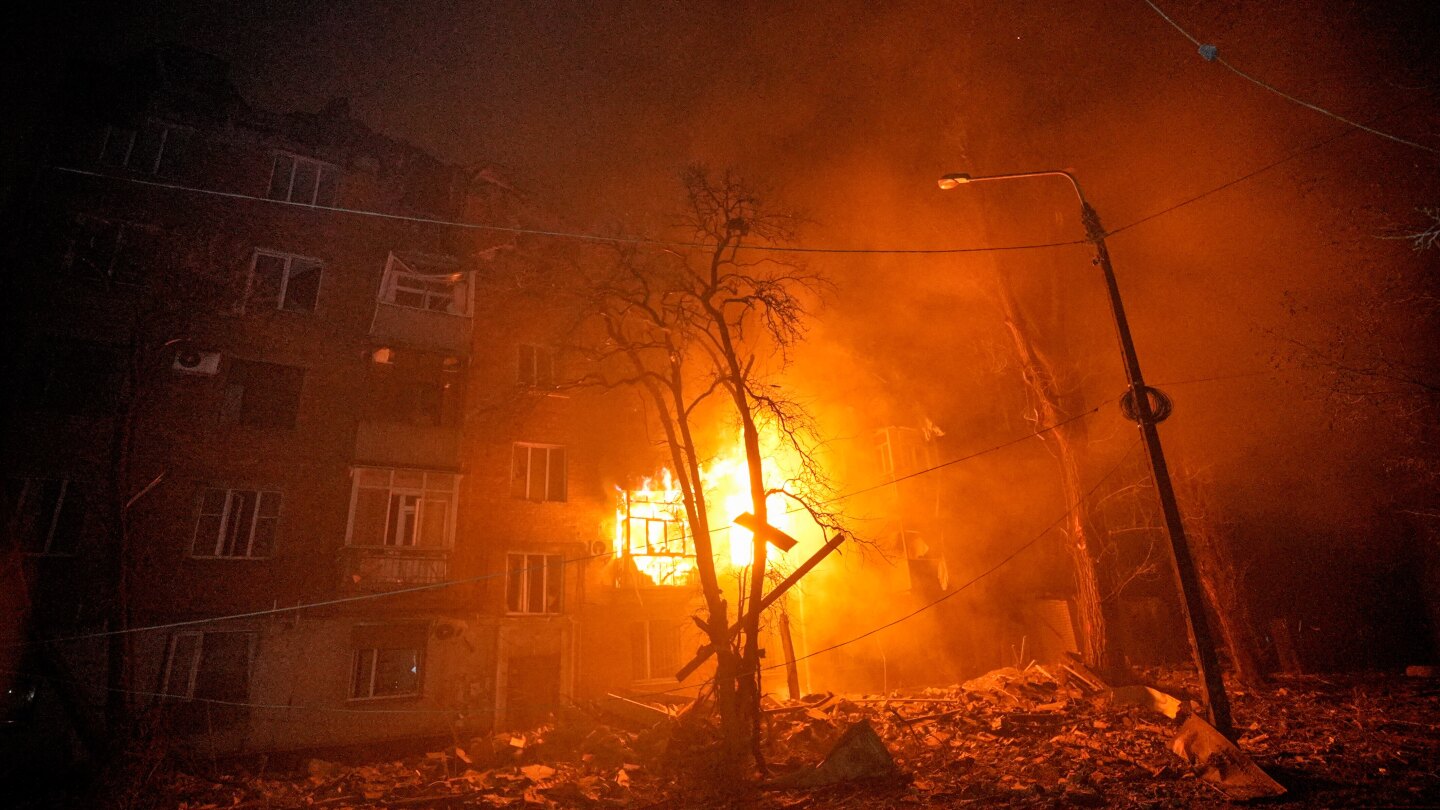
    In a dramatic emergency session of the United Nations Security Council, the United States delivered a stern condemnation of Russia’s military escalation in Ukraine, characterizing recent actions as a “dangerous and inexplicable” provocation. The emergency meeting, convened at Ukraine’s request, followed Russia’s extensive overnight bombardment last Thursday that deployed hundreds of drones and dozens of missiles, including the advanced nuclear-capable Oreshnik hypersonic ballistic missile launched near Ukraine’s border with NATO member Poland.

    U.S. Deputy Ambassador Tammy Bruce articulated grave concerns regarding Russia’s intensifying attacks on Ukrainian energy infrastructure and civilian targets, noting the “staggering number of casualties” resulting from the conflict. The timing of this military escalation appears particularly significant, occurring as the Trump administration attempts to advance peace negotiations and simultaneously implements hard-hitting sanctions designed to economically pressure Moscow.

    The diplomatic confrontation unfolded amid deteriorating relations between Washington and Moscow, exacerbated by Russia’s condemnation of recent U.S. seizure of an oil tanker in the North Atlantic. European leaders joined American officials in denouncing Russia’s missile deployment as “escalatory and unacceptable,” with Ambassador Bruce emphasizing that “Russia’s action risks expanding and intensifying the war” at a moment when diplomatic opportunities should be pursued.

    Russian Ambassador Vassily Nebenzia presented Moscow’s uncompromising position, asserting that military operations would continue until Ukrainian President Volodymyr Zelenskyy agrees to “realistic conditions for negotiations.” Nebenzia warned that with each passing day, negotiation terms would become increasingly unfavorable for Ukraine, promising that attacks on Russian civilians would “elicit a stiff response.”

    Ukrainian Ambassador Andriy Melnyk countered that Russia’s apparent strength constitutes an illusion, noting Moscow’s economic vulnerabilities with slowing growth and declining oil revenues. The exchange highlighted the profound diplomatic impasse as both nations appear entrenched in their positions, with Ukraine maintaining its defense capabilities through allied support while Russia continues its military campaign with increasingly advanced weaponry.

  • Penny Wong tight-tipped over Trump’s threat to invade Greenland

    Penny Wong tight-tipped over Trump’s threat to invade Greenland

    Australian Foreign Minister Penny Wong has adopted a measured diplomatic stance regarding former US President Donald Trump’s renewed assertions about potentially acquiring Greenland through military means. During a Sky News interview on Tuesday, Senator Wong emphasized the United States’ continued role as Australia’s “closest strategic partner” and “most important security ally” while carefully avoiding explicit commentary on what might constitute a ‘red line’ for Australia regarding US actions against the Arctic territory.

    The minister acknowledged that differences in perspective have occurred throughout the 75-year history of the US-Australia alliance, stating that Australia maintains a “principled position” and approaches the relationship as “responsible partners with regard to Australia’s national interests.” This diplomatic positioning comes amid heightened concerns following the US military action in Venezuela and arrest of its leader, Nicolas Maduro, earlier this month.

    Trump, who initially floated the idea of purchasing the 2.2 million square kilometer autonomous Danish territory during his first term, has recently intensified rhetoric about Greenland’s strategic importance. The former president and his officials have refused to rule out military force to acquire the island, which Trump claims is necessary for national security. During remarks aboard Air Force One, Trump asserted that without US intervention, Russia or China would dominate the region, disparaging Greenland’s current defense capabilities.

    The Danish government and Greenland’s administration have consistently rejected any compromise of their sovereignty. In response to growing geopolitical tensions, Denmark’s parliament recently voted to expand military cooperation with the US, granting American troops access to Danish air bases. Meanwhile, European NATO allies including France and Germany have declared the Arctic region a priority, with Greenland’s government committing to strengthen its defense under NATO auspices.

    The situation reflects Greenland’s complex historical relationship with Denmark, which colonized the primarily Inuit island before granting it progressive autonomy throughout the late 20th and early 21st centuries.

  • Deeper reflections on ‘cave-dwelling conversation’

    Deeper reflections on ‘cave-dwelling conversation’

    The historical ‘cave-dwelling conversation’ between Mao Zedong and democratic figure Huang Yanpei in 1945 continues to resonate across decades, posing a fundamental question about political sustainability: How can a ruling party escape the historical cycle of rapid ascent followed by abrupt decline? This philosophical inquiry, first contemplated by an American student encountering Yan’an through literature, found contemporary resolution during an immersive journalistic expedition to the revolutionary heartland in autumn 2025.

    Amidst the thunderous spectacle of Hukou Waterfall, where the Yellow River’s mighty currents crash against gorge walls, the metaphorical weight of historical transitions becomes palpable. Here, where dynastic rises and falls have physically unfolded, the Communist Party of China’s enduring governance reveals its dual foundation: external democratic supervision complemented by an internal mechanism of disciplined self-correction.

    The initial answer emerged in 1945 when Chairman Mao emphasized democratic oversight and the mass line, asserting that only through people’s supervision would government remain diligent. This principle guided China through monumental struggles toward historical national advancements. Yet contemporary governance demands additional safeguards—thus emerged the second answer: self-reform.

    President Xi Jinping’s November 2021 declaration that the Party had provided this ‘second answer’ through century-long struggle, particularly post-18th National Congress practices, finds tangible expression in Yan’an’s landscape. From revolutionary-era cave dwellings to modern apple orchards, the analogy becomes clear: just as sweet apples require meticulous pruning and pest control, effective governance necessitates preemptive problem-solving and institutional discipline.

    The CPC’s current governance framework demonstrates this through rigorous anti-corruption campaigns, strict implementation of the eight-point decision on conduct improvement, and zero-tolerance policies toward misconduct. As the 20th CPC Central Commission for Discipline Inspection convenes its fifth plenary session, the Party prepares to intensify these efforts throughout the 15th Five-Year Plan period (2026-30), ensuring disciplinary mechanisms support socioeconomic development.

    This dual approach—external supervision and internal reform—addresses Huang Yanpei’s historic concern while offering global relevance. The Yan’an dialogue ultimately transcends Chinese context, challenging political systems worldwide to consider what constitutes lasting, people-centered governance capable of self-correction and disciplined evolution.

  • Trump invades Venezuela and 12 other times the US has brought about regime change

    Trump invades Venezuela and 12 other times the US has brought about regime change

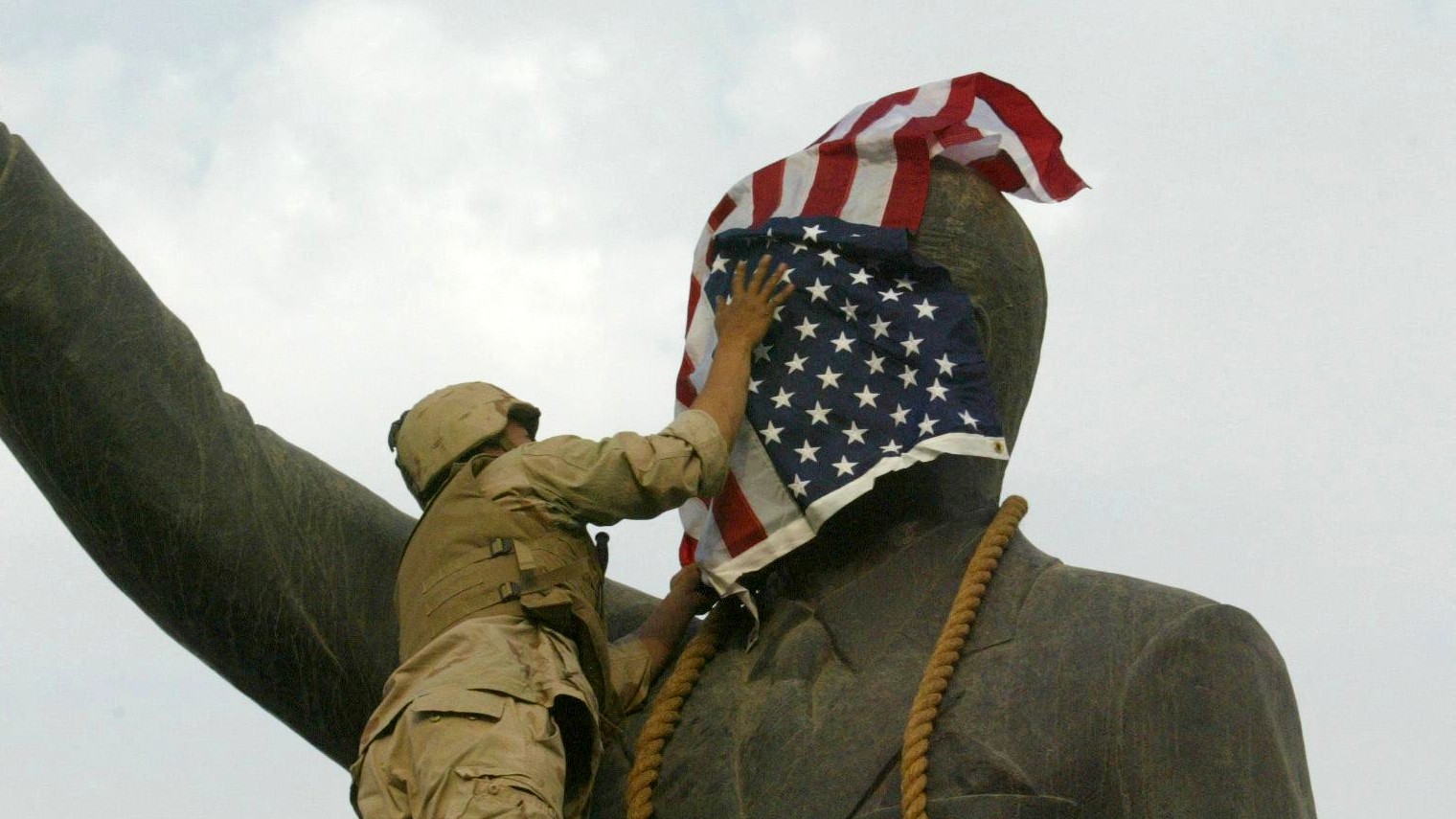
    The recent abduction of Venezuelan President Nicolas Maduro by US forces represents the latest manifestation of a long-standing US foreign policy tradition: direct intervention to achieve regime change on foreign soil. This practice, deeply rooted in American geopolitical strategy, has evolved through various methodologies including propaganda campaigns, sponsored military coups, assassinations, and full-scale invasions.

    The philosophical foundation for such interventions traces back to the 1823 Monroe Doctrine, which declared the Western Hemisphere as an American sphere of influence. This doctrine established the precedent that perceived threats to US economic interests or security could justify overseas intervention. Throughout the 19th century, this principle manifested through territorial expansion, including the annexation of Texas from Mexico and the overthrow of the Kingdom of Hawaii.

    As the United States emerged as a global superpower following World War II, its capacity to shape foreign governments expanded dramatically. The Cold War era witnessed numerous covert and overt operations targeting governments perceived as hostile to American interests. The 1953 CIA-orchestrated coup in Iran that overthrew democratically elected Prime Minister Mohammad Mosaddegh established a template for future interventions, combining disinformation campaigns with military support for opposition forces.

    Similar patterns emerged in Guatemala (1954), where the CIA executed Operation PBSuccess to remove President Jacobo Arbenz after his land reforms threatened American corporate interests, particularly the United Fruit Company. The Congo crisis (1960-1961) saw President Eisenhower authorize the assassination of Prime Minister Patrice Lumumba to prevent Soviet influence in resource-rich Africa.

    Not all regime change attempts proved successful. Multiple efforts to remove Fidel Castro from power in Cuba failed despite assassination attempts and the Bay of Pigs invasion. Furthermore, successful coups often created longer-term challenges, as demonstrated by the protracted conflicts following regime changes in Vietnam, Iraq, and Afghanistan.

    The methods and justifications have evolved over decades. In Chile (1973), the CIA spent millions undermining Salvador Allende’s government before supporting Augusto Pinochet’s brutal military coup. In Grenada (1983) and Panama (1989), military invasions served to install pro-US governments. The post-9/11 era brought regime changes in Afghanistan and Iraq based on security concerns that later faced serious questioning.

    Recent events in Venezuela continue this pattern, with the Trump administration employing increasingly direct methods including the unprecedented abduction of a sitting head of state. Historical evidence suggests that while regime change operations may achieve short-term objectives, they frequently produce unintended consequences and long-term instability in the affected regions.

  • Trump’s team escalates attack on Fed’s Powell with criminal indictment threat

    Trump’s team escalates attack on Fed’s Powell with criminal indictment threat

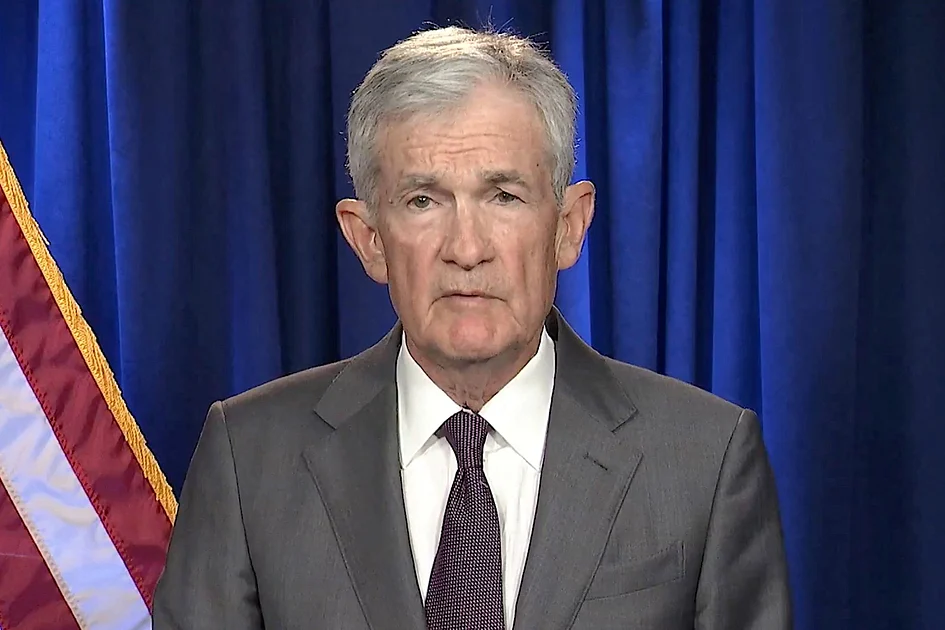
    In an extraordinary escalation of political pressure on the Federal Reserve, the Trump administration has threatened criminal indictment against Chair Jerome Powell over congressional testimony regarding a building renovation project—a move Powell characterized as a “pretext” for gaining influence over interest rate policy.

    The confrontation represents the most severe test of Federal Reserve independence in decades, triggering immediate reactions across Washington and global financial markets. Republican Senator Thom Tillis, a Banking Committee member, declared he would oppose all Trump Fed nominees “until this legal matter is fully resolved,” questioning the Justice Department’s “independence and credibility.”

    Financial markets responded with heightened volatility as investors assessed implications for monetary policy. Longer-term Treasury yields rose amid inflation concerns, gold surged to record highs, and the dollar weakened. Major U.S. stock indexes opened lower, with bank stocks particularly pressured by simultaneous Trump proposals to cap credit card interest rates.

    The subpoenas, served Friday by the Justice Department, relate to Powell’s June 2023 testimony about cost overruns in the $2.5 billion renovation of the Fed’s Washington headquarters. Powell maintains the investigation represents broader administration efforts to influence rate-setting decisions, stating: “The threat of criminal charges is a consequence of the Federal Reserve setting interest rates based on our best assessment of what will serve the public, rather than following the preferences of the President.”

    This development occurs two weeks before the Supreme Court hears arguments regarding Trump’s attempt to remove Fed Governor Lisa Cook. Powell’s term as chair concludes in May, though he retains Board membership until 2028. Fed historians describe the situation as “a low point in the history of central banking in America,” highlighting the dangerous precedent of using criminal law against a sitting Fed chair.

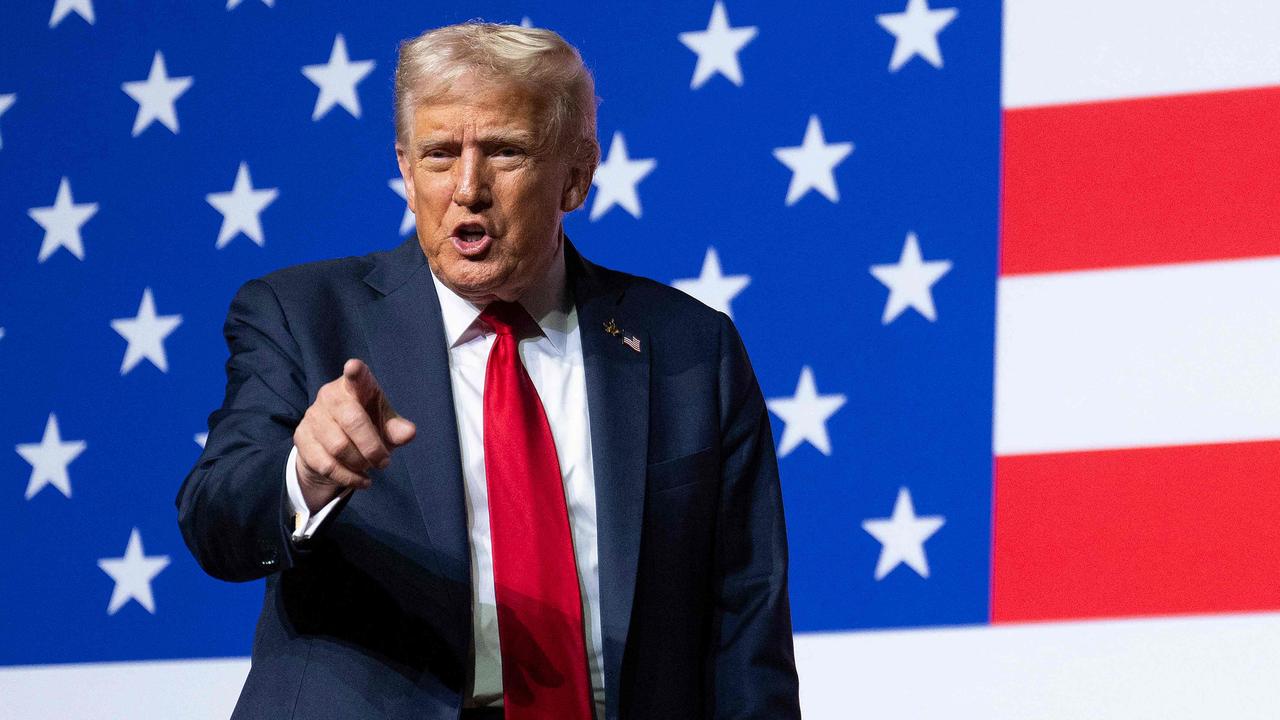
    Trump denied knowledge of the Justice Department’s actions while criticizing Powell’s performance, telling NBC News: “I don’t know anything about it, but he’s certainly not very good at the Fed, and he’s not very good at building buildings.”