分类: politics

  • Trump to ‘permanently pause’ migration: What are current ‘third-world’ countries?

    Trump to ‘permanently pause’ migration: What are current ‘third-world’ countries?

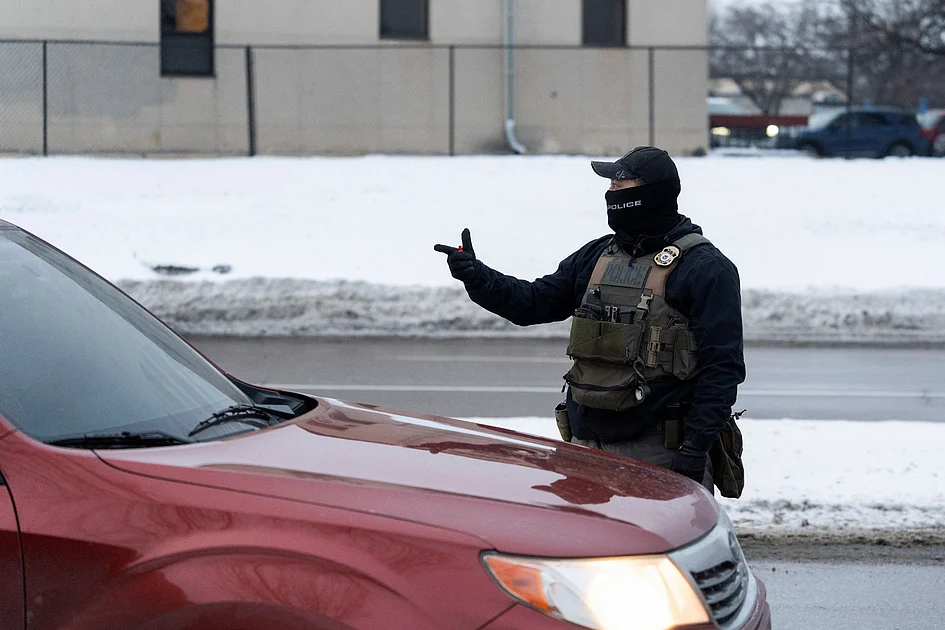
    In a significant policy announcement, former US President Donald Trump declared intentions to implement a permanent suspension on migration from countries he categorizes as ‘third-world,’ asserting this measure is essential for allowing the American system to recover. The controversial proposal follows the recent suspension of immigration applications from Afghan nationals after a shooting incident in Washington, D.C., that resulted in the death of National Guard member Sarah Beckstrom and critical injuries to another.

    Trump’s immigration framework includes aggressive measures such as mass deportations of individuals deemed ‘not a net asset to the United States,’ denaturalization of those accused of undermining domestic tranquility, and the expulsion of foreign nationals considered public charges or security risks. Additionally, the plan entails cutting federal benefits for non-citizens and terminating millions of immigration approvals granted under the Biden administration.

    The terminology used in the proposal—’third-world’—has drawn criticism for being outdated and potentially derogatory. Modern international institutions, including the United Nations, now employ more precise classifications such as ‘Least Developed Countries’ (LDCs), which are evaluated based on economic, educational, and technological metrics, alongside human asset indicators and economic vulnerability.

    Currently, 44 nations are classified as LDCs, with 32 in Africa, 8 in Asia, 1 in the Caribbean, and 3 in the Pacific. This list is dynamic, with countries such as Bangladesh, Laos, and Nepal scheduled for ‘graduation’ from the category as early as 2026 based on improved development indicators.

    The announcement reinforces Trump’s longstanding hardline stance on immigration, though it lacks specificity regarding which nations would be affected under the broad and historically charged ‘third-world’ label.

  • Trump to pause migration from ‘third-world countries’ to allow US system ‘to recover’

    Trump to pause migration from ‘third-world countries’ to allow US system ‘to recover’

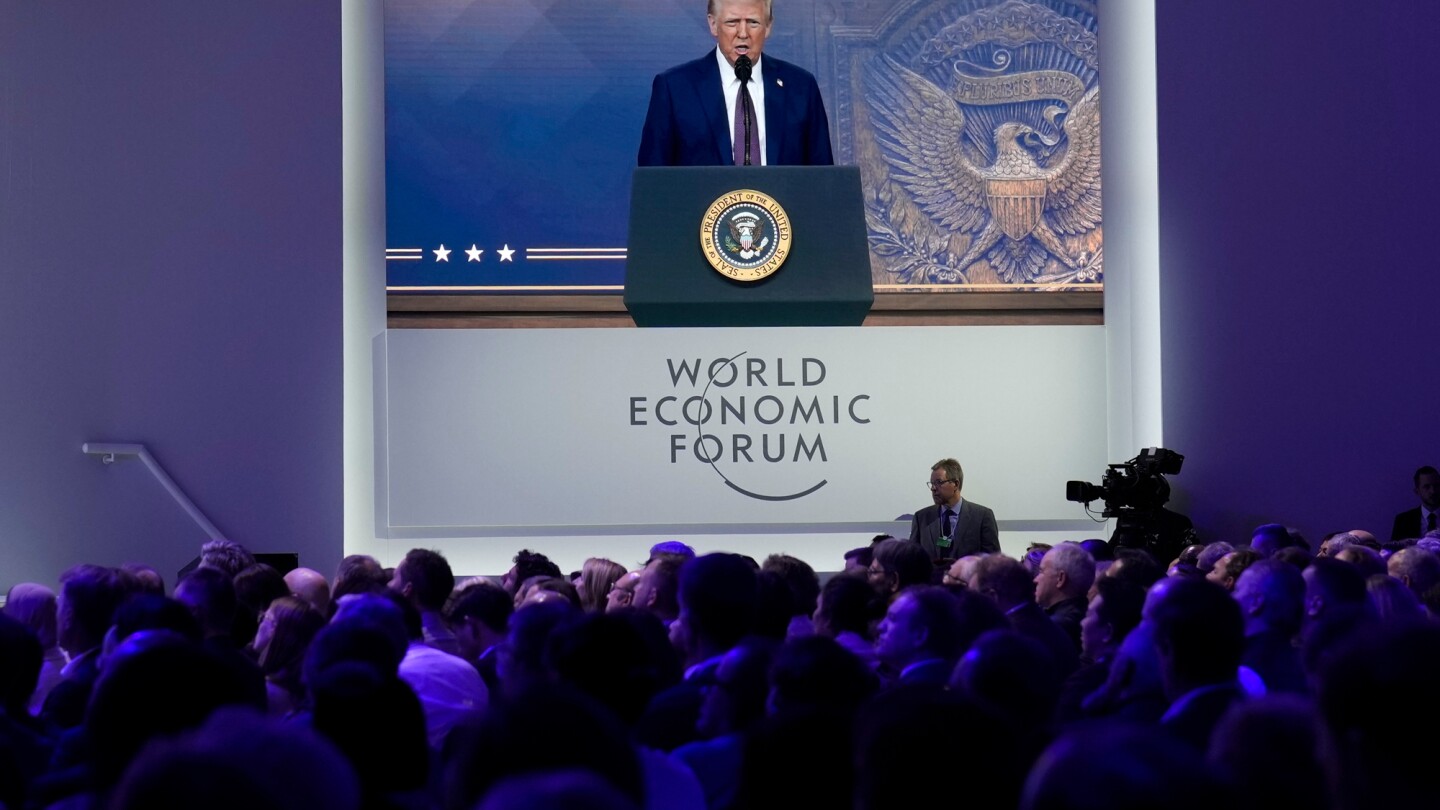
    In a significant policy address delivered on Friday, November 28, 2025, US President Donald Trump declared an immediate and permanent suspension of migration from nations he characterized as ‘third-world countries.’ This decisive action, according to the President, is essential to enable the United States’ immigration framework ‘to fully recover.’

    The announcement follows a tragic national security incident that occurred on Thursday, resulting in the death of a National Guard member. The servicemember was fatally shot in an ambush near the White House perimeter. Preliminary investigations by law enforcement agencies indicate the attack was executed by an Afghan national, leading the President to formally label the incident ‘an act of terror.’

    Expanding on his policy stance via his preferred social media platform, Truth Social, President Trump outlined a series of stringent additional measures. These include the termination of all federal benefits and subsidies for noncitizens. Furthermore, his administration plans to initiate denaturalization proceedings against migrants deemed to ‘undermine domestic tranquility’ and will pursue the deportation of any foreign national classified as a public charge, a security risk, or ‘non-compatible with Western civilization.’

    This policy shift reinforces a notably more aggressive immigration strategy adopted since the beginning of his current term. The administration has consistently prioritized enhanced border security, stricter enforcement protocols, and the systematic dismantling of policies established under the previous presidential tenure. This latest directive aligns with a separate executive decision made just one day prior, which indefinitely halted the processing of all immigration petitions from Afghan nationals pending a comprehensive reassessment of security and vetting procedures.

    Concluding his statement, the President extended Thanksgiving wishes to the nation, with a pointed exception for those he stated ‘hate, steal, murder, and destroy everything that America stands for,’ adding a stark warning: ‘You won’t be here for long!’

  • US National Guard member dies; fellow Guardsman ‘fighting for life’ after shooting

    US National Guard member dies; fellow Guardsman ‘fighting for life’ after shooting

    A deadly ambush near the White House has resulted in the death of National Guard Specialist Sarah Beckstrom, 20, and left her fellow Guardsman Andrew Wolfe, 24, in critical condition. The attack, which occurred on Wednesday afternoon, has ignited a fierce political debate over immigration vetting procedures and triggered a comprehensive review of U.S. asylum policies.

    The alleged perpetrator, identified as 29-year-old Rahmanullah Lakanwal, was shot and wounded during an exchange of gunfire with other troops. FBI investigators have launched a terrorism probe, seizing multiple electronic devices from the suspect’s Washington state residence. Lakanwal, according to intelligence officials, previously served in a CIA-backed paramilitary unit in Afghanistan before entering the United States in 2021 through Operation Allies Welcome—a Biden-era resettlement program for Afghans who assisted U.S. forces.

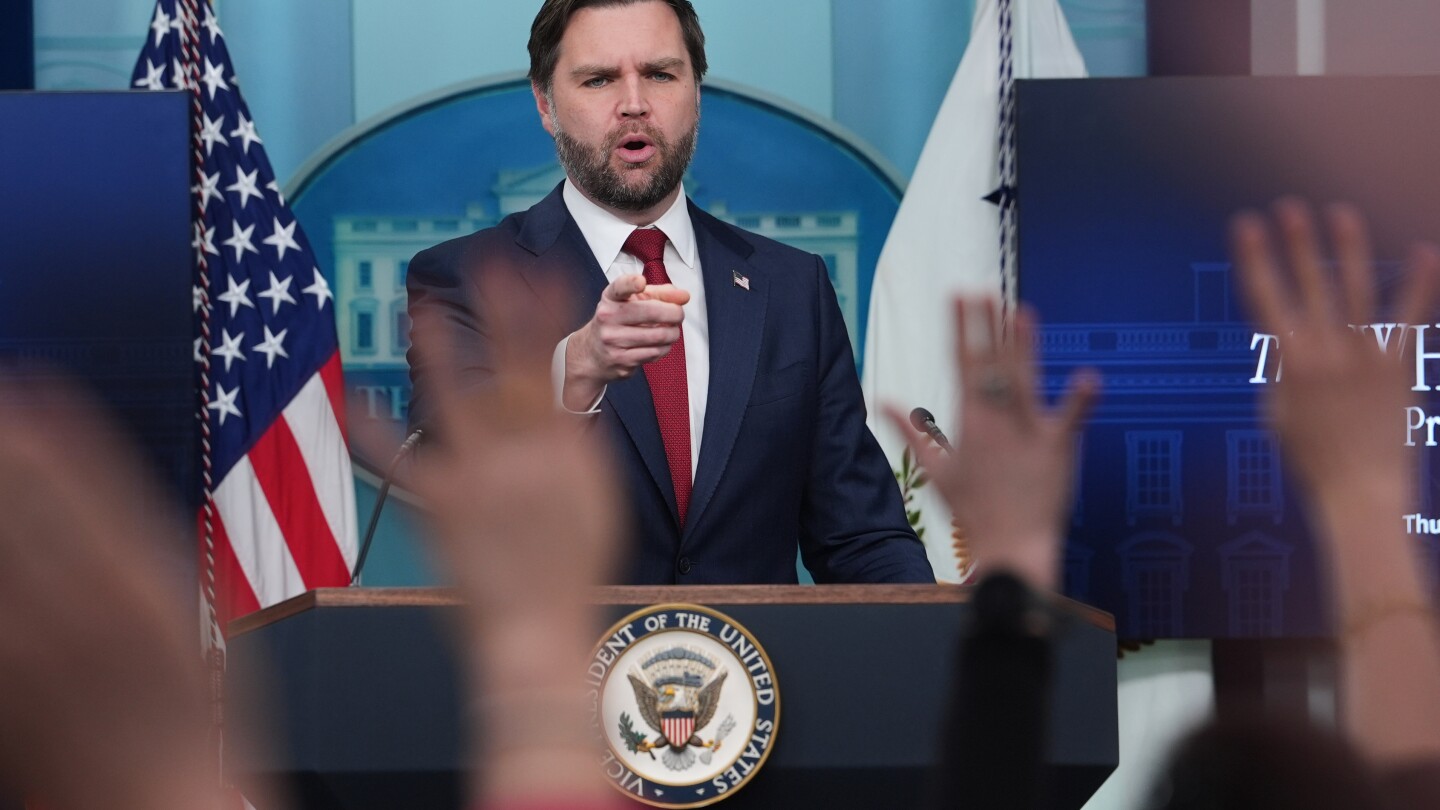
    President Donald Trump characterized the shooting as a ‘heinous act of terrorism’ and immediately ordered a sweeping review of asylum cases approved during the previous administration. During a Thanksgiving call with military members, Trump blamed what he called inadequate vetting procedures under President Biden for allowing the suspect into the country, though he provided no evidence to support this claim.

    Contradicting the political narrative, official documents reviewed by Reuters indicate that Lakanwal was actually granted asylum in April of this year—three months after Trump took office. The suspect had no known criminal history and legally resided in Washington state with his wife and five children.

    The tragedy has exposed tensions in U.S. immigration policy, particularly regarding the processing of Afghan allies following the chaotic 2021 withdrawal. While the resettlement program included vetting procedures by counter-terrorism agencies, the scale and rapid pace of evacuations led critics to question the effectiveness of background checks.

    Attorney General Pam Bondi announced plans to pursue terrorism charges against the gunman, potentially seeking the death penalty following Beckstrom’s death. Meanwhile, the Beckstrom family mourns their loss, with father Gary Beckstrom describing the incident as a ‘horrible tragedy’ in a social media post.

    The shooting has intensified the ongoing debate about border security and immigration vetting, with the Trump administration now reviewing all asylum cases approved under the previous administration as well as Green Cards issued to citizens of 19 countries.

  • Two former Peruvian presidents jailed in two days

    Two former Peruvian presidents jailed in two days

    In an unprecedented judicial development, Peru’s Supreme Court has convicted two former presidents within a 48-hour period, highlighting the nation’s ongoing struggle with political corruption and constitutional crises. Left-wing leader Pedro Castillo received an 11-year prison sentence on Thursday for his 2022 attempt to dissolve Congress and establish rule by decree—a political gamble that resulted in his immediate impeachment and arrest.

    The Court found Castillo guilty of ‘conspiracy to commit rebellion’ while acquitting him of two additional charges. This verdict follows Wednesday’s sentencing of centrist former president Martín Vizcarra to 14 years imprisonment for accepting over $600,000 in bribes from construction companies during his tenure as governor of Moquegua region (2011-2014). Vizcarra, who had built his political reputation on anti-corruption platforms, continues to maintain his innocence.

    Castillo’s conviction sparked demonstrations outside the detention facility where supporters gathered awaiting the verdict. Julia Buendia, one such supporter, expressed continued belief in Castillo’s innocence to AFP reporters. The former rural schoolteacher and trade unionist—often described as Peru’s first poor president—had risen to power in 2021 on widespread disillusionment with traditional politics. His 2022 arrest previously triggered deadly protests among his working-class base that left at least 50 dead after brutal security force interventions.

    These cases represent the latest in a series of presidential prosecutions that have rocked Peruvian politics. Former president Ollanta Humala (2011-2016) received a 15-year sentence earlier this year for money laundering, while Alejandro Toledo (2001-2006) was sentenced last year to over 20 years for accepting $35 million in bribes.

    The sentences occur against a backdrop of persistent political instability. Recent months have seen violent clashes in Lima between anti-government protesters and riot police, resulting in one death and over 100 injuries. Current interim President José Jerí assumed office following the impeachment of predecessor Dina Boluarte, who was removed by lawmakers citing ‘permanent moral incapacity’ amid soaring crime rates and corruption investigations including the ‘Rolexgate’ scandal involving alleged bribery through luxury watches.

  • France to intercept small boats after pressure from UK

    France to intercept small boats after pressure from UK

    In a significant policy reversal, French authorities have consented to commence maritime interceptions of migrant vessels in the English Channel after sustained diplomatic pressure from the United Kingdom. This strategic shift follows a personal appeal from Prime Minister Sir Keir Starmer to President Emmanuel Macron, emphasizing the current absence of effective deterrence mechanisms in the crucial waterway.

    According to confirmed reports from French maritime police, security forces will now engage in preventive operations targeting empty migrant boats before they embark passengers from northern French coastlines. This approach marks a departure from previous restraint, where French police historically avoided intercepting overloaded vessels due to safety concerns for both officers and migrants.

    A spokesperson for the French maritime police clarified that while interception tactics will be implemented, they explicitly exclude controversial methods such as propeller-entangling nets. The primary stated objective remains the preservation of human life amidst increasingly dangerous crossing attempts.

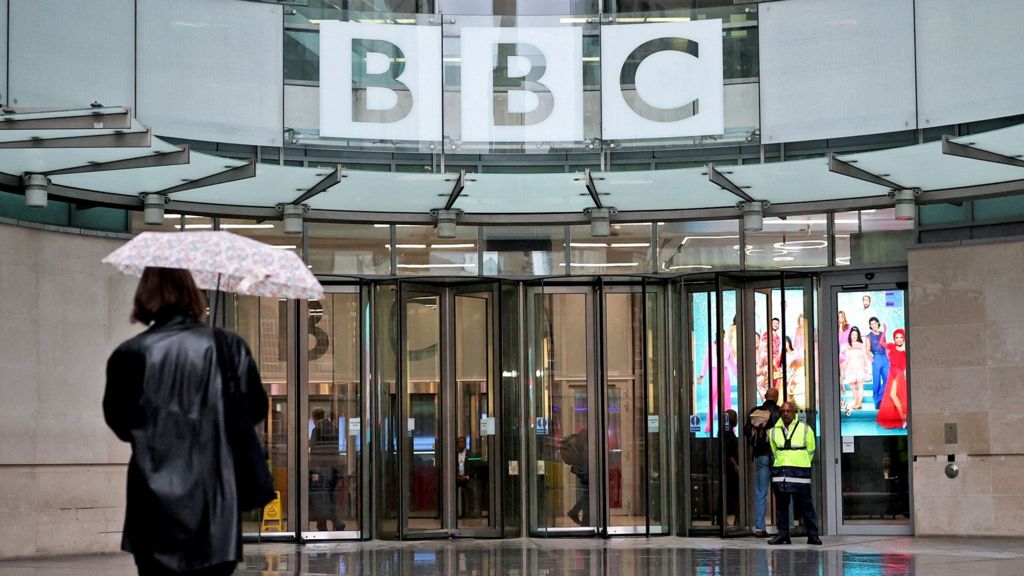
    This development revives elements of a previously abandoned strategy championed by former Interior Minister Bruno Retailleau, which included more aggressive interception methods observed during summer operations. The BBC documented one such instance in July near Boulogne, where French officers waded into shallow waters to disable migrant vessels.

    Meteorological challenges currently delay operational implementation, with strong winds temporarily preventing interception activities. Meanwhile, people-smuggling networks are expected to adapt their tactics to evade enhanced surveillance measures, continuing the cat-and-mouse dynamic that has characterized cross-Channel migration patterns.

    The UK government acknowledged the collaboration, stating: “We continue to work closely with our French partners on the shared challenge of illegal migration, ensuring officers in France review their maritime tactics for intervention in shallow waters.” This bilateral agreement represents the latest chapter in ongoing efforts to manage migration flows through one of Europe’s most contentious transit routes.

  • Horta Inta-A sworn in as transitional president of Guinea-Bissau

    Horta Inta-A sworn in as transitional president of Guinea-Bissau

    In a significant political development, senior military officer Horta Inta-A assumed the role of transitional president of Guinea-Bissau on Thursday, November 27, 2025, following the armed forces’ declaration of complete state control. The swearing-in ceremony, broadcast live on national radio, marks a pivotal moment for the West African nation.

    Inta-A, previously serving as chief of staff of the Guinea-Bissau army and later as special chief of staff to the president since 2023, pledged to address the country’s persistent challenges during his one-year transitional term. In his inaugural address, he emphasized that the military’s intervention was necessary to ‘prevent the disintegration of the state’ amid escalating political instability.

    The newly installed leader outlined his administration’s priorities, committing to combat widespread corruption and drug trafficking—two critical issues that have historically undermined national stability and governance. Inta-A extended an appeal for cooperation to all citizens and political factions, urging collective efforts to ensure an orderly transition process.

    This political shift occurred just one day after the armed forces announced their complete takeover of state power through a national television broadcast. Military authorities justified their actions as a necessary response to alleged attempts by certain political figures to destabilize the country, though specific details about these alleged destabilization efforts were not provided.

    The international community continues to monitor the situation closely as Guinea-Bissau, with its history of political volatility and military interventions, enters this period of transitional governance under military leadership.

  • Canadian minister resigns from cabinet over oil pipeline deal

    Canadian minister resigns from cabinet over oil pipeline deal

    In a dramatic display of political dissent, Canadian Languages Minister Steven Guilbeault tendered his resignation from Prime Minister Mark Carney’s cabinet on Thursday, directly opposing a newly signed oil pipeline agreement between the federal government and Alberta province.

    The resignation occurred mere hours after Ottawa and the oil-rich western province finalized a memorandum of understanding to advance development of a private-sector pipeline project. This infrastructure initiative aims to transport a minimum of 1 million barrels daily of low-emission bitumen from Alberta’s oil sands to international markets.

    Guilbeault, who has served as official languages minister since May and held the Canadian identity and culture portfolio since March, articulated his opposition through a formal statement posted on social media platform X. ‘I remain one of those for whom environmental issues must remain front and center,’ declared the former environment and climate change minister. ‘That is why I strongly oppose the Memorandum of understanding between the federal government and the government of Alberta.’

    The controversial agreement confirms federal support for a pipeline that would enable bitumen exports from a strategic deep-water port to Asian markets, representing a significant expansion of Canada’s energy export capabilities. Guilbeault’s departure highlights the ongoing tension within the Canadian government between economic development priorities and environmental commitments, particularly concerning fossil fuel infrastructure projects.

    The timing of this resignation, occurring on the same day as the agreement’s signing, delivers a substantial political blow to the Carney administration and underscores the deep ideological divisions within the governing coalition regarding climate policy and resource development.

  • Anti-corruption units raid home and offices of Zelenskyy’s chief of staff

    Anti-corruption units raid home and offices of Zelenskyy’s chief of staff

    In a significant development within Ukraine’s political landscape, anti-corruption authorities have executed coordinated raids targeting the residence and official workplace of Presidential Chief of Staff Andrii Yermak. This operation represents a substantial escalation in Ukraine’s ongoing campaign against systemic corruption, particularly striking given Yermak’s position as one of President Volodymyr Zelenskyy’s most influential advisors and a central figure in diplomatic negotiations with the United States.

    The National Anti-Corruption Bureau of Ukraine (NABU), in collaboration with the Specialized Anti-Corruption Prosecutor’s Office (SAPO), confirmed conducting searches as part of a comprehensive investigation into corruption allegations within the nation’s energy sector. The probe centers on a massive financial scandal involving approximately $100 million and implicates several high-ranking Ukrainian officials.

    Yermak publicly acknowledged the investigations through a statement on Telegram, emphasizing his full cooperation with authorities. He noted that investigative teams encountered no obstructions during their searches and confirmed that his legal representatives were present throughout the proceedings. This transparency statement appears designed to demonstrate compliance with anti-corruption efforts despite the sensitive timing.

    The raids create considerable complications for the Zelenskyy administration as it simultaneously manages military operations against Russian invasion forces and delicate diplomatic negotiations regarding potential peace settlements. Western nations, particularly the United States, have consistently emphasized anti-corruption reforms as prerequisite conditions for continued financial and military assistance to Ukraine.

    This development occurs amid critical discussions with international partners regarding Ukraine’s defense funding and long-term security guarantees. The administration must now navigate these domestic investigations while maintaining confidence among its international allies that governance reforms remain on track despite the ongoing conflict.

  • Guinea-Bissau president flees to Senegal after coup

    Guinea-Bissau president flees to Senegal after coup

    In a significant political development, ousted Guinea-Bissau President Umaro Sissoco Embaló has safely arrived in Senegal after being released by military forces that overthrew his government. The Senegalese foreign ministry confirmed his arrival via chartered military flight late Thursday, describing the deposed leader as being in good condition.

    The transfer followed intensive negotiations by the Economic Community of West African States (ECOWAS) amid escalating tensions in the coup-prone nation. Meanwhile, the military junta has installed General Horta N’Tam, the army chief of staff, as transitional leader for a one-year period. The coup occurred just one day before authorities were scheduled to announce provisional results from Sunday’s presidential and parliamentary elections.

    The military leadership has justified its actions by claiming to thwart a destabilization plot involving unnamed politicians allegedly supported by a prominent drug baron. In response to the crisis, the junta has suspended the electoral process, blocked result announcements, implemented a night-time curfew, and initially sealed the nation’s borders—though these were subsequently reopened following General N’Tam’s swearing-in ceremony.

    International organizations have uniformly condemned the power grab. ECOWAS has suspended Guinea-Bissau from all decision-making bodies until constitutional order is restored, while the African Union and United Nations Secretary-General Antonio Guterres have called for immediate restoration of democratic governance. The UN leader expressed deep concern about the situation and demanded unconditional return to constitutional order.

    This marks at least the ninth successful or attempted coup in Guinea-Bissau since gaining independence from Portugal in 1974. The small West African nation, situated between Senegal and Guinea, has long struggled with political instability and has gained notoriety as a significant hub for international drug trafficking operations.

  • Ukraine anti-corruption agents search home of Zelensky’s top adviser

    Ukraine anti-corruption agents search home of Zelensky’s top adviser

    Ukrainian anti-corruption authorities have executed authorized searches at the residence of Presidential Chief of Staff Andriy Yermak, a central figure in President Volodymyr Zelensky’s administration. The National Anti-Corruption Bureau of Ukraine (NABU) confirmed conducting investigative operations at Yermak’s apartment, with the Specialized Anti-Corruption Prosecutor’s Office (SAPO) jointly overseeing procedural activities.

    Yermak acknowledged the investigations via social media, stating authorities had obtained full access to his property with his legal representatives present. He emphasized his complete cooperation with the proceedings, though specific allegations remain undisclosed. The development emerges amid growing corruption controversies involving multiple officials within Zelensky’s inner circle, though neither the president nor his chief of staff face formal accusations.

    Having served as Zelensky’s principal aide for over five years, Yermak has been instrumental in coordinating Ukraine’s military and diplomatic strategies following Russia’s full-scale invasion. His role as Kyiv’s lead negotiator in peace discussions with international partners, particularly the United States, has positioned him as a pivotal figure in Ukraine’s wartime leadership. However, his influence has increasingly drawn criticism from political opponents and reform advocates demanding accountability and governmental restructuring.

    The investigation signifies deepening anti-corruption efforts within Ukraine’s institutions as the country continues its pursuit of European Union membership. Western allies have consistently emphasized anti-corruption reforms as prerequisite for continued financial and military support. This probe occurs against a backdrop of heightened geopolitical tensions and ongoing military operations, raising questions about potential impacts on Ukraine’s governance stability and diplomatic negotiations.